



3.3 kV Motor Review: Low Noise, Long Life, and Easy Maintenance
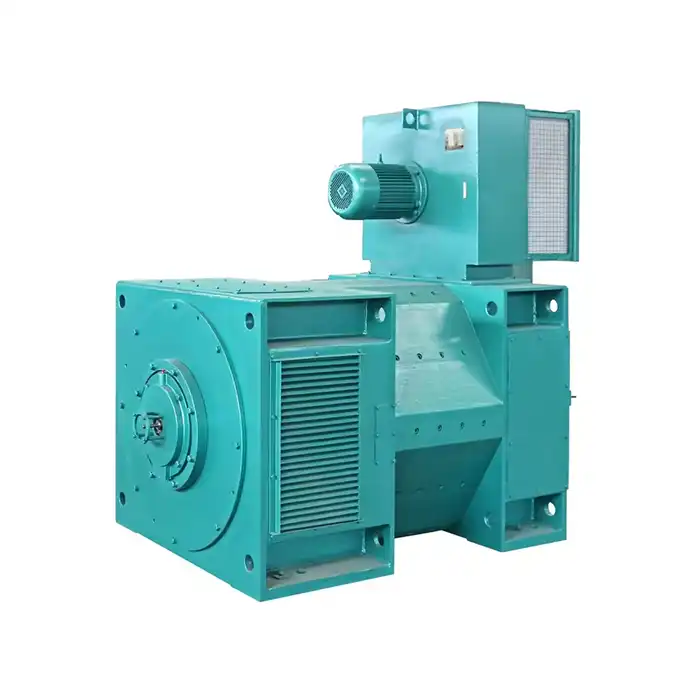
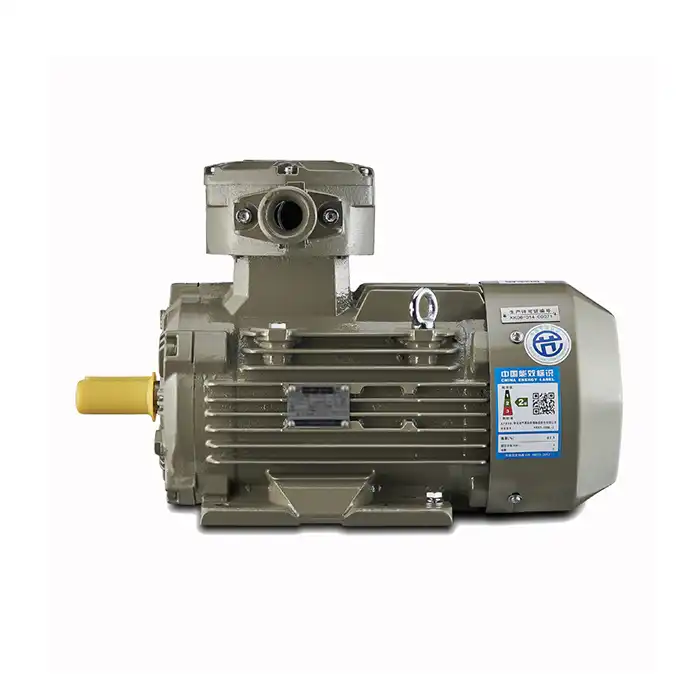
When looking at medium voltage motors for industrial use, the 3.3 kV motor stands out as a reliable option that strikes a good mix between power delivery and operating efficiency. These motors work well in a wide range of harsh conditions, from industrial floors to power plants. They make very little noise, last a long time, and are easy to keep. Their design solves the problems that support teams face every day, which makes them a good choice for businesses that want to prioritize uptime and cost control.
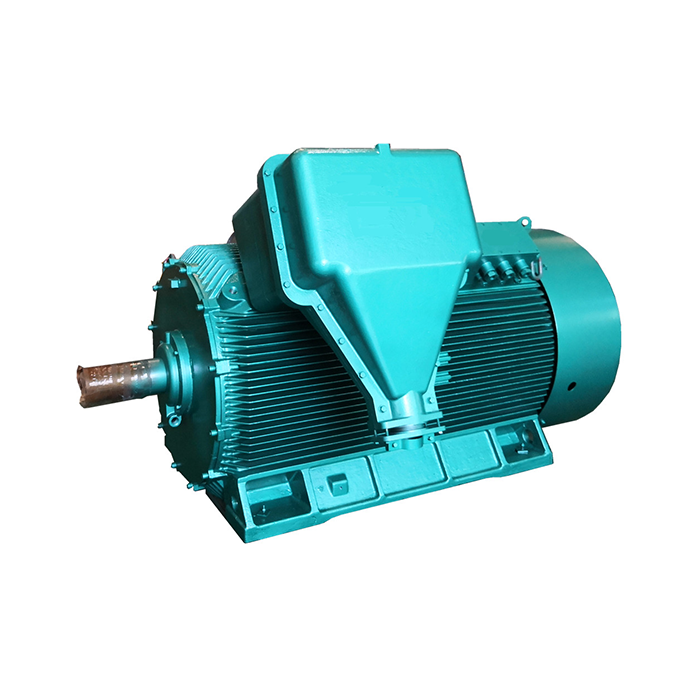
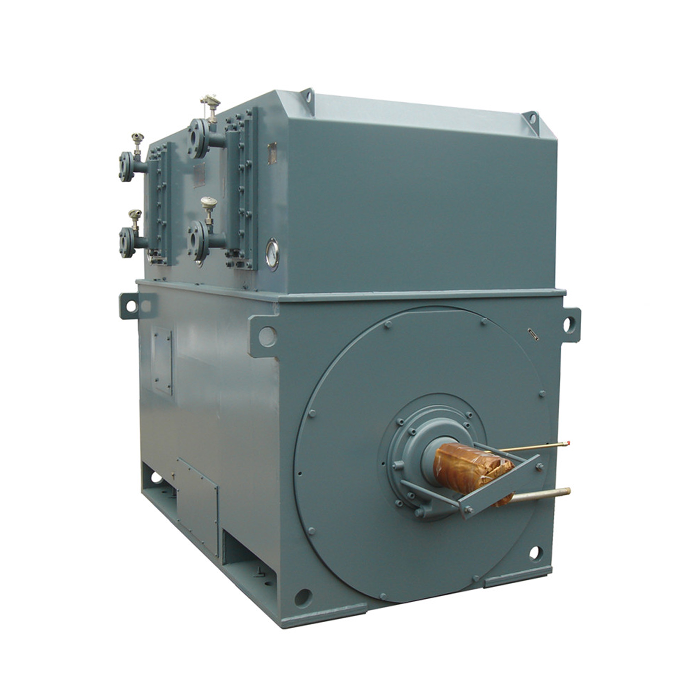
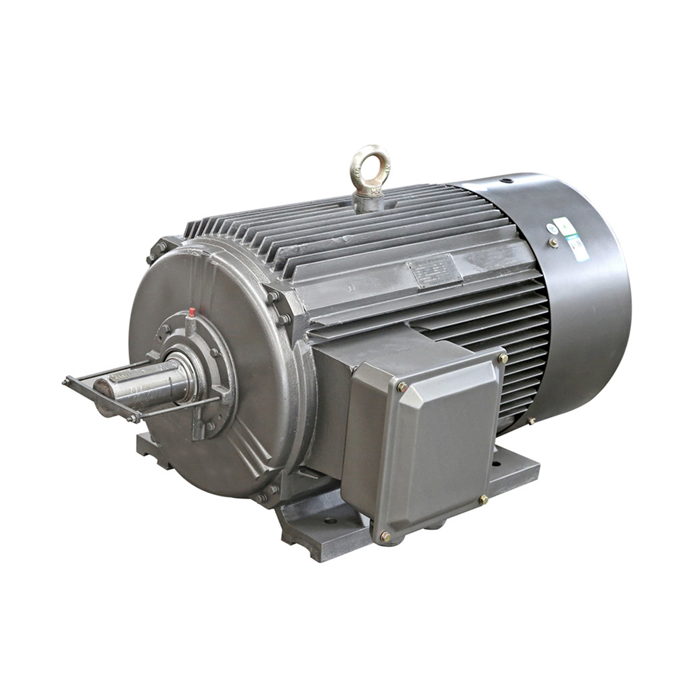
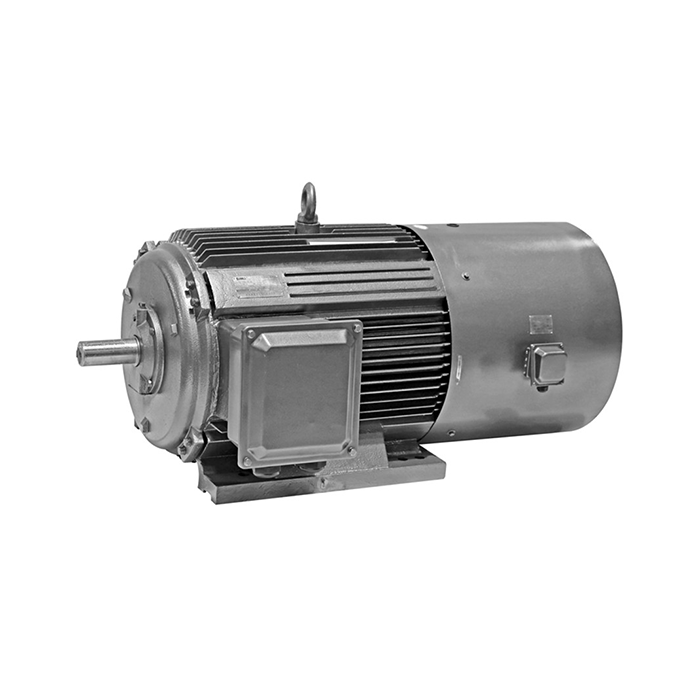
Series:Y2
Protection level:IP54
Voltage range:3000V±5%,3300V±5%,6000V±5%,6600V±5%,10000V±5%,11000V±5%
Power range:160-1600 kW
Application:fans, water pumps, compressors, crushers, cutting machine tools, transportation machinery, etc.
Advantage:compact structure, light weight, low noise, small vibration, long service life, easy installation and maintenance.
Standard: This series of products complies withJB/T10444-2004 standards.
Others: SKF, NSK, FAG bearings can be replaced according to customer requirements.
Understanding the Working Principle and Key Benefits of Medium Voltage Motors
How Medium Voltage Motors Operate in Industrial Settings
Through a process called electromagnetic induction, medium voltage motors turn electrical energy into mechanical motion. The 3.3 kV motor works in a voltage range that is between low voltage (below 1000V) and high voltage (above 10,000V). At this voltage level, power can be sent efficiently with less current flow, so as little energy as possible is lost during operation. The motor is built with strong windings, rotors that are precisely designed, and improved insulation systems that can handle both temperature and electrical stress well.
We at XCMOTOR make motors with voltage bands that go from 3000V±5% to 11000V±5%, so they can work with a variety of grid setups. Power ranges from 160 kW to 1600 kW to meet a variety of load needs, and speed ranges from 500 RPM to 3000 RPM give operators a choice of how to run the machine. These units meet strict quality standards because they follow JB/T10444-2004 guidelines.
Core Performance Advantages That Matter
The technical choices that go into making a medium voltage motor have a direct effect on how efficiently your building runs. Precision balance and sound-dampening technologies built into the motor housing make it very quiet. This trait is especially useful in places where noise pollution makes it hard for workers to be comfortable or follow the rules.
High-quality materials and smart heat control lead to longer service life. The IP54 level of protection keeps dust and water out of the internal parts, and the small size lowers mechanical stress points. The lightweight design, which doesn't sacrifice sturdiness, makes installation easier and lowers the load needs for the structure.
Another useful plus for the 3.3 kV motor is its ease of maintenance. The design makes it easy to get to the bearings, which can be SKF, NSK, or FAG, depending on the needs of the process. Because they are flexible, new parts can work with the methods you already have for managing your inventory, which makes buying them easier.
Comparing Medium Voltage Options for Informed Procurement
Voltage Classification and Operational Context
To choose the right voltage class, you need to know about the electrical equipment and load factors of your building. Motors that run at 1.1 kV are good for smaller industry uses where power is distributed locally. The 3.3 kV motor is designed for medium-sized processes that need a lot of power but don't need the complicated equipment of higher voltage systems. Units with ratings of 6.6 kV or higher are used by big industries that need a lot of power and have their own high-voltage distribution networks.
The size of the cables, the cost of the protection tools, and the current electrical infrastructure all play a role in the choice. Medium voltage motors at 3.3 kV are a good compromise because they provide enough power for large loads while still meeting the needs of a reasonable electrical system. Compared to low-voltage options, this voltage level slows down the flow of current, which lowers the cross-section of the wire and the cost of the materials used.
Efficiency Considerations and Cooling Methods
Energy economy changes depending on how the motor is built and how it is cooled. Medium voltage motors often use the IC411 cooling method, which moves hot air around the outside of the motor to get rid of the heat. This method keeps the right working temperatures without using complicated cooling systems, which adds to the ease of upkeep.
Ratings for efficiency have a direct effect on how much it costs to run the motor over its lifetime. When medium voltage motors are well built, they stay highly efficient across their load range. This means that they use less energy at both peak and partial load situations. The small size and well-thought-out design of the magnetic circuit keep losses to a minimum, which saves money on power bills.
Maintenance Best Practices and Common Faults
Essential Maintenance Routines for Longevity
Motors that make little noise and last a long time can be kept in good shape with regular repair. Schedules for lubrication rely on the type of bearing and how it is being used, but they are usually every three to twelve months. Using the right grade and amount of oil stops bearings from wearing out too quickly and lowers the noise that comes from friction. Following the manufacturer's instructions is very important because too much or too little oil can cause problems.
Insulation resistance testing finds wear and tear before it leads to failures. Moisture, contamination, or heat damage can be found with yearly megohm tests at the right voltage settings. By plotting these measures against time, you can see patterns of wear and tear that let you plan treatments instead of emergency fixes. The IP54 level of security is a good starting point, but seals and gaskets should be checked regularly to make sure they stay in good shape.
Monitoring vibrations finds mechanical problems early on. Setting standard vibration patterns during launching gives you something to compare against when you do regular checks. Changes in the frequency range or an increase in the vibration intensity can be signs of bearing wear, rotor imbalance, or alignment problems. If you take care of these right away, you can avoid chain failures that cause longer downtime.
Troubleshooting Common Operational Issues
Most of the time, overheating in a 3.3 kV motor is caused by not enough air flow, too much current, or voltage problems. Make sure that the paths for cooling air don't get blocked and that the temperature inside stays within certain ranges. Compare the load conditions to the nameplate values. Operating above the stated capacity for a long time can damage the insulation and shorten its life. Check for imbalances that are too big by measuring the source voltage across all stages.
Noise, shaking, or rising bearing temperatures are all signs of mechanical wear. Bearings are the most common part that wears out, and they are easy to repair if you follow the right steps. The setup makes it easy to reach the bearings without taking the whole motor apart. Having new bearings on hand, whether they are SKF, NSK, or FAG, cuts down on the time that the machine is down.
A lot of the time, electrical problems are caused by insulation or wiring damage. These need more thorough help, usually taking the motor out and fixing it in a shop. These problems happen much less often when insulation is tested regularly, and operations are kept within safe temperature limits. When problems do happen, working with repair shops that have a lot of experience ensures that the problem is properly identified and that the original performance traits are returned.
Leading Suppliers and Procurement Guidance
Evaluating Manufacturers and Service Quality
When choosing a motor provider, you need to look at more than just the initial buy price. Product quality affects how well it works and how often it needs to be maintained. Manufacturers with a good reputation use strict quality control methods, high-quality products, and lots of scientific information. The length of the warranty shows how confident the maker is in the product. Standard 12-month warranties from shipment or installation provide basic safety, but it's important to know exactly what the warranty covers.
Planning and project timelines are affected by how reliable the delivery is. Lead times for medium voltage motors are usually between 8 and 12 weeks, but this time can be longer if the motor is customized. Suppliers who already have established production capacity and methods for managing stockpiles can better meet deadlines. During procurement, uncertainty is reduced by clear information about the state of production and shipping plans.
When technical questions or problems need to be solved, after-sales help sets one provider apart from others. Having access to technical workers who are skilled, understand program needs, and can help with troubleshooting is very helpful. Maintenance management is easier when suppliers offer field service or repair planning.
Bulk Procurement and Customization Options
When you buy in bulk, you can often get better delivery options and lower prices. When planning to expand a building or replace a fleet, placing all of the orders with one source can make the buying process easier and may even save money. Standardizing on certain motor designs across your business makes it easier to keep track of spare parts and train employees on how to do repairs.
Customization meets the specific needs of an application that regular store items might not be able to meet. Specifications for voltage, levels of security for the enclosure, and bearing choices change depending on the operating conditions. At XCMOTOR, we offer motors that can handle specs from 3000V to 11000V. If extra safety is needed, IP55 enclosures are also available. Installation problems can be fixed by making the shafts, mounting setups, and terminal box placements fit your needs.
During the procurement step, exact specifications must be communicated for custom orders. Giving full application details, like load traits, environmental conditions, and any special needs, makes sure that the product provided meets practical needs. When writing specifications, our technical team helps by suggesting setups that meet both efficiency needs and practical concerns.
Maximizing Return on Investment Through Efficiency
Energy Savings and Operational Cost Reduction
The financial case for good medium voltage motors goes beyond the cost of buying to include the costs over their entire life. During a motor's working life, energy use is the biggest cost factor, often surpassing the initial capital costs within the first year. High-efficiency designs use less electricity because they have better thermal control, efficient magnetic circuits, and less friction loss.
To figure out how much energy is saved, you need to know how businesses work and how much power costs in your area. A motor that runs all the time at 80% load saves different amounts of energy than one that has duty cycles that come and go. When changing older, less efficient units or making sure motors are the right size for the job, case studies from different industries show that payback times are often measured in months instead of years.
By making the workplace better, the low noise feature saves money in subtle ways. Less noise means that hearing protection is not needed as much, and it's easier for people to talk to each other on the work floor. Some places have noise limits that well-designed motors help facilities meet without having to spend more money on soundproofing.
Design Features That Enhance Value
It's easy to put on and doesn't need as much support because it's small and light. Lighter motors are easier to handle during installation and upkeep, which could mean that you don't need any special lifting tools. Smaller footprints save important floor space in buildings that are already tight, which makes layout planning easier.
Low amounts of vibration in a 3.3 kV motor make bearings last longer and put less stress on equipment that is linked. The smooth working of pumps, compressors, and other driven equipment makes them last longer and need less upkeep. This cascade effect makes the benefit of stability even stronger across all linked systems.
When something is easy to install and maintain, it means less work needs to be done during setup and ongoing service. Technicians can quickly finish regular tasks thanks to easy access to bearings, clear identification of terminals, and a sensible layout of components. When equipment is designed with natural principles in mind, it's easier to train new repair staff.
Emerging Technologies and Future Readiness
Motor technology keeps getting better, and smart tracking features are being used more and more in commercial settings. Predictive repair methods are possible with devices that track temperature, vibration, and working factors. Even though these technologies cost more up front, they give practical insights that stop unexpected downtime and make the best use of repair scheduling.
Sustainability efforts are having a bigger effect on purchasing choices. Energy-efficient motors help companies meet their environmental goals and make money at the same time. Well-designed parts last longer, so they don't need to be replaced as often. This saves resources and cuts down on waste. These reasons make the overall value offer better than just operational concerns.
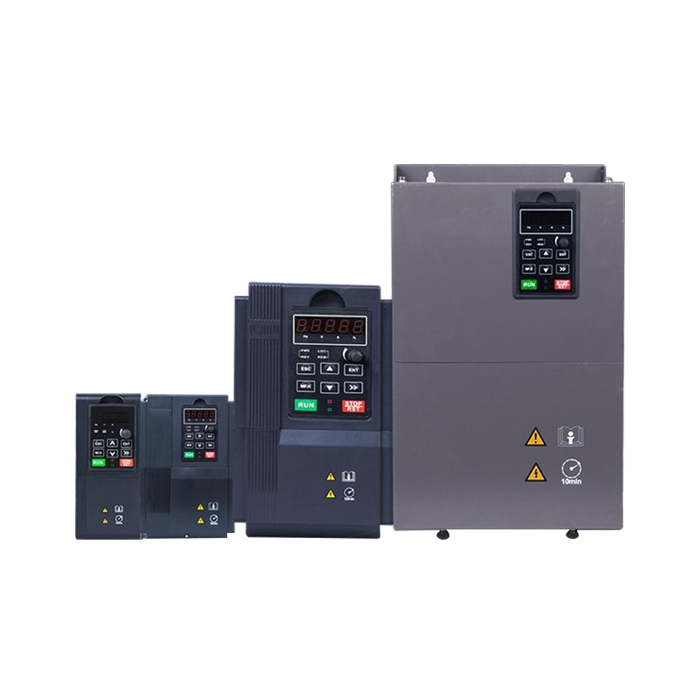
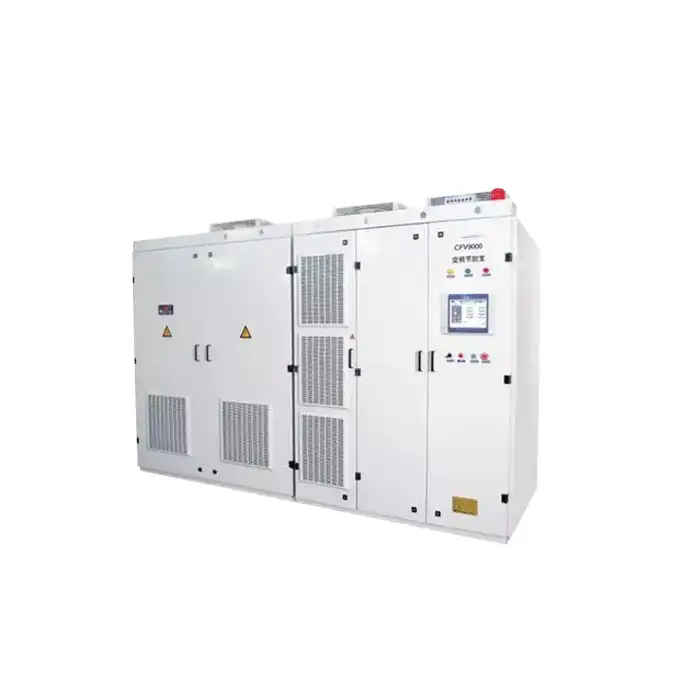
The ability to work with variable frequency drives makes motor applications more flexible. Medium voltage motors made to work with inverters can be controlled at different speeds to make the process more efficient. This feature is useful when the load needs to change or when the process can be optimized by operating at different speeds.
Conclusion
At 3.3 kV, medium voltage motors are a sensible choice for industrial processes that need a reliable power supply with little downtime. The main problems that maintenance teams and purchase managers have are solved by their low noise operation, long service life, and simple maintenance needs. Knowing the technical differences between voltage classes, motor setups, and design features helps you make smart buying choices that are in line with your business's needs. Maintenance that is done proactively keeps technology working well and extends its life. When looking at suppliers, quality, on-time shipping, and help after the sale are just as important as the price at first. Because they are more reliable and use less energy, these motors give measurable returns on investment through lower operating costs and better design.
FAQ
1. What applications benefit most from 3.3 kV motors?
These motors work very well in industrial settings that need to give a lot of power while still being efficient. In common situations, water pumps are used in treatment plants, compressors in factories, fans in HVAC systems, and crushers in material handling. Their power range can handle loads from 160 kW to 1600 kW, which makes them good for medium- to large-sized commercial equipment. The voltage level works well with the electricity systems that are already in place in many buildings, so they don't need special high-voltage distribution systems.
2. How does IP54 protection compare to higher ratings?
The IP54 rating protects against dust buildup and water splashes from all directions, making it suitable for use in most indoor workplace settings. Higher grades, like IP55, offer better defense against water jets, making them ideal for washdown areas or outdoor setups that will be exposed to the weather. The right rating relies on the location. For example, IP54 is enough for most enclosed workplace setups, but harsher environments call for higher levels of security.
3. What determines the appropriate motor speed selection?
The choice of speed relies on the needs of the driven tools and how efficiently the system works. Directly linked equipment, such as pumps and fans, usually works best at certain speeds that are in line with their design limits. The range of 500 to 3000 RPM can be used for a variety of tasks. Lower speeds usually have more power, which is good for heavy loads, while higher speeds are better for tasks that need more spinning speed. Matching the motor speed to the features of the load makes the machine work more efficiently and last longer.
Partner with a Trusted 3.3 kV Motor Manufacturer
XCMOTOR, whose full name is Shaanxi Qihe Xicheng Electromechanical Equipment Co., Ltd., offers medium voltage motor solutions, including the 3.3 kV motor with full expert help and dependable service. Our product line includes 160 kW to 1600 kW models with voltage ranges from 3000V to 11000V to meet the needs of a wide range of industries. We keep products in stock so that they can be delivered quickly, we can customize them to fit the needs of each application, and we offer specialized support throughout the entire procurement and operating lifecycle. Contact our team at xcmotors@163.com to talk about your needs and find out how our solutions can improve the performance and dependability of your building.
References
1. Chapman, Stephen J. Electric Machinery Fundamentals. McGraw-Hill Education, 2012.
2. Nailen, Richard L. "Understanding Medium Voltage Motor Standards and Applications." IEEE Industry Applications Magazine, vol. 15, no. 3, 2009, pp. 25-32.
3. Bonnett, Austin H. "Root Cause AC Motor Failure Analysis with a Focus on Shaft Failures." IEEE Transactions on Industry Applications, vol. 36, no. 5, 2000, pp. 1435-1448.
4. Toliyat, Hamid A., and Gerald B. Kliman. Handbook of Electric Motors. CRC Press, 2004.
5. International Electrotechnical Commission. "Rotating Electrical Machines – Part 1: Rating and Performance." IEC 60034-1, 2017.
6. Stone, Greg C., et al. Electrical Insulation for Rotating Machines: Design, Evaluation, Aging, Testing, and Repair. Wiley-IEEE Press, 2014.