




Vertical Pump Motors in Agriculture: Reliable Power for Crop Yield
These days, farming needs reliable ways to handle water, and the vertical water pump motor is a key part of making sure that irrigation works consistently. These special motors move water quickly and efficiently across large farmlands, helping everything from trees to row crops. These systems are important for farming because they keep the soil at the right amount of moisture, spread nutrients out properly, and ensure better food yields every season.
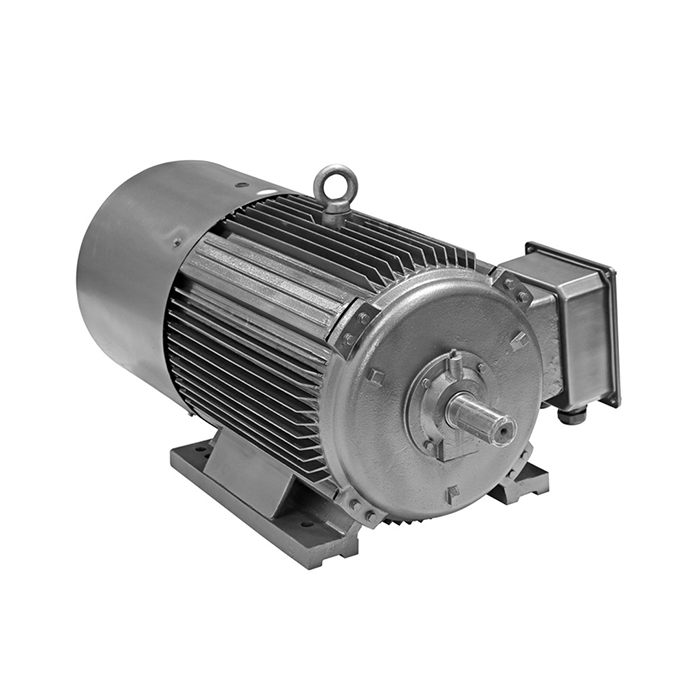
Series:YVFE2
Frequency conversion range:30hz~50hz,5hz~70hz,5hz~100hz
Power range:0.75-355kW
Protection level:IP55
Application:are suitable for driving various mechanical equipment that require continuous and frequent forward and reverse rotation, such as steel rolling, lifting, transportation, machine tools, printing and dyeing, papermaking, chemicals, textiles, pharmaceuticals, etc., and can be used with various domestic and foreign variable frequency power supplies.
Advantage:high efficiency, wide speed range, high precision, stable operation, and easy operation and maintenance.
Certificate:installation dimensions comply with International Electrotechnical Commission (IEC) standards.
Others: SKF, NSK, FAG bearings can be replaced according to customer requirements.
Understanding Vertical Water Pump Motors in Agriculture
What Makes Vertical Pump Motors Unique
In contrast to horizontal designs, a vertical water pump motor works with its shaft facing upward. Because it is facing this way, the motor can fit into deep wells, small sumps, and equipment rooms with limited floor space. A vertical shaft assembly links the motor directly to the pump impeller. This makes the unit small, which is helpful on farms and in irrigation facilities where room is limited.
The structure is made up of a strong cast iron frame that can handle being outside, high-grade copper windings that convert energy most efficiently, and precision-balanced blades that make sure the machine runs smoothly. Sealed bearings keep dirt and other debris away from important parts, which extends their life, and thermal protection keeps things from getting too hot during long pumping cycles.
Key Advantages in Agricultural Settings
Dust, moisture, high temperatures, and having to work nonstop during important growth seasons are all problems that farmers have to deal with. These problems can be solved by several design features of vertical water pump motors:
- Space Efficiency: The vertical layout takes up very little ground space, so farmers can put in pumping equipment without giving up useful land. In farming, where every acre brings in money, this is very useful.
- Durability: Built with IP55 protection, these motors don't let dust or water jets from any direction get in. The strong construction can handle the vibrations, changes in temperature, and mechanical stress that come with farming.
- Operational Reliability: Vertical water pump motors need less upkeep than horizontal ones because they have fewer moving parts that are exposed to the environment. Common failure modes are stopped by sealed bearing assemblies and heat safety systems, which cut down on unplanned downtime during planting or harvest seasons.
- Maintenance Accessibility for a vertical water pump motor: Even though they are built vertically, important parts can still be reached for regular checks. Bearing cleaning, seal replacement, and alignment checks can all be done without taking the whole thing apart. This cuts down on service time and labor costs.
Choosing the Right Vertical Pump Motor for Agricultural Operations
Sizing Considerations for Maximum Efficiency
To choose the right vertical water pump motor, you must first figure out the flow rate and total head height that you need. The flow rate, which is given in gallons per minute or cubic meters per hour, tells the system how much water it needs to send to crops during times of high demand. Head height takes into account the water source's vertical lift as well as the pressure loss from lines, fittings, and watering parts.
The YVFE2 line from XCMOTOR has power ranges from 0.55 kW to 315 kW, so it can be used on everything from small family farms to big commercial businesses. Voltage choices of 380V, 400V, 415V, and a customisable 660V make sure that they work with electricity systems in all areas. The ability to change frequency between 5 and 100 Hz lets workers change the pump speed based on the time of year and the amount of water that is needed. This saves energy when demand is low.
Comparing Vertical Motors with Alternative Pump Types
When farm procurement teams look at pump options, they have to compare how well they work with how much they cost to run. Vertical water pump motors work better in deep wells where the water source is more than 50 feet below ground. Their small size makes them perfect for equipment shelters and pump houses that are popular on fields that have been around for a while.
Horizontal pump setups might be cheaper at first, but they need bigger foundations and more complicated pipe layouts to work as well. Submersible units don't need to be primed, but they do need special tools and knowledge to be serviced. Centrifugal pumps are good at moving large amounts of water, but they might not be able to handle the changing pressure needs of modern irrigation systems that use drip lines, sprinklers, and micro-irrigation zones.
The vertical water pump motor strikes a good mix between providing consistent performance across a wide range of agricultural uses and keeping costs low for both purchase and use. The maintenance needs to be done are still simple; replacing bearings and cleaning seals can be done with standard workshop tools and skills that are common in most farming operations.
Maintenance and Troubleshooting of Vertical Pump Motors in Agriculture
Essential Maintenance Practices
Regular maintenance keeps the vertical water pump motor working well and stops expensive breakdowns during key growth times. When to lubricate depends on the type of bearing and how it is being used, but most farming setups work better after three months of busy irrigation seasons. Sealed bearings usually don't need any upkeep for a few years, but looking for noise or unusual heat buildup can help you spot problems early.
Checks for alignment on a vertical water pump motor make sure that the motor shaft and pump impeller stay connected correctly. This stops vibrations that speed up bearing wear and put stress on shafts in certain places. Before starting up the irrigation system for the season, it should be checked for alignment. This is especially important for setups that are likely to be affected by ground movement or equipment settling over the winter.
Seal checks find wear before it causes a leak, which keeps moisture from getting into the motor windings. In agricultural settings, seals are exposed to rough particles, chemical leftovers from fertilizers, and biological growth, all of which speed up the wear and tear process compared to industrial settings. It is much cheaper to replace seals before they break than to fix water-damaged windings or rusted interior parts.
Common Faults and Diagnostic Tips
Overheating in a motor usually means that there isn't enough air flow around the motor case, the motor is under too much load because of a clogged pump, or there are voltage problems in the power source. The root cause is usually found by checking the source voltage across all stages, checking the cooling air paths, and checking the pump's internals for debris buildup. Thermal protection systems built into the motor windings shut down the motor automatically before any damage happens. However, if the thermal protection systems trip more than once, they should be looked into right away.
There could be a problem with the bearings, the shaft, or the impeller if there is unusual shaking. This could be caused by wear or damage from a foreign object. Vibration analysis tools can quickly find the cause, but skilled workers can also find problems by feeling them and listening for strange bearing noise. Taking care of shaking right away keeps motor housings, pipe connections, and mounting structures from getting damaged again.
Noises that aren't normal for the machine could be caused by cavitation in the pump, fixing bolts that aren't tight enough, or electrical problems like phase loss or voltage fluctuations. Cavitation happens when the conditions at the pump's inlet don't provide enough pressure, which makes air bubbles that crash hard against the rotor surfaces. Cavitation problems are usually fixed by changing the pump's speed, making the input pipes better, or dropping the depth of the installation.
Procurement and Supply Considerations for Vertical Pump Motors
Best Practices for B2B Purchasing
When buying vertical water pump motors for agricultural use, you need to think about how reliable the seller is, how well they can help with technical issues, and how well their processes work. Manufacturers with a good reputation use ISO 9001:2015 quality management systems and mark their products with the CE mark for foreign sales. This shows that they are committed to safety and quality standards that are always met.
Lead times depend on the size of the motor and how much customization is needed. Standard setups can usually be delivered within 4 to 6 weeks, while special voltage or mounting choices can take up to 12 weeks. Agricultural buying teams can make sure that equipment comes and is set up before the irrigation needs peak by making purchases for times when the crops aren't in season.
Costs of transportation, customs procedures for foreign orders, and the availability of receiving docks at farm sites are all things that need to be thought about when it comes to logistics. Working with suppliers who have experience in the farm market ensures that motors are properly packed to protect them during shipping and that all the paperwork is in order to make customs clearance go smoothly.
Pricing Trends and Volume Discounts
The price of a vertical water pump motor depends on the cost of ingredients, the difficulty of production, and the state of the market in the area. Copper prices around the world have a big effect on motor costs because windings make up a big part of their value. Changes in steel prices have a smaller effect on frame and living costs than changes in copper prices.
When you buy in bulk through agricultural groups or multi-site farms, you can get discounts of 15 to 30 percent, based on the size of your order and how you want it to be customized. Setting up long-term supply deals helps agricultural businesses handle their capital budgets and operational plans by keeping prices stable over multiple growing seasons.
Custom order choices meet specific farming needs, such as better corrosion protection for coastal areas, explosion-proof casings for work with flammable materials, or unique mounting designs that fit existing infrastructure. Customization can raise the price of a unit by 10 to 25 percent, but perfect-fit options often make up for the extra cost by making installation easier and improving performance.
Enhancing Agricultural Efficiency with Vertical Pump Motors
Energy Optimization Strategies
Farm pumping systems that use less energy have lower running costs and help reach environmental sustainability goals, which are becoming more important to farm markets and regulatory frameworks. The most important technology for saving energy is variable frequency drives, which change the motor speed to fit the real irrigation needs instead of running at full capacity all the time.
When you put variable frequency drives on vertical water pump motors, you can change the speed from 5 to 100 Hz, which lowers the power use by the same amount as the speed squared. When running at 80% speed, the amount of energy used drops to about 50% of full speed, which saves a lot of money during times when less water is needed. These drives also have soft starting, which lowers electrical stress and mechanical shock and makes devices last longer.
In order to automate operations based on real crop needs, smart pump integration links vertical water pump motors to irrigation controls and soil moisture sensors. This gets rid of the need to pump water when the land is already wet or when the weather report calls for rain. Integration with farm management software gives thorough information on how much energy is being used, which helps with efforts to keep getting better and meet the standards for sustainability reporting.
Real-World Performance Improvements
A California almond farm replaced old fixed-speed equipment with XCMOTOR vertical water pump motors with variable frequency drives and put them in 800 acres of trees. The process saved 35% on energy costs during the busiest time of the year for irrigation and 42% on power costs in the spring and fall, when daily changes in water needs were seen. The reliability of the equipment has gotten a lot better. There was no unexpected downtime during the two growing seasons, while the old method had a lot of failures.
A corn and soybean farm in the Midwest updated to vertical water pump motors with IP55 protection. This fixed problems with water getting into the motors that were breaking down regularly. The sealed design kept the electrical parts from breaking down in warm and wet conditions, and the ability to change speeds saved $12,000 a year on energy costs for 1,200 watered acres. Crop yields went up by 8% because the soil was better managed, and the pumping capacity was stable throughout the growing season.
Future Trends in Agricultural Pumping
New technologies promise to make farm pumping systems even more efficient and easier to use. Internet-connected pump controls let you watch and change settings from afar, so farm managers can get the most out of irrigation without having to go to each pump site. Predictive maintenance programs look at patterns of sound, changes in temperature, and power use to find problems before they happen.
In sunny farming areas, renewable energy integration combines vertical water pump motors with solar panels and battery storage to lower the need for grid power and lower the cost of running the system. New motor designs make them more efficient while also making them lighter and using fewer materials. This helps with environmental goals and farming development efforts. Because of these improvements, vertical water pump motors are now necessary for modern, efficient, and successful farming.
Conclusion
Agricultural businesses can handle water more reliably and efficiently with vertical water pump motors, which have a direct effect on crop production and revenue. Their small size, strong build, and ability to be used in a variety of ways make them perfect for the tough weather and changing needs of modern farming. The best performance is guaranteed by making the right choice based on flow needs and head estimates, and regular upkeep keeps it reliable for decades of use. Using variable frequency drives and smart integration to optimize energy use and cut down on running costs makes farms more profitable and better for the environment. Businesses in agriculture that buy good vertical water pump motors from reputable sellers set themselves up for long-term success in markets that are becoming more competitive and controlled.
FAQ
1. What power range should I select for my irrigation system?
Power needs depend on the total head height and flow rate. Motors with 0.55 to 7.5 kW of power are usually needed for small businesses with less than 50 acres, while motors with 7.5 to 30 kW of power are usually needed for mid-sized farms with 50 to 200 acres. Large business companies with more than 200 acres usually need motors that are between 30 and 315 kW. Figure out what you need by multiplying the flow rate by the head height and adding a safety margin to account for system errors and future growth.
2. How does variable frequency capability reduce energy costs?
Instead of going at full speed all the time, variable frequency drives change the motor speed to match the needs of the watering system. Since the amount of power used goes down as speed cubed, slowing down the motor to 80% cuts the amount of power used by about 50%. When there is less demand for water or when watering areas with different elevations, this is especially helpful.
3. What maintenance intervals do vertical pump motors require?
Sealed bearing designs usually work for three to five years before they need to be fixed. However, problems can be caught early with eye checks every three months during busy times. Depending on the water quality and the number of hours the system is used, seals need to be replaced every two to three years. Every year, alignment checks should be done, especially after winter, when ground movement could change the shape of the system. Vertical water pump motors usually need maintenance once a year, particularly to check for alignment after winter ground movement.
Partner with a Trusted Vertical Water Pump Motor Manufacturer
XCMOTOR specializes in providing power equipment options that are specifically made for agricultural uses, where dependability has a direct effect on the success and revenue of your business. Our YVFE2 vertical water pump motors are made with tried-and-true engineering and useful features that farmers like, like IP55 protection against harsh environments, the ability to change frequency from 5 to 100 Hz to save energy, and power ranges from 0.55 kW to 315 kW to meet the needs of all kinds of operations. We build motors that meet the standards of the International Electrotechnical Commission (IEC) and use SKF, NSK, or FAG bearings, depending on your needs. In addition to delivering equipment, we also offer full expert help and quick customer service, even on the weekends when irrigation problems happen. Find out how XCMOTOR vertical water pump motors can help your farming. Email us at xcmotors@163.com to talk about your pumping needs with experienced application engineers who are ready to help you find the best solutions for your business.
References
1. Smith, J.R., & Thompson, M.K. (2022). Agricultural Irrigation Systems: Design and Optimization. Agricultural Engineering Press.
2. Martinez, L.A. (2021). "Vertical Pump Motor Selection for Deep Well Applications," Journal of Agricultural Mechanization, 45(3), 112-128.
3. Chen, W., & Roberts, D.P. (2023). Energy Efficiency in Agricultural Water Management. Sustainable Farming Publications.
4. Anderson, K.L. (2020). "Variable Frequency Drives in Irrigation: Cost-Benefit Analysis," Agricultural Technology Quarterly, 38(2), 67-82.
5. Williams, T.S., Garcia, R.M., & Patel, N.K. (2022). Pump System Maintenance for Agricultural Operations. Farm Equipment Institute.
6. Johnson, E.A. (2023). "Future Trends in Agricultural Pumping Technology," Precision Agriculture Review, 51(1), 34-49.
YOU MAY LIKE
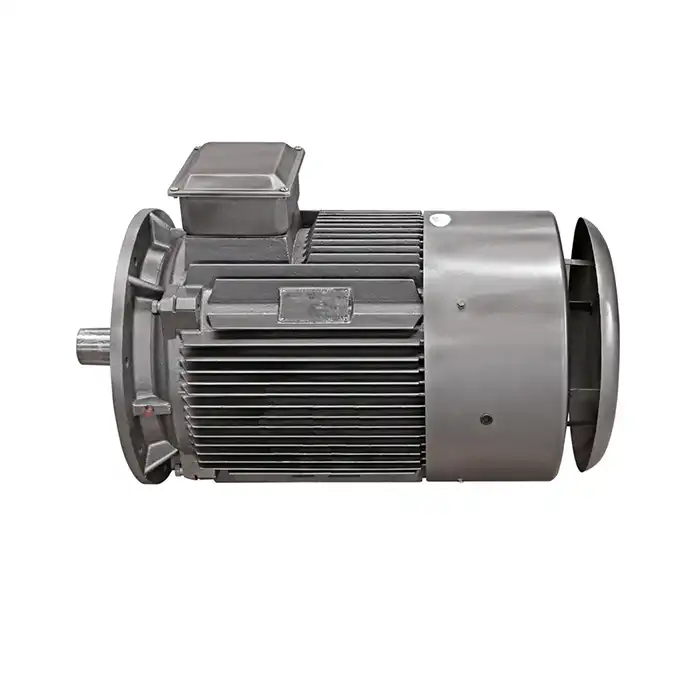 VIEW MORElv induction motor
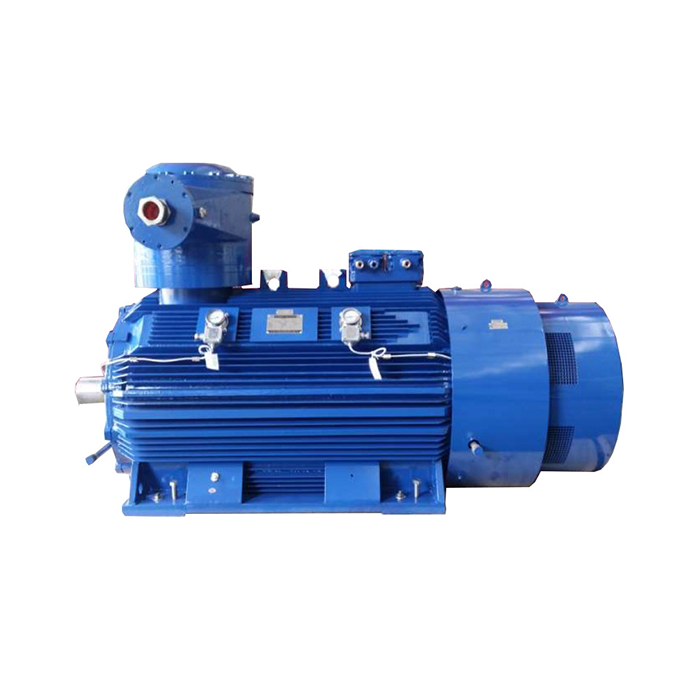 VIEW MOREYBBP high-voltage explosion-proof frequency motor
 VIEW MOREYXKK series high voltage and high efficiency motor
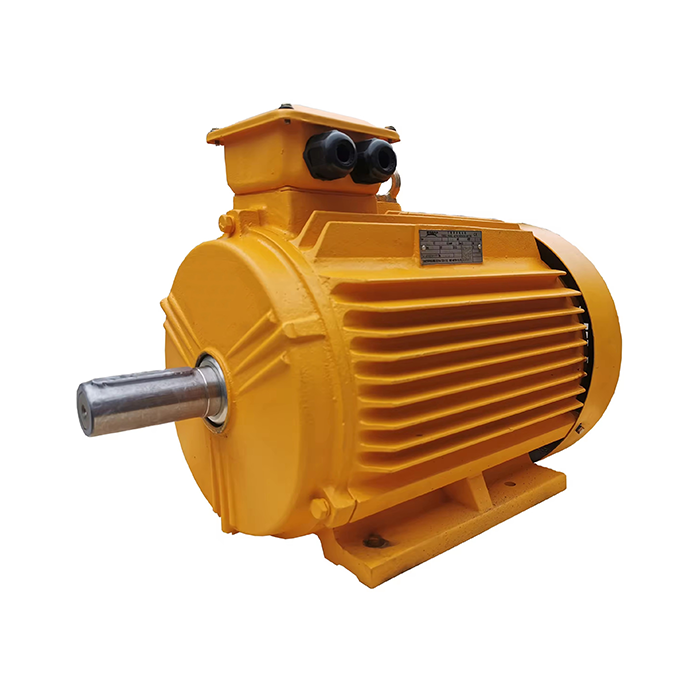 VIEW MOREmotors for pulp mills
 VIEW MORE3 phase industrial motor
 VIEW MOREWound Rotor Induction Motors
 VIEW MOREiec explosion proof motors
 VIEW MORElow voltage ac inverter