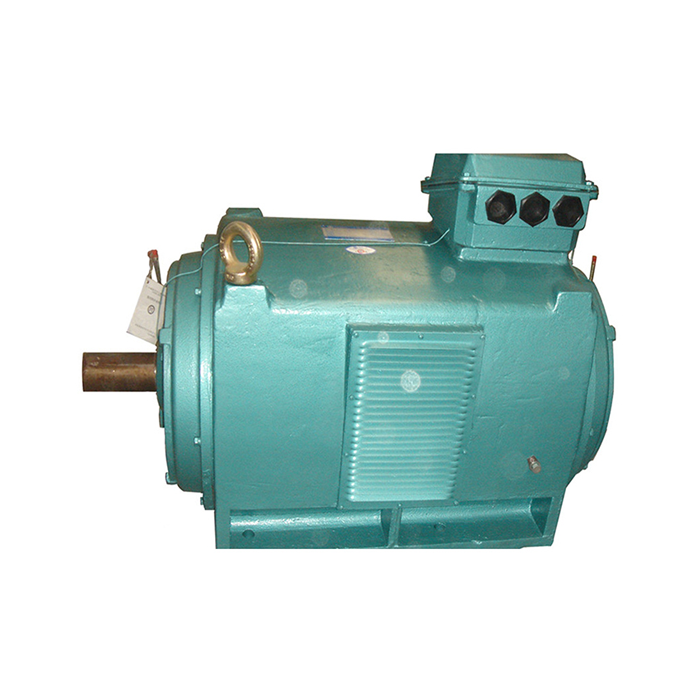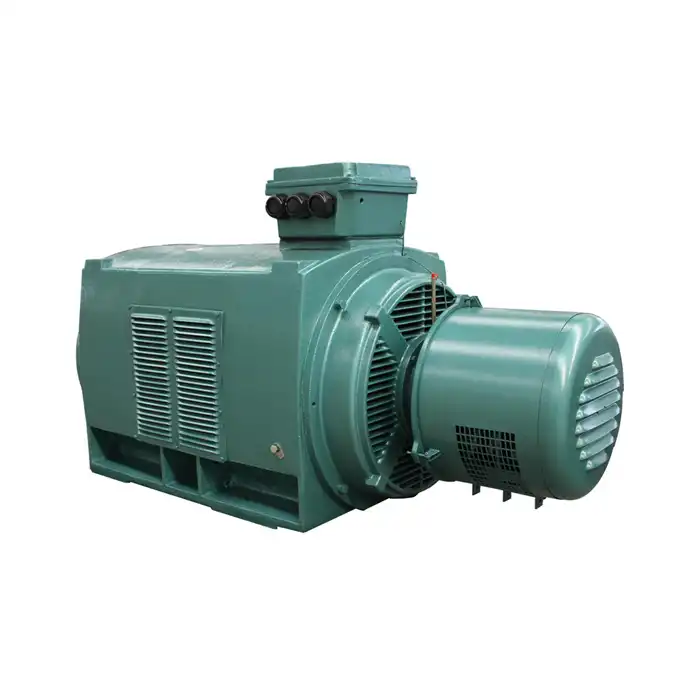




Why 200hp DC Motor Is Ideal for Steel Mills and Mining Equipment
Choosing the right motor technology is important for keeping production lines running smoothly and saving money in places like steel mills and mines. A 200hp DC motor has great control over power and speed, which are important features for crushers, conveyors, and rolling mill stands. Unlike AC options that have trouble with changing loads, these motors keep performing well even during challenging cycles. This cuts down on downtime and increases the life of the equipment. Because they can work with both DC unit power and static rectifier sources, they are very useful for sites that want to update old systems without having to completely rebuild their electrical infrastructure.
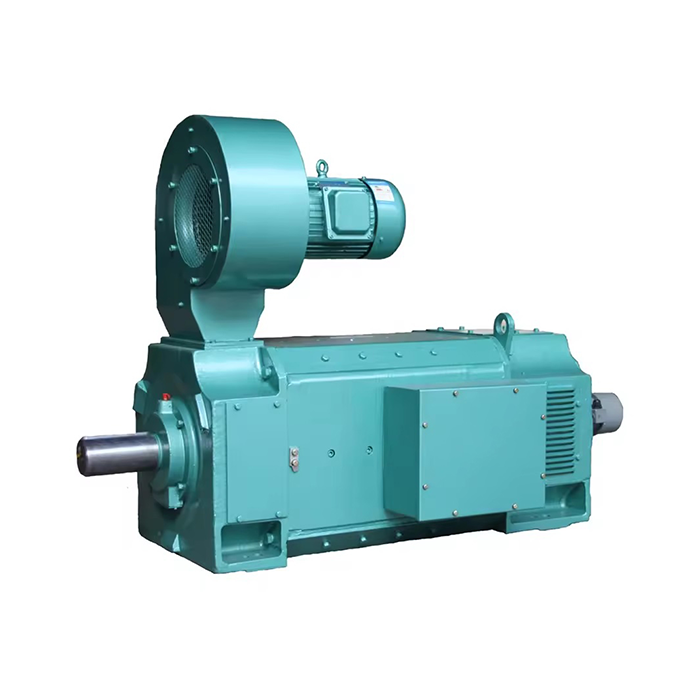
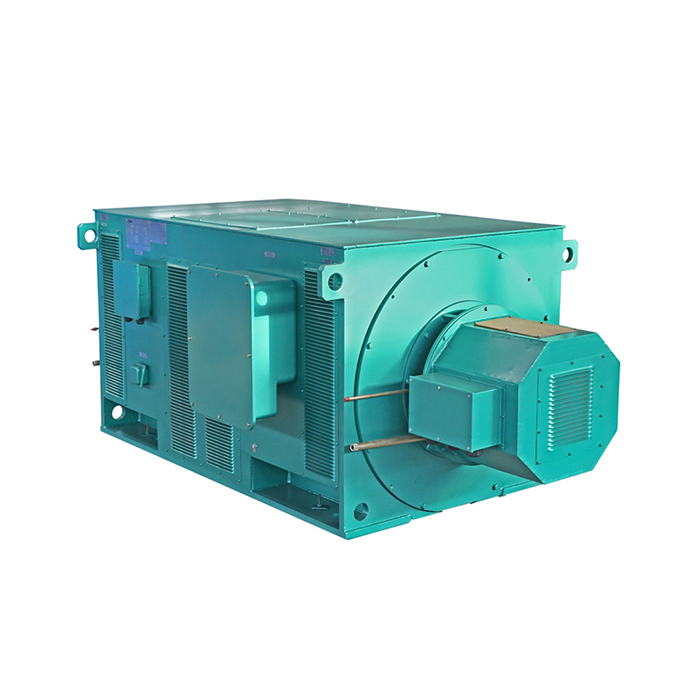
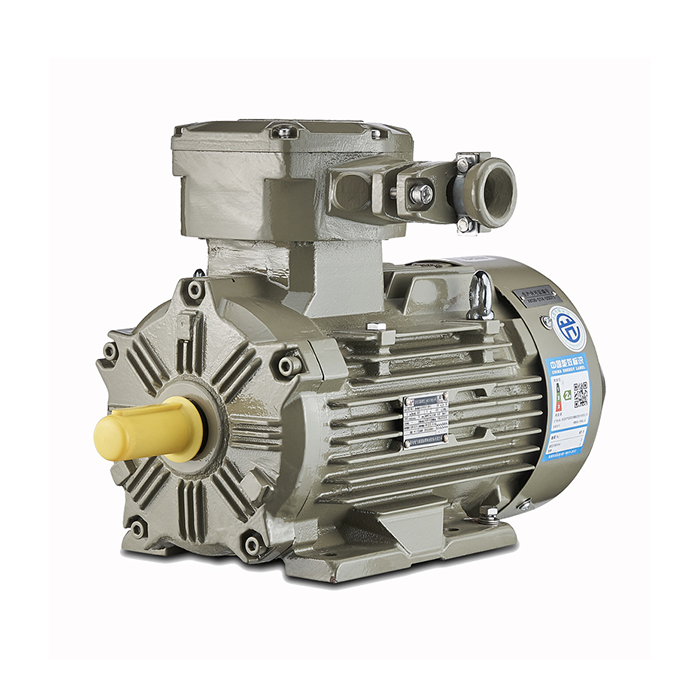
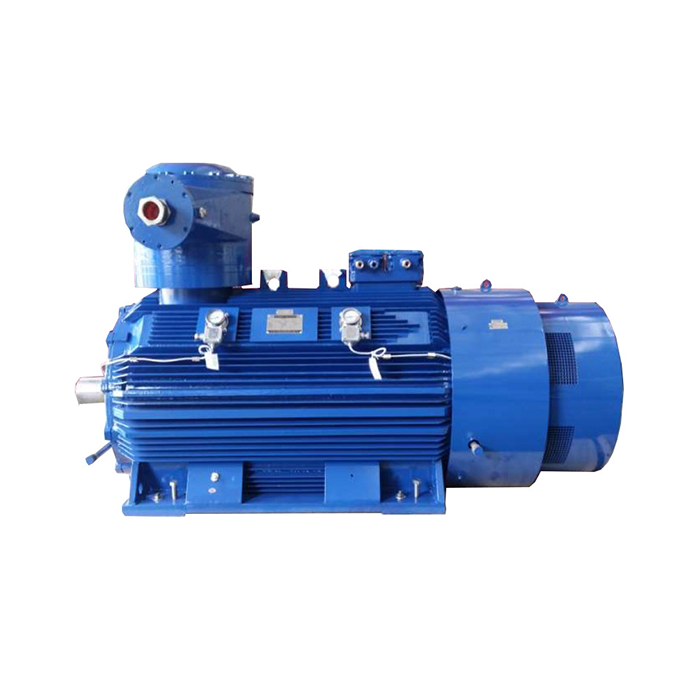
Series:Z4
Frame number: 100-450
Application:Z4 series motorsThis series of motors can be widely used in various industrial sectors such as metallurgical industrial rolling mills, metal cutting machine tools, papermaking, dyeing and weaving, printing, cement, and plastic extrusion machinery.
Power range:1.5-600kW
Voltage range: 160V,440V, etc.
Certificate: The performance of this series of motors not only complies with the national standard GB/T755 "Basic Technical Requirements for Rotating Electrical Machines", but also basically complies with the German VDE0530 standard.
Advantage:Z4 series DC motor has greater advantages than Z2 and Z3 series. It can not only be powered by DC unit power supply, but also suitable for static rectifier power supply. It has small moment of inertia, good dynamic performance, and can withstand high load change rates. It is especially suitable for control systems that require smooth speed regulation, high efficiency, automatic speed stabilization, and responsive response. It has reached the current international advanced level..
Others: SKF, NSK, FAG bearings can be replaced according to customer requirements.
Understanding the Technical Superiority of 200hp DC Motors for Heavy Industries
Core Technical Specifications That Drive Performance
200hp DC motors (149 kW) ratings come with voltage ranges from 160V to 440V, so they can work with a variety of power systems. Our Frame 100-450 series motors meet both GB/T755 national standards and German VDE0530 requirements. This means they are compatible with safety and performance standards around the world. Class F insulation can handle temperatures of up to 155°C, and IP23 protection (which can be raised to higher levels) keeps dust and water out, which are popular in mining and metalworking settings.
Starting torque is much higher than rated torque, which lets big loads like rock crushers and steel slab conveyors move quickly and smoothly. At full load, efficiency levels hit 95%, which means lower power bills compared to older motor generations. The speed range can be changed to accommodate tasks that need a slow buildup or exact positioning, like winding operations in the wire manufacturing industry or positioning in automatic storage retrieval systems.
Torque Control Advantages in Variable-Load Environments
During rolling cycles, steel mills have a lot of changes in load, while mine equipment has to deal with resistance that changes all the time when it processes different rock densities. Because of how it handles power and speed, a 200hp DC motor does very well in this situation. Unlike AC motors, which need complicated frequency converters, armature voltage tweaks let you change speeds smoothly without affecting the stability of the power.
DC form of a 200hp DC motor has a small moment of inertia, which lets it respond quickly to changes in load. When a crusher hits harder rock or a rolling mill changes between slab widths, the motor changes within milliseconds. This keeps the related gears and couplings from being put under too much mechanical stress. This response lowers shock loads that usually shorten the life of equipment. This makes these units perfect for control systems that need to automatically stabilize speed.
Field weakening increases the speed range above the base rates, which helps finish tasks that need higher spinning speeds with less power. Operators have more operating freedom without having to install different motor sizes. This makes it easier to keep track of supplies and train repair staff.
Addressing Operational Challenges: Maintenance and Troubleshooting of 200hp DC Motors
Preventive Maintenance Protocols
Every 500 hours, the machine should be inspected to make sure the brush contact pressure and surface state are correct. Uneven wear patterns mean that there are problems with alignment or contamination that need to be fixed right away. Carbon dust buildup on commutator surfaces causes arcing and speeds up wear, so they need to be cleaned regularly. Small flaws can be fixed with a light abrasive stone, but larger scratches need to be fixed by an expert.
Bearings are oiled according to the manufacturer's instructions. Our motors can use SKF, NSK, or FAG bearings, which can be switched out as needed by the customer. Too much grease causes too much heat, which damages seals, and not enough grease causes bearings to fail early. Vibration analysis finds early signs of bearing wear, so replacements can be planned for planned shutdowns instead of having to be done quickly in an emergency.
Insulation resistance testing with megohmmeters finds wound damage before it leads to catastrophic failures. If the reading is less than 1 megohm per kilovolt of regulated voltage, it means that moisture is absorbing or the insulation is getting old, which needs to be fixed. Thermal imaging scans show hot spots that could mean bad links or uneven stages that need to be looked into right away.
Troubleshooting Common Electrical and Mechanical Faults
Too many sparks at the brushes are usually caused by the wrong spring tension, dirty commutators, or armature coils that are shorted. Shorted turns can be found by measuring the voltage drops across each commutator section. Vibration spectrum analysis can find problems like unbalanced blades, loose base nuts, or misaligned connections that cause mechanical vibration.
If it's overheating even though the load is right, it means that airflow is being slowed down. For forced ventilation cooling systems to work, the air filters must be clean, and the ducts must not be blocked. When temperatures outside the normal range of -15°C to +40°C happen, cooling systems need to be downrated or updated. Motor currents that are higher than the nameplate values when the load is an average signal, problems with the supply voltage, or mechanical binding in the equipment being moved.
When a 200hp DC motor won't start, common problems can be found by checking the source voltage, connection of the control circuit, and the brush contact over and over again. The terminal links marked A1/A2 (armature), S1/S2 (series field), and F1/F2 (shunt field) must match the wiring plans for the setup that is being planned. Reversed field lines change the direction of spin, which is helpful during installation but can be a problem if it's not meant to be that way.
Making Informed Procurement Decisions for 200hp DC Motors
Evaluating Supplier Credibility and Support Infrastructure
When choosing a provider, you have to look at more than just the supply of products to see how technical they are. Vendors should give detailed datasheets that include frame sizes, mounting options, and heat properties that are needed to plan an installation. Certification that meets GB/T755 and VDE0530 standards makes sure that the product is real and safe.
Industrial-grade motors usually come with a 12- to 24-month warranty that covers flaws in the way they were made but not damage caused by improper installation or working conditions that go beyond what is recommended. Making the guarantee terms clear for wearable parts like brushes stops arguments during the claims process. After-sales help, which includes the weekend service we promised, keeps downtime to a minimum when something goes wrong.
Shipping operations have a big effect on project timelines. When compared to foreign sources, domestic suppliers in the US have shorter lead times, though global makers may offer specialized versions. Making sure that heavy equipment is properly packed before sending it keeps it from getting damaged during transit, which can slow down insurance claims and cause delays in starting up.
Cost-Benefit Analysis: New Versus Refurbished Equipment
Manufacturer guarantees and predictable lifespans come with new motors, which makes lifetime planning easier. Refurbished units cost 40–60% less, but you can't be sure about how long they will last or how they worked before. When dependability is very important, new equipment is best for critical uses. However, refurbished equipment may be fine for backup setups or short-term projects.
When you buy a lot of something at once, you can get savings of about 10 to 15 percent through bulk purchasing agreements. Standardizing on single-motor types makes it easier to train repair staff and keep track of spare parts. Customization choices, like changing the shape of the shafts or increasing the level of protection, meet the needs of each spot without having to pay for custom engineering.
Why 200hp DC Motors Are the Rational Choice for Industrial Efficiency Optimization
Limitations of AC Induction Motors in Heavy-Duty Applications
Because they are simple and durable, AC induction motors are the most common type used in general-purpose applications. But the torque they produce relies on slip, which is the difference in speed between the spinning magnetic field and the rotor. This makes them less efficient when the load changes. Starting torque is still lower than DC versions, which means that motors that are too big or extra starting tools for loads with a lot of inertia are often needed.
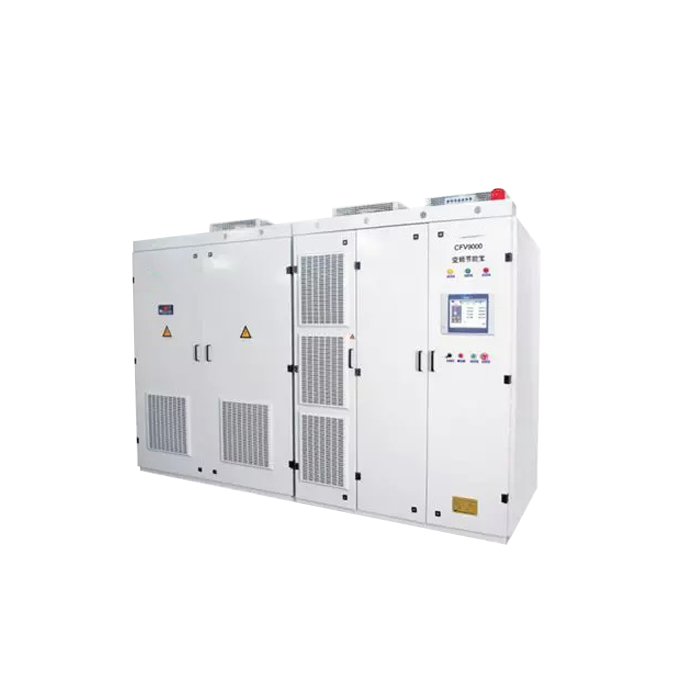
Controlling speed with variable frequency drives (VFDs) costs more and is harder to understand. Harmonic distortion is caused by VFDs, which lowers the quality of the power and requires extra screening equipment. Specialized VFD designs are needed for regenerative stopping, which is necessary for hoisting uses and raises the cost of the system. In tough steel and mining jobs, these things make the original price benefits of AC motors less useful.
Precise Torque Management Reducing Operational Costs
200hp DC motors have a steady force from 0 to their base speed, which makes them perfect for slowly speeding up loads while keeping mechanical stress to a minimum. Adjusting the armature voltage is a simple way for operators to fine-tune the speed without having to use complicated computer tools. This easy-to-use control makes it easier to train operators and fix problems when there are interruptions in production.
Improvements in energy efficiency add up over time, which is common in process industries where machines are always running. A motor that uses 149 kW would save 7.45 kW, which is about 65,000 kWh a year if it ran 24 hours a day, seven days a week. With industrial energy rates of $0.07/kWh on average, this saves $4,550 a year per motor, quickly making up for the higher costs of installation.
Conclusion
When choosing motors for steel mills and mining equipment, you have to look at how well they work technically, how much upkeep they need, and how much they will cost to run in the long run. In these tough conditions, 200hp DC motors are better at controlling power, adapting to changing loads, and being easy to maintain than their AC counterparts. Because they follow foreign standards and have a history of success in the mining and metalworking industries, they are good choices for B2B buying decisions. When engineering and buying teams know about these factors, they can choose equipment that meets working needs and budgetary goals.
FAQ
1. What voltage options are available for 200hp DC motors?
Standard setups come with 160V and 440V ratings, but they can be changed to fit the power infrastructure of the building. Choosing the right voltage affects how much power is drawn and the size of the conductors. For long motor runs, higher voltages lower the cost of cables.
2. How do I choose between brushed and brushless motor types?
When simplicity and low startup costs are important, brushed motors are a good choice. They also work well in situations where regular upkeep is fine. Brushless versions are better for places that don't need much maintenance or where particle pollution from worn brushes is a problem. This choice is based on operational job cycles and the availability of repair resources.
3. What warranty coverage applies to industrial DC motors?
Most warranties cover manufacturing flaws under regular working conditions for 12 to 24 months. Parts that are meant to be used up quickly, like brushes, usually have less area. The warranty terms should make it clear what kinds of things aren't covered, like poor installation, weather conditions that aren't up to standards, or changes that weren't allowed.
Partner With a Trusted 200hp DC Motor Supplier
XCMOTOR specializes in providing power equipment options that are specifically made for heavy industry uses, steel mills, and mines. Our Frame 100-450 series motors meet both GB/T755 and VDE0530 standards and can be configured in a way that fits the needs of each site. We offer full technology support, including answering questions about specifications before the sale and helping customers fix problems after the sale. Service is also available on the weekends to keep operations running smoothly.
At motorxc.com, you can look through our full selection of products, which includes thorough datasheets and application guides. You can email our technical experts at xcmotors@163.com to talk about buying in bulk, getting custom voltage setups, or getting a free energy audit to see where you might be able to save money on energy. We are a dedicated 200hp DC motor maker, so we offer 30-day returns, fast shipping with free shipping, and the chance to change to premium SKF, NSK, and FAG bearings. Let us help you get the most out of your tools by using tried-and-true motor technology and dependable supply partnerships.
References
1. Chapman, S. J. (2012). Electric Machinery Fundamentals (5th ed.). McGraw-Hill Education.
2. Hughes, A., & Drury, B. (2019). Electric Motors and Drives: Fundamentals, Types and Applications (5th ed.). Newnes.
3. Kenjo, T., & Nagamori, S. (1985). Permanent-Magnet and Brushless DC Motors. Clarendon Press.
4. Nailen, R. L. (2004). Motor Application and Maintenance Handbook (2nd ed.). McGraw-Hill Professional.
5. Toliyat, H. A., & Kliman, G. B. (2004). Handbook of Electric Motors (2nd ed.). CRC Press.
6. Wildi, T. (2006). Electrical Machines, Drives, and Power Systems (6th ed.). Pearson Prentice Hall.