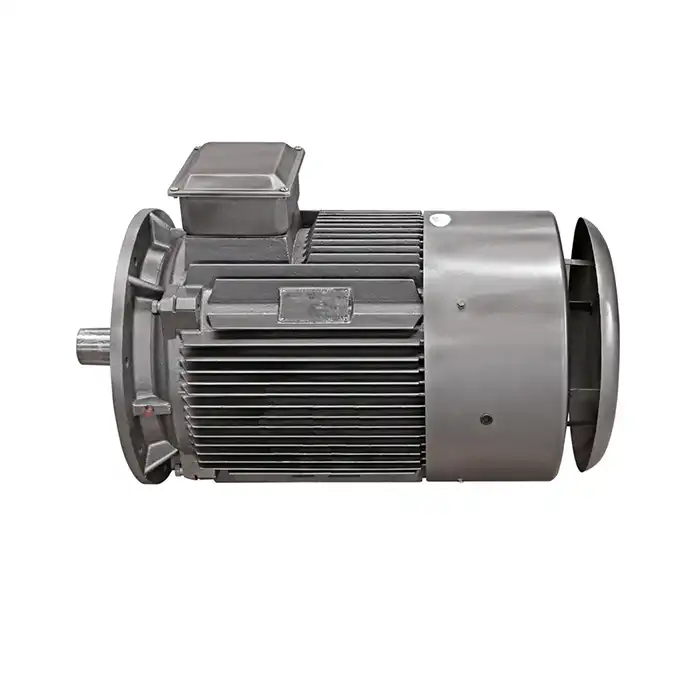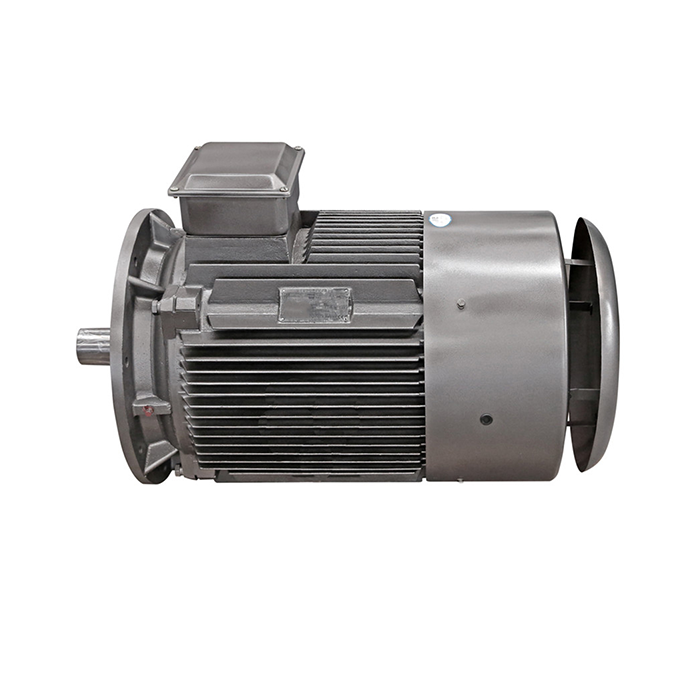




Three Phase Slip Ring Induction Motor: How It Works
When engineers spec out a ball mill, overhead crane, or rolling mill drive, the motor selection carries real consequence. A wrong choice means failed starts, tripped breakers, or worse — a burned winding on day one of production. The three phase slip ring induction motor exists precisely to handle those high-inertia, heavy-load starting conditions that standard motors simply cannot manage reliably. This guide walks through how the motor works, where it excels, how to maintain it, and what to look for when purchasing one for a demanding application.
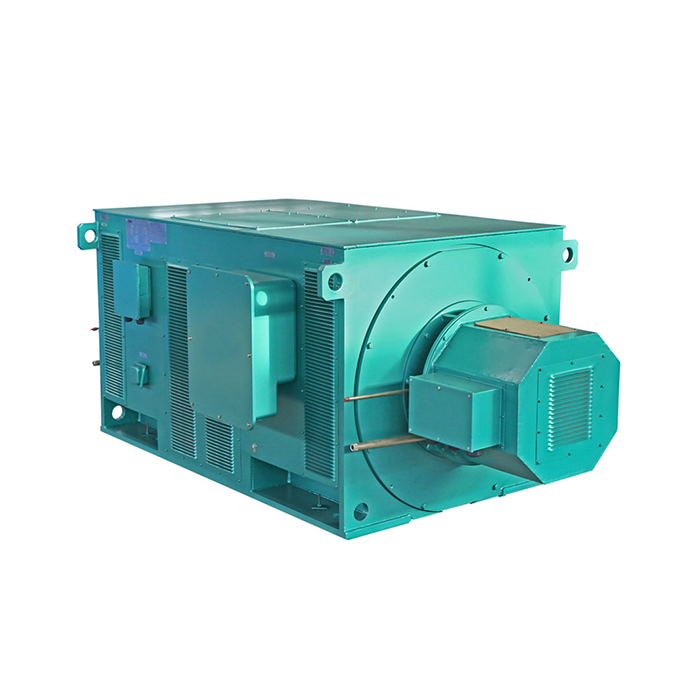
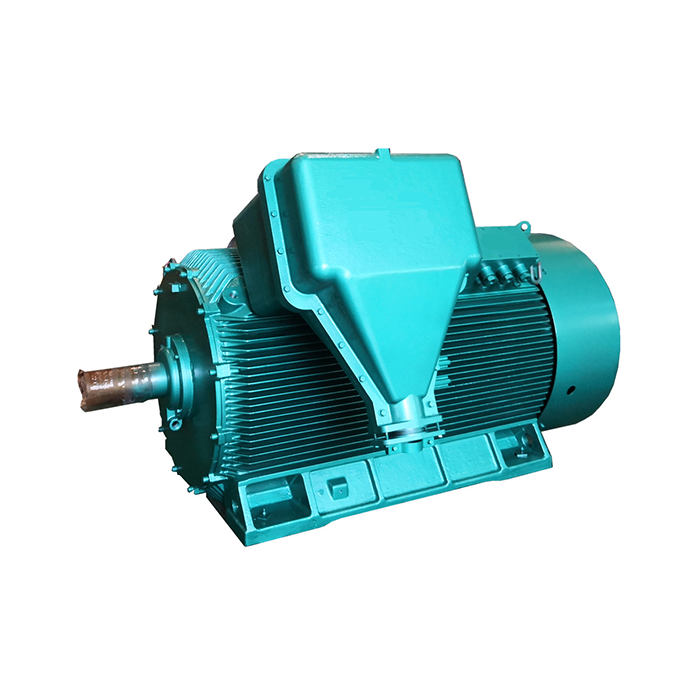
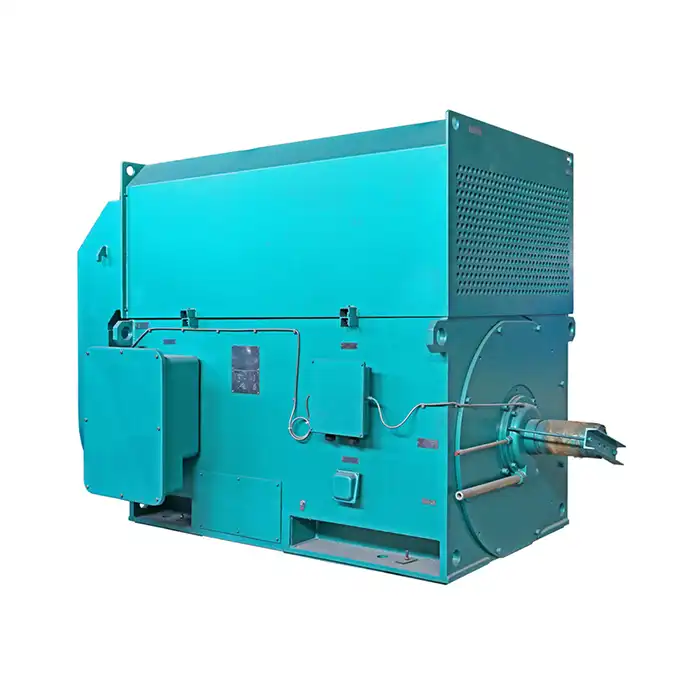
Series:YR
Protection level:IP23
Voltage range:3000V±5%,3300V±5%,6000V±5%,6600V±5%,10000V±5%,11000V±5%
Power range:200-5600 kW
Application:hoist, rolling mill, wire drawing machine.
Advantage:low noise, small vibration, reliable performance, easy installation and maintenance.
Standard: This series of products complies with JB/T10314.1-2002 and JB/T7594 standards.
Others: SKF, NSK, FAG bearings can be replaced according to customer requirements.
Understanding the Construction and Working Principle of Three Phase Slip Ring Induction Motors
How the Stator and Wound Rotor Work Together
A three phase slip ring induction motor's stator works the same way as any other AC induction motor's: three-phase AC current powers the stator windings, creating a rotating magnetic field. The rotor is what makes the difference. The wound rotor doesn't have short-circuited aluminum bars like a squirrel cage design does. Instead, it has copper windings that are connected to three slip rings on the shaft. Carbon brushes that stay in place press against those rings, making an electrical path to the rotor circuit that can be reached from outside the motor frame.
The Role of External Resistance in Starting Control
The main practical benefit is this outside access. By adding resistance to the rotor circuit through the slip rings at beginning, engineers can lower the inrush current and raise the starting power at the same time. In a squirrel cage motor, these are two goals that are at odds with each other. Resistance goes down slowly as the motor speeds up until the rotor circuit is effectively short-circuited at running speed. For example, the YR series wound rotor motor has a controlled starting current of 2.5–3× rated current and a controlled starting torque of 1.8–2.2× rated torque. This means that operators have full control over the acceleration curve.
Advantages and Disadvantages of Three Phase Slip Ring Induction Motors
Performance Benefits vs. Maintenance and Cost Trade-offs
The wound rotor motor design has clear advantages in some situations, but there are also some cons that you should be aware of before you buy one.
Here are the main performance traits that set this type of motor apart:
- High starting torque with controlled inrush: External rotor resistance makes starting torque values much higher than what a similar squirrel cage motor delivers at the same current draw. This is important for machines like ball mills, hoists, and crushers that start up with full loads.
- Adjustable acceleration profile: During starting, the resistance can be timed to produce smooth, controlled acceleration instead of a sudden jerk that puts stress on gears and couplings.
- Accessible maintenance architecture: Slip rings, brushes, and rotor leads are examples of vulnerable parts that are located on the outside of the three phase slip ring induction motor. Full disassembly is not needed for routine inspection. Published field maintenance data shows that slip ring leads can be used directly to test insulation and find faults. This cuts fixing time by over 40% compared to squirrel cage motors.
- Lower annual maintenance cost: Yearly maintenance costs about 6 to 9 percent of the buying price, which is doable for the life of the motor.
Because of these features, the wound rotor motor is really useful for heavy-load situations where starting performance is very important.
But the trade-offs are real. Brush wear makes carbon dust that needs to be cleaned every so often. The sides of slip rings need to be checked for grooves or rusting. It costs more to buy at first than a squirrel cage with the same frame size. A squirrel cage motor is often a better value for money when it comes to applications that run light loads all the time and only start up a few times a year. The three phase slip ring induction motor deserves its spot because of how well it starts and how well it controls power.
Practical Applications and Industry Use Cases
Where Wound Rotor Motors Perform Best
Within certain fields, the three phase slip ring induction motor is used to reliably turn heavy loads when the load is on it. In mining operations, these motors are used to power hoists and crushers. They are used to power rolling mill stands and wire drawing machines in steel mills. Sudden starts would damage the machines or the drive train. Ball mills in cement plants are powered by them. The grinding charge can be hundreds of tons, and the mills must be slowly brought up to speed.
Heavy-duty conveyors that move large amounts of ore, high-pressure compressors in processing plants, and big pump drives in water treatment infrastructure all need the same thing: a motor that can make power from almost zero speed without lowering grid voltage. Instead of using pricey soft-start electronics, the wound rotor motor directly meets that need by controlling the rotor resistance.
A steel company with a rolling mill building shows the value very clearly. To break the static friction in the roll pass, the mill stand needs 2× of its maximum power when it is first turned on. To get that torque, a squirrel cage motor with the same power level would need 6–7× of its rated current. This would put a lot of stress on the supply transformer and could cause safety relays to trip. The wound rotor motor provides the needed torque at 2.5–3× current, which lowers the grid impact and keeps expensive upgrades to the supply infrastructure from being needed.
How to Maintain and Optimize Performance of Three Phase Slip Ring Induction Motors
Slip Ring and Brush Inspection Intervals
The state of the brush and slip ring directly affects how reliable the motor is. Every 2,000 to 3,000 hours of use, carbon brushes should be checked for wear length, contact pressure, and carbon dust buildup on the slip ring surface. The inside of a three phase slip ring induction motor slip ring should have a dark, smooth patina known as a "glaze" that lowers friction and electrical noise. Surfaces with grooves or pits need to be resurfaced before brush wear gets worse.
Bearing and Insulation Checks
Bearings always carry the rotor's lateral and axial loads in a 3 phase slip ring induction motor. Monitoring vibration signatures can find early signs of bearing fatigue before they break. Insulation resistance tests should be done on the stator and rotor windings at regular times, and numbers should be looked at as trends over time instead of as single readings. If megohm readings start to go down, it means that moisture is getting in or the winding is breaking down weeks before it fails.
Modern condition monitoring systems, such as vibration sensors, thermal imaging, and partial discharge detection, let maintenance teams switch from time-based to condition-based schedules. This means that less work needs to be disassembled and real problems can be found sooner. When used in mines or steel, this predictive ability quickly pays for itself for important output motors.
Procurement Considerations for Buyers and B2B Clients
Load Matching, Voltage Tolerance, and Certification Coverage
When choosing the right three phase slip ring induction motor, it's not just the listed power that matters; the starting torque must also be taken into account. Before approving a motor specification, engineers must get confirmation from the supply authority on the load inertia, starting frequency, and starting current that is allowed. In places where the power source isn't stable, voltage compatibility across the whole ±5% tolerance band is important.
XCMOTOR's YR Series high-voltage wound rotor motor can handle voltages of 3,000V, 3,300V, 6,000V, 6,600V, 10,000V, and 11,000V, and can produce 200 to 5,600 kW of power. Heavy industrial drives in that range are used for most tasks, from mid-sized hoists to big rolling mill main drives. The motor is protected by IP23, which means it can be used in indoor industrial settings. It also dissipates heat 15–20% better than enclosed frame designs, which makes the winding last longer in high-cycle situations. It meets the standards of JB/T10314.1-2002 and JB/T7594, and the bearings can be chosen as SKF, NSK, or FAG to meet the needs of the plant's standardization.
Check the suppliers' certifications when you're evaluating them. There are certifications for the YR series from CCC, CE, ISO9001:2000, CRCC, CQC, UL, and GOST. These meet the main market needs in South Asia, Southeast Asia, Africa, South America, and Russia. Check the supplier's lead times, warranty terms, and to see if they offer technical support in the field for setting up and fixing problems. A supplier with more than 20 years of experience in power equipment solutions and direct technical support that is available, even on the weekends, lowers procurement risk on projects that need to be done quickly.
Conclusion
Heavy industry has had a problem for a long time: how to start loads with a lot of inertia without damaging the grid or the mechanical parts of the drive? The 3 phase slip ring induction motor answers that problem. Because it has a wound rotor, engineers can directly control the starting torque-to-current ratio, which is something that no squirrel cage motor can do. Maintenance is easy if you plan it right, and the costs each year are always the same. The YR Series wound rotor motor can be used in high-voltage ball mill drives, rolling mill stands, hoists, and wire drawing machines. It has the starting power and dependability that these applications need.
FAQ
1. Why do wound rotor motors outperform squirrel cage motors for heavy-load starts?
Adding external resistance to the rotor circuit changes the torque-speed curve, which makes high torque at low speed without making the current go up by the same amount. Motors with squirrel cages can't get to the rotor circuit; they trade a high starting current for a low starting power. With three phase slip ring induction motors, the expert can choose which trade-off to make.
2. How often should slip rings and brushes be serviced?
A brush check every 2,000 to 3,000 hours of use is a good rule of thumb for most heavy-duty uses. At the same time, you should check the state of the slip ring's surface. Intervals depend on how often the machine is started, how much dust is in the air, and the temperature at which it is running.
3. Can the YR Series motor replace an imported motor in an existing installation?
Yes, XCMOTOR can change the frame size, shaft shape, location of the terminal box, and voltage rating to fit into existing footprints. The brand data and starting power curve from the original motor are used to make sure the two are compatible.
Partner with XCMOTOR for Your Next Three Phase Slip Ring Induction Motor Project
The YR Series three phase slip ring motor is sold by XCMOTOR to industry buyers and EPC buying teams all over the world. We can meet your exact starting torque needs because we have more than 20 years of experience with power tools, voltage ranges from 3,000V to 11,000V, and power outputs up to 5,600 kW. To get a detailed plan, email our engineering team at xcmotors@163.com or go to motorxc.com. We can help you seven days a week because we are a reliable provider.
References
1. Chapman, S. J. Electric Machinery Fundamentals (5th ed.). McGraw-Hill Education, 2011.
2. Wildi, T. Electrical Machines, Drives, and Power Systems (6th ed.). Pearson Prentice Hall, 2006.
3. IEEE Industry Applications Society. IEEE Standard 112: Test Procedure for Polyphase Induction Motors and Generators. IEEE, 2017.
4. Boldea, I., & Nasar, S. A. The Induction Machine Handbook. CRC Press, 2002.
5. IEC Technical Committee 2. IEC 60034-1: Rotating Electrical Machines — Part 1: Rating and Performance. International Electrotechnical Commission, 2022.
6. Mohan, N., Undeland, T. M., & Robbins, W. P. Power Electronics: Converters, Applications, and Design (3rd ed.). John Wiley & Sons, 2003.