



IEC LV Motors vs Standard Motors: Key Differences Explained
When engineers and procurement managers ask me which motor standard fits their equipment best, the answer almost always comes down to one core question: where will this machine operate, and what regulations govern it? IEC LV motors — low-voltage induction motors designed under International Electrotechnical Commission standards — follow globally harmonized specifications covering dimensions, performance, and energy efficiency. Standard motors, particularly those built to NEMA specifications common in North America, use different frame sizing, terminal configurations, and efficiency classification systems. Understanding these differences is not academic; it directly affects whether your equipment clears customs, passes certification audits, and runs reliably on-site.
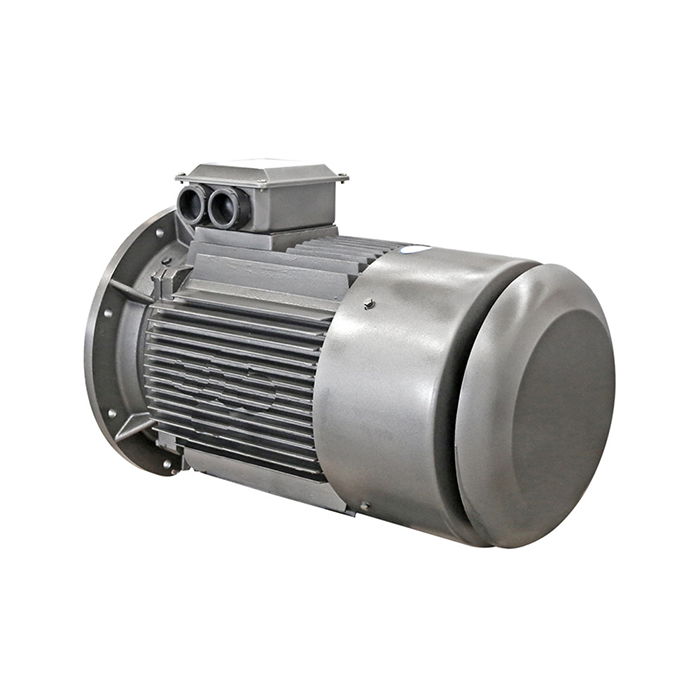
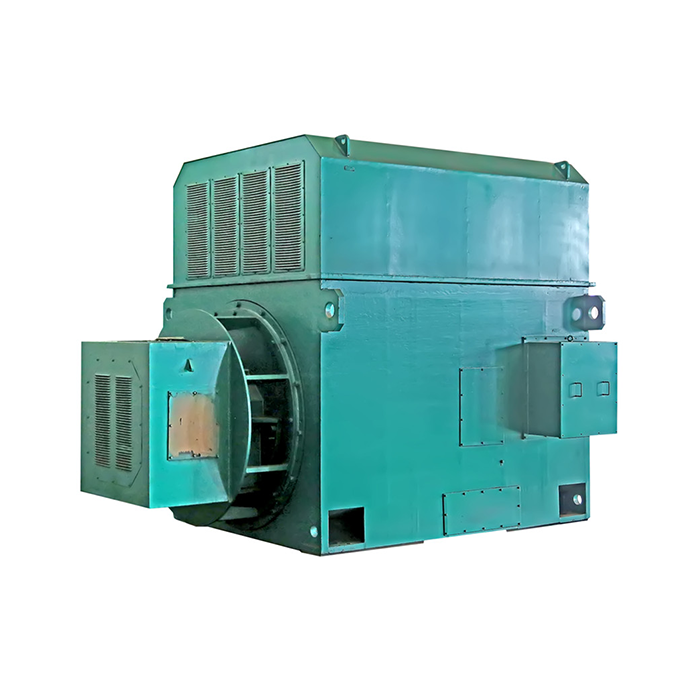
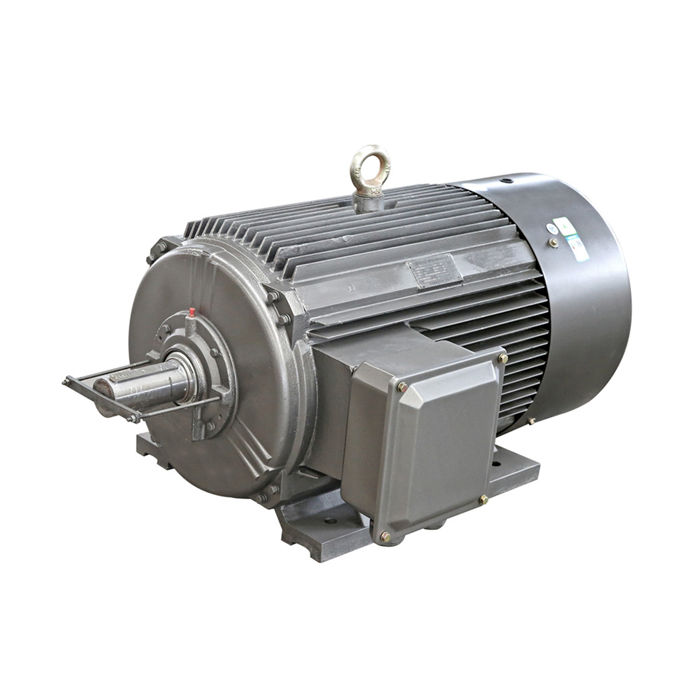
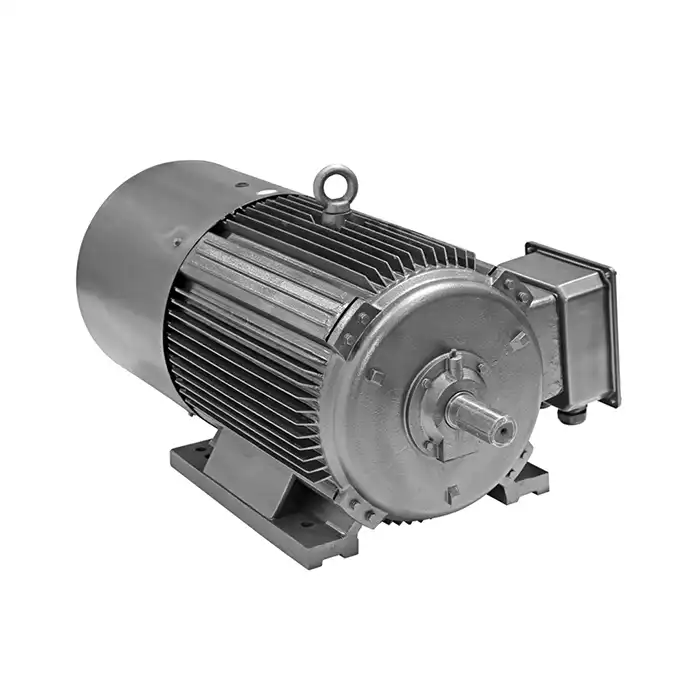
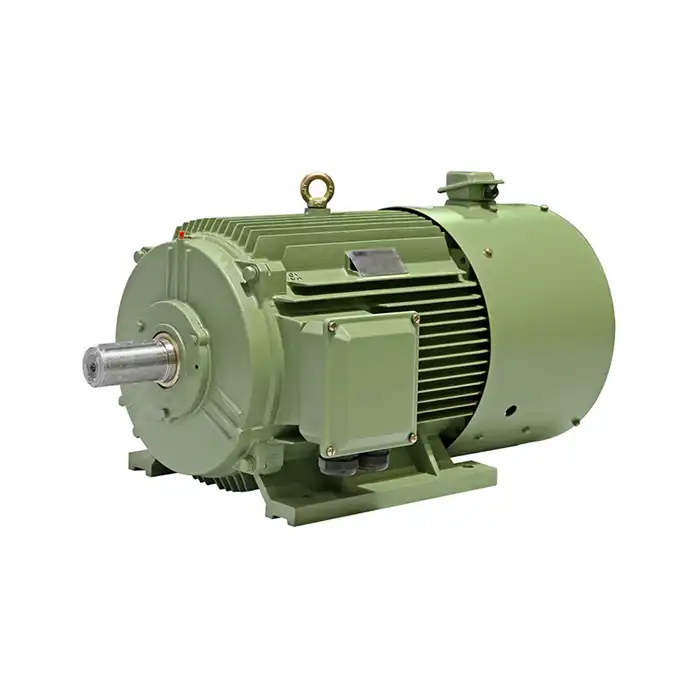
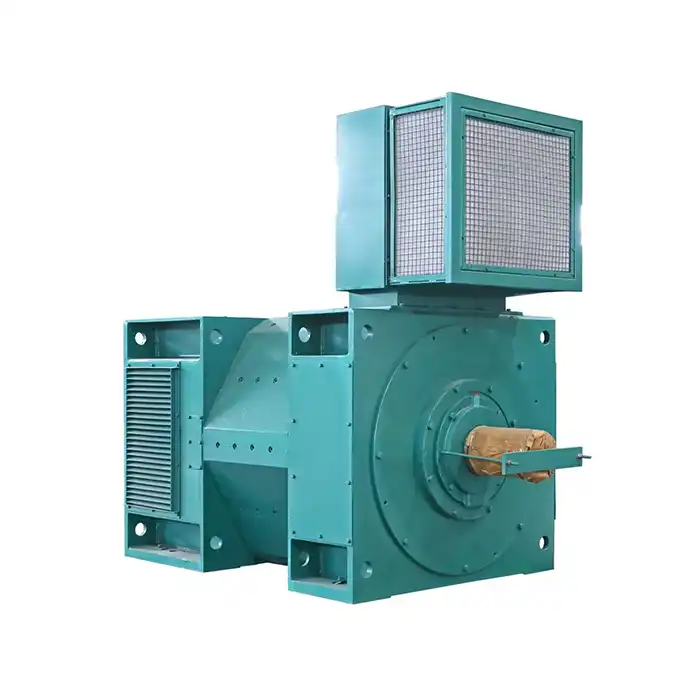
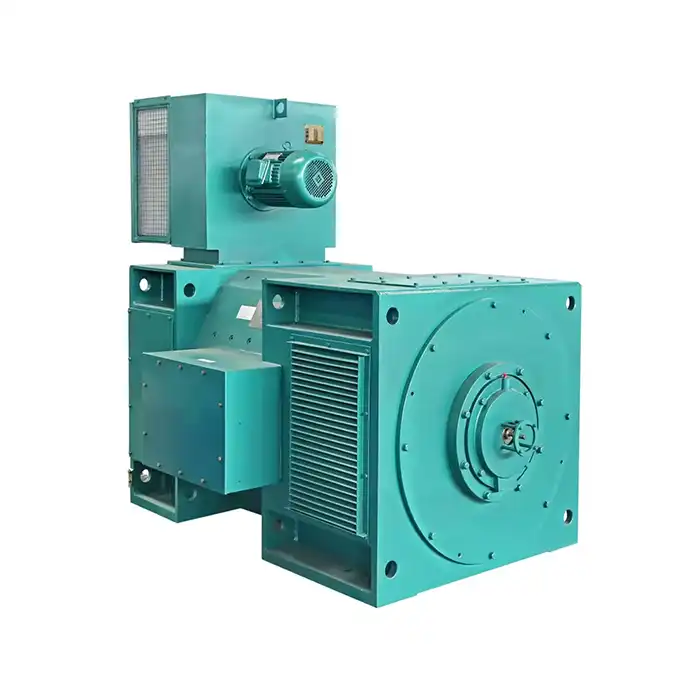
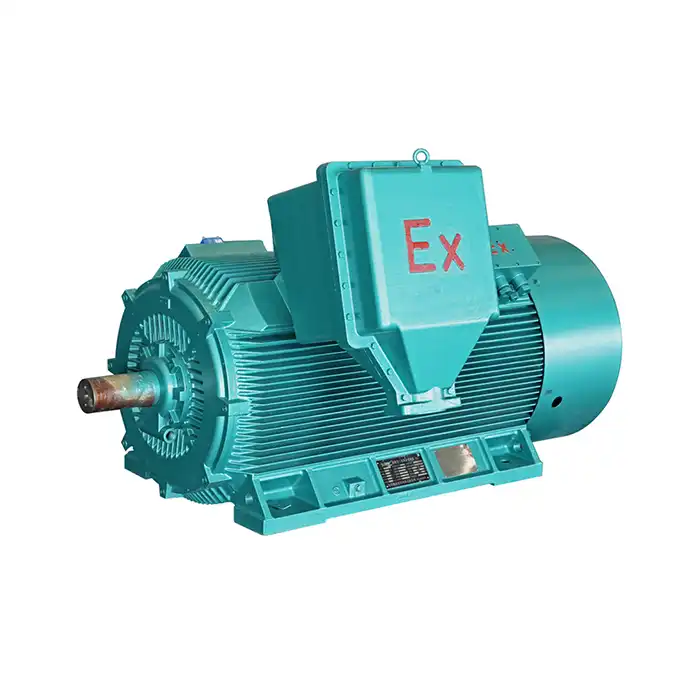
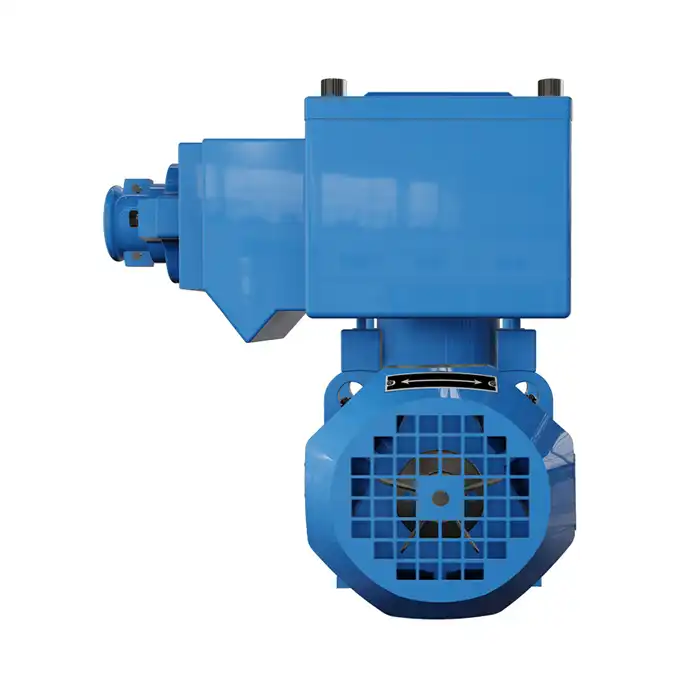
Series:YE5
Frame number: 80-450
Power range:0.75-1000kW
Protection level:IP55
Energy efficiency class: IE5
Voltage range: 380V,400V,415V, 660V,etc.
Application:can be used in various fields of the national economy, such as machine tools,water pumps,fans,compressors,and can also be used in transportation, mixing, printing, agricultural machinery, food and other occasions that do not contain flammable, explosive or corrosive gases.
Certificate: international standard IEC60034-30 "Efficiency Classification of Single-speed Three-Phase Squirrel Cage Induction Motors".
Advantage:The high quality of the electric motor guarantees high operational reliability.
Others: SKF, NSK, FAG bearings can be replaced according to customer requirements.
Understanding IEC LV Motors and Standard Motors
Standards, Units, and Physical Interchangeability
Labeling is only one aspect of the difference between IEC LV motors and NEMA-standard motors. IEC low voltage motors have to follow the IEC 60034 series standards, which spell out everything from the required insulation class and shaft height tolerances in metric units. NEMA motors, on the other hand, use imperial units and a different method for measuring how efficient they are. If you are an OEM making equipment for the European, Australian, or Asian markets, this difference is important because a NEMA-frame motor won't fit into an IEC-designed mounting plate without being changed.
Dimensional and Electrical Specification Gaps
The mounting hole designs, flange measurements, and shaft diameters of IEC LV motors are all metric. In a normal IEC 112M frame, the shaft is 28 mm wide and 112 mm high at its midpoint. The power range of an equivalent NEMA 145T frame is the same, but measurements are given in inches, which can't be switched between frames without special adapters. IEC motors work with 50 Hz power systems, which is the standard in Europe and Australia. NEMA motors, on the other hand, work with 60 Hz systems by default. In accordance with European grid standards, IEC LV motors typically have ratings of 380V, 400V, or 415V.
Performance Comparison: Efficiency, Power Ratings, and Noise Levels
IE Efficiency Classes and Global Energy Impact
The International Energy Agency says that about 53% of all the electricity used in the world goes to systems with electric motors. This scale makes classifying motor efficiency a policy goal, and IEC 60034-30-1 talks about it directly in the IE-code system. The IE code ranks motors by how efficient they are: IE1 is standard, IE2 is high, IE3 is premium, IE4 is super premium, and IE5 is ultra-premium. Over the life of the motor, each step up the ladder cuts down on electricity losses by a significant amount.
How IE Ratings Translate to Real-World Savings
A 90 kW IE3 motor that works 8,000 hours a year at €0.12/kWh saves about €2,500 a year compared to an IE1 motor of the same power. When that is applied to a factory with 50 motors, it saves enough money to be worth the investment in just a few months. IEC LV motors with IE4 and IE5 grades further reduce costs. In addition to saving energy, IEC LV motors in higher efficiency classes produce less heat while they are running, which lowers the stress on the bearings and makes it possible to go longer between servicing. As winding designs get better, noise levels go down as well. This is important in places like food processing and pharmaceuticals where noise levels need to be kept low.
Applications and Advantages of IEC LV Motors Over Standard Motors
Water Infrastructure, Process Automation, and HVAC Reliability
The range of applications for IEC LV motors is incredibly diverse. Machine tools, compressors, and conveyor lines are all driven by them in factories. In water infrastructure, they power pumps and systems that move water around that have to keep running without stopping for any reason. Agricultural businesses depend on them for tools to water crops and move grains. Because of their international interoperability, IEC LV motors are the industry standard in these areas around the world. This means that an approved IEC motor from one maker can fit into the mounting footprint of another without any technical changes.
Here are the core application strengths that make IEC LV motors a practical choice across industries:
- Water treatment and pump systems: IEC LV motors in IP55 cases keep out moisture, making them dependable in wet settings where pump failures can have big effects on operations. With continuous-duty rates, they can handle load cycles 24 hours a day, seven days a week, without getting hot.
- Manufacturing and process automation: Machine tools, compressors, and mixing equipment need power delivery that stays the same even when the load changes. IEC LV motors with class F insulation can withstand temperatures as high as 40°C without degrading their rated output.
- HVAC and ventilation: Fan uses need a lot of time between repair visits. In rooftop and duct-mounted installations, IEC LV motors with sealed bearing configurations require less lubrication and have longer operational reliability.
These application strengths mean that facilities managers can use a single motor base for all of their production lines. This cuts down on the need for spare parts and makes training for upkeep easier. Over time, standardization helps even more, since technicians who know how to work with one series of IEC LV motors can service units across the whole plant without having to learn new skills.
Decision-Making Guide: Selecting Between IEC LV Motors and Standard Motors
Regulatory Compliance, TCO, and Customization Capability
When deciding between IEC LV motors and NEMA standard motors, you need to make sure that the technical specs match the location of your placement and the applicable regulations. The EU Energy-Related Products (ErP) Directive says that motors between 0.75 kW and 1,000 kW must be at least IE3 efficient if they are going to be shipped to Europe. It is illegal to do business below that limit, not a business risk. The Australian MEPS rules move in the same direction, but they are based on IEC efficiency classes instead of NEMA grades.
Key Procurement Criteria to Evaluate
Which motor platform will give you the most long-term value depends on three things:
- Total cost of ownership: A motor's buying price is only about 2–5% of its total cost over its lifetime. Over 90% of that cost is energy use. When you choose IEC LV motors at IE3 or higher, you won't have to pay for energy checks or ErP fines, which can be very expensive in the EU.
- Certification paperwork: For equipment to be sold in Europe or the UK, it must have CE marking, UKCA certification, and energy efficiency declarations. IEC LV motors from compliant manufacturers come with these documents as standard, not as an add-on.
- Customization level: Industrial uses don't always match catalog specs perfectly. Often, changes need to be made to the shaft's length, fitting system, bearing specifications, and enclosure grade. When suppliers allow customization of dimensions and electrical needs, engineers don't have to find solutions as much during the equipment assembly stage.
Matching these criteria to your supplier's actual capabilities — not just their catalog claims — separates reliable procurement from costly surprises after delivery.
Trusted Procurement: XCMOTOR YE5 Series IEC LV Motors
IE5 Efficiency, Comprehensive Certifications, and Flexible OEM Supply
With over 20 years of experience serving OEM equipment makers and industrial wholesalers across international markets, XCMOTOR (Shaanxi Qihe Xicheng Electromechanical Equipment Co., Ltd.) manufactures and supplies IEC LV motors built to international standards IEC 60034-30. The YE5 series is our most efficient product, and it comes with real certifications, not copies.
The YE5 series specifications cover the full industrial power range:
- Series: YE5 | Frame: 80–450 | Power: 0.75–1,000 kW
- Efficiency Class: IE5—the highest level of efficiency recognized by the IEC at this time
- Protection: IP55 protection means it can be used outside and in areas that are close to water sources.
- Voltage: 380V, 400V, 415V, 660V, and other combinations are possible
- Bearings: Standard setup with options to upgrade to SKF, NSK, or FAG depending on your needs.
- Certifications: It has been approved by IEC 60034-30, CE, UKCA, CCC, UL, GOST, and ISO 9001.
The YE5 series applies to machine tools, water pumps, fans, compressors, transportation equipment, mixing equipment, printing lines, farming equipment, and food processing — any environment free of flammable, explosive, or corrosive gases. High-quality construction guarantees operational reliability across the motor's service life, and bearing brands are interchangeable per customer specification.
Every YE5 motor passes multi-stage quality inspection and pre-delivery testing before shipment. We support bulk OEM orders, neutral packaging for white-label export, and customized logistics covering ocean, air, and multimodal freight.
Conclusion
Regulation, business, and logistics all play a role in the decision to use iec low voltage motors rather than standard motors. IEC LV motors are the only practical way to achieve compliance for goods intended for the European, UK, or Australian markets, and IE3 or higher is the minimum level required by current ErP guidelines. IEC LV motors offer significant energy savings, streamlined global spare part management, and a wide range of industrial sector coverage in addition to compliance. Choosing the right supplier—one that offers verified certification documents, consistent batch quality, and real customization support—is what makes the difference between getting those benefits and having to pay extra costs later on.
FAQ
1. What are the primary applications for YE5 IEC lv motors?
Fans, pumps, compressors, conveyors, machine tools, and mixing equipment in the chemical, metalworking, water treatment, building materials, and general machinery industries can all use the YE5 series. It works anywhere there aren't any dangerous or corrosive gases.
2. What does the IEC standard specify for low-voltage motors?
The testing methods are set out in IEC 60034-2-1, and the IE efficiency classification system is set out in IEC 60034-30-1. These guidelines set four levels of efficiency (IE1 through IE4, with IE5 on the way) that are used around the world to control IEC LV motors systems that use less energy.
3. Can I specify a particular bearing brand for my order?
Yes, XCMOTOR can upgrade your bearings to SKF, NSK, or FAG depending on how you use them and how often you need service. This choice works with all frame sizes of the YE5 line.
Contact XCMOTOR for IEC LV Motors Supplier Inquiries
XCMOTOR supplies IE5-rated YE5 series IEC LV motors with full CE, UKCA, and IEC 60034-30 certification documentation — ready for European and Australian equipment export. We offer flexible OEM packaging, bearing customization, and responsive after-sales support seven days a week. If your next procurement round requires verified, high-efficiency lv motors for sale at competitive direct-manufacturer pricing, reach out to our technical team. Send your specifications to xcmotors@163.com or visit motorxc.com to start your sourcing process today.
References
1. International Electrotechnical Commission. IEC 60034-30-1: Rotating Electrical Machines — Efficiency Classes of Line Operated AC Motors. IEC, 2014.
2. International Energy Agency. Energy Efficiency 2023: Analysis and Outlooks to 2030. IEA, 2023.
3. European Commission. Commission Regulation (EU) 2019/1781 on Ecodesign Requirements for Electric Motors and Variable Speed Drives. Official Journal of the European Union, 2019.
4. Waide, P., & Brunner, C. U. Energy-Efficiency Policy Opportunities for Electric Motor-Driven Systems. International Energy Agency Working Paper, 2011.
5. VDMA. Electric Motors and Drives: Market and Technology Report. Verband Deutscher Maschinen- und Anlagenbau, 2022.
6. Standards Australia. AS/NZS 1359.5: Rotating Electrical Machines — Efficiency Classes and Testing of Three-Phase Cage Induction Motors. Standards Australia, 2020.