



Performance Advantages of 2500 kW Motors Explained
To make smart buying decisions when looking at industrial motor solutions, you need to know how a 2500 kW motor can improve performance. In a lot of tough situations, from heavy manufacturing to power plants, these high-power units work very well. The 2500 kW motor is made to last and uses cutting-edge technology to give you steady output, less wasted energy, and lower costs to run. How well your facility works, how much it costs to maintain, and its ability to stay competitive in today's business world depend on which motor it chooses.

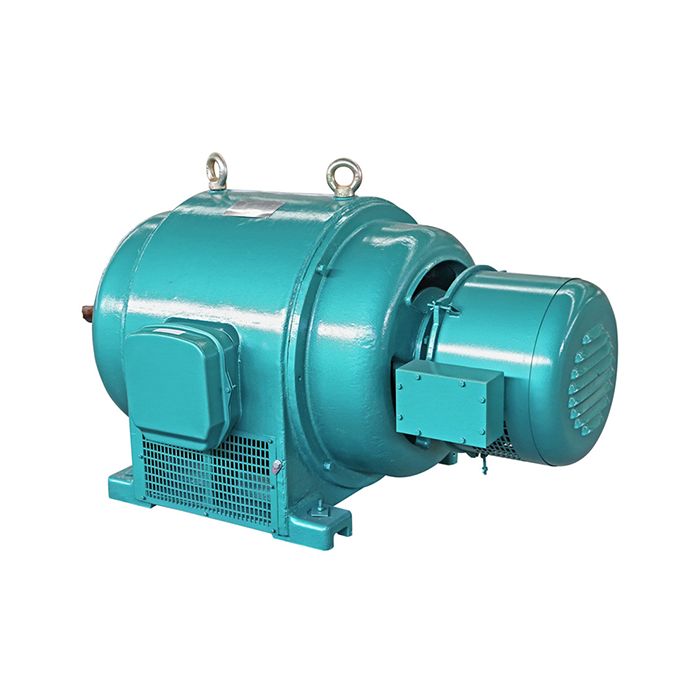
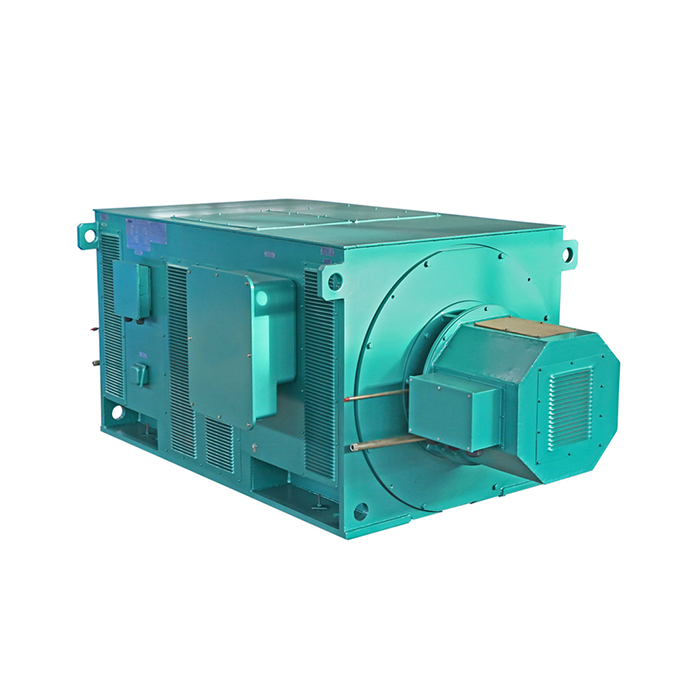
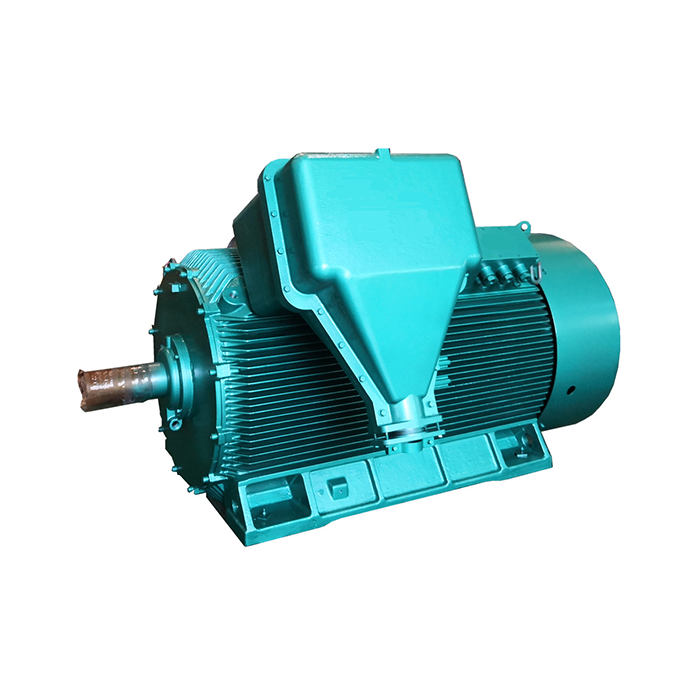
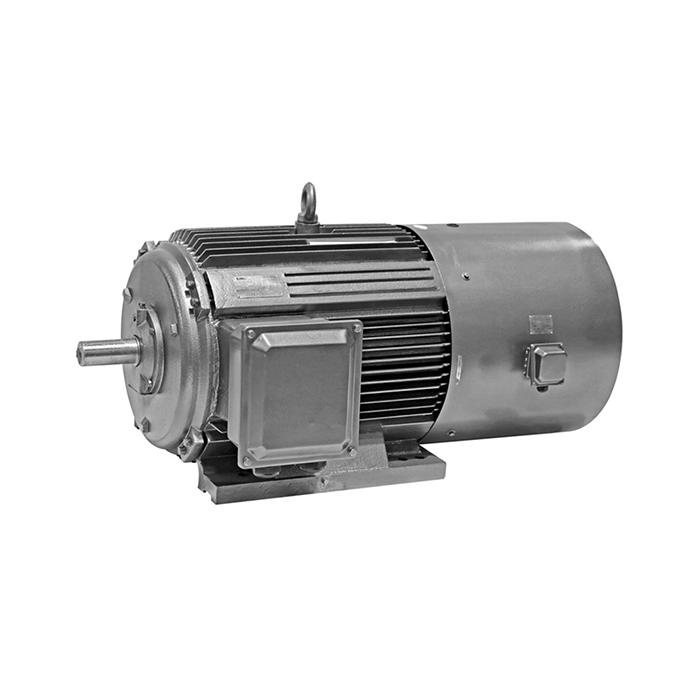
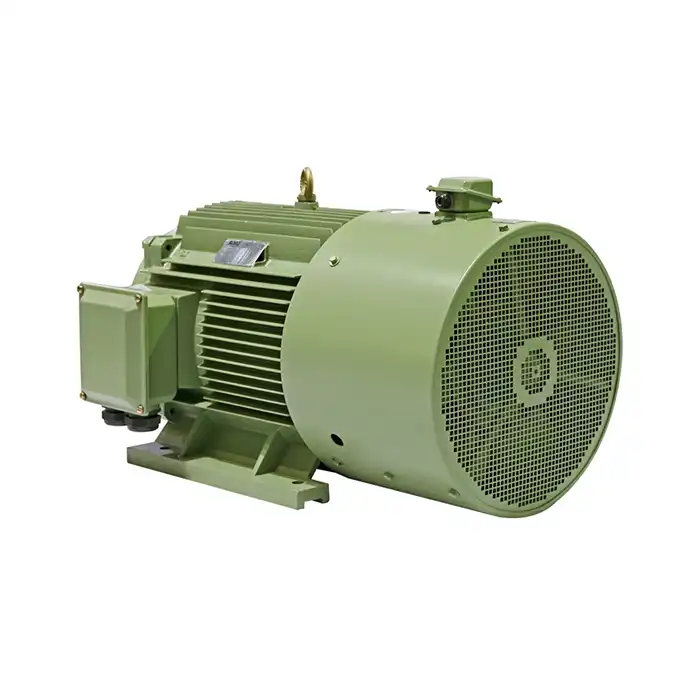
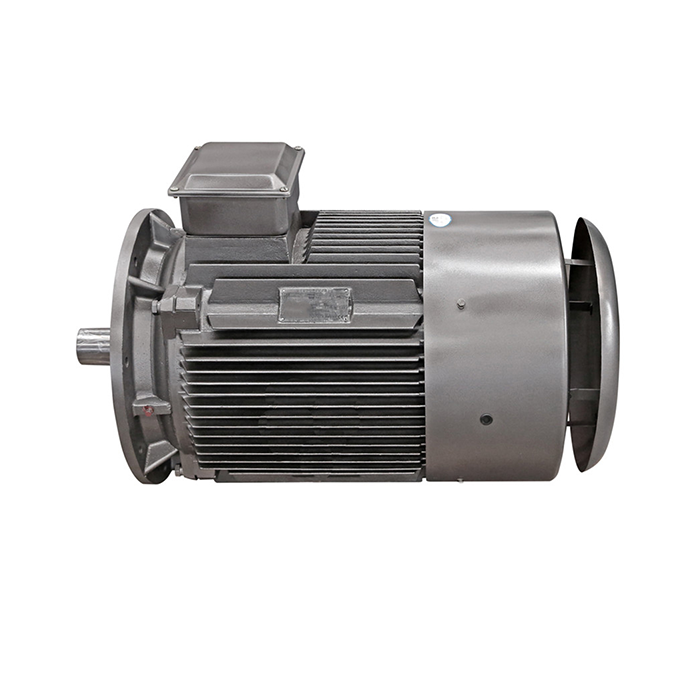
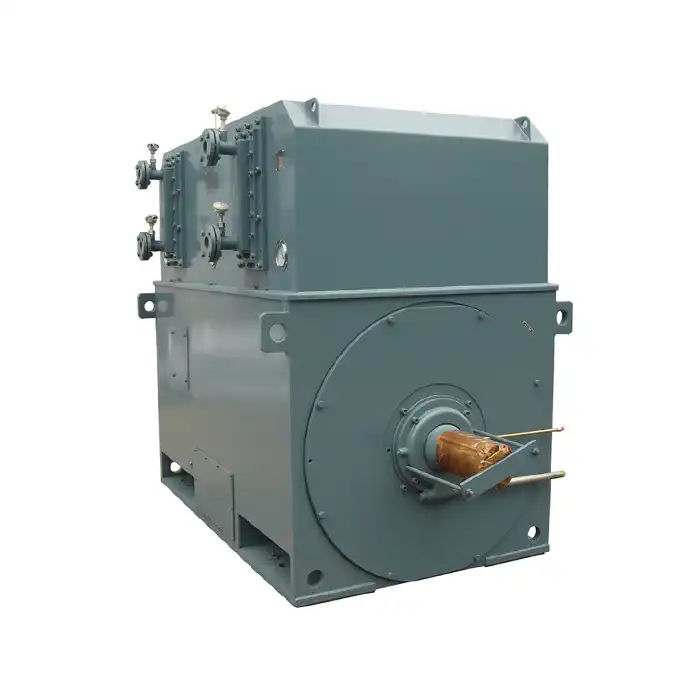
Series:YKK
Protection level:IP54
Voltage range:3000V±5%,3300V±5%,6000V±5%,6600V±5%,10000V±5%,11000V±5%
Power range:200-6300 kW
Application:fans, water pumps, compressors, crushers, cutting machine tools, transportation machinery, etc.
Advantage:low noise, low vibration, long service life, easy installation and maintenance.
Standard: This series of products complies with JB/T 12730 and JB/T 12729 standards.
Others: SKF, NSK, FAG bearings can be replaced according to customer requirements.
Understanding the Core Specifications and Performance Metrics of 2500 kW Motors
Power Output and Voltage Flexibility
The power of our motors ranges from 200 kW to 6300 kW. For medium to large industrial tasks, the 2500 kW motor is a great choice. The voltage range, with a ±5% error, is from 3000V to 11000V, so it can work with a number of different types of electrical infrastructure found in North American factories. Because it is flexible, it can work well with the power systems that are already in place, so no expensive electrical upgrades are needed. The wide voltage band and frequency rating of 50 Hz make sure that it can work with standard grid connections. It can also be put in places where voltage changes, like power plants, refineries, and water treatment plants.
Efficiency Standards and Energy Savings
How much it costs to run a motor over its whole life depends a lot on how efficient it is. These days' high-power motors are between 94% and 96% efficient at full load. This means they use a lot less energy than older technology. A 2500 kW motor only loses 5% of its power as heat when it works at 95% efficiency. So, there is less need for cooling, and the electricity bill is lower. Over thousands of hours of operation each year, this extra efficiency saves money in a way that can be measured. These efficiency gains will help factories that use continuous processes the most, because even small percentage gains add up to big money savings over the course of the year and every three months.
Cooling Technologies and Thermal Management
The way we cool our motors with IC611 makes sure that heat is removed well even during long operation cycles. There is air flow inside the machine and cooling surfaces on the outside of it. This keeps the machine running at its best temperature even when it's under a lot of stress. It's better to manage heat so that parts last longer, insulation doesn't wear out, and performance stays the same. Mines, steel mills, and cement plants are all places where temperatures change a lot. These places need strong cooling systems that stop thermal stress. It is also important for safety at work and to follow noise limits set by environmental laws that the cooling system is designed in a way that a 2500 kW motor helps keep the noise level low.
Comparative Analysis: 2500 kW Motors vs Other Power Ratings
Right-Sizing for Load Requirements
It is most efficient and cost-effective to match the motor's capacity to the needs of the load. Most of the time, a 2500 kW motor that is working at 75–90% of its rated capacity is the most efficient. On the other hand, motors that are too big when they're only partly loaded waste more energy and work less well. Motors that are too small, on the other hand, get thermal stress and wear out faster when they are constantly pushed outside of their safe operating ranges. You should think about startup changes, times of high demand, and plans to add more capacity in the future when you figure out the load. When motors are the right size, they can handle changes in how they're used without losing their dependability. In places like water treatment plants that pump out different amounts of water or compressor stations where demand changes, this is very helpful.
Comparing Power Classes
As you choose between a 2000 kW unit and a 2500 kW motor, you should think about how much power you need now and how well the system can adapt to changes in the process. The 500 kW difference lets you handle short-term overloads or facility growth without having to get a new motor. If you choose a 3000 kW motor when a 2500 kW motor will do, the installation costs will go up and the motor will work less efficiently at normal loads. If you want to know how much something costs to own, you should add up the price of the item, the cost of installation, how much energy it will use over its expected lifetime, and any repairs that need to be done. Many times, the middle option is the best choice for procurement managers because it has the right mix of features and price for their needs.
Induction vs Synchronous Motor Technology
They both work with up to 2500 kW of power, but each has its own advantages. Induction motors are common in factories because they are simple to use, inexpensive, and don't need much upkeep. Synchronous motors work better at full load, can be precisely controlled, and can fix problems with power factor. These benefits are good for places that have to pay for electricity. VFDs that work with both technologies are now standard and can be used together. You can change the speed to make the process better. Some of the places that use induction motors are oil refineries, chemical plants, and big HVAC systems. Power plants, on the other hand, might choose synchronous designs because they are better at handling electricity.
Procurement Considerations for 2500 kW Motors
Identifying Reliable Suppliers
If you pick a company that has done well in the past, you can be sure that the 2500 kW motor will work well and that you will get help with it for as long as it lasts. XCMOTOR works with Shaanxi Qihe Xicheng Electromechanical Equipment Co., Ltd. Their goal is to provide customers with stable, energy-efficient, and low-maintenance power equipment. Our goods meet quality standards like JB/T 12730 and JB/T 12729, which shows that we stick to well-known rules. We answer questions quickly before, during, and after the sale. We also answer technical questions quickly during the planning, installation, or use phases. You should check a supplier's quality certifications, how reliable their deliveries are, and how much technical support they offer after the sale to see how well they can make things.
Understanding Pricing Factors
The price of a motor isn't just based on its specs. Prices are affected by how 2500 kW motor complicated the technology is; features like better insulation systems, premium bearing options, or unique mounting arrangements make prices go up. Delivery logistics, such as freight charges, customs duties, and handling fees, can change the total landed costs. This is especially true for shipments crossing international borders. You might get a discount if you order more than one unit for the renovation or building of a new building. When making a budget, you should also think about how you will pay and the currency you will use. This is especially important for big purchases that take a long time to arrive, like capital equipment. You can find ways to save money without giving up important performance requirements by getting quotes that are very detailed and list all the costs. When people clearly talk about prices, it builds trust and makes it possible for them to work together for a long time.
Warranty Coverage and After-Sales Support
Full warranty terms protect against problems that happen early on and mistakes made during production. For the most part, standard warranties last for 12 to 24 months from the date of installation or 18 months from the date of shipment, whichever comes first. It should cover replacing parts, repair work, and technical help with fixing problems. It's easier to get along when filing a claim when you know what the warranty doesn't cover, like damage caused by bad installation, poor maintenance, or using the product beyond its recommended limits. If you have dedicated support, like the service we offer at XCMOTOR on the weekends, things will go down less often when they do. Setting clear ways to talk to vendors, how long you expect them to respond, and how to take problems to the next level will make sure that working with them goes smoothly when problems happen. We're open for questions on both Saturday and Sunday because we know that factories often work nonstop, 24 hours a day. People can use these buying tips to find good motors that fit their project's budget and time frame while also lowering the risk.
Enhancing Motor Performance and Longevity: Tips and Best Practices
Routine Inspection Protocols
Setting up regular maintenance schedules helps find issues before they lead to unplanned shutdowns. If you check a bearing's temperature, you can find issues with its lubrication or alignment that make it wear out faster. With portable instruments or sensors that are permanently installed, vibration analysis can find parts that are out of balance, parts that are loose, or bearing faults that are beginning to form. Testing for insulation resistance makes sure that a wire is electrically sound and lets you know if water is getting into the wire or the insulation is breaking down, which could cause the winding to fail. Surveys using thermal imaging find hot spots that could mean electrical issues, poor air flow, or damage to bearings. If you keep track of what you find during inspections, you can see how things have been getting worse over time. This lets you plan maintenance that keeps problems from happening so that you don't have to make as many repairs as needed.
Optimizing Cooling and Ventilation
Thermal stress, which makes parts last less long, can be stopped by making sure there is enough airflow around motor enclosures. Check to see if the entryways for cool air are blocked by trash, things that are stored, or not enough room. Clean the outside and cooling fins often to get rid of the dust that gathers and keeps heat inside instead of letting it out. You can keep the temperature in motor rooms from going above the design limits by making sure they have enough air flow or climate control systems. Better cooling systems may be worth the money in places that get hot or make a lot of process heat to protect motor life. Our design naturally has low noise and vibration, so it lowers acoustic signatures that might need measures to block out sound. Putting it in places that are sensitive to noise is easier with this.
Extending Service Life Through Proper Operation
If you use motors within the limits that were given to them, they will last longer. If the motor doesn't start and stop as often, the windings and drive parts don't have to deal with as much thermal cycling stress. If you need to start up applications a lot, make sure there are enough breaks for cooling in between so that heat doesn't build up. Making sure the motors and the things they power are in the right place keeps the shaft from being loaded, which hurts the bearings and makes the machine vibrate. When electrical supply voltages aren't balanced, phase currents that heat up and waste energy are stopped. A 2500 kW motor can be kept safe from voltage drops, surges, and transients by using the right electrical protection devices. Our motors are designed to be simple to set up and keep up. This saves money on labor costs during both the initial commissioning and subsequent service visits. People who work in industry can use these helpful maintenance tips to keep their machines running at their best, even when things get tough, while also keeping costs low over the course of their lives. People who work in industry can use these helpful maintenance tips to keep their machines running at their best, even when things get tough, while also keeping costs low over the course of their lives.
Real-World Case Studies and Applications of 2500 kW Motors
Heavy Manufacturing and Processing Industries
Large motors are used in places like electronics factories, aerospace factories, 2500 kW motors, and auto assembly plants for things like air handling systems, hydraulic power units, and equipment that moves materials. A big car company cut its annual energy use by 12% when it replaced old motors with new, high-efficiency units that can handle 2500 kW. Just by cutting down on electricity costs, the project paid for itself in 31 months. That's not counting the money that was saved on repairs and the extra hours that the factory was open. In food processing plants, these motors power refrigeration compressors, mixing equipment, and the drives that move the packaging lines. The time it takes to process the goods and the quality of the goods are directly linked to how reliable they are. When sensitive processes are being used, the low vibration properties keep things from breaking and keep machines from moving out of place.
Mining and Mineral Extraction Operations
Fans for air flow, crushing equipment, conveyor systems, and pumps that remove water from mines use powerful motors. These motors are used in both underground and surface mines. A coal mine got new motors for its main ventilation system that were better at cooling and had better bearings. Because of the upgrade, maintenance is now done every six months instead of every three months. That meant less money spent on labor and no need to stop work to replace bearings. When it comes to crushing, motors that are made to handle the shock loads and changing torque needs that are common in mineral processing work better. The strong cast iron frame can handle the vibrations and rough conditions that are common in mining. This makes the purchase worth it because the frame will last longer.
Power Generation and Utility Applications
In power plants, big motors are used for things like transporting ash, coal pulverizers, boiler feed pumps, and moving cooling water around. A combined-cycle natural gas plant needed 8% less extra power after updating the motors in its cooling water pumps. Due to higher efficiency, parasitic loads were cut down. This meant that there was more net power to sell to the grid. The motor technology used in wind turbine yaw and pitch control systems was first used in bigger units, even though these usually have less power. Water treatment facilities pumping millions of gallons of water every day can cut their operating costs by a lot with motors that are made for continuous-duty use. Our motors are built to last, so you don't have to buy new ones as often. This saves money on capital costs over the many decades that the facilities are used.
Conclusion
To pick the best 2500 kW motor, you should think about its technical specs, how it will be used, and how much it will cost over its whole life. If you know basic performance indicators like ratings for things like efficiency, cooling methods, protection levels, and expected service life, you can make smart buying decisions that help your facility reach its goals. The right size is chosen to get the most out of the machine without spending too much on capital by comparing different power ratings and motor technologies. To keep investments safe for their whole useful lives, it's important to find suppliers you can trust that offer full warranties and quick technical support. Making sure the equipment is working at its best, following best practices, and getting regular maintenance will help it last longer and need less downtime. Lower maintenance costs, better reliability, and energy savings are some of the real-world benefits that can be seen in infrastructure, mining, manufacturing, and power generation. Industrial leaders can use these insights to choose equipment that gives their facilities a long-term edge over their competitors.
FAQ
1. How Do I Calculate Whether a 2500 kW Motor Suits My Application?
How much power does the machine you're driving need? Figure out how fast it needs to run, how much torque it needs, and how much efficiency is lost in the transmission parts. Add 10 to 15 percent as a safety margin to account for changes in startup and possible load changes. Talk to people who work on applications. They can look at your process and tell you what size 2500 kW motor you need based on that.
2. What Factors Most Significantly Affect Motor Lifespan?
Most of what determines how long something lasts is how it is used, how well it is maintained, and how much it is loaded. Motors can last more than 20 years if they are kept clean, at a steady temperature, and get regular preventative maintenance. On the other hand, harsh conditions and poor maintenance make useful life much shorter. Operations last a lot longer when they are properly oiled, monitored for vibration, and protected from electricity.
3. Does it matter if the frequency of the drive changes or not?
A variable frequency drive can work with motors that are built to today's standards. You can change the motor's speed to get the best results for your process and save power when it's not fully loaded. Make sure the insulation systems are up to the task of handling the load of the inverter so that the windings don't break down too quickly from changes in voltage. Read the manufacturer's directions to see if the drive will work for your needs and if there are any de-rating factors that you need to use.
Partner With XCMOTOR for Your High-Performance 2500 kW Motor Supplier Needs
At XCMOTOR, we offer cutting-edge 2500 kW motor solutions that are made to last in tough industrial jobs. We are committed to high energy efficiency, low energy use, and stable power. This will help your business be as productive as possible while keeping costs low. We offer full technical support, which includes consultations before the sale, help with specs, step-by-step installation instructions, and service after the sale. This includes help on Saturdays and Sundays, when your business needs help right away. Our helpful staff can be reached at xcmotors@163.com to talk about your specific needs and get low prices on high-quality motors that come with full warranties. We ship quickly and let you return items for free for 30 days. The parts we sell are from trusted bearing manufacturers and can be changed to fit your needs.
References
1. Industrial Electric Motor Handbook: Performance Specifications and Application Guidelines (2022). Society of Manufacturing Engineers Technical Publications.
2. High-Power Motor Technology: Efficiency Standards and Operational Best Practices (2023). International Electrotechnical Commission Industry Report.
3. Lifecycle Cost Analysis for Large Industrial Motors (2021). Journal of Industrial Engineering and Equipment Management, Volume 18, Issue 4.
4. Thermal Management Systems in High-Power Electric Motors (2023). Electric Power Research Institute Technical Study Series.
5. Preventive Maintenance Strategies for Industrial Motor Assets (2022). Plant Engineering and Maintenance Journal, Annual Operations Review.
6. Comparative Performance Assessment of Medium Voltage Industrial Motors (2023). Energy Efficiency in Manufacturing: Research and Applications, Volume 12.