



Why Low Voltage AC Motors Reduce Operating Costs
Low Voltage AC Motor technology delivers substantial operating cost reductions through enhanced energy efficiency, reduced maintenance demands, and extended equipment lifespan. These three-phase induction motors, operating at voltages up to 1,000V, consume significantly less electricity than traditional alternatives while providing reliable performance across industrial applications. Their simplified installation requirements and robust construction minimize downtime and service expenses, making them an intelligent investment for companies seeking to optimize their total cost of ownership while maintaining production reliability.

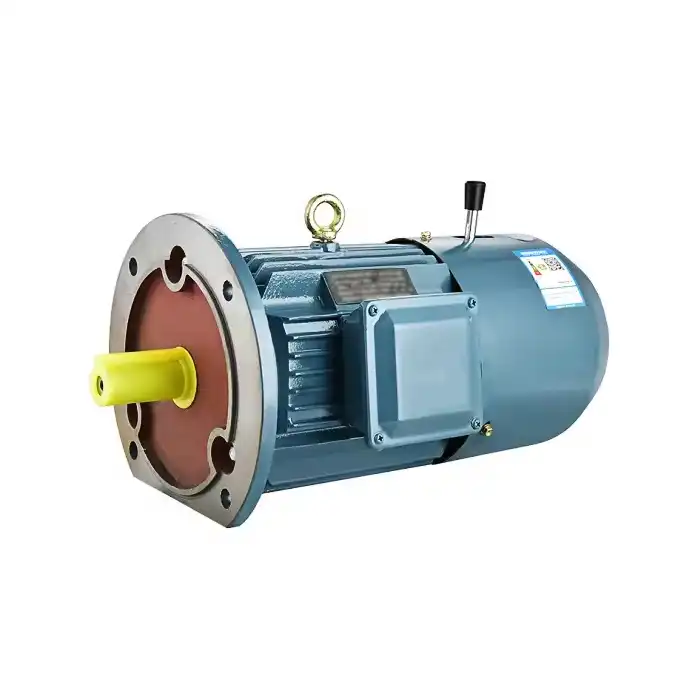
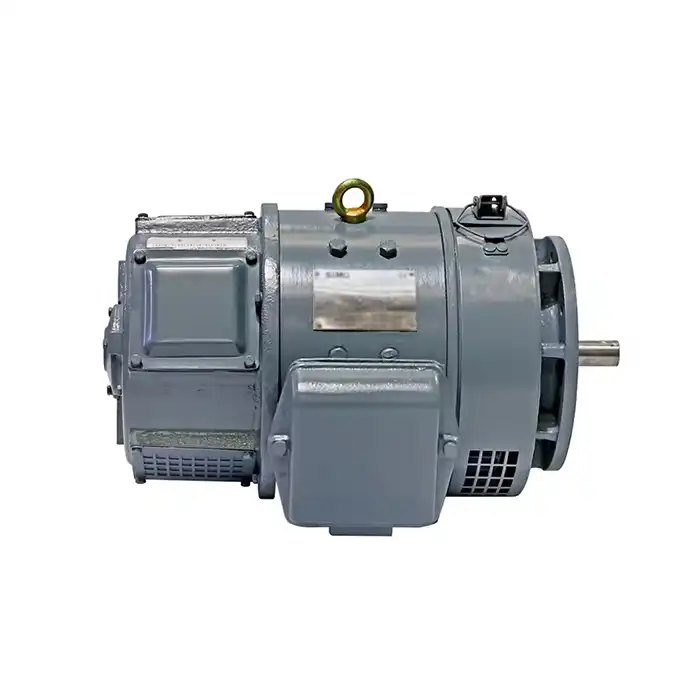
Series:YE3
Frame number: 80-450
Power range:0.75-1000kW
Protection level:IP55
Energy efficiency class: IE3
Voltage range: 380V,400V,415V,660V, etc.
Application:can be used in various fields of the national economy, such as machine tools,water pumps,fans,compressors,and can also be used in transportation, mixing, printing, agricultural machinery, food and other occasions that do not contain flammable, explosive or corrosive gases.
Certificate: international standard IEC60034-30 "Efficiency Classification of Single-speed Three-Phase Squirrel Cage Induction Motors".
Advantage:The high quality of the electric motor guarantees high operational reliability.
Others: SKF, NSK, FAG bearings can be replaced according to customer requirements.
Understanding Low Voltage AC Motors and Their Operating Principles
Core Components and Construction
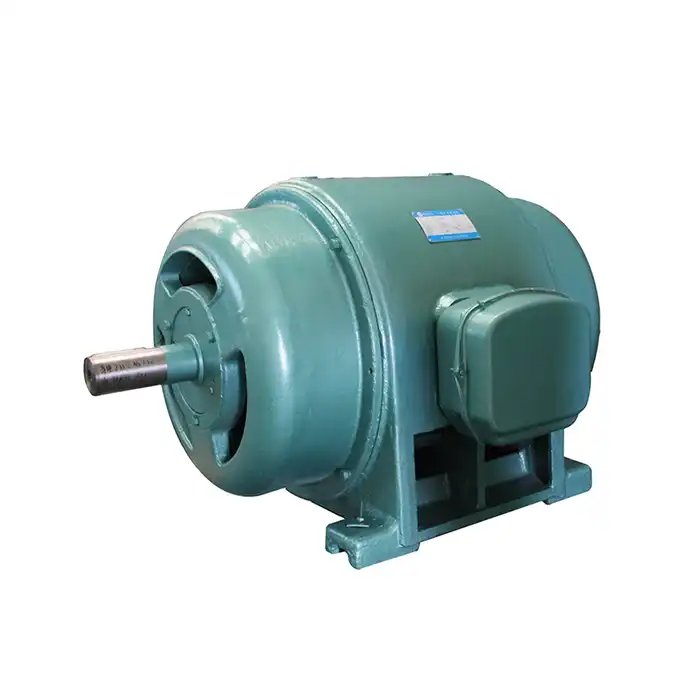
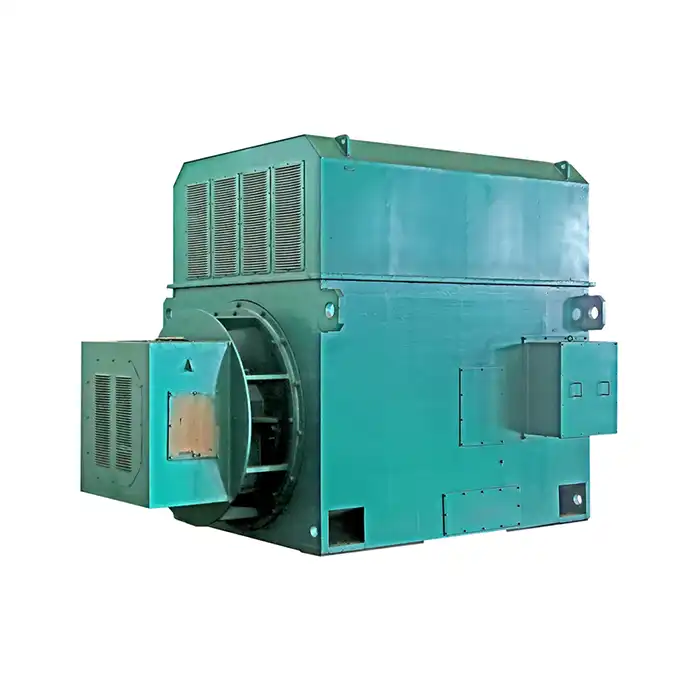
A low voltage AC Motor is made up of a few basic parts that work together to turn electricity into mechanical motion. Alternating current flows through the stator, and magnetic fields made by the copper or aluminum windings turn. When these magnetic fields hit the conductors inside the rotor (which is inside the stator), they make torque. The rotating part is held up by bearings, and the frame keeps the structure and the setting safe. This simple design helps the product be reliable and save money, which is important to people who work in procurement.
Induction Motor Operating Fundamentals
In business, three-phase induction motors are the most common type. They last a long time and are easy to use. When current flows back and forth through the stator windings, it creates a magnetic field that spins. Currents flow through the rotor's conductors because of this field. This makes torque, which moves connected equipment. There are no wear points because there are no brushes or commutators. This makes it much easier to keep up with. Operating voltages used for operation are usually between 380V and 660V. This is the same voltage that is used in power systems across the US in factories, water treatment plants, and business buildings.
Single-Phase vs Three-Phase Configurations
Single-phase motors are used for HVAC systems and other light tasks that don't need a lot of power. Because they run more smoothly and have more power in a smaller space, three-phase motors can handle heavy industrial loads better. We have YE3 series frames that are 80 to 450 mm in size, and they can put out 0.75kW to 1000kW of power. This range meets a lot of different needs in automation, process control, Low Voltage AC motor, and moving materials in manufacturing. This means that procurement teams can completely match the motor's specs to the needs of the job.
Key Factors That Make Low Voltage AC Motors Cost-Effective
Superior Energy Efficiency Performance
The cost of ownership for motor-driven systems is mostly made up of the energy they use. IE3-rated motors efficiently turn electricity into mechanical output, which lowers the equipment's lifetime electricity costs by a large amount. If you choose the right low voltage AC Motor, it can be more than 95% efficient at full load, while older motor designs were only 85 to 90% efficient. This 5–10 percentage point improvement directly causes buildings that use a lot of motors to use less power and pay less each month for their utilities. When there are three shifts a day, the benefit of efficiency grows. For every kilowatt-hour that you change a 75kW motor that runs for 8,000 hours a year and costs $0.10, you can save $3,000 to $6,000. Energy-efficient motors are a smart financial move that can make or break a business's ability to compete and make money. Facilities with dozens or hundreds of motors can save a lot of money this way.
Reduced Installation and Infrastructure Costs
It is easier for industrial facilities to set up the electrical systems they need when the operating voltage is lower. If you only need to deal with 380V to 660V systems, it costs less to deal with safety devices, cable sizes, and switchgear ratings. Littler wires are easier to route and connect, so less work needs to be done during installation. There are still rules for safety, but they are not as hard to understand as the rules for high-voltage equipment. This means that it costs less to get trained, and you don't need a permit. The IP55 protection rating of the YE3 series keeps dust and water out of the internal parts, so they can be used in harsh conditions without having to buy expensive enclosures. This makes it cheaper to make changes to a building so that new equipment can be added or production lines can be moved around. There are many different ways and places to mount motors, so engineers can make layouts that work best for them without having to worry about where the motors can go.
Extended Service Life and Reliability
Costs for operations and maintenance are directly linked to the quality of the building. The machine runs smoothly and doesn't need to be oiled as often when it has high-quality bearings from brands like SKF, NSK, and FAG. When the stator and rotor are laminated together, high-quality electrical steel is used to keep core losses to a minimum. This steel can also handle the heat that comes from starting and stopping the motor many times and changing loads. Using temperature-resistant insulation materials and precise winding methods keeps things from breaking down too quickly, so installations that are well taken care of can last more than 20 years. When it comes to mission-critical applications, where downtime can throw off production schedules, reliability is the most important thing. A motor that powers a compressor, water pump, or conveyor system can be very dangerous if it breaks down at the wrong time. When you choose motors that have been built to last and have a history of being reliable, you save money on things like emergency repair calls, overtime, and shipping costs for parts that need to be sent quickly. Because the business is stable, maintenance schedules are known ahead of time, and costs are kept low.
Comparative Analysis: Low Voltage AC Motors vs Alternatives
Low Voltage vs High Voltage Motor Economics
The extra complexity of the Low Voltage AC Motor of the infrastructure is worth it because of the higher efficiency. As soon as that level is reached, low-voltage solutions usually have a lower owner cost. They cost less to buy because they don't need as many special materials and are easier to put together. Electricians trained for standard industrial voltages can do the wiring and connections without having to get high-voltage certifications. This cuts down on installation costs by a large amount. When it's easy to get service, low-voltage gear works best. Techs can safely troubleshoot and fix these motors without using any special high-voltage safety gear as long as they follow standard lockout/tagout procedures. Through distributor networks, it's still easy to get replacement parts, which speeds up the process in an emergency. Most industrial automation, HVAC, and process control tasks in American factories are best handled by low voltage AC Motor technology because it is more effective in these circumstances.
Induction Motors vs Permanent Magnet Alternatives
When they are only partly loaded, permanent magnet synchronous motors work a little better, but they cost a lot more up front. Because the prices of rare earth magnets depend on the supply situation around the world, it's not always a good idea to buy them. Induction motors have simpler rotor construction because they don't use pricey magnetic materials. This keeps prices low and competitive. This squirrel cage rotor is better than permanent magnet designs because it can work in dirty places, with shock loads, and when it's overloaded. It is also easier to keep up with induction technology, which makes it better. Permanent magnet rotors lose their magnetism when they are hit with too much heat or force. The rotor has to be replaced as a whole, which costs a lot of money. Since induction rotors don't have any parts that wear out over time, they don't need much upkeep after the bearing service is over. This benefit of durability lowers lifecycle costs, even though it means peak efficiency is a little lower. This is especially true when the load changes a lot or when the motor starts and stops a lot.
Three-Phase vs Single-Phase Efficiency Comparison
Single-phase power systems don't deliver energy as efficiently as three-phase systems. This means that motors can work with a higher power factor and less current. A 10kW three-phase motor needs about 15 amps per phase at 400V. The same motor needs 50 to 60 amps per phase at 240V. This lowers the flow of electricity, which means that connections and cables lose less resistance. This makes the system work better overall while also making the wires smaller and lowering the cost of setting it up. For industrial use, three-phase motors are better because they run more smoothly and have more starting torque. When you use a single-phase motor, you need to replace the capacitors or starting switches that wear out over time. Three-phase designs can start reliably without any extra parts. This means that they need less maintenance and can run more reliably. Some of the industries that depend on dependability and efficiency to make money are manufacturing, process control, and material handling. These industries use our YE3 series three-phase motors.
Practical Applications and Industry Use Cases That Drive Cost Savings
Manufacturing Automation Applications
A lot of motorized equipment is used in production machinery, like on assembly lines, machining centers, and systems for moving materials. Moves work-in-progress from one station to another with motors that range from 2kW to 50kW, based on the speed and weight of the load. Motors for mixing equipment need to be reliable and able to keep going at the same speed even when the viscosity changes. This is important in chemical processing, food production, and pharmaceutical manufacturing. Our motors are stable at high torque and last a long time, which is what these users need. Another use case where efficiency is important, and cost is a factor, is packaging equipment. During production shifts, pallet stacking systems, high-speed filling lines, and equipment for making cartons are always in use. A high cost for places that package a lot of items is the electricity they use. Motors that use less energy cut down on this cost. Companies that use our YE3 series can meet their sustainability goals and make more money by cutting down on utility costs thanks to its IE3 rating for efficiency.
HVAC System Efficiency Gains
An awful lot of energy is used for heating, cooling, and ventilating in business buildings. There are fans and compressors in cooling towers and chillers that get rid of heat from refrigeration cycles. Fans also move air through ductwork. In a typical 100,000-square-foot office building, HVAC might use twenty motors with power ranges from 5kW to 150kW. When replacing old equipment, using motors with an IE3 rating can cut the building's electricity use by 5–8%. This can save a lot of money every year. If you use variable frequency drives along with low voltage AC Motor technology, your HVAC system will use even less energy. Every motor doesn't run at the same speed; instead, it changes its output based on how much cooling and heating is needed at any given time. Three to five times as much energy is saved with this mix as with systems that use mechanical dampers and throttling valves to keep the speed constant. People who own buildings or run facilities are thinking about these savings more and more when they buy equipment for new buildings or major renovations.
Water Treatment and Distribution Systems
Both city water systems and industrial process water systems depend on motors that are always on. More than 650,000 kilowatt-hours of electricity are used every year by a 100-horsepower pump motor that is always on. There is a difference of almost 20,000 kWh per motor per year between 92% and 95% efficiency. That's enough electricity to power two average American homes. Making motors work better can save a lot of money for water districts that are in charge of a lot of pumping stations. Reliability is just as important when it comes to water. It's not possible to serve customers or make things that need cooling water, process inputs, or fire protection systems when pumps break. Motors with an IP55 protection rating can handle places like pump rooms and outdoor installations that are humid and sometimes wet. Things last longer, even in harsh environments, when they have finishes that don't rust and sealed bearings. This means they don't need to be changed or fixed as often.
Procurement Insights: How to Choose and Source Cost-Effective Low Voltage AC Motors
Understanding Efficiency Ratings and Standards
For motor efficiency, there are five groups, from IE1 (standard) to IE5 (ultra-premium), based on the international standard IEC 60034-30. IE3 motors, like the ones in our YE3 series, are the very least efficient that utility Low Voltage AC Motor rebate programs and efforts to make businesses greener require. When teams are buying things, they should check that motor dataplates make it clear what efficiency class the motor is in and that performance data comes from well-known testing labs that follow the rules. While full load operation is used to rate how efficient a motor is, most motors only run at partial load most of the time. By looking at efficiency curves across the operating range, you can find motors that work well at loads between 50 and 75%. This is where most applications need them to work. Fans, pumps, and other machines that use variable torque should have motors that are designed to work well with only some of their load. Machines that use constant torque, like compressors and conveyors, should have motors that work well at rated load.
Evaluating Torque and Duty Cycle Requirements
It's better to match the motor's specs to the load than to under-size it, which can cause it to overheat, or to over-size it, which wastes money and energy. The starting torque needs of different tasks are very different. With little locked rotor torque, fans and centrifugal pumps are easy to turn on. That being said, positive displacement pumps and conveyors that are full need more breakaway torque. Based on the type of equipment being driven and how it will be started, our technical team can help you pick the right motor designs. The duty cycle classification describes how motors work when they run all the time or sometimes. When a machine like a pump, fan, or compressor is on S1 duty, it always has a load on it. It's good for door operators and positioning equipment that S3 duty lets them work intermittently with a high starting frequency. If you know the duty cycle of your application, you can make sure that the motor's thermal design fits the way it will be used. This keeps the insulation from wearing out too fast, which would have cut the life of the motor short.
Supplier Evaluation and Quality Assurance
It's important to choose a reliable motor supplier and the right motor specs in order to lower the total cost of ownership. For twenty years, Shaanxi Qihe Xicheng Electromechanical Equipment Co., Ltd. has been making things. We work with top tech companies to make sure the quality of our goods is always high. Some of the certifications we keep up to date are CE marking and IEC standard compliance. This shows that we are dedicated to meeting the international quality standards that procurement professionals depend on. In markets with a lot of competition, what makes one supplier stand out from others is their warranty terms and support after the sale. There is a full warranty that covers any issues that may have arisen during production, and our technical support team is available to help with setup, issues, and upkeep. When motors need to be fixed, it's helpful to have spare parts on hand. We have a lot of common parts in stock and can speed up shipping so that important applications can keep running as smoothly as possible. The total cost of ownership is lower because these support features stop outages that last a long time and speed up repairs.
Conclusion
Low voltage AC Motor technology lowers costs in business and industry by using less energy, making upkeep easier, and lengthening the life of the motor. Induction motors that have been used for a long time are reliable, and the IE3-rated YE3 series from Shaanxi Qihe Xicheng meets modern efficiency standards. This helps people who work in procurement meet their goals for sustainability and keep the total cost of ownership as low as possible. In places like water treatment plants, manufacturing automation, HVAC systems, and industrial compressors, these motors keep costs low and work reliably for their whole life. With smart motor choices based on application needs, efficiency ratings, and supplier capabilities, companies can save money right away and gain a long-term competitive edge in markets that care more about energy efficiency.
FAQ
1. What voltage ranges define low-voltage AC motors?
Most of the time, low-voltage AC motors are rated at 380V, 400V, 415V, or 660V to meet the standards for power distribution in their area. However, they can handle voltages of up to 1,000V. For most industrial uses, these voltage levels are good because they are the best balance between how quickly power is sent and how complicated the wiring needs to be.
2. How much can efficient motors reduce energy costs?
Most of the time, motors with an IE3 rating use 5–10% less energy than standard designs. A 50kW motor that runs for 6,000 hours a year saves between $1,500 and $3,000 a year at $0.10 per kWh. The more expensive motor pays for itself in two to four years, and the savings last for at least twenty years.
3. Can motors be customized for specific applications?
We can make your order unique by giving you different mounting and shaft extension options, as well as special bearing options from SKF, NSK, and FAG. This is so that it fits the needs of your driven equipment. Voltage ratings can be changed within the design range, and they are more resistant to corrosion in harsh environments thanks to special coatings.
Partner with XCMOTOR for Cost-Effective Low Voltage AC Motor Solutions
Low Voltage AC Motor solutions from Shaanxi Qihe Xicheng Electromechanical Equipment Co., Ltd. can help you save money on your business costs by combining advanced manufacturing skills with quick response times to customer needs. If you need reliable motors in the YE3 series, we have some that meet the standards set by IEC 60034-30 IE3. Whether you need a single motor to replace an old piece of gear or a lot of them for a new project, our team knows how to help you make the best choice. Get in touch with our experts at xcmotors@163.com to talk about your needs with Low Voltage AC Motor manufacturers who have worked in industrial settings before and know how to use their products. In order to help you save money, we offer fast delivery, a full warranty, and dedicated support. Our motor technology is reliable and works well.
References
1. U.S. Department of Energy. "Premium Efficiency Motor Selection and Application Guide: A Handbook for Industry." Industrial Technologies Program, 2014.
2. International Electrotechnical Commission. "IEC 60034-30-1: Rotating Electrical Machines - Part 30-1: Efficiency Classes of Line Operated AC Motors." Geneva: IEC Publications, 2014.
3. Compressed Air and Gas Institute. "Best Practices for Compressed Air Systems." Second Edition, 2011.
4. American Society of Heating, Refrigerating and Air-Conditioning Engineers. "ASHRAE Handbook - HVAC Systems and Equipment." Atlanta: ASHRAE Publications, 2020.
5. Bonnett, Austin H. "Root Cause AC Motor Failure Analysis." IEEE Press Series on Power Engineering, Institute of Electrical and Electronics Engineers, 2008.
6. Petroleum and Chemical Industry Committee. "IEEE Recommended Practice for the Design of Reliable Industrial and Commercial Power Systems." IEEE Standard 493-2007, Institute of Electrical and Electronics Engineers, 2007.