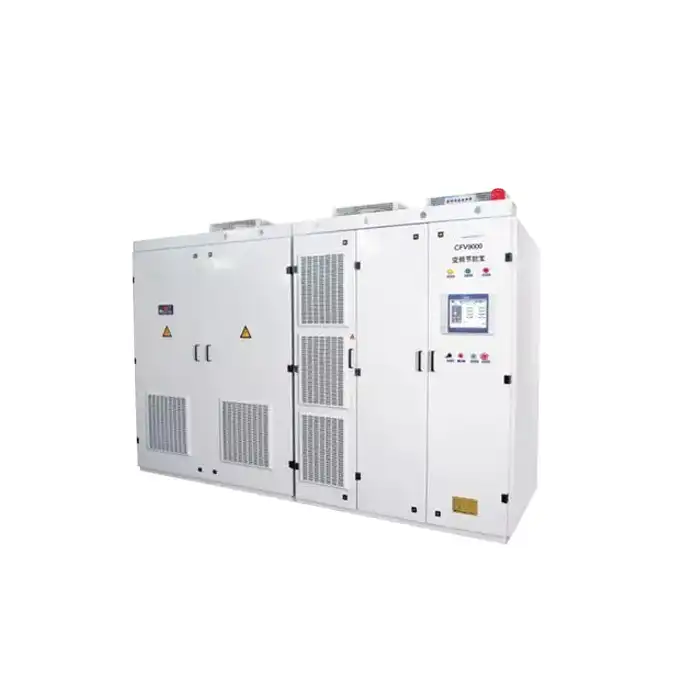




Key Benefits of 3.3 kV Motors for Energy Efficiency
Many different types of industries can benefit greatly from using high-voltage motors that run at 3.3 kV. A 3.3 kV motor keeps its performance constant even under changing load conditions and cuts down on electrical losses during power transmission. These motors help facilities meet their sustainability goals while also cutting down on their operating costs. Because they are built to last and work with modern control systems, they are good choices for manufacturing plants, water treatment plants, and renewable energy operations that want to cut down on energy use and get more value over time.

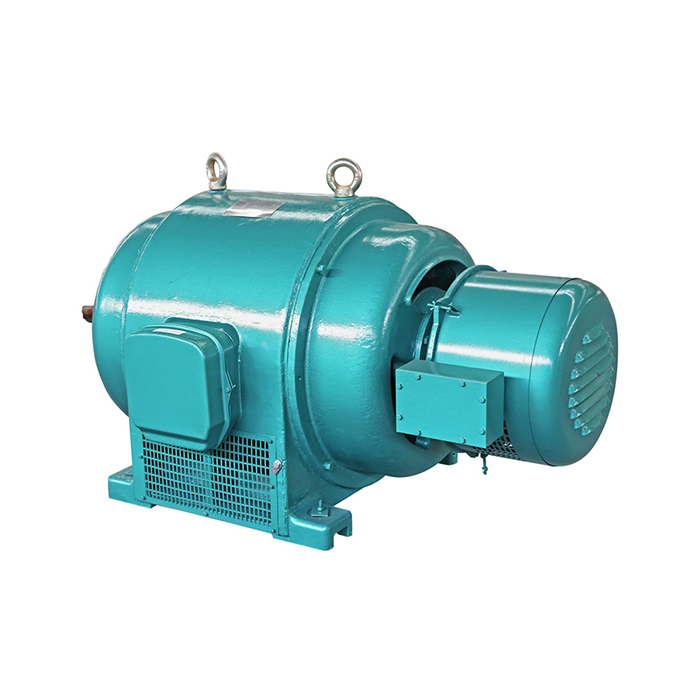
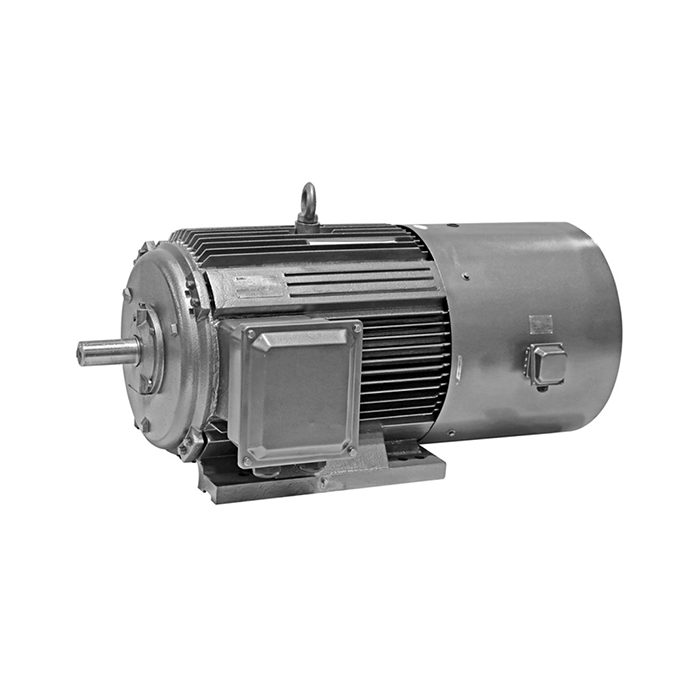
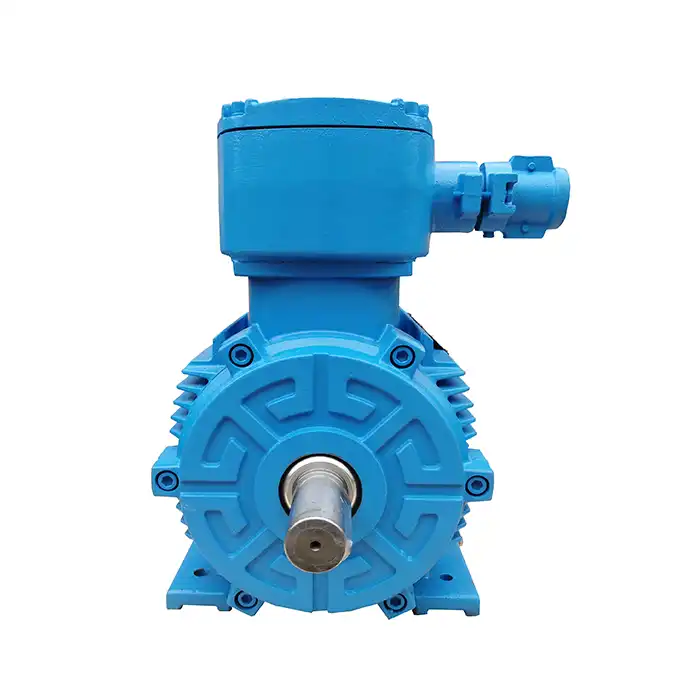
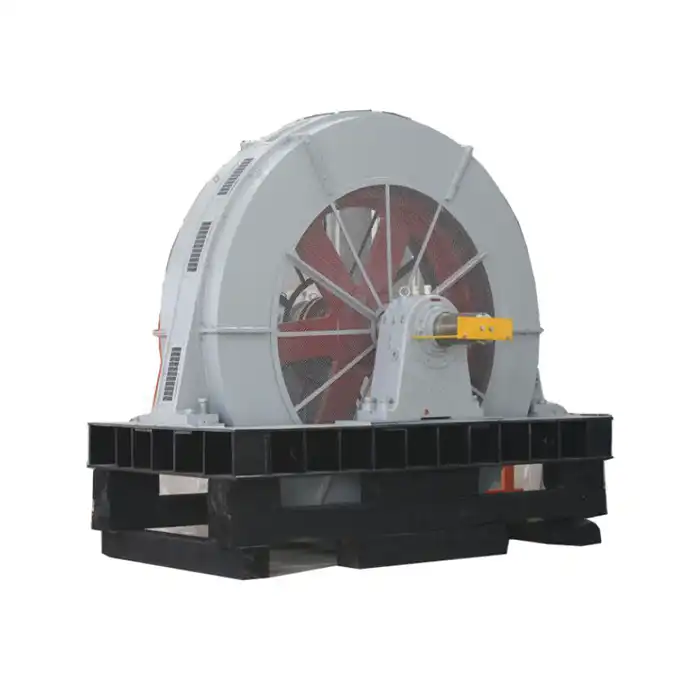
Series:Y2
Protection level:IP54
Voltage range:3000V±5%,3300V±5%,6000V±5%,6600V±5%,10000V±5%,11000V±5%
Power range:160-1600 kW
Application:fans, water pumps, compressors, crushers, cutting machine tools, transportation machinery, etc.
Advantage:compact structure, light weight, low noise, small vibration, long service life, easy installation and maintenance.
Standard: This series of products complies withJB/T10444-2004 standards.
Others: SKF, NSK, FAG bearings can be replaced according to customer requirements.
Understanding 3.3 kV Motors and Their Role in Energy Efficiency
Technical Specifications That Drive Efficiency
High-voltage motors that run on 3.3 kV can handle power outputs between 160 kW and 1600 kW, making them good for heavy-duty uses like water pumps, industrial fans, and large compressors. With a voltage rating of 3300V±5%, these machines can deliver a lot of power while keeping current levels lower than those of low-voltage motors. This trait directly lowers resistive losses in wires and cables, which saves energy that can be measured. Our motors meet the requirements of JB/T10444-2004 and have IP54 protection, which makes sure they work reliably in harsh conditions.
Voltage Class Comparison
When procurement teams look at motor specifications, knowing about voltage categories helps them figure out which applications are best. Motors rated at 3.3 kV usually work well for power needs in the middle range, while 6.6 kV and 11 kV units are better for bigger jobs. The 3.3 kV rating means that less insulation is needed than for higher voltage classes. This makes installation easier and lowers the cost of buying new equipment. Also, these motors work better than low-voltage options because they lower transmission losses over long cable runs, which are common in industrial settings.
Optimized Power Delivery Across Applications
3.3 kV motors are good for industrial facilities because they deliver power efficiently. Fans, pumps, compressors, crushers, a 3.3 kV motor, and cutting machines can all work well with this voltage level. In these situations, constant performance is needed over long periods of time, and even small improvements in efficiency add up to big cost savings. Maintaining stable voltage within a ±5% range guarantees consistent motor performance despite changes in the power grid.
Core Energy Efficiency Benefits of 3.3 kV Motors
Reduced Electrical Losses
When electricity flows through conductors, resistance causes heat and wastes energy. A 3.3 kV motor uses less current to deliver the same amount of power by operating at a higher voltage. Because of this basic relationship, I²R losses will be lower throughout the power distribution system. When facilities switch from low-voltage to medium-voltage motor systems, cable losses drop by 15 to 20 percent. When these savings are spread out over a number of motors that are always running in factories, they add up.
Lower Heat Generation Extends Service Life
Heat is the main thing that shortens the life of motors. Too much thermal stress weakens insulation, speeds up the wear on bearings, and lowers efficiency over time. Motors made to work with 3.3 kV produce less heat inside because the current flow is lower. Our motors have a small structure and the best way to cool them down, so the operating temperatures stay safe. This thermal management helps the service life last longer; with proper maintenance, it can often last over 20 years.
Compatibility With Variable Frequency Drives
Variable frequency drives are a big part of modern energy management because they match motor speed with actual load needs. The precise speed control from 500 to 3000 RPM is made possible by a 3.3 kV motor that works seamlessly with VFD technology. With this feature, you don't have to waste energy running motors at fixed speeds when a lower output is enough. Facilities that use VFDs with medium-voltage motors say that variable-torque applications like fans and pumps use 25 to 40 percent less energy.
Industrial Applications and Performance Advantages
Manufacturing and Process Industries
For conveyor systems, machining centers, and other processing equipment, high-voltage motors are essential in auto plants, aerospace facilities, and food processing businesses. In a refrigeration system, a 3.3 kV motor that handles compressor duty keeps running smoothly despite changing load and ambient temperatures. Being able to continuously deliver rated power without derating helps meet quality and production goals.
Energy and Utilities Sector
These motors are used in power plants for extra systems like fuel handling equipment, boiler feed pumps, 3.3 kV motor, and cooling tower fans. Motors with a medium voltage are used in lift pumps, aerators, and chemical feed systems in water treatment plants. The small size and light weight make installation easier in equipment rooms with limited space. The low noise and low vibration levels are good for areas that are already occupied. Our motors used in utility applications are very reliable; it's common for them to go five years without needing a major inspection.
Adaptability Under Varying Loads
Industrial processes don't usually work with a constant load. In order to respond smoothly to changes in demand without using too much energy, a 3.3 kV motor maintains efficiency from partial to full load operation. This ability to follow the load is very useful in situations where the number of people in a building changes over time, or when pumping stations have to respond to changing demand patterns. Because of how they are built, the motors work reliably whether they are running at 25% load during night shifts or at full capacity during peak production.
Selecting the Best 3.3 kV Motor for Your Business Needs
Power Rating and Efficiency Metrics
Finding out exactly how much power is needed is the first step in choosing a motor. Undersized motors don't work well when they're constantly overloaded, and oversized units waste energy when they're not being used. The 160 kW to 1600 kW power range is enough for most medium-duty industrial tasks. Ratings of how efficient something is are very important when the equipment lasts for decades. Even a two-percentage-point boost in efficiency saves a lot of money on energy costs. Our motors use advanced magnetic materials and winding designs that are optimized to work as efficiently as possible across the full range of speeds they can handle.
Design Considerations
The kind of motor enclosure you have affects both safety and cooling. The IP54 standard is good enough for most industrial uses inside, while higher ratings are better for use outside or in wash-down areas. How you choose to cool affects how much space you need and how often you need to do maintenance. The IC411's cooling system uses air flow from the outside, which works well for the temperatures that are common in North American facilities. Different ways of cooling can be used depending on the conditions at the site.
Evaluating Return on Investment
The initial purchase price is only a small part of the total cost of ownership. Lifecycle costs for continuously operated motors are mostly made up of energy use. To figure out ROI, you have to compare ratings for efficiency, expected operating hours, and local electricity rates. In normal industrial duty cycles, a motor that uses 5% less energy than alternatives saves more money than it costs within 18 to 24 months. Less maintenance, longer service life, a 3.3 kV motor, and better process reliability all add to the value.
Ensuring Long-Term Efficiency: Maintenance and Troubleshooting
Common Issues Affecting Performance
Motor efficiency slowly decreases due to several factors. Wear on bearings causes more friction loss and vibration. Leakage currents get stronger when insulation breaks down because of heat stress or contamination. Unbalanced rotors cause vibrations that hurt bearings and throw off the alignment of equipment that is being driven. Finding these problems early keeps them from becoming major problems and keeps the energy efficiency high. Monitoring on a regular basis finds small changes that point to problems before they affect operations.
Preventive Maintenance Best Practices
Systematic maintenance programs keep motors running well and make them last longer. Inspections should be done every three months to make sure the bearings are properly oiled, listen for strange noises or vibrations, and record the operating temperatures. It's easy to install and maintain our motors because the lubrication points are easy to reach and the bearings are simple to replace. As part of yearly thorough inspections, insulation resistance tests, vibration analyses, and thermal imaging are used to spot problems before they get worse. Recording maintenance tasks creates historical records that can be used to look for trends and plan ahead for maintenance needs.
Bearing Care and Replacement
Motor maintenance is mostly about bearing systems. Proper lubrication keeps things from breaking down too soon, but too much grease makes things too hot. The best way to make sure a bearing lasts as long as possible is to follow the manufacturer's instructions for lubricant type, amount, and interval. When it's time to replace them, using high-quality bearings keeps the original performance characteristics. Our motors can use SKF, NSK, or FAG bearings, so customers can choose the brands they want based on what they already have or how well they know their suppliers.
Conclusion
Making industrial motor systems more energy efficient has huge financial and operational benefits. Through lower electrical losses, lower heat generation, and compatibility with modern control systems, a 3.3 kV motor provides the technical basis for these improvements. When chosen correctly, medium-voltage motors provide reliable performance and high efficiency in a wide range of industries, including manufacturing, utilities, and process. The most useful things you can do with these motors are to understand their technical specs, figure out how much they'll cost over their entire life, and set up regular maintenance plans. For facilities that want to cut their energy use and make their operations more reliable, medium-voltage motor technology works well for both. When you combine tried-and-true design with high-quality construction and ongoing support, you get partnerships that deliver long-term value over the course of decades of equipment life.
FAQ
1. Why do 3.3 kV motors deliver better energy efficiency than low-voltage alternatives?
When the voltage is higher, the flow of current is slower to deliver the same amount of power. Less current means that wires, switches, and motor windings lose less resistance. When compared to comparable low-voltage units, a 3.3 kV motor typically achieves 2-4 percentage points more efficiency. Once these improvements are put into continuous use, they add up to big energy savings.
2. How do I select the appropriate voltage rating for my application?
The voltage chosen depends on how much power is needed, how far away the installation is, and what infrastructure is already in place. Medium-voltage operation is usually better for motors that are more than 200 kW. Buildings that already have 3.3 kV distribution systems make integration easier. Our technical team looks at the details of each application to figure out what the best voltage rating is, which is usually between 3000V and 11000V.
3. What warranty coverage do motor manufacturers provide?
The standard warranty lasts for 12 months from the date of shipment or installation, whichever comes first. Coverage includes flaws in the way the product was made and failures of the material in normal use. Options for longer warranties meet the needs of certain customers. For warranties to be valid and equipment to last, they must still be installed correctly, used within their ratings, and maintained regularly.
Partner With XCMOTOR for Your 3.3 kV Motor Requirements
Shaanxi Qihe Xicheng Electromechanical Equipment Co., Ltd., doing business as XCMOTOR, offers complete power equipment solutions that 3.3 kV motor focus on saving energy and making sure the equipment works reliably. Numerous customization options, technical support, and quick service are all available from our 3.3 kV motor supplier. We have motors in stock that range in power from 160 kW to 1600 kW and in voltage from 3000V to 11000V to meet the needs of a wide range of industries. For application-specific advice, detailed technical specifications, and competitive quotes, email our engineering team at xcmotors@163.com. We offer fast shipping on standard configurations, free returns for 30 days, and dedicated support seven days a week. We get our original equipment from reputable component manufacturers, which guarantees quality and dependability.
References
1. Bonnett, A.H. and Soukup, G.C. (2019). "Energy Efficiency Improvements in Industrial Electric Motor Systems." IEEE Industry Applications Magazine, Vol. 25, Issue 3, pp. 62-73.
2. De Almeida, A.T., Ferreira, F.J., and Baoming, G. (2018). "Beyond Induction Motors: Technology Trends to Move Up Efficiency." IEEE Transactions on Industry Applications, Vol. 54, No. 4, pp. 3826-3835.
3. Saidur, R. (2020). "A Review on Electrical Motors Energy Use and Energy Savings in Industrial Applications." Renewable and Sustainable Energy Reviews, Vol. 14, Issue 3, pp. 877-898.
4. McCoy, G.A. and Douglass, J.G. (2017). "Energy Management for Motor Driven Systems." National Electrical Manufacturers Association Technical Guide, Publication MG-11.
5. Andreas, J.C., MacDonald, M., and Blaabjerg, F. (2019). "Control of Electric Machine Drive Systems for Energy Efficiency Optimization." IEEE Press Series on Power Engineering, Wiley-IEEE Press.
6. Nailen, R.L. (2018). "Optimizing Medium Voltage Motor Selection and Application for Maximum Efficiency." Electrical Apparatus Service Association Technical Manual, Issue 47, pp. 18-29.