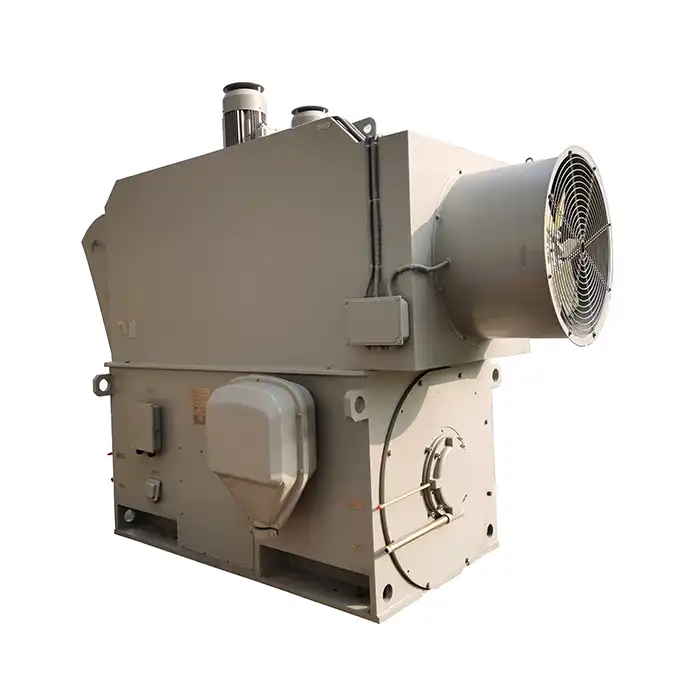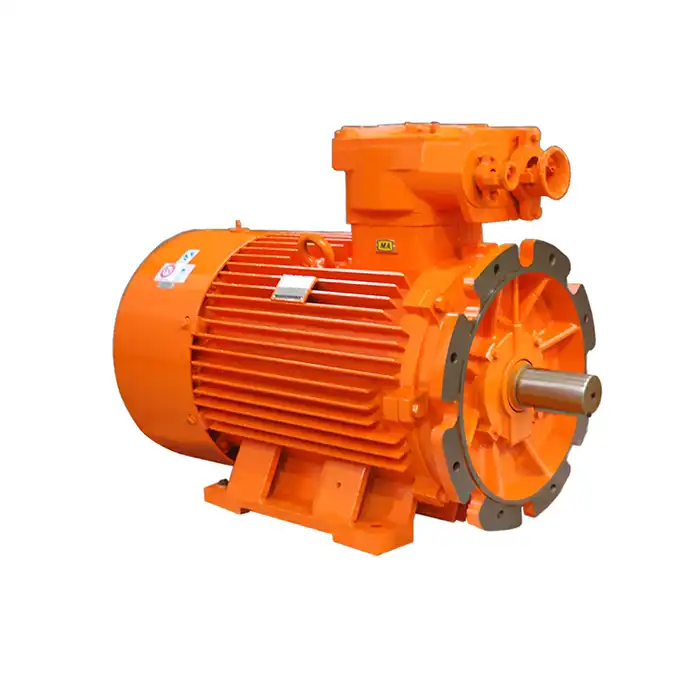




Low Voltage AC Motor Market Outlook by Region and Sector
The low voltage ac motor market follows demand from factories, water systems, and building services, and energy rules push buyers toward efficient three-phase motors. By region, Asia Pacific pairs large factory output with new infrastructure, North America and Europe rely on efficiency standards and replacement orders, and the Middle East, Africa, and Latin America favor sturdy, easy-to-source models. By sector, pumps, fans, HVAC, compressors, and conveyors are major users. In this guide, I share what each region and sector needs, and how distributors and OEMs, including US buyers, can buy and stock with less risk.
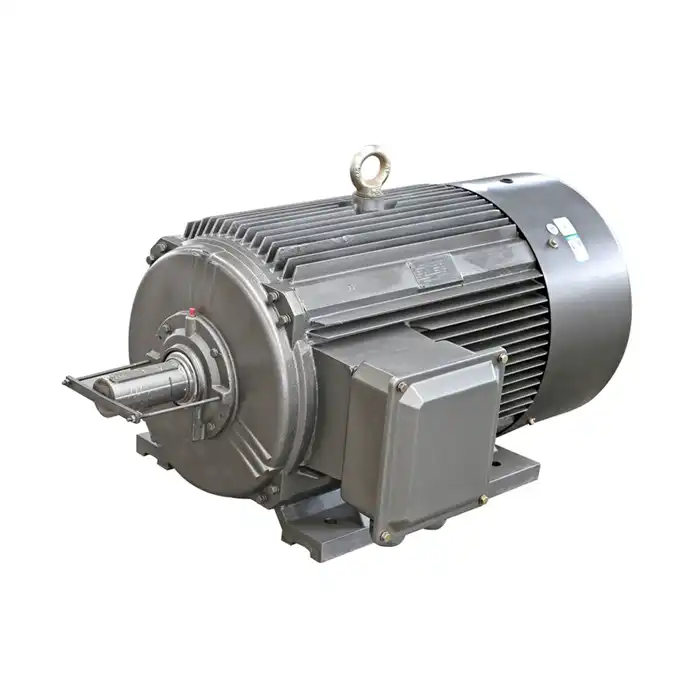
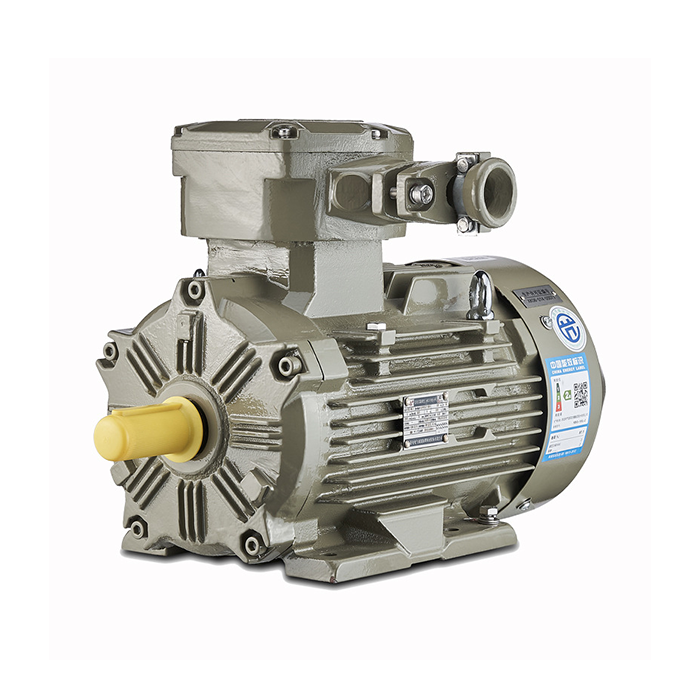
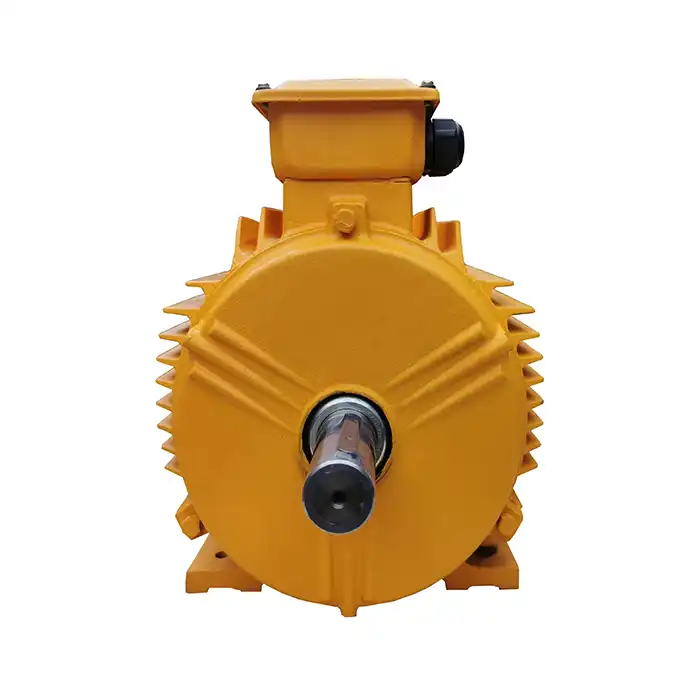
Series:YE3
Frame number: 80-450
Power range:0.75-1000kW
Protection level:IP55
Energy efficiency class: IE3
Voltage range: 380V,400V,415V,660V, etc.
Application:can be used in various fields of the national economy, such as machine tools,water pumps,fans,compressors,and can also be used in transportation, mixing, printing, agricultural machinery, food and other occasions that do not contain flammable, explosive or corrosive gases.
Certificate: international standard IEC60034-30 "Efficiency Classification of Single-speed Three-Phase Squirrel Cage Induction Motors".
Advantage:The high quality of the electric motor guarantees high operational reliability.
Others: SKF, NSK, FAG bearings can be replaced according to customer requirements.
Introduction: Why the Low Voltage AC Motor Market Matters to Global Buyers?
What Low Voltage AC Motors Do
Low voltage AC motors turn electric power into rotation for pumps, fans, compressors, conveyors, and machine tools. In the low voltage ac motor market, "low voltage" usually means supply below 1,000 V, which covers common ratings such as 380 V, 400 V, 415 V, and 660 V. High voltage motors serve very large loads and need different switchgear and safety rules. A bare motor also differs from a motor-drive package, which adds a variable frequency drive and controls. Most distributors I talk with want the bare motor, because it is simple to swap, simple to stock, and fits many machines.
Motor Types You Will See
Induction motors, also called squirrel cage motors, are the most common type in factories because the rotor is simple and upkeep stays low. Synchronous motors turn at a fixed speed tied to line frequency, so they suit jobs that need exact speed. Single-phase motors work where only single-phase power exists, and they cover smaller loads. Three-phase motors start more easily, run smoother, and deliver more power from the same frame. That is why three-phase induction models fill many shelves in the low voltage ac motor market. The XCMOTOR YE3 series follows this design and meets the IEC 60034-30 efficiency standard for three-phase squirrel cage motors.
Key Specifications Buyers Check First
Before you compare prices, match six items: power, speed, frame size, frequency, efficiency class, and enclosure. Power runs in kilowatts, and speed depends on pole count and line frequency. Frame size sets the shaft height and foot mounting, so it decides whether a motor drops into an existing machine. Line frequency is 50 Hz or 60 Hz, and you should confirm it early. The IP rating shows protection against dust and water. IP55 means dust-protected and guarded against water jets. YE3 motors come in frames 80 to 450, from 0.75 to 1000 kW, with IP55 protection and IE3 efficiency. These details help procurement managers, engineers, and OEMs shortlist suppliers faster.
Low Voltage AC Motor Market Size, Growth, and Forecast
How to Read Market Size Figures
Published estimates for the low voltage ac motor market differ because research firms set the scope in different ways. Some count only motors, others add drives, and some report value while others report unit shipments. I suggest you compare the definition before you compare the number. Value moves with copper and steel prices, while unit shipments show real demand on the shop floor. The International Energy Agency estimates that electric motor-driven systems use roughly 43% to 46% of global electricity. That large installed base supports steady replacement orders, which helps distributors plan stock turns.
What Drives Growth
Several demand sources feed the low voltage ac motor market. Factory automation adds conveyors, packaging lines, and machine tools. HVAC projects need fan motors, and water and wastewater plants run pumps for long hours. Equipment replacement adds steady orders, since a failed motor often gets swapped for the same frame size. Energy rules add pressure too. The US Department of Energy sets minimum efficiency levels for many general purpose motors, and the European Union requires IE3 for most three-phase motors from 0.75 to 1000 kW under Regulation (EU) 2019/1781. These rules keep efficient motors in regular demand.
Challenges and Forecast Direction
Buyers face real hurdles. Copper, steel, and aluminum prices move, and that squeezes margins when you quote far ahead. Certification rules differ by country, and supplier qualification can take time. Price competition runs hard on standard frame sizes. Looking ahead, I expect more demand in the low voltage ac motor market for variable frequency drive compatibility, simple condition monitoring, and local stock that shortens lead times. Retrofit projects should continue, since many plants replace old motors to cut power bills. I treat these as trends, not exact forecasts, because each region moves at its own pace.
Regional Outlook for the Low Voltage AC Motor Market
North America and Europe
In North America, NEMA standards, UL and CSA marks, HVAC projects, and replacement orders shape purchases. NEMA frames use different dimensions from IEC frames, so US buyers should check mounting before ordering an IEC-built motor for imported machinery. Europe follows IEC standards, CE compliance, and IE3 minimums under Regulation (EU) 2019/1781, with strong attention to lifecycle energy cost. Across both regions, buyers ask for test records, nameplate data, and clear manuals. In the low voltage ac motor market, I advise US distributors to confirm voltage and frequency first, since YE3 ratings include 380 V, 400 V, 415 V, and 660 V.
Asia Pacific and Latin America
Asia Pacific combines large manufacturing output with new infrastructure, and many OEMs ask for custom shafts, flanges, or paint. Southeast Asian and secondary-city machinery markets buy standard models in volume, because shops turn stock quickly. Latin America puts weight on mining, agriculture, and water projects, and buyers there value distributors who keep spare motors on hand. In both regions, the low voltage ac motor market often follows one pattern: buyers compare three to five quotes, place a small trial order, then reorder once the motors prove themselves. XCMOTOR supports that pattern with clear specifications and responsive service.
Middle East and Africa
Heat, dust, and corrosion shape buying in the Middle East and Africa. Motors there often run outdoors, in sand, and in hot plant rooms, so enclosure protection matters. IP55 guards against dust ingress and water jets, which suits many pump and fan sites. It does not make a motor suitable for corrosive or explosive gas areas, and the YE3 series is not meant for those places. In this part of the low voltage ac motor market, I ask buyers to describe the site plainly, including ambient temperature and altitude, so we can match the right motor. Freight also weighs on margins, so plan full containers when you can.
Sector Outlook: Where Low Voltage AC Motors Are Creating the Most Demand?
HVAC, Fans, and Water Systems
HVAC and fan systems run long hours, so they need motors rated for continuous duty and good heat control. Water and wastewater pumps work much the same way. They run for long periods and need stable torque and protection against splashing. Pump loads usually need modest starting torque, while large fans can have high inertia that slows startup. That is why a motor chosen for a pump may not suit a conveyor. In the low voltage ac motor market, XCMOTOR YE3 motors serve pumps and fans in places free of flammable, explosive, or corrosive gases, and the IP55 enclosure suits many dusty or damp rooms.
Conveyors, Compressors, and Manufacturing Lines
Conveyors, compressors, and machine tools stress a motor in different ways. Conveyors may start under load and start often, so they need good starting torque and heat margin. Some compressors need high starting torque and a careful duty-cycle check. Machine tools and packaging lines often need smooth speed control through a variable frequency drive. Overload conditions matter too. Before you order, note the load type, starting frequency, and duty cycle. XCMOTOR lists machine tools, compressors, transportation, mixing, and printing among YE3 uses, so our team can compare your load with the motor range and suggest a fit.
Agriculture, Food, and Rural Infrastructure
Agricultural machinery, food equipment, and rural water supply often run on standard three-phase motors when power is available. These sites bring dust, humidity, and outdoor exposure, so enclosure protection and easy parts replacement matter. YE3 motors apply to agricultural machinery and food equipment where no flammable, explosive, or corrosive gases exist. For washdown areas, check the enclosure first, since IP55 handles water jets but not high-pressure cleaning or submersion. Bearing choice also affects service life, and bearings can be replaced according to customer requirements. Tell us the cleaning method and ambient temperature, and we will help you match a motor.
Low Voltage AC Motor Supplier and Procurement Guide
How to Choose the Right Motor and Supplier?
I follow a simple order. First, check the environment: temperature, dust, humidity, and altitude. Second, match the load, including torque, speed, and duty cycle. Third, confirm voltage, frequency, and phase. Fourth, match frame size, shaft, mounting, and terminal-box position. Fifth, request efficiency data, test records, drawings, manuals, and nameplate details. Then judge the supplier on manufacturing experience, quality control, export record, and after-sales support. In the low voltage ac motor market, Shaanxi Qihe Xicheng Electromechanical Equipment Co., Ltd. brings two decades of motor experience and builds with premium materials, with quality control from precision winding onward.
Price Per Unit Versus Total Landed Cost
A low unit price can hide costs. Before you judge a quote, add freight, duties, testing, certification, packaging, and returns handling. For motors that run many hours, the energy bill over time often exceeds the purchase price, which is why IE3 efficiency matters in continuous service. Stock buyers can cut risk with small trial orders, and you can ask whether the supplier mixes models in one shipment. Confirm minimum order quantity, packaging, labeling, warranty, and delivery schedule in writing. In the low voltage ac motor market, XCMOTOR offers free delivery on products and a 30-day return window, which helps with first-order risk.
The XCMOTOR YE3 Series at a Glance
Here are the core details of the YE3 series. It covers frames 80 to 450 and 0.75 to 1000 kW. Voltage ratings include 380 V, 400 V, 415 V, and 660 V. The enclosure is IP55, and efficiency meets IE3 under IEC 60034-30. Bearings can be replaced according to customer requirements. These details let a distributor stock a focused range of frame sizes for machine tools, pumps, fans, compressors, transport, mixing, printing, agricultural machinery, and food equipment, in sites free of flammable, explosive, or corrosive gases. XCMOTOR also supplies original products, supports customers on weekends, and offers customization on request.
Conclusion
The low voltage ac motor market follows factory output, building services, water systems, and equipment replacement, while efficiency rules shape what buyers choose. Regions differ: NEMA and IEC standards guide North America and Europe, Asia Pacific mixes volume with customization, Latin America leans on mining, agriculture, water, and distributor support, and the Middle East and Africa need protection against heat and dust. By sector, pumps, fans, conveyors, compressors, and farm equipment each demand a different torque and duty cycle, so the motor must match the load. Market size figures vary by definition, so unit demand and total landed cost give a clearer view than unit price alone. Checking voltage, frequency, frame, enclosure, and documents before ordering lowers the risk of mismatched stock.
FAQ
1. What drives the low voltage ac motor market?
Factory automation, HVAC growth, water infrastructure, equipment replacement, and energy-efficiency rules drive demand. Pumps, fans, compressors, and conveyors are major users. Rules such as the EU's IE3 requirement and US Department of Energy standards keep efficient motors in demand.
2. Why are three-phase IE3 induction motors so common?
They start easily, run smoothly, need little upkeep, and meet efficiency rules in many countries. Standard frame sizes also make replacement simple.
3. What should I look for in a supplier?
Check manufacturing experience, quality control, documents, warranty, and after-sales support. Ask for test records and nameplate data too. Confirm packaging, lead time, and return terms in writing before you pay.
4. What should a quotation request include?
Send power, speed, voltage, frequency, phase, mounting, IP rating, certification needs, quantity, destination, and delivery date. Add your application and site conditions, such as ambient temperature, so we can match the right motor.
Contact XCMOTOR About Low Voltage AC Motor Market Supply
Need a low voltage ac motor market supplier that answers on weekends? XCMOTOR does. Email xcmotors@163.com or visit motorxc.com with your voltage, frame size, quantity, and destination. Shaanxi Qihe Xicheng brings two decades of experience. We supply original products, free delivery, and 30-day returns on YE3 motors from 0.75 to 1000 kW, and we will send you a quote.
References
1. International Energy Agency, Energy-Efficiency Policy Opportunities for Electric Motor-Driven Systems, 2011
2. International Electrotechnical Commission, IEC 60034-30-1 Rotating Electrical Machines: Efficiency Classes of Line Operated AC Motors (IE Code), 2014
3. European Commission, Commission Regulation (EU) 2019/1781 on Ecodesign Requirements for Electric Motors and Variable Speed Drives, 2019
4. U.S. Department of Energy, Premium Efficiency Motor Selection and Application Guide: A Handbook for Industry, 2014
5. National Electrical Manufacturers Association, NEMA MG 1 Motors and Generators, 2016
6. International Electrotechnical Commission, IEC 60034-5 Degrees of Protection Provided by the Integral Design of Rotating Electrical Machines (IP Code), 2020