



Inverter Duty Motor Market Analysis
The inverter duty motor market has grown steadily over the past decade, driven by rising demand for variable speed control across lifting, HVAC, and process industries. Unlike standard motors, inverter duty motors are built to handle the electrical stress of VFD operation — including high dv/dt voltage spikes and thermal loading at low speeds. This analysis covers key market drivers, procurement considerations, technical performance standards, and maintenance practices to help OEM engineers and system integrators make informed sourcing decisions in 2026 and beyond.
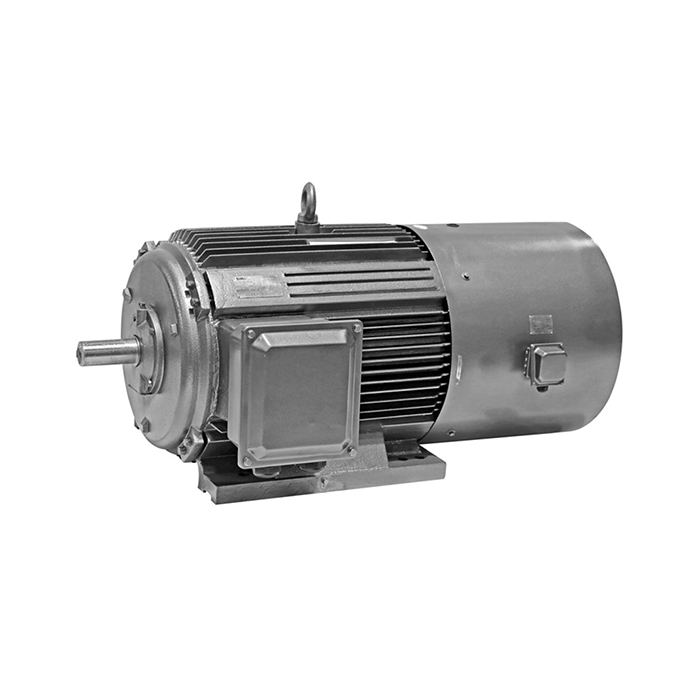
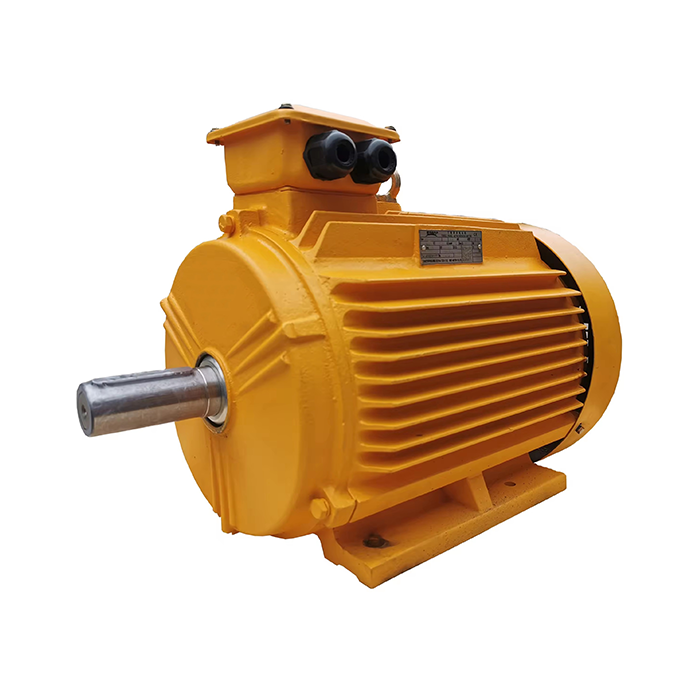
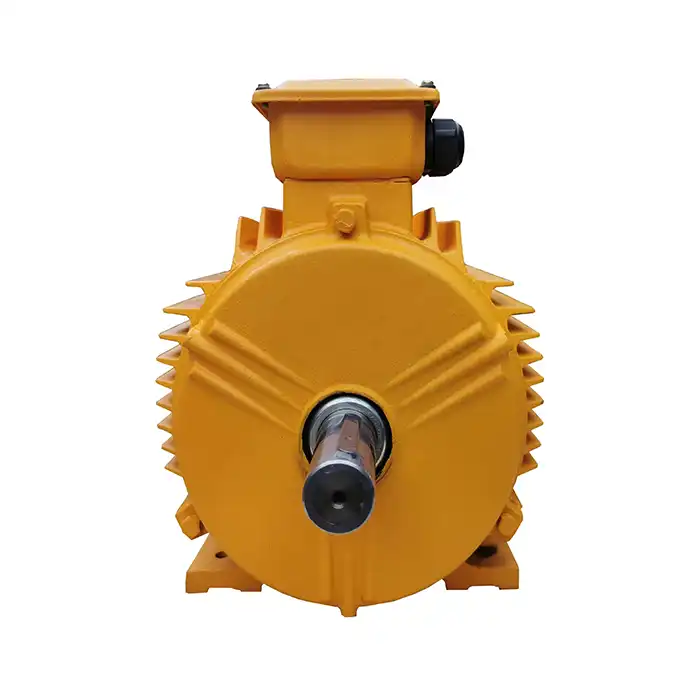
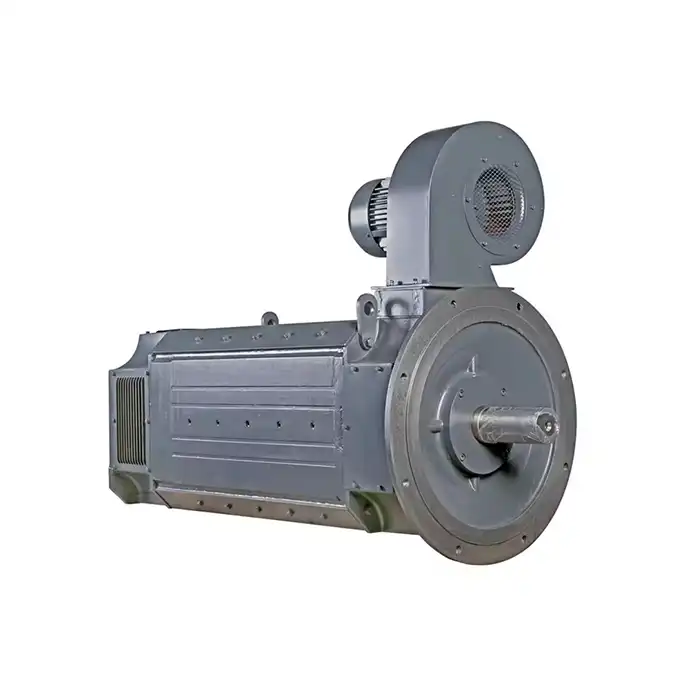
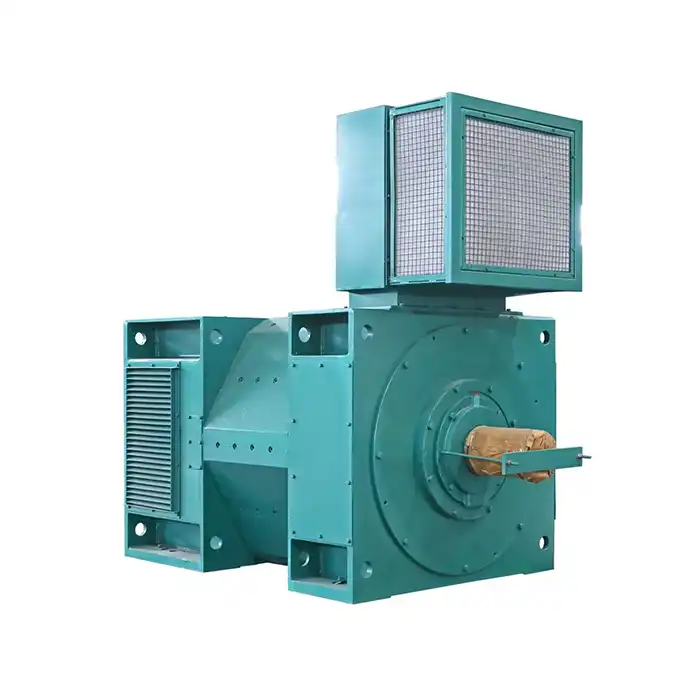
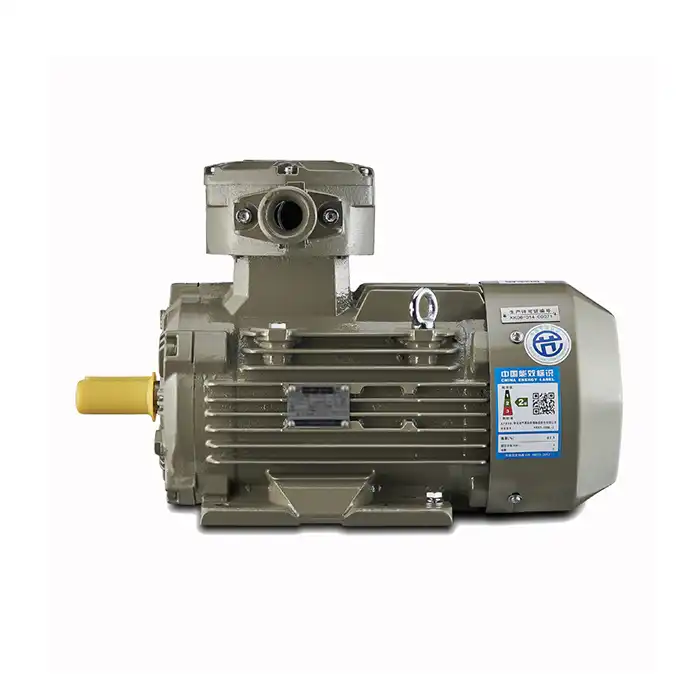
Series:YVFE2
Frequency conversion range:30hz~50hz,5hz~70hz,5hz~100hz
Power range:0.75-355kW
Protection level:IP55
Application:are suitable for driving various mechanical equipment that require continuous and frequent forward and reverse rotation, such as steel rolling, lifting, transportation, machine tools, printing and dyeing, papermaking, chemicals, textiles, pharmaceuticals, etc., and can be used with various domestic and foreign variable frequency power supplies.
Advantage:high efficiency, wide speed range, high precision, stable operation, and easy operation and maintenance.
Certificate:installation dimensions comply with International Electrotechnical Commission (IEC) standards.
Others: SKF, NSK, FAG bearings can be replaced according to customer requirements.
Understanding Inverter Duty Motors: Definition and Market Context
What Makes a Motor "Inverter Duty"
It is designed so that an inverter duty motor can work with a variable frequency drive (VFD). It has stronger insulation around the windings, its own cooling system, and is built so that it can handle constant torque output at speeds well below its base frequency. Standard motors don't have these qualities, and when used with a VFD for a long time, they tend to overheat or lose their shielding.
Why the Market Is Expanding
The market for inverter duty motors is growing faster because of things like energy regulations, industrial automation, and the need for precise motion control. MarketsandMarkets said in 2023 that the global AC motor market was worth more than $100 billion. VFD-compatible motors were seen as a fast-growing segment of this market. Variable speed solutions are now better than set speed solutions for cranes, lifts, stage machinery, and HVAC systems.
Where These Motors Are Used
There are many different types of industries that use inverter duty motors. For controlling and positioning loads in lifting and crane applications, it is necessary to be able to keep the torque constant at low speeds. Fans and pumps that can be set to different speeds use up to 40% less energy than those that stay at the same speed. A well-designed inverter duty motor gives stage equipment the smooth, precise movement it needs.
Comparative Analysis: Inverter Duty Motors vs. Standard Motors
Construction and Electrical Performance
The main difference between the two types of motors is the type of insulation and the form of the windings. To protect itself from the fast-switching voltage spikes that IGBT-based drives cause, an inverter duty motor usually has Class F (155°C) insulation and PWM-resistant coatings. Under the same conditions, a normal motor's insulation can break down quickly, causing the windings to fail before they should.
Thermal Management at Low Speeds
Fans on the shaft of standard motors cool them down, so as speed drops, airflow drops too. In applications with variable speed, this really raises the risk of heat damage. Inverter duty motors deal with this problem by using separate forced cooling. For example, XCMOTOR's YVFE2 line uses an IC416 axial fan system that keeps airflow steady no matter how fast the rotor is turning. This is especially important for lifting equipment, where the motor may stay at a low speed for a long time while it is fully loaded.
Service Life and Total Cost
Even though an inverter power motor costs more up front, it usually pays for itself in less time and with better bearings that last longer. Over time, shaft current from a VFD can damage bearing races. Service intervals are greatly increased by choosing insulated end covers and high-quality bearings (the YVFE2 has options for SKF, NSK, or FAG). The total cost of ownership is better for the inverter duty version over a 10- to 15-year working life.
To choose the correct motor for a crane, lift, or stage drive system, you need to look at more than just the horsepower. When making a purchase choice in the inverter power motor market, these are the most important factors:
Procurement Guide: Choosing and Buying Inverter Duty Motors
Key Selection Criteria for OEM Engineers
Selecting the right motor for a crane, elevator, or stage drive system requires more than matching horsepower. Here are the core parameters that define a procurement decision in the inverter duty motor market:
- Speed ratio: Does the motor support 1:10, 1:20, or 1:1000 constant-torque speed range? The YVFE2 offers frequency ranges of 5Hz–50Hz (constant torque) and up to 100Hz (constant power), covering most lifting and stage duty cycles.
- Overload capacity: Crane and hoist applications demand at least 2× rated torque for 60 seconds. Confirm this with the supplier before prototype approval.
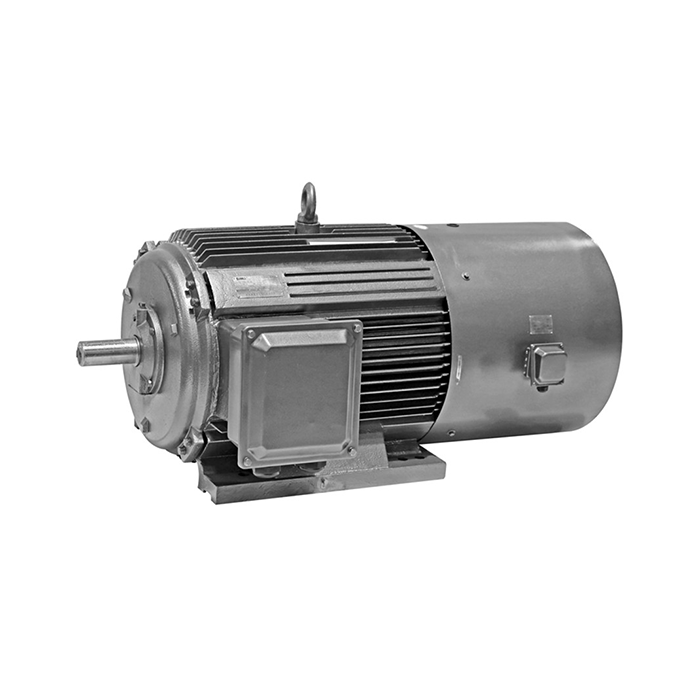
- Encoder and brake integration: OEMs building compact drive trains want encoder feedback and electromagnetic brakes pre-integrated. This removes interface uncertainty between subsystems.
- Bearing protection: Insulated end covers and premium bearing brands prevent shaft current damage, particularly in high-frequency drive environments.
These criteria form the technical foundation of any specification sheet. After confirming them, move to logistics and after-sales terms.
Pricing and Lead Times in 2026
The inverter duty motor market has seen moderate price stabilization after supply chain disruptions in 2021–2022. For OEM buyers purchasing 200–1,500 units per year, bulk pricing and direct-from-manufacturer sourcing offer the best value. XCMOTOR provides free delivery on all orders, a 30-day return window, and technical support seven days a week — terms that reduce procurement risk for project-based buying cycles.
Prototype and Batch Approval Process
A typical OEM procurement cycle runs six to ten weeks: technical spec submission, prototype trial (2–4 units), main equipment acceptance, then small-batch production. Choosing a supplier with a structured SAP-managed production system, certified quality checks at each stage, and documented IEC compliance shortens approval timelines and reduces rework.
Technical Insights and Maintenance Best Practices
Wiring, Startup, and Thermal Protection
When setting up an inverter duty motor, you should always check the grounding and shielding of the cables to stop noise from being conducted back to the VFD. To reduce the amount of inrush current, set acceleration steps in the drive. The YVFE2's Class F insulation and IC416 cooling do a good job with steady-state thermal loads. But thermal sensors, which are an option, protect the device in real time during high duty cycles.
Scheduled Maintenance for Long Motor Life
An inverter duty motor will work reliably for as long as it is supposed to if it gets regular maintenance. Some practical steps are:
- Bearing inspection every 2,000 hours: Check for noise, vibration, or temperature rise. Replace with specified SKF, NSK, or FAG equivalents.
- Insulation resistance testing annually: Use a megohmmeter to confirm winding integrity has not degraded from VFD-induced stress.
- Cooling system check every 6 months: Confirm the IC416 fan runs freely and intake filters are clean to maintain airflow.
- Encoder and brake functional test: Verify signal integrity and brake release timing before each maintenance cycle.
By doing these things, you can make a motor last longer than 15 years in normal duty situations. When unexpected problems happen between scheduled maintenance periods, having a supplier like XCMOTOR that offers technical support seven days a week is very helpful.
Post-Purchase Technical Support
Maintaining contact with the supplier after delivery is a real benefit, not just a formality. If an assembly engineer runs into a problem with the timing of the brakes or an encoder fault on a crane drive, they can quickly get help from expert staff. XCMOTOR offers ongoing support from the beginning of the design process through installation and long-term use.
Future Trends and Market Outlook for Inverter Duty Motors
Automation and Regulatory Pressure
More uses are moving to variable speed operation because of industrial automation, and rules about saving energy are raising the bar for motor performance standards. More and more, green building projects and public purchases call for IE2 compliance, which the YVFE2 meets according to IEC 60034-30. As these rules get stricter in North America, Europe, and Asia, the market for inverter duty motors will continue to grow.
Digital Procurement and Supply Chain Shifts
More and more, business-to-business buyers are getting motors through online marketplaces and manufacturer websites. This change cuts into the margins of traditional distributors and makes specifics like frequency range, insulation class, and certification documents very important in the buying process. When it comes to digital buying channels, suppliers who post clear technical data and hold well-known standards like CCC, CE, ISO 9001, and CRCC gain a measurable trust edge.
Aligning Purchases With Long-Term Application Needs
OEM purchase managers should make sure that the motor specs match the expected lifecycle of the equipment. A 20-year-old crane drive system needs a motor that can be re-specified, re-ordered, and repaired in the same way every time. The YVFE2 series covers a wide range of frequencies, from 0.75kW to 355kW. This makes it a useful platform for OEM programs that include bridge cranes, tower cranes, and stage lifts all from the same supplier.
Conclusion
The market for inverter duty motors rewards buyers who are clear about what they want and buy from suppliers whose credentials can be checked. Motors that are made to IEC standards, have Class F insulation, IC416 cooling, and encoder and brake interfaces that work with them can be used instead of mechanical gearboxes to make positioning more accurate and lower the costs over their lifetime. The YVFE2 line from XCMOTOR meets the realistic needs of OEMs in the crane, elevator, and stage industries with a power range of 0.75–355kW, three frequency conversion options, IP55 protection, and a choice of premium bearings. The best long-term results come from making procurement choices based on technical value and supplier dependability.
FAQ
1. What speed range does the YVFE2 support?
The YVFE2 offers three frequency conversion ranges: 30Hz–50Hz, 5Hz–70Hz, and 5Hz–100Hz. For frame sizes H80–250, constant torque runs from 5Hz to 50Hz, with constant power up to 100Hz. For H250–355, constant torque begins at 3Hz. This covers most crane, elevator, and stage machinery duty cycles without mechanical speed changers.
2. Can the motor integrate an encoder and electromagnetic brake?
Yes. The YVFE2 supports optional encoder integration for closed-loop position feedback and optional brake systems for safety-critical stopping. These integrations are available at the factory configuration stage, removing the need to source and match separate components from different suppliers.
3. What insulation class and protection rating does the YVFE2 carry?
The motor uses Class F (155°C) insulation, which is rated for the high dv/dt stress of PWM-based VFD operation. The protection level is IP55, making it suitable for dusty and wet industrial environments including outdoor crane installations and HVAC mechanical rooms.
4. Which bearing brands are available?
SKF, NSK, and FAG bearings are all available as factory-installed options depending on customer requirements. For high-frequency VFD applications, combining premium bearings with insulated end covers significantly reduces shaft current bearing damage.
5. Does the motor comply with international standards?
Yes. Installation dimensions comply with IEC standards, and the YVFE2 holds CCC and CE certification, ISO 9001:2000 quality management certification, and Ministry of Railways CRCC certification. The IE2 efficiency rating meets IEC 60034-30 requirements.
Get Your YVFE2 Quote From XCMOTOR — A Trusted Inverter Duty Motor Supplier
For more than 20 years, XCMOTOR has helped OEM makers with their inverter duty motor market needs. Our engineering team will make sure you get the right YVFE2 configuration for your crane, elevator, or stage machinery project, whether you need a single prototype or a lot of them. You can email us at xcmotors@163.com or go to motorxc.com to get product data sheets, certifications, or a reasonable price. We answer every day of the week.
References
1. MarketsandMarkets. AC Motors Market — Global Forecast to 2028. MarketsandMarkets Research, 2023.
2. International Electrotechnical Commission. IEC TS 60034-25: Guidance for the Design and Performance of AC Motors Specifically Designed for Use with Variable Frequency Inverters. IEC, 2022.
3. National Electrical Manufacturers Association. NEMA MG 1: Motors and Generators, Part 31 — Definite-Purpose Inverter-Fed Polyphase Motors. NEMA, 2021.
4. International Electrotechnical Commission. IEC 60034-30-1: Rotating Electrical Machines — Efficiency Classes of Line Operated AC Motors. IEC, 2014.
5. IEEE. IEEE 841: Standard for Petroleum and Chemical Industry — Premium-Efficiency, Severe-Duty, Totally Enclosed Fan-Cooled (TEFC) Squirrel Cage Induction Motors. IEEE, 2009.
6. U.S. Department of Energy, Office of Industrial Technologies. Premium Efficiency Motor Selection and Application Guide. DOE, 2014.