



Why T series synchronous motor Efficiency Matters in Modern Equipment
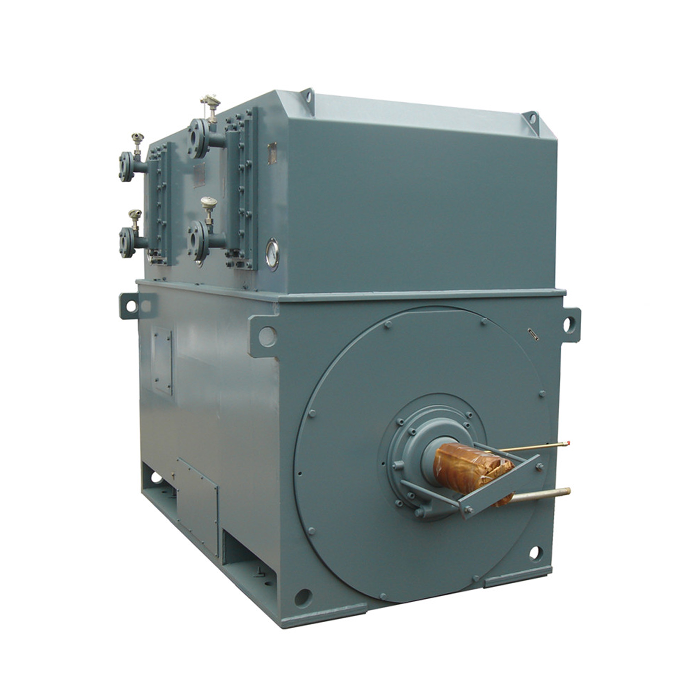
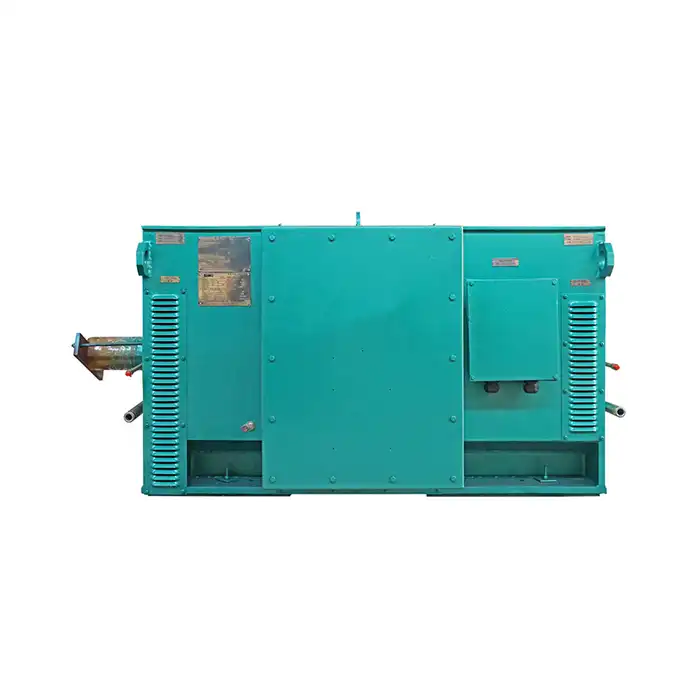
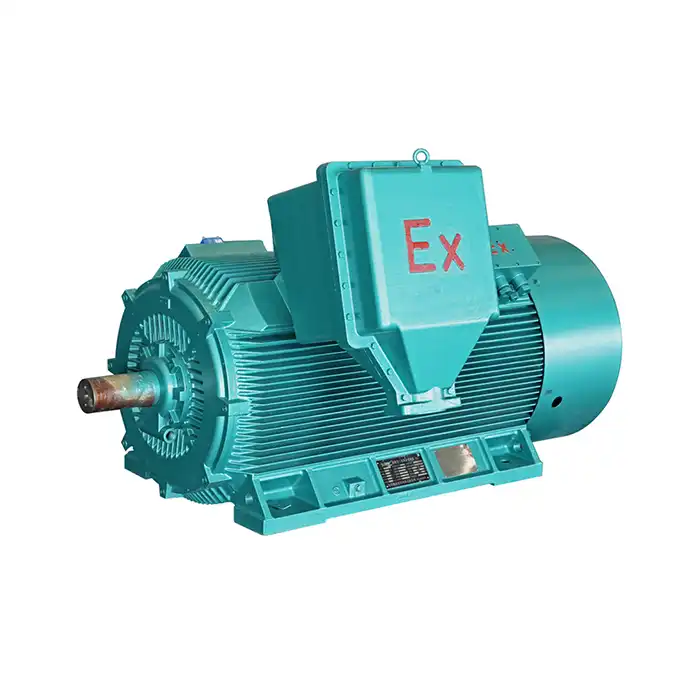
If you manage large-scale industrial equipment—ball mills, water pumps, fans, or compressors—you already know that motor efficiency is not a technical detail. It is a financial decision. A 1% improvement in motor efficiency across a 5,000 kW drive system running 8,000 hours per year can save tens of thousands of dollars in electricity alone. The T series synchronous motor is built precisely for this reality. With power coverage from 800 to 12,000 kW and voltage options spanning 3,000V to 10,000V, it addresses the kind of heavy-duty, low-speed applications where every percentage point of efficiency directly affects your project's bottom line.
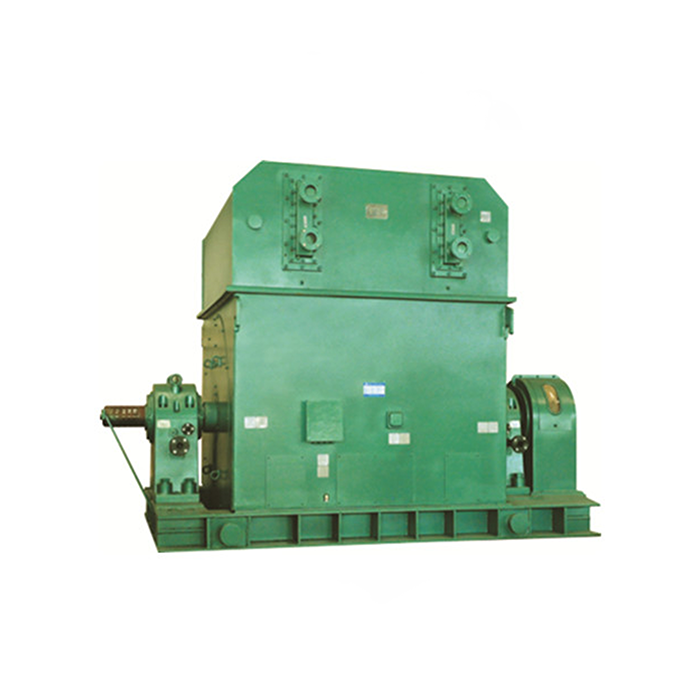
Voltage range:3000V±5%,3300V±5%,6000V±5%,6600V±5%,10000V±5%,
Power range:800-12000 kW
Application:fans, water pumps, compressors.
Advantage:large starting torque.
Others: SKF, NSK, FAG bearings can be replaced according to customer requirements.
Understanding the Efficiency of T Series Synchronous Motors
In synchronous motors, the rotor speed is locked exactly to the supply frequency. This gets rid of the slip losses that make induction motors less efficient. The T series synchronous motor has a clear edge in heavy-load, continuous uses just because of this physical trait.
How the Electromagnetic Design Drives Efficiency
The rotor-stator design of the T series synchronous motor is improved, which closes the air gap and lowers core losses. The IC01 cooling method and Class F insulation system keep thermal stress low, even during long-term use. This saves the purity of the windings and keeps the conversion efficiency above 95% at full load.
Speed Range and Its Impact on Energy Use
With speeds between 150 and 500 RPM, the T series synchronous motor can be used in mills and pumps that don't need a gearbox for direct drive. Taking out the gearbox gets rid of mechanical losses that usually take up 2–5% of the total drive energy. This makes the motor even more efficient.
Compliance with International Energy Standards
The T series synchronous motor has certifications from CCC, CE, ISO 9001, CQC, UL, and GOST. These aren't marketing qualifications; they prove that the motor meets international standards for safety and efficiency, which is important when projects are checked by EPC companies or local government agencies.
Performance Advantages of T Series Synchronous Motors Over Other Motor Types
Induction motors are the most common type used in industry, but they are less efficient when they are running at low speeds and high powers. These problems are fixed directly by the T series synchronous motor.
Efficiency Gap Versus Induction Motors
The rotor of an induction motor never gets to synchronous speed because it always has 2–5% slip. That slip means that 60–150 kW of energy is constantly being wasted in a 3,000 kW application. Because the T series synchronous motor doesn't have any slip, its efficiency rates go over 95% at full load, which is a number that induction motors of the same size rarely reach.
Power Factor Correction Without External Equipment
Through excitation control, the T series synchronous motor can work at leading power factor. This lowers the demand for reactive power on the supply network. This lowers the load on transformers and can lower utility penalty charges in mines or cement plants with a lot of motor banks. This saves money without the need for any extra capacitor banks or power factor adjustment gear with synchronous motor supplier china.
Starting Torque for Heavy Initial Loads
A lot of escape power is needed for ball mills, crushers, and big compressors. The T series synchronous motor is made to have a high starting torque, which means it can reliably move heavy loads with a high inertia under both direct-on-line and variable frequency drive starting conditions. This lowers the stress on the parts during startup and increases the life of the drivetrain.
These three performance traits—no slip losses, built-in power factor adjustment, and a large starting torque—directly deal with the conditions that make running big industrial drives expensive. In mine, cement, and water treatment projects that switched from induction to synchronous drive systems of this type, energy costs dropped by 15–20%.
Optimizing Equipment Efficiency Through Proper Selection and Maintenance
It's not enough to just choose a motor with high energy scores. If you correctly match that motor to your application, you'll know if those economy numbers really save you money.
Matching Power and Voltage to Your Site Conditions
The voltage range for the T series synchronous motor is 3,000V, 3,300V, 6,000V, 6,600V, and 10,000V (±5%), and the power range is 800 kW to 12 kW. Customization at the factory level can handle non-standard site voltages, which are common in Central Asia, Africa, and Southeast Asia. Making sure you order the right voltage tap stops derating and loss of performance in the field.
Bearing Specification and Preventive Maintenance
Each T series synchronous motor can be set up with either SKF, NSK, or FAG bearings, depending on what is available at the spot and how the motor is maintained. The type of bearing you choose affects how much it vibrates, how well it handles heat, and how long it takes to repair. Choosing a brand of bearings that your maintenance team already has in stock cuts down on repair times and planned downtime.
Excitation System Management
The most common concern among site engineers is the excitation system. There is a lot of information about modern static excitation systems for the T series synchronous motor, and XCMOTOR offers full commissioning support, which includes adjusting the excitation parameters on-site. Setting up the excitement correctly at starting is the most important thing that can be done to make sure that the motor works in synchronous mode for its entire life.
Procurement Insights: Purchasing and Supply Chain Considerations
When EPC contractors and plant owners buy big drive motors for projects abroad, the stability of the supply chain is just as important as the performance of the motors.
Customization Lead Times and Production Process
XCMOTOR makes T series synchronous motors by carefully cutting out parts, inspecting them, putting them together, and testing them in several stages before sending them out. Customized units with non-standard speed, voltage, or frame configurations have lead times of 8 to 12 weeks from the time the order is approved. Critical path delays can be avoided by adding this to your project schedule for synchronous motor china.
Certifications That Satisfy Procurement Requirements
It is certified by CCC, CE, ISO 9001, CQC, UL, and GOST, and it is part of XCMOTOR's T series synchronous motor. GOST and CE certification packages can help with customs clearing and project handover for projects in Russia, Central Asia, or Africa that need approvals from ministries or import paperwork.
After-Sales Support and Spare Parts
For the T series synchronous motor, XCMOTOR either has bearing sets, excitation parts, and insulation materials in stock or can get them through its network of suppliers. Technical support is available on the weekends, and the team can help with both remote commissioning and on-site support for jobs where starting the motor is part of the deal.
Future-Proofing Industrial Equipment with Efficient T Series Synchronous Motors
In every area where big industrial drives work, rules about energy use in industry and mines are getting stricter. In purchase specs, efficiency requirements that used to be optional are now being made required.
Regulatory Direction and Motor Selection
The IEC 60034-30-1 standard for classifying motor performance now takes high-power synchronous machines into account. If a project specifies a T series synchronous motor with an efficiency above 95%, it gets ahead of likely regulatory requirements and doesn't have to spend money later on upgrades.
Integration with Variable Frequency Drive Systems
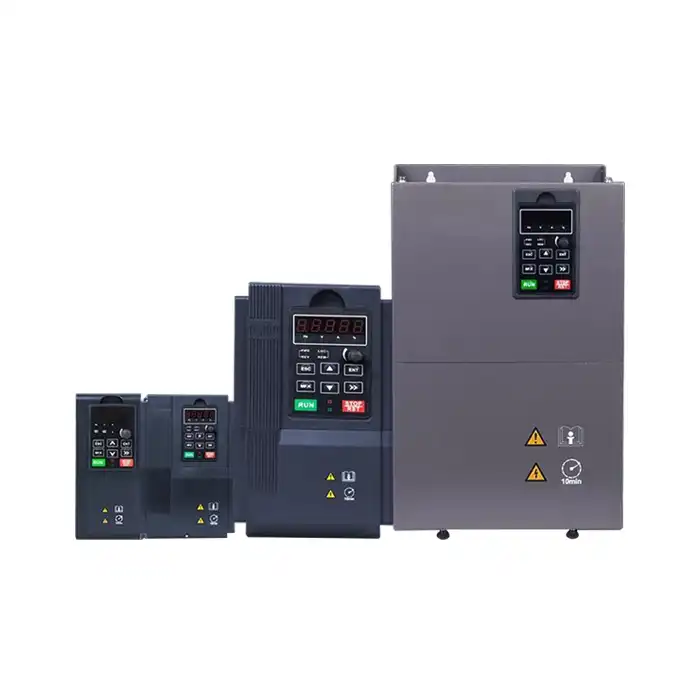
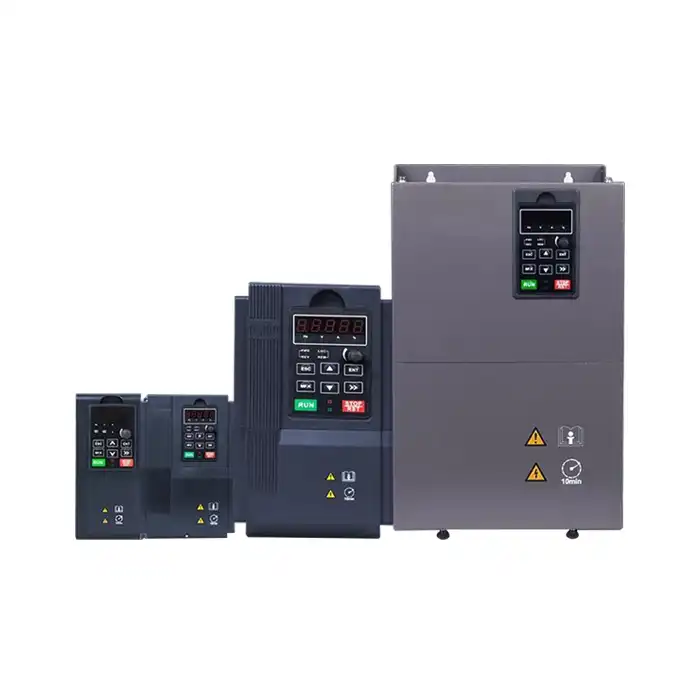
The T series synchronous motor can be started by a variable frequency drive. This lets plant operators control the ramp-up profiles and lower the mechanical shock during startup. When a motor is compatible with a VFD, it can change speeds to adapt to changing flow or pressure needs. This uses even less energy than running at a fixed speed and slowing down.
Long-Term Cost Perspective
At industrial electricity rates, the difference in cost over 20 years between a motor running at 95% efficiency and 92% efficiency is much greater than the initial price premium of a synchronous motor. When buying something, the T series synchronous motor is always the best choice when you look at the total cost of energy over its entire life, not just the price.
Conclusion
The T series synchronous motor is most useful in demanding industrial settings like ball mills, large pumps, fans, and compressors that run at 800 to 12,000 kW because it has high efficiency, starting torque, and customization depth. Because it can work with different voltages, can be customized with bearings, and has foreign certifications, it is a good choice for projects in a wide range of areas and regulatory environments.
FAQ
1.Can the T series synchronous motor be customized for non-standard voltages?
Yes. The T series synchronous motor is available in 3,000V, 3,300V, 6,000V, 6,600V, and 10,000V (±5%) configurations. Frame dimensions and shaft specifications can also be adjusted to match site requirements. Contact XCMOTOR with your operating parameters for a factory review.
2.What bearing brands are available?
SKF, NSK, and FAG bearings can be specified at the time of order, depending on your maintenance team's preferences or local spare parts availability.
3.What is the typical delivery timeframe for a customized motor?
Production for customized T series synchronous motor units runs 8 to 12 weeks after order confirmation. Contact XCMOTOR directly at xcmotors@163.com for project-specific scheduling.
4.Does XCMOTOR provide on-site commissioning support?
Yes. XCMOTOR offers both remote and on-site technical support for motor installation, excitation system setup, and startup commissioning, including for overseas project locations.
5.What certifications does the T series synchronous motor carry?
The motor holds CCC, CE, ISO 9001, CQC, UL, and GOST certifications, covering requirements across North American, European, Russian, and Central Asian markets.
Partner with XCMOTOR for Your Next T Series Synchronous Motor Project
Yes. You can get the T series synchronous motor in 3,000V, 3,300V, 6,000V, 6,600V, and 10,000V (±5%) versions. The frame's dimensions and shaft specs can also be changed to fit the needs of the spot. For a factory review, contact XCMOTOR with the details of how you plan to use the motor.Contact XCMOTOR directly at xcmotors@163.com for project-specific scheduling.
References
1. IEEE Transactions on Industry Applications — "Synchronous Motor Efficiency in High-Power Industrial Drives," 2021.
2. IEC 60034-30-1 — "Rotating Electrical Machines: Efficiency Classes for Line-Operated AC Motors," International Electrotechnical Commission, 2014.
3. Energy Efficiency in Electric Motors — U.S. Department of Energy, Office of Industrial Technologies, 2014.
4. NEMA MG 1 — "Motors and Generators," National Electrical Manufacturers Association, 2021.
5. Journal of Cleaner Production — "Lifecycle Cost Analysis of High-Efficiency Synchronous Motors in Mining Applications," 2020.
6. Mining Engineering Magazine — "Drive System Selection for Large Ball Mill Applications," Society for Mining, Metallurgy & Exploration, 2019.