



Low Voltage AC Motor Market: Size, Trends & Outlook
The low voltage AC motor market is one of the most active segments in industrial procurement today. Valued at approximately USD 20 billion globally in 2023, this market is projected to grow at a CAGR of around 6% through 2030, according to industry analysts. Growth is being driven by expanding manufacturing output in Asia-Pacific, tightening energy efficiency regulations in North America and Europe, and steady demand from pump, fan, and compressor applications. For distributors and procurement managers sourcing standard motor types at volume, understanding where this market is heading directly affects inventory decisions and supplier selection.
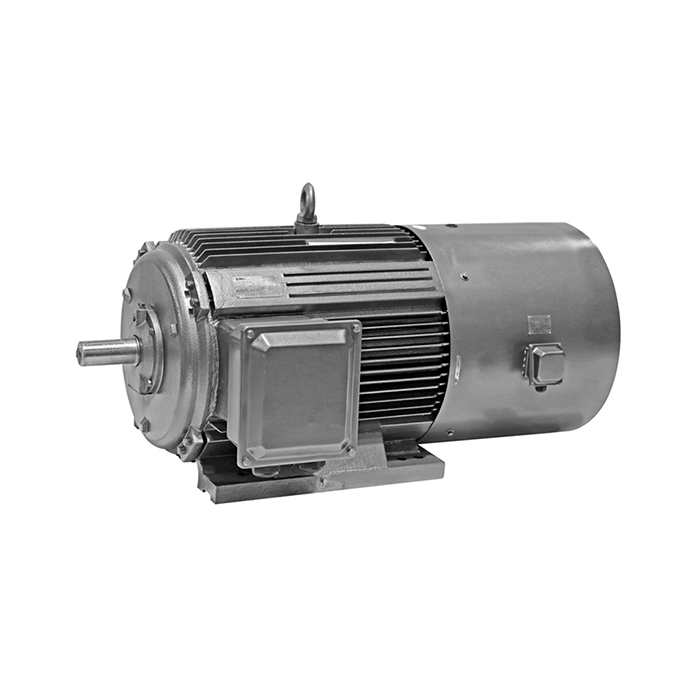
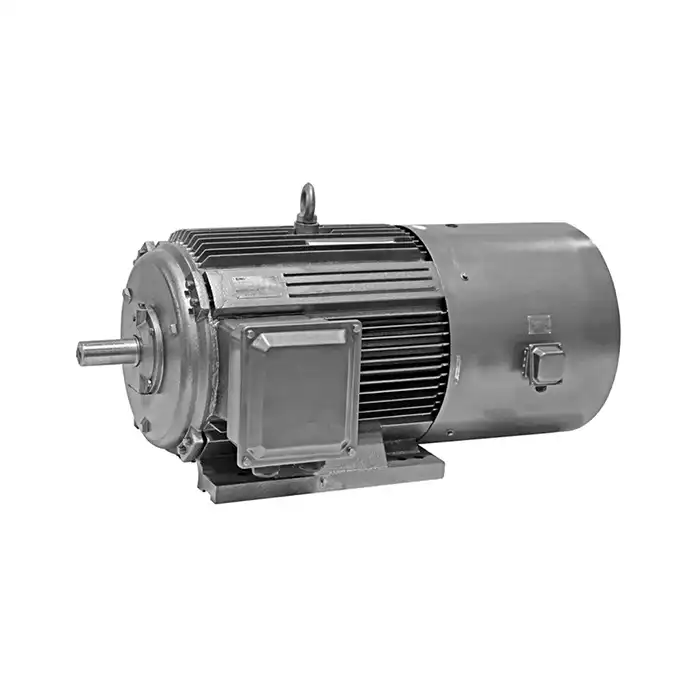
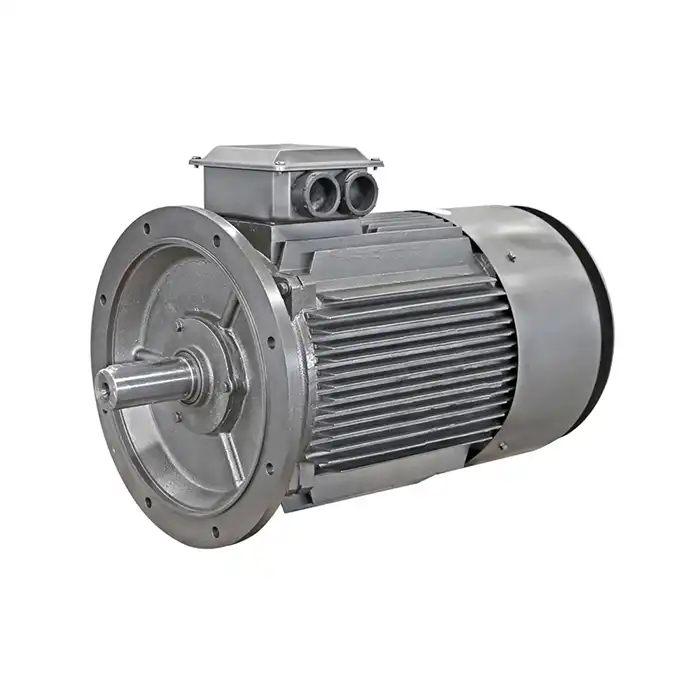
Series:YE3
Frame number: 80-450
Power range:0.75-1000kW
Protection level:IP55
Energy efficiency class: IE3
Voltage range: 380V,400V,415V,660V, etc.
Application:can be used in various fields of the national economy, such as machine tools,water pumps,fans,compressors,and can also be used in transportation, mixing, printing, agricultural machinery, food and other occasions that do not contain flammable, explosive or corrosive gases.
Certificate: international standard IEC60034-30 "Efficiency Classification of Single-speed Three-Phase Squirrel Cage Induction Motors".
Advantage:The high quality of the electric motor guarantees high operational reliability.
Others: SKF, NSK, FAG bearings can be replaced according to customer requirements.
Global Low Voltage AC Motor Market Size and Growth in 2026
Market Valuation and Regional Breakdown
The Asia-Pacific region has the biggest part of the low voltage ac motor market right now. This is because of the rising industrial output in China, India, and Southeast Asia. After that come North America and Europe, where demand is based on updates to HVAC systems, water treatment facilities, and plant modernization projects. Grand View Research (2025) says that the Asia-Pacific region will continue to have the highest growth rate until 2030.
Key Growth Drivers
The low voltage ac motor market is growing because of three things: industrial automation, expanding HVAC systems, and improving material handling. As factories in emerging markets become more automated, they need more reliable, low-cost induction motors that range from 0.75 kW to 1000 kW. This is the exact range of power that buyers in Africa, the Middle East, and Southeast Asia are looking for.
Challenges Distributors Face
Problems in the supply chain, higher copper and steel prices, and longer lead times have made it harder for distributors to keep track of their stock. Distributors who work with manufacturers who offer ready-to-ship items, flexible minimum order quantities, and fast shipping consolidation are the ones who do well. In the low voltage ac motor market, these factors are now common ways to make decisions.
Emerging Trends in the Low Voltage AC Motor Market
IE3 Efficiency Standards Are Now the Baseline
IE3-rated motors have become the expected standard across most regulated markets. In the European Union, IE3 compliance for motors above 0.75 kW has been mandatory since 2015. In the United States, NEMA Premium efficiency standards align closely with IE3 requirements. For buyers in markets outside these regions, IE3 motors still offer a tangible advantage: lower running costs over the motor's operating life.
Smart Monitoring and Sensor Integration
A growing segment of the low voltage AC motor market now includes motors compatible with condition monitoring systems. By attaching vibration and temperature sensors, operators can detect bearing wear or winding issues before failure occurs. This reduces unplanned downtime, which can cost industrial facilities thousands of dollars per hour.
Demand for Multi-Voltage Compatibility
Distributors sourcing for multiple markets — Southeast Asia, the Middle East, and Africa — increasingly prefer motors that operate across multiple voltage standards (380V, 400V, 415V, 660V). This flexibility reduces the number of SKUs a distributor needs to stock and simplifies cross-border order consolidation.
Low Voltage AC Motor Types and Industrial Applications
Squirrel Cage Induction Motors: The Standard Choice
In the low voltage ac motor market, the squirrel cage induction motor is still the most popular type of motor. It is the best choice for pumps, fans, compressors, and machine tools because it is easy to build, doesn't need much upkeep, and has a wide power range. This is the type used by most basic catalog motors, like the YE3 model.
Application Range Across Industries
In many different manufacturing settings, low voltage AC motors are used. These things are used to move conveyor belts, mixers, and packaging lines in factories. In water treatment, they keep pumps going all the time with varying loads. In HVAC systems, where energy use is a direct cost of doing business, they control fans and blowers. Figuring out what a motor is going to be used for is the first step in any buying decision.
Low Voltage vs. High Voltage: A Practical Comparison
Most of the time, low voltage motors (usually below 1000V) are better for normal industrial uses up to 1000 kW because they cost less per unit, need simpler drive electronics, and are easier to operate on-site. Motors with a high voltage can handle fixed-speed loads that are bigger than 1 MW. Low voltage is still the most useful and cost-effective choice for the average dealer who stocks general-purpose motors.
Procurement Insights: Choosing the Right Motor for Your Inventory
Evaluate the YE3 Series for Standard Volume Orders
If you sell general-purpose three-phase induction motors, the XCMOTOR YE3 line is something you might want to look into. It has a protection rating of IP55 and frame numbers 80 to 450. Its power range is 0.75 to 1000 kW. It meets the IEC60034-30 efficiency standards for IE3 and can use SKF, NSK, or FAG bearings, based on what the customer wants. It comes with voltage options of 380V, 400V, 415V, and 660V, so it can work with a number of different regional grids.
These are the main benefits this series gives buyers in large quantities when it comes to sourcing:
- Broad power coverage: The 0.75–1000 kW range covers the vast majority of standard industrial replacements, reducing the need for multiple suppliers.
- Multi-voltage flexibility: Stocking one motor series that covers 380V, 400V, 415V, and 660V reduces SKU complexity for distributors serving multiple markets.
- IP55 protection: Suitable for outdoor installations and dusty environments common in manufacturing, water treatment, and agricultural settings.
- Bearing customization: SKF, NSK, and FAG bearing options allow distributors to match regional maintenance preferences and reduce after-sales friction.
These benefits directly address the most common problems wholesalers say they have, such as having too many single-voltage versions in stock, having to deal with returns because the specs don't match, and not being able to get repeat orders because bearings are hard to find. The YE3 type is used in places where there are no flammable, dangerous, or corrosive gasses, like in machine tools, water pumps, fans, compressors, transportation equipment, mixing machines, printing, to process food.
What to Ask Any Supplier Before Placing a First Order
Before making a purchase from any maker in the low voltage ac motor market, you should make sure of four things: whether they have stock for the frame numbers you need, the wait time for consolidated orders, the motors' certifications, and the return or swap process. It is only possible for shorter first-order cycles (two to four weeks) if the seller has ready-to-ship goods.
Pricing Transparency and Bulk Order Strategy
It's tough for wholesalers to make a profit in the low voltage ac motor market because prices are so close to each other. The best way to start working with a new provider is to use a plan that combines low minimum order quantities for test purchases with different prices for larger orders. A distributor with much lower inventory risk can place a small test order, make sure the quality is good, and then increase the order to fill a full container within 60 days.
Maintenance Practices That Protect Your Margins
Preventive Maintenance Schedules
For end users who buy from distributors, a basic preventative schedule of checking the motor's lubrication, insulation resistance, and bearing noise every 2,000 hours of use makes it last a lot longer. When distributors give simple maintenance instructions along with product documentation, customers are more likely to buy from them again.
Monitoring for Early Failure Detection
A simple vibration monitor can be attached to a critical pump motor as a low-cost safety measure in places where downtime is expensive. If there is strange vibration, the maintenance team can plan to replace it during a planned downtime instead of having to deal with a failure that happened out of the blue. End-user customers are less likely to make service claims when this is encouraged, and the distributor's reputation goes up.
Partnering With Suppliers Who Support Fast Replacement
If a motor breaks down on a production line, the dealer will keep the account if they can ship a spare within 24 to 48 hours. In the low voltage ac motor market, this means that freight speed and the amount of stock held by suppliers are just as important as unit price.
Conclusion
There are real chances for distributors who keep the right stock in the low voltage ac motor market, which is still growing slowly. The most-traded part of this market is IE3-rated, multi-voltage, general-purpose induction motors in common frame sizes. Distributors can keep their profit margins safe while meeting rising demand in Southeast Asia, the Middle East, Africa, and other places by selecting a supplier with a reliable stock depth, flexible order quantities, and easy-to-understand after-sales support. This need is met by the YE3 line from XCMOTOR.
FAQ
1. What is the typical lead time for bulk low voltage AC motor orders?
For standard catalog motors with ready stock, first orders typically ship within two to four weeks after order confirmation. Repeat orders from established suppliers with inventory on hand often ship within one to two weeks. Lead times extend when custom specifications or non-standard voltages are required.
2. How do I choose between IE3 and IE4 efficiency motors?
IE3 meets mandatory requirements in most regulated markets, including the EU and the US, and delivers meaningful energy savings over standard motors. IE4 offers additional efficiency gains and suits applications running at high load factors continuously. For most general distribution inventory, IE3 covers the majority of end-user requirements.
3. What does IP55 protection mean for motor selection?
IP55 indicates the motor is protected against dust ingress and low-pressure water jets from any direction. This makes it suitable for outdoor use, dusty factory floors, irrigation systems, and general industrial environments — covering most of the applications distributors encounter.
4. Can one motor series cover multiple regional voltage standards?
Yes. Motors like the YE3 series support 380V, 400V, 415V, and 660V configurations, allowing a single inventory line to serve multiple export markets without stocking separate variants for each region.
Source Your Low Voltage AC Motors Directly From XCMOTOR
XCMOTOR sells IE3-rated, reliable low voltage AC motors to procurement teams, OEM assemblers, and distributors all over the world. The YE3 series covers 0.75 to 1000 kW, is IP55, and works with multiple voltages. You can place small trial orders without having to meet a large MOQ, so you can check the quality before going big. Our company has been a trusted low voltage ac motor market provider for 20 years. We offer tiered pricing, fast consolidation shipping, and committed after-sales support seven days a week. To get a price or a list of our products, go to motorxc.com or email us at xcmotors@163.com.
References
1. Grand View Research. Low Voltage Motor Market Size, Share & Trends Analysis Report. 2023.
2. International Electrotechnical Commission. IEC 60034-30-1: Rotating Electrical Machines – Efficiency Classes. 2014.
3. MarketsandMarkets. Electric Motor Market — Global Forecast to 2028. 2023.
4. U.S. Department of Energy. Energy Efficiency Standards for Electric Motors: Final Rule. 2022.
5. European Commission. Regulation (EU) 2019/1781 on Ecodesign Requirements for Electric Motors and Variable Speed Drives. 2019.
6. Allied Market Research. Industrial Electric Motors Market: Global Opportunity Analysis and Industry Forecast, 2023–2032. 2023.