



How to Choose a Slip Ring Rotor Induction Motor for Heavy Duty Use
When your crusher suddenly stops or your conveyor fails mid-shift, you need a replacement motor fast—one that matches your old nameplate exactly, starts heavy loads reliably, and ships within weeks, not months. Choosing a slip ring rotor induction motor for heavy duty use demands attention to starting torque, nameplate compatibility, and supplier delivery speed. This motor type excels in demanding environments like mining, rolling mills, and cranes because its wound-rotor design allows controlled starting with lower inrush current and higher initial torque compared to standard squirrel cage motors. Getting the selection right the first time means avoiding costly rework, production delays, and mismatched specifications that create headaches for maintenance teams.
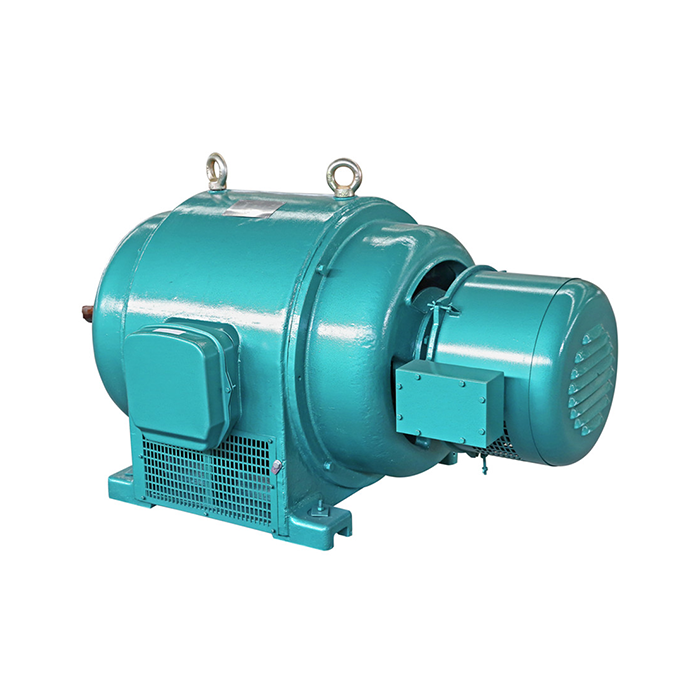
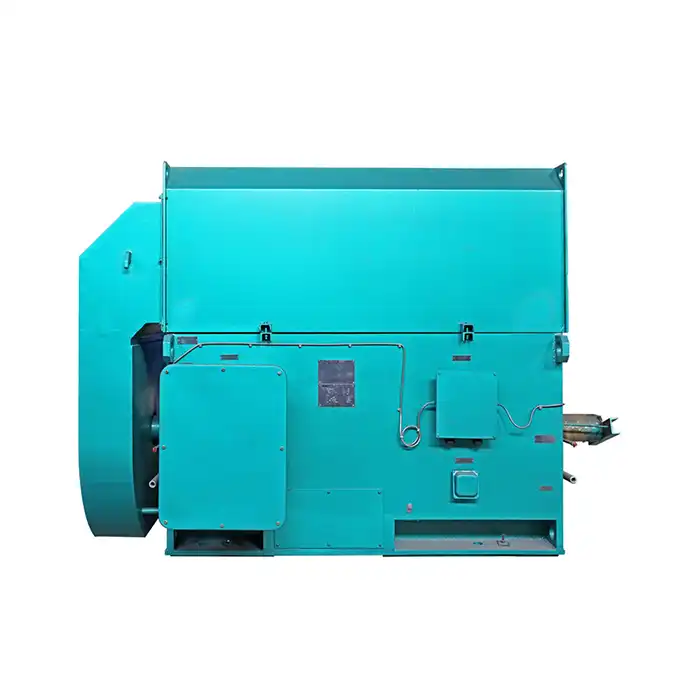
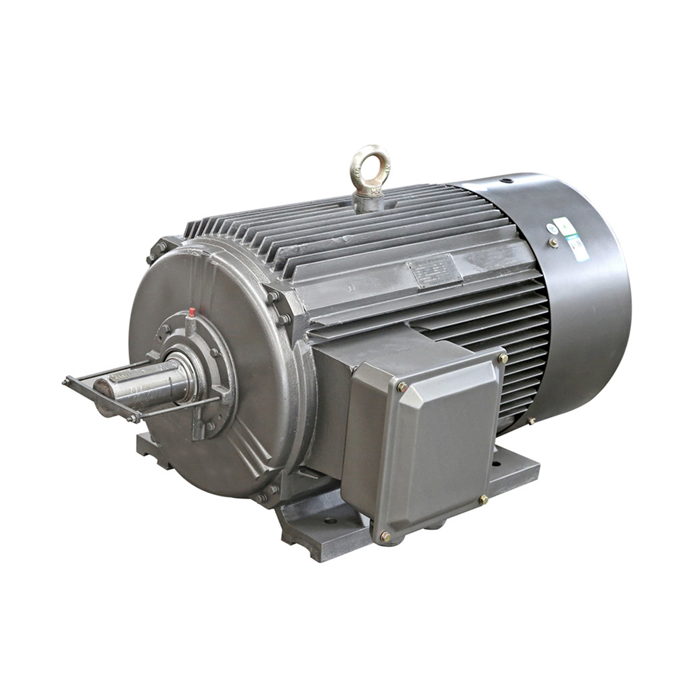
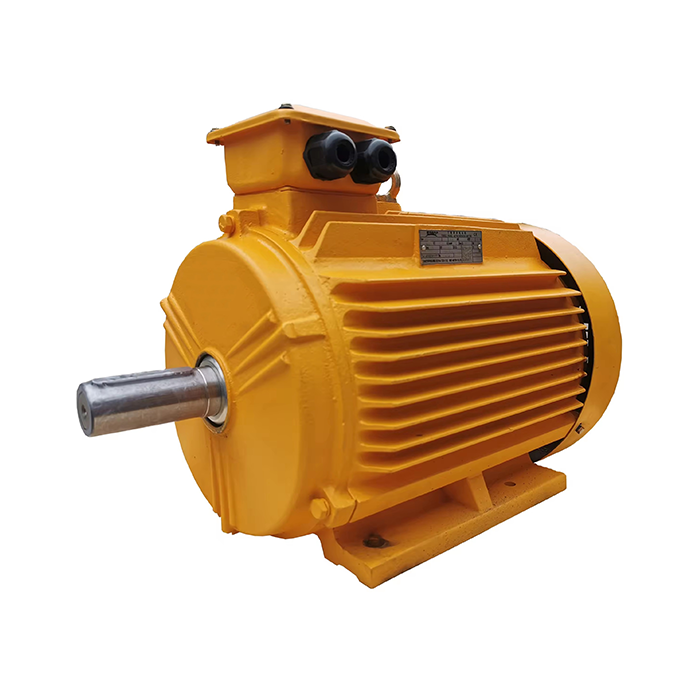
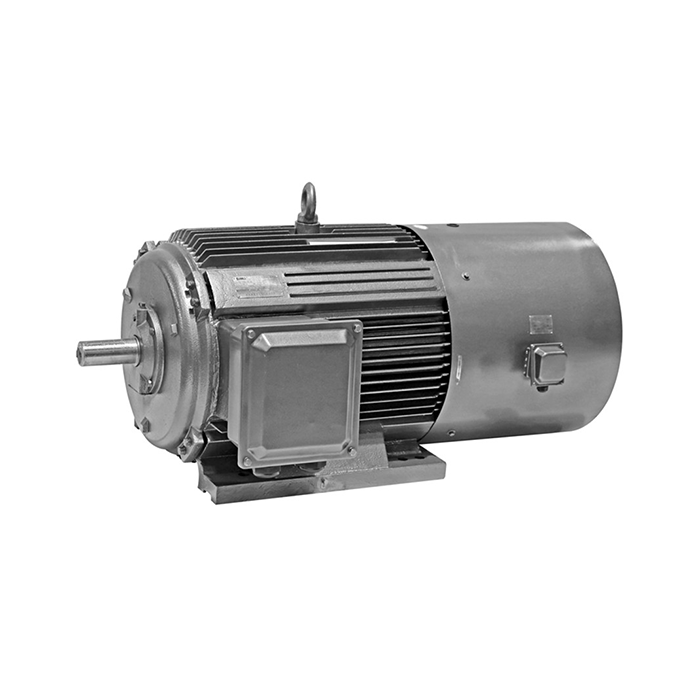
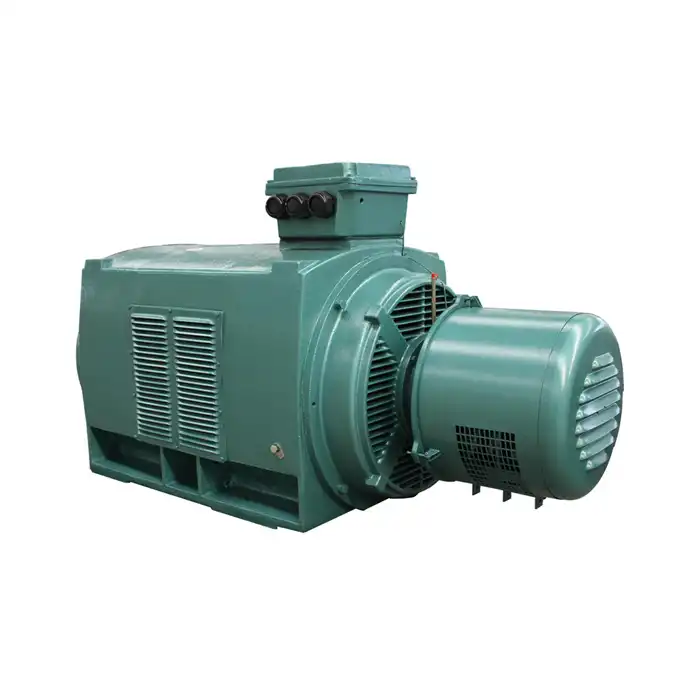
Series:YRQ
Voltage range:380V±5%
Power range:45-710kW
Protection level:IP23
Application:YRQ(JR) series medium-sized motors can drive a variety of different machinery, such as fans, compressors, water pumps, crushers, ball mills, cutting machine tools, transportation machinery and other equipment, and can be used in coal mines, machinery industries, power plants and various industrial and mining enterprises. Used as prime mover.
Advantage: The JR series medium-sized motors have very powerful driving capabilities and can not only drive conventional mechanical equipment, but also some complex mechanical equipment. For example, it can drive heavy machinery such as ships, cranes, and wind turbines, as well as small household appliances, purifiers, compressors, etc.
Others: SKF, NSK, FAG bearings can be replaced according to customer requirements.
Understanding Slip Ring Rotor Induction Motors
What Makes Wound-Rotor Motors Different
A slip ring rotor induction motor, sometimes called a wound-rotor motor, has external rotor windings that are linked to external resistance circuits by slip rings and brushes (Electrical Engineering Portal, 2019). Unlike squirrel cage designs where the rotor bars stay in place, this setup lets you change the rotor resistance while it's starting up. When the stator is turned up, it creates a spinning magnetic field that makes the rotor windings conduct electricity. By changing the external resistance through the slip rings, operators can precisely control the starting current and torque. Because they are so adaptable, wound-rotor motors are perfect for situations where heavy mechanical loads need to be accelerated smoothly without overloading the power supply.
The main parts are the stator body, the wound rotor with copper coils, the slip rings on the rotor shaft, the carbon brushes that touch the rings, and the starting resistors that are outside the motor. During startup, the highest resistance added to the rotor circuit limits the current draw to two to three times the rated values and provides 1.8 to 2.5 times the rated power for starting. As the motor speeds up, resistance gradually drops until the rotor circuit is short-circuited, which allows the motor to run normally. This design keeps the voltage across the power network low during starting and protects driven equipment from mechanical shock.
Why Heavy Duty Applications Need This Motor Type
Heavy machines like ball mills, crushers, hoists, and rolling mills have a hard time starting up because of the high friction and inertia. Standard motors often have trouble with these loads, or they need pricey soft-start tools to work properly. Because their resistance can be changed, wound-rotor motors naturally solve this problem. The YRQ series motors we sell have starting torques that are 1.8 to 2.5 times their rated torque. This means that they can easily overcome static friction and speed up huge loads from a stop. In mines, where crushers have to start up while they're full of rock, or in steel mills, where rolling equipment has to handle a lot of mechanical stress, this ability is very important.
These motors are built to last in harsh industrial environments because they are very strong. The YRQ series can handle 3–4 times the maximum torque for 15–30 seconds of continuous overload at 380V±5% and power levels from 45kW to 710kW. This short overload tolerance lets rapid increases in load that happen in heavy industry happen without setting off safety systems. The IP23 protection level keeps dust and water from getting into internal parts, which is common in mine and manufacturing facilities. This makes the equipment last longer, even in tough circumstances.
Common Applications Across Industries
Wound-rotor motors are used a lot in crushers, ball mills, and conveyor systems in mines, where loads change a lot and starting conditions are tough. These motors are used in power plants to move big fans, pumps, and compressors. To keep water hammer and mechanical damage from happening, the speed of the motors must be controlled. Smooth starting and good speed control are helpful for rolling mills, big compressors, and cutting machine tools used in heavy manufacturing. Wound-rotor motors are used in marine uses, such as ship propulsion systems, because they can handle varying loads and offer adjustable starting torque from a high quality slip ring motor supplier.
Machinery used for moving things, like cranes, hoists, and overhead traveling systems, depends on these motors' accurate speed control and high starting power. The external rotor resistance adjustment lets operators match the motor's features to specific load profiles. This makes operations safer and extends the life of the equipment. In these situations, the main benefit of slip ring rotor induction motors that keeps them used in modern factories is their ability to reliably start heavy machinery without drawing too much current or causing mechanical shock.
Key Criteria for Selecting a Slip Ring Rotor Induction Motor
Matching Power and Torque to Your Load Requirements
The first step in choosing the right motor is to do an accurate load study. Figure out how much torque your equipment needs to start up, taking into account static friction, load inertia, and any other beginning pushback it faces. The YRQ series has starting torque that is 1.8 to 2.5 times the rating value, which is usually more than what a squirrel cage motor can do. For a crusher that needs 180% of its rated power at beginning, a wound-rotor motor can provide it while keeping the starting current to 2-3 times the rated current, rather than the usual 5-7 times.
How much power is needed depends on the duty cycle, constant working load, and the environment. To avoid problems with the mounting clamp or the mechanical link, make sure that the new motor has the same nameplate power level as the old one. The YRQ series has power ranges from 45kW to 710kW, which are enough for most medium-duty heavy industrial uses. Make sure the motor you choose can handle the occasional overloads that happen in your business. For example, the 3–4 times rated torque capacity for 15–30 seconds can handle impact loads in crushers, sudden changes in pressure in compressors, and mechanical jams in conveyors without damaging the motor or setting off any protections.
Selection choices are also affected by rising temperatures. When the temperature rises below 120℃, Class B insulation makes sure that the system works reliably in places with high ambient temperatures, like foundries, cement plants, and tropical climates. If the working conditions include high altitude, poor airflow, or a lot of starts, lower the motor or choose the next bigger frame size to keep the temperature within acceptable limits.
Speed Control Options and Flexibility
Changing the external rotor resistance with manual or automatic controllers is the usual way to control the speed of wound-rotor motors. Adding resistance lowers the motor speed below synchronous speed, which lets it work in different ways for things like fans or pumps that need to change the flow rate. This method gives you simple, reliable control without having to deal with complicated electronics. However, the external resistors lose energy as heat, which makes the system less efficient when the speed is slowed down (Chapman, 2012).
In modern setups, wound-rotor motors are often paired with variable frequency drives on the stator side. This gives the benefits of controlled starting and speed change in one package. VFDs change the frequency and voltage of the stator, which controls the speed of the motor. The wound-rotor design still offers better starting performance. This combined method has the best features of both technologies: it starts slowly with little current, has a wide speed range, and uses less energy than resistance-based speed control alone.
When figuring out what speed control you need, you should think about whether your application needs a continuously changing speed or if it mostly needs controlled starts. Simple resistance controls may be all that's needed for conveyor systems that only need to be controlled at starting. Adjusting the speed of processing equipment like mixers and mills on a regular basis is a good reason to spend more on VFD technology. Wound-rotor motors are flexible enough to work in both situations, so you can choose the control method that best fits your needs and your budget.
Maintenance Requirements and Long-Term Costs
The slip rings and brushes on wound-rotor motors mean that they need more regular maintenance than sealed squirrel cage designs. These worn parts need to be checked and replaced on a regular basis, usually every 6 to 12 months, but this depends on how often they are used and the weather (Wildi, 2006). The benefit is that it is easier to get to—replacing the brush or cleaning the slip rings doesn't require taking the motor apart completely. By mounting these parts on the outside, they can be serviced quickly during planned maintenance windows, which doesn't cause major production delays.
The YRQ series' annual upkeep costs are about 6 to 9 percent of the original purchase price, which is still a fair amount given how important heavy industrial uses are. As part of preventive maintenance, brushes are checked, slip rings are cleaned, bearings are oiled according to the manufacturer's instructions, and insulator resistance is tested on a regular basis. Standardized component design makes sure that parts can be swapped out and that replacement brushes, slip rings, and bearings are easy to find from a number of different sources. This lowers the cost of upkeep inventory and the risk of not having enough parts in case of an emergency.
When looking at lifecycle costs, you should think about how well the motor can start big loads so that expensive production downtime doesn't happen. It's worth paying more for maintenance on a crusher that always starts up under load without breaking circuit breakers or hurting mechanical parts because it makes the machine more useful. The benefits in debugging are also important. Rotor circuit problems can be found through the slip ring connections without taking the motor apart, which cuts the time needed for diagnosis by 40% compared to squirrel cage motor troubleshooting. These useful maintenance benefits add a lot to the total cost of ownership over the course of a motor's typical 15–20-year service life.
Comparing Slip Ring Rotor Motors with Other Motor Types
Wound-Rotor vs. Squirrel Cage Induction Motors
Squirrel cage motors are simple, durable, economical, and low-maintenance but provide higher starting current and lower starting torque. Wound-rotor motors allow adjustable rotor resistance, delivering controlled high-torque starting with lower current, though they require more maintenance. For heavy-duty equipment, wound-rotor designs can reduce overall costs by avoiding external starting equipment and modifications.
Evaluating Synchronous and DC Motor Alternatives
Synchronous motors provide precise speed control and power-factor correction but require more complex starting and excitation systems. DC motors offer wide speed ranges but need frequent brush maintenance and costly controllers. For emergency replacements, retaining the original wound-rotor motor is usually preferable, avoiding mechanical, starting-system, and power-supply modifications that can delay recovery.
Procurement Considerations for Heavy Duty Slip Ring Rotor Induction Motors
Supplier Evaluation and Quality Assurance
Supplier evaluation should consider reputation, certifications, manufacturing quality, testing, and after-sales support from a high quality slip ring motor supplier. ISO9001, CCC, and CE certifications indicate established quality and compliance. YRQ motors should undergo performance, vibration, and insulation testing with documented results. Responsive technical support, reliable spare-parts supply, and consultation further ensure correct selection, installation, troubleshooting, and long-term reliability.
Understanding Pricing and Lead Time Factors
Motor pricing depends on power, frame size, protection, customization, and bearing selection. Standard YRQ motors offer lower unit costs, while custom specifications increase costs for precise replacements. Premium bearings can improve reliability and reduce maintenance. Standard motors typically ship within 2–3 weeks, whereas complex custom models may require 4–6 additional weeks, with emergency orders potentially prioritized.
Nameplate Matching and Specification Verification
Accurate nameplate and dimensional matching prevents mechanical and electrical compatibility problems when replacing motors. Verify power, voltage, current, speed, frequency, duty, frame size, mounting, shaft dimensions, and keyway. Ensure the YRQ series matches actual supply voltage and provides equal or better protection, enabling direct installation without costly modifications or delays.
Best Practices for Installation, Operation, and Maintenance
Proper Installation Procedures
Proper installation requires secure mounting, accurate shaft alignment within manufacturer limits, and correctly torqued bolts to reduce vibration and bearing wear. Electrical connections must match nameplate specifications, with correct rotor wiring, phasing, and rotation direction. Adequate ventilation, dust control, and moisture protection are also essential to prevent overheating and insulation damage.
Routine Maintenance and Inspection Schedules
Routine maintenance should include monthly brush inspections and replacement when significantly worn, along with regular cleaning of carbon dust and slip rings. Clean or machine damaged rings as needed. Bearings should be lubricated every 2,000–4,000 hours using compatible grease, while temperature and vibration monitoring helps detect overheating or wear early and prevent failures.
Troubleshooting Common Issues
Common motor issues include starting failures, excessive vibration, and overheating. Starting problems may result from rotor-circuit faults or damaged starting resistors. Vibration can indicate loose mounting, misalignment, imbalance, or bearing wear. Overheating may result from blocked cooling, voltage imbalance, or overload; persistent internal faults require qualified inspection and repair.
Conclusion
When picking a slip ring rotor induction motor for heavy-duty uses, you need to think about how well it starts, how well it works with other brands, how reliable the provider is, and how fast the delivery is. Heavy equipment needs high starting power and limited inrush current. Wound-rotor designs meet these needs and can't be replaced in steel processing, mining, and other demanding industries. To make the right choice, you need to match the power and torque needs to the load characteristics, make sure the motors' exact dimensions are compatible with existing equipment, and build relationships with suppliers who can deliver quality motors quickly. The YRQ series, which ranges from 45-710kW at 380V, has been shown to work well in a wide range of heavy industrial settings, and its upkeep costs are still low, at just 6-9% per year. When your equipment breaks down without warning, having a reliable supplier who knows how important it is to get replacements quickly can mean the difference between a small problem and expensive downtime that lasts for a long time.
FAQ
1.Why do wound-rotor motors provide better starting torque than squirrel cage designs?
In wound-rotor motors, the external rotor resistance can be changed, which lets the torque-current relationship be optimized during startup. When the highest resistance is put in at standstill, a high rotor current and a strong magnetic field interaction with the stator field are created. This creates starting torque that is 1.8 to 2.5 times the rated value. The rotor resistance of squirrel cage motors is set because of the way the bars are made. This means that the beginning power can only be 0.5 to 1.5 times the rated value unless special high-resistance rotor alloys are used, which lowers the running efficiency.
2.Can wound-rotor motors work with variable frequency drives?
Yes, wound-rotor motors and VFDs on the stator supply can work together successfully in current setups. The VFD changes the frequency and voltage to control the motor speed, and the wound-rotor design still lets you control how the motor starts. When you put these two things together, you get a gentle start with little inrush current and wide-range speed control that uses less energy than resistance-based speed adjustment alone.
3.What maintenance intervals suit heavy duty environments?
In tough mining or manufacturing settings, check the brushes and slip rings once a month, clean the slip rings every three months, and grease the bearings every 2,000 to 3,000 hours of use. When brushes are 30 to 40 percent of their original length, they need to be replaced. Every six months, you should do full inspections that include testing for insulation resistance and vibration analysis to find problems before they get bad. Change these times based on how the system is actually working and what the inspection shows.
Partner with XCMOTOR for Reliable Wound-Rotor Motor Solutions
Picking the right slip ring rotor induction motor provider will determine how fast you can get a new or how long and difficult the process is. XCMOTOR has been working with industrial motors for more than 20 years and can help equipment managers and maintenance supervisors find YRQ series motors that are reliable and exactly match the original specifications. Our long-term partnerships with top makers give us access to high-quality motors that are certified by CCC, CE, and ISO9001. These motors provide the speed and dependability that heavy-duty applications need.
Our technical team helps with specification verification, making sure that the important nameplate parameters of your replacement motor match, such as the power rating, voltage, speed, and mounting dimensions. We know that you need to change parts quickly in an emergency. Standard YRQ series motors ship within two to three weeks, so your crusher, conveyor, or mill can be back up and running quickly. Customized bearing options, such as SKF, NSK, and FAG versions, can be used in a variety of situations. Our 30-day return policy and dedicated help that works on weekends take away your worries about specification gaps and give you peace of mind during the whole buying process.
Industrial buyers who want to buy a slip ring rotor induction motor from a company that offers reasonable pricing and quick service will find that our all-around approach meets both needs. We take care of everything, from the first technical consultation to support after the sale. This makes sure that the whole process goes smoothly, from the initial inquiry to the installation. You can email our team at xcmotors@163.com or go to motorxc.com to talk about your unique motor needs and get a full quote. Let us help you with your heavy machine motor problems by giving you tried-and-true goods and expert advice.
References
1. Chapman, S. (2012). Electric Machinery Fundamentals (5th ed.). McGraw-Hill Education.
2. Electrical Engineering Portal. (2019). Slip ring induction motor construction and working principle. EEP - Electrical Engineering Portal.
3. Institute of Electrical and Electronics Engineers. (2020). IEEE Standard Test Procedure for Polyphase Induction Motors and Generators. IEEE Std 112-2017.
4. National Electrical Manufacturers Association. (2021). Motors and Generators (MG 1-2021). NEMA Standards Publication.
5. Wildi, T. (2006). Electrical Machines, Drives, and Power Systems (6th ed.). Pearson Education.
6. Xu, L., & Zhu, Z. (2018). Performance analysis of wound rotor induction machines for industrial applications. IEEE Transactions on Industry Applications, 54(3), 2847-2856.