



Choosing IEC LV Motors for Pumps, Fans, and Conveyor Systems
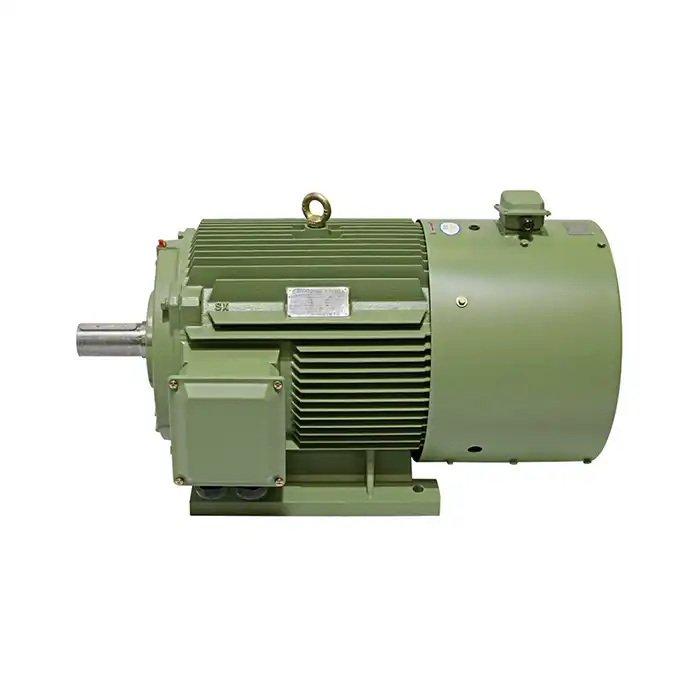
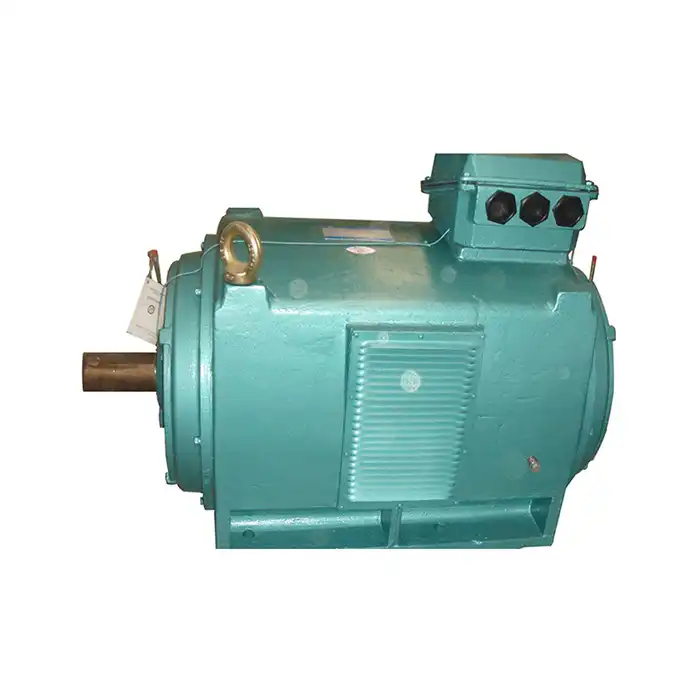
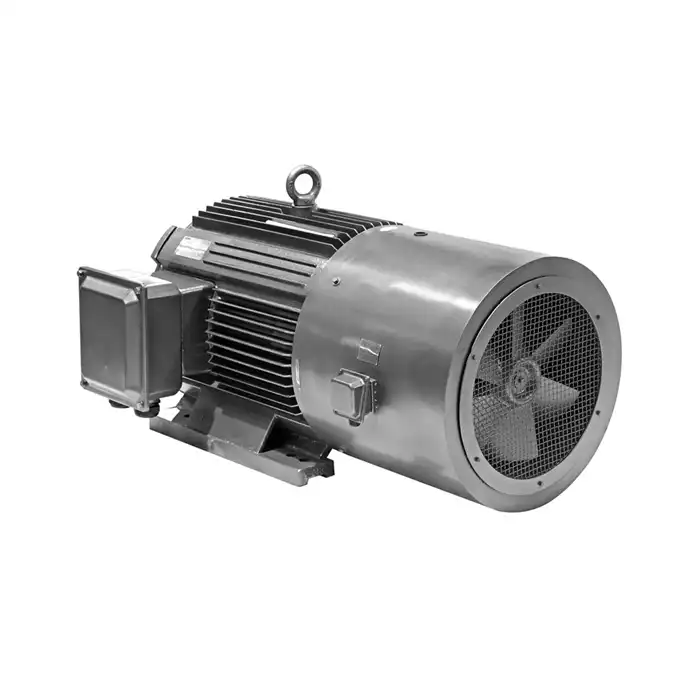
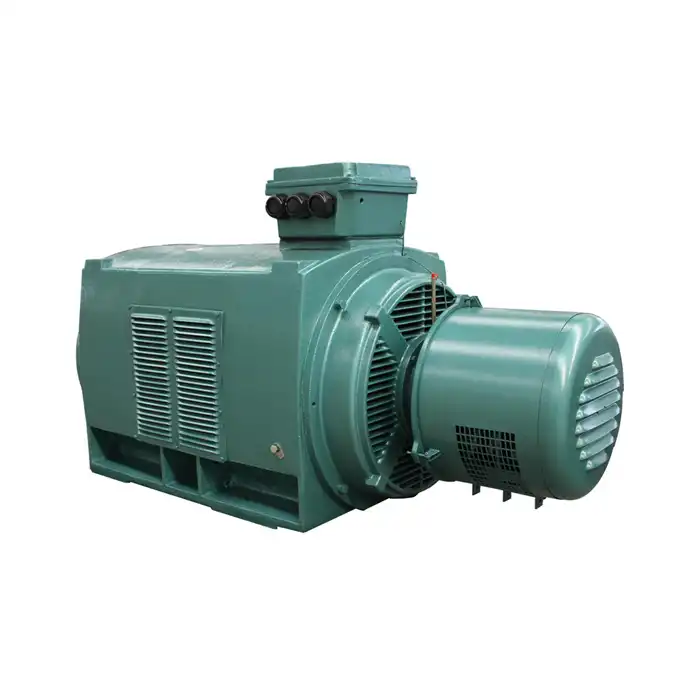
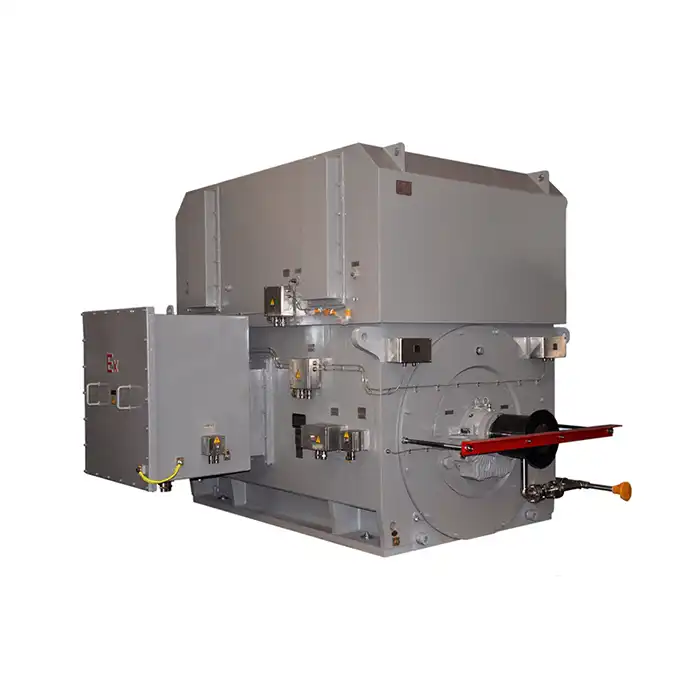
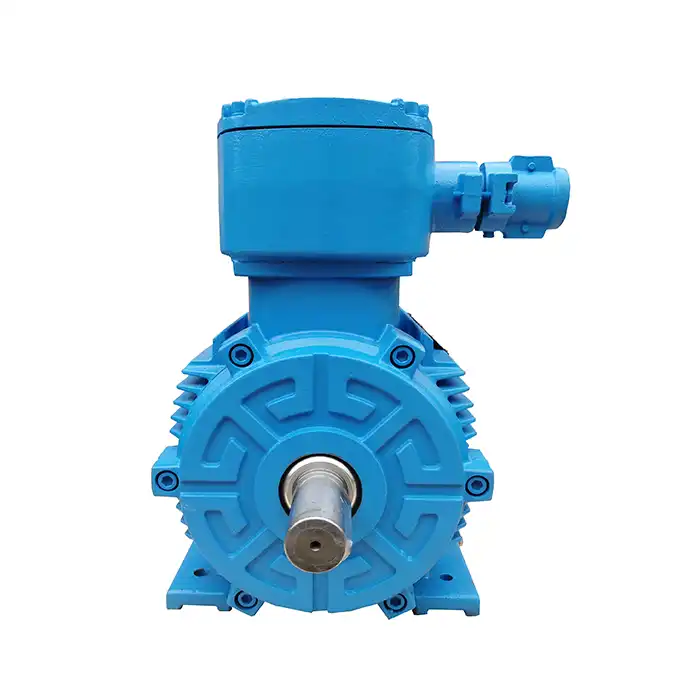
Choosing the right motor is a very important part of making sure that industrial facilities have reliable drive systems. For running pumps, fans, and conveyor systems in manufacturing, water treatment, and material handling activities, Iec lv motors are a tried-and-true option. IEC 60034 sets widely accepted standards for these motors. They make sure that the dimensions are the same, that they use energy efficiently, and that they follow all the rules that equipment manufacturers and importers need. When procurement professionals know how to match motor specifications with application needs, they can get equipment that works reliably and meets strict energy rules in European and global markets.
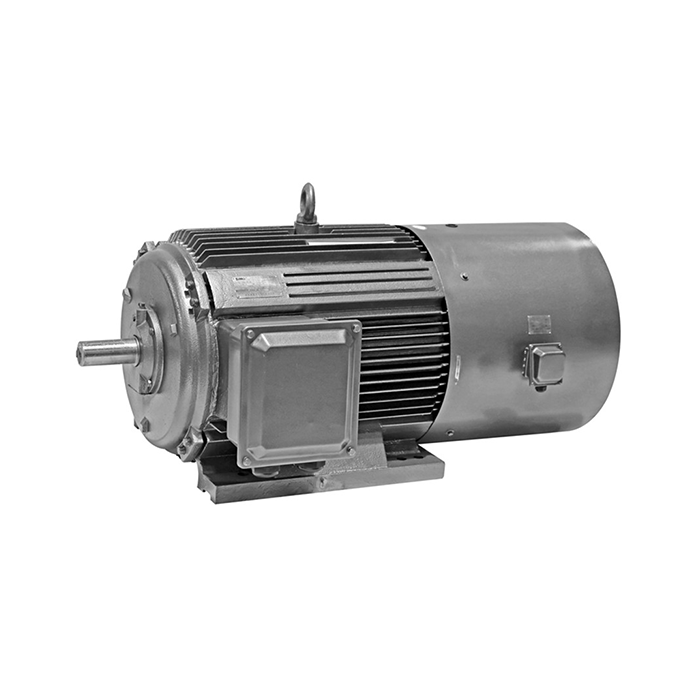
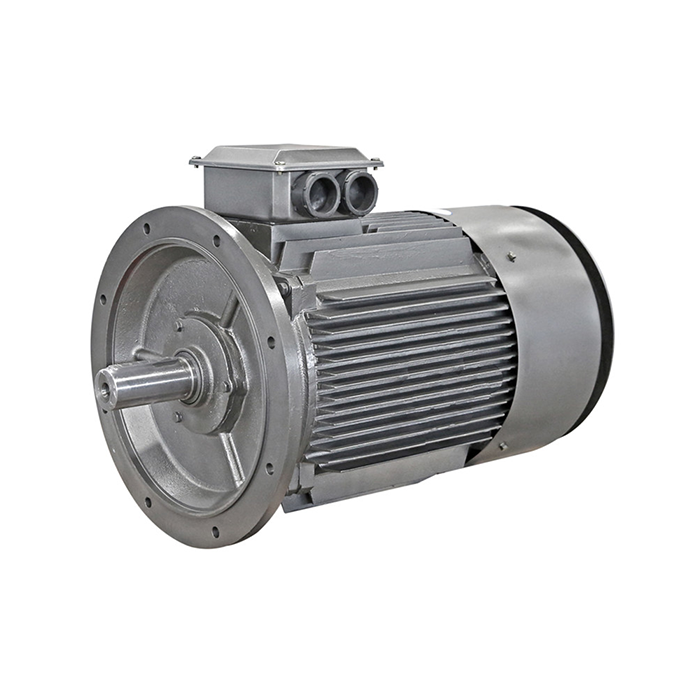
Series:YE5
Frame number: 80-450
Power range:0.75-1000kW
Protection level:IP55
Energy efficiency class: IE5
Voltage range: 380V,400V,415V, 660V,etc.
Application:can be used in various fields of the national economy, such as machine tools,water pumps,fans,compressors,and can also be used in transportation, mixing, printing, agricultural machinery, food and other occasions that do not contain flammable, explosive or corrosive gases.
Certificate: international standard IEC60034-30 "Efficiency Classification of Single-speed Three-Phase Squirrel Cage Induction Motors".
Advantage:The high quality of the electric motor guarantees high operational reliability.
Others: SKF, NSK, FAG bearings can be replaced according to customer requirements.
Understanding IEC Low Voltage Motors for Industrial Applications
What Defines IEC Low Voltage Motor Standards
Low voltage motors made to IEC standards work with voltages between 380V and 690V and are the backbone of industrial machinery around the world. The IEC 60034 series sets exact standards for things like power rates, frame sizes, mounting options, and how the terminals are arranged. Standardization makes it possible for equipment makers to easily add motors to international supply chains. It also makes sure that replacement parts can be used in any factory.
Motors that meet these standards have squirrel cage rotors, which provide reliable performance without the need for regular upkeep that comes with brush-type designs. Frame sizes range from small 80mm units that can power small pumps to heavy-duty 450mm frames that can power big industrial fans and conveyor systems. Protection grades like IP55 keep dust and water jets from getting into internal parts, which extends their useful life in tough production settings.
How Energy Efficiency Classifications Impact Operations
Energy efficiency has a direct effect on running costs over the life of a motor. There are different levels of economy for modern motors, from IE3 to IE5. Motors with better ratings use less electricity. An IE5-rated motor can save 20–30% on energy costs compared to IE3 equivalents. This can add up to big savings for facilities that run hundreds of motors all the time. This efficiency benefit is especially useful for European companies that ship equipment because they have to follow the ErP Directive rules that say motors sold in EU markets must meet minimum efficiency levels.
The YE5 series motors, which are made to IEC 60034-30 standards, are classified as IE5 because they use high-quality materials and electromagnetic design that is maximized. Better cooling fin geometry keeps operating temperatures in check, and precision machining cuts down on friction losses inside the part. These engineering improvements save measurable amounts of electricity without affecting the torque delivery or load-carrying capacity across the 0.75kW to 1000kW power range.
Maintenance Considerations for Extended Service Life
Regular maintenance procedures greatly increase the life of motors and keep them from breaking down without warning. Bearing inspection schedules should match operating hours and environmental conditions. For longer lubrication intervals, choose premium bearings from SKF, NSK, or FAG. Vibration monitoring finds early signs of worn bearings or misaligned shafts before they fail completely.
Thermal imaging finds situations where something is too hot, which could mean that there isn't enough air flow or there are electricity problems. Cable end spots need to be checked on a regular basis to make sure there are no loose connections that cause resistance heating. Cleaning the outside of the motor makes sure that air can flow freely through the cooling channels. This is especially important for IP55-rated casings that are used in dusty industrial settings.
Comparing IEC LV Motors for Pumps, Fans, and Conveyor Systems
IEC Versus NEMA Design Standards
IEC and NEMA lv motors standards are very different, which makes it hard for equipment makers to sell their products in Europe and other countries. NEMA uses imperial measurements for frame sizes and mounting patterns, while IEC uses metric measurements. This difference affects direct interchangeability, so careful checking of dimensions is needed when designing equipment. IEC motors usually have smaller frame sizes for the same amount of power, which saves room in machinery setups that are already full.
Voltage compatibility is another thing that sets them apart. IEC motors work with 380V, 400V, 415V, and 660V power systems that are popular in Asian and European factories, while NEMA motors work with 460V and 575V standards in North America. There are also different ways to measure efficiency, but both methods now accept IE efficiency codes set up by IEC 60034-30-1 standards that are used around the world.
The choice of starting method affects the electrical design of the motor and the needs of the control system. Direct-on-line starting is the easiest to set up, but it creates high inrush currents that could put stress on electrical distribution systems. Star-delta configurations lower starting current to about one-third of DOL values. This protects supply circuits and increases the service life of the contactor. Most controlled acceleration rates can be found in soft starters and variable frequency drives. These devices get rid of mechanical shock loads, which is especially helpful for conveyor and pump applications that need gentle start characteristics.
Matching Motor Specifications to Application Requirements
For pumping tasks, you need motors that can handle changing loads because the system pressure changes to meet flow needs. Motors with flat power curves are good for centrifugal pumps because they keep the speed control constant across all working ranges. Positive displacement pumps that need to deliver steady power even when the discharge pressure changes work well with constant torque characteristics.
For fan systems to work, the motors need to be able to handle air at different volumes. Centrifugal fans put on more and more stress as the flow volume goes up. This means that motors need to be able to handle long periods of high output. Axial fans have load profiles that stay pretty constant, which makes choosing a motor easier but means paying attention to starting torque when big propeller masses are first turned over.
Conveyor drives are hard to work with because they have to start up and run all the time, and sometimes they get too busy during material surge events. Motors need to have enough starting power to beat the static friction of belts that are loaded, and they also need to be able to handle high temperatures for long periods of time. Frame sizes should be big enough to fit bearings that have to handle rotational loads from the stress of the belt and some impact loads during material transfer operations.
Leading Manufacturers and Quality Assurance
When you buy motors from well-known companies, you can be sure that you can get full technical documentation, certification packages, and replacement parts. XCMOTOR works with reputable sources and gives customers direct access to YE5 series motors that meet the standards of IEC 60034-30. Before they are shipped, these motors go through strict testing procedures that make sure they meet performance standards. These tests are backed by quality control systems that are ISO9001:2000 approved.
Certification qualifications are especially important for sellers of equipment that needs CE marking paperwork. Full technical files with reports on efficiency tests, electromagnetic compatibility, and safety assessments make the customs clearance and regulatory approval processes go more smoothly. Motors with CCC, CE, UL, GOST, and CRCC ratings show they are compliant with many regulatory bodies, which makes selling equipment internationally easier.
How to Choose the Best IEC LV Motor for Your Industrial Needs
Evaluating Efficiency and Load Characteristics
Return on investment for high-efficiency options is found by matching motor efficiency ratings with expected operating hours. IE5 motors are best for places that run fans or pumps all the time because they save electricity quickly. IE3 ratings may be appropriate for intermittent duty uses like batch material conveyors where small gains in efficiency are more than offset by lower buy costs.
Load profile analysis shows whether the application works best with constant torque, variable torque, or constant power characteristics. Centrifugal loads in fan and pump systems have square-law torque relationships, which means that power demand goes up as speed cubes. This makes them perfect for variable frequency drive control, which can save a lot of energy by lowering speed when only partially loaded.
Understanding the different types of job cycles keeps things from breaking down too soon because of too much heat. Continuous duty (S1) motors can run at full power for an infinite amount of time, which is fine for most pump and fan installations. Intermittent duty ratings (S3–S6) work well with conveyor systems that have set work-rest cycles. This means that smaller frame choices can be made when thermal accumulation stays within design limits during off periods.
Procurement Strategies for Reliable Supply
Building ties with responsive providers is the best way to make sure that production stays steady as it grows. Lead times depend on the size of the frame and how complicated the customization is, but for normal setups, they are usually between 4 and 8 weeks. When you buy in bulk, you get better prices and know that you'll always have enough inventory to meet the production schedules for serial equipment.
Customization features let you change the size of an item to fit a certain fitting space without lowering the performance standards. To avoid having to make changes in the field, you can specify shaft extensions, special mounting setups, and terminal box positions when you place your order. Premium bearing choices make motors better for harsh environments or longer maintenance intervals. This is especially helpful for installations that are far away or where downtime costs a lot.
Sample testing makes sure that the motor works well before committing to large quantities for production. Comprehensive testing methods check that promises about efficiency, temperature rise, vibration levels, and noise issues meet the requirements of the standard. This step of verification is very important for OEM makers making equipment for European markets, where regulatory compliance verification happens at the equipment level instead of component level approval.
Ensuring Regulatory Compliance and Documentation
Internationally compliant liec low voltage motors should provide IEC 60034-30 efficiency certification, CE conformity documents, and ErP-compatible nameplate data. Verified IE5 ratings support future regulatory compliance, while efficiency curves clarify energy use across loads. Accredited IP55 testing confirms dust and water protection, supporting warranty claims, environmental suitability, and reduced liability in regulated markets.
Purchasing IEC LV Motors: Where and How to Buy with Confidence
Sourcing Through Verified Suppliers
XCMOTOR supports secure sourcing through verified motors, complete documentation, and authentic components from established suppliers. Technical assistance helps match motor specifications to mechanical and electrical requirements, while after-sales support reduces installation and operational issues. Spare parts, bearing upgrades, and seven-day expert assistance further extend service life and minimize downtime.
Understanding Cost Structures and Value Factors
Motor costs depend on efficiency, bearings, certifications, materials, insulation, and safety requirements. Bulk orders and framework agreements provide savings, consistent quality, stable pricing, and reliable supply. Total cost of ownership includes purchase, installation, energy, maintenance, and lifespan. IE5 motors can typically recover their higher cost within 18–24 months through energy savings.
Logistics and Delivery Considerations
XCMOTOR provides flexible international shipping through ocean, air, and multimodal transport, helping control delivery time and costs. Proper packaging and documentation protect motors and simplify customs clearance, while neutral packaging and custom labeling support OEM presentation and traceability. Flexible scheduling and real-time tracking help manufacturers manage production and respond to delays.
Maximizing Performance and Efficiency with IEC LV Motors
Operational Best Practices for Energy Optimization
Motor management improves efficiency by identifying oversized motors and power-quality problems. VFDs reduce energy use under variable loads, while optimized pump pressure and fan airflow provide further savings. Soft starting reduces mechanical stress. Predictive monitoring through vibration analysis and thermal imaging enables planned maintenance, while premium bearings extend lubrication intervals and service life.
Retrofit Opportunities and Return on Investment
Replacing aging IE1 or IE2 motors with IE5 models can reduce energy use, improve reliability, and typically achieve payback within about two years. System-level assessments may also identify oversized motors and inefficient transmissions for further savings. European case studies demonstrate substantial energy reductions and improved reliability through systematic motor upgrades.
Future-Proofing Through Innovation and Standards Evolution
Emerging motor technologies improve efficiency, simplify installation, and enable smart condition monitoring. Evolving IEC standards increasingly address efficiency, functional safety, and cybersecurity, making standards-aware suppliers important for future compliance. Sustainable manufacturing also influences procurement, with recyclable materials, product recycling, and XCMOTOR’s environmental and energy-saving credentials supporting customers’ environmental goals.
Conclusion
When choosing the right motors for industrial tools like pumps, fans, and material handling, you have to balance technical specs with long-term operational costs and regulation compliance. iec lv motors that meet current efficiency standards have been shown to work well and meet the stricter energy rules that are affecting markets around the world. Strategies for buying things that focus on certified suppliers, detailed documentation, and quick expert help reduce the risks of application and make sure that technology works as expected for longer periods of time. The YE5 series motors that XCMOTOR sells combine IE5 efficiency performance with strong construction and a wide range of certification credentials. This helps equipment manufacturers who need reliable parts backed by a strong infrastructure for quality assurance and technical support.
FAQ
1.What voltage options suit different international markets?
IEC motors can work with a range of voltages to match the electricity systems in different areas. The 380V rating is mostly used in Asian areas, while the 400V rating is the usual voltage in Europe. 415V systems are used in Australia and some parts of Asia, while 660V systems are used for heavy industrial applications. Frame sizes ranging from 80 to 450 can handle power needs from 0.75kW to 1000kW, which is more than enough for most industrial pump, fan, and conveyor applications. When choosing motors for exporting equipment, make sure they meet the voltage standards of the destination market and that the motor nameplates show compatible ratings that are backed up by certification paperwork.
2.How do bearing upgrades affect motor reliability?
In normal industry conditions, standard bearing setups work well enough, but premium options last longer between services and are more reliable in tough situations. Bearings from SKF, NSK, and FAG can hold more weight, keep oil longer, and fight contamination better. These improvements are especially helpful for machines that have to deal with high radial loads, like belt-driven conveyors, or motors that work in hot places where lubrication wears off faster. Longer periods of time between greasing cuts down on maintenance work while increasing uptime by lowering the number of times bearings fail.
3.What documentation accompanies certified motors?
Full certification packages come with IEC 60034-30 compliance efficiency test results, CE statements of agreement with supporting technical paperwork, and IP testing certificates that prove the security grade. Quality system certifications, like ISO9001, show that the manufacturing process is controlled to make sure that the quality of the products is always the same. More regional certifications, like CCC, UL, GOST, and CRCC, help sell goods in some foreign markets. Full hardware data allows for energy efficiency database registration, meeting the standards of the ErP Directive for sales of equipment in Europe.
Partner with XCMOTOR for Certified IEC LV Motors
To get reliable motors that meet strict international standards, you need to work with providers who offer both technical know-how and full quality guarantee. XCMOTOR makes YE5 series motors that are IE5 efficient by using advanced electromagnetic design and choosing the best parts. Our motors are fully certified by IEC 60034-30 and come with CE marking paperwork to make sure they work well with equipment going to markets in Europe and around the world.
We've been working with top motor makers for over 20 years, so we can offer you genuine goods along with quick technical help and a wide range of customization options. Premium bearings from SKF, NSK, and FAG can handle tough jobs, and strict testing procedures make sure they meet performance standards before they are shipped. We offer a 30-day return policy and technical support seven days a week, including weekends. This lowers the risks of buying from us and makes sure that we can help you quickly during the creation and production steps of your equipment.
We are an experienced seller of Iec lv motors, so we know what paperwork is needed and when it needs to be delivered for equipment makers that sell to foreign markets. Free shipping on all orders takes care of business issues, and choices for unique packages meet the needs of brand presentation. You can email our technical team at xcmotors@163.com or go to motorxc.com to talk about your specific motor needs and find out how our certified products and responsive support infrastructure can help your equipment work better and make it easier to follow the rules.
References
1. International Electrotechnical Commission. (2014). IEC 60034-30-1: Rotating electrical machines – Part 30-1: Efficiency classes of line operated AC motors (IE code). IEC Publications.
2. European Commission. (2019). Commission Regulation (EU) 2019/1781 on ecodesign requirements for electric motors and variable speed drives. Official Journal of the European Union.
3. International Electrotechnical Commission. (2017). IEC 60034-2-1: Rotating electrical machines – Part 2-1: Standard methods for determining losses and efficiency from tests. IEC Publications.
4. International Energy Agency. (2022). Energy Efficiency 2022: Electric Motor Systems. IEA Publications.
5. de Almeida, A.T., Ferreira, F.J., & Fong, J. (2023). Standards for Super-Premium Efficiency Class for Electric Motors. IEEE Transactions on Industry Applications, 59(2), 1397-1408.
6. Bonnett, A.H. (2020). Root Cause AC Motor Failure Analysis with a Focus on Shaft Failures. IEEE Transactions on Industry Applications, 56(4), 3906-3917.