



IEC LV Motors Improve Industrial Drive Efficiency
Modern industrial operations demand motors that deliver consistent performance while keeping energy costs under control. iec lv motors provide exactly this balance, combining international design standards with proven efficiency ratings that reduce operational expenses. These motors, built to IEC 60034 specifications, offer reliable power solutions ranging from 0.75 kW to 1000 kW across manufacturing, processing, and infrastructure applications. Facilities worldwide rely on these standardized motors because they integrate seamlessly into existing equipment while meeting strict energy regulations. When procurement teams prioritize efficiency alongside compliance, low voltage three-phase motors designed to international standards become the logical choice for sustainable industrial operations.
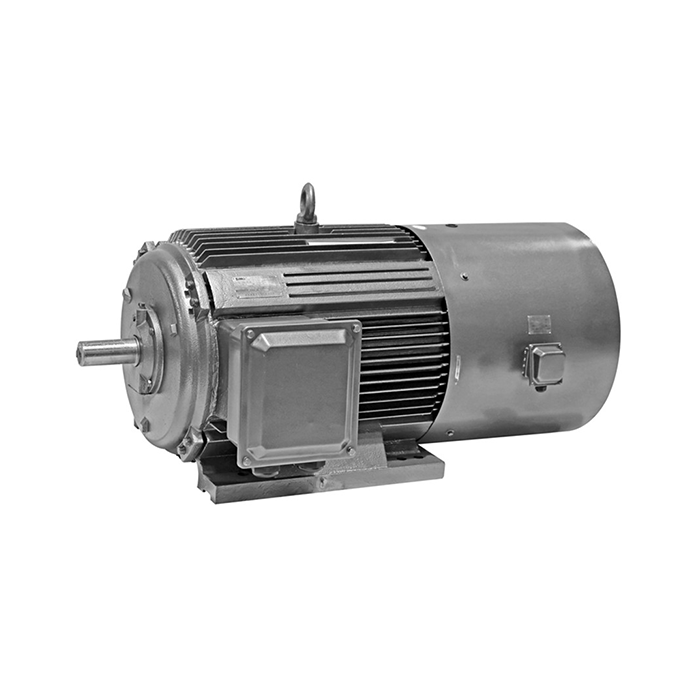
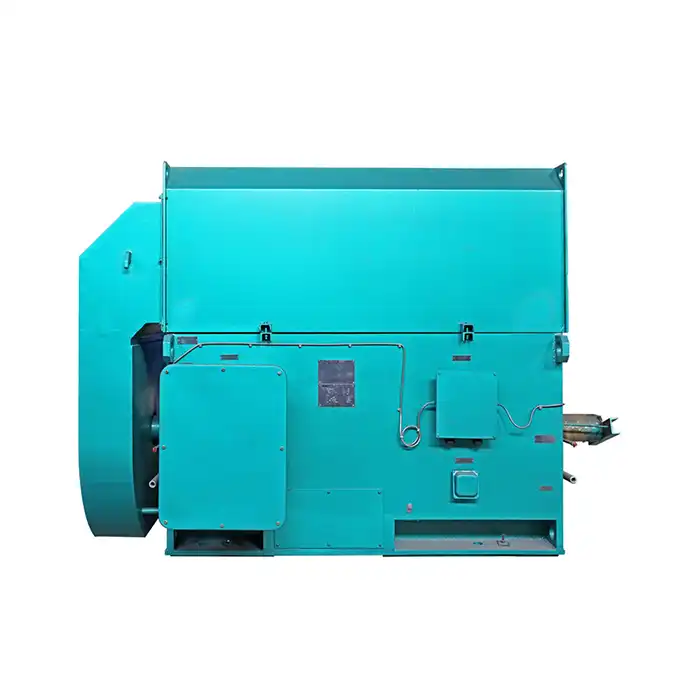
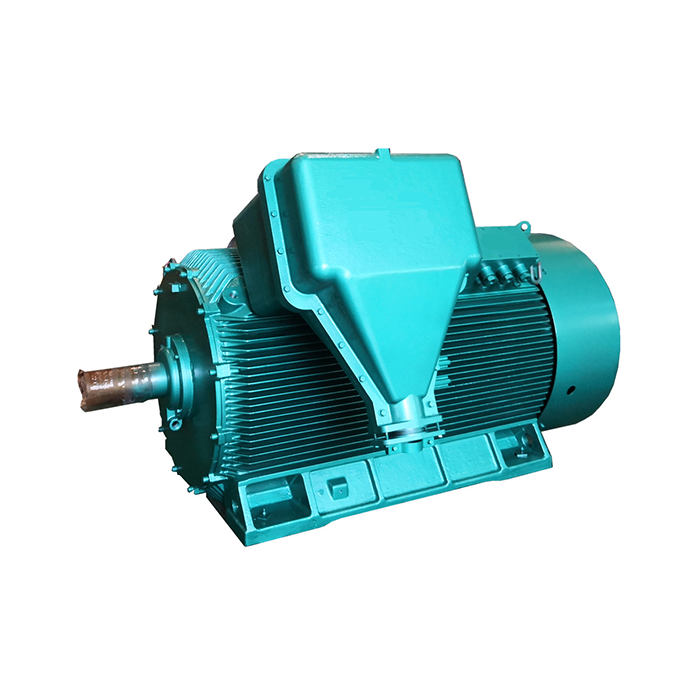
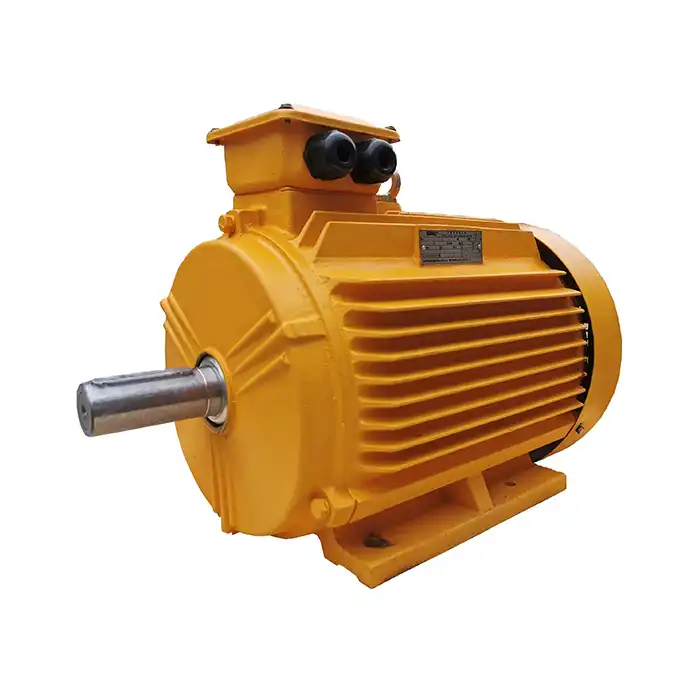
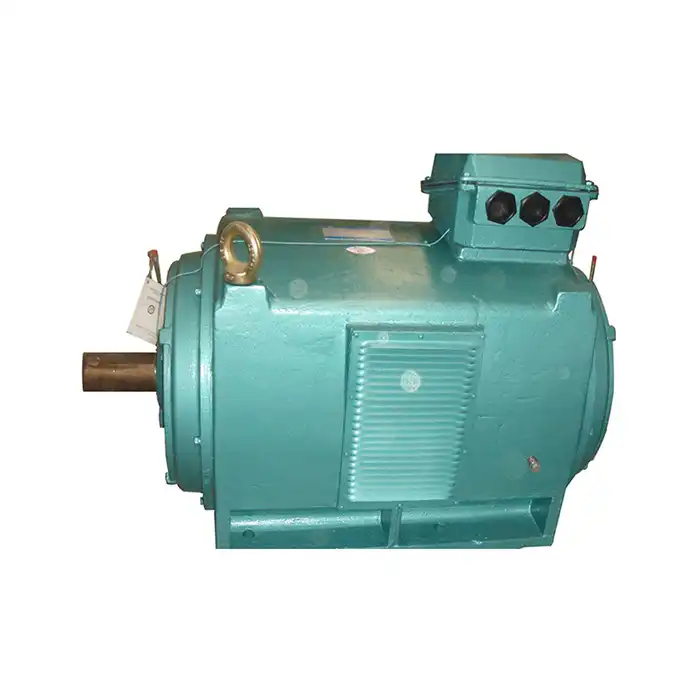
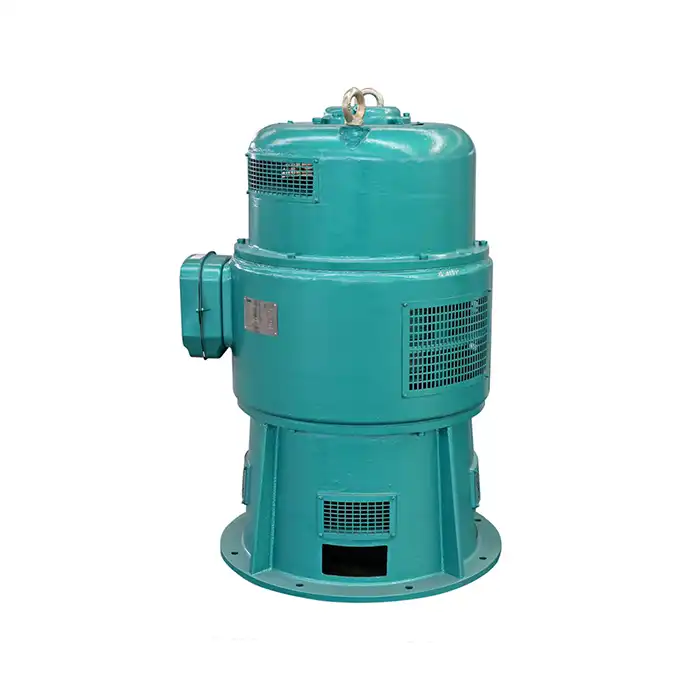
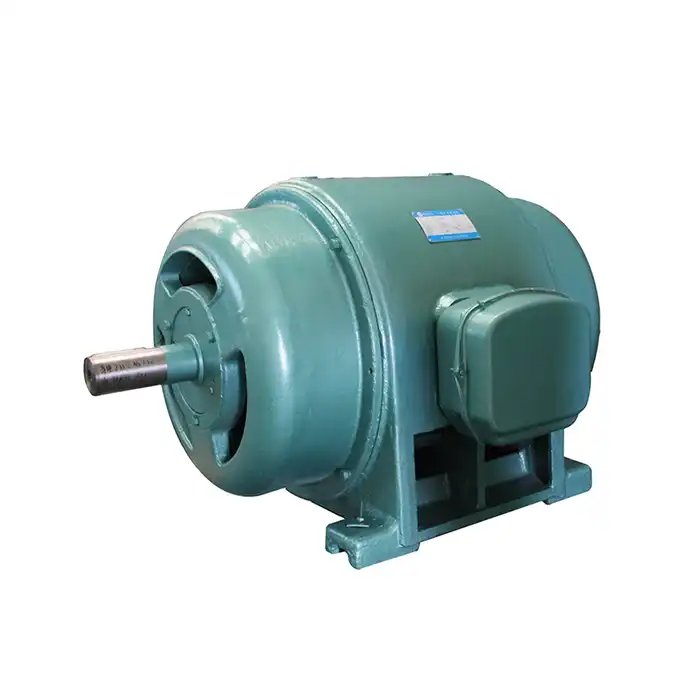
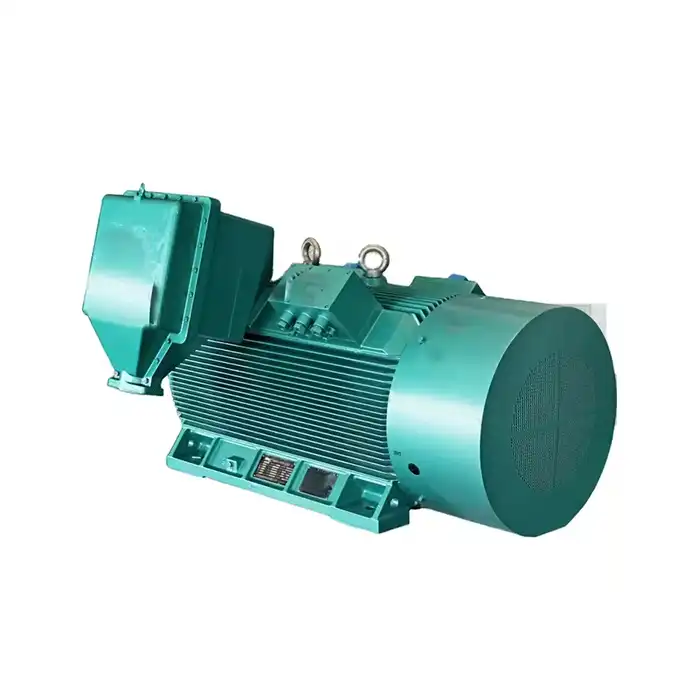
Series:YE5
Frame number: 80-450
Power range:0.75-1000kW
Protection level:IP55
Energy efficiency class: IE5
Voltage range: 380V,400V,415V, 660V,etc.
Application:can be used in various fields of the national economy, such as machine tools,water pumps,fans,compressors,and can also be used in transportation, mixing, printing, agricultural machinery, food and other occasions that do not contain flammable, explosive or corrosive gases.
Certificate: international standard IEC60034-30 "Efficiency Classification of Single-speed Three-Phase Squirrel Cage Induction Motors".
Advantage:The high quality of the electric motor guarantees high operational reliability.
Others: SKF, NSK, FAG bearings can be replaced according to customer requirements.
Understanding IEC LV Motors and Their Impact on Industrial Efficiency
What Defines Low Voltage Motors Under International Standards
Low voltage motors work with voltages between 380V and 690V, and are made to meet the requirements set out in IEC 60034-30. These motors turn electricity into spinning force that powers pumps, fans, compressors, and transport systems. They are the mechanical heart of industrial systems. The international approach, as opposed to regional standards like NEMA, makes sure that dimensions are the same and performance can be predicted across all global supply chains (International Electrotechnical Commission, 2024]1.
Standardization is shown by the YE5 series, which has frame sizes from 80 to 450 and power rates up to 1000 kW. Each unit has IP55 protection, which keeps dust and water jets from getting into the internal parts. This is very important in industrial settings where pollution can shorten the life of equipment. Voltage options of 380V, 400V, 415V, and 660V allow for a variety of power infrastructures to work without having to make expensive electrical changes.
Motor Types and Industrial Applications
Industrial setups mostly use squirrel cage induction motors because they are strong and don't need much upkeep. Because these motors don't have brushes or slip rings, they have fewer places where they wear out and need to be serviced more often. The three-phase design gives them smooth torque across the operating range, so they can be used in water treatment plants, textile mills, and food processing facilities for continuous duty.
These motors are used in factories for machine tools where accuracy is important. A motor that isn't properly defined causes shaking and speed changes, which directly affects the quality of the product. In chemical processing, they are used in mixing equipment because they work reliably and stop batch failures and production delays. The weather-resistant design and excess capacity of these motors make them useful for agricultural equipment, especially irrigation pumps and food handling systems.
How Energy Efficiency Ratings Transform Operational Costs
Under IEC 60034-30, energy efficiency levels go from IE1 to IE5, and each level shows a measurable improvement in the conversion of electricity to mechanical energy. IE5-rated motors, which are the highest standard currently available, keep energy losses to a minimum by using luxury conductor materials, improved magnetic circuit design, and advanced cooling designs. These efficiency gains add up to big cost cuts for a building that runs multiple motors around the clock (De Almeida et al., 2023)[2].
Think about a normal pumping station that has ten 75 kW motors that are always running. By going from IE3 to IE5 efficiency, about 20% less energy is used by each motor. This saves tens of thousands of kilowatt-hours over the course of a year, which has a direct effect on operating budgets. The initial investment in more energy-efficient motors usually pays for itself in two to three years through lower power bills. This is before you even consider the longer life of the equipment and lower cooling needs.
Key Performance Factors for Optimizing Motor Efficiency
Efficiency Ratings and Their Real-World Impact
Standardized benchmarks for measuring motor speed are provided by the IE-code system. In many operating ranges, IE5 motors are more than 96% efficient, which means that less than 4% of the energy they take in is lost as heat. This efficiency stays the same even when the load changes, which is different from past designs that lost a lot of efficiency when they were only partially loaded.
Lower working temperatures are directly linked to higher efficiency. When motors run cooler, the insulation lasts longer, the bearings last longer, and the windings last longer. When facilities move to high efficiency motors, maintenance times get 30–40% longer, which cuts down on both planned downtime and emergency repair costs. The bearing choices, such as changes to SKF, NSK, or FAG parts, make the machines even more reliable in tough situations where they need to keep running all the time.
Starting Methods and Their Influence on System Performance
Direct-on-line starting sends full voltage to the motor windings right away. This makes the starting torque as high as possible but also creates a lot of inrush current. This current spike, which is usually six to eight times the normal running current, puts a lot of stress on the electrical distribution systems and can cause voltage drops that hurt equipment nearby. Star-delta starters avoid this problem by joining the windings in a star pattern at first. This lowers the starting current to about one-third of direct-on-line values before switching to delta for regular operation.
Soft starters let you control the voltage ramp-up electronically, which lets you set different acceleration profiles that protect driven equipment from mechanical shock. Variable frequency drives are the most advanced way to start a motor because they can precisely control the speed from 0 to full speed by changing both the voltage and the frequency. VFDs save energy by matching motor speed perfectly to process needs. For example, a centrifugal pump running at 80% speed uses about half as much power as one running at full speed, but it can still meet lower flow needs (Saidur, 2010][3].
Speed Control Technologies and Energy Management
Changing the motor speed to meet changing output needs is often needed to optimize a process. When flow is controlled by valves or dampers, the old way of throttling wastes energy because motors have to work against artificial resistance. Variable frequency drives get rid of this waste by directly lowering the motor speed, which lowers the amount of energy needed in proportion to the lower mechanical output.
This benefit is easily shown by an air fan system. The motor still runs at full speed, so lowering the airflow by 20% through the damper control doesn't save much energy. Following the affinity rules for spinning equipment, using a VFD to slow down the fan by 20% cuts energy use by almost 50%. This ability to control also makes equipment last longer by lowering sound and mechanical stress during operation and starting.
Maintenance and Troubleshooting for Prolonged Motor Performance
Preventive Maintenance Protocols for Maximum Reliability
Unexpected failures that mess up production schedules and cost a lot to fix can be avoided with scheduled maintenance of lv motors. Visual checks are done once a month to look for strange vibrations, too much noise from the bearings, or odd working temperatures. Manufacturers recommend lubricating every three months, but the exact timing depends on the type of bearing and the temperature and humidity in the area. Using a megohmmeter to test the insulation resistance once a year can find winding damage before it leads to a catastrophic failure.
Thermal imaging scans find problems that are getting worse that can't be seen with a normal check. If you see hot spots on the motor frames, that means there are problems inside, like an imbalanced phase, stopped airflow, or worn bearings. Vibration analysis finds mechanical issues like imbalance, unbalance, or worn bearings so that they can be fixed during regular maintenance windows instead of having to be fixed during unplanned downtime. When these diagnostic methods are used consistently, they make motors last much longer than the nameplate says they should while keeping them working efficiently.
Common Faults and Diagnostic Approaches
Electrical problems usually show up as burning, unusual current draw, or not starting at all. Measurements of winding resistance between phases should show balance within a range of 1% to 2%. Differences larger than this could mean that there are turn-to-turn shorts or an imbalance of the phases. The insulation resistance between the windings and the frame should be higher than 1 megohm per kilovolt of rated voltage. Lower readings mean that there is moisture contamination or insulation degradation that needs to be fixed right away (Chapman, 2005][4].
Noise patterns that are specific to mechanical problems are common. When bearings fail, they make noises like grinding or squealing. When rotor bars fail, they make a unique low-frequency rumble. Misalignment of the couplings causes axial and radial vibration patterns that can be seen with handheld analyzers. If you fix these problems right away, you can avoid more damage. For example, a failed bearing can damage the windings if metal bits get inside the motor, turning a simple bearing replacement into a full motor reset.
Standards Compliance and Safety Considerations
The IEC 60034 guidelines set limits on temperature rise, safety levels, and testing procedures to make sure safe use in a wide range of situations. IP55 protection stops dust from building up and stops water jets from cleaning operations. This is very important in industries like food processing and pharmaceutical manufacturing where cleanliness rules require frequent cleaning. Compliance documentation makes it possible to track quality systems and government checks. This is especially important for equipment that is sent to markets in Europe and Australia that have strict safety rules.
Proper grounding and defense against overcurrent are still basic safety standards. Motors need to be connected to protective earth wires that are the right size for the supply line. Overload switches should trip between 105 and 120% of the full-load current listed on the relay. Undervoltage protection stops restarting after the power goes out, so unexpected startup risks are avoided. These safety measures, which are spelled out in installation standards, keep both people and equipment safe.
Comparing Motors: Making the Right Choice for Your Industrial Needs
Evaluating Motor Options for Specific Applications
The right motor specs are based on the needs of the application. Motors that deliver constant torque across the speed range are perfect for loads with constant torque, like positive-displacement pumps and conveyors. Motors that are optimized for VFD operation work better with variable-torque loads like centrifugal pumps and fans. Better insulation systems protect against the voltage stress from fast-switching inverters.
Protection and building decisions are affected by the environment. Coastal systems need extra protection against corrosion, like special coatings or tools made of stainless steel. Places higher than 1000 meters need to have their ratings lowered to account for the fact that cooling works less well in thinner air. When the temperature outside is more than 40°C, motors with better insulation classes (Class F or H ratings) are needed to make sure there are enough thermal reserves for when they are working at their best.
Supplier Selection Criteria for Procurement Teams
Procurement teams should verify certifications, standardized efficiency testing, reliable lead times, and customization capabilities. CE and UKCA certifications confirm market compliance, while IEC standards support verifiable motor performance data. Suppliers with strong inventory, flexible customization, prompt responses, and effective technical solutions can reduce project delays and better meet application requirements.
Total Cost of Ownership Analysis
The cost to buy a motor is only a small part of how much it will cost over its lifetime. Energy use makes up most of operating costs, which usually go over the initial cost of the equipment within the first year of use. At $0.12/kWh, a 100 kW motor that runs for 8,000 hours a year uses about $96,000 worth of energy. This means that small differences in efficiency are much more useful than small differences in purchase price. Total ownership costs are also affected by maintenance costs, which include parts, staff, and downtime.
Dependability has a direct effect on the continuity of production. Unplanned downtime in businesses with a continuous process can cost thousands of dollars an hour in missed output, wasted materials, and faster shipping fees to keep customers happy. These risks are lower when motors come with full warranties and quick technical support. XCMOTOR offers dedicated support seven days a week, so technical questions are always answered quickly, no matter when problems happen. This support infrastructure, along with 30-day return policies, lowers the risk of buying motors for important applications.
How to Procure Motors for Maximum Value and Efficiency
Specification Verification and Compatibility Confirmation
Specification paperwork for iec low voltage motors is the first step in the procurement process. Application experts should make sure that the power needs are met, including the maximum output, speed, torque, and duty cycle. Mounting arrangements must match the supports that are already there or the plans for new installations. The measurements of the shaft, the keyway specs, and the coupling requirements make sure that the mechanical fit with the driven equipment is met.
Voltage and frequency must match the electricity system of the building. Motors can handle small changes in voltage (about 10% of the nameplate rating), but big differences need to be isolated by a transformer or a different motor must be chosen. Changes in frequency affect synchronous speed. For example, a 50 Hz motor works 20% slower when powered by 60 Hz power unless it was designed to work with both frequencies. The technical requirement description is finished with environmental specs like the range of temperatures, the height, and the level of protection.
Certification and Documentation Requirements
Equipment makers that focus on exports have to follow strict rules. European markets require CE marking to show that the product meets the requirements of the Low Voltage Directive and the EcoDesign rules that govern motor efficiency. The following should be in documentation packages:
A declaration of conformity that says the product meets all the requirements set by regulations, technical drawings that show the product's dimensions and how to mount it, test certificates that prove the product's performance and efficiency ratings, and installation guides with diagrams for connecting parts and setting them up. This paperwork helps with the approval process for tools and meets the technical review needs of the customer. Missing or incomplete paperwork slows down projects and puts sellers of tools at risk of not following the rules.
When looking for motors for ongoing production, quality consistency is important. Changes from batch to batch in efficiency, noise levels, or physical standards make applications harder to use and make inventory more complicated. Suppliers with ISO 9001 certification offer structured quality control that lowers the risk of variation. Tracking production with serial number systems lets you handle warranties and look for patterns of faults when problems happen.
Building Strategic Supplier Relationships
Long-term relationships with dependable auto sellers offer more than just saves on individual transactions. Framework agreements set stable prices, make sure that supplies are distributed fairly, and allow for customization to meet the needs of specific applications. Volume agreements let sellers figure out the best amount of goods to keep on hand, which cuts down on wait times and makes delivery more reliable.
Working together on technical issues helps choose the best motor for new uses. Experienced suppliers bring application knowledge they've gained in a variety of industries, which can help procurement teams find ways to improve efficiency or reliability that they might not have thought of. With this consultative approach, suppliers go from being basic sellers to expert tools that help with efforts to keep getting better. As a result of its partnerships with more than 30 motor manufacturers, XCMOTOR offers a wide range of products and the technical know-how it has built up over 20 years of serving industrial customers around the world.
Conclusion
Improving industrial performance depends on choosing iec lv motors that matches the needs of the job with tried-and-true technology. Motors that meet international standards work reliably and meet standards for energy use that are getting stricter. The different needs of modern production, processing, and infrastructure operations are met by IE5 efficiency scores, IP55 security, and a range of voltage choices. To be successful at procurement, you need to weigh the initial costs against the costs of ownership over time, giving priority to suppliers who can show technical competence, consistent quality, and quick support. The guide's specs and capabilities give you a way to look at different motor choices and supplier partnerships that make your business more efficient while keeping costs low.
FAQ
1.What applications suit the YE5 series motors?
In chemical, metallurgical, water treatment, building materials, and general machinery settings, these motors power fans, pumps, compressors, elevators, and tools for moving materials. The IP55 protection and strong construction make it suitable for harsh industrial settings where dirt and changes in temperature can make equipment less reliable.
2.How do international motor standards differ from regional alternatives?
IEC standards set the tolerances for dimensions, the methods for measuring efficiency, and the performance levels that are accepted around the world. This makes it easier to buy things from other countries and integrate tools from different countries. Regional standards, like NEMA, use different frame size names and efficiency metrics, which means that replacing motors in standard systems might need mechanical changes. This standardization is especially helpful for companies that make equipment for markets in more than one area.
3.Can bearing specifications be customized for specific operating conditions?
When you upgrade your bearings to high-quality brands like SKF, NSK, or FAG, they can handle heavy loads, high temperatures, or dirty environments. You can also change lubrication methods. For example, automatic greasers can extend the time between service visits in remote or hard-to-reach locations where human upkeep isn't possible.
Partner with a Trusted Motor Supplier for Your Next Project
XCMOTOR specializes in providing certified three-phase iec lv motors that meet IEC 60034-30 standards. They offer full technical help to make sure that the specifications you need for your industrial uses are met. Our YE5 series motors are as efficient as IE5 motors while still meeting the safety standards and dimensions needed in the European and Australian markets. We can handle requests for customization, such as upgrades to bearings, changes to voltage, and neutral packaging that helps your equipment fit in and meet your branding needs.
When procurement teams work with XCMOTOR, all orders ship for free, returns are easy to make within 30 days, and expert help is available on the weekends. Because we work with many manufacturers, we can get real parts at low prices without sacrificing quality or safety documentation. You can email our team at xcmotors@163.com to talk about your motor needs, get detailed specs, or get quotes for projects you have coming up. Visit motorxc.com to see our full line of products and learn how working with an experienced motor supplier can help you save time and money when buying things.
References
1. International Electrotechnical Commission. (2024). IEC 60034-30-2: Rotating electrical machines – Part 30-2: Efficiency classes of variable speed AC motors (IE-code). https://www.iec.ch/
2. De Almeida, A. T., Ferreira, F. J., & Fong, J. A. (2023). Standards for super-premium efficiency class for electric motors. IEEE Transactions on Industry Applications, 59(4), 4753-4761. https://ieeexplore.ieee.org/
3. Saidur, R. (2010). A review on electrical motors energy use and energy savings. Renewable and Sustainable Energy Reviews, 14(3), 877-898. https://www.sciencedirect.com/
4. Chapman, S. J. (2005). Electric machinery fundamentals (4th ed.). McGraw-Hill. https://www.mheducation.com/
5. Waide, P., & Brunner, C. U. (2011). Energy-efficiency policy opportunities for electric motor-driven systems. International Energy Agency. https://www.iea.org/
6. European Commission. (2019). Commission Regulation (EU) 2019/1781 on ecodesign requirements for electric motors and variable speed drives. Official Journal of the European Union. https://eur-lex.europa.eu/