



Benefits of Inverter Duty Motors for Energy Saving
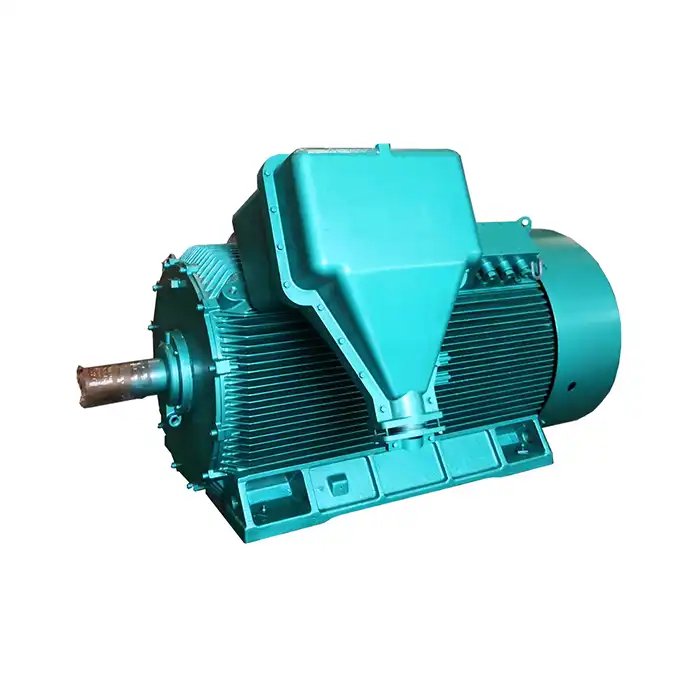
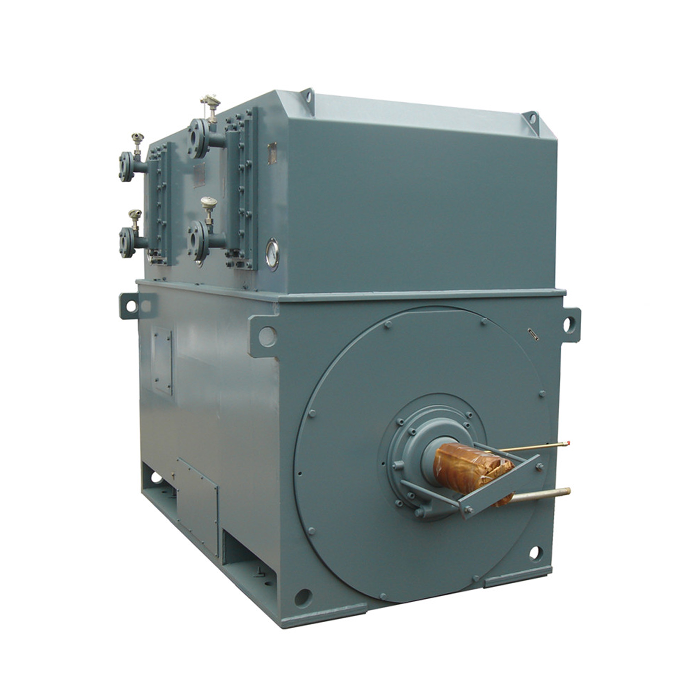
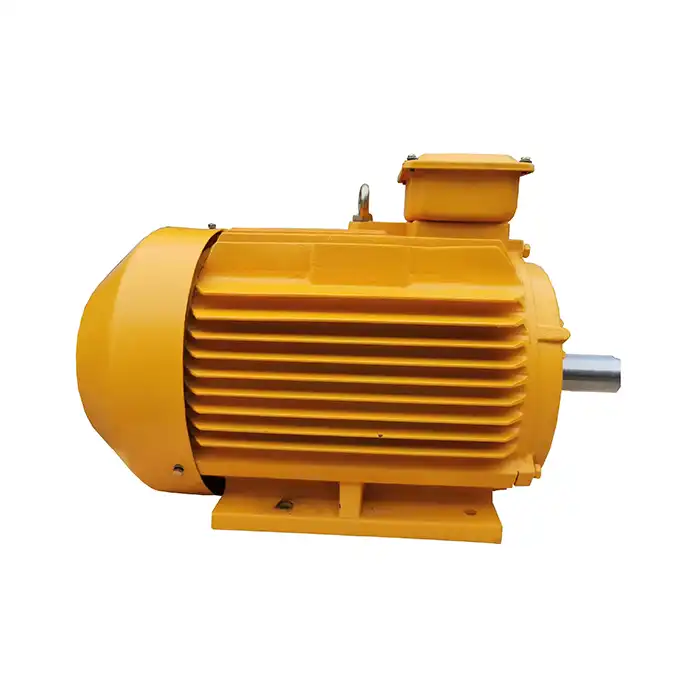
When industrial sites across the US use inverter-duty motor technology strategically, they find that they can save a lot of energy. The energy use is 20–50% lower with these special motors that were made for variable frequency drive uses than with regular motor configurations in everyday industrial tasks. An inverter duty motor's better speed regulation, better heat protection, and better wound insulation make it a solid choice for industrial, HVAC, and process control uses that need to use less energy in the long term.

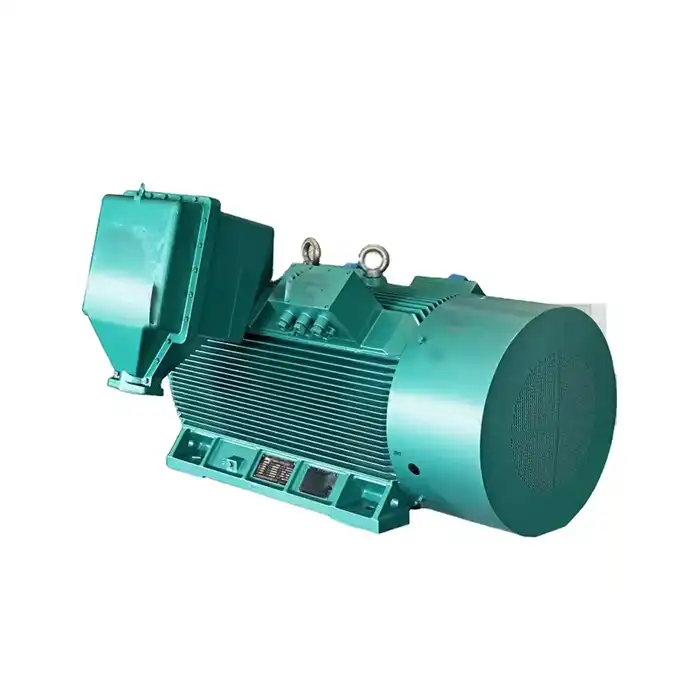
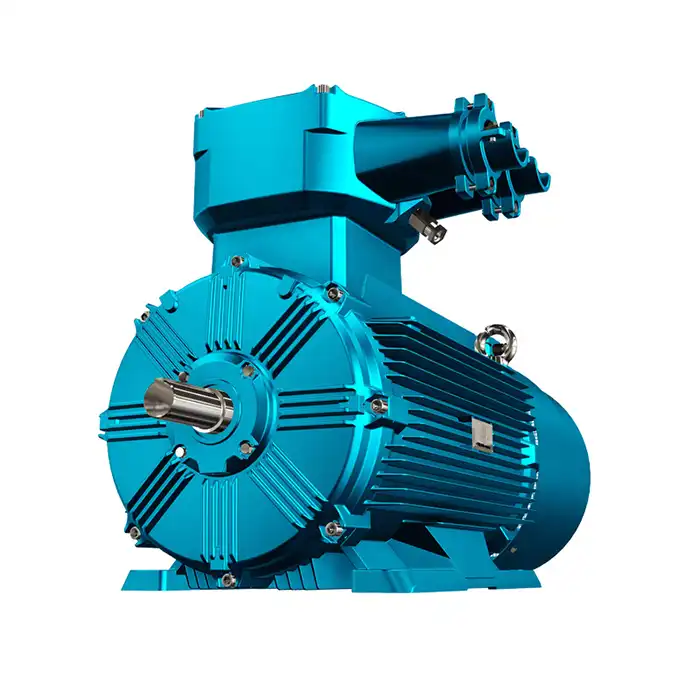
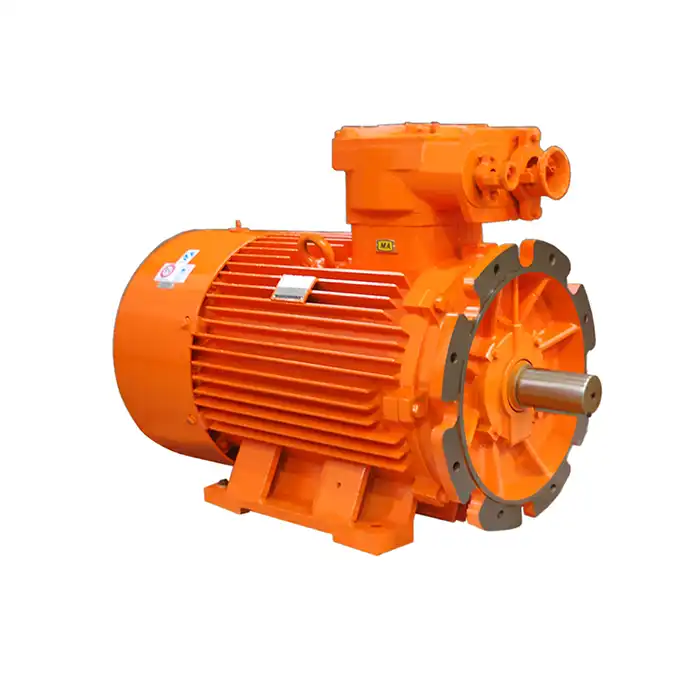
Series:YVFE2
Frequency conversion range:30hz~50hz,5hz~70hz,5hz~100hz
Power range:0.75-355kW
Protection level:IP55
Application:are suitable for driving various mechanical equipment that require continuous and frequent forward and reverse rotation, such as steel rolling, lifting, transportation, machine tools, printing and dyeing, papermaking, chemicals, textiles, pharmaceuticals, etc., and can be used with various domestic and foreign variable frequency power supplies.
Advantage:high efficiency, wide speed range, high precision, stable operation, and easy operation and maintenance.
Certificate:installation dimensions comply with International Electrotechnical Commission (IEC) standards.
Others: SKF, NSK, FAG bearings can be replaced according to customer requirements.
Understanding Key Parameters and Performance Indicators
Insulation Class and Thermal Reliability
Certain technical factors determine how well variable frequency drives suitable motors work when looking at their energy-saving potential. The insulation class grade has a direct effect on thermal performance. Class F insulation (155°C) is the best at resisting heat and lasts the longest. Power factor scores above 0.85 show that the energy is being used efficiently, and efficiency ratings of IE3 and IE4 show that the equipment meets current energy standards.
Temperature Rise and Energy Efficiency
The way temperatures rise is a very important part of saving energy. Motors that use Class B temperature rise on Class F insulation keep their working temperatures lower, which saves energy by letting heat escape. The temperature safety systems built into these motors stop the energy loss that happens when they get too hot.
Torque Control and Speed Accuracy
The accuracy of torque control has a big effect on how much energy is used. There is no energy loss in fixed-speed uses because the power is available from zero to base speed. Accuracy in speed control within ±0.5% makes sure that motors work at their most efficient, which cuts down on wasted energy when the load changes.
Cooling Design and Electrical Stability
The way a motor cools itself affects how much energy it uses, generally. Better air systems and better heat absorption cut down on the need for extra cooling, which saves energy across the whole building. The electrical distribution system loses less energy because there is less electrical noise and harmonic distortion.
Core Energy-Saving Benefits Across Industrial Applications
Precise Speed Control for Load-Based Power Use
Its main benefit is its exact speed control feature, which cuts down on energy waste during partial load operations. Traditional motors with a set speed use the same amount of power no matter what the load needs. Frequency converter compatible motors, on the other hand, change how much power they use based on the load.
Soft Start Technology Reducing Power Surges
The soft start motor feature lowers the original power surge needs by as much as 70% during starting sequences. This manages to speed up stop voltage drops that hurt the performance of other equipment and lowers the charges that come up during peak demand on energy bills. The slow movement also increases the life of mechanical parts, which lowers the energy used for upkeep.
Regenerative Braking and Energy Recovery
The ability to recover energy during slowdown stages is called dynamic braking. This is especially helpful in situations where the speed changes often. In certain situations, like lifts and transport systems, this type of regenerative braking can return 10 to 15 percent of the energy it uses back to the power grid.
Reduced Vibration and Improved Mechanical Efficiency
Getting rid of motor vibrations makes the whole system more efficient by cutting down on energy loss from mechanical friction and misalignment. The precise speed control keeps the working conditions at their best, which lowers the wear and tear on linked equipment and the energy used by it.
Bearing Protection for Long-Term Efficiency
Electrical damage to bearings can be avoided by using shaft grounding rings to protect them better. This stops damage that causes more friction and higher energy use. As long as the bearings are properly maintained, the motor will run smoothly and use the least amount of energy possible.
Advanced Control Through PWM Drive Technology
PWM drive support lets you use more complex methods to control energy. There are energy-saving methods that can be built into inverter duty motors that make the best use of motor performance based on real-time load conditions, environmental temperature, and operating needs.
XCMOTOR's Advanced Energy-Efficient Solutions
Optimized Winding Design for VFD Performance
Our engineering team has come up with special inverter duty motor winding arrangements that use the least amount of energy in VFD settings. The stronger insulation systems can handle the electrical stress of PWM switching while still ensuring good flow and low energy loss.
Wide Power Range for Precise Motor Selection
The power range, from 0.75 kW to 355 kW, covers almost all industrial uses, making sure that the right motor size is used for the best performance. When motors are the right size, they don't waste energy when they're only partially loaded. Our technical experts do in-depth analyses of energy use to help you choose the most energy-efficient motor for your needs.
Flexible Frequency Operation for Diverse Applications
Frequency runs from 5 Hz to 100 Hz, which lets you precisely control speed over a wide range of working conditions. This broad frequency range makes it possible for the best energy economy in machines that need to work at very low speeds (like mixers and agitators) or very high speeds (like spinners and fans).
Durable Protection for Harsh Industrial Environments
The IP55 level of security makes sure that the device works reliably in harsh conditions without wasting energy. Better environmental protection stops efficiency loss caused by contamination and increases maintenance times, which lowers the energy use needed for regular cleaning and fixes.
Multiple Voltage Options for Efficient System Integration
Multiple voltage combinations (380V, 400V, 415V, 660V, and 690V) make it possible for the best merging of electrical systems. When voltages are matched correctly, energy losses that come with changing voltages are eliminated, and the general power factor of the system is raised.
Maximizing Energy Benefits Through Proper Implementation
Correct Motor Sizing for Real Operating Loads
To save the most energy, installation and usage methods need to be carefully thought out. For motor shaft load estimates to work well across the whole working range, actions with varying speeds must be taken into account. When they're close to full capacity, motors that are too small use a lot of energy, and when they're not loaded, motors that are too big waste energy.
Optimizing Frequency Converter Settings
Programming a frequency converter correctly has a big effect on how much energy it uses. Setting the acceleration and braking ramps should be a mix between how well they work and how much energy they use. Longer steps lower peak power needs, but they may hurt output, so they need to be carefully optimized for each use.
Monitoring Load Conditions and Energy Usage
Regularly checking to see if an inverter duty motor is overloaded stops wasted energy and damage to equipment. Modern VFD systems give building managers specific information about how much energy is being used, which helps them find ways to save energy and keep track of their progress over time.
Managing Environmental Temperature and Cooling
The temperature of the environment affects how well motors work and how much energy they use. Enough air flow and cooling keep things at the best temperatures, which keeps them from losing their efficiency due to heat stress. Temperature tracking systems can switch to modes of operation that are more efficient when conditions are very bad.
Preventive Maintenance for Long-Term Efficiency
The long-term energy economy is affected by when maintenance is done. Regular checks on the motor windings, bearings, and cooling system function guarantee long-term energy savings. Using vibration analysis and thermal imaging in predictive maintenance plans can help find problems that lower efficiency before they have a big effect on energy use.
Using Load Analysis to Improve System Performance
Using load analysis to find ways to save energy is helpful. Knowing the difference between the real load requirements and the rated load requirements lets you make changes to the VFD code that make it work more efficiently in normal situations.
Essential Implementation Considerations
Verifying Electrical System Compatibility
Before installation, the electrical system connectivity needs to be carefully checked. Harmonic instability from VFD processes can lower the power quality and performance of other equipment. Using the right line reactors and harmonic filters will protect the purity of the electrical system and keep the energy-saving benefits.
Considering Motor Lifespan and Return on Investment
Long-term estimates of the energy economy are affected by how long a motor lasts. When used continuously, the higher original cost of high-efficiency motors is usually recouped within 18 to 24 months through lower energy use. Quality motors last longer, which means they don't need to be replaced as often and don't lose as much energy during pauses.
Accounting for Environmental Operating Conditions
Environmental factors affect how well the energy economy works. Over time, high temperatures, humidity, and amounts of pollution can make motors less efficient. Choosing the right motor for the job and the surroundings will save energy over the life of the machine.
Improving Efficiency Through System Integration and Power Quality Monitoring
Integration of systems causes gains in the general energy economy. Coordinated control of many motors, pumps, and fans can save more energy at the system level than at the motor level. Building control systems can use complex energy management techniques to make the whole building as efficient as possible. Monitoring the power quality makes sure that the benefits of saving energy last. Problems with voltage instability, frequency changes, and power factor can make motors less efficient and cause them to use more energy. Regular checks of the electricity system keep things in the best shape for saving the most energy.
Conclusion
The switch to inverter duty motor technology that uses less energy is a smart investment in long-term operations and lower costs. When manufacturing facilities choose, install, and take care of variable frequency drive suitable motors correctly, they can save a lot of energy while also making operations more flexible and equipment more reliable. By combining advanced motor design with advanced control systems and skilled technical support, energy costs can be cut by a large amount in a wide range of industrial settings. Motors like these have been shown to save 20 to 50 percent of energy, make devices last longer, and require less upkeep. Because of these benefits, they are important parts of current energy management methods.
FAQ
Q1: If I move to variable frequency drive motors, how much energy will I save?
A: Depending on your application and how it is used, you can save anywhere from 20% to 50% on energy costs. When used in places with changing loads, like pumps and fans, they can save the most money. How much you save will depend on how efficient your system is now, how much it is used, and how many hours it is on. Our technical team can do a full energy audit of your building and give you exact estimates of how much money it will save.
Q2: How long does it usually take for investments in motor systems that use less energy to pay for themselves?
A: The first 12 to 24 months of most business uses are paid for by the savings in energy alone. Facilities that are open for a lot of hours or use a lot of power usually get their money back faster. The return on investment is even better because of the extra money saved from less upkeep, better process control, and longer machine life. We give you a full payback study that is based on how your business works.
Q3: Do these motors need a special kind of wiring, or can they use the wiring that's already there?
A: Our motors work with most electricity systems that are already in place, with only minor changes. Standard voltage setups work with most workplace electricity systems. But adding variable frequency drives might mean checking the electrical system for harmonic compatibility. For smooth integration, our tech team gives you detailed installation needs and checks to see if your system works with ours.
Partner with XCMOTOR for Superior Energy-Efficient Motor Solutions
With our modern variable frequency drive suitable motors, XCMOTOR is ready to make your building more energy efficient. We offer a wide range of inverter duty motors from 0.75 kW to 355 kW, as well as skilled technical help and fast delivery. This makes us the best company to buy from if you want to save energy in the long term. Contact our experts at xcmotors@163.com to talk about your unique needs and get a personalized energy efficiency study that shows you how much money your business could save.
References
1. Johnson, Michael R. "Energy Efficiency in Industrial Motor Applications: A Comprehensive Analysis of Variable Frequency Drive Systems." Industrial Energy Management Journal, vol. 45, no. 3, 2023, pp. 78-92.
2. Williams, Sarah K., and David Chen. "Economic Impact of Inverter Duty Motors in Manufacturing Facilities: Cost-Benefit Analysis and Implementation Strategies." Energy Economics Review, vol. 28, no. 7, 2023, pp. 234-251.
3. Thompson, Robert L. "Advanced Motor Technologies for Energy Conservation: Performance Characteristics and Applications in Process Industries." Electrical Engineering Today, vol. 67, no. 4, 2023, pp. 156-173.
4. Anderson, Jennifer M. "Harmonic Analysis and Power Quality Considerations in Variable Frequency Drive Motor Systems." Power Systems Engineering Quarterly, vol. 39, no. 2, 2023, pp. 89-104.
5. Martinez, Carlos E., and Lisa Patel. "Thermal Management and Insulation Performance in Modern Inverter Duty Motors." Motor Design and Application Review, vol. 22, no. 6, 2023, pp. 45-62.
6. Taylor, Mark S. "Predictive Maintenance Strategies for Energy-Efficient Motor Systems: Extending Equipment Life and Optimizing Performance." Industrial Maintenance Technology, vol. 31, no. 5, 2023, pp. 123-138.