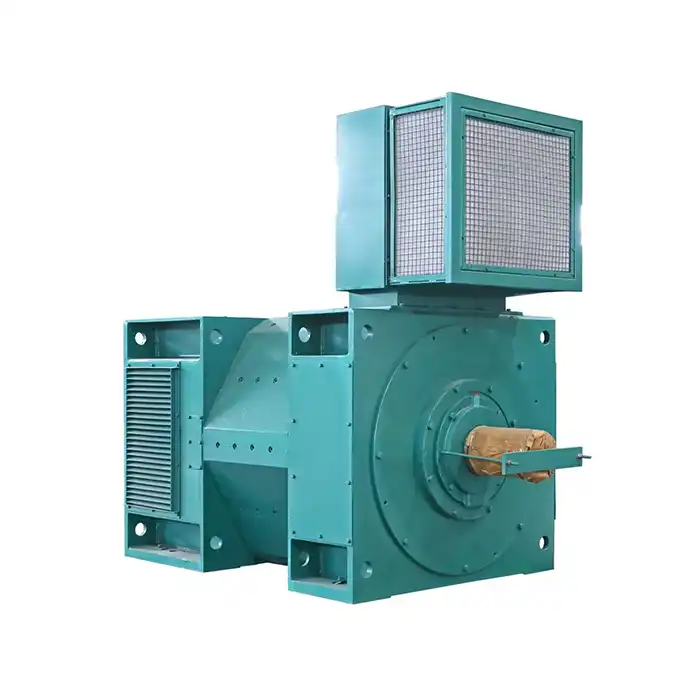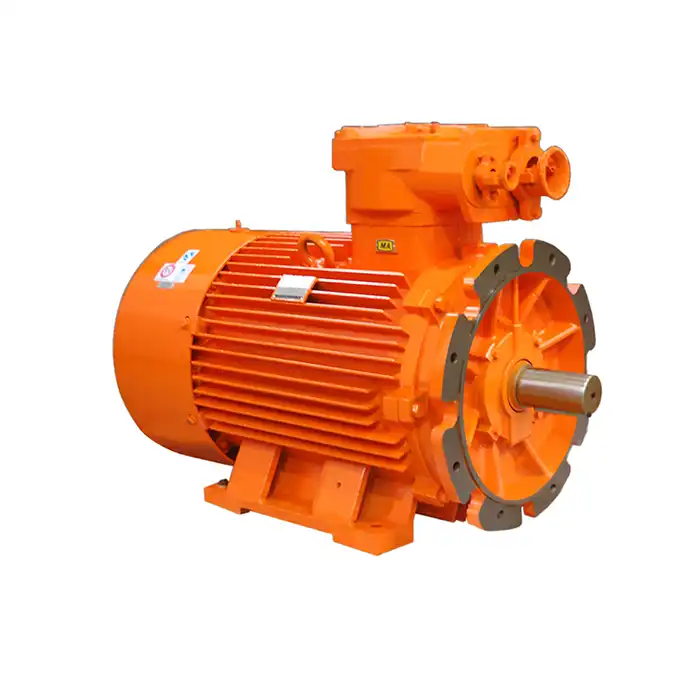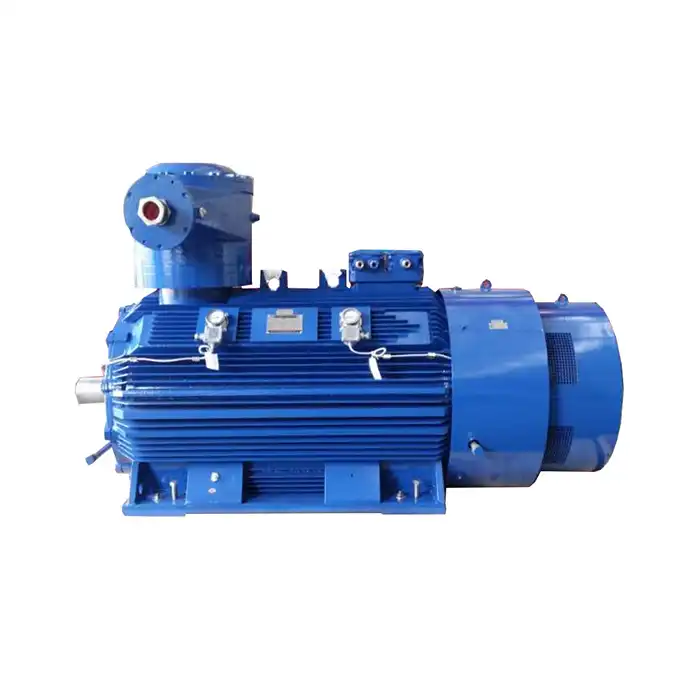




Import Guide for Water Cooled Electric Motors
Importing water cooled electric motor systems from China requires careful consideration of technical criteria, supplier assessment, and compliance standards. High-power industrial applications need these sophisticated thermal management technologies because they dissipate heat better than air-cooled alternatives. Successful procurement, risk reduction, and cost optimization for your cooling system demands requires knowledge of the whole import process, from sourcing to delivery.
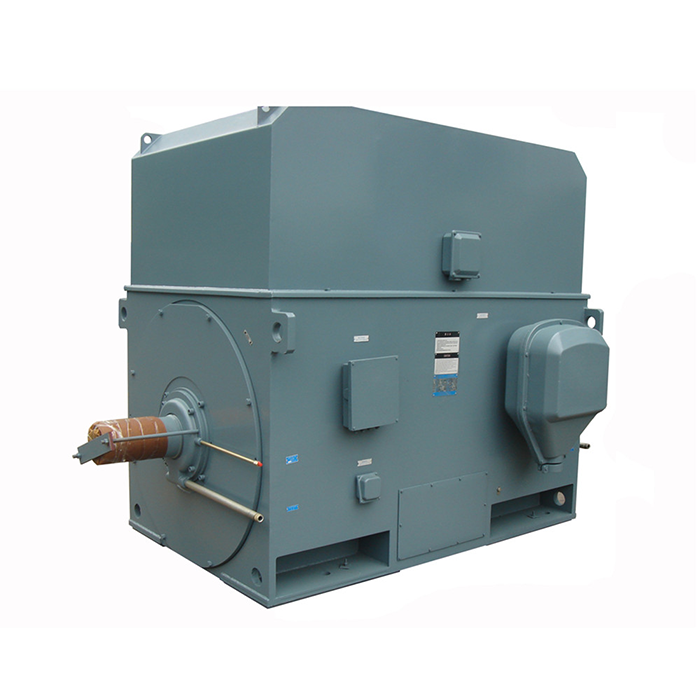
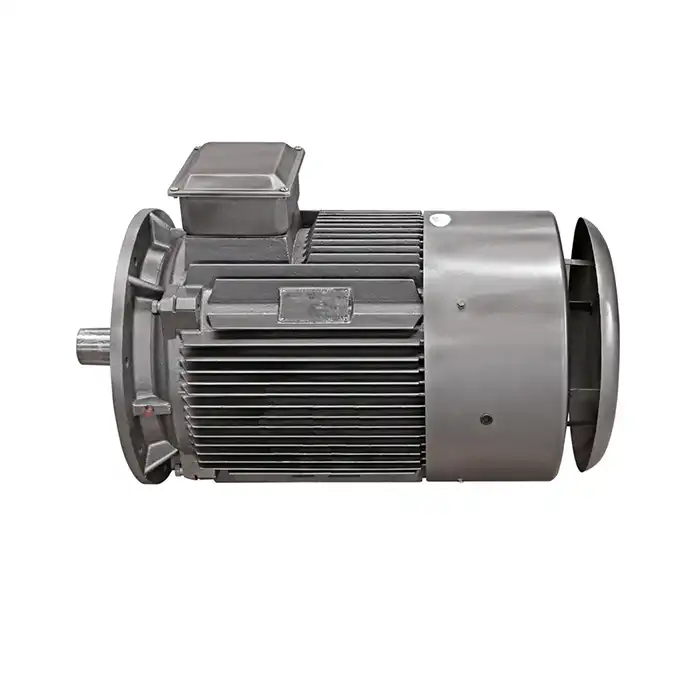
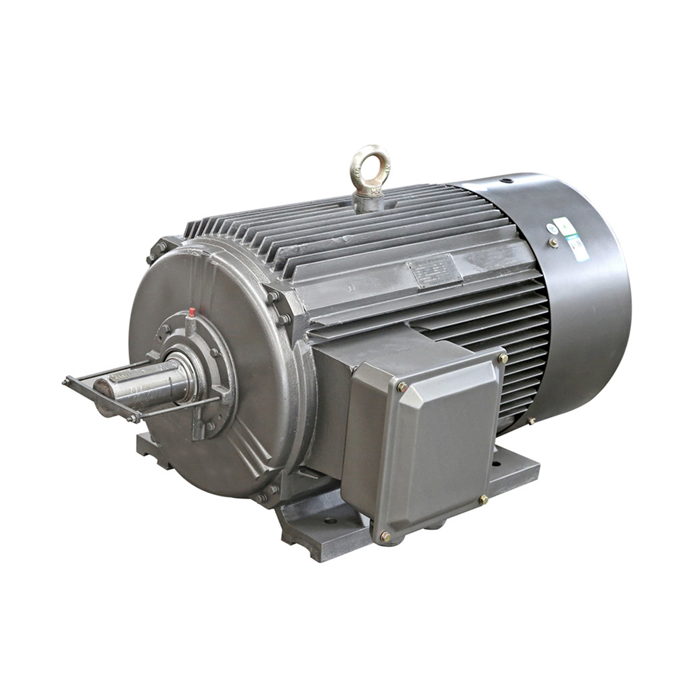
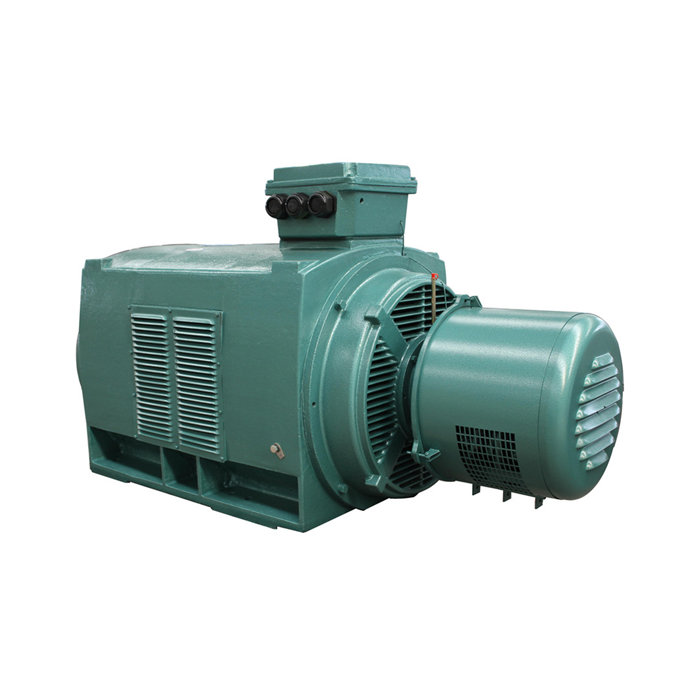
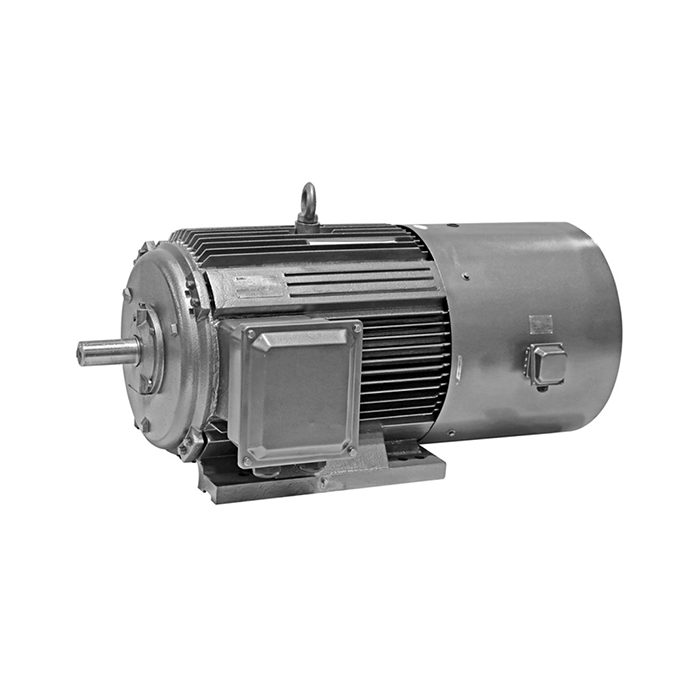
Series:YKS
Protection level:IP54
Voltage range:3000V±5%,3300V±5%,6000V±5%,6600V±5%,10000V±5%,11000V±5%
Power range:220-6300 kW
Application:fans, water pumps, compressors, crushers, cutting machine tools, transportation machinery, etc.
Advantage:low noise, low vibration, long service life, easy installation and maintenance.
Standard: This series of products complies withGB/T 1032 and GB/T 13957 standards.
Others: SKF, NSK, FAG bearings can be replaced according to customer requirements.
Why Source Water Cooled Electric Motors from China?
Manufacturing Excellence and Scale
About 60% of global electric motor output is made in China. The country's strong industrial infrastructure helps liquid cooling technology development, especially for water cooled electric motor applications. Advanced CNC machining centers and automated winding systems are found in Jiangsu, Zhejiang, and Guangdong industrial hubs. Chinese electric motor manufacturers spend over $2.8 billion on R&D. Innovative cooling channel designs, heat exchanger integration, and motor efficiency ratings result from this investment. Many plants have ISO 9001:2015 certification and thermal management component quality management systems.
Cost Structure and Economic Advantages
China offers cost savings beyond first purchases. Chinese producers save money on copper windings and rare earth magnets. Labor efficiency in specialized manufacturing processes and economies of scale provide a competitive price without sacrificing quality. Chinese water cooled electric motors cost 25-40% less than Western ones. In integrated supply chains, manufacturers produce motor core and cooling system components at the same facility or regional network, saving money.
Technological Infrastructure and Innovation
Chinese firms have created advanced water jackets that improve coolant circulation. Computational fluid dynamics modeling assures motor housing temperature uniformity. Precision casting is used in many facilities to create complicated cooling channels that enhance heat transmission and structural integrity. Smart monitoring systems in cooling circuits are a technical improvement. These systems give real-time temperature control feedback for predictive maintenance that maximizes motor longevity and energy savings.
Critical Technical Specifications and Quality Standards
Essential Performance Parameters
Motor power ratings for water cooled electric motor applications vary from 220kW to 6300kW. Typical voltage parameters include 3000V±5%, 6000V±5%, and 10000V±5% for compatibility with diverse electrical systems. IP54 provides dust and moisture protection for most industrial situations. Cooling efficiency measurements are vital to performance assessment. For Class F insulation systems, heat dissipation should keep operating temperatures below 155°C. Coolant flow rates must satisfy motor thermal load requirements, usually 5-50 liters per minute, depending on power output and environmental conditions.
Material Quality and Construction Standards
High-quality bearings underpin steady functioning. Durability and low maintenance are improved by SKF, NSK, and FAG bearings. Stator winding materials must fulfill IEC 60317 thermal conductivity and electrical insulation criteria. For durability, cooling system components need corrosion-resistant materials. Coolant does not degrade stainless steel heat exchangers or copper cooling channels. Sealed motors reduce contamination and optimize thermal management.
Industry Compliance Requirements
Chinese manufacturers must follow GB/T 1032 and GB/T 13957 for water cooled electric motor systems. IEC 60034 series rotating electrical machine certificates are needed for international applications. EMC Directive 2014/30/EU compliance requires CE marking for European market applications. Environmental laws increasingly affect motor design. IEC 60034-30-1 energy efficiency classes impact procurement choices, especially for industrial energy-saving applications. ROHS compliance guarantees worldwide environmental requirements for banned substances.
Navigating Regulations and Compliance Framework
Import Documentation Requirements
A thorough paperwork preparation is necessary for successful water cooled electric motor importation. Commercial invoices must include motor ratings, cooling system specs, and compliance certificates. Auxiliary cooling and installation gear should be included in packing lists. Shipping bills of lading transfer ownership. Under trade agreements, a certificate of origin may trigger favorable tariff treatment. Technical data sheets provide customs officials with particular product details for categorization and duty assessment.
Certification and Testing Protocols
Product conformity with destination market standards is verified by third parties. IEC 60034-1 electrical safety testing verifies insulation integrity and protection class. Thermal performance testing verifies cooling system efficiency at rated load. Quality control at factories is documented by inspection certificates. Production line audits, material traceability, and final product testing should be documented in these certifications. Comprehensive certification records speed up customs processing and eliminate import delays.
Customs Classification and Duty Considerations
Import duty rates for water cooled electric motors are determined by HS code 8501. Power output, voltage, and cooling system integration determine subclassifications. Motor import duties range from 0% to 12% among nations. Duty reductions may result from preferential trade. For qualified electric motor imports, ASEAN trade agreements decrease tariffs. Good paperwork and origin certification maximize duty optimization.
Supply Chain Reliability and Lead Time Management
Production Planning and Scheduling
Water cooled electric motor manufacture takes 8-12 weeks. Peak manufacturing periods might lengthen lead times to 14-16 weeks for high-volume orders. Rush orders cost 15-25% more and take 4-6 weeks to arrive. Especially for specialized cooling system components, component availability affects the production schedule. Custom heat exchangers take 6-8 weeks to make. Pre-ordering components and planning ahead reduces delivery delays.
Quality Control and Inspection Processes
Products function consistently with thorough quality control. Raw material specs and certificates are checked upon arrival. Winding tension control, cooling channel pressure testing, and thermal performance validation are in-process monitoring. Last inspections include electrical testing, mechanical run-in, and cooling system leak identification. High-value orders or essential applications needing utmost dependability benefit from third-party inspection services' independent quality verification.
Logistics and Transportation Considerations
Water cooled electric motor shipment needs particular handling owing to weight and size. Motors above 1000kg need crane loading and may incur excessive shipment costs. Proper packing safeguards cooling system connections and mechanical components during transport. Sea freight is the cheapest way to transport basic items. Shipping is optimized using 20-foot containers that can hold 2-4 big motors, depending on requirements. Despite the higher prices, air freight works for urgent delivery.
Understanding International Trade Terms
Common Incoterms and Responsibilities
EXW (Ex Works) agreements require purchasers to handle logistics from the supplier's plant. Logistics, insurance, and customs clearance are handled by buyers. This setup gives the greatest control but demands logistical competence and local representation. FOB clauses transfer risk when the cargo passes the ship's rail at the departure port. Domestic and export customs clearance is handled by suppliers. International freight, insurance, and customs are the buyer's responsibility. FOB agreements balance risk and cost transparency. CIF (Cost, Insurance, and Freight) quotes include international shipping and basic insurance. Suppliers are responsible until products reach port. Logistics coordination is simplified, insurance coverage and freight route may be limited.
Payment Terms and Risk Management
T/T payments allow bank-to-bank financial transfers with little processing time. Payment plans typically include 30% deposit with purchase confirmation and 70% balance before shipping. This arrangement meets both parties' cash flow needs while securing transactions. Letters of credit secure high-value transactions. Payment upon shipping document compliance is guaranteed by documentary credits. LC processing delays transactions by 2-3 weeks and increases banking costs by 0.5-2%.
Risk Mitigation Strategies
Trade credit insurance covers supplier default and political risks to delivery. Coverage costs 0.3-0.8% of order value and protects against non-delivery. New supplier connections and politically sensitive locations benefit from this insurance. Inspection holdback procedures keep 5-10% of the payment till installation and commissioning. This framework rewards excellent packing and quality control and addresses performance concerns. To compensate for longer payment times, suppliers may raise base prices.
Why XCMOTOR Stands Out as Your Ideal Import Partner
Technical Expertise and Product Range
High-voltage, high-power water cooled electric motor applications from 220kW to 6300kW are XCMOTOR's specialty. Our engineers specialize in thermal management optimization, guaranteeing improved heat dissipation in many industrial applications. Advanced cooling channel designs reduce pump system needs and improve temperature control. Our product line supports industrial electrical systems from 3000V to 11000V. In harsh locations like steel mills, mines, and power plants, IP54 certifications assure reliability. Comprehensive testing ensures performance before shipping.
Quality Assurance and Certification
Selecting quality components starts manufacturing excellence. Based on client preferences and application requirements, we use SKF, NSK, and FAG bearing systems. G1.0 accuracy ensures vibration velocity below 2.5mm/s with precision-balanced rotors. Our QMS includes material tracking and process documentation. Electrical testing, thermal performance validation, and mechanical run-in processes are all performed on each water cooled electric motor. All test findings and compliance verifications are on final inspection certificates.
Customer Support and Service Excellence
Technical help is available during procurement and installation. Applications-specific motor sizing, cooling system design, and installation are offered by our engineering team. Comprehensive documentation includes operating manuals, maintenance schedules, and troubleshooting tips. Remote monitoring and predictive maintenance are provided post-delivery. Technical questions are normally answered within 24 hours by our global service network. Critical applications have little downtime with spare parts.
Communication and Business Practices
Professional Engagement Standards
Successful international commerce ties start with good communication. Chinese companies increasingly use bilingual technical teams that can have comprehensive engineering conversations in English. Project management systems monitor production and delivery in real time throughout manufacturing. Cultural awareness improves commercial relationships. Respect for hierarchical decision-making systems and patience during consensus-building make discussions easier. Long-term collaborations typically provide better prices and production schedules.
Documentation and Contract Management
Comprehensive contract paperwork clarifies performance objectives and avoids misunderstandings. Technical standards should include cooling, electrical, and ambient conditions. Definitions of acceptance criteria guarantee that quality standards and testing methods are understood. Change order processes allow manufacturing specification changes. Changes usually need more effort and engineering revision expenses. Early specification completion reduces delays and costs.
Complete Import Process Workflow
Initial Inquiry and Quotation Phase
A good supplier inquiry should contain application requirements, technical specs, and delivery timelines. A thorough motor load study helps vendors offer cooling system options. Details about the installation environment help choose the protective class and mounting options. Beyond the initial price, the quotation assessment includes the entire landing cost. Freight, insurance, customs, and currency fluctuations should be considered. Request thorough cost breakdowns to find optimization possibilities.
Contract Negotiation and Order Confirmation
The purchase order confirmation should include specifications, delivery conditions, and payment schedules. Efficiency, temperature increase, and noise levels may be guaranteed. Penalties for delivery delays assist meet schedules. Production milestone reporting shows manufacturing progress. Material acquisition, winding, assembly, and testing are key milestones. Regular updates allow proactive logistics and delivery planning.
Production Monitoring and Quality Control
Factory audits check production and quality control. Site inspections assess manufacturing equipment, testing facilities, and personnel qualifications. Verify supplier capabilities using quality management and customer references. Inspection before shipping ensures criteria are met. Independent third-party inspections judge quality objectively. Electrical, mechanical, and cooling system pressure testing should be included in inspection reports.
Shipping and Logistics Coordination
Delivery dependability and cost efficiency depend on the freight forwarder's choice. Water cooled electric motor handling and documentation processes are understood by experienced forwarders. To assure low delivery costs and good service, get many quotes. Cargo insurance covers transportation losses. Replacement cost, not depreciation, should be covered. Marine cargo insurance covers handling and environmental damage, but not mechanical failure.
Customs Clearance and Final Delivery
Import broker experience simplifies customs clearance and duty calculation. Electric motor categorization brokers reduce delays and misclassification. Stay in touch to answer paperwork questions during clearing. Installation site preparation and unloading equipment configuration are the final delivery coordination. Cranes and specialized equipment are needed for water cooled electric motor installations. Schedule delivery with installation crews to minimize site disruption.
Conclusion
Successful water cooled electric motor importation from China needs rigorous planning, supplier assessment, and risk management. Understanding technical standards, compliance requirements, and trade processes aids procurement decision-making. Chinese manufacturers meet worldwide quality requirements while offering cost, technological, and manufacturing capacity benefits. Good paperwork, quality control, and logistical coordination promote seamless transactions and product delivery. Strong supplier relationships built on professional communication and mutual respect provide long-term benefit.
FAQ
1. What are the major benefits of a water cooled electric motor over an air-cooled one?
Water cooled electric motor systems provide greater power density and smaller designs due to better heat dissipation. Air cooling fails at high ambient temperatures, whereas liquid cooling maintains operating temperatures. Since water circulation replaces big cooling fans, these systems are quieter. The improved temperature control improves motor life and allows heavy-load operation.
2. How can I check Chinese automakers' quality and reliability?
Manufacturer verification should involve factory checks, certification evaluations, and customer references. See ISO 9001:2015 quality management system certification and CE marking or IEC conformity for product certifications. Request technical specs, test certifications, and manufacturing process details. Third-party inspection services may verify manufacturing and shipping quality.
3. What paperwork is needed to import Chinese electric motors?
Commercial invoices containing product specifications, packing lists listing all components, bills of lading for ownership transfer, and certifications of origin are essential. Technical data sheets, compliance certifications, and test reports aid customs categorization and duty assessment. Contract conditions and destination country legislation may necessitate insurance certificates and inspection reports.
Partner with XCMOTOR for Premium Water Cooled Electric Motor Solutions
XCMOTOR delivers exceptional value as your trusted water cooled electric motor supplier, combining advanced thermal management technology with reliable manufacturing excellence. Our comprehensive product range covers 220kW to 6300kW power specifications across multiple voltage ratings, ensuring optimal solutions for your industrial applications. With decades of engineering expertise and proven quality control systems, we guarantee superior performance in demanding environments, including steel mills, power generation facilities, and heavy industrial operations. Our streamlined procurement process eliminates common import challenges through professional documentation support, transparent pricing structures, and reliable delivery scheduling. Technical consultation services help optimize motor selection and cooling system integration for maximum efficiency and longevity. Contact XCMOTOR at xcmotors@163.com to discuss your specific requirements and discover why leading manufacturers worldwide choose our water cooled electric motor for sale programs for their critical applications.
References
1. International Electrotechnical Commission. "IEC 60034-1: Rotating Electrical Machines - Part 1: Rating and Performance." 2017 Edition.
2. Zhang, Wei, and Liu, Ming. "Thermal Management in High-Power Electric Motors: Cooling System Design and Performance Analysis." Journal of Electrical Engineering Technology, vol. 15, no. 3, 2020, pp. 1245-1260.
3. Chen, Robert, et al. "Quality Control Standards in Chinese Electric Motor Manufacturing: A Comprehensive Industry Analysis." International Manufacturing Review, vol. 42, no. 8, 2021, pp. 334-351.
4. World Trade Organization. "Technical Barriers to Trade in Electrical Equipment: Import Regulations and Compliance Requirements." WTO Technical Report Series, 2022.
5. European Commission. "Energy Efficiency Standards for Industrial Electric Motors: Implementation Guide for Manufacturers and Importers." Publications Office of the European Union, 2021.
6. Li, Amanda, and Thompson, David. "Supply Chain Risk Management in International Electric Motor Procurement." Global Trade Quarterly, vol. 28, no. 4, 2020, pp. 78-95.