



Guide to 1440 RPM Motor Selection & Specs
To choose the right 1440 rpm motor, you need to carefully think about a lot of technical details and the needs of the application. These motors work at synchronous speeds that make them perfect for industrial uses that need a reasonable speed and a lot of power. Engineers can choose the best options for industrial, HVAC, water treatment, and automation systems by knowing about power rates, efficiency classes, safety levels, and mounting setups. The right choice of motor guarantees dependable operation while improving energy efficiency and lowering running costs in a wide range of industry settings.

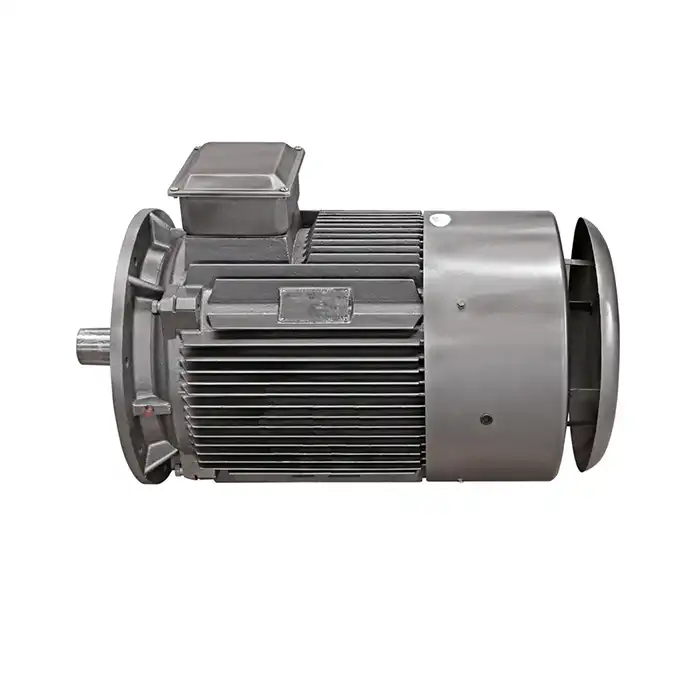
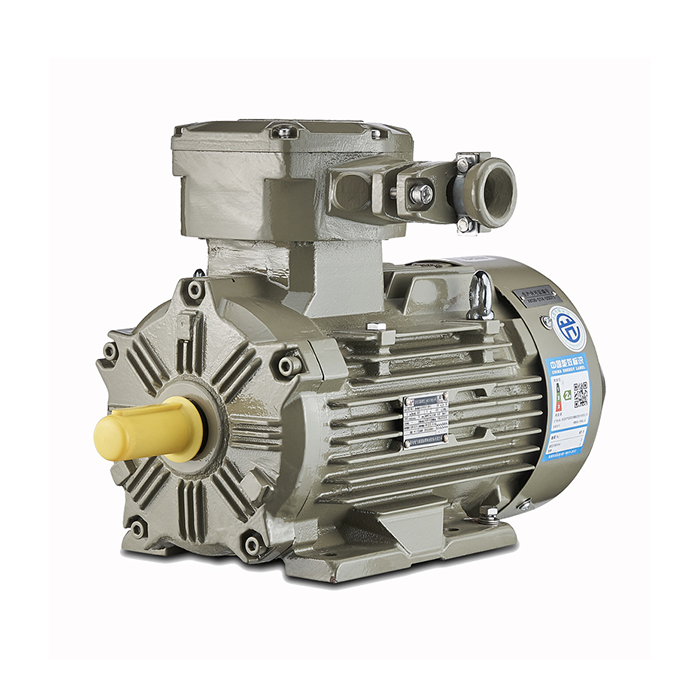
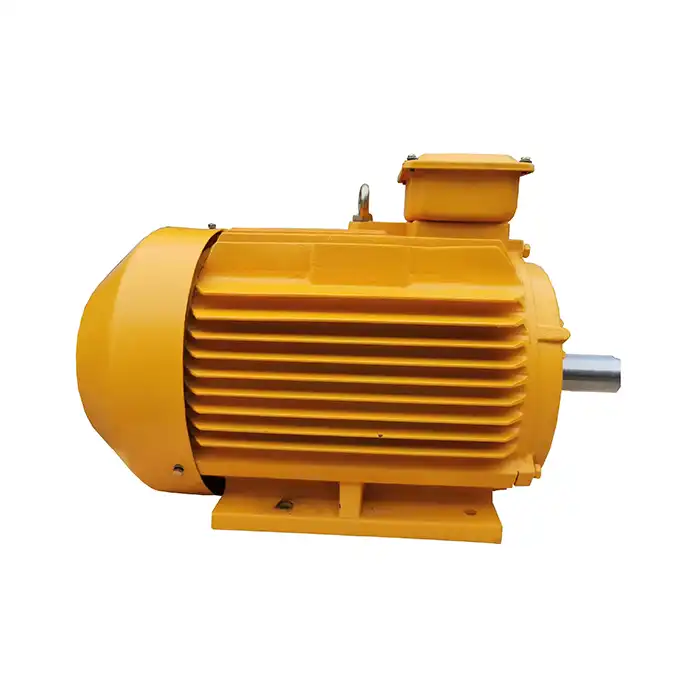
Series:YE4
Frame number: 80-450
Power range:0.75-1000kW
Protection level:IP55
Energy efficiency class: IE4
Voltage range: 380V,400V,415V, 660V,etc.
Application:can be used in various fields of the national economy, such as machine tools,water pumps,fans,compressors,and can also be used in transportation, mixing, printing, agricultural machinery, food and other occasions that do not contain flammable, explosive or corrosive gases.
Certificate: international standard IEC60034-30 ""Efficiency Classification of Single-speed Three-Phase Squirrel Cage Induction Motors"".
Advantage:The high quality of the electric motor guarantees high operational reliability.
Others: SKF, NSK, FAG bearings can be replaced according to customer requirements.
Understanding 1440 RPM Motor Fundamentals
Why a 1440 RPM Motor Operates Below the 1500 RPM Synchronous Speed
The 1440 rpm motor is a type of induction motor that is made to work with 50Hz power sources. Based on this speed number, a 4-pole motor setup would be running at about 96% of its synchronous speed. The small gap between the synchronous speed (1500 RPM) and the real speed (1440 RPM) is due to the slip that is built into induction motors.
Efficiency Improvements and the Value of IE4 Motors
Motor economy is a very important factor in choosing. These days, 1440 rpm motors usually have IE4 efficiency ratings, which means they work better while using less energy. These improvements in the economy mean that the motor will cost a lot less over its lifetime, especially in ongoing job situations.
Power Range and Application Flexibility
These motors have power levels that range from 0.75kW to 1000kW, so they can meet a wide range of business needs. Higher power ratings are better for heavy-duty tools in factories and processing plants, while lower power ratings are better for smaller tasks like pumps and fans. Figuring out exactly how much power you need helps you cut down your choices.
Key Specifications for Industrial Applications
Winding Design and Material Selection
Winding configurations in motors have a significant impact on how efficiently they operate, especially in industrial equipment that uses a 1440 rpm motor. In the manufacturing sector, three-phase windings allow electricity to be distributed evenly, ensuring stable and uninterrupted machine performance. Copper windings are preferred over aluminum because they provide better electrical conductivity and improved heat management. As a result, a 1440 rpm motor equipped with copper windings generally offers higher efficiency and a longer operational lifespan.
Frame Size and Structural Compatibility
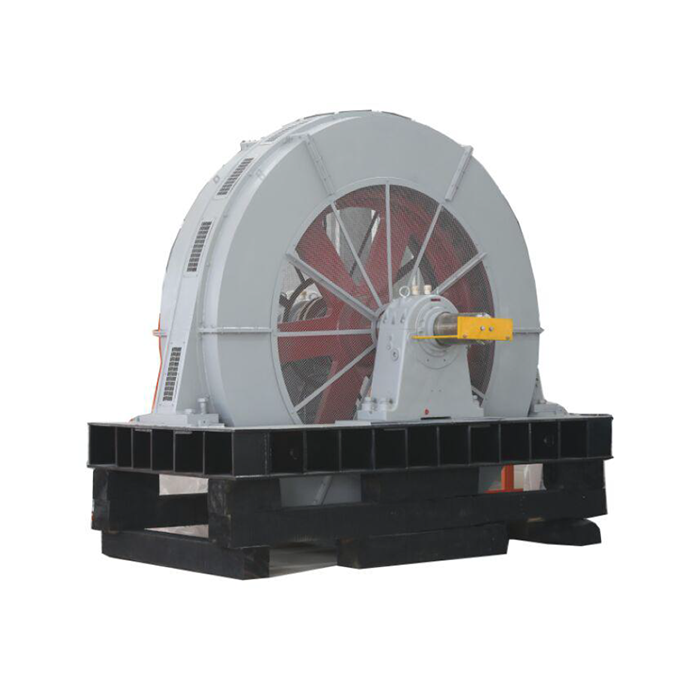
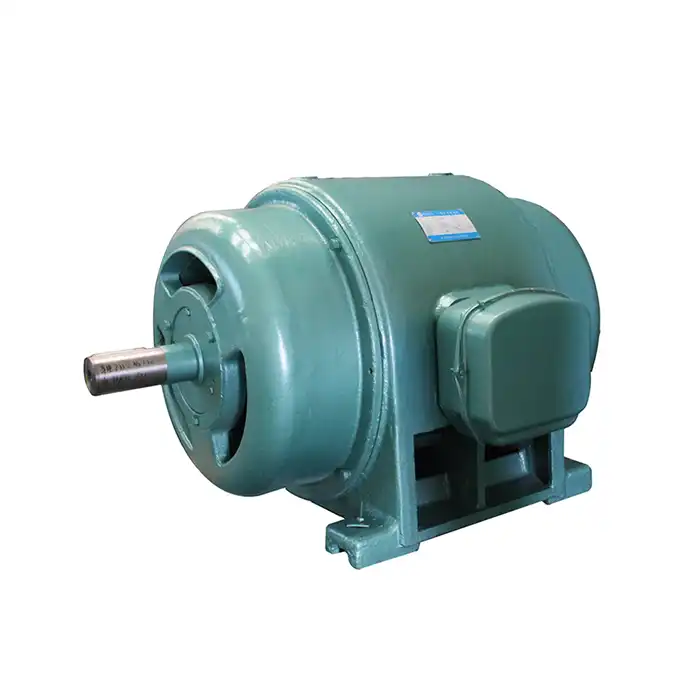
The frame numbers, which range from 80 to 450, show the size and hanging options. Smaller frames (80–132 mm) usually hold motors with less power that are good for light industrial uses. Larger frames (315–450 mm) can hold the high-power motors that are needed for heavy machinery and large-scale processing systems.
Protection Rating for Industrial Environments
Environmental fitness is based on the amount of protection. With IP55 protection, you can seal out dust and keep water jets from coming from any direction. This amount of safety is good for most industry settings, like factory areas, process plants, and outdoor sites that are exposed to mild weather conditions.
Voltage Options and Electrical System Compatibility
Voltage compatibility affects how to put things and how well electrical systems work together. You can choose from standard voltages of 380V, 400V, 415V, and 660V. When the voltage rate is higher, the current draw is lower, and the power transfer is more efficient. This is especially helpful for high-power uses and long wire runs.
Motor Selection Criteria for Different Industries
Manufacturing Requirements and Operational Stability
For manufacturing purposes, motors need to be strong enough to handle vibrations, changes in temperature, and continued use. Automobile production lines need to be able to precisely control speed and start up without any problems. Low shaking levels and stable operation that won't mess up sensitive equipment are good for making electronics.
Process Control and Load Adaptability
In process control uses, speed regulation and constant power delivery are very important. Motors for pumps need to be able to handle different loads while staying efficient across all working levels. Compressors need a lot of starting power and are able to start and stop many times without losing their durability.
HVAC Systems and Energy-Efficient Airflow Control
Motors that are designed to work with fans and blowers are needed in HVAC systems. Compatible variable frequency drives allow energy-efficient speed control to meet airflow needs. In business buildings, where noise levels affect people's happiness, quiet operation is necessary.
Energy and Utility Sector Demands
Applications in the energy sector stress long-term dependability and low upkeep needs. Facilities that make electricity need motors that can work continuously with little break. Motors that work well in wet places and stay steady in performance under different loads are needed in water treatment plants.
Performance Characteristics and Efficiency Ratings
Load Conditions and Operating Efficiency
The type of load on a 1440 rpm motor has a direct effect on its performance and operating costs. Motors work most efficiently when they are running at 75 to 100% of their maximum load. When motors that are too big are used with light loads, they lose efficiency and use more energy than they need to.
Starting Torque and Startup Methods
The starting power of a motor determines what uses it can be used for. Motors that are better at starting are needed for loads that require a lot of energy. Smaller motors may be able to start directly on the line, but soft-start systems or variable frequency drives are often better for bigger motors to avoid electrical stress.
Speed Regulation and Control Flexibility
The efficiency of speed control affects how well an application works. The speed of a standard induction motor stays pretty much the same, with only small changes depending on the load. Variable frequency drive systems that allow precise speed regulation are useful for applications that need to control speed very precisely.
Cooling Systems and Thermal Management
How a motor is cooled affects how it needs to be installed and how reliably it works. Fan-cooled versions that are completely sealed work well in most workplace settings. There are special cooling needs for places that are very hot or where the air that cools the room already has contaminants in it.
Installation and Integration Considerations
Mounting Position and Mechanical Stability
Different mounting options change how hard a job is and how much space is needed. In most cases, horizontal mounting is best, but in some cases, vertical mounting may be needed because of how the equipment is set up. The right positioning makes sure that the bearings stay cool and last as long as possible, and it also makes servicing easier.
Shaft Compatibility with Driven Equipment
The specs for the motor shaft must match the specs for the driven equipment. To make sure power is transferred correctly, the shaft's thickness, length, and key configurations must be perfectly matched. When links aren't lined up right or are the wrong size, they break early and work less efficiently.
Electrical Connections and Power Supply Considerations
When making electrical connections, you need to pay close attention to the current levels and voltage compatibility. Voltage drops that hurt motor performance can be avoided by using the right-sized cables. The environment affects how to connect things and what kind of security is needed for long-term dependability.
Control System Integration
How flexible and efficient operations are depends on how well motor control systems are integrated. Simple on-off uses work well with basic contactor settings. Advanced control methods, such as soft starts, speed regulation, and energy efficiency, can be used with variable frequency drives.
Maintenance and Operational Best Practices
Routine Inspections and Condition Monitoring
Regular inspections help prevent unexpected breakdowns and extend the service life of a 1440 rpm motor. Monitoring the condition of bearings can reveal early warning signs of lubrication issues or mechanical wear. Vibration analysis can also detect misalignment, imbalance, or other mechanical problems before they lead to serious failure.
Insulation Testing and Thermal Management
Motor insulation testing checks the state of the windings and finds possible ways that the motor could fail. Operating within the original temperature limits is ensured by thermal tracking. Proper management of the cooling stream stops burning and premature insulating degradation.
Bearing Maintenance and Lubrication Schedules
How often bearings need to be replaced depends on how they are used and how much weight they are carrying. When properly kept, high-quality bearings from companies like SKF, NSK, or FAG work well. Schedules for lubrication must take into account the working conditions and job shifts.
Electrical System Checks and Power Quality Monitoring
As part of maintaining an electrical system, connections need to be checked and cleaned. Testing contactors and safety devices makes sure they work right in both regular and fault situations. Power quality tracking finds problems with the power source that could affect how well a motor works and how long it lasts.
Conclusion
To choose the right 1440 rpm motor, you have to balance technical specs with the needs of the purpose and the needs of the process. Knowing about power grades, efficiency classifications, security levels, and connection needs helps you make smart choices that improve performance while lowering lifecycle costs. The motor will work reliably and efficiently for its entire lifetime if it is installed, maintained, and used correctly. This makes it useful in a wide range of industrial settings.
Ready to Find Your Perfect 1440 RPM Motor Solution?
XCMOTOR specializes in customizing high-quality 1440 rpm motor solutions to meet the needs of your industry. Our wide range includes power levels from 0.75kW to 1000kW, with IE4 scores for efficiency and strong IP55 protection. We are a reliable source for 1440 rpm motors, and we offer full expert help, fast shipping, and 30-day return policies. Email our team at xcmotors@163.com to talk about your application needs and get expert help choosing the right motor.
References
1. Chapman, S.J. "Electric Machinery Fundamentals: Induction Motor Performance Analysis and Selection Criteria." Industrial Press, 2019.
2. Fitzgerald, A.E., Kingsley, C., and Umans, S.D. "Electric Machinery: Motor Efficiency Standards and Performance Optimization Techniques." McGraw-Hill Education, 2018.
3. Hughes, A. and Drury, B. "Electric Motors and Drives: Industrial Application Guidelines for Medium Speed Motors." Butterworth-Heinemann, 2020.
4. Nasar, S.A. "Handbook of Electric Motors: Selection Criteria and Specification Requirements for Industrial Applications." CRC Press, 2021.
5. Sen, P.C. "Principles of Electric Machines and Power Electronics: Motor Performance Characteristics and Control Systems." John Wiley & Sons, 2019.
6. Wildi, T. "Electrical Machines, Drives and Power Systems: Industrial Motor Applications and Integration Practices." Pearson Education, 2020.