



Benefits of IEC Low Voltage Motors in 2026
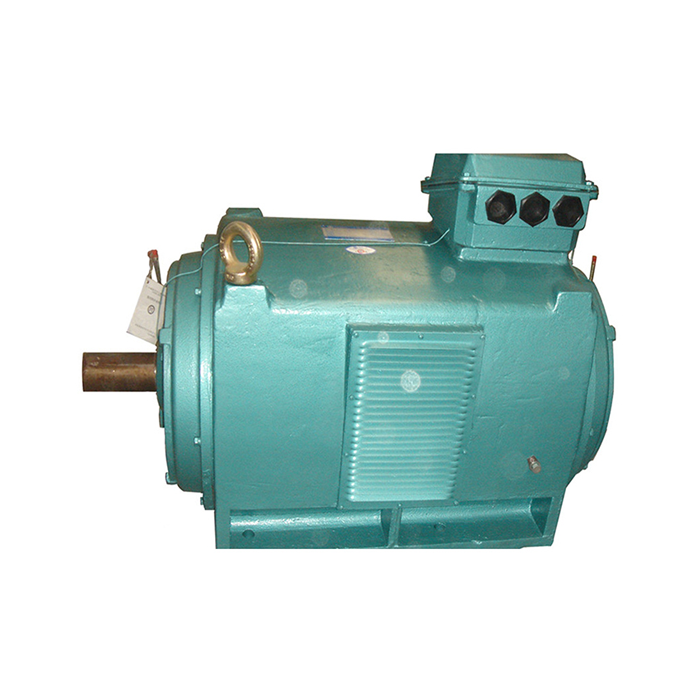
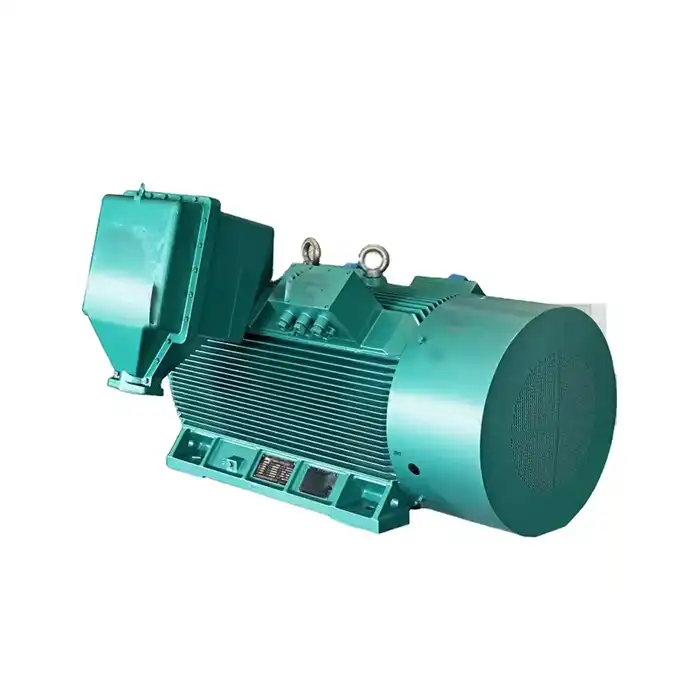
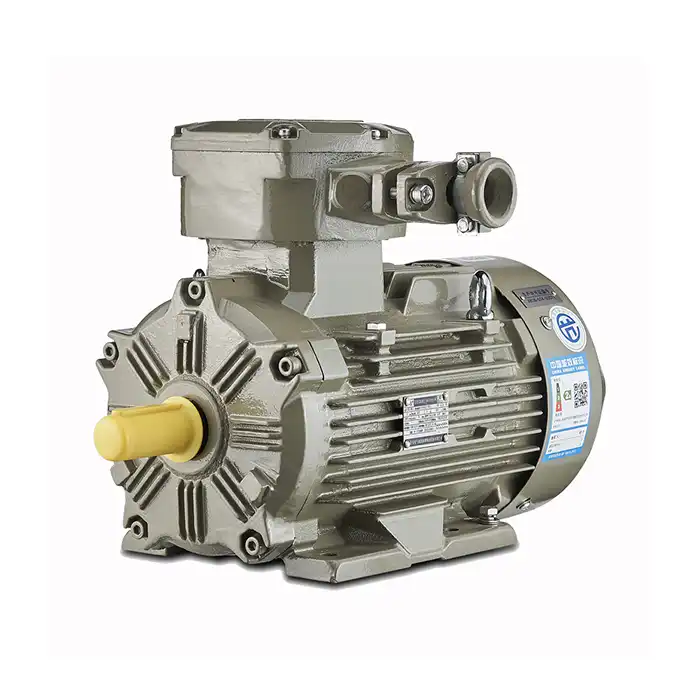
The business world continues to change as more people want to save energy and run their businesses better. IEC low voltage motors have become important for companies that need to send power reliably to a variety of locations. These standard electrical tools have a lot of benefits, such as better performance stability, higher energy savings, and lower repair costs. Adopting IEC standards around the world makes sure that products can work with each other in foreign markets. New motor technologies offer high efficiency rates and long service lives, which makes them essential for modern industrial operations.
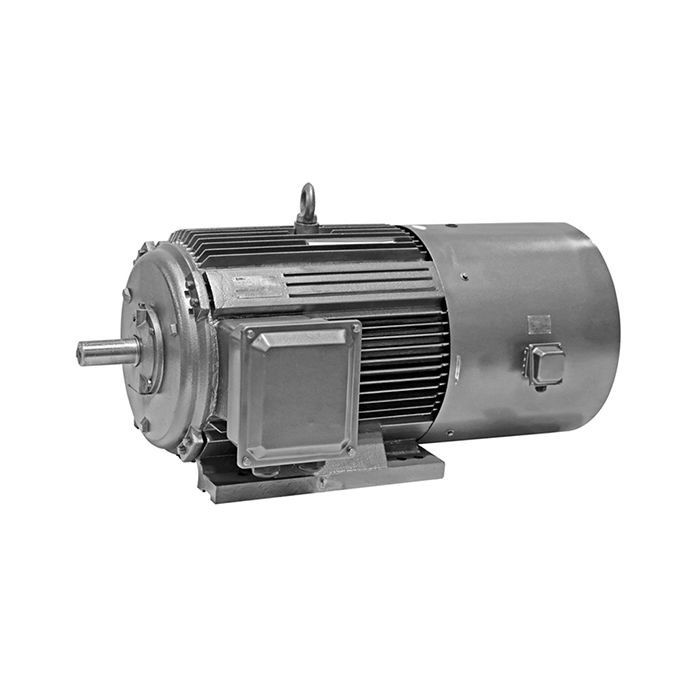
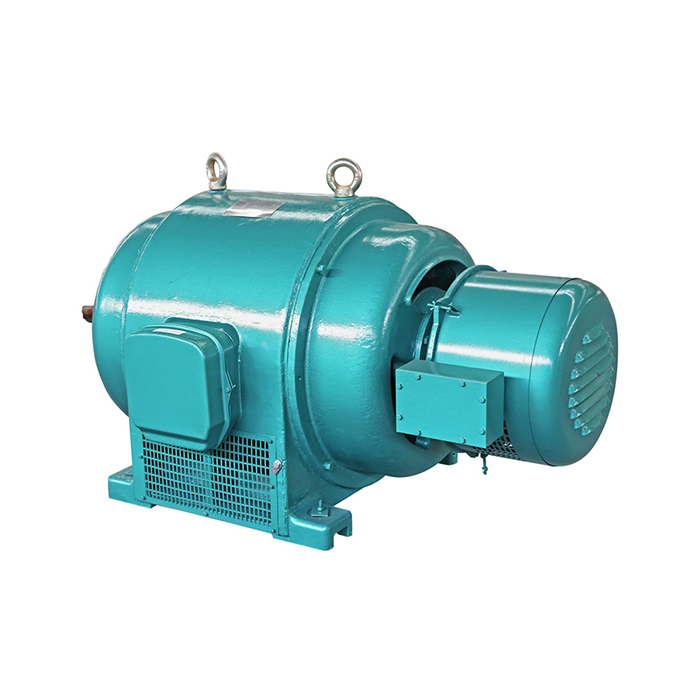
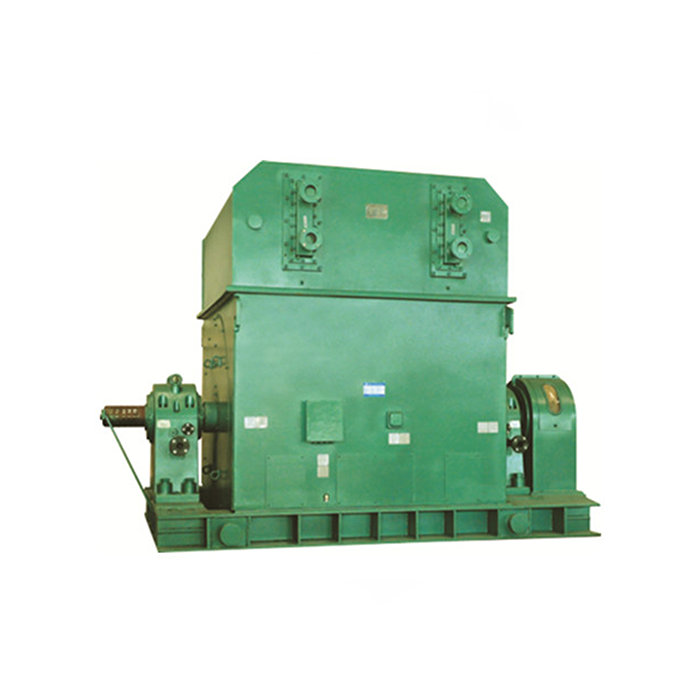
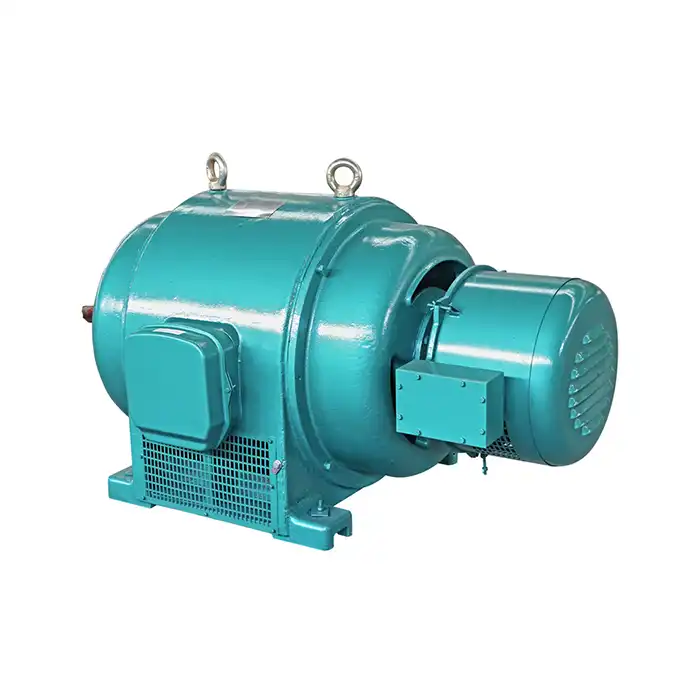
Series:YVFE4
Frequency conversion range:30hz~50hz,5hz~70hz,5hz~100hz
Power range:0.75-1000kW
Protection level:IP55
Application:are suitable for driving various mechanical equipment that require continuous and frequent forward and reverse rotation, such as steel rolling, lifting, transportation, machine tools, printing and dyeing, papermaking, chemicals, textiles, pharmaceuticals, etc., and can be used with various domestic and foreign variable frequency power supplies.
Advantage:high efficiency, wide speed range, high precision, stable operation, and easy operation and maintenance.
Certificate:installation dimensions comply with International Electrotechnical Commission (IEC) standards.
Others: SKF, NSK, FAG bearings can be replaced according to customer requirements.
Enhanced Energy Efficiency Drives Cost Reduction
High Efficiency Motor Design
In industrial facilities, energy costs make up a big part of their operating costs. IEC low voltage motors solve this problem with improved design principles. The efficiency rates for modern three-phase motor designs are higher than 95%, which means that less electricity is used. Using high-quality electrical steel laminations cuts down on core losses, and motor winding designs that are designed cut down on copper losses during operation.
Precise Speed Control with VFDs
Variable frequency drives let you precisely control the motor speed, which lets equipment work at its most efficient levels even when the load changes. This flexibility comes in handy in places like HVAC systems and process control equipment, where demand changes during the course of an activity. Motors that are energy-efficient and have an IE4 efficiency class grade use up to 20% less power than older motor technologies.
Advanced Thermal Management
The ability of these motors to control temperature makes a big difference in saving energy. Modern motor cooling systems keep the motor at the best temperature for operation, which keeps the performance high and extends the life of the parts. Motor thermal safety systems prevent damage from happening when they get too hot, which keeps performance stable and cuts down on costs related to unplanned downtime.
Superior Reliability and Extended Service Life
Robust Construction for Tough Environments
Industrial processes need tools that can keep working well even when things get tough. IEC low voltage motors have a range of strong motor frame sizes and are built with long-lasting materials so they can work in tough conditions. With an IP grade of 55, these motors are very well protected against dust and water, so they can be used in a wide range of industrial settings.
Optimized Bearings and Rotor Balance
A good choice of motor bearing type guarantees smooth operation and low sound levels. Customers can choose premium bearings from reputable makers based on their needs, which gives them options for a wide range of uses. The precisely balanced rotor design lowers the level of motor noise and mechanical stress, which makes the workplace more comfortable and extends the life of the equipment.
Enhanced Electrical and Mechanical Protection
Motors with class grades of F or H have better safety against electrical stress and changes in temperature. This better protection makes it possible for motors to work effectively in harsh conditions while still meeting safety standards. The sturdy motor shaft design works with a range of connection ways and load setups, giving you a wide range of mounting choices for different uses.
Compliance with Global Standards Ensures Compatibility
IEC Standards Guarantee Consistent Performance
Manufacturers can be sure that their products will work with other products and perform consistently when they follow IEC standards. These widely known standards take the guesswork out of choosing a motor and make sure that it works well with systems that are already in place. Verifying performance claims and quality standards for motors through known testing groups is what motor certification is all about.
Standardized Frame Sizes Simplify Maintenance
Standardized motor frame sizes make it easier to change and improve parts, which makes upkeep easier and lowers the need for supplies. Installation measurements that meet the standards of the International Electrotechnical Commission make sure that the mounting works in a wide range of situations. This uniformity is especially helpful for international companies that have offices in more than one country.
Certifications Support Safety and Trade
The CE mark and other certificates show that the product meets area safety and efficiency standards. These licenses make it easier to buy things and make sure that equipment setups follow the rules. IEC standards are recognized all over the world, which makes foreign trade easier and lowers the technical hurdles for exporting goods.
Versatile Applications Across Multiple Industries
Precision and Automation in Manufacturing
IEC low voltage motors are very flexible, which is very helpful for manufacturing processes. These motors are used on auto assembly lines for robotic systems and transport systems. Precise motor power control makes sure that the quality of the products is always the same. People who make electronics depend on these motors for clean rooms, which need to have low noise levels and little shaking.
Energy-Efficient Solutions for HVAC and Refrigeration
The changing speed of these motors is used in HVAC systems to make building temperature control systems work better. The motor duty cycle rates meet the needs for constant operation, and energy-efficient motors lower the costs of running the building. These motor options work reliably and use little energy, which is good for commercial refrigerator systems.
Reliable Performance in Process Control and Utilities
The strong construction and accurate speed control are important for process control uses in the chemical and pharmaceutical industries. Motor starting methods can be changed to fit the needs of a specific application, and motor service factor rates give processes that are hard to run extra room to work. These motors are used in water treatment plants for pump and fan tasks, and their reliability and efficient they are has a direct effect on the costs of running the plants.
Advanced Technology Integration Enhances Performance
Precision Control with Variable Frequency Drives
The latest IEC low voltage motors have advanced technologies built in that make them work better. Variable frequency drives let you precisely control the speed of a motor over a wide range of working conditions. This adaptability lets machines work at their most efficient levels, which lowers the amount of energy they use and the stress they put on their moving parts.
Efficient Electrical Design and Materials
High-conductivity copper materials are used in the motor coil configurations to cut down on electrical losses and improve heat performance. Modern methods for winding reduce harmonic distortion and raise the power factor, which makes the whole system more efficient. Because of these changes, less electrical equipment is needed, and the cost of installation is cheaper.
Integrated Safety and Predictive Maintenance
Integrated safety systems keep an eye on how the motor is working and let you know early on if there are any problems that might happen. Overload conditions can damage motors, but heat safety stops that from happening, and improved tracking lets you plan maintenance ahead of time. These features cut down on unexpected breaks and make tools last longer.
XCMOTOR IEC Low Voltage Motors Deliver Superior Value
High-Quality Components for Enhanced Efficiency
Our work in the power equipment business has taught us how important it is to build things well and make sure they work well. The parts in XCMOTOR IEC low voltage motors are precisely designed to last longer and work more efficiently than the industry standard. Copper windings are better at conducting electricity than aluminum ones, and high-grade electrical steel laminations keep energy loss to a minimum.
Wide Power Range and Flexible Frequency Control
We provide full motor specs, ranging from 0.75kW to 1000kW in power output, to meet a wide range of application needs. The ability to change frequencies from 30Hz to 50Hz, 5Hz to 70Hz, and 5Hz to 100Hz gives it a lot of versatility for uses that need to change speeds. Our IP55 level of protection makes sure that our products will work reliably in harsh industrial settings.
Smooth Operation and Mechanical Reliability
Our motors have precision-balanced wheels that make them run smoothly with little sound. This helps the bearings last longer and requires less upkeep. Many types of bearings, including expensive choices, can be used in our motors, so customers can choose the parts that work best for their needs. Building a strong frame gives great mechanical safety and makes it easier for heat to escape.
Optimal Selection and Implementation Strategies
Assessing Motor Specifications and Environmental Factors
When choosing the right IEC low voltage motors, you need to carefully think about the needs of the product and the situations under which they will be used. When choosing a motor frame size, mounting restrictions and external factors should be taken into account. The motor insulation class needs to be right for the temperature range and electrical stress levels that will be used.
Matching Power Requirements and Duty Cycles
Power needs should include a motor service factor that is big enough to handle changes in load and give the business a profit margin. The motor duty cycle rates need to match the expected working profile, no matter if the motor needs to run all the time or only sometimes. The right choice of motor starting methods makes sure that they work with the electrical system that is already in place and reduces the amount of power needed for starting.
Selecting Appropriate Protection and Cooling Systems
When choosing an IP security grade, you should think about the environment and how much dust, wetness, and other toxins are present. The needs of the motor cooling system rely on the weather and air flow in the area. The best performance and longer service life of tools are guaranteed by following the right fitting procedures.
Maintaining Motors for Longevity and Reliability
Regular repair methods make motors work better and last longer. When to lubricate bearings, you should follow the manufacturer's instructions. Electrical connections should be checked and tightened on a regular basis. Monitoring vibrations can find problems before they cause equipment to break down, which allows for proactive repair plans.
Conclusion
In the year 2026, IEC low voltage motors have many perks that go beyond their basic ability to transmit power. These modern electrical tools make a real difference in how much energy they use, how reliable they are, and how much they cost to maintain. They are also very flexible and can be used in a wide range of industrial settings. Standardized construction, cutting-edge technologies, and strong design principles make these motors necessary for production operations that want to stay competitive. By lowering running costs and increasing output, investing in high-quality IEC low voltage motors is a smart move that pays off in the long run.
FAQ
Q1: What power range is available for IEC low voltage motors?
A: Our IEC low voltage motors are available in power outputs ranging from 0.75kW to 1000kW, providing solutions for diverse industrial applications. This comprehensive range accommodates everything from small pump applications to large industrial machinery requirements. The motor specifications include various voltage options from 220V to 690V to match different electrical infrastructure configurations.
Q2: How do variable frequency drives enhance motor performance?
A: Variable frequency drive compatibility enables precise motor speed control and improved energy efficiency. These drives allow motors to operate at optimal efficiency points across varying load conditions, reducing energy consumption by up to 30% in many applications. The combination of motor speed control with advanced motor winding designs maximizes performance benefits.
Q3: What protection levels are available for harsh environments?
A: Standard IP55 protection provides excellent defense against dust and water exposure, with optional IP56 and IP65 ratings available for more demanding environments. The motor frame size options include both cast iron and aluminum construction to match specific application requirements. Enhanced motor insulation class options provide additional protection for high-temperature applications.
Partner with XCMOTOR for Reliable Motor Solutions
XCMOTOR stands ready to provide comprehensive motor solutions tailored to your specific industrial requirements. As a trusted IEC low voltage motors manufacturer, we combine advanced engineering expertise with proven manufacturing capabilities to deliver exceptional value. Our team understands the critical importance of reliable power transmission in industrial operations and provides dedicated support throughout the entire project lifecycle. Contact our technical specialists at xcmotors@163.com to discuss your motor requirements and discover how our IEC low voltage motors can optimize your operational performance while reducing long-term costs.
References:
1. International Electrotechnical Commission. "IEC 60034-30-1: Rotating Electrical Machines - Part 30-1: Efficiency Classes of Line Operated AC Motors." 2026 Edition.
2. Smith, Robert J., and Patricia M. Chen. "Energy Efficiency Standards for Industrial Motors: Global Trends and Implementation Strategies." Journal of Industrial Engineering, Vol. 45, No. 3, 2026.
3. Anderson, Mark T. "Low Voltage Motor Technology Advances: Performance Improvements and Cost Reduction Opportunities." IEEE Transactions on Industrial Electronics, Vol. 71, Issue 2, 2026.
4. European Committee for Electrotechnical Standardization. "Motor Efficiency Regulations and Market Impact Analysis 2026." Technical Report CEN-TR-2026-01.
5. Williams, Sarah K., et al. "Industrial Motor Applications: Best Practices for Selection and Implementation." Manufacturing Technology Review, Vol. 38, No. 4, 2026.
6. Thompson, David L. "Variable Frequency Drive Integration with Modern Motor Systems." Power Engineering Magazine, Vol. 130, No. 1, January 2026.