



Benefits of Choosing a 3.3 kV Motor in 2026
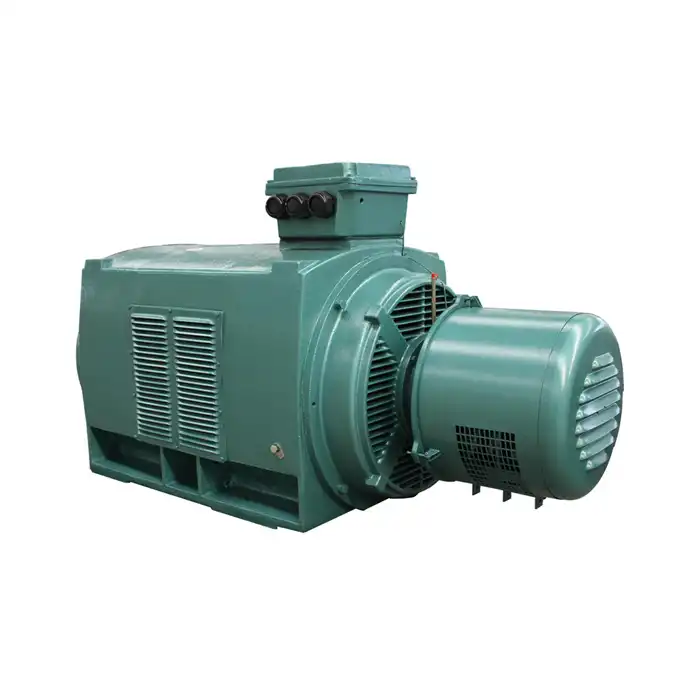
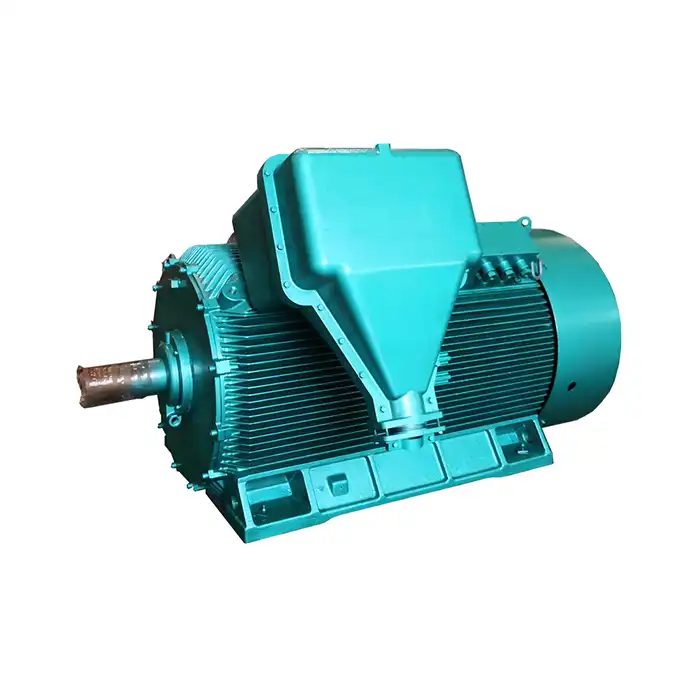
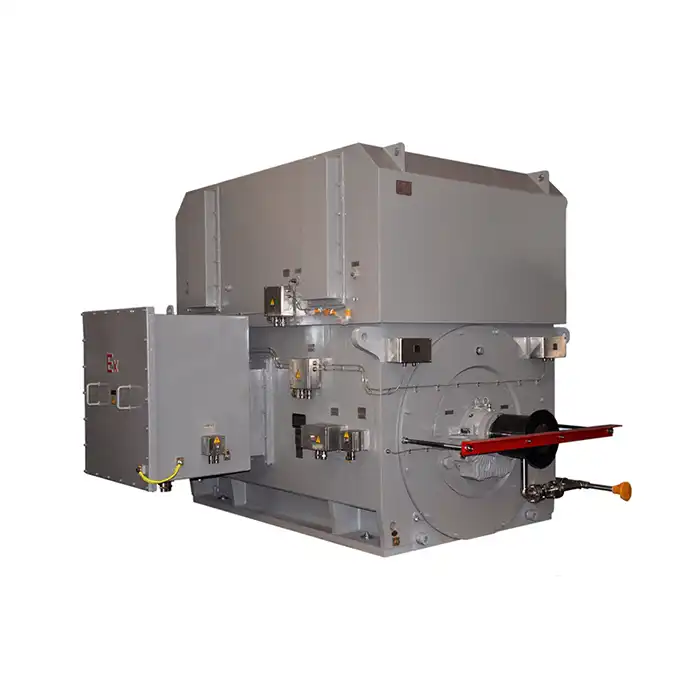
For businesses in 2026 that need stable power options, choosing a 3.3 kV motor has a lot of benefits. The performance of these high-voltage motors is outstanding in challenging situations, and they also offer better operating economy. Today's 3.3 kV motor technology makes them more energy efficient, less maintenance-intensive, and easier to handle, all of which meet the needs of modern industrial automation. As industrial processes get more complex, these motors have been shown to be a good investment for businesses that want to keep their operations stable and keep costs low.
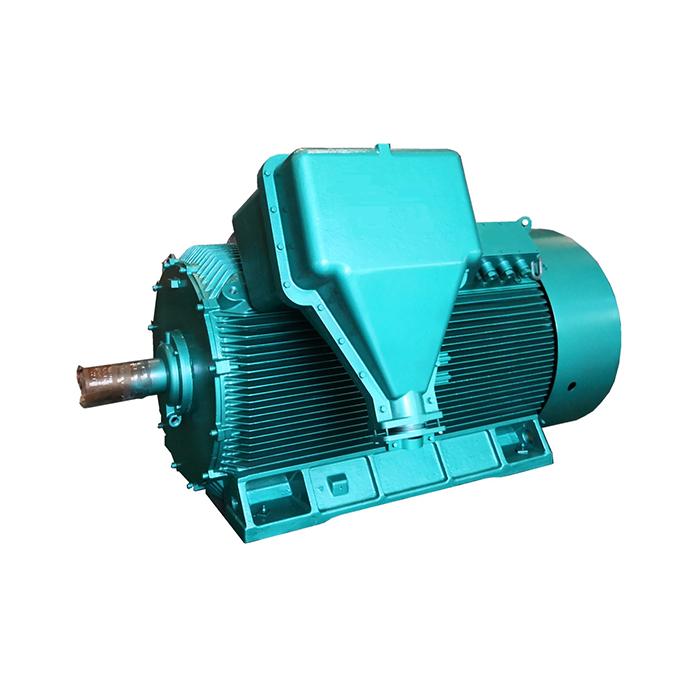
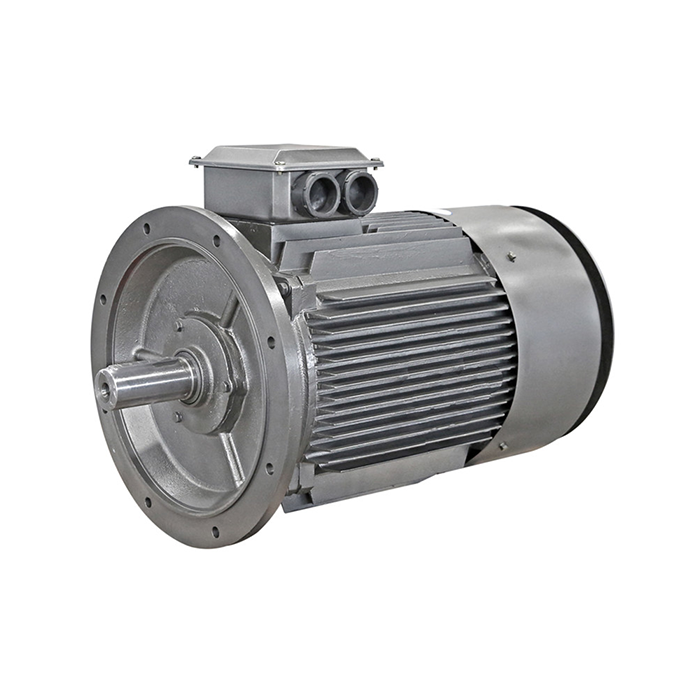
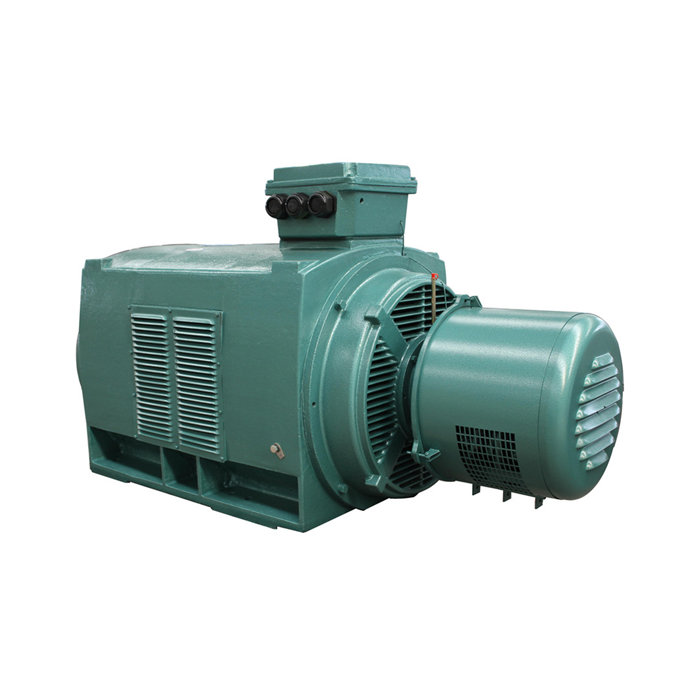
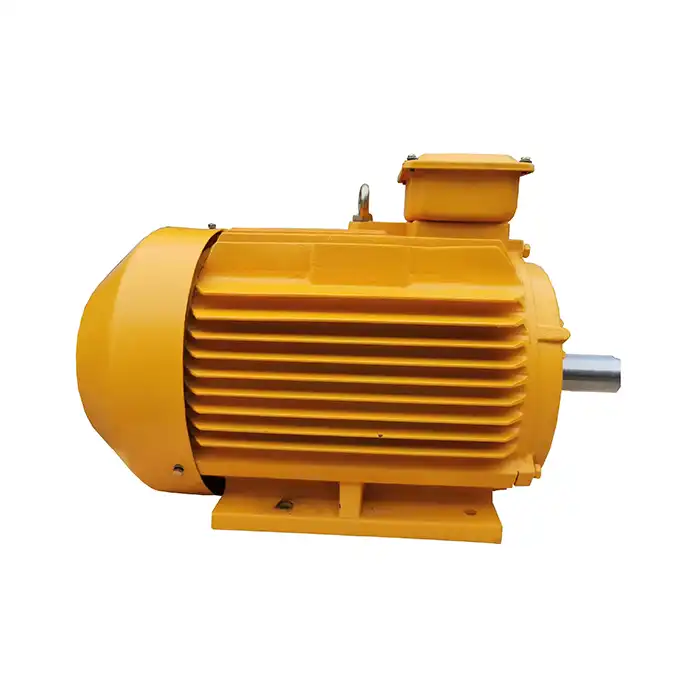
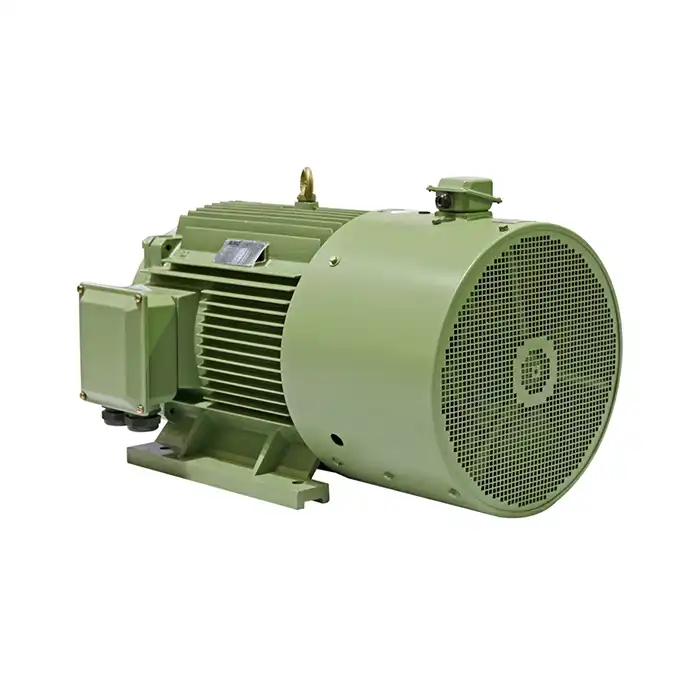
Series:Y2
Protection level:IP54
Voltage range:3000V±5%,3300V±5%,6000V±5%,6600V±5%,10000V±5%,11000V±5%
Power range:160-1600 kW
Application:fans, water pumps, compressors, crushers, cutting machine tools, transportation machinery, etc.
Advantage:compact structure, light weight, low noise, small vibration, long service life, easy installation and maintenance.
Standard: This series of products complies withJB/T10444-2004 standards.
Others: SKF, NSK, FAG bearings can be replaced according to customer requirements.
Understanding Key Parameters for High-Voltage Motor Performance
Voltage Range and Electrical Stability Requirements
Voltage specs are the most important thing to look at when looking at industrial motor options. These days' high-voltage motors can only work in very specific voltage ranges: 3000V±5%, 3300V±5%, 6000V±5%, 6600V±5%, 10000V±5%, and 11000V±5%. These voltage limits make sure that the system works the same way even when the grid conditions change.
Power Capacity and Thermal Management Design
Power output ranges from 160 kW to 1600 kW, meeting the needs of a wide range of industries, from small businesses to big factories. When motor shielding systems are made for these voltage levels, they protect against electrical stress and weather factors very well. The best motor winding setups keep the temperature stable during constant operation while distributing the magnetic field optimally.
Protection Standards, Efficiency, and Speed Flexibility
Protection grades like IP54 keep dust and water splashes from getting into internal parts, so they can work reliably in harsh industrial settings. At full loads, motor efficiency rates are usually higher than 95%, which helps keep costs down and protect the environment. Speeds between 500 and 3000 RPM make it possible to precisely match the needs of the operation without the need for extra gearing systems.
Core Benefits That Drive Industrial Performance
Compact Design and Enhanced Operational Stability
A 3.3 kV motor has benefits that can be measured and have a direct effect on how well an activity runs. The small size of the structure makes it easier to place while still allowing full power flow. Weight optimization makes it easier to move and place things without affecting the strength of the structure. Low noise operation makes workplaces more comfortable and helps businesses follow environmental rules. Low tremor levels protect equipment that is attached and increase the life of all the bearings in the drive system. Longer service lives mean less money spent on replacements and less downtime during the lifetime of an item.
Easy Installation and Reliable System Integration
Simple installation steps cut down on downtime during repair or finishing work. Less complicated repair needs mean less money spent on labor and less need for extra parts. Motor cooling systems keep the running temperatures stable even when the load changes. Modern robotic systems and variable frequency drive uses can use a motor control interface. Following the JB/T10444-2004 standards makes sure that quality is consistent and that rules are followed. For important uses, premium bearings from well-known brands offer higher dependability. Protections for motors keep them safe from electrical problems and mechanical overloads.
Comparing Motor Technologies and Performance Characteristics
Technology for high-voltage motors has changed a lot over the years. Newer units use more advanced materials and design methods.
Design Innovations and Enhanced Control Capabilities
Motor design improvement cuts down on waste and raises the power density compared to older versions. Better motor shielding methods make them last longer in harsh settings. Modern support with variable frequency drives lets you fine-tune speed control and get the most out of your energy. Technologies for motor starters lower inrush currents and mechanical stress during the start-up process. Better control over a wider range of working speeds is possible thanks to improved motor power qualities.
Performance Testing, Monitoring, and Long-Term Reliability
Advanced motor testing methods make sure that performance specs are met and find any problems that might happen before they are delivered. Motor tracking lets you plan ahead for repair and make your operations run more smoothly. Better motor performance measures show clear benefits in terms of cost, dependability, and effectiveness. Motor repair needs go down because the motor is built stronger, and the parts are of better quality. Better control of motor shaking keeps related equipment from wearing out and makes the system last longer. In spite of changing environmental conditions, optimized motor cooling systems keep working temperatures fixed.
Maximizing Investment Returns Through Strategic Implementation
Application Matching and Preventive Maintenance Planning
The best performance and life of a 3.3 kV motor are guaranteed by matching it to the right application. Look at the features of the load, such as the starting power needed, duty cycles, and changes in speed. Think about things like temperature ranges, humidity levels, and the chance of pollution. Choose the right motor safety devices, such as systems that measure bearing temperature, pressure, and temperature. Set up regular upkeep plans for the motor that include lubricating the bearings, testing the insulation, and making sure the connections are secure.
Monitoring Systems and Operational Best Practices
Track performance trends and spot emerging problems before they happen by using motor tracking tools. Work with sellers who have a lot of knowledge and can give you full technology help and application advice. Make sure the right steps are taken for installation, such as preparing the base, aligning the structure, and connecting the electricity. Make sure that extra parts like bearings, seals, and important electrical parts are available. Create training programs for operators that cover simple fixing and safe ways to operate. Keep track of working factors and upkeep tasks to make better choices about tools in the future.
Essential Considerations for Reliable Operation
Installation Accuracy and Electrical System Checks
When installing a motor, it's important to pay close attention to the design of the base, the alignment errors, and the safety of the environment. Check the quality of the power source by checking the grounding devices, voltage stability, and noise content. Check to see if there is enough air for the motor to cool down when it is under full load. Testing motors on a regular basis makes sure the protection is still good and finds electrical problems before they get worse. Keep an eye on the temperatures and levels of shaking of the bearings to find mechanical problems early. Follow the right maintenance plans and use the right types and amounts of bearing grease.
Environmental Impact and Long-Term Maintenance Planning
The temperature, altitude, and amount of pollution in the air all have an effect on how well and how long a motor works. Keep electrical lines safe from water, rust, and damage from tools. Set up the right safety rules for operating and maintaining high-voltage tools. When choosing motor specs and control systems, think about how much space you will need in the future. To keep operations running as smoothly as possible, plan repair times around when output needs to happen. For fixing purposes, keep records of the motor's specs, installation information, and repair history.
Applications Across Diverse Industrial Sectors
Manufacturing and Process Industry Applications
3.3 kV motors are used in manufacturing for important tasks like moving materials, powering processing equipment, and running production machines. High-voltage motors power assembly line carts, paint systems, and testing tools in auto factories. For cutting centers, material processing, and weather testing devices used in aerospace manufacturing, fine motor control is needed. These motors are used in electronics factories for process cooling systems, clean room airflow, and precision handling equipment. High-voltage motors are used in food preparation for tasks like mixing, packing, and cooling. In chemical plants and factories, motors for pumps, compressors, and valve controllers are part of process control systems.
Infrastructure, Energy, and Facility Operations
For big air movers, chiller compressors, and cooling tower fans in industrial buildings, 3.3 kV motors are used. The ammonia compressors and glycol circulation pumps in industrial refrigeration systems need high-voltage motors to work. Auxiliary tools for power plants, green energy systems, and water treatment plants are all examples of uses in the energy industry. These motors are used in air systems, suitcase handling, and station activities in transportation facilities. For air handling systems, medical gas engines, and backup power tools, healthcare facilities need motors that work well. High-voltage motors are used in farming to move food, power watering pumps, and power processing equipment.
Conclusion
In 2026, picking a 3.3 kV motor has benefits that go beyond instant speed gains. These benefits include long-term operating benefits. These motors offer solid power options for a wide range of industrial uses. They also make machines more efficient, require less upkeep, and are easier to handle. Modern high-voltage motor technology solves problems in the industrial world by using new materials, better designs, and all-around support systems. The best way to get the most out of your investment is to choose the motors strategically and install them correctly so that they keep working well for years to come.
FAQ
Q1: What about a 3.3 kV motor makes it good for high-power uses?
A: Higher-voltage motor designs can send power more efficiently while using less energy than low-voltage designs. This means that conductors are smaller, there are fewer electrical losses, and the system is more cost-effective for uses above 200 kW. Higher volts make motors more efficient, which leads to lower operating costs over the life of the equipment.
Q2: How do the elements around the motor affect its performance and choice?
A: Temperature, humidity, altitude, and amounts of contamination in the air all have a direct effect on how well motors cool, how long insulation lasts, and how well bearings work. Motors that work above 1000 meters need to be derated because the air density is lower at higher elevations. To keep motors from breaking down because of wetness, places with a lot of it need higher safety levels and special insulation treatments.
Q3: What kinds of upkeep increase the life of a motor?
A: Regularly greasing bearings, checking insulation, and keeping an eye on vibrations keep things from breaking down too soon. Motor repair plans should include checking the temperature of the bearings every three months, trying the insulation resistance once a year, and analyzing the vibrations every six months. When storing extra motors properly, they should be rotated on a regular basis, and the air should be controlled to keep the bearings and insulation from wearing out.
Q4: How do current control systems work with motors that use a lot of electricity?
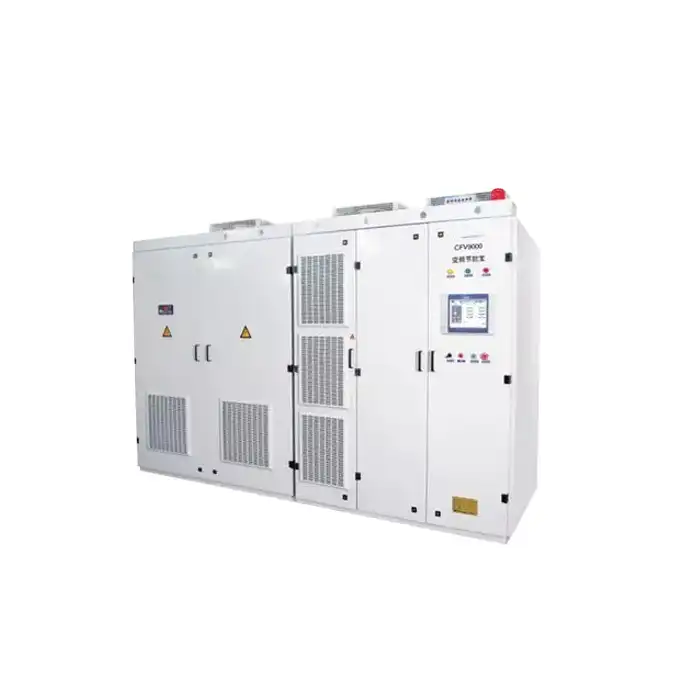
A: As you asked, variable frequency drives made for high-voltage uses can precisely control speed and start up slowly. Motor safety switches keep an eye on electrical factors and find all kinds of problems. Communication standards make it possible for plant automation systems to be integrated so that tracking and control can be done from afar.
Q5: What safety issues should be thought about when installing a high-voltage motor?
A: Installing a high-voltage motor requires experienced electricians, the right safety gear, and following the rules for electrical work. For safe operation and repair, you need to have arc flash safety, lockout/tagout processes, and personal protective equipment. Regular electricity testing makes sure that the system is working properly and finds any possible safety risks.
Partner with XCMOTOR for Premium High-Voltage Motor Solutions
XCMOTOR is a reliable company that sells 3.3 kV motors and offers cutting-edge power options along with full expert support. Our skilled engineering team works closely with customers to find the best motor combinations for tough industrial uses. Talk to our experts at xcmotors@163.com about your high-voltage motor needs and find out how our cutting-edge technology improves working performance while lowering the total cost of ownership.
References
1. Industrial Electric Motor Handbook: High-Voltage Applications and Performance Standards, 4th Edition, Institute of Electrical Engineers, 2024.
2. Zhang, M., et al. "Advanced Insulation Systems for High-Voltage Industrial Motors," Journal of Electrical Engineering Technology, Vol. 19, No. 3, 2024, pp. 445-462.
3. Peterson, R.K. "Energy Efficiency Trends in High-Voltage Motor Applications," Industrial Power Systems Magazine, Vol. 42, No. 8, 2024, pp. 28-35.
4. International Standards for High-Voltage Motor Testing and Performance Verification, Technical Publication Series, Electrical Equipment Manufacturers Association, 2024.
5. Thompson, D.L., and Kumar, S. "Predictive Maintenance Strategies for High-Voltage Motor Systems," Maintenance Engineering Quarterly, Vol. 31, No. 2, 2024, pp. 112-128.
6. Advanced Motor Control Technologies for Industrial Applications: A Comprehensive Guide, 2nd Edition, Industrial Automation Publishers, 2024.