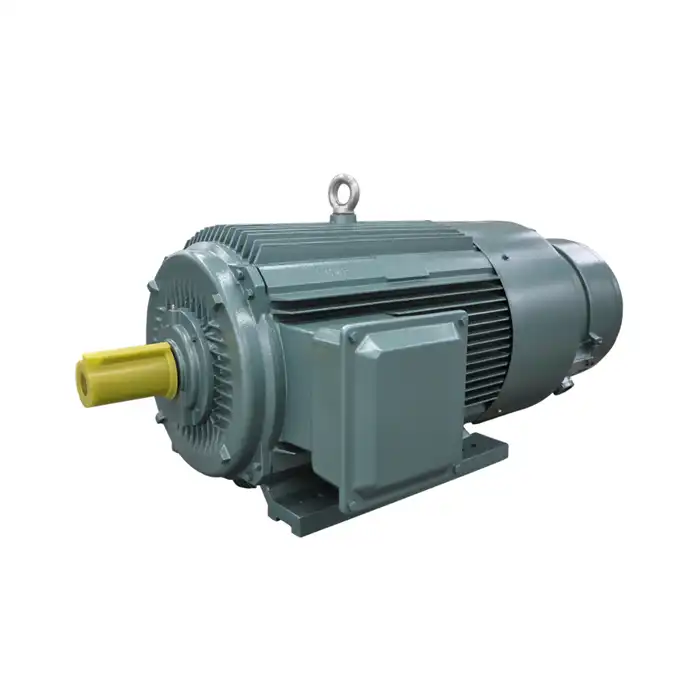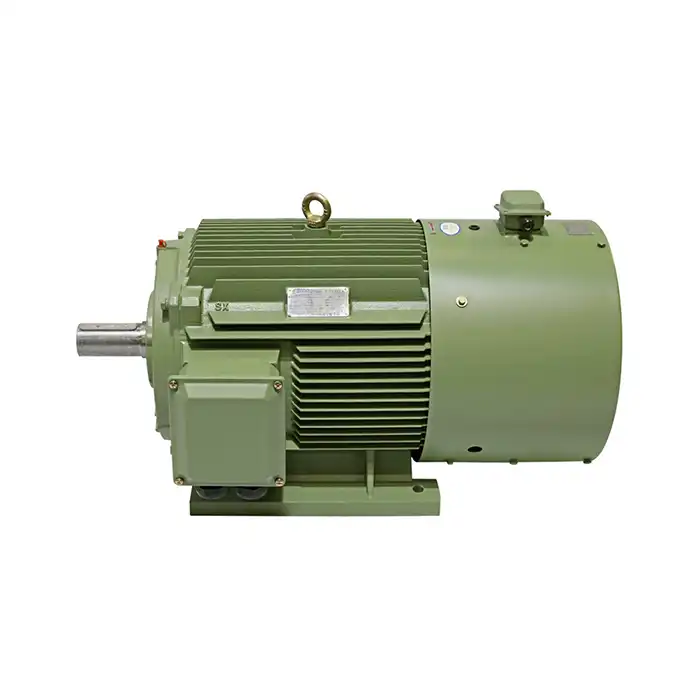




What Is a 1440 RPM Motor? Complete Overview
A 1440 rpm motor turns at 1440 times per minute when it is connected to a normal 50Hz power source. It is an important part of the industry, including HVAC systems and process control tools. These motors work reliably and use the least amount of energy possible, so they can be used continuously in harsh conditions. Learning about what they can do helps you make smart choices for your individual purpose.
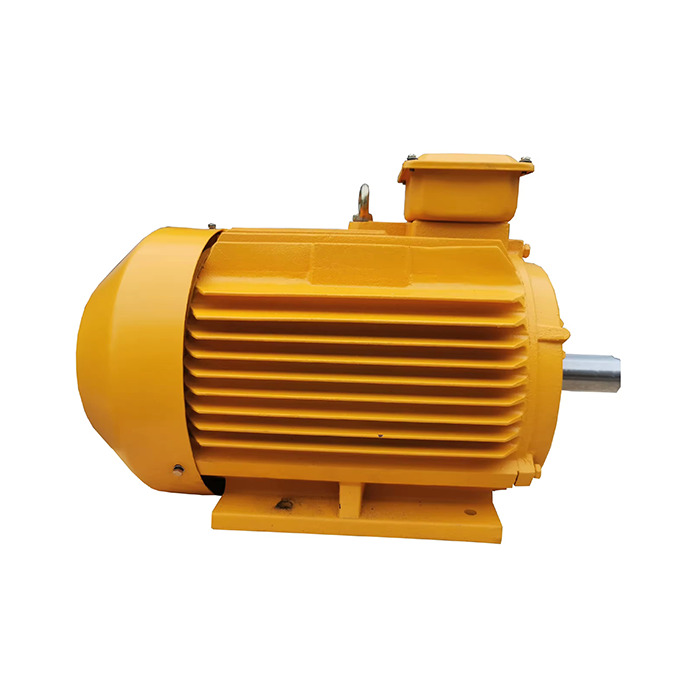
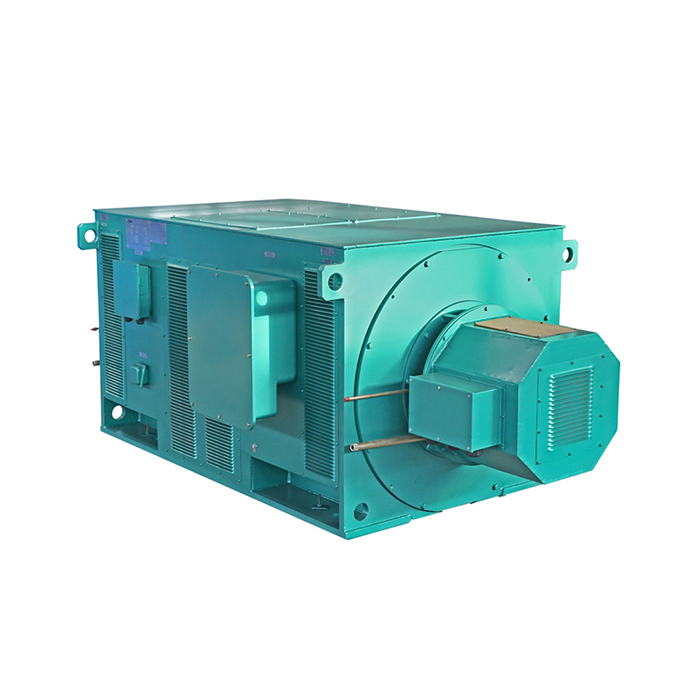
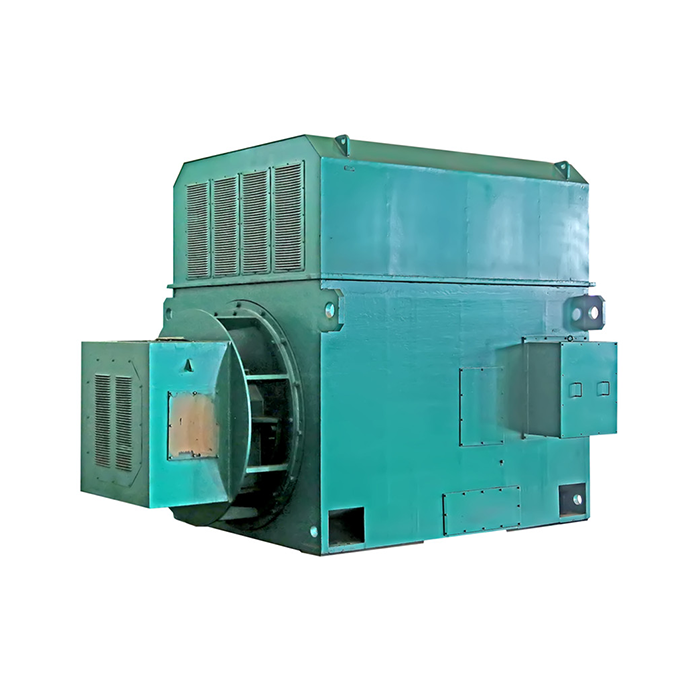
Series:YE4
Frame number: 80-450
Power range:0.75-1000kW
Protection level:IP55
Energy efficiency class: IE4
Voltage range: 380V,400V,415V, 660V,etc.
Application:can be used in various fields of the national economy, such as machine tools,water pumps,fans,compressors,and can also be used in transportation, mixing, printing, agricultural machinery, food and other occasions that do not contain flammable, explosive or corrosive gases.
Certificate: international standard IEC60034-30 ""Efficiency Classification of Single-speed Three-Phase Squirrel Cage Induction Motors"".
Advantage:The high quality of the electric motor guarantees high operational reliability.
Others: SKF, NSK, FAG bearings can be replaced according to customer requirements.
What is a 1440 RPM Motor?
Motor Type and Rated Speed
When the load is normal, a 1440 rpm motor is a type of AC induction motor that is meant to run at 1440 revolutions per minute. The motor speed listed here is for a 4-pole electric motor that is powered by a 50Hz source. The real speed, 1440 rpm, is found by taking the synchronous speed, 1500 rpm, and subtracting the slip factor that comes with induction motors.
Working Principle of 1440 RPM Motors
Electromagnetic induction is used by these motors to turn electrical energy into mechanical motion. The stator windings make a magnetic field that spins and creates currents in the rotor. This causes torque and movement around the axis. There is a great mix between power output and operating efficiency in the 1440 rpm motor division, which is in the medium-speed range.
Design Features and Performance Factors
The design of a synchronous motor keeps the shaft speed constant, even if the load changes within the motor's stated capacity. Because they are stable, 1440 rpm motors are great for uses that need to set the speed very precisely. The number of poles is determined by the motor winding design. This has a direct effect on how the motor works and its performance factors.
The Problem It Solves and Applications
Efficiency and Process Control Solutions
It is always hard for industrial processes to find the right balance between how much energy they use and how well they do their jobs. The 1440 rpm motor solves these problems by being the most efficient for medium-speed tasks and still having strong power qualities. Traditional high-speed motors often use too much power, and low-speed options might not have enough power for tough industrial chores. 1440 rpm motors have steady performance qualities that make them very useful for process control purposes. These motors are used in pump systems, filtering equipment, and chemical dosing devices in places that treat water. The steady motor speed makes sure that the flow rates and pressure stay the same over long periods of time.
Diverse Industrial Applications
There are 1440 rpm motors that power air handling units, circulation pumps, and cooling tower fans in business buildings. The efficiency of the motor has a direct effect on the building's energy costs while keeping the temperature and humidity comfortable. These motors are used in compressors in refrigeration systems where steady operation is important for keeping the temperature stable. 1440 rpm motors are used in irrigation systems, tools for moving grain, and processing plants for agricultural machines. The motors work reliably during regular activities and can handle tough weather circumstances. These motors are used in mixing, moving, and packing tools in the food preparation industry. Hygiene standards require motors that are strong and easy to clean.
Core Features and Functionality Deep Dive
Robust Design and Industrial Durability
A good 1440 rpm motor's technical specs are based on advanced engineering concepts made to last in the industrial world. Power needs from 0.75kW to 1000kW can be met by frames that range in size from 80 to 450, so there are options for almost any application scale. The cast iron structure is better at transferring heat and preventing vibrations than other materials. The IP55 security level makes sure that the device will work reliably in tough situations where dust and water spray are a problem. With this level of safety, the motors can be used in tough industrial settings and outside. The sealed bearing systems keep things from getting dirty and keep running smoothly even after long periods of time between services.
Advanced Control and Operational Reliability
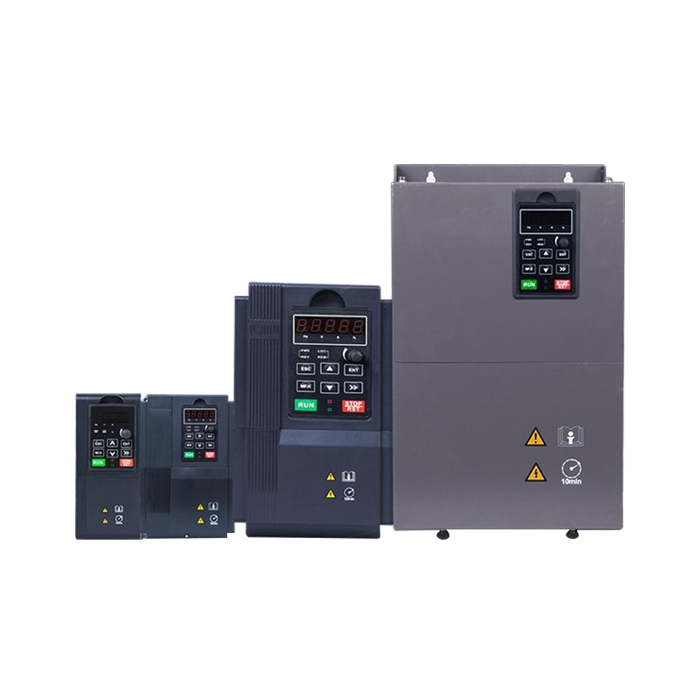
Compatibility with variable frequency drives lets you precisely control motors for tasks that need to change speed. The design of the motor allows it to work with a VFD without lowering its stability or efficiency. When working with electrical control systems, harmonic distortion is kept to a minimum by using advanced magnetic circuit design. Thermal safety systems keep an eye on the temperature of the motor and stop damage from happening when it's overloaded. The built-in cooling system keeps the right working temperatures even when the job cycle is constant. Mounting arrangements that don't shake make sure that the system works steadily in mobile or changing environments. The way the motor starts up gives it a lot of starting power, which is useful for tasks that need a lot of breaking force. Limits on starting current keep the electrical system from getting too stressed while still letting it accelerate properly. The ability to handle different loads meets the needs of different operations without shortening the life of the motor.
Technology and Design Excellence
Precision Engineering for Consistent Performance
Modern 1440 rpm motor technology uses precise manufacturing methods to make sure that quality and performance are always the same. Computer-controlled wrapping methods make magnetic fields that are regular, which increases productivity and lowers noise levels. Advanced rotor balance gets rid of sources of shaking that could damage equipment that is attached to the rotor or shorten the life of the bearings. Finite element analysis is used in the electromagnetic design to make the flow spread work best and cut down on losses as much as possible. Laminated steel cores keep the magnetic strength while lowering eddy current losses. The exact sizes of the air gaps are carefully managed to make sure that the stator and rotor parts are electromagnetically well-coupled.
Bearing Selection and Control System Integration
When choosing a bearing technology, you need to think about the load factors, the working conditions, and the servicing needs. Deep groove ball bearings can reliably handle the horizontal and axial loads that are common in industrial settings. Premium bearing materials and lube systems make it possible to go longer between service visits and spend less on repairs. Motor control compatibility goes beyond simple on/off functions and includes complex electronic control systems. For robotic purposes, encoder feedback devices let you precisely control speed and position. Protocols for communication make it possible to connect to current tracking and control networks in industry.
Optimized Cooling and Rigorous Quality Assurance
The design of a cooling system strikes a balance between managing heat, reducing noise, and protecting the environment. Internal cooling fans keep temperatures at the right level, and exterior cooling choices can be used for installations that have specific needs. Different types of heat exchanger designs can work in places where the temperature is higher than normal. Before it is shipped, quality control checks make sure that every motor meets strict performance standards. Electrical properties, mechanical limits, and working factors are checked by automated testing tools. Certification that meets foreign standards shows that safety and efficiency standards are being met.
Key Advantages and Performance Benefits
1440 rpm motors have practical benefits that go beyond their basic speed and power specs. These include a lower total cost of ownership. Improving energy efficiency directly leads to lower running costs over the life of the motor. The IE4 efficiency rating shows that newer motor technologies work better than older ones.
Durability and Low Maintenance Requirements
Strong building and choosing high-quality parts keep maintenance needs to a minimum. Bearings that last longer don't need to be serviced as often, which saves money on downtime costs. When service is needed, the form of the motor makes regular maintenance jobs easier, which cuts down on labor costs and upkeep complexity. When technology fails in serious situations where production could be lost, operational reliability makes sure that the system always works the same way. 1440 rpm motors have been used in harsh industrial settings for a long time, which shows that they are reliable and long-lasting. Common failure modes that affect cheaper motor designs are taken care of by good manufacturing processes.
Noise Control and Environmental Resilience
Noise levels are kept in check with tight manufacturing specs and spinning parts that are evenly balanced. A low noise function is necessary in places where worker safety and legal compliance are important. Vibration separation features stop mechanical noises from getting to the equipment that is linked. The ability to handle different loads meets the needs of different operations without affecting the motor's performance. Overload capacity gives businesses a way to handle occasional high demand while keeping their normal level of efficiency. The features of starting torque make it possible to start up reliably even when the load is difficult. Environmental flexibility lets things work in a wide range of temperatures and weather situations. Moisture resistance stops rusting and electricity problems that can happen in damp places. Dust protection keeps the inside clean and stops moving parts from wearing down too quickly.
Potential Limitations and Important Considerations
Even though 1440 rpm motors work very well in many situations, there are some things you need to keep in mind when choosing and installing one.
Speed Variation and Control Requirements
Applications that need to change speeds often might not be able to use fixed speed operation without extra control tools. When speed changes are needed, variable frequency drives make the system more complicated and cost more at first. The amount of starting current needed can change how an electrical system is designed, especially in places that can't hold much power. Soft-starting tools might be needed to keep electricity problems to a minimum while the motor is starting up. When more than one motor is running at the same time, the power factor properties should be checked.
Installation Environment and Load Management
Installation setting factors affect how well and how long a motor lasts. To keep things from burning and breaking down too soon, ambient temperature limits must be followed. Ventilation needs to be met to make sure there is enough cooling for continued running at full load. For the best economy and engine life, load balance is very important. When motors that are too big are only partially loaded, they are less efficient and cost more to run. When undersized motors are put under too much load, they may burn and break down early.
Altitude and Electrical System Impacts
The electrical and cooling properties of a motor are affected by its altitude. Installations at high elevations may need to be derated or have special cooling features. For operations at high altitudes, the standards for electrical protection may be raised. Electronic loads can cause harmonic distortion that can hurt the performance and economy of a motor. Problems with power quality should be fixed by designing the electrical system correctly. In places where there are a lot of electrical loads, filtering tools may be needed.
Comparison with Alternative Motor Technologies
Advantages Over High-Speed Motors
When 1440 rpm motors are compared to high-speed options, the torque traits support the slower speed choice for tasks that need a lot of starting power. Most high-speed motors need gear reduction systems, which make them more complicated, cost more, and need more upkeep. Because 1440 rpm motors can be directly driven, there are no losses in efficiency or upkeep issues linked to gears. Synchronous motors let you precisely control the speed, but they need more complicated systems to start up and run. Induction motors are cheaper and easier to maintain than other types of motors because they are simple to build. When synchronous motors need to be started, they often need extra tools that make the system more complicated.
Considerations Compared to Permanent Magnet and Variable Speed Motors
Permanent magnet motors are very efficient, but they cost a lot more to buy at first. Because they are built more solidly, induction motors last longer in tough industrial settings. Concerns about magnet corrosion in permanent magnet motors can affect how well and how reliably they work in the long run. Variable speed motors with built-in drives are more flexible, but they are more complicated and cost more. Fixed-speed induction motors are better for situations where changing the speed isn't needed because they are more reliable. Most of the time, simple induction motors don't need as much maintenance as complicated computer drive systems.
For most industry uses, the 1440 rpm speed is the best mix between power output and economy. When the motor speed closely matches the needs of the application, power transfer efficiency is at its highest.
Target Applications and Ideal Use Cases
Industrial and Pump Applications
Manufacturing sites are where 1440 rpm motors are most often used in a wide range of businesses. These motors provide constant speed and stable operation, which is good for conveyor systems. Equipment for moving things around depends on the large amount of force that this motor speed can produce. 1440 rpm motors are used in pump uses in water treatment, chemical processing, and building services because they work well and are reliable. Most centrifugal pumps work well with this motor speed, so you don't need any devices that change the speed. Fixed-speed function makes it possible for process pumps to have constant flow rates.
HVAC, Compressor, and Machine Tool Uses
1440 rpm motors move air efficiently in fans and blower uses in HVAC systems, industrial ventilation, and process cooling. For maximum efficiency, the motor speed is well in line with the design factors of the fan. When compared to faster options, noise levels are usually lower. The sturdy design and dependable performance of 1440 rpm motors make them useful for compressor uses in manufacturing and building services. For steady job uses, these motors are often built into rotary compressor designs. The beginning compression loads can be handled by the starting power. 1440 rpm motors are used in machine tools to keep cutting speeds steady and ensure stable operation. These motors are used in lathe shaft drives, milling machine feed systems, and cutting tools. Precision production makes sure that the machine runs smoothly, which is important for accurate cutting.
Conclusion
The 1440 rpm motor has been used successfully in industrial settings that need stable and efficient operation. The best performance is achieved by these motors in industrial, HVAC, and process control uses, all while keeping costs low. Knowing what they can and can't do helps you make smart selection decisions that improve business benefits. 1440 rpm motors are a great investment for challenging industrial uses because they are built to last, use little energy, and are always reliable. If you choose and put something correctly, it will last for years and only need minor repairs.
FAQ
Q1: What voltage options are available for 1440 rpm motors?
A: Standard voltage options include 380V, 400V, 415V, and 660V configurations to match different power distribution systems. The specific voltage selection depends on your facility's electrical infrastructure and regional standards. Higher voltage options are typically used for larger motors to reduce current levels and cable requirements.
Q2: How does the IE4 efficiency rating affect operating costs?
A: IE4 efficiency ratings represent premium efficiency levels that can reduce energy consumption by 2-4% compared to IE3 motors. Over the motor's operating life, these efficiency gains result in significant cost savings, particularly for motors operating continuously. The energy savings often justify the initial investment premium within the first few years of operation.
Q3: Can 1440 rpm motors operate with variable frequency drives?
A: Yes, quality 1440 rpm motors are designed for VFD compatibility, allowing speed control from zero to above rated speed. Proper motor selection ensures reliable operation across the speed range while maintaining efficiency. VFD operation may require consideration of cooling requirements at low speeds for continuous operation.
Choose XCMOTOR for Reliable 1440 RPM Motor Solutions
XCMOTOR stands out as a trusted 1440 rpm motor supplier, offering comprehensive power equipment solutions backed by decades of engineering expertise. Our extensive product range covers power outputs from 0.75kW to 1000kW with IE4 efficiency standards that deliver measurable energy savings. Contact us at xcmotors@163.com to discuss your specific motor requirements and discover how our premium-quality motors can enhance your operational efficiency while reducing total ownership costs.
References
1. Chapman, Stephen J. "Electric Machinery Fundamentals, Fifth Edition." McGraw-Hill Education, 2012.
2. Hughes, Austin, and Bill Drury. "Electric Motors and Drives: Fundamentals, Types and Applications, Fourth Edition." Newnes, 2013.
3. International Electrotechnical Commission. "IEC 60034-30-1:2014 Rotating electrical machines - Part 30-1: Efficiency classes of line operated AC motors." IEC Publications, 2014.
4. Nasar, S.A. and L.E. Unnewehr. "Electromechanics and Electric Machines, Third Edition." John Wiley & Sons, 1998.
5. Sen, P.C. "Principles of Electric Machines and Power Electronics, Third Edition." John Wiley & Sons, 2013.
6. Wildi, Theodore. "Electrical Machines, Drives and Power Systems, Sixth Edition." Pearson Education, 2005.