



Audit Your 3.3 kV Motor Supplier Now
When operations depend on high-voltage equipment, choosing the right supplier becomes a mission-critical decision. Auditing your 3.3 kV motor supplier isn't just about price comparison—it's about ensuring your production lines run smoothly, downtime stays minimal, and your investment delivers value for years. With voltage ranges spanning 3000V to 11000V and power outputs from 160 kW to 1600 kW, these motors drive everything from water pumps to crushers across industries. A thorough supplier audit protects your bottom line and operational integrity.
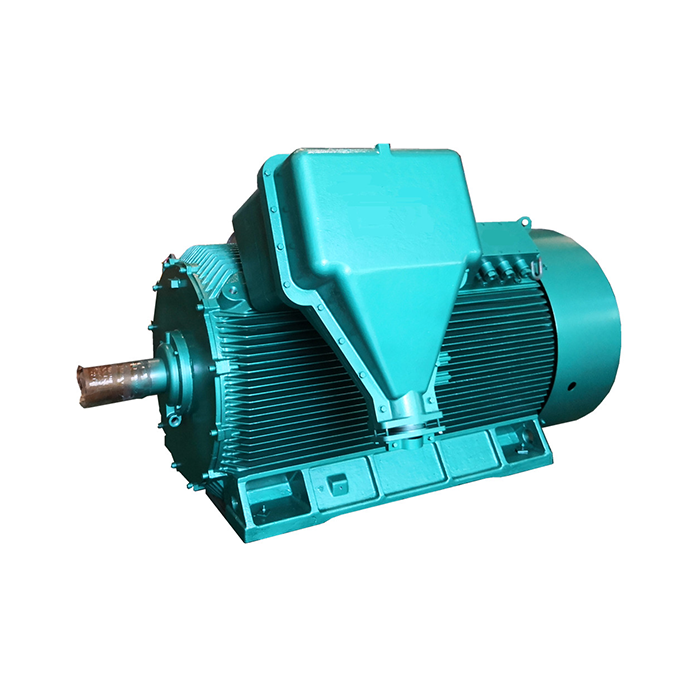
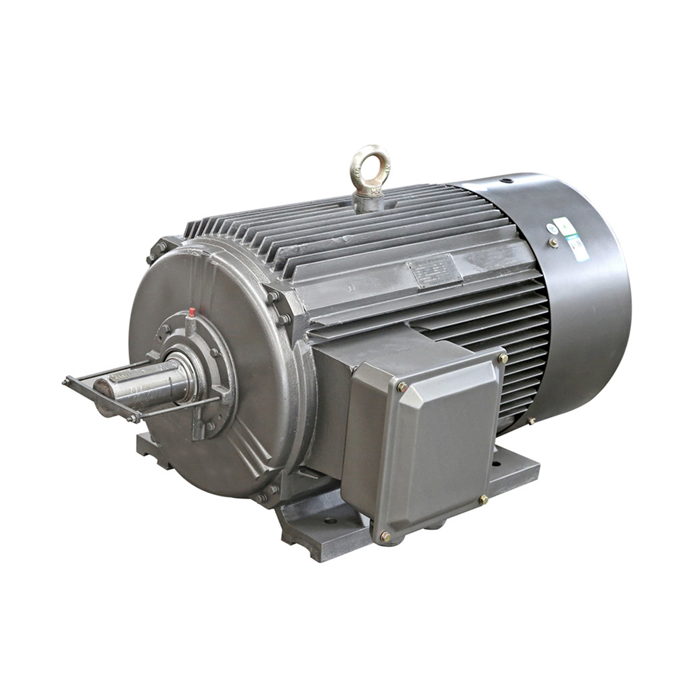
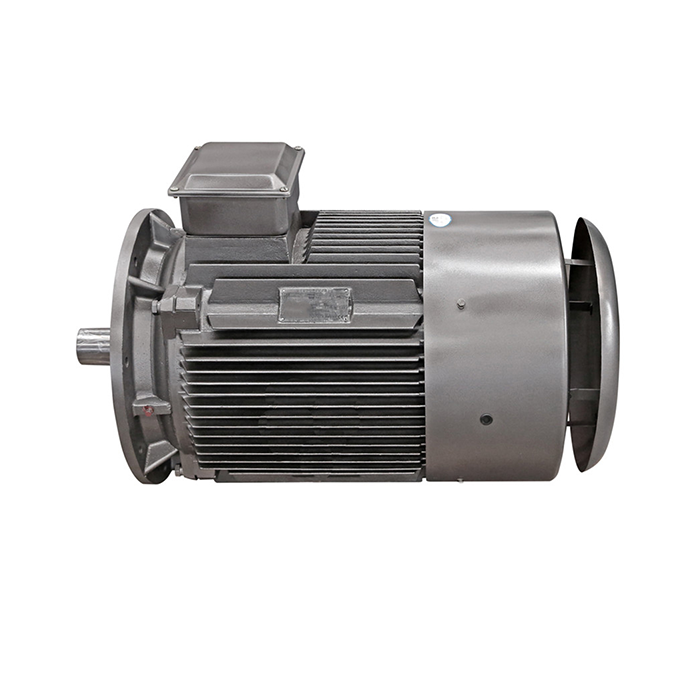
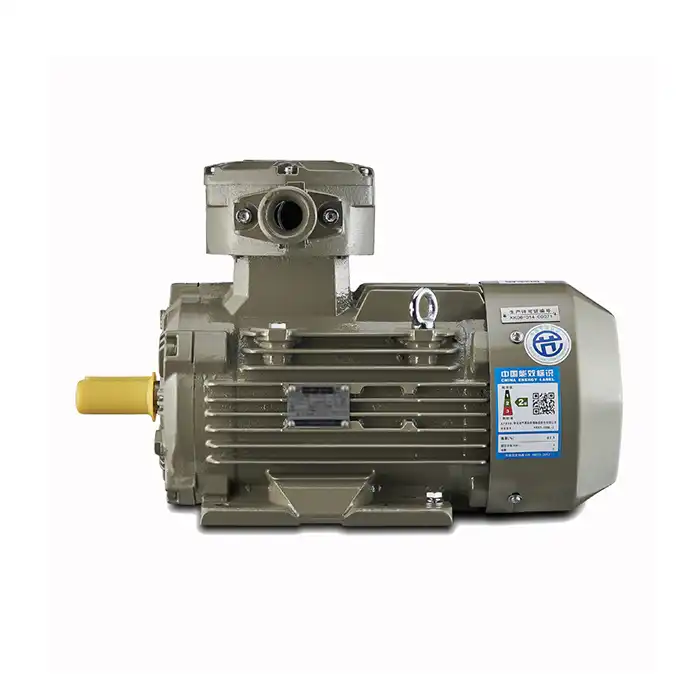
Series:Y2
Protection level:IP54
Voltage range:3000V±5%,3300V±5%,6000V±5%,6600V±5%,10000V±5%,11000V±5%
Power range:160-1600 kW
Application:fans, water pumps, compressors, crushers, cutting machine tools, transportation machinery, etc.
Advantage:compact structure, light weight, low noise, small vibration, long service life, easy installation and maintenance.
Standard: This series of products complies withJB/T10444-2004 standards.
Others: SKF, NSK, FAG bearings can be replaced according to customer requirements.
Understanding the Core Criteria for Auditing 3.3 kV Motor Suppliers
Every procurement manager knows that technical specifications form the backbone of any supplier evaluation. When looking at sources of 3.3 kV motors, you need to pay close attention to a number of factors to make sure they meet your business needs.
Voltage Ratings and Insulation Class Matter
Voltage tolerance has a direct effect on how long a motor lasts and how safe it is. Motors from reliable suppliers come in precise voltage ranges, including 3000V±5%, 3300V±5%, 6000V±5%, 6600V±5%, 10000V±5%, and 11000V±5%. This means they can work with a wide range of power systems in factories, water treatment plants, and energy production sites. How well the motor can handle thermal stress while it's running is based on its insulation class. Higher insulation values increase equipment life in demanding settings like compressor stations or aircraft manufacturing lines.
Efficiency and Starting Methods
Energy consumption represents a significant operational expense. Motors operating at 50 Hz frequency with power ranges from 160 kW to 1600 kW require efficient starting methods to minimize inrush current and mechanical stress. Different tasks can be done with direct-on-line, star-delta, and soft starter configurations. Suppliers should demonstrate clear understanding of which starting method suits your specific machinery—whether you're running fans in HVAC systems or crushers in mining operations.
Noise Levels and Vibration Control
Production environments increasingly prioritize worker safety and comfort, especially when integrating a 3.3 kV motor. Motors that make too much noise or shaking are hard to maintain and have to follow the rules for. Look for companies that sell motors that have documented noise levels and features that reduce vibration. The small size and light weight make it easy to put in places with limited room, like food processing or electronics manufacturing.
Certifications and Compliance Standards
Suppliers with a good reputation keep licenses from well-known groups. The JB/T10444-2004 standard compliance ensures motors meet established quality benchmarks. Systematic quality management is shown by ISO approvals, and foreign compatibility is shown by IEC and IEEE standards. These certifications aren't paperwork—they represent tested reliability that prevents costly field failures.
After studying these technical roots, procurement teams gain clarity on what separates adequate sellers from exceptional partners who understand industrial automation demands.
Analyzing Supplier Performance and Reliability
You can only get part of the story from technical specs. The operational capabilities of the supplier determine whether motors arrive on time and do what they're supposed to do throughout their lifecycle.
Lead Times and Delivery Consistency
Project schedules depend on being able to predict when equipment will arrive. Manufacturing delays affect all parts of the production process, from starting up power plants to finishing renewable energy projects. Suppliers who say their lead times are 8 to 12 weeks should show proof of consistent delivery performance. To make sure of their track record, ask for references from clients in similar fields, like the car, water treatment, or transportation businesses.
Quality Control and Testing Procedures
Strong testing methods find problems with 3.3 kV motor units before they get to your facility. On every unit, comprehensive providers test for insulation resistance, tremor analysis, and load. They keep records of test results and give conformity certificates. When comparing companies, ask for specifics about how they test. Motors that are going to be used in water distribution systems or compressors in refrigeration systems need to be tested to make sure they can handle being exposed to the environment at IP54 levels.
After-Sale Support and Troubleshooting Resources
Equipment purchases mark the beginning of a partnership, not the end. Suppliers who care about their customers' success offer quick technical help, even on the weekends. They give detailed maintenance instructions that include regular checks, keeping an eye on voltage regulation, and figuring out the condition of the insulation. When problems come up out of the blue, having access to skilled techs who know how to use applications in process control, robotics automation, and business HVAC systems is very helpful.
A factory in the Midwest learned this the hard way when their last source disappeared after delivering their goods, leaving them scrambling to find new bearings during a crucial production run. As part of their audit process, they now check the service infrastructure of suppliers before they commit to making purchases.
Comparing 3.3 kV Motors and Suppliers to Ensure Best Value
Costs aren't shown on price tags. Smart procurement weighs the initial investment against the expected performance, total ownership costs, and total ownership costs.
Balancing Price Against Performance
At first glance, cheaper motors may seem appealing, but the amount of energy they use over their lifetime is often much higher than their purchase price. Motors with speeds between 500 and 3000 RPM that are used constantly in cutting tools or moving equipment use a lot of electricity. Figure out how much energy you think you will use based on your job cycle and the power rates in your area. Suppliers should give performance curves that show how well the equipment works at different loads.
Understanding Voltage Class Suitability
Even though 3.3 kV motors are good for many commercial uses, comparing them to other options helps you make the best choice. Lower voltage motors (415V) work well for smaller tools but require heavier cables for similar power transfer. Higher voltage options (11 kV) lower the amount of current needed and the cost of cables in large installations, but they need more complex control systems. The best voltage class depends on what you're using it for, like agricultural irrigation pumps, healthcare facility HVAC, or airline ground support equipment.
Customization Flexibility and Bearing Options
It's not always possible to use standard specifications. Suppliers who offer customisation options show that they are willing to meet the specific needs of their customers. Being able to choose premium bearings like SKF, NSK, or FAG can help with certain situations or maintenance tastes. When flying along the coast, airlines that use corrosion-resistant bearings are better off. Food processing plants look for features that are easy to maintain and reduce the risk of contamination during service times.
Warranty Terms and Service Agreements
Standard 12-month warranties from the date of shipment or installation offer basic protection, but read the fine print carefully. When does coverage not apply? Does the seller offer service contracts that last longer? How quickly do they answer claims about warranties? The steps suppliers take to make claims and document their products show how confident they are in their goods. Renewable energy workers who are in charge of wind or solar projects in remote areas really value sellers who will stand behind their equipment without any red tape.
These comparative factors turn vague requirements into useful buying choices that are in line with your operational needs and financial goals.
Maintenance and Lifecycle Support: What to Expect from Your Supplier
Investing in equipment means more than just the price of buying it. It also means paying for years of operational support and maintenance.
Supplier-Guided Maintenance Strategies
Emergency fixes that cost a lot of money and unplanned downtime can be avoided with preventative upkeep. Good suppliers give you detailed maintenance plans that are made to fit the level of use of your application. Regular checks should include lubricating the bearings, making sure the electrical connections are solid, and making sure the cooling system is clean. When used for process control, motors that drive compressors need to be checked more often than those that only work sometimes. Insulation tracking finds damage before it happens, which is especially important for motors that work in damp places like water treatment plants.
Spare Parts Availability and Service Networks
When parts break, replacing them quickly keeps production losses to a minimum, especially for a 3.3 kV motor. Suppliers who keep large stocks of extra parts and large service networks provide real value. A supplier with service techs that can be driven to from your plant will reply faster than one that needs to ship basic parts from another country. In healthcare, where broken equipment can affect patient care, or in power generation, where every hour of downtime means a big loss of money, this is especially important to keep in mind.
Energy Efficiency and Noise Reduction Technologies
Costs of doing business and government rules push motor technology to keep getting better. Leading providers help customers improve efficiency by using cutting-edge cooling techniques and better coil designs. The IC411 cooling method manages temperature while using the least amount of energy. Noise reduction technologies help meet safety standards that are being enforced more and more in the production industry. Motors with a small structure and balanced rotors reduce vibrations that reach mounting structures. This lowers noise levels in closed areas that are typical in business HVAC installs.
Suppliers taking lifetime support as a relationship rather than a transaction show the long-term thought that protects your investment and operating consistency.
Step-by-Step Supplier Audit Checklist for 3.3 kV Motors
Systematic evaluation takes the place of guesswork in choosing a supplier, making sure that the project is a success.
Define Clear Audit Objectives
Start by writing down exactly what you need. How much power do you need? 160 kW for a single pump or 1600 kW for a big compressor? What kinds of weather does the motor have to work in? Will it work all the time or just sometimes? Do you need versions that won't explode for dangerous places? With clear goals, you can focus your evaluation on suppliers who can meet your actual needs instead of those who boast impressive but useless skills.
Essential Evaluation Parameters
Important areas should be covered in a planned way on your audit checklist. Technical specifications must align with your power requirements, including voltage tolerance (±5% is standard), frequency compatibility (50 Hz for most U.S. industrial applications), and speed ranges. Check the certificates of compliance and ask for copies of the test results. Look at the price models and make sure you know what's included. For example, does the quote cover delivery, help with setting up, or training for operators? Check the quality of delivery by calling past customers. Check the image of the supplier by talking to people in the same business and doing research online. Look for patterns in how happy customers are with the service.
Conduct Direct Supplier Engagement
Documentation gives basic information, but direct conversation shows supplier character and capabilities. Visit the facility as often as possible to see how it is made and how quality control is done, especially for a 3.3 kV motor. For important uses, ask for testing on a sample. For example, a motor that will be used in a mine crusher should be checked before large orders are made. Discuss technical issues related to your program. How do they suggest setting up motors for placements at high elevations? What changes to cooling work best in tropical climates? Suppliers who really know what they're talking about offer specific solutions instead of general answers.
Document and Communicate Findings
Systematic documentation makes it possible to compare different suppliers in an objective way. Make standard forms for evaluating each seller and giving them a score based on your criteria. Share your results with people inside the company—operations teams may find problems that procurement has missed. Be open and honest with your suppliers about when you will make a decision and how you will evaluate their work. This professionalism pushes them to do their best and builds respectful relationships that will help them in the future.
Procurement managers who spend time in detailed checks avoid the hassles and expenses of mismatched supplier relationships.
Conclusion
Auditing your 3.3 kV motor provider defends both working continuity and financial performance in a wide range of business settings. Technical specifications like voltage ranges, power capacity, protection levels, and efficiency are the building blocks. However, long-term success depends on how reliable the supplier is, how well they deliver, and how well they support the product throughout its lifecycle. Systematic evaluation spanning certifications, customization freedom, and service infrastructure leads procurement managers toward suppliers who become strategic partners rather than transactional vendors. Motors power important machines in industry, energy production, water treatment, and transportation. Because of this, thorough supplier checks are not just possible; they are necessary.
FAQ
1. What technical specifications matter most when auditing suppliers?
Dependability is affected by things like voltage rating accuracy (±5% error), insulation class, power range (160–1600 kW), and security levels (IP54 or higher). Different tasks can be done at speeds between 500 and 3000 RPM. Check that the equipment meets the requirements set by JB/T10444-2004, and ask for proof of the noise levels and efficiency ratings that are specific to your environment.
2. How do I compare total cost of ownership across suppliers?
Figure out the purchase price plus how much energy you think it will use based on how efficient the motor is and how often it will be used. Take into account the cost of repairs, the availability of spare parts, and the length of the warranty. Think about how much downtime will cost if supplier support isn't good enough. Even though they cost more at first, motors with high-quality bearings (like SKF, NSK, or FAG) and strong cooling systems (like IC411) often have lower total ownership costs.
3. What after-sale support should I expect?
Reliable providers offer thorough maintenance instructions, quick expert help, including availability on the weekends, and an easy-to-reach spare parts inventory. They offer help with hiring and tools for fixing problems. Check to see if their service network includes technicians who know your industry, like energy utilities, industrial automation, or HVAC. These technicians should know how to deal with problems that are unique to your application.
Partner with XCMOTOR for Reliable 3.3 kV Motor Supply
At XCMOTOR (Shaanxi Qihe Xicheng Electromechanical Equipment Co., Ltd.), we understand that picking a 3.3 kV motor provider requires trust in both product quality and ongoing relationship. Our motors have a small size, make little noise, don't shake much, and last a long time. They can be used in a wide range of machines, from fans and water pumps to compressors and cutting tools. We serve customers all over the United States in the industrial automation, HVAC, energy generation, and transportation sectors with voltage ranges from 3000V to 11000V and power rates from 160 kW to 1600 kW. We follow the rules set by JB/T10444-2004 and can customise bearings with SKF, NSK, or FAG choices. Our commitment includes fast delivery, dedicated support seven days weekly, and 30-day return privileges. You can talk to a trusted 3.3 kV motor maker about your needs by emailing xcmotors@163.com. They will be happy to look at your situation and offer the best solutions.
References
1. Institute of Electrical and Electronics Engineers. (2021). IEEE Standard for High-Voltage Motors: Specifications and Testing Protocols. IEEE Standards Association.
2. Bonnett, A.H. (2020). Root Cause AC Motor Failure Analysis with a Focus on High Voltage Motors. IEEE Transactions on Industry Applications, Volume 56, Issue 4.
3. National Electrical Manufacturers Association. (2019). NEMA Standards Publication MG 1-2019: Motors and Generators. NEMA Technical Publications.
4. Chapman, S.J. (2022). Electric Machinery Fundamentals: High Voltage Motor Applications in Industrial Settings. McGraw-Hill Education, Sixth Edition.
5. Henderson, R.D. & Rose, P.J. (2021). Harmonics and Motor Performance: Voltage Quality Effects on Industrial Motor Systems. IEEE Industry Applications Magazine, Volume 27, Number 3.
6. International Electrotechnical Commission. (2020). IEC 60034-1: Rotating Electrical Machines - Part 1: Rating and Performance Standards. IEC Publications, Fourth Edition.