




How to Select the Right Low Voltage Induction Motor?
Selecting the right low voltage induction motor can mean the difference between smooth operations and costly downtime. These motors power everything from HVAC systems to critical manufacturing equipment, making them essential components in industrial settings. With power demands ranging from 45kW to 800kW and applications spanning multiple sectors, choosing the appropriate motor requires careful consideration of technical specifications, operational requirements, and long-term performance expectations. This comprehensive guide walks purchasing managers, engineers, and procurement professionals through the critical decision points when evaluating induction motors operating at voltages up to 1000V. We'll explore practical selection criteria, compare different motor technologies, and outline procurement strategies that balance immediate costs with lifecycle value.
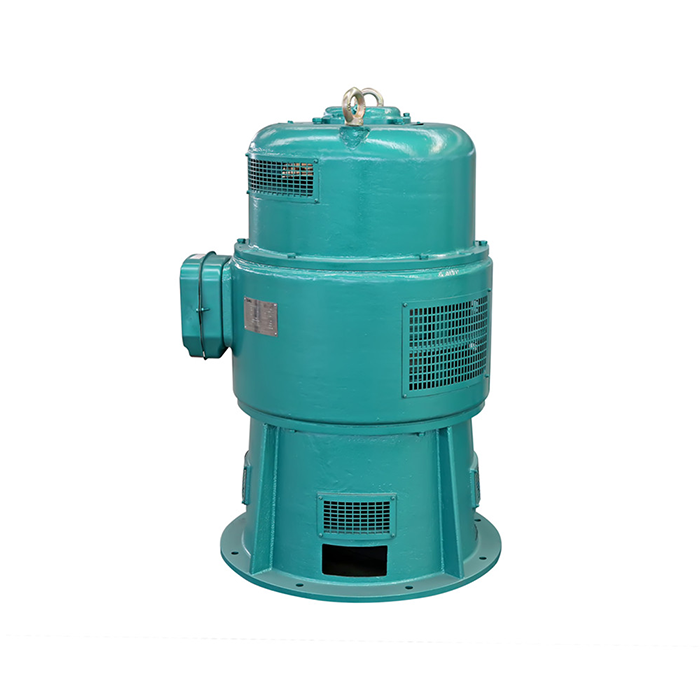
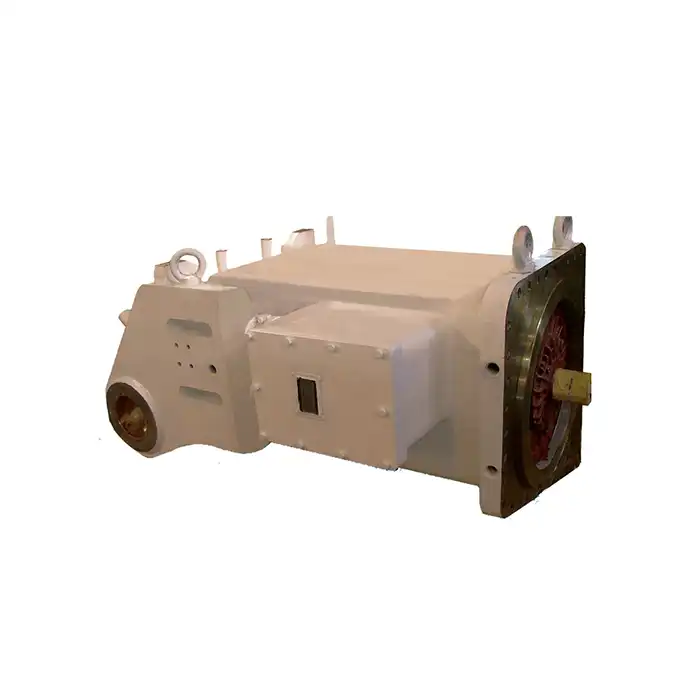
Series:YRQ
Voltage range:380V±5%
Power range:45-800kW
Protection level:IP23
Application:YRQ(JR) series medium-sized motors can drive a variety of different machinery, such as fans, compressors, water pumps, crushers, ball mills, cutting machine tools, transportation machinery and other equipment, and can be used in coal mines, machinery industries, power plants and various industrial and mining enterprises. Used as prime mover.
Advantage: The JR series medium-sized motors have very powerful driving capabilities and can not only drive conventional mechanical equipment, but also some complex mechanical equipment. For example, it can drive heavy machinery such as ships, cranes, and wind turbines, as well as small household appliances, purifiers, compressors, etc.
Others: SKF, NSK, FAG bearings can be replaced according to customer requirements.
Understanding Low Voltage Induction Motors
These three-phase asynchronous low voltage induction motors usually work with voltages below 1000V, with 380V and 660V being the most common settings. Their design is based on electromagnetic induction between a stator that stays still and a rotor that spins. This creates the mechanical force that moves heavy machinery.
Core Components and Operating Principles
When the motor is turned on, the copper windings in the stator create a magnetic field that spins. This field creates currents in the rotor, which can be shaped like a squirrel cage with bars made of aluminium or copper, or it can be shaped like a wound rotor with windings that can be reached. When the stator field and rotor currents combine, torque is created. Torque turns the shaft that links to your equipment. In industrial settings, squirrel cage types are most common because they are strong, don't need much upkeep, and work reliably under a wide range of load conditions.
Motor Type Distinctions
Three-phase motors consistently output power and are chosen for industrial uses. Single-phase motors, on the other hand, are better for light-duty needs in homes and small businesses. To cut down on energy waste, high-efficiency designs use better materials and better shape. Some models are flameproof because they have stronger casings that keep sparks inside. This makes them good for dangerous places with flammable gases or dusts. Knowing these differences can help you match the motor's features to the way you'll be using it, making sure it works with the equipment you already have and meets safety standards.
Key Factors to Consider When Choosing a Low Voltage Induction Motor
To choose the right low voltage induction motor, you should first look at what the application needs mechanically. Depending on the type of load, you may need constant or changing torque. Depending on the starting conditions, you may need a normal or high-torque design.
Application Requirements and Load Analysis
Motors for pumps and compressors usually need to be able to maintain a steady output and have a moderate starting torque. When conveyor systems are put through long job cycles—often years of nonstop use—they need to work reliably. Crushers and ball mills put a lot of mechanical stress on their parts, so they need to be built strong with bearings and frames that are reinforced. The YRQ (JR) series medium-sized motors work great in these tough conditions, powering fans, water pumps, cutting tools and transportation equipment in coal mines, power plants and factories. Their driving ranges from heavy industrial equipment like ships and cranes to precise applications, and they can handle power needs from 45kW to 800kW.
Power Rating and Voltage Compatibility
When you match the motor's power to the load's needs, you avoid both poor performance and useless oversizing. A motor that runs on 380V±5% needs a solid source within this range in order to stay efficient and not break down too soon. Speed needs are also taken into account, and choices from 500 to 1500 rpm can accommodate a variety of mechanical setups. Copper rotor and stator windings in high-quality motors like our YQR line are more efficient than aluminium ones, which means that the motor will cost less to run over its lifetime.
Energy Efficiency Standards
The International Efficiency standards divide modern industrial motors into four groups, with IE1 being the least efficient and IE4 being the most efficient. Each level represents better performance. Electricity costs usually make up 97% of a motor's lifecycle costs, while the price it was bought for only makes up 1% to 2%. Because of this, efficiency is no longer a minor factor in buying; it is a crucial factor. High-efficiency motors pay for themselves quickly by using less energy, which means they usually pay for themselves in four years if they run for more than eight hours a day.
Environmental and Operating Conditions
Ambient temperature differences have a big effect on how well and how long a motor lasts. Standard designs can handle temperatures from -40°C to +40°C, but in harsh environments, you may need special thermal protection. The IP23 protection class protects against solid objects bigger than 12 mm and water spray at angles up to 60 degrees from vertical. This makes it good for many indoor industrial settings. When installing in humid, dusty, or corrosive environments, it's important to choose the right enclosure to avoid damage from contamination. Our motors' cast iron frames make them more durable against physical impacts and weather stresses that are common in industrial settings.
Comparing Low Voltage Induction Motors with Other Motor Types
When purchasing managers know how different low voltage induction motors stack up against each other, they can make smart decisions about how to balance efficiency, complexity, and total cost.
Low Voltage Versus High Voltage Applications
Motors that need voltages above 1000V are called medium or high voltage motors, and they are usually used in places where power needs are higher than a few hundred kilowatts. High voltage systems have stricter safety rules, more complicated construction standards, and different types of switchgear. Low voltage designs are easier to integrate, cost less to install, and have a wider range of standard parts available for 45kW to 800kW applications. The cost of building the infrastructure needed for high voltage operation rarely makes sense for less than 500kW unless the site conditions call for it.
Induction Motors Versus Servo Technology
Servo motors are great for robots and automated manufacturing where precise positioning is important because they can control position accurately and respond quickly to direction signals. But this level of accuracy comes at a very high cost and makes the control system more complicated. Due to their simplicity and low cost, induction motors are the best choice for applications like pumps, fans, and conveyors that need to keep rotating at fairly steady speeds. Because they are more durable, induction designs can also handle tough industrial settings better than servo designs.
Asynchronous Induction Versus Synchronous Designs
Synchronous motors keep their speed exactly in sync with the source frequency. This is helpful in situations where precise speed control or power factor adjustment is needed. There is a small slip between the rotor speed and the synchronous speed in induction motors. This small loss of efficiency is traded for easier construction and the elimination of rotor excitation systems. Because they don't need any maintenance and have been shown to be reliable, asynchronous designs are the standard choice for most industrial drive applications where the small difference in speed doesn't affect how the system works.
How to Procure the Best Low Voltage Induction Motor
It's not enough to just compare technical datasheets when you're buying a low voltage induction motor. You also need to think about your relationships with suppliers, their support capabilities, and the total cost of ownership.
Supplier Evaluation and Selection
Working with well-known motor providers gives you access to engineering help during the development of specifications, which makes sure that the motors you choose meet the needs of your application. At XCMOTOR (Shaanxi Qihe Xicheng Electromechanical Equipment Co., Ltd.), we offer power equipment options backed by professional know-how and full support for both service before and after the sale. We promise to quickly fix any technical problems and help customers throughout the lifecycle of their tools. This makes us more than just a provider; it makes us a partner.
Customization and Technical Specifications
Standard motors can be used for a lot of different tasks, but customisation choices let you get the best performance for your individual needs. Different mounting styles, such as foot-mounted, flange-mounted, and foot-flange mounted versions, can be used for different fitting situations. You can choose between 50Hz or 60Hz frequencies to match the power standards in your area. There are also 2 to 8 pole configurations for speed options that meet mechanical needs. Normal workplace temperatures can be handled by building with insulation class B, and the IC01 cooling method uses air flow in the room to get rid of heat.
Here are the main technical benefits of equipment that is properly specified:
- Cast iron frame construction makes it strong enough to work in industrial settings and stable enough to align precisely.
- Copper winding technology in both the rotor and the stator cuts down on electrical losses and makes power transfer more efficient than aluminium options.
- Precision rotor balancing keeps vibrations to a minimum, increases bearing life, and lowers noise levels in the work area.
- Premium bearing specification with options for SKF, NSK, or FAG parts ensure longer maintenance intervals and reliable operation.
- Versatile mounting options let it fit into existing equipment layouts without making major changes to the installation infrastructure.
These technical features work together to solve common production problems like unplanned breaks, using too much energy, and needing to be fixed often, which happen in places with old, broken-down equipment.
Delivery and Lead Time Management
Knowing when things need to be made and delivered helps keep projects on schedule. Modern production methods, such as precise die-casting of motor frames, advanced winding technology, automatic rotor assembly and balance, strict stage-gate testing, and final performance validation, make sure quality, but they need to be planned well. Our free delivery service on all items takes care of all the logistics, and clear communication about production schedules lets you plan your projects perfectly. The 30-day return policy gives buyers trust in their purchases, which lowers the risk of choosing the wrong tools for important tasks.
Total Cost of Ownership Analysis
The purchase price is only a small part of how much a motor costs over its entire life. Over the course of 10 to 15 years of use, the amount of energy used is much higher than the cost of purchase. This is why efficiency scores are so important to economic research. Maintenance tasks like replacing bearings, inspecting windings, and regular service raise the cost of labour and parts in a way that is very different depending on the quality level. Dependability affects the ability to keep making things, because when something breaks down unexpectedly, it can cost more than the motor itself to buy. Buying strategies that focus on total cost of ownership instead of lowest bid price always lead to better financial results.
Best Practices for Ensuring Long-Term Motor Performance
Motors like the low voltage induction motor last longer and work more efficiently for many years if they are operated and maintained correctly.
Common Failure Modes and Prevention
An important part of motor problems is bearing failure, which usually happens because of poor lubricant, contamination, or misalignment. Most problems that involve bearings can be avoided by checking their state regularly and following lubrication plans. Thermal stress, moisture ingress, or electrical transients can cause winding insulation to break down. This is why protecting the environment and installing electricity correctly are so important. By keeping an eye on the numbers of coil resistance and insulation, you can spot damage before it becomes too bad to fix.
Condition Monitoring and Predictive Maintenance
Vibration analysis, thermal imaging, and electrical signature analysis are some of the more advanced maintenance methods used to find problems before they cause unplanned downtime. By looking at the trend of a motor's operating current, you can see how the mechanical load or electrical condition changes over time. Temperature monitoring finds problems with the cooling system or worn-out bearings. With these predictive techniques, maintenance moves from responding to failures after they happen to taking action before they happen, which greatly increases operational reliability.
Variable Frequency Drive Integration
When motors are paired with variable frequency drives, the best way to use energy is in situations where the load changes. Fans and pumps that run at slower speeds use a lot less electricity than ones that run at a steady speed and have sliding control. VFDs also have soft-starting features that lower mechanical stress during startup, which makes equipment last longer. Controlled acceleration gets rid of current spikes that put stress on electrical systems and mechanical parts that are related to them.
Conclusion
To choose the best low voltage induction motor, you have to weigh the technical specs against the needs of the application, your energy efficiency goals, and the costs over its entire life. Industrial motors ranging from 45kW to 800kW at standard voltages are used in a wide range of industries, including manufacturing, process control, HVAC, utilities, and more. Quality construction with copper windings, precise balancing, quality bearings, and strong frames guarantees steady performance in harsh conditions. When making purchases, people should think about the total costs of ownership instead of just the purchase price, since energy use is the biggest cost over the life of an item. Working with suppliers that offer expert support, customisation, and full after-sales service helps protect equipment investments and improves operating success.
FAQ
1. What voltage range qualifies as low voltage for industrial motors?
Low voltage technology usually includes motors that work with less than 1000V. 380V, 440V, and 660V are some of the most common voltage levels, though they can be different in different areas. Medium voltage motors work with voltages between 1100V and about 7000V. Anything above 10000V is considered high voltage. The 380V±5% specification is common in many industrial settings and lets equipment with 45–800kW of power work efficiently without the need for expensive high-voltage infrastructure.
2. How do I determine the correct motor size for my application?
To figure out how much power is needed, you have to look at the mechanical load's characteristics, such as the torque needs, operating speed, and duty cycle. For continuous duty applications (S1 classification), motors must be able to run for a long time without overheating. Loads with a lot of inertia may need special rotor designs to meet their starting power needs. Talking to application engineers who know your tools well is the best way to make sure you get the right size, so you don't waste money by going with something too big.
3. Can these motors operate in hazardous environments?
Standard IP23 protection works well in many industrial settings, but for some tasks, higher levels of protection or construction that can't explode are needed. Motors that are meant to be used in places where there are flammable gases or dusts need to have the right approvals and stronger housings that have spark plugs inside them. Protection features that go beyond standard industrial ratings need to be carefully chosen for use in coal mines, chemical processing plants, and other similar places.
Partner With XCMOTOR for Your Industrial Motor Requirements
XCMOTOR offers durable industrial motors backed by engineering know-how and full support that lasts as long as your equipment is in use. Our YRQ (JR) series motors, which range from 45kW to 800kW, have been used successfully in the manufacturing, mining, power generation, and process industries for a long time. As an expert low voltage induction motor seller, we offer custom solutions that include high-quality SKF, NSK, and FAG bearings, a variety of mounting choices, and technical specs that are exactly what you need for your application. As part of our promise, we will deliver quickly, provide real replacement parts, and offer focused help seven days a week. Email our team at xcmotors@163.com to talk about your specific application needs and get detailed technical advice along with competitive prices. We'll help you choose the best tools for your business activities based on performance, efficiency, and value over its entire life.
References
1. Beaty, H.W., and Kirtley, J.L. (2018). Electric Motor Handbook. McGraw-Hill Education, New York.
2. Bonnett, A.H. (2020). Root Cause AC Motor Failure Analysis: A Practical Guide to Practical Application. Institute of Electrical and Electronics Engineers, Piscataway.
3. Cowern, T.P. (2017). Industrial Energy Management: Principles and Applications for Motors and Drives. Energy Management Publishing, Boston.
4. Nailen, R.L. (2019). Practical Guidance for Defining Motor Efficiency, Testing and Performance Standards. Electrical Apparatus Service Association Technical Manual, St. Louis.
5. Toliyat, H.A., and Kliman, G.B. (2018). Handbook of Electric Motors: Second Edition Revised and Expanded. CRC Press, Boca Raton.
6. Yeadon, W.H., and Yeadon, A.W. (2021). Handbook of Small Electric Motors: Standards, Testing and Construction. McGraw-Hill Professional, New York.
YOU MAY LIKE
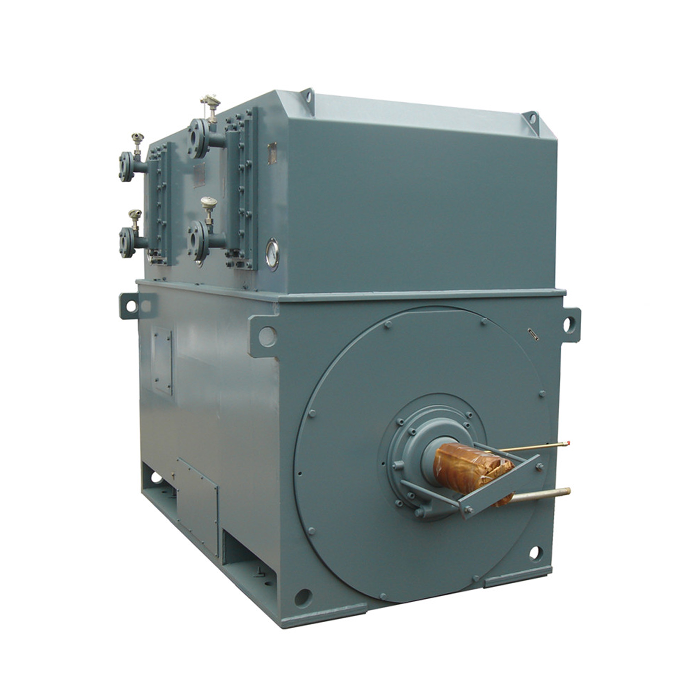 VIEW MOREwater cooled motors
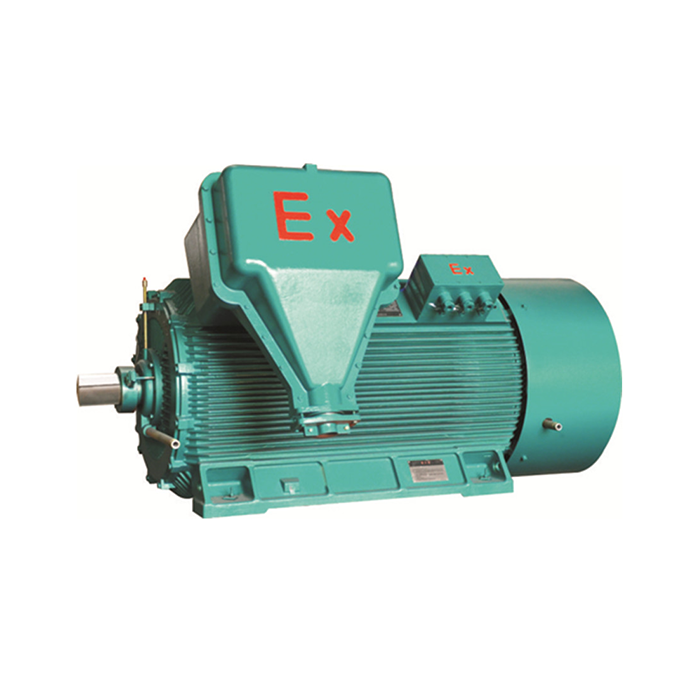 VIEW MOREYB2 series high voltage explosion-proof motor
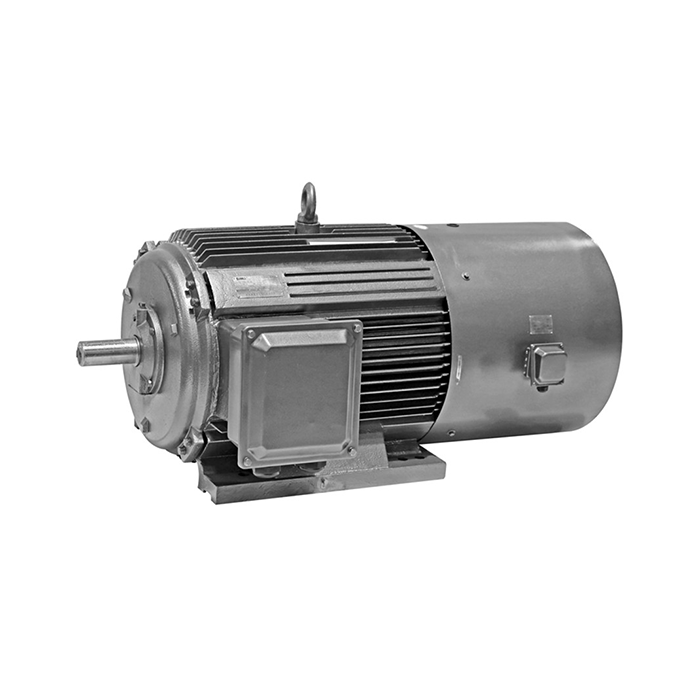 VIEW MOREYVFE3 frequency conversion speed regulating motor
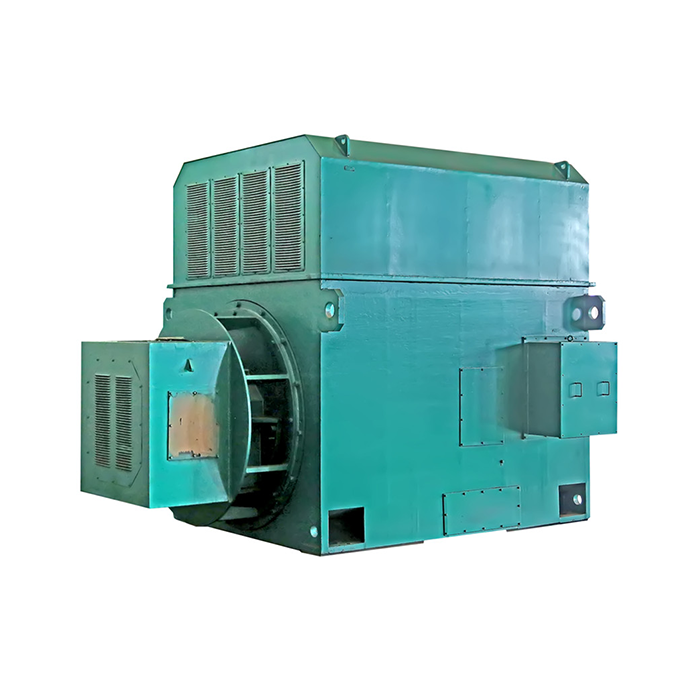 VIEW MORE3 phase induction motor slip ring
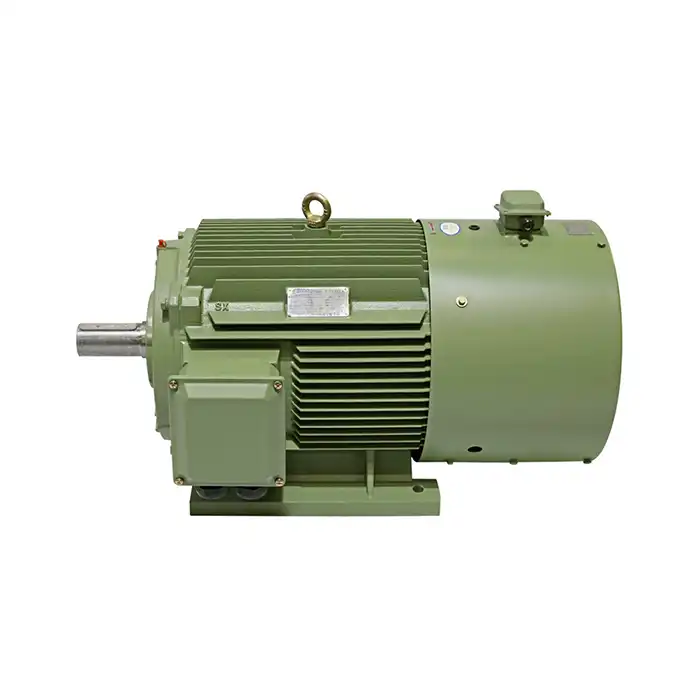 VIEW MOREunbalance vibration motor
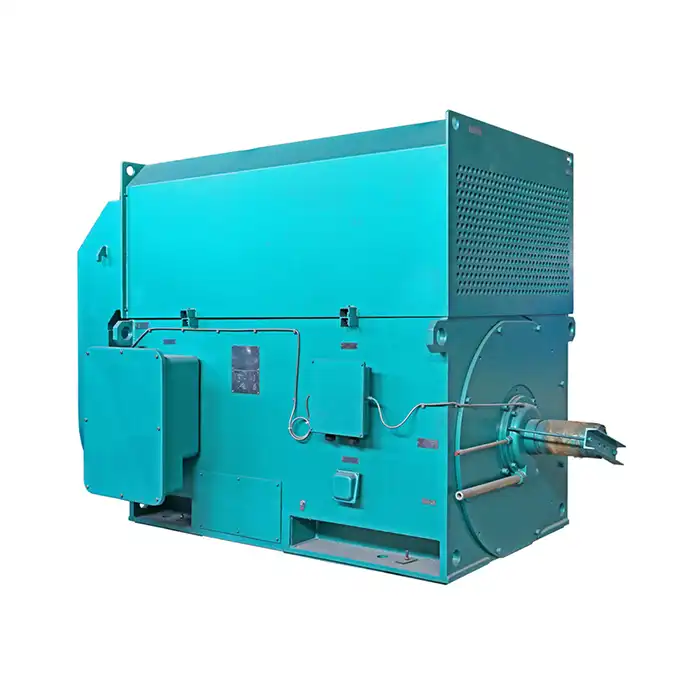 VIEW MORE2500 kw motor
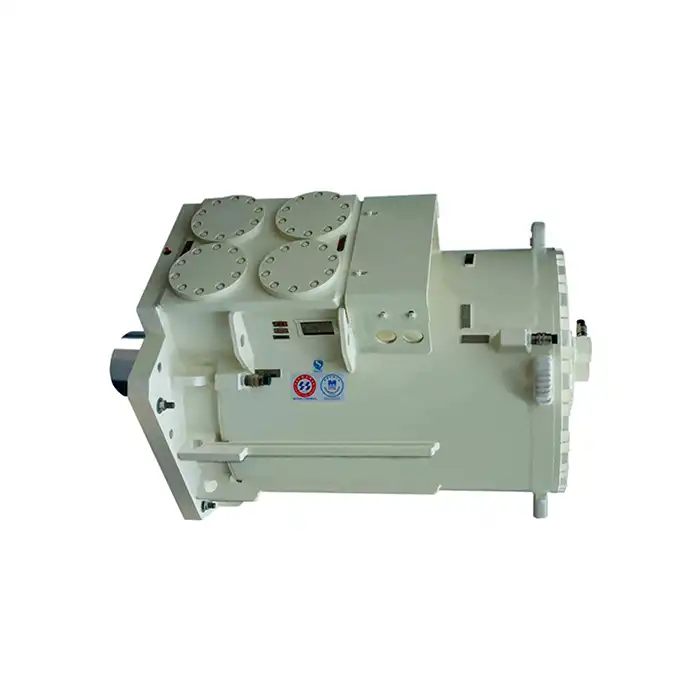 VIEW MOREYBS low voltage explosion-proof coal mine motor
 VIEW MOREYBSD explosion-proof conveyors motors