



YKK Motor Maintenance Guide for Better Performance
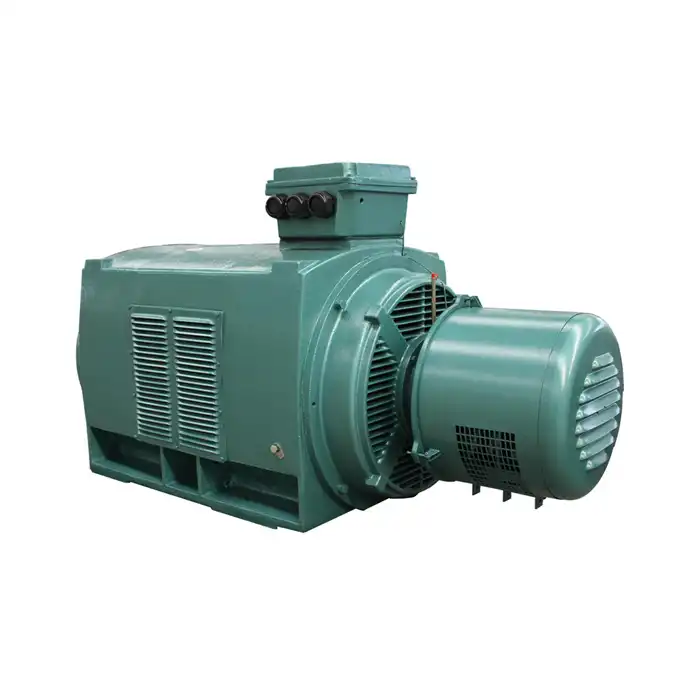
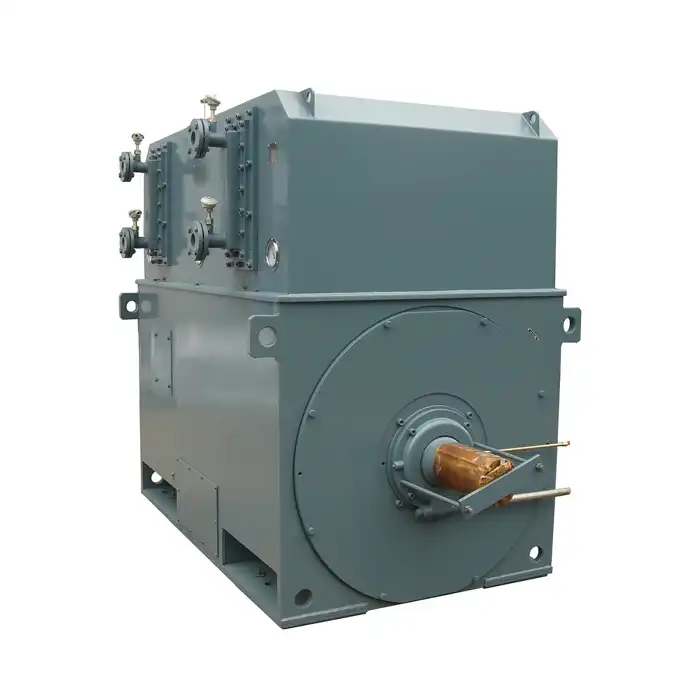
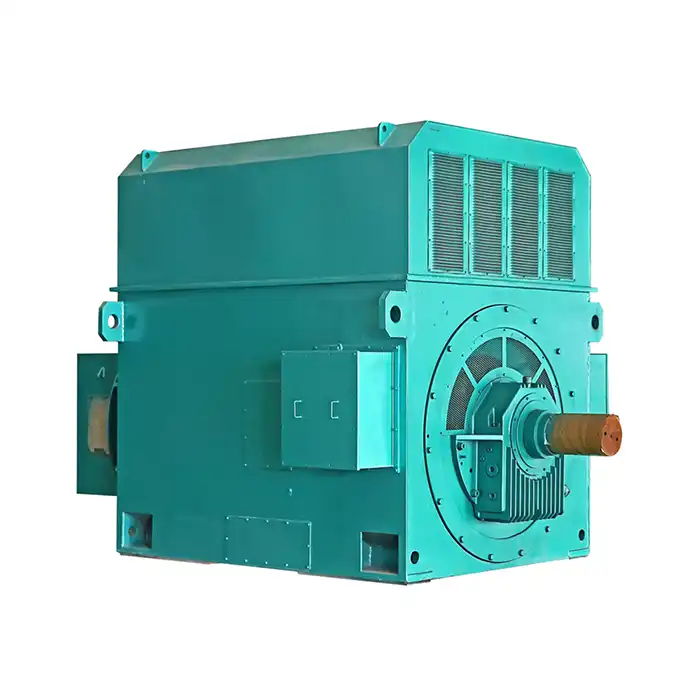
Proper maintenance of high voltage industrial motors significantly affects operational efficiency, energy costs and equipment life in manufacturing, HVAC, energy and process control industries. A well-maintained ykk motor provides dependable operation, reducing unplanned downtime and ensuring maximum return on investment. This handbook offers realistic maintenance approaches for industrial applications, from simple inspections to sophisticated troubleshooting, to assist procurement managers and maintenance engineers in improving motor reliability and service life, and in managing total ownership costs.
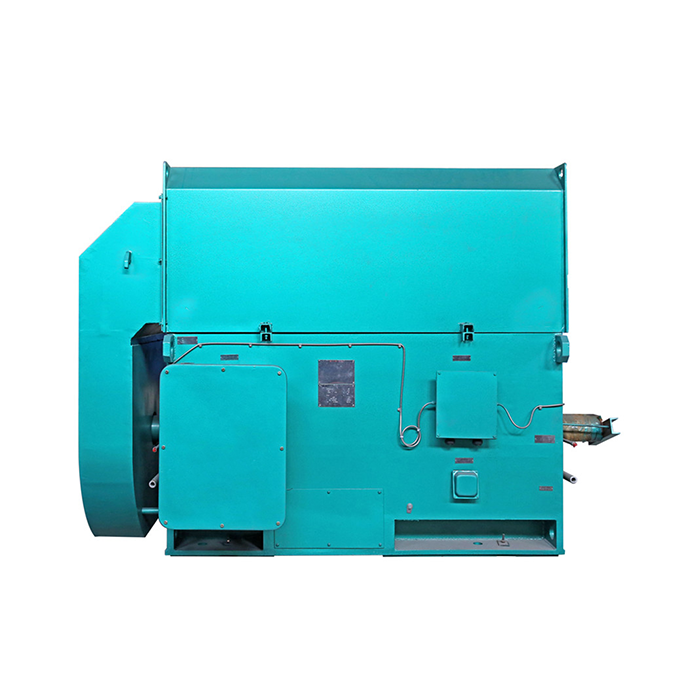
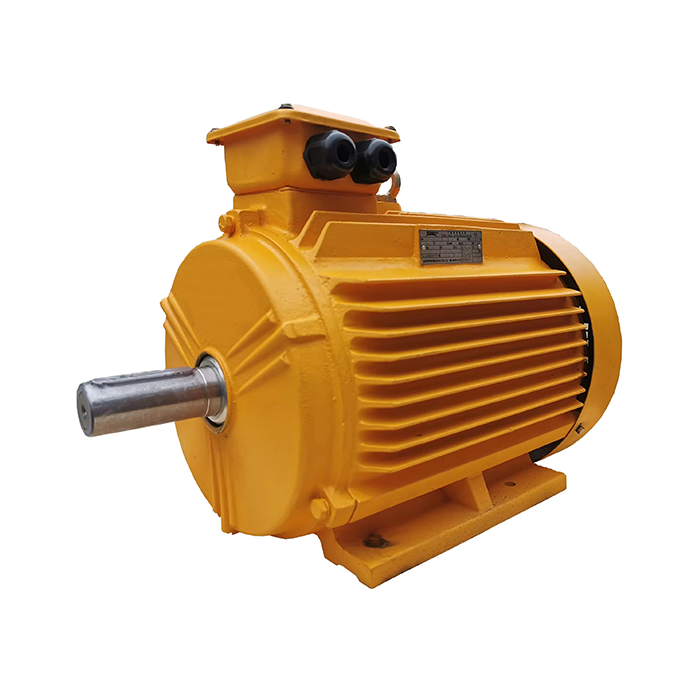
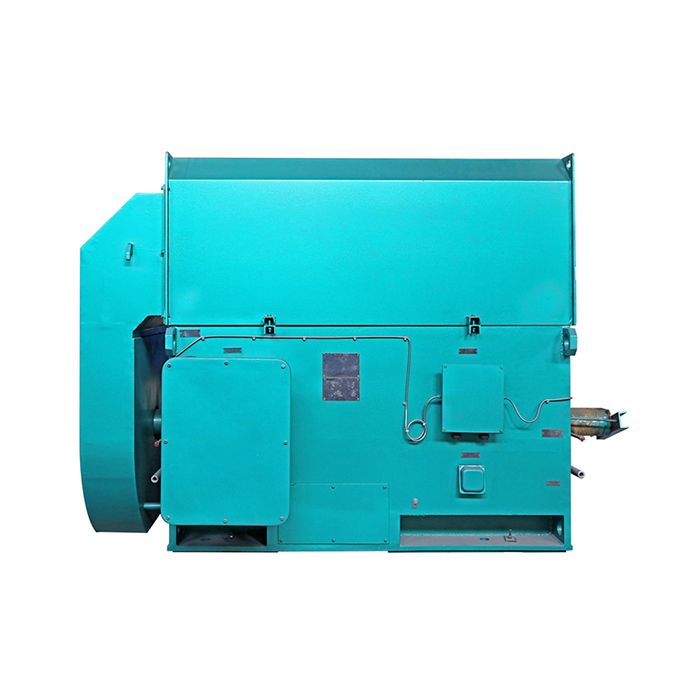
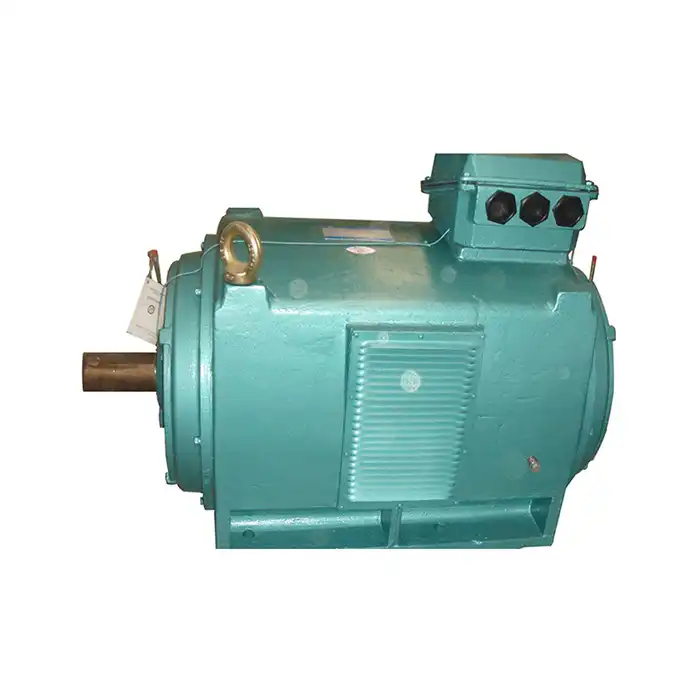
Series:YKK
Protection level:IP54
Voltage range:3000V±5%,3300V±5%,6000V±5%,6600V±5%,10000V±5%,11000V±5%
Power range:200-6300 kW
Application:fans, water pumps, compressors, crushers, cutting machine tools, transportation machinery, etc.
Advantage:low noise, low vibration, long service life, easy installation and maintenance.
Standard: This series of products complies with JB/T 12730 and JB/T 12729 standards.
Others: SKF, NSK, FAG bearings can be replaced according to customer requirements.
Understanding YKK Motor Basics for Effective Maintenance
Core Components and Operational Principles
Stators and wheels in industrial motors interact electromagnetically to turn electrical energy into mechanical power. When turned on, the shielded copper windings in the stator create magnetic fields, which are then turned into spinning force by the rotor. Bearings keep the rotor shaft in place and allow it to spin smoothly, so they are very important for working steadiness. Knowing about these parts helps maintenance teams find trends of wear and guess when repairs are needed before they happen.
The ykk motor line outputs 200 kW to 6300 kW at 3000V to 11000V. These standards affect maintenance. Higher voltages and power ratings increase thermal demands that the cooling system must monitor. Motors that meet JB/T 12730 and 12729 requirements provide IP54 protection, protecting the interior parts from industrial dust and water splashes. You may pick high-quality SKF, NSK, or FAG bearings depending on product demands. This lets you work in tough situations.
Technical Specifications and Maintenance Implications
Stable power source management is necessary for ykk motors with voltage tolerances of ±5% from 3-11kV. Voltage changes accelerate insulation breakdown and winding temperature, shortening motor life. Regular power checks prevent harm. Power ratings affect thermal profiles. Near-capacity motors generate more heat, therefore cooling and thermal imaging must be monitored more regularly.
Efficiency ratings greatly impact maintenance frequency. High-efficiency motors lose less heat, reducing thermal stress on insulation and bearings. The ykk motor design emphasises energy efficiency. This keeps the engine cool and its components lasting. Normal insulation class F can withstand 155°C. The alternative class H can handle temperatures up to 180°C, providing extra safety for temporary overloads. Knowing these temperature limits helps repair teams set up proper monitoring.
Noise and Vibration as Diagnostic Indicators
Sound levels during operations are early warning signs of problems that are about to happen. When a motor is running normally, electric forces and mechanical spinning create a steady low-frequency hum. Noises that get louder quickly, like grinding, squealing, or rattling, can mean that bearings are worn out, parts are out of place, or parts are loose. The ykk motor's low-vibration design makes it easier to find problems by comparing them to the norm.
Vibration analysis detects mechanical imbalances, faulty bearings, and misaligned shafts before they fail badly. Setting baselines for approving vibrations shows patterns. Portable vibration analysers provide frequency-spectrum data to identify the defect. Failure causes high-frequency vibrations in bearings. Out of balance, they vibrate lower. Vibrations are measured weekly for critical applications and monthly for standard installations to predict repairs and prevent outages.
Identifying Maintenance Challenges and Root Causes
Common Symptoms and Diagnostic Approaches
Overheating is one of the most common problems that can happen with motors. Too little air flow, too hot or too cold conditions, voltage imbalances, or overloading can all cause temperatures to rise. Surface temperatures outside that are more than 10°C above what was planned should be looked into right away. Thermal image cameras find hot spots in bearings, connections, and windings, so you can find trouble areas without taking the whole thing apart.
Mechanical imbalance, misalignment of motor and driven equipment, old bearings, or foundation damage may create severe vibration. Even a few thousandths of a millimetre shaft misalignment causes rotational forces that accelerate bearing wear and stress the bearing support structures. Mechanical integration is verified by coupling and laser alignment tool inspections. Loose anchor bolts or fractured grout may weaken a foundation, particularly at high-power sites where vibration stresses are increased.
Environmental and Operational Stress Factors
Industrial pollution reduces motor performance, particularly for a ykk motor. Dust on cooling fins reduces heat removal, raising interior temperature. Moisture entering via damaged seals decreases insulation resistance, allowing power to flow. These motors can endure most environmental dangers due to their IP54 designation, however the housing must be maintained periodically. Checking gaskets and changing breather filters improves protection.
Lubrication greatly affects bearing life. Lack of lubrication worsens friction and heat, whereas too much grease causes losses and higher temperatures. Bearing manufacturers recommend greasing depending on shaft speed and hours utilised. This happens every 2000–4000 hours for medium-speed applications. Manufacturer-recommended lubricants assure chemical compatibility. Mixing incompatible greases accelerates wear and disintegration. Lubricants are also affected by environmental temperatures. For high-temperature usage, synthetic formulae must not oxidise.
Electrical Failures and Insulation Deterioration
Major motor breakdowns are caused by electrical problems. Insulation slowly breaks down due to changes in temperature, water absorption, and chemical contamination. Using megohm meters to test insulation resistance finds damage before short circuits happen. If you see measurements below 1 megohm per kilovolt of operating voltage, it means that the insulation is damaged and needs to be fixed. Trending resistance values over time shows rates of degradation, which lets you plan interventions.
Current flows unevenly and each wire gets too hot when three-phase power sources have different voltages. Motors with imbalances above 2% perform poorly and last less. Power quality analysers and phase current monitors identify power source issues for distribution panel repair. Electrical efficiency is impacted by terminal box connections; weak connections cause resistance heating and arcing. Maintenance checks for heat can prevent electrical wire failures.
Step-by-Step YKK Motor Maintenance Procedures for Optimal Performance
Initial Assessment and Preventive Planning
Setting up a maintenance baseline starts with nameplate specifications, operational parameters, and performance metrics. You can use no-load and full-load currents, voltage levels, working temperatures, and vibration signatures to guide future checks. This supports trend analysis that finds slow declines before emergencies.
Preventive maintenance schedules should match activity and environmental severity. Critical process motors used 24/7 require more maintenance than occasional motors. Environmental factors including temperature, humidity, and pollution impact service times. A typical maintenance plan comprises daily operator checks, weekly comprehensive inspections, monthly thorough exams, and annual shutdown overhauls for critical equipment.
Routine Inspection Protocols
Visual examinations identify obvious issues fast. Checking for strange noises, vibrations, smells, or visible damage takes minutes. This avoids significant failures. Keep thermal management current by cleaning input screens and exhaust holes to clear cooling air routes. Verifying mounting bolt strength prevents shaking-induced loosening. Junction box covers should seal correctly to protect electrical cables from water and debris.
Lubricate the ykk motor according to the manufacturer's directions. Level plugs or sight glasses show grease levels in bearing housings. Relief plugs prevent system overpressure while regreasing. Grease should be applied at the proper moments to maximise bearing life. Writing down lubrication dates and amounts lets you compare them to planned schedules and avoid missing services.
Terminal screws must be tightened to particular torque levels and cables examined for insulation damage for electrical connection examinations. Resistance heating causes discolouration or heat damage to neighbouring items when linkages aren't tight. Infrared screening detects electrical hot spots without halting the equipment. Set the maximum temperature difference between stages to ensure even loading.
Advanced Troubleshooting Techniques
When signs are worse than usual, thorough troubleshooting finds the root causes. Spectrum analysis is used to tell the difference between bearing defects and imbalance or misalignment during vibration diagnostics. By using shaft speed and bearing shape to figure out bearing frequencies, it is possible to find faults more accurately. Trending vibration amplitudes over time tells you whether things are stable, getting better, or worsening, which helps you decide when to intervene.
Motor current signature analysis (MCSA) looks at current waveforms to find electrical and mechanical problems. The current spectrum shows unique frequency patterns that are caused by things like broken rotor bars, air gap eccentricity, and faults in the stator winding. This method lets you check the condition of a motor without taking it apart, which lowers the cost of the inspection while still giving you detailed diagnostic information.
There are more steps to checking insulation than just measuring resistance. Comparing one-minute and ten-minute resistance readings with polarisation index tests shows that wetness can contaminate insulation, weakening it over time. Surge testing finds turn-to-turn shielding weaknesses in windings before they break completely. These diagnostic tools help planned maintenance strategies that schedule repairs for planned outages instead of emergency shutdowns.
Comparing YKK Motor Maintenance with Other Brands
Maintenance Cost and Effort Analysis
The way these high-voltage motors are built directly affects how much upkeep they need and how much it costs. When compared to motors with higher mechanical oscillation, low-vibration construction lowers bearing stress, which means that service intervals are longer. Key parts like bearings, terminal boxes, and cooling systems are easier to get to, which cuts down on the time needed for checks and fixes. The IP54 security standard keeps parts from breaking down too quickly in dirty or wet places, which means they don't need to be cleaned as often or replaced as often.
The quality of the bearing has a big effect on how much it costs to maintain over time. If you choose high-quality bearings from SKF, NSK, or FAG, they will last longer even in harsh circumstances. Even though the initial costs are a little higher, the motor will save you a lot of money over its lifetime because it will fail less often and require less downtime. Quality parts usually need to be replaced every 40,000 to 60,000 hours of use with proper care, while regular bearings only need to be replaced every 20,000 to 30,000 hours.
Reliability and Service Life Considerations
Design gaps and the quality of the parts have a big impact on how reliable a motor is. The ykk motor line is built to last, with cooling systems that are too big and cautious thermal ratings. Running at less than full capacity makes the insulation last longer and lowers the thermal stress on the moving parts. The extra class H insulation gives extra thermal protection for uses that are temporarily overloaded or where the temperature is high.
How long downtime lasts during service events is directly related to how easy it is to maintain the ykk motor. Standardised mounting and bearing sizes make it easy to change parts quickly with standard ones. Accessible port designs make it easier to connect electrical devices. These design choices shorten the mean time to fix (MTTR) for both planned upkeep and unplanned failures, which means that production stops less often.
Energy Efficiency Impact on Maintenance Frequency
Motors with higher efficiencies produce less waste heat for the same amount of mechanical output. This lowers the temperature stress on the whole system. Lower operating temperatures slow down the rate at which insulation wears out. For every 10°C drop in operating temperature, insulation life doubles. This thermal advantage directly means that equipment will last longer and need less maintenance.
Less heat production is also good for lubricating bearings. Lower temperatures stop lubricant from breaking down and oxidising too quickly, which extends the time between re-greasing and the life of the bearing. Better efficiency leads to lower energy costs, less upkeep for the cooling system, fewer bearing service visits, and longer insulation life. All of these things add up to a lower overall cost of ownership compared to less efficient options.
Procurement and Support Considerations for Maintenance Optimization
Sourcing Genuine Motors and Components
Buying real motors from authorised distributors makes sure that you are covered by the warranty, can get technical help, and can get genuine replacement parts. Counterfeit or gray-market motors might not have proper quality control, use poor materials, or come with enough paperwork, which can make maintenance harder and void the warranty. Authorised routes offer traceability, certification paperwork, and maker support that are necessary for important business uses.
Finding replacement parts needs the same amount of care. Genuine parts are made to the exact specifications of the original design, so they fit right, work well, and are reliable. It's possible for aftermarket bearings, seals, or electrical parts to look and work the same, but they are often made with lower-quality materials or with less strict production standards. The small cost savings are lost when early failures lead to unplanned downtime and damage to other parts that are connected.
Warranty and After-Sales Service
Understanding the terms of a guarantee increases its worth after the purchase of a ykk motor. Standard one-year coverage usually covers problems with the way the product was made, but not problems caused by bad fitting, poor upkeep, or environmental factors that go beyond the product's design rates. Options for longer warranties give extra security for important uses where the cost of failure justifies higher coverage. Keeping records of regular maintenance like inspections, lubrication logs, and test results can help with warranty claims if problems happen.
Having access to technical support is very helpful during tasks like setting up, fixing problems, and improving performance. Authorised sellers keep tech staff who know about the specifics of the product, how it should be used, and how to solve problems. This knowledge cuts down on the time needed to diagnose problems, stops repairs from going wrong, and helps maintenance teams come up with effective plans that work in different operational situations. Building relationships with support staff who know what they're doing pays off over the life of the equipment.
Strategic Procurement for Industrial Operations
Strategies for buying in bulk have real benefits beyond lowering unit prices. When you make a volume promise, you can get faster delivery in an emergency, better technical help, and service agreements that are tailored to your specific operational needs. Standardising motor specs across facilities makes it easier to find spare parts, lowers the need for training, and speeds up the maintenance process.
There are different kinds of service contracts, from the most basic ones that just make sure you have parts on hand to ones that cover full maintenance plans with regular checks, tests, and fixes. The best way to do things is to compare the costs of in-house repair services to the costs of hiring outside service providers. Large facilities with trained workers may do basic maintenance on their own and hire outside services for things like precision balancing or fixing windings. Smaller businesses might benefit from full-service agreements that give maintenance work to specialised companies.
Conclusion
High voltage industrial motors need to be examined routinely, diagnosed using predictive diagnostics and choices made based on data to be effectively maintained. Designed for durability, energy efficiency and simple accessibility, ykk motor series is engineered to provide dependable performance in a broad variety of demanding applications with easier maintenance requirements. Knowing how the pieces function together and recognising the indicators of failure will help you take the proper preventive measures to get the most out of your equipment and extend their life as long as feasible. Strategically purchasing from licensed providers ensures the quality, insurance protection, and access to professional advice essential for long-term company success. Well-run maintenance programs turn motors from potential failures into reliable production assets that keep factories humming.
FAQ
1. How often should YKK motors undergo professional maintenance inspections?
How frequently maintenance is done depends on economic activity and weather. Continuous-duty motors need monthly checks in harsh environments. Intermittent uses may reach three months in clean environments. For most industrial uses, annual professional overhauls that replace bearings, test insulation, and mechanically align the machine work well. Check critical process motors more regularly to prevent expensive production pauses.
2. What warning signs indicate immediate maintenance needs?
If the temperature goes above 10°C, there are strange sounds like grinding or squealing, sudden increases in vibration, or smoke that can be seen, the machine needs to be shut down and looked into right away. Lessened performance, like slower speeds when under load or trouble starting, is another sign that problems are beginning to appear. Insulation resistance below 1 megohm per kilovolt means that the electricity is failing badly and needs to be fixed right away to avoid a disaster.
3. Does improper installation affect motor lifespan significantly?
Installation quality greatly affects reliability and durability. Misalignment of the shaft accelerates bearing wear and mechanical stress. Small ventilation gaps raise operating temperatures, damaging insulation and shortening part life. Improper electrical connections cause resistance heating and phase imbalances. Installation instructions from the manufacturer are crucial. Professional commissioning services ensure proper setup, preventing early issues.
Partner with XCMOTOR for Reliable YKK Motor Solutions
XCMOTOR is ready to help you buy and maintain industrial motors by providing you with genuine products and expert advice. As a reliable ykk motor provider, we offer a wide range of power equipment options backed by expert technical support and friendly customer service. For your unique operational needs, our team helps you choose the right tool, make the best use of specifications, and plan for maintenance. We keep a lot of stock on hand so that we can deliver quickly, and our 30-day return policy gives you peace of mind when you buy from us. XCMOTOR provides original equipment with full paperwork and warranty support, whether you need a single unit or a lot of them for large-scale industrial setups. You can talk to our experts about your needs by emailing xcmotors@163.com. We answer questions seven days a week, so you can get help when you need it most.
References
1. Chapman, S.J. (2021). Electric Machinery Fundamentals. McGraw-Hill Education, New York.
2. Bonnett, A.H. & Yung, C. (2018). Increased Efficiency Versus Increased Reliability in Industrial Motors. IEEE Industry Applications Magazine, Vol. 24, Issue 2, pp. 63-73.
3. Stone, G.C., Culbert, I., Boulter, E.A., & Dhirani, H. (2020). Electrical Insulation for Rotating Machines: Design, Evaluation, Aging, Testing, and Repair. Wiley-IEEE Press, Hoboken.
4. Tavner, P.J. (2019). Condition Monitoring of Rotating Electrical Machines. Institution of Engineering and Technology, London.
5. Hanselman, D.C. & Perrault, B.D. (2022). High-Voltage Industrial Motor Maintenance Best Practices. Journal of Maintenance Engineering, Vol. 15, Issue 4, pp. 287-304.
6. International Electrotechnical Commission (2020). IEC 60034 Series: Rotating Electrical Machines - Standards and Testing Methods. IEC Publications, Geneva.