



Advantages of LV Induction Motors for High-Load Applications
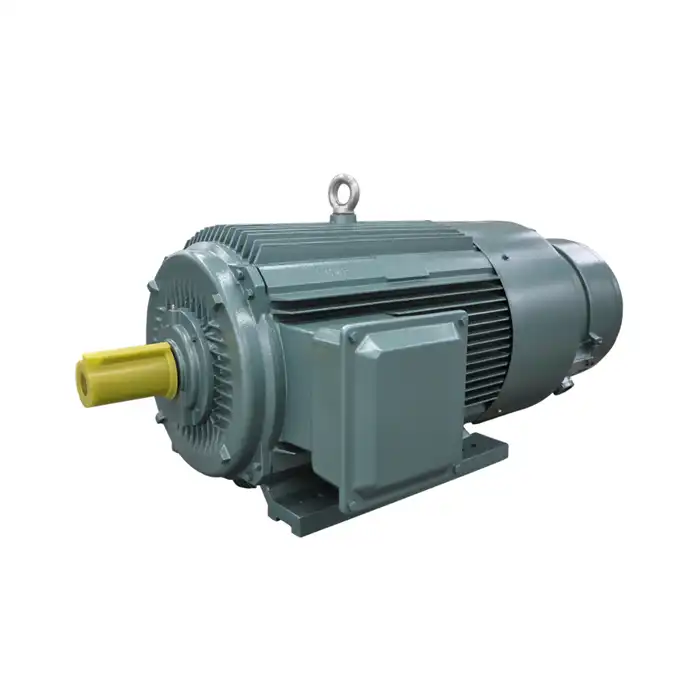
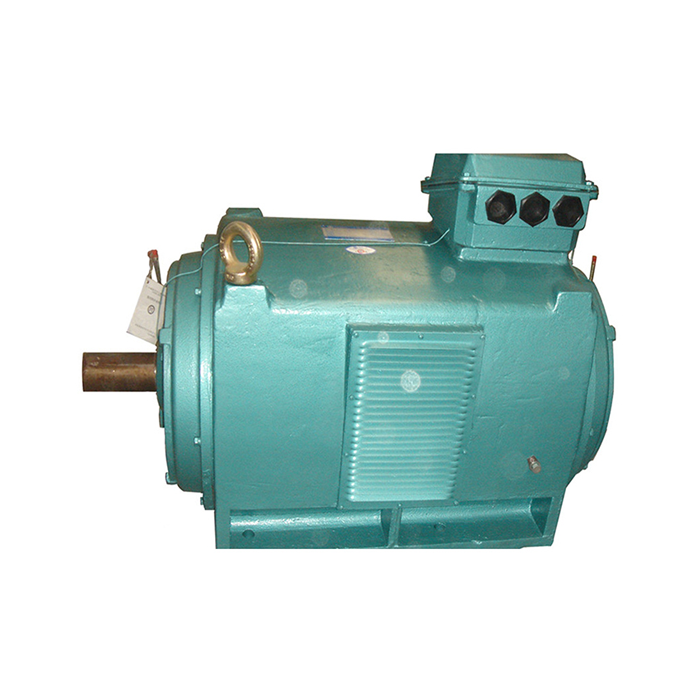
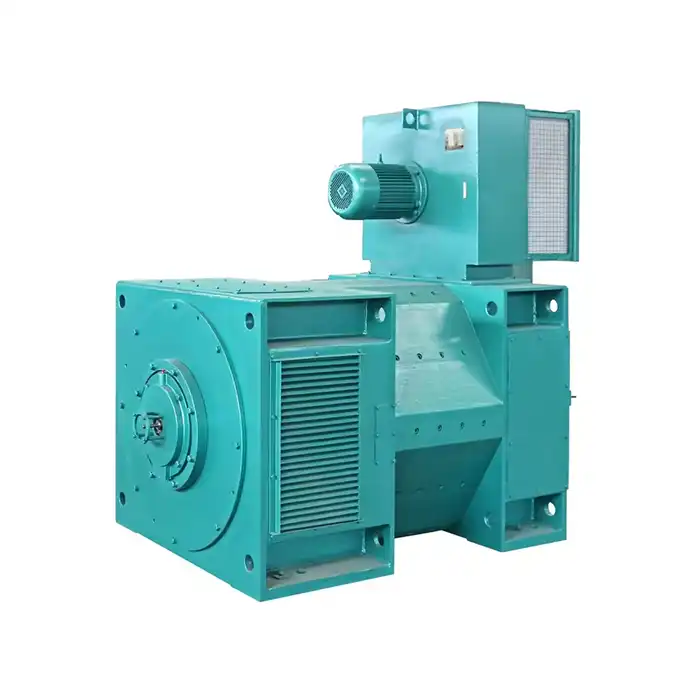
When heavy-duty jobs need solid power solutions in factories, LV induction motors are the best choice across all manufacturing sectors. When things get tough, these strong electrical tools keep up with energy saving standards while still delivering great performance. Low voltage induction motors are perfect for uses that need to run at high loads for a long time because they can generate electromagnetic power and handle heat better than other motors. From assembly lines for cars to factories that make spacecraft, these motors provide the reliable power transfer that modern businesses need for ongoing production cycles.
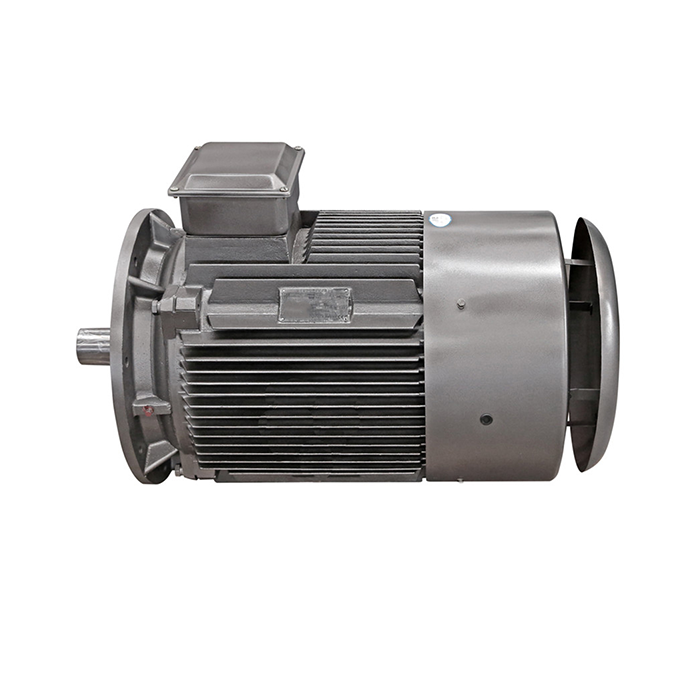
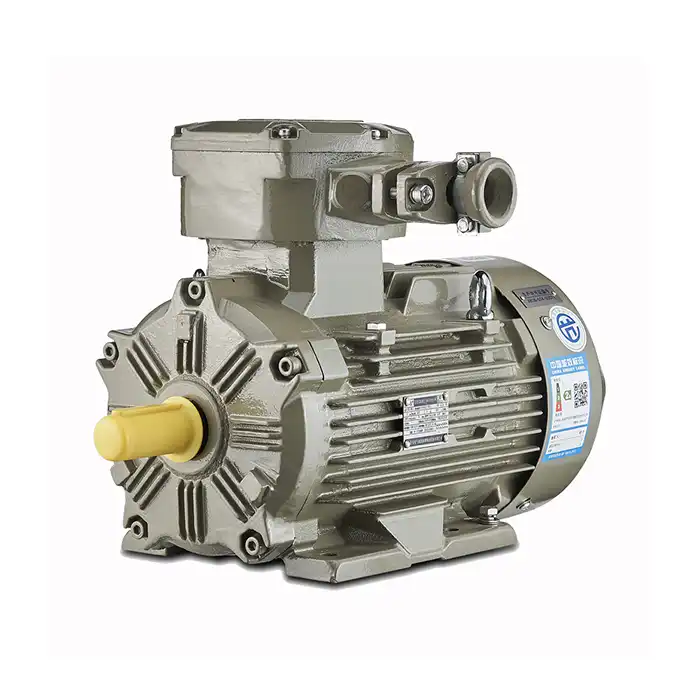
Series:YE3
Frame number: 80-450
Power range:0.75-1000kW
Protection level:IP55
Energy efficiency class: IE3
Voltage range: 380V,400V,415V,660V, etc.
Application:can be used in various fields of the national economy, such as machine tools,water pumps,fans,compressors,and can also be used in transportation, mixing, printing, agricultural machinery, food and other occasions that do not contain flammable, explosive or corrosive gases.
Certificate: international standard IEC60034-30 "Efficiency Classification of Single-speed Three-Phase Squirrel Cage Induction Motors".
Advantage:The high quality of the electric motor guarantees high operational reliability.
Others: SKF, NSK, FAG bearings can be replaced according to customer requirements.
Understanding Key Performance Indicators for Heavy-Duty Operations
How well any LV induction motor works under heavy loads depends on a number of important factors that affect working success. Motor efficiency rates have a direct effect on how much energy they use. IE3 motors can be as efficient as 90–96%, based on their power output. The power factor range of 0.80 to 0.89 makes sure that the electrical system is used as efficiently as possible while reducing the need for reactive power.
In heavy-duty situations, the way electromagnetic force behaves is very important. Starting torque is usually between 150 and 200% of maximum torque. This is enough mechanical force to beat the resistance of the starting load. When the load changes, the rotor slip percentage affects how fast the motor can regulate its speed. Good motors keep their slip rates below 3% at full load.
Managing the temperature becomes very important during long-term high-load activity. Class F insulation systems can handle steady temperatures of up to 155°C, and better cooling designs keep the systems running at their best. Vibration study data shows that motors that are properly adjusted have vibration levels below 1.8 mm/s. This makes sure that they run smoothly and that the bearings last longer.
The shape of the stator wire affects both how well it works and how long it lasts. Copper wires with cross-sectional areas that are designed lower I² losses while still being able to carry enough power. The spread of magnetic flux density affects iron losses and the total efficiency of the motor when the load changes.
Core Benefits Driving Industrial Adoption
Robust Construction for Heavy-Duty Operations
For high-load industrial applications, LV induction motors are a vital component because of the compelling benefits they provide. While the structure is sturdy enough to endure the mechanical stress that is inherent in heavy-duty activities, it also manages to retain constant performance levels over prolonged lengths of time.
Energy Efficiency and Cost Savings
Energy efficiency translates directly into operational cost savings. A 100kW motor operating at 94% efficiency consumes approximately 4.8 kW less power than an 88% efficient unit during continuous operation. Over annual operating cycles, this difference represents substantial cost reductions and reduced environmental impact.
Low Maintenance Requirements
Compared to other motor methods, it still doesn't need much maintenance. Since there are no brushes or commutators, there are no common wear spots, and the sealed bearing arrangements keep dirt out. Using vibration tracking and thermal imaging in predictive maintenance systems can make service times longer and stop sudden breakdowns.
Speed Control and Flexibility
The ability to change speed meets a wide range of application needs. Variable frequency drives let you precisely change the speed from 10% to 120% of the synchronous speed, which makes the process more efficient no matter what the conditions are. Vector control methods are great for controlling torque at low speeds, which is important for tasks that need exact positioning or controlled acceleration.
Soft Starting and Reduced Mechanical Stress
The way it starts up works well for uses with heavy inertial loads. With soft starting, mechanical stress on moving equipment is reduced, and electrical system problems are kept to a minimum. Limiting the current during startup keeps the voltage from dropping too much, which could damage other equipment that is attached.
XCMOTOR's Superior Engineering Approach
Advanced Frame Construction
Die-cast aluminum frames, which give an ideal strength-to-weight ratio, are featured on the LV induction motors manufactured by XCMOTOR company. An additional benefit of this design is that it improves heat dissipation by means of a surface area that has been meticulously developed, which guarantees effective cooling in demanding situations.
High-Grade Materials for Efficiency
When compared to ordinary materials, the core losses that are caused by the use of high-grade silicon steel laminations may be reduced by as much as fifteen percent. The exact stamping and assembly that we undertake helps to reduce air gaps and magnetic path abnormalities, which in turn ensures that the motor will function at its best.
Premium Bearing Systems
Our motors are equipped with premium bearing systems that meet international quality standards. These bearings undergo extensive testing, including vibration analysis and thermal cycling, to verify their performance under extreme conditions. The sealed design ensures that lubricants remain free from contamination and maintain consistent performance over time.
Rigorous Quality Control
XCMOTOR implements strict quality control at every manufacturing stage, from material inspection to final testing. Computer-controlled winding machines ensure precise conductor placement, while automated balancing equipment ensures rotor dynamics exceed industry standards. Each motor undergoes efficiency measurement, vibration testing, and thermal evaluation.
Reliable Protection and Durability
With an IP55 protection rating, our motors are designed to operate reliably in tough industrial environments. Sealed cable entry points and precision-machined housing interfaces prevent dust and moisture from entering, safeguarding internal components. For more demanding applications, an optional IP65 rating is available for enhanced environmental resistance.
Maximizing Performance Through Proper Application
Proper Installation Practices
Both the foundation design and the shaft alignment need to be carefully considered in order to get the best possible performance. Greater than 0.1 millimeters of misalignment may lower the life of a bearing by fifty percent and increase the amount of energy that is used owing to increased mechanical losses.
Electrical Connections and Protection
You need to make sure that the electrical connections are able to transmit the required amount of electricity and that they provide sufficient fault protection. When selecting circuit breakers or contactors, it is important to take into consideration their ability to interrupt locked rotor current. Thermal overload protection, on the other hand, eliminates the risk of winding damage occurring under abnormal situations.
Environmental Considerations
Environmental considerations affect LV Induction Motor selection and installation practices. Ambient temperatures above 40°C require derating calculations to prevent overheating, while altitudes exceeding 1000 meters necessitate power output adjustments. Adequate ventilation clearances ensure proper cooling airflow around the LV Induction Motor housing.
Load Matching for Efficiency
Optimising energy efficiency and extending the life of equipment are also benefits of load matching. In most cases, the most efficient features are achieved by operating motors at a load that is regularly higher than 75% of their rated load. Reduced power factors and increased energy consumption per unit are characteristics of oversized motors that are running with light loads during operation.
Proactive Monitoring and Maintenance
Regular monitoring practices, such as vibration trending, thermal imaging, and current signature analysis, help identify issues before they lead to failures. Vibration monitoring detects mechanical issues, while thermal imaging can reveal hotspots from electrical faults or insulation degradation.
Critical Considerations for Reliable Operation
Power Supply Quality
The quality of the power supply plays a critical role in motor performance and longevity. Voltage unbalance exceeding 2% can raise operating temperatures by 15-20°C, leading to significant efficiency losses.
Harmonic Distortion and Drive Programming
Harmonic distortion from variable frequency drives or electronic equipment can cause motor heating and torque pulsations. If total harmonic distortion exceeds 8%, harmonic filtering may be necessary to prevent insulation failure. Proper drive programming helps minimize torque ripple and noise.
Starting Frequency and Thermal Stress
Motors designed for continuous duty typically support 2-3 starts per hour. Applications requiring frequent starts may need enhanced thermal designs or reduced load starting methods to prevent excessive thermal stress.
Environmental Factors and Material Selection
Corrosive environments require specialized coatings or enclosures to prevent degradation. In high humidity conditions, space heaters during shutdown periods help avoid condensation that could damage the motor.
Fault Diagnosis and Protection Systems
Fault diagnosis capabilities enable rapid problem identification and resolution. Modern protection systems monitor parameters including phase current balance, insulation resistance, and bearing temperature. Signal processing techniques identify characteristic signatures of common failure modes, enabling targeted maintenance interventions.
Conclusion
The advantages of LV induction motors for high-load applications stem from their proven reliability, energy efficiency, and robust design characteristics. These motors provide the electromagnetic torque and thermal management capabilities essential for demanding industrial processes while maintaining cost-effective operation. Proper selection, installation, and maintenance practices ensure optimal performance throughout extended service intervals. As industrial automation continues advancing, low voltage induction motors remain fundamental components enabling productive manufacturing operations across diverse sectors.
Frequently Asked Questions
Q1: What makes LV induction motors suitable for high-load applications?
A: LV induction motors excel in high-load scenarios due to their robust construction, high starting torque capability, and excellent thermal management. The electromagnetic design provides 150-200% starting torque, while Class F insulation systems handle continuous high-temperature operation safely.
Q2: How do I determine the correct motor size for my application?
A: Motor sizing requires analyzing load torque requirements, duty cycle patterns, and environmental conditions. Consider peak torque demands, continuous power needs, and safety factors typically ranging from 1.15 to 1.25 times calculated load requirements.
Q3: What maintenance practices extend motor service life?
A: Regular vibration monitoring, thermal imaging inspections, and lubrication schedule adherence maximize motor longevity. Monitor bearing temperatures, check electrical connections annually, and maintain proper ventilation clearances around the motor housing.
Partner with XCMOTOR for Industrial Motor Solutions
XCMOTOR stands ready to provide comprehensive LV induction motor solutions tailored to your specific high-load applications. Our extensive product range from 0.75kW to 1000kW accommodates diverse industrial requirements while maintaining consistent quality standards. As a trusted motor manufacturer, we combine engineering expertise with responsive customer support to ensure successful project outcomes. Contact us at xcmotors@163.com to discuss your motor requirements and discover how our solutions can enhance your operational efficiency.
References
1. IEEE Standard 112-2017: IEEE Standard Test Procedure for Polyphase Induction Motors and Generators
2. NEMA MG 1-2016: Motors and Generators Standards Publication
3. IEC 60034-30-1:2014: Rotating electrical machines - Efficiency classes of line operated AC motors
4. Boldea, Ion. "Induction Machines Handbook: Steady State and Transients." CRC Press, 2020
5. Chapman, Stephen J. "Electric Machinery Fundamentals, Fifth Edition." McGraw-Hill Education, 2018
6. Sen, P.C. "Principles of Electric Machines and Power Electronics, Third Edition." John Wiley & Sons, 2021