



IP23 Motors: What Are They and Why Are They Essential for Industry?
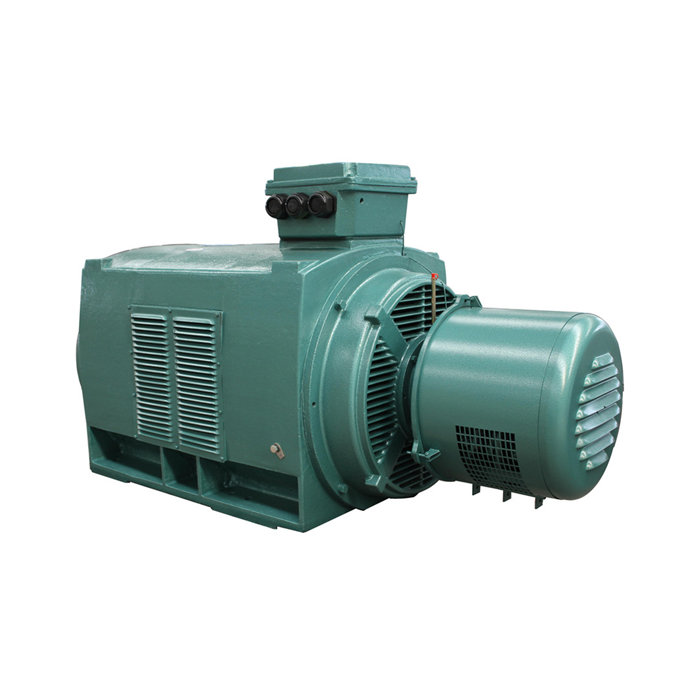
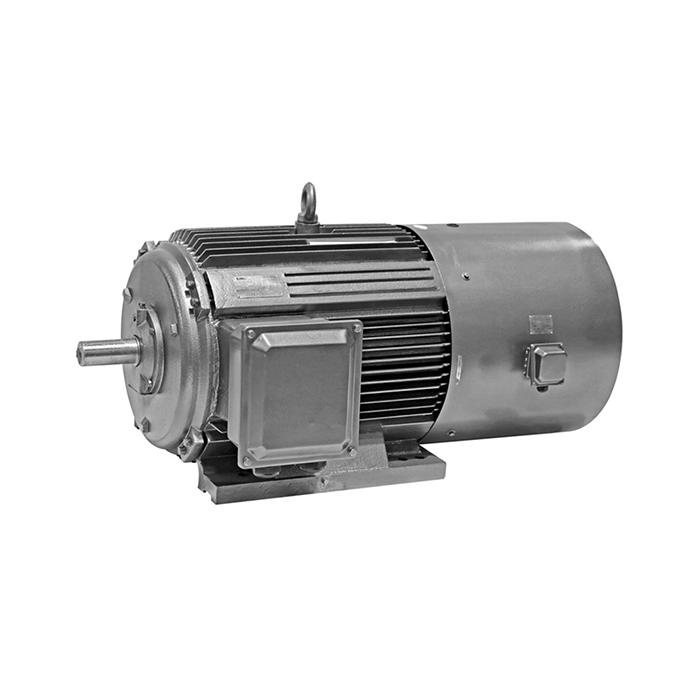
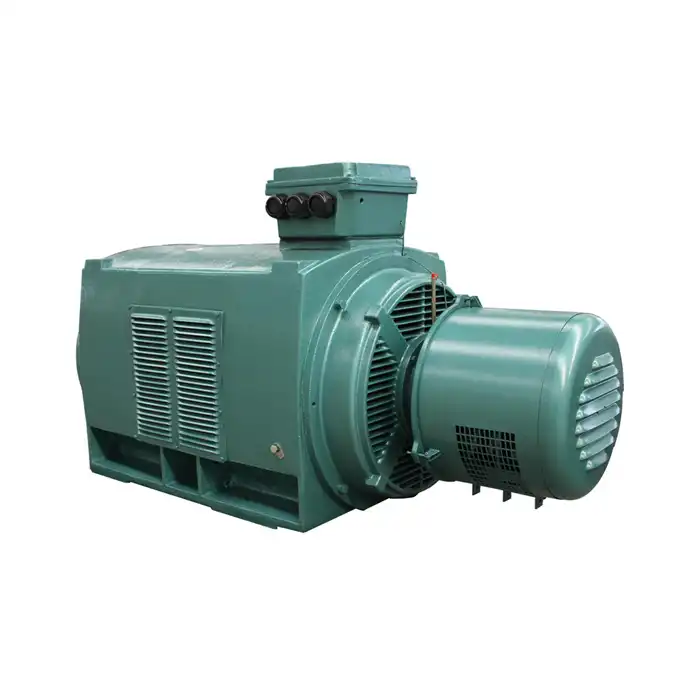
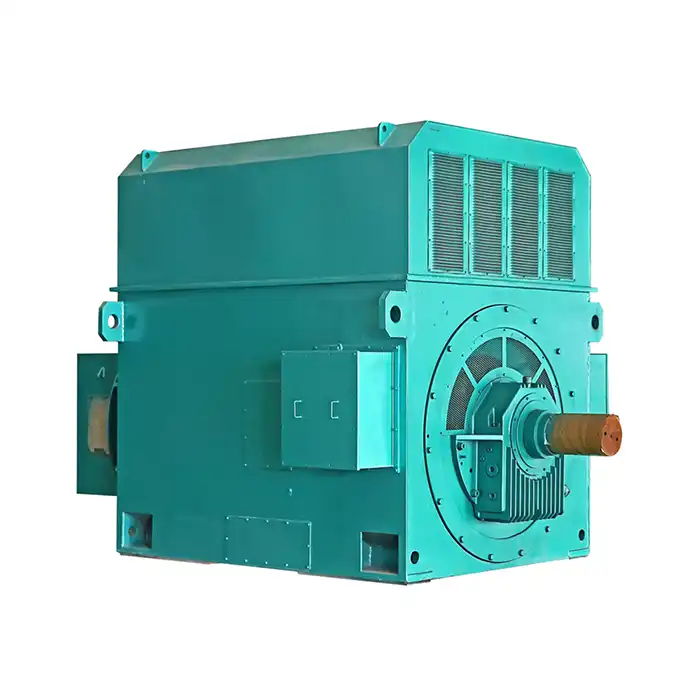
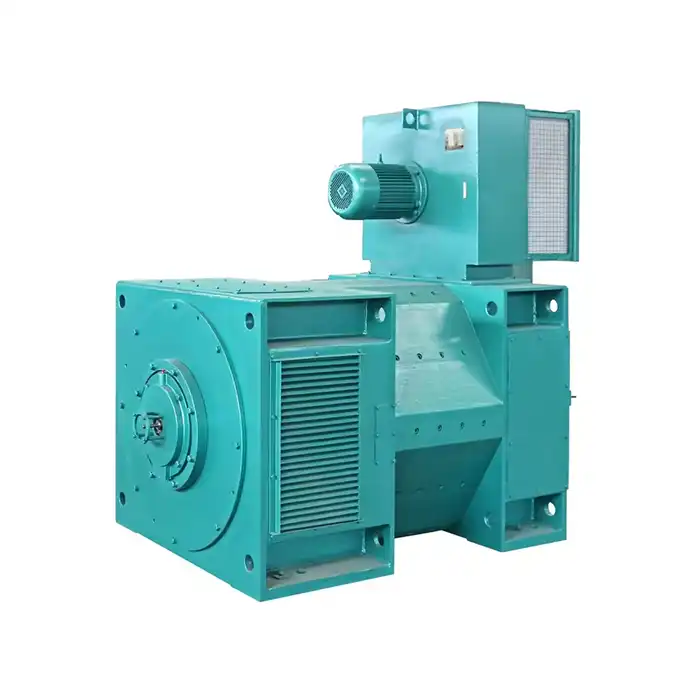
When it comes to industrial uses that need to work reliably in harsh conditions, IP23 motors are the best choice. These three-phase slip ring induction motors are very good at protecting themselves from solid particles and water spray, which is why they are used so much in manufacturing, HVAC systems, energy services, and automation processes. With their strong construction and low cost of operation, IP23 motors strike the right balance between protecting the environment and running efficiently, which is exactly what modern businesses need.
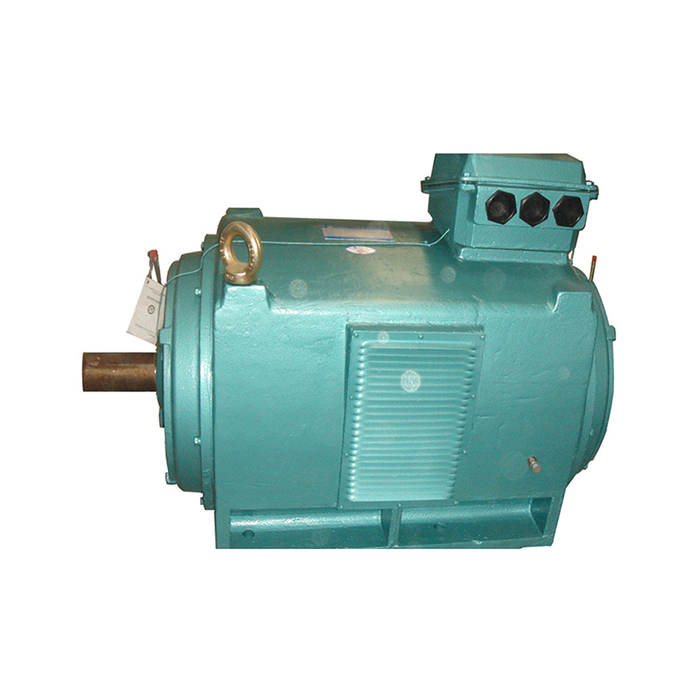
Series:Y
Voltage range: 380V±5%
Power range: 55~355 kW
Protection level:IP23
Application: This series of motors can be used to drive various machinery. Such as ventilators, compressors, water pumps, crushers, cutting machine tools and other equipment, and can be used as prime movers in coal mines, machinery industries, power plants and various industrial and mining enterprises.
Advantage: This series of motors has the advantages of high efficiency, energy saving, low noise, small vibration, light weight, reliable performance, and convenient installation and maintenance.
Certificate: The motor complies with JB5271-91
Others: SKF, NSK, FAG bearings can be replaced according to customer requirements.
Understanding IP23 Protection Rating and Motor Design
These motors are ideal for use in harsh industrial situations since they satisfy the requirements of the IP23 protection grade, which sets particular precautions. Protective measures against solid foreign objects with sizes more than 12.5 millimeters, such as big dust particles and mechanical impacts, are indicated by the "IP2X" designation. In the meanwhile, "IPX3" guarantees resistance against water spray within a range of sixty degrees, allowing for dependable operation in situations that are moderately damp.
This protection level makes IP23 motors particularly valuable in dry, dust-free indoor environments where higher protection ratings would create unnecessary costs. The open ventilation structure, typically featuring IC11 self-ventilated or IC21 externally ventilated cooling systems, delivers 15-20% superior heat dissipation compared to enclosed protective motors. This enhanced cooling prevents excessive winding temperature rise while maintaining optimal motor performance.
Manufacturing facilities benefit significantly from this design approach. The balanced protection eliminates redundant costs associated with higher IP ratings while ensuring reliable operation in controlled industrial environments. Power plants, machinery facilities, and processing centers find these motors ideal for auxiliary equipment where environmental conditions remain predictable.
Key Applications Across Industrial Sectors
IP23 motors are used a lot in the manufacturing industry for a wide range of tasks, including making cars, putting together spacecraft, making gadgets, and processing food. These motors work great in ventilators, compressors, water pumps, breakers, and cutting machines that need to keep working well so that production can go smoothly.
These motors are used a lot in process control uses for pumps, valves, compressors, and other important process equipment. Reliable power delivery and efficient operation support exact control needs while keeping downtime to a minimum. IP23 motors have low shaking and steady speed control, which are both good for robotics and automation systems.
These motors are used in both business and home HVAC and refrigerator systems. They are used in commercial HVAC systems for big air moving units, and they are also good for homes because they are quiet and save energy. These motors consistently give the steady performance and stable temperatures that refrigeration systems need.
IP23 motors are used in power plants, renewable energy projects, and water treatment plants in the energy and services sectors. They are used as extra parts in power plants, and green energy systems gain from how well they are built and how well they work. The ability to run continuously and not rust in water treatment plants is something these motors provide.
Technical Specifications and Performance Advantages
Modern IP23 motors operate within specific technical parameters designed for industrial reliability. Voltage ranges typically center around 380V±5%, with power outputs spanning 55kW to 355kW for heavy-duty applications. These specifications ensure compatibility with standard industrial power systems while providing sufficient capacity for demanding operations.
Starting characteristics include current limitations of ≤6.5 times rated current, ensuring minimal impact on electrical systems during motor startup. Starting torque reaches ≥160% of rated torque, providing sufficient power for challenging startup conditions. Maximum torque capabilities of ≥200% rated torque handle temporary overload conditions without compromising motor integrity.
Temperature management remains crucial for extended motor life. Class F insulation systems maintain temperature rises ≤80K, ensuring reliable operation even under demanding conditions. This thermal management, combined with precision-balanced rotor assemblies, minimizes vibration and extends bearing life significantly.
The manufacturing process incorporates precision die-casting for frame components, automated stator winding, and vacuum pressure impregnation for superior insulation integrity. Dynamic balancing procedures ensure smooth operation, while comprehensive testing validates performance specifications before delivery.
Energy Efficiency and Cost Benefits
A number of factors, including energy economy, make IP23 motors appealing for enterprises that are concerned with efficiency. The design of the open ventilation system allows for greater heat dissipation, which in turn reduces energy losses and brings to an overall improvement in system efficiency. Copper windings of superior quality improve electrical performance while also reducing the amount of resistive losses that occur during operation.
Because of the sturdy construction and the careful selection of components, the amount of maintenance that is required is kept to a minimum. Bearing arrangements that are easily accessible and cooling systems that are simplified both lessen the complexity of maintenance and the expenses associated with it. When compared to enclosed motors that operate in settings that are roughly equivalent, scheduled maintenance intervals are much longer.
The reduction of expenses associated with downtime is directly proportional to operational dependability. The amount of protection that is balanced minimizes harm to the environment while avoiding excessive engineering costs while doing so. The total cost of ownership for facilities that are running in the right environmental circumstances is maximized via the use of this strategy.
There are many different mounting configurations and connecting combinations that may be accommodated by the installation flexibility. In the event that replacement processes are required, standard frame designs simplify the process while ensuring compatibility with the equipment that is already in place.
Selection Criteria and Environmental Considerations
Proper motor selection requires careful evaluation of environmental conditions and application requirements. IP23 motors perform optimally in dry, relatively clean indoor environments where protection against large particles and limited water exposure suffices. Facilities with controlled atmospheric conditions benefit most from this protection level.
Temperature considerations include both ambient operating temperatures and heat generation from connected equipment. Adequate ventilation ensures optimal motor cooling, while proper installation clearances maintain airflow requirements. Environmental factors such as altitude, humidity, and atmospheric pressure influence motor performance and should be evaluated during selection.
Load characteristics including starting torque requirements, speed regulation needs, and duty cycle patterns determine appropriate motor sizing. Variable load applications may require different considerations compared to constant load operations. Understanding these requirements ensures optimal motor selection and performance.
Voltage levels, frequency stability, and electro-protection coordination are all components that make up power system compatibility. The installation and protection of electrical systems should be done correctly to guarantee that they are safe and dependable while also complying with all relevant electrical rules and standards.
Future Trends and Technology Integration
Intelligent motor systems that are capable of integrated monitoring and control are becoming more necessary for modern industrial automation. By incorporating customizable sensor integration and communication interfaces, IP23 motors are able to adapt quickly and effectively to these needs. Condition monitoring systems make it possible to implement predictive maintenance procedures, which in turn maximize effectiveness in operations.
The use of motors that are able to provide operational data and react to automated control signals is beneficial to the implementation of smart manufacturing efforts. The ability to centralize the monitoring and management of scattered motor installations is made possible by integration with industrial communication networks.
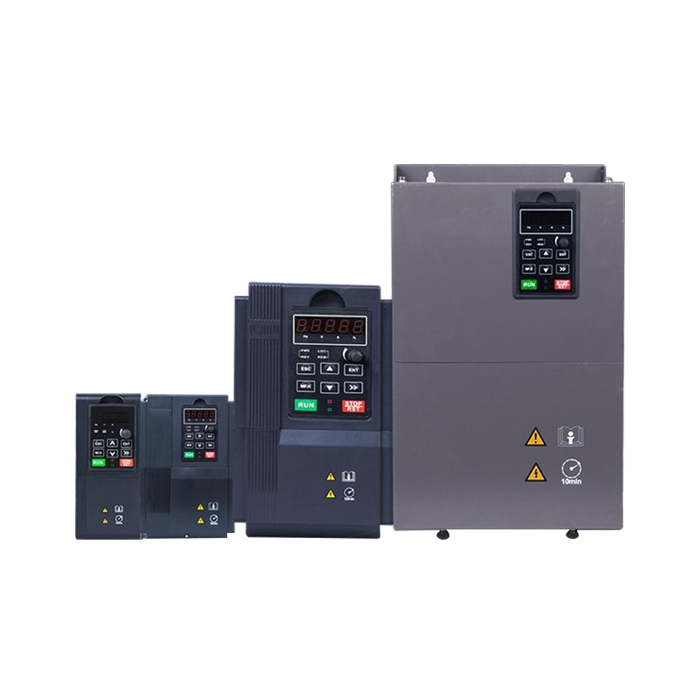
In today's energy management systems, the optimization of motor efficiency across whole facilities is becoming an increasingly important priority. By virtue of their inherent efficiency qualities and compatibility with variable frequency drives, IP23 motors provide a contribution to these endeavors. This is especially true in situations where speed control is required.
The need for motor solutions that are more efficient and have a longer lifespan is being driven by concerns about sustainability. These aims are supported by the sturdy design and efficient functioning of IP23 motors, which also provide dependable service over lengthy periods of time.
Conclusion
IP23 motors provide essential solutions for industries requiring reliable performance in controlled environments. Their balanced protection level, efficient cooling design, and robust construction deliver optimal value for manufacturing, HVAC, energy, and automation applications. The combination of adequate environmental protection, superior heat dissipation, and cost-effective operation makes these motors indispensable for modern industrial operations. As technology continues advancing, IP23 motors will remain fundamental components supporting industrial productivity and efficiency across diverse sectors.
Choose XCMOTOR as Your Trusted IP23 Motor Supplier
XCMOTOR delivers exceptional IP23 motors engineered for demanding industrial applications with proven reliability and performance. Our comprehensive range spans 55kW to 355kW power ratings, featuring high-efficiency designs, premium bearings, and rigorous quality control processes that ensure optimal performance across manufacturing, HVAC, energy, and automation sectors.Contact our technical specialists at xcmotors@163.com to discuss your specific requirements and discover how our motor solutions can enhance your operational efficiency and reduce total ownership costs.
References
1. International Electrotechnical Commission. "Degrees of Protection Provided by Enclosures (IP Code) - IEC 60529 Standard." Technical Specification for Industrial Motor Protection Classifications, 2019.
2. National Electrical Manufacturers Association. "Industrial Motor Design and Application Guidelines for IP-Rated Three-Phase Induction Motors." NEMA MG 1-2018 Standards Publication.
3. Institute of Electrical and Electronics Engineers. "Performance Characteristics and Testing Methods for Industrial AC Motors in Manufacturing Applications." IEEE Standard 112-2017.
4. American Society of Heating, Refrigerating and Air-Conditioning Engineers. "Motor Selection and Application Guidelines for HVAC Systems." ASHRAE Handbook - HVAC Systems and Equipment, 2020.
5. International Organization for Standardization. "Energy Efficiency Standards for Three-Phase AC Motors in Industrial Applications." ISO 12759-2019 Motor Efficiency Classifications.
6. Electrical Apparatus Service Association. "Maintenance and Reliability Practices for Industrial Motors in Manufacturing Environments." EASA Technical Manual AR100-2018.