




5hp 3 Phase Induction Motor: Complete Guide for Industrial Applications
Industrial power equipment must be dependable, thus three-phase motor technology is crucial. Through electromagnetic induction, a 5hp 3 phase induction motor balances power output in manufacturing, HVAC, water treatment, and automation. These motors effectively convert electrical energy into mechanical motion for pumps, conveyor belts, compressors, and ventilation equipment. Modern three-phase motors cut running expenses and operate well under difficult situations with IE5 energy efficiency ratings and IP55 protection. This reference helps engineers and facilities managers choose equipment by covering technical parameters, practical applications, maintenance methods, and procurement.
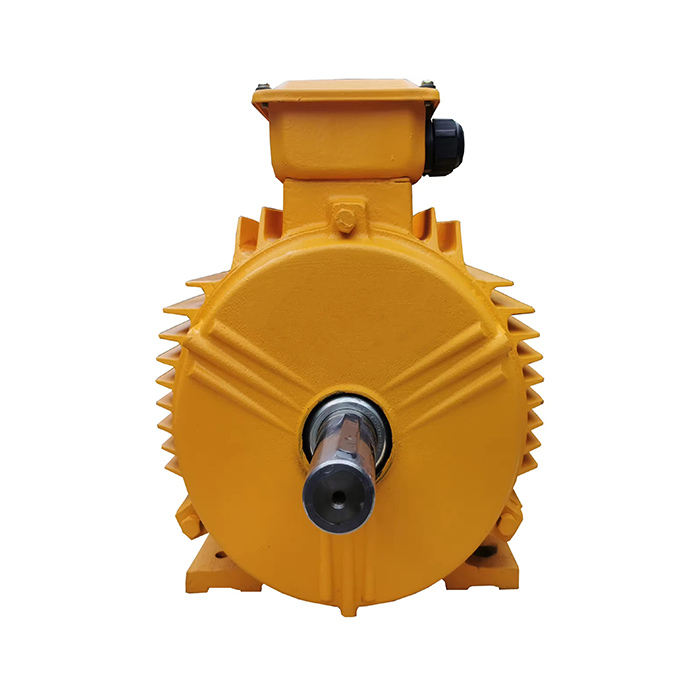
Series:YE5
Frame number: 80-450
Power range:
Protection level:IP55
Energy efficiency class: IE5
Voltage range: 380V,400V,415V, 660V,etc.
Application:can be used in various fields of the national economy, such as machine tools,water pumps,fans,compressors,and can also be used in transportation, mixing, printing, agricultural machinery, food and other occasions that do not contain flammable, explosive or corrosive gases.
Certificate: international standard IEC60034-30 "Efficiency Classification of Single-speed Three-Phase Squirrel Cage Induction Motors".
Advantage:The high quality of the electric motor guarantees high operational reliability.
Others: SKF, NSK, FAG bearings can be replaced according to customer requirements.
Understanding the Basics of 5hp 3 Phase Induction Motors
5hp 3 phase induction motors work by using electromagnetic fields to make spinning magnetic fields inside the stator assembly. When alternating current runs through three different windings that are 120 degrees apart, a magnetic field is created that keeps turning. This rotating field causes current to flow through the rotor assembly. This creates torque, which moves mechanical loads without the moving and stationary parts touching each other.
How Electromagnetic Induction Powers Industrial Motors
The way an induction motor works is based on how the stator windings and rotor wires connect with each other. Three-phase power is sent to the stator coils, which create a magnetic field that spins at a speed set by the source frequency and the arrangement of the poles. This rotating field cuts through the conductors of the rotor, creating voltage that makes current flow. The rotor conductors that carry current interact with the magnetic field to make a mechanical force that turns the shaft. The rotor speed stays just below the synchronous speed, which is known as slip. This keeps the induction process going, which is needed to keep making torque.
Squirrel Cage Design Advantages
Aluminium or copper bars are pressed into laminated steel plates to make squirrel cage rotors. The bars are linked by end rings that make closed electrical paths. This design is very long-lasting because it doesn't need any brushes or slip rings to be maintained. The building can stand up to harsh conditions like dust, moisture, and changes in temperature. Frame sizes between 80 and 450 allow for a variety of mounting arrangements while still maintaining structural integrity. Cast iron frames are resistant to shaking and keep their temperature stable, which protects internal parts during long operation cycles.
Enclosure Types for Different Environments
For stable operation, motor casings that are made for industrial settings are needed. Totally Enclosed Fan Cooled (TEFC) designs keep dirt and dust out of the motor box while fans outside move cool air across the frame. This arrangement works well in places that are dusty or hot, like water treatment plants and food processing plants. Open Drip Proof (ODP) enclosures let air flow inside while keeping liquids and particles from falling from above. Knowing about IP55 protection ratings can help you find motors that are right for your surroundings. The first number in the rating tells you about solid particle protection, and the second number tells you about moisture resistance.
Performance Characteristics That Matter
Ratings for efficiency have a direct effect on running costs over the life of a motor. IE5 premium efficiency motors use a lot less energy than standard designs. When they are running all the time, they cut electricity costs by 2 to 5 percent. At full load, these motors put out about 3.7 kilowatts of mechanical power, which is equal to 5 horsepower. Depending on the number of poles, the speed can be anywhere from 500 to 3000 rpm. At 50 Hz, four-pole designs usually run at around 1450 rpm. Starting ability and load carrying capacity are based on torque traits. NEMA Design B motors offer reasonable performance in a wide range of industrial settings.
Comparing 5hp 3 Phase Induction Motors With Alternatives
In order to choose the right motor technology, you need to know how the different options perform. 5hp 3 phase induction motors are better for business and industrial setups because they have higher power density and efficiency than single-phase motors.
Three-Phase Versus Single-Phase Motors
Single-phase motors need capacitors or covered poles to make starting torque, which means they are less efficient and need more current per horsepower output. In order to prevent circuit heating and voltage drop problems, a 5hp 3 phase induction motor uses balanced current across all three power lines. At this power level, single-phase motors make a lot of noise and vibration because they produce pulsating torque. Three-phase designs make torque that is smooth and constant, which increases the life of bearings and lowers the mechanical stress on equipment that is being driven. Power factor naturally exceeds 0.85 in three-phase motors, so utility companies don't have to charge as much for reactive power.
Comparing 5hp and 7.5hp Motor Applications
The right motor size is based on the load requirements. A 7.5hp three-phase motor gives you 50% more power, which is good for situations where you might need to grow or where the load changes. But motors that are too big work inefficiently at partial loads, using energy that isn't needed. Common industrial equipment that uses 5 horsepower includes rotary pumps that move 100 to 200 gallons per minute, small compressors that power air tools, and conveyor systems that move moderate amounts of material. With the right size, motors can work at 75 to 100 percent of their rated load, which is where their efficiency is highest and their power factor stays at its best.
Induction Motors Versus Synchronous Designs
Synchronous motors spin at the exact synchronous speed without slip, which lets you control the speed precisely for certain tasks. But they need complicated starting mechanisms and DC activation systems, which raises the cost of purchase and the amount of upkeep that needs to be done. With simple across-the-line or soft-start controllers, induction motors can start themselves, which makes installation easier. The small changes in speed that happen naturally in induction motors don't usually affect how well a pump, fan, or conveyor works. When precise speed control is needed, variable frequency drives and induction motors offer more speed options at a lower cost than synchronous motor systems.
Branded Versus Economical Motor Considerations
Long-term ownership costs are affected by a brand's reputation through things like warranty coverage, parts availability, and access to technical support. Well-known companies offer recorded performance statistics, official energy scores, and service networks around the world. Motors that meet IEC60034-30 standards make sure that the quality is the same no matter where they are made. Premium names often come with better bearing choices from SKF, NSK, or FAG, which means that you won't have to replace them as often and will save money on upkeep. On the other hand, inexpensive motors with the same specs and certifications work just as well if they are kept up properly. Instead of just looking at the purchase price, procurement teams should look at the total cost of ownership, which includes things like energy use, expected lifespan, and downtime risks.
Practical Applications and Maintenance of 5hp 3 Phase Induction Motors
5hp 3 phase induction motors are used to power important equipment in factories that make things, grow crops, and build roads and bridges. Knowing about common uses helps match the specs of a motor to its working needs.
Pump Systems and Water Movement
Three-phase motors power centrifugal pumps in water treatment plants. These pumps move potable water, wastewater, and process fluids. If you choose the right motor, it will fit the pump curves to give the flow rates and pressures that you need. Aligning the couplings between the motor and pump shafts stops bearings from wearing out too quickly and stops the pumps from vibrating too much. These motors power submersible or surface pumps that move water around crop fields in agricultural irrigation systems. Chemical processing plants need motors that are sealed so that corrosive vapours can't damage the windings and other parts inside.
Compressor and HVAC Applications
Three-phase motors are used in commercial HVAC systems to keep buildings comfortable. These motors are found in air handlers, exhaust fans, and cooling tower pumps. Refrigeration fans that are used in cold storage stores and food processing plants need motors that can start and stop frequently while they are full. When you pair variable speed drives with motors, you can change the capacity to match the cooling needs. This cuts down on energy waste during partial load operation. Industrial air compressors that power pneumatic tools and control systems need motors that can handle high inrush currents when they first start up and keep running efficiently at full load.
Manufacturing and Material Handling Equipment
Motors are sized based on the load weight and belt speed requirements of conveyor systems that move raw materials, work-in-progress inventory, and finished goods around production facilities. For machine tools like lathes, milling machines, and drill presses, motors that give constant torque over a wide range of speeds are needed. Equipment used to prepare food, like mixers, grinders, and packing machines, work nonstop in clean rooms with TEFC enclosures that keep germs out. Motors are used in spinning, weaving, and finishing equipment in textile making. Making sure the equipment runs smoothly keeps the quality of the products and stops damage to the materials.
Essential Maintenance Protocols
Motors last longer and don't break down unexpectedly when they are inspected regularly. Infrared thermography should be used to check the operating temperature once a month, as well as any strange noises or vibrations and the condition of the bearings. Checking the strength of the terminal connections every three months, cleaning the outside to keep cooling airflow going, and checking the insulation resistance are all parts of routine maintenance. As part of the annual maintenance, the bearings are oiled according to the manufacturer's instructions, the insulation on the windings is tested, and operational parameters are written down. Many motors last longer than 10 years if they are maintained in a way that addresses typical failure modes before they break down completely.
Procurement Guide: Buying and Sourcing 5hp 3 Phase Induction Motors
Buying choices affect how reliable an action is, how much energy it uses, and how often it needs repair over the life of a motor. Understanding sourcing channels and specification priorities helps procurement teams choose 5hp 3 phase induction motors that meet the needs of the facility.
Evaluating Supplier Networks and Support
Global sellers give customers access to certified motors that meet international standards. They also let customers buy in bulk and offer expert support. Well-known wholesalers keep a stock of popular frame sizes and specs, which lets replacement applications get them quickly. When you work directly with a maker, you can get choices like different voltage ratings, mounting setups, and levels of environmental protection. When evaluating a supplier, you should look at their quality certifications, warranty terms, availability of parts, and how quickly they respond to technical support requests. Our company, Shaanxi Qihe Xicheng Electromechanical Equipment Co., Ltd., offers full technical support before and after the sale, including help with installation, commissioning, and fixing problems.
Critical Specification Parameters
Motor specifications have a direct effect on how well they work and what applications they are best for. Voltage ratings must meet the supply infrastructure that is available. 380V, 400V, 415V, and 660V are some of the most popular voltage ratings. The synchronous speed and pole arrangement are set by the frequency, which can be 50 Hz or 60 Hz. The choice of efficiency class balances the original cost with the total amount of energy used over the motor's lifetime. For ongoing running, IE5 high efficiency motors offer the biggest savings. IP55 protection makes sure that the device works reliably in places with some dust and moisture. Frame sizes range from 80 to 450, which lets you directly change current equipment with frames of different sizes and shapes.
Understanding Certification and Standards
International guidelines make sure that motors meet the needs of all markets around the world for safety, speed, and efficiency. When something has CE approval, it means that it meets the European safety standards for low power and electromagnetic compatibility. ISO 9001:2015 quality management certification shows that a manufacturer is dedicated to making sure that the quality of their products is always high. GOST approval lets you use it in all areas in Russia and the Commonwealth of Independent States. IEC60034-30 standards divide efficiency levels into five groups, numbered IE1 through IE5. This makes it possible to compare performance in a fair way. Motors that meet these certifications go through strict testing procedures that check for electrical safety, mechanical integrity, and performance requirements.
Pricing Factors and Value Assessment
The price of a motor depends on the quality of the materials used, how well it was made, how efficient it is, and the name of the brand. Premium efficiency motors cost more at first, but they use less energy over their typical 10 to 15-year service life, which makes up for it. About 97% of the total costs of ownership are related to electricity, while only 1% to 2% are related to the buying price. Motors that run for more than eight hours a day usually pay for themselves in four years through energy savings. Copper winding design is more expensive than aluminium options, but it conducts electricity and heat better. The quality of the bearing has a big effect on how much it costs to maintain. High-quality SKF, NSK, or FAG bearings last longer between lubrication cycles and have lower failure rates.
Enhancing Performance and Energy Efficiency of 5hp 3 Phase Induction Motors
By lowering energy costs and making tools last longer, operational efficiency has a direct effect on revenue. Using optimisation strategies to get the most out of 5hp 3 phase induction motors helps meet sustainability goals.
Variable Frequency Drive Integration
By changing the supply voltage and frequency, variable frequency drives can change the speed of the motor. This allows for precise process control and big energy savings. Fans, pumps, and other devices with changing loads use 20 to 50 percent less energy than when they run at a steady speed. VFDs get rid of mechanical slowing, which wastes energy, and let you do soft starts, which lower the risk of electrical stress and mechanical shock. Drive systems have improved safety features, such as checking for overcurrent, overvoltage, and overheating, that make motors last longer. The right size and setting of the drive makes sure that it works with the motor's specs and the needs of the application.
Optimal Motor Sizing and Load Management
When there is only a small amount of load on an oversized motor, the power factor drops and more energy is used. Matching the right size motor to the right amount of load increases efficiency and lowers operating costs. Load monitoring finds motors that are consistently running at less than 50% capacity and could use being shrunk down during equipment upgrades. When you balance loads across three supply phases, you stop the current imbalance that causes too much heating and lowers efficiency. Regular load testing makes sure that motors keep meeting application needs even as production processes change.
Emerging Technologies and Smart Integration
Smart motor systems have sensors that keep an eye on things like temperature, vibration, and electrical factors. This lets repair plans be planned ahead of time. Connecting things to the internet sends operational data to central monitoring systems, which find problems before they happen. Advanced analytics compare real performance to baseline factors to find loss of efficiency and suggest ways to fix it. These technologies cut down on unexpected downtime, make motors last longer, and help schedule repairs better. When industrial facilities use smart motor systems, their equipment is more reliable and costs less to run, giving them a competitive edge.
Conclusion
To choose the right three-phase motor solutions, you have to balance technical specs, application needs, and cost-effectiveness over the product's lifetime. Five-horsepower motors are used in many commercial settings for things like industry, HVAC, water treatment, and moving things around. IE5 efficiency ratings keep energy use to a minimum, and IP55 protection makes sure that devices work reliably in harsh conditions. Installation that is done right, regular upkeep, and planned optimisation through VFD integration are all ways to improve performance and make a machine last longer. Procurement teams can support operational excellence and sustainability goals by making smart choices based on knowledge of certification standards, source skills, and total cost of ownership.
FAQ
1. What voltage options are available for industrial three-phase motors?
Standard voltage settings include 380V, 400V, 415V, and 660V, which are all compatible with the power systems in different areas. Motors can handle voltage changes of up to 10% without losing efficiency. Custom voltage specifications are made for applications that need non-standard supply compatibility. To avoid having to use a transformer and losing efficiency, the voltage should be chosen based on the facilities' existing infrastructure.
2. How does IE5 efficiency classification reduce operational costs?
Because of better cooling, optimised magnetic circuit design, and less electrical loss, IE5 premium efficiency motors use 2–5% less energy than standard designs. For motors that run for 8 hours or more every day, the annual power savings are more than the starting cost premiums within 4 years. Over the course of a normal 10 to 15-year service life, improvements in efficiency lead to big cost savings that help achieve sustainability goals.
3. What maintenance intervals ensure optimal motor performance?
Temperature, noise, and vibration are checked visually once a month. Every three months, maintenance checks the electrical lines and the resistance of the insulation. Every year, procedures include lubricating the bearings and testing them thoroughly. Motors that are used in harsh conditions need to be checked more often. Following the manufacturer's instructions keeps things from breaking down too soon and makes them last longer than 10 years.
Partner With a Trusted 5hp 3 Phase Induction Motor Supplier
XCMOTOR provides high-quality power equipment options for the HVAC, production, industrial automation, and energy industries all over the United States. Our motors have IE5 high efficiency, IP55 protection, and voltage settings that can be changed from 380V to 660V to meet a wide range of needs. We only buy parts from reliable bearing makers like SKF, NSK, and FAG, so you can be sure they will work perfectly. Precision die-casting, advanced winding technology, VPI treatment, dynamic rotor balance, and thorough testing are just a few of the quality checks that every motor goes through. Our products are certified by CE, ISO 9001:2015, and GOST, which means they meet international standards. We offer fast delivery, returns for 30 days, and committed technical help seven days a week. Talk to our team at xcmotors@163.com about your unique application needs and find out why procurement managers trust our 5hp 3 phase induction motor options for important tasks.
References
1. Chapman, S.J. (2005). Electric Machinery Fundamentals. McGraw-Hill Higher Education, Fourth Edition.
2. National Electrical Manufacturers Association. (2016). NEMA MG 1: Motors and Generators. Rosslyn, VA: NEMA Standards Publication.
3. International Electrotechnical Commission. (2014). IEC 60034-30-1: Rotating Electrical Machines - Part 30-1: Efficiency Classes of Line Operated AC Motors. Geneva: IEC.
4. Bonnett, A.H. & Yung, C. (2008). Increased Efficiency Versus Increased Reliability. IEEE Industry Applications Magazine, 14(1), 29-36.
5. de Almeida, A.T., Ferreira, F.J., & Fong, J.A. (2011). Standards for Efficiency of Electric Motors. IEEE Industry Applications Magazine, 17(1), 12-19.
6. Nailen, R.L. (2004). Motor Selection and Application: A Handbook for Engineers and Users. Fairmont Press, Second Edition.