



How to Choose the Right YKK Motor for Industrial Needs
Voltage compatibility, power output, operational environment, and long-term reliability must be considered when selecting an industrial motor. YKK motors are suited for compressors, water pumps, and cutting machine tools with power ranges from 200 kW to 6300 kW and voltages from 3 kV to 11 kV. Understanding your equipment's load, protection class, and compliance regulations helps choose a motor design. By evaluating technical specifications, maintenance needs, and supplier support, you may optimise operations and save downtime.
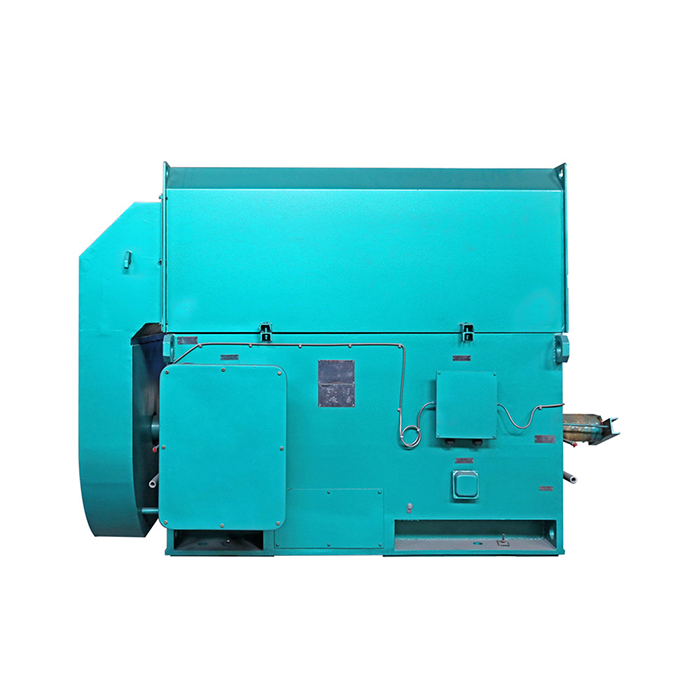
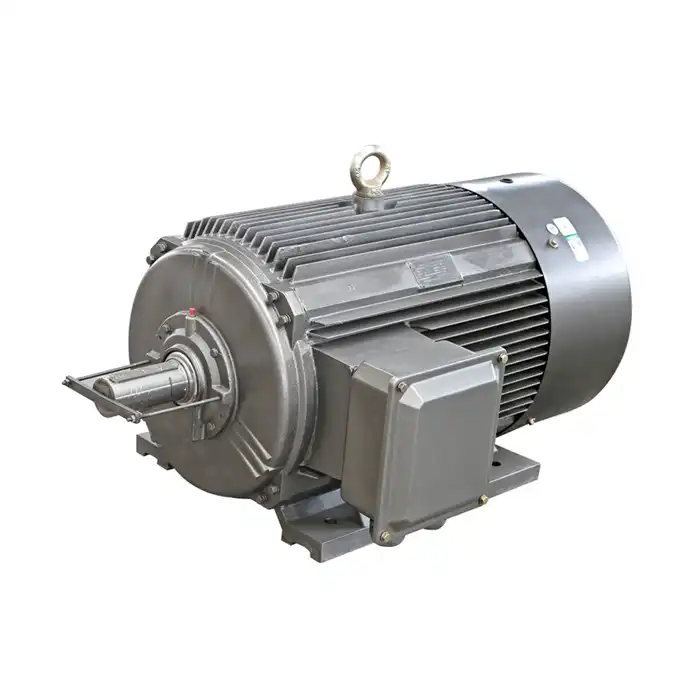
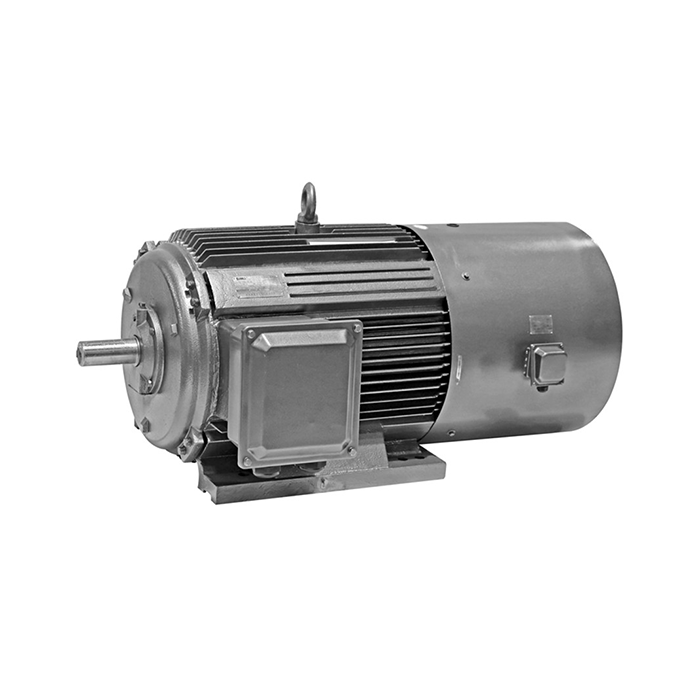
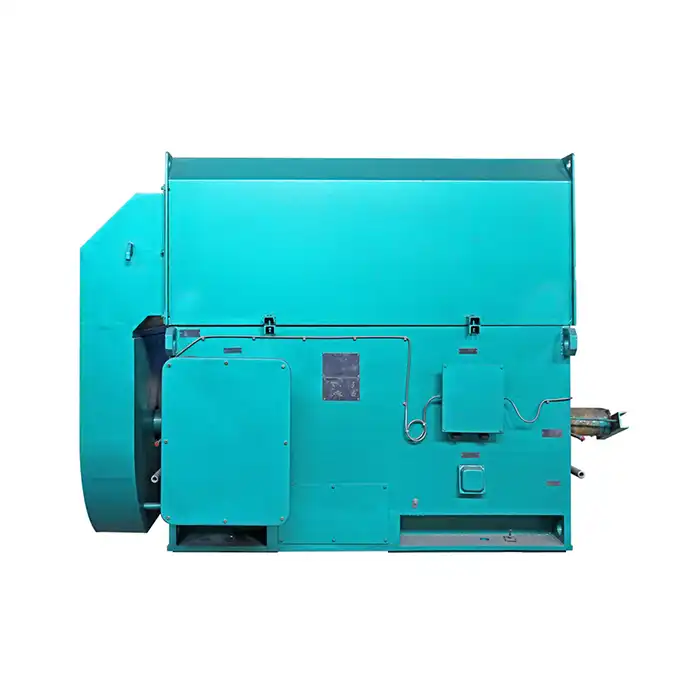
Series:YKK
Protection level:IP54
Voltage range:3000V±5%,3300V±5%,6000V±5%,6600V±5%,10000V±5%,11000V±5%
Power range:200-6300 kW
Application:fans, water pumps, compressors, crushers, cutting machine tools, transportation machinery, etc.
Advantage:low noise, low vibration, long service life, easy installation and maintenance.
Standard: This series of products complies with JB/T 12730 and JB/T 12729 standards.
Others: SKF, NSK, FAG bearings can be replaced according to customer requirements.
Understanding YKK Motor Basics and Key Specifications
Core Motor Types and Industrial Applications
Industrial motors are used to power a huge number of production processes. When it comes to heavy-duty uses, high-voltage motors usually have strong construction and better thermal control. These units work great in places where long-lasting power delivery is important.
Engineers can match electrical infrastructure without having to make expensive changes because the voltage range includes 3000V, 3300V, 6000V, 6600V, 10000V, and 11000V configurations with ±5% tolerance. Power outputs range from 200 kW to 6300 kW, which means they can power everything from small processing equipment to large industrial machinery. This freedom is helpful when developing new production lines or improving systems that are already in place.
Essential Specifications That Impact Performance
Ratings for protection class show how well a motor can handle problems in its surroundings. Because they have an IP54 rating, these motors are safe from dust and water splashing from any direction. This makes them reliable in factories, water treatment plants, and outdoor installations. This rating is a good compromise between protecting the environment and getting rid of heat.
Temperature resistance for the ykk motor is based on the insulation class. Class F insulation can handle temperatures of up to 155°C, and Class H insulation, which is available, can handle temperatures of up to 180°C in very tough situations. Choosing the right insulation keeps things from breaking down too soon and increases their useful life in high-temperature areas that are popular in process industries.
Motors meet recognised safety and performance standards when they meet JB/T 12730 and JB/T 12729 standards. These certifications are important for meeting legal standards in a variety of settings and countries. Engineers like paperwork that makes the review process easier and shows that you're following the rules in your field.
Maintenance Practices That Extend Motor Lifespan
One of the most important maintenance tasks is to check the bearings regularly. These motors can use SKF, NSK, and FAG bearings, which gives repair teams a choice of where to get new parts. When you keep your equipment in good shape, premium bearings cut down on friction and sound, which helps your machine run quietly.
Keeping an eye on vibration levels can help find problems before they become major problems. Setting baseline measurements during commissioning gives you a way to keep track of the condition over time. Unusual sound patterns are often a sign of worn bearings, misaligned rotors, or imbalanced rotors. All of these problems get more expensive to fix if they are not fixed.
Thermal imaging finds hot spots that mean there are problems with the electricity, the cooling system, or too much contact. By scheduling thermal scans every three months, problems are caught early, when they are easiest to fix. When you combine temperature data with vibration analysis, you can get a full picture of how healthy a motor is and figure out when to do maintenance.
Critical Comparison: YKK Motors vs. Market Alternatives
Performance Metrics in Real-World Settings
The cost of energy over the life of a motor is directly related to how well it works. Electrical motors that meet IE3 and IE4 standards use less electricity than older designs, which saves a lot over the course of a few years. Higher-efficiency units are more cost-effective when you look at the total cost of ownership instead of just the purchase price.
Noise levels are important in places where safety rules say they have to be or where they are close to residential areas and need to be thought about. Designs with less shaking make the machine run more quietly and put less stress on the mounting structures and equipment that is tied to it. These traits come in handy especially when installing HVAC systems because too much noise can make people uncomfortable.
Starting torque tells you if a motor can get past the initial load resistance without any extra equipment. When you have a high starting torque, you can get rid of parts that make the system more complicated and expensive. In situations involving crushers, compressors, and heavily loaded conveyors, where startup conditions present a lot of mechanical resistance, this ability becomes essential.
Cost Considerations and Warranty Benefits
When judging motors, you need to look at more than just the purchase price. Over the course of a typical 10-15 year service life, energy use often far exceeds the initial capital outlay by large amounts. Improvements in efficiency of just a few percentage points can save a lot of money, especially for equipment that is used in process businesses and is always going.
Standard warranty coverage for the ykk motor protects you in the most basic way, while extended warranty options offer extra protection for important uses. Procurement teams can make better choices about insurance value when they know what the guarantee terms cover and what they don't cover. Warranty response time and the availability of parts during the coverage period are often just as important as the length of the coverage.
Whether motors last as long as they're supposed to or need to be replaced early depends on how durable they are in tough settings. Longevity is affected by the building materials used, the quality of the seals, and the ability to control temperature. Motors made for tough situations may cost more up front, but they are worth it because they last longer and don't break down as often.
Suitability Across Industrial Sectors
Heavy industrial uses need motors that can keep running even when they are under a lot of load. Power generation, mining, and large-scale industry all have very heavy duty cycles that show up quickly in designs that aren't very good. Reliability is ensured by strong construction and large thermal margins, even if operating conditions become more demanding than planned.
For process control jobs that use pumps, valves, and compressors, precise speed control and steady torque delivery are needed. Modern automation systems can be integrated with capabilities that allow for sophisticated process optimisation. Smart technology features make predictive maintenance programs possible, which stops unexpected breakdowns during key production times.
Motors that are designed to work at varying speeds and with a lot of start-stop processes are good for HVAC and refrigeration systems. The range of power options can be used for everything from small home comfort cooling systems to large commercial ones. Quiet operation and small sizes make installation easier in equipment rooms with limited space, while still meeting building code standards.
Procurement Guide: Where and How to Buy YKK Motors
Identifying Authorized Distributors
When you buy real goods through official methods, you avoid getting fake ones that aren't safe or work well. Authorised distributors work directly with producers to get the most up-to-date product information, expert help, and warranty services. Verification methods help make sure that a seller is who they say they are before they make big purchases.
We are XCMOTOR, and we are your reliable partner for real power equipment options. Our team has a lot of technical knowledge that can help you find the right motor combinations for your needs. We keep a large stock of all the voltage and power ranges that are most often used in industrial settings. This cuts down on lead times for both new projects and emergency replacements.
Optimizing Bulk Purchase Terms
It's possible to get better prices when you buy a lot of something. Talking to suppliers about expected yearly needs can often unlock tiered pricing that makes the project more cost-effective. Setting up outline deals for long-term needs makes reordering easier and makes sure that prices stay the same, which helps with budgeting.
Delivery terms significantly impact project plans and supply costs, particularly for ykk motors. You may avoid storing goods longer and locking up working capital for early deliveries by negotiating flexible delivery arrangements that meet project objectives. Knowing your supplier's logistical capabilities, such as speedier shipment, helps you prepare for project delays.
Terms of payment affect how cash flows are managed. Most standard terms are between 30 and 60 days after the invoice date. However, longer terms may be offered for repeat customers or bigger orders. To find the best balance between payment terms and early payment discounts, you need to look at your company's cost of capital and cash flow.
Ensuring Regional Availability and Support
Lead times depend on the specs of the motor and the current production plan. Standard configurations with standard voltage and power levels usually ship between 2 and 4 weeks. Custom designs, on the other hand, may take 6 to 8 weeks. Planning procurement activities well before installation dates keeps project timelines from getting pushed back.
Regional service networks are crucial for lifelong car support. Troubleshooting and repair are faster with qualified experts who can fix certain motor designs. Local service centers save downtime while replacing components, particularly for manufacturing equipment.
Technical consulting services help make the choice of motor and the design of the application better. Engineers who have worked with industrial motors before can spot possible problems during the design phase, when changes are still cheap. This early collaboration stops expensive changes in the field or poor performance after installation.
Matching YKK Motor Types to Industrial Needs
Heavy Machinery and Processing Equipment
Crushers and cutting machines stress mechanical components and are susceptible to shock. Motors utilised in these settings must be durable and overload-resistant. Due to the wide range of speed controls, different processing needs can be met without separate drive systems.
Conveyor belts and material handling systems always have a light load. Reliability is crucial since failures interrupt production. Easy installation and maintenance reduce startup and ongoing service time, minimising output interruptions.
Fans and water pumps require a lot of electricity, which affects daily budgets. Premium efficiency ratings reduce power use over thousands of hours per year, making these tasks easier. Changing speeds optimises flow, making the system more efficient.
Automation and Process Control Systems
Motors that deliver consistent torque over a wide range of speeds are needed for compressor applications. To keep setpoints without too much shifting, pressure control systems need to be able to change speeds quickly. Integration with supervisory control systems and programmable logic controllers makes it possible to use complex strategies for optimising processes.
Positioning systems and valve actuators need to be precisely controlled and work reliably, often utilizing a ykk motor. Even though the motors in these uses are usually smaller than those in main process equipment, they are very important for durability because they drive other equipment. When parts of a control system break, much bigger production tools have to be shut down.
Robotics and automated assembly equipment have special needs, like moving quickly, precisely, and with motion profiles that can be programmed. Specialised servo motors are used in many robotics applications. However, industrial motors matched to motion control drives are often used in bigger crane systems and heavy-load manipulators.
Evaluating Power Consumption vs. Performance Requirements
Instead of matching peak power, look at load characteristics to discover the correct motor size. With modest loads, oversized motors are inefficient and expensive. Undersized devices heat up, wear out quicker, and may fail early. Applications engineers and load analysis tools can help you strike the right balance.
In inhabited buildings or near residential areas, silent motors may be essential. Low vibration improves sound quality and reduces building noise. Motor selection and noise-cancelling measures may be needed to achieve the right noise levels.
Compliance requirements vary by geography and application. Energy-saving requirements are influencing motor selections, particularly for new installations. Understanding essential standards during specification ensures lawful purchasing and no last-minute modifications that affect project plans or finances.
Case Studies and Practical Application Examples
Manufacturing Plant Compressor Upgrade
A food processing plant's energy expenses rose because antiquated compressor systems ran 24/7 to maintain air control pressure. Three 15-year-old motors were replaced with 315 kW, 6600V high-efficiency units, reducing energy usage by 18% and stabilising pressure. Installation occurred during a planned maintenance break, so production was unaffected.
After installing the new equipment, the facility's maintenance team noticed less vibration. This improvement eliminated a neighbouring workplace noise complaint. Less shaking reduced compressor mechanical wear and saved energy. They needed less services, saving money on upkeep.
Based on energy savings, the project's ROI was estimated to be 2.7 years, meeting the facility's capital project criteria. The successful rollout led to plans to improve other high-use motor uses across the plant.
Water Treatment Facility Pump Station
A city's water treatment plant had to replace pump motors that were breaking down because they had been used past their recommended time. For this job, 560 kW units running at 10000V were needed to power high-pressure pumps that fed the distribution system. In the humid environment of pump stations, the IP54 protection class made sure that the system would work reliably.
The installation crews liked how easy it was to place the ykk motor and how the circuit boxes were easy to get to, which made electrical connections easier. Because the motors worked with the existing pump and foundation, there was no need to make expensive mechanical changes. The facility was back to full capacity during the planned maintenance window, and commissioning went smoothly.
Over the next six months, operational data showed that the motors worked consistently, without the vibration problems that had been common with the old motors. The maintenance staff really liked being able to get standard bearing parts from more than one source. This made managing inventory easier and cut down on the cost of parts.
Automotive Assembly Line Conveyor System
To support growth in output, a company that sells car parts upgraded the motors that power their conveyors throughout their assembly plant. As part of the project, 47 motors with power ratings between 200 kW and 450 kW and 3300V were replaced. Motors with the same specs for multiple uses made it easier to buy them, cut down on the number of spare parts needed, and streamlined maintenance training.
The stepwise construction method let the facility's equipment be upgraded without having to shut down completely. Production planners planned motor repairs to happen at the same time as scheduled line changes. This made the most of the downtime that was already there and avoided having to schedule more production stops. This method kept the upgrade project's effect on income as low as possible.
Long-term tracking showed that the low shaking of the new motors cut down on wear on the mechanical parts of the conveyor. The tracking of the belt stayed the same, and compared to past trends, bearing replacements on conveyor rollers went down by about 30%. These extra benefits were useful in addition to the main goals of making things more reliable and saving energy.
Conclusion
When selecting industrial motors, consider technical parameters, operational demands, and lifetime cost. Knowing application-specific voltage compatibility, power ratings, protection levels, and performance characteristics helps you make wise judgements. YKK motors are perfect for tough industrial environments because to their durability, efficiency, and versatility. Working with professional suppliers that give actual items, competent advice, and dependable transportation is the best method to finish a job. Careful assessment throughout the purchase process minimises costly errors and maximises capital investment and operational expenses. By reviewing real-world applications and consulting experts, procurement teams may readily choose motor solutions that match current demands and support long-term operating objectives.
FAQ
1. How do I determine the correct motor power rating for my equipment?
Consider mechanical load, duty cycle, and weather when calculating motor power. Equipment manufacturers' instructions provide minimal needs. Old systems' power usage is shown via load testing. In complex calculations, engineers consider power, speed, and load. Expert application developers can assist you determine the right size for beginning, overload, and future changes. The right size prevents weak motors from breaking down and big ones from dying.
2. What maintenance schedule maximizes motor longevity?
Effective maintenance times depend on system performance and importance. Visual examinations during building walkthroughs identify strange noises and vibrations. Three-month thermal scans identify potential problems before they break. The manufacturer recommends lubricating bearings annually to prevent wear. Every 18–24 months, mechanical, electrical, and insulation are inspected. Safe, lightly loaded motors may wait longer for checks than important equipment. Experience-based historical records enhance timetables.
3. Can motors be customized for extreme environments?
Customisation helps with operational issues. greater insulation ratings can endure greater environmental temperatures. Better closures prevent toxic environments and cleaning. Certain surfaces block chemicals. Bearing changes improve reliability in shakey areas. Custom mounting arrangements may be employed for peculiar installation constraints. Early discussion with suppliers about the application helps you determine what adjustments are needed and ensures you can provide replies.
Partner with XCMOTOR for Your Industrial Motor Solutions
XCMOTOR offers a wide range of power equipment options, backed by expert technical help and friendly customer service. As an official YKK motor provider, we promise genuine goods that meet all stated specs and warranty terms. Our engineering team helps with application analysis and helps you choose the best configurations that meet both performance needs and budget constraints. We keep a ready supply of parts in common voltage and power ranges, so we can deliver them quickly and keep your projects on track.
When you work with XCMOTOR, you can take advantage of cheap pricing structures that are made for corporate buyers who need to buy more than one unit or have long-term supply relationships. Our logistics skills make sure that deliveries happen on time, whether you need a single replacement in an emergency or a lot of shipments planned out for a big project. Technical support after the sale continues for as long as your equipment is in use, helping you fix problems and keeping it in good shape.
Email our team at xcmotors@163.com to talk about your specific needs. Purchasing managers, plant engineers, and maintenance workers who are looking for reliable industrial motor options are free to contact us. Let us show you how working with a well-known source gives you more than just low prices.
References
1. Industrial Electric Motor Selection Guidelines, National Electrical Manufacturers Association Technical Standards, 2022.
2. High Voltage Motor Applications in Process Industries, IEEE Industrial Applications Society Conference Proceedings, 2021.
3. Energy Efficiency Standards for Industrial Equipment, U.S. Department of Energy Technical Report, 2023.
4. Predictive Maintenance Strategies for Rotating Equipment, Reliability Engineering International Journal, Volume 45, 2022.
5. Motor Protection and Environmental Rating Standards, International Electrotechnical Commission Publication, 2023.
6. Lifecycle Cost Analysis Methods for Industrial Power Equipment, Journal of Manufacturing Systems, Volume 38, 2021.