



Step-by-Step Installation Guide for a 3.3kV Motor
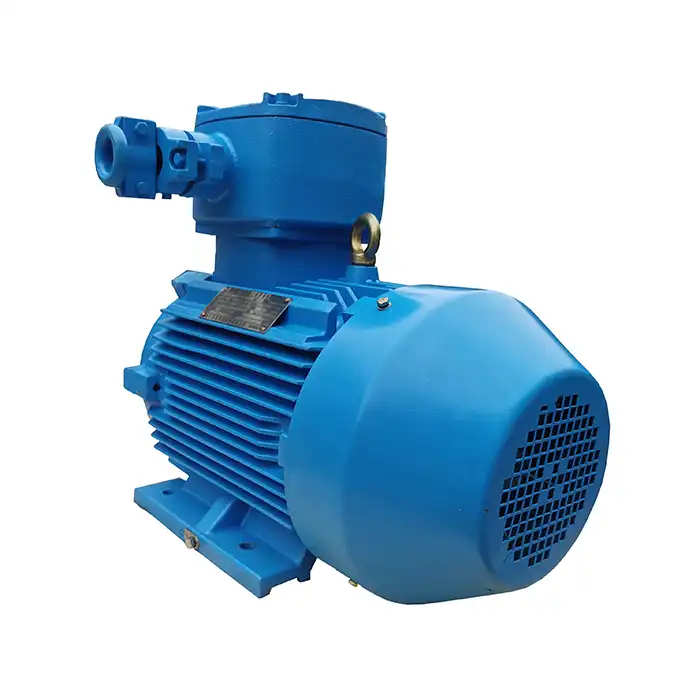
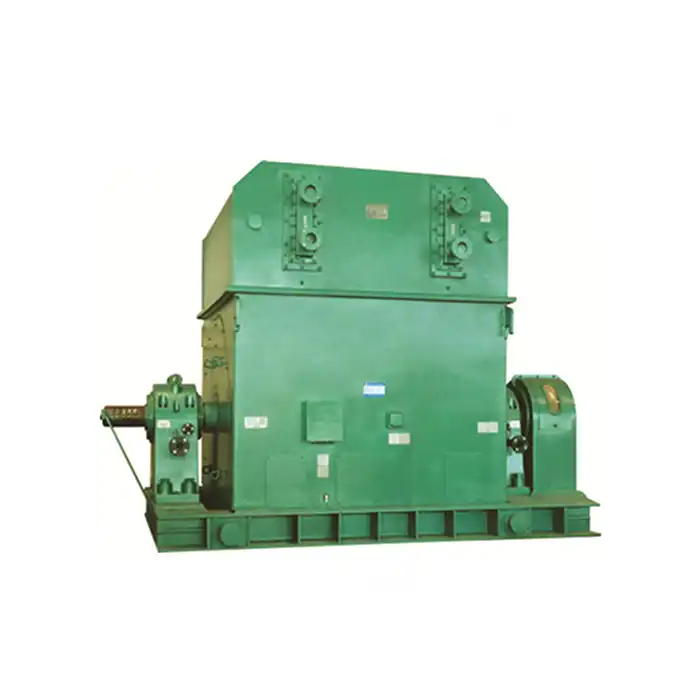
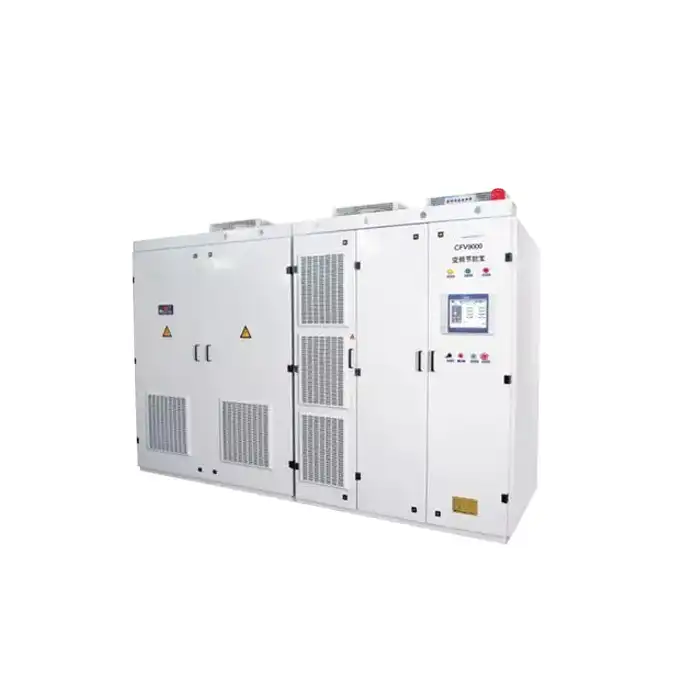
Industrial operations save money and equipment life by properly installing a 3.3 kV motor. Medium-voltage motors at this level provide stable power for compressors, crushers, and water pumps. Proper installation protects your investment and ensures these equipment work dependably. Understanding medium-voltage motor installation helps you make safe judgements while managing a manufacturing plant, process control systems, or equipment acquisition.
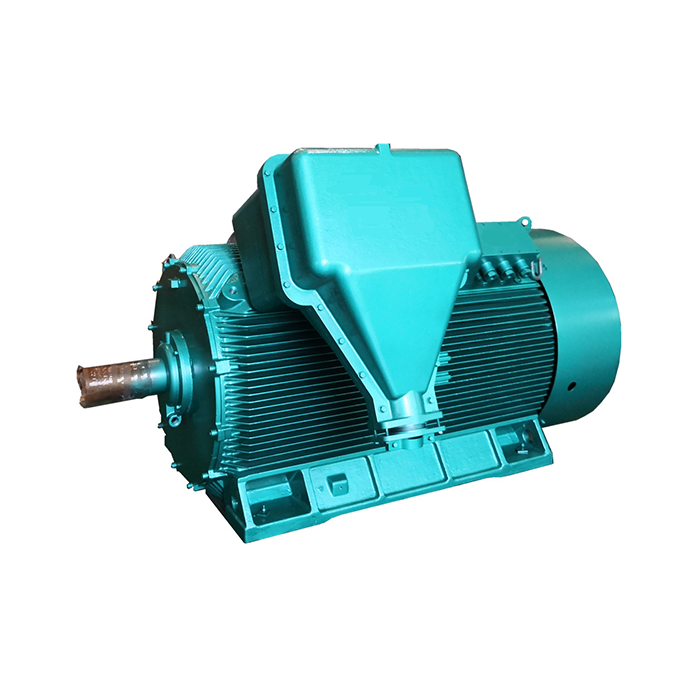
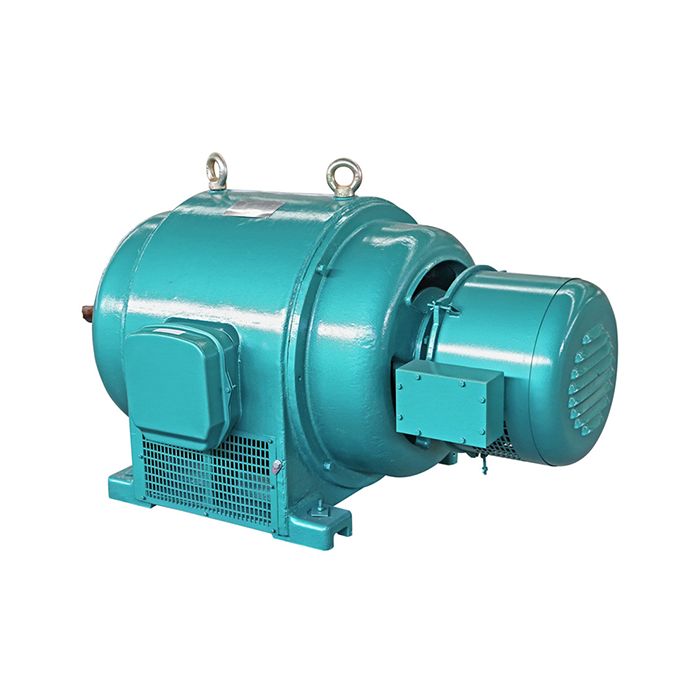
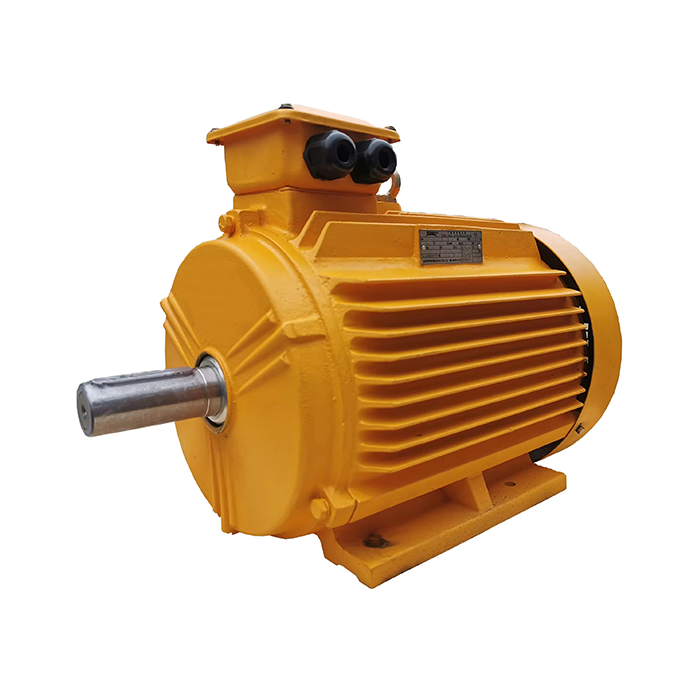
Series:Y2
Protection level:IP54
Voltage range:3000V±5%,3300V±5%,6000V±5%,6600V±5%,10000V±5%,11000V±5%
Power range:160-1600 kW
Application:fans, water pumps, compressors, crushers, cutting machine tools, transportation machinery, etc.
Advantage:compact structure, light weight, low noise, small vibration, long service life, easy installation and maintenance.
Standard: This series of products complies withJB/T10444-2004 standards.
Others: SKF, NSK, FAG bearings can be replaced according to customer requirements.
Understanding the Basics of a 3.3 kV Motor
What Defines Medium-Voltage Motor Operation
A 3.3 kV motor works at a medium voltage and is meant for situations where more power is needed than what low-voltage motors can provide easily. Through electromagnetic principles, these units turn electrical energy into mechanical movement. The stator windings create magnetic fields that combine with the rotor parts. The 3300V voltage grade (with a normal range of ±5%) sets the insulation needs and winding design of these motors, setting them apart from 400V motors that are usually used for lighter-duty tasks.
Core Specifications and Operating Parameters
Our medium-voltage motors meet JB/T10444-2004 standards and come in 3.3 kV motor, 3000V, 6000V, 6600V, 10000V, and 11000V voltage ranges. From 160 kW to 1600 kW, the power range meets many industrial applications. The 500–3000 RPM speed range helps you adjust the motor's characteristics to varied load profiles. Most international markets require power grids to operate at 50 Hz. IP54 seals adequately enough for common occupational situations, preventing dust and water spray damage.
Key Advantages for Industrial Applications
Modern medium-voltage motors offer several practical characteristics. tiny construction lowers installation footprint, allowing installation in tiny buildings. Installation and future relocation are easy due to its lightweight structure. Low shaking prevents equipment and mounting structures from wearing out and reduces workplace noise. Simple installation and maintenance reduce the need for skilled staff, and longer service life decreases ownership costs. Your application determines which quality bearings from SKF, NSK, and FAG to use. You can choose the right parts.
Because of these features, the motor is perfect for continuous-duty tasks in many industrial areas, such as making cars, aircraft parts, electronics, and food. They work reliably in pumping stations, valve actuation systems, and compressor setups, which is good for process control settings. The strong design can handle the rough conditions in places like oil and gas fields, big manufacturing plants, and mining operations, where downtime directly affects production output.
Pre-Installation Requirements and Preparation
Site Assessment and Environmental Evaluation
A good fitting starts long before the motor gets there. Do a full inspection of the installation site, writing down the temperature ranges, humidity levels, altitude, and any possible exposure to corrosive materials or flammable dust. Make sure that the installation environment stays within the range of conditions that are recommended for the motor. Make sure there is enough air flow to support the cooling method, which for our units is usually IC411 but other cooling arrangements can be asked for.
Electrical safety guidelines set by the IEC and IEEE make sure that installations are done safely. Being sure to follow these international rules keeps people and things safe while also following the law in different places. Check the electrical rules and standards that apply to where you live, as they can be different in different countries and areas.
Datasheet Review and Infrastructure Verification
Review the motor label and technical information before continuing. Verify that the voltage, frequency, power output, and speed specifications fit your application and electrical infrastructure. Switchgear, transformers, and protective devices upstream should be able to handle the motor's rated current and start. Based on power level and power factor, a 3.3 kV motor may have 160 amps or more at full load. Conductors and safety devices must be the proper size.
Check the mechanical interface requirements for driven equipment, such as the shaft's size, how it will be mounted, and where it will connect to other parts. Make sure that the design of the base can support the motor's weight and any loads that are created while it is running. Read the instructions to see if there are any special installation rules or requirements that the manufacturer has put in place.
Procurement and Supply Chain Considerations
When picking a seller for a medium-voltage motor, you should look at more than just the initial buy price. Lead times for standard configurations are usually between 8 and 12 weeks, but delivery times may be longer if you need to make changes. At XCMOTOR, we keep in touch with reliable makers and keep standard grades in stock to cut down on delivery times. Our 30-day return policy gives you peace of mind when you buy from us, and our dedicated support team is available all week to answer any technical questions that may come up.
Customisation options let motors be made to fit the needs of a specific application. Changing the type of insulation, mounting setup, winding design, and bearing choice can improve efficiency in certain situations. Talk to suppliers about your needs as early as possible in the procurement process to find the best configuration and avoid having to make expensive changes after delivery.
Step-by-Step Installation Process for a 3.3 kV Motor
Unpacking and Initial Inspection
When the package is delivered, look for damage that you can see before accepting it. Carefully take the motor out of its package and look at it for any signs of damage from shipping. Pay special attention to the state of the shaft, the integrity of the terminal box, and the finish on the outside. Turn the shaft by hand to make sure it turns smoothly and doesn't have any resistance or locking. Please make sure that all of the parts, instructions, and mounting hardware that were listed in your order are present.
Read the installation guide that came with the motor. Manufacturers include detailed instructions that cover things that are unique to each model. Write down any extra steps or safety rules that apply to your specific unit.
Mechanical Mounting and Alignment
Preparing the foundation is very important for long-term performance. The surface for fixing must be flat, rigid, and able to handle operating vibrations without bowing. Before installing the motor, the concrete should have had time to fully set. Place the anchor bolts so that they are spaced and lined up correctly based on the motor's fitting measurements.
Attach the right rigging to lifting eyes or other designated lifting points to lift the motor. Do not connect the gear to the shaft or the junction box. In order to get the motor to the right height and level, place shims under it as needed. Install the fixing bolts loosely so that the position can be changed.
Accurate measurement tools are required to align the 3.3 kV motor shaft with the driving equipment shaft. Laser alignment instruments are most exact, however dial indications may work well when utilised properly. Check rotational and parallel alignment in vertical and horizontal lines. Misalignment causes early bearing failure, friction, and connection damage. Too little or too much initial alignment causes numerous motor failures due to fitment issues. Check alignment as you tighten each mounting bolt in a cross pattern. Tightening bolts moves motors.
Pre-Start Testing and Commissioning
Before turning on the motor, use a megohmmeter that is rated for the motor voltage to test the insulation resistance. Do a test between each phase winding and the ground and also between the phase windings. The lowest level of insulation resistance that is allowed depends on the size and voltage of the motor, but values should usually be higher than one megohm per kilovolt of rated voltage. Low insulation resistance means that there is moisture contamination, insulation damage, or other issues that need to be looked into before the system is turned on.
Make sure that all of the electrical links are tight and twisted the right way. Make sure there are no more tools, materials, or other debris on the motor or in the terminal box. Make sure that disconnecting the driven equipment lets the 3.3 kV motor spin easily or that the driven load is right for the first start-up.
Do a rotating check by turning on the motor for a short time and then turning it off right away. Watch the direction of spinning and make sure it fits the needs of the related equipment. Any rotation that is going the wrong way can be fixed by switching any two supply phase connections at the motor terminal or supply breaker.
Do a no-load test run, which means letting the motor run for a certain amount of time without any connected loads. Watch out for strange noises, excessive vibrations, smells that don't seem right, or excessive heating. Keep track of the temps, vibrations, and current draw of the bearings for later use. Gradually add load while keeping an eye on the motor's performance parameters.
Troubleshooting and Maintenance Tips for 3.3 kV Motors
Common Installation Errors and Prevention
Installation errors often appear during testing or the first few days of operation. The gears of the 3.3 kV motor and the equipment it drives often don't match. Vibrations, noise, and quicker bearing wear may result. Always verify line with exact instruments, not by looking. Bad electrical connections, such as flipped phases, loose leads, or insufficient grounding, may be harmful and affect performance. Follow the wiring designs and verify all connections before turning on the electricity.
If the foundation isn't strong enough, the motor can move while it's running, which causes alignment issues and vibrations. Make sure the foundations are rigid enough and that the mounting bolts are tight enough. If you use the motor in a setting that isn't right for it, it will break down early. Check to see if the air quality, altitude, and levels of contamination stay within the limits that have been set.
Routine Maintenance Protocols
Setting up regular repair routines for motors increases their useful life and stops them from breaking down without warning. Bearing lubrication needs extra care because both too little and too much lubrication can damage bearings. Follow the manufacturer's advice on the type of oil to use, how much to use, and how often to re-apply it. Modern motors often have sealed bearings that don't need to be maintained, but units with grease fittings do need to be checked on a regular basis.
Cleaning on a regular basis gets rid of dust and other particles that build up and stop the flow of cool air and can make electrical problems easier to find in a 3.3 kV motor. During planned shutdowns, check the outside of the motor, the cooling air ducts and the inside of the terminal box. Make sure the drain plugs stay open so that water doesn't build up inside the junction box.
Monitoring vibrations finds mechanical problems before they become too big to fix. During commissioning, take baseline measurements of vibration. Then, at regular intervals, compare current readings to baseline values. When vibration levels rise, they should be looked into to find the cause.
Diagnostic Procedures for Performance Issues
Systematic troubleshooting is a quick way to find problems with motors that are acting strangely. Overloading, not enough air flow, an uneven voltage, or failed joints can all cause something to get too hot. Check the actual load current against the ratings on the load's nameplate. Make sure that the source voltage is equal on all three stages. Make sure that the cooling air passageways are still clear.
Unusual noises are often a sign of technical problems. Bearing noise usually sounds like grinding or rolling, and it gets louder as the bearing state gets worse. Rattling sounds are made by parts that are not tight. Electromagnetic noise could be a sign of an electrical problem, like an uneven voltage or a condition called single-phasing. Misalignment, unbalanced rotating parts, or bearing problems can all cause too much vibration. Vibration analysis can help you figure out where and how bad the vibration problems are.
Optimizing Motor Performance and Longevity
Installation Impact on Operational Costs
Using the right installation methods will save you money over the life of the motor. Exact alignment cuts down on mechanical losses and the number of times that bearings need to be replaced. Correct electrical connections reduce resistance losses and stop fault situations that are harmful. If the foundation is built correctly, vibration problems that affect both the motor and the equipment that is connected to it will not happen. All of these things work together to cut down on energy use, repair costs, and unexpected downtime.
The 3.3 kV motor is better than the 400V motor for high-power uses because it needs less energy and smaller conductors. Compared to 6.6 kV or 11 kV motors, the lower voltage grade makes insulation easier and usually lowers the cost of the equipment while still providing enough power for many commercial uses. Lifecycle cost analysis should look at how much the equipment costs to buy, how much it costs to install, how much energy it uses, and how much it costs to maintain in order to find the most cost-effective solution for each situation.
Customization Opportunities
Customised solutions improve performance for difficult or unique needs, while standard motor configurations work well for many uses. Different voltages or frequencies can be used with modified wound designs. Motors that work in dirty or hot places last longer when they have better protection systems. Specialised shaft shapes, mounting setups, and auxiliary choices let motors work with a variety of installation conditions.
You can get custom solutions without having to pay a lot of money and deal with a lot of hassle if you work with sellers who offer engineering help and customisation options. Technical advice can help you figure out which changes will really help your application, so you don't end up with extra features that add cost without adding value.
Conclusion
Installing a 3.3 kV motor according to the right steps will protect your equipment investment and make sure it works well for as long as it's supposed to. Successful motor installations start with careful planning before the installation, making sure the mechanical parts are lined up correctly, making sure the electrical connections are made correctly, and trying the whole system before it is put into use. Small problems don't turn into expensive fails when you do regular maintenance and pay attention to changes in performance right away. Following these tips will help your equipment work at its best whether you're putting motors in power plants, manufacturing facilities, process control systems, or other industry settings. When you put quality motors the right way, they will work reliably, which is what industry processes need.
FAQ
1. What safety protocols apply during medium-voltage motor installation?
Electrical safety rules must be followed very carefully in medium-voltage installations. Before starting work, you should always use voltage monitoring tools rated for the system voltage to make sure that all circuits are off. Use lockout-tagout methods to keep things from getting turned on by mistake. Keep the right distance between yourself and energised wires. Use tools that are protected and safety gear that is right for the power level. Installing electricity should only be done by qualified electricians who have experience with medium-voltage.
2. How can I verify correct wiring and operational readiness?
Insulation resistance testing is the main way to make sure something is correct before it is first powered on. The motor is electrically sound if a megohmmeter reading shows that the protection between the windings and ground is good. A visual check of all the connections makes sure they are tightened properly and there is no damage. Checks for rotation make sure the right phase order. Before putting full load on the motor, checking the current balance, temperature rise, shaking, and noise during the first few minutes of no-load operation makes sure it works properly.
3. What considerations affect retrofitting 3.3 kV motors into existing systems?
For retrofit installations, it's important to make sure that the new motor's features work with the existing infrastructure. Make sure the source voltage, frequency, and possible fault current are all the same as what the motor can handle. Check to see if the current switchgear, safety devices, and wires can handle the electrical needs of the new motor. Check to see if the foundation size, shaft height, and coupling needs are all the same for the replacement motor when it comes to mechanical interfaces. Think about whether extra features like better insulation class or higher protection rating are important enough to warrant changing how the 3.3 kV motors are mounted or connected.
Partner with XCMOTOR for Your Medium-Voltage Motor Requirements
Choosing a dependable 3.3 kV motor supplier affects the success of a project from the time it is bought to the years it is used. XCMOTOR gives customers access to medium-voltage motors that are made to meet international standards and come with technical help and customer service that goes beyond delivery. Our product range includes 160 kW to 1600 kW in a number of voltages, such as 3000V, 3300V, 6000V, 6600V, 10000V, and 11000V. Customisation choices meet the needs of specific applications, and high-quality bearing options from well-known brands guarantee long-term dependability. We offer full support, including help with application questions, low prices for large orders, and quick service after the sale. Are you ready to talk about your needs for a medium-voltage motor? Get in touch with our team at xcmotors@163.com to learn about the options and get professional advice for your next machine purchase.
References
1. National Electrical Manufacturers Association. "NEMA Standards Publication MG 1: Motors and Generators." Rosslyn: NEMA, 2021.
2. Institute of Electrical and Electronics Engineers. "IEEE Standard 112: Test Procedure for Polyphase Induction Motors and Generators." New York: IEEE, 2017.
3. International Electrotechnical Commission. "IEC 60034: Rotating Electrical Machines - Part 1: Rating and Performance." Geneva: IEC, 2020.
4. Stone, G.C., Boulter, E.A., Culbert, I., and Dhirani, H. "Electrical Insulation for Rotating Machines: Design, Evaluation, Aging, Testing, and Repair." Hoboken: Wiley-IEEE Press, 2014.
5. Bonnett, Austin H. "Root Cause AC Motor Failure Analysis with a Focus on Shaft Failures." IEEE Transactions on Industry Applications, vol. 36, no. 5, 2000, pp. 1435-1448.
6. Toliyat, Hamid A., and Kliman, Gerald B. "Handbook of Electric Motors." New York: Marcel Dekker, 2004.