



Z2 vs Z Series DC Motors Explained
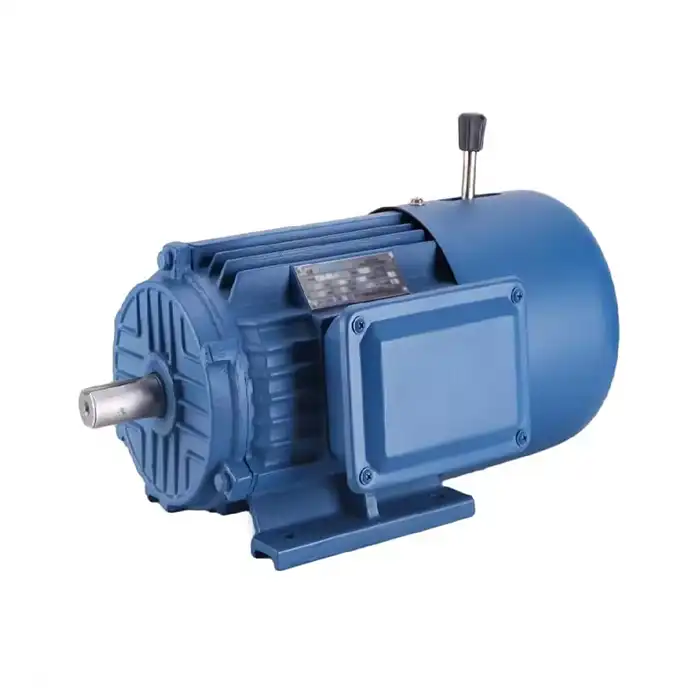
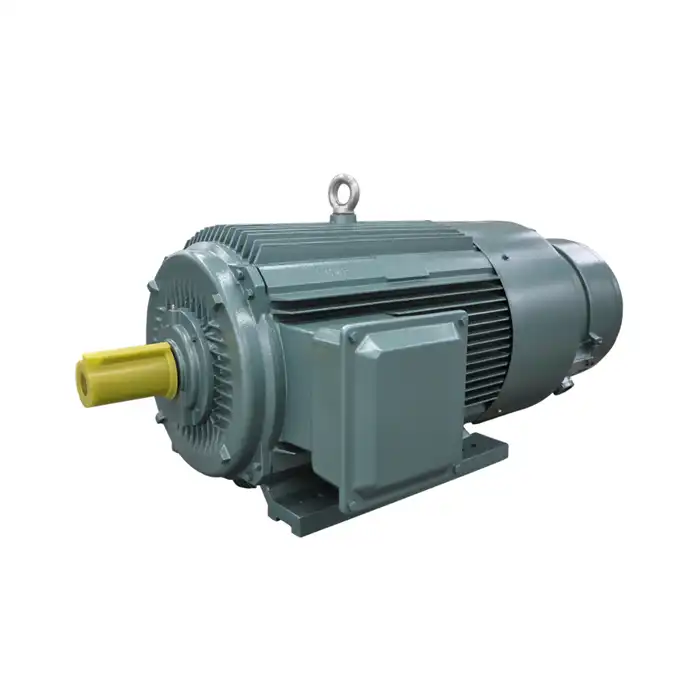
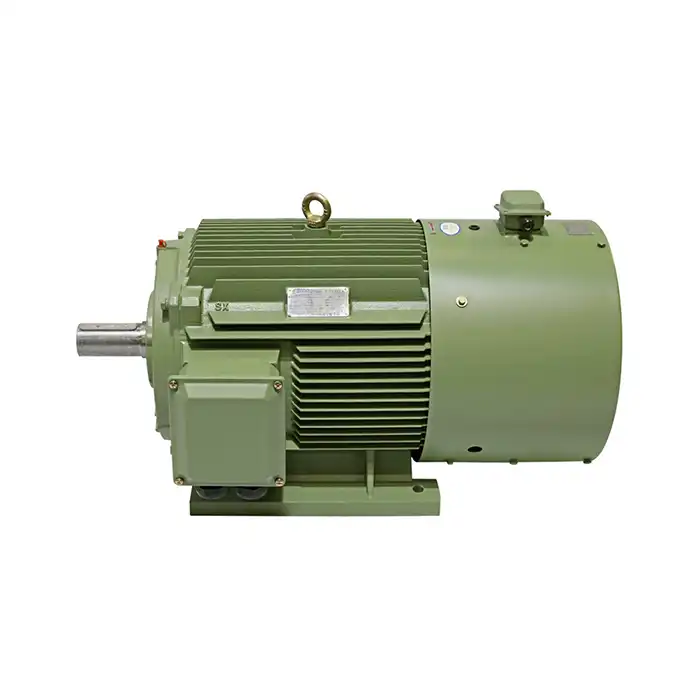
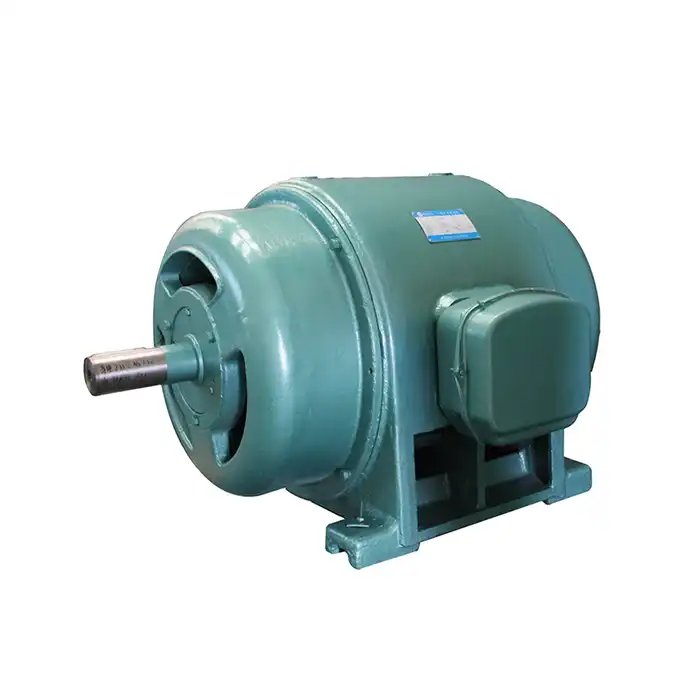
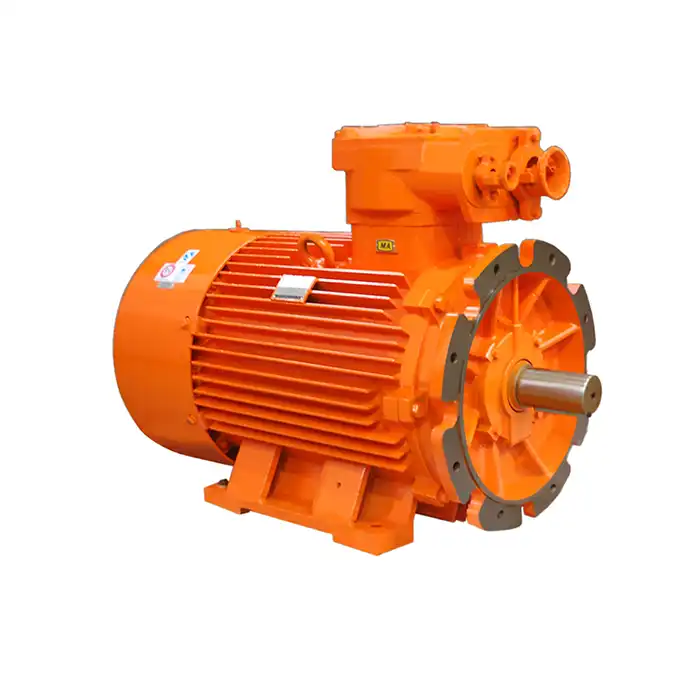
If you are evaluating DC motor options for an industrial retrofit or a spare parts replacement program, understanding the difference between Z2 and Z series DC motors is one of the most practical decisions you can make. The Z2 covers small-to-medium power needs from 0.8 kW to 200 kW, while the z series dc motor handles medium-to-large loads from 59 kW to 1600 kW. Both series share mounting compatibility with legacy Z-frame equipment, making them the go-to replacement path for aging direct-current drive systems in metallurgy, printing, cement, and defense manufacturing.
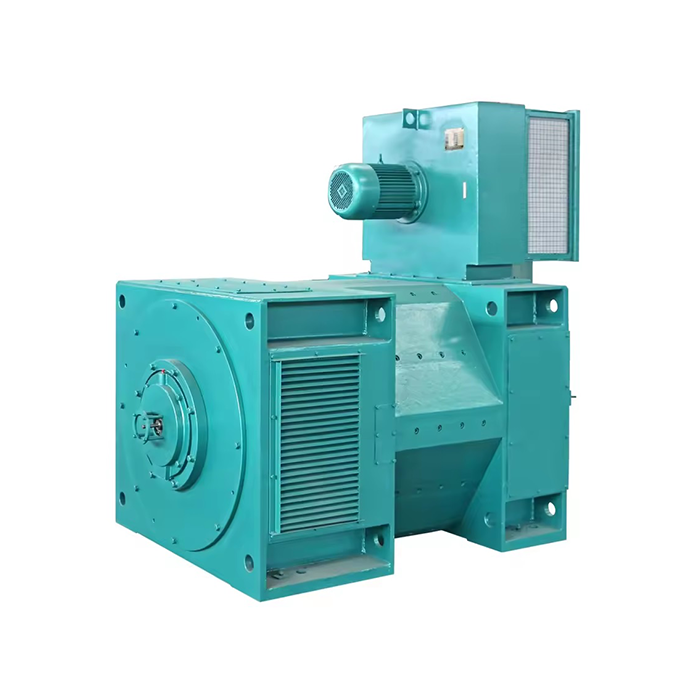
ZSeries:Z
Application:Metallurgical industrial rolling mills, metal cutting machine tools, papermaking, dyeing and weaving, instant brushing, cement, plastic extrusion machinery.
Power range:59-1600kW
Standard: JB/T9577-1999
Understanding Z2 and Z Series DC Motors
Before comparing how well these two motor families work, it's helpful to know what makes them different at the design level.
Construction Basics of the Z2
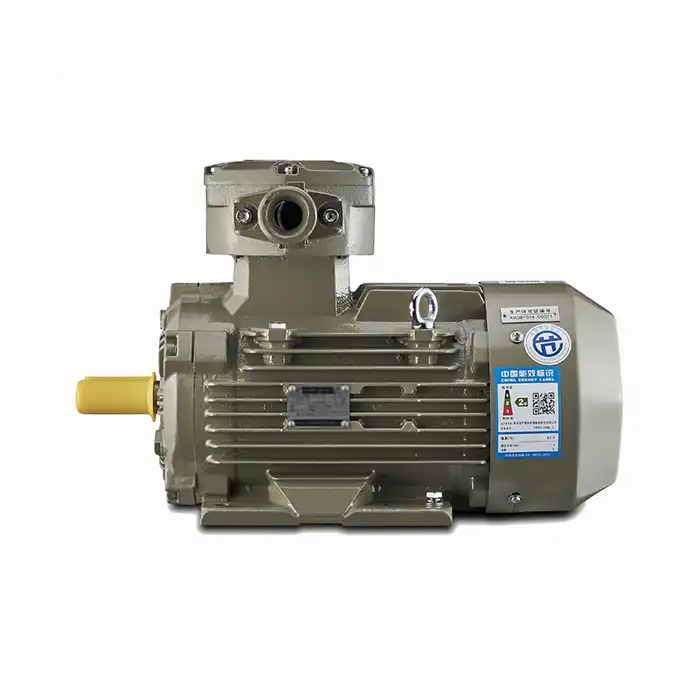
A wound-field DC motor made to standard JB1104-68 with frame numbers 11 through 112. This is the Z2. It can work on either 110 V or 220 V DC and has a speed range of 500 to 3000 RPM and an output of 0.8 kW to 200 kW. The insulation is Class F (155°C), the protection is IP23, and there is IC01 forced ventilation. The brush system and magnetic circuit are made so that there are long gaps between maintenance checks without affecting the torque response.
Construction Basics of the Z Series
The z series dc motor is made to JB/T9577-1999 standards and is meant to handle heavy industrial loads. From 59 kW to 1600 kW of power at 220 V to 750 V DC, and from 500 RPM to 3000 RPM. IC06 and ICW37 are two cooling options that can handle the higher thermal load that comes from high currents. The armature and stator assemblies are carefully put together to keep the air-gap geometry stable even when they are working at high torque all the time.
How Series Winding Affects Torque and Speed?
In a series-wound DC motor, the full armature current flows through the field winding. This means that the torque output goes up sharply with the load current (in a way that is proportional to the square of the current). This makes it possible for high-inertia machines like rolling mills and paper machines to have great starting torque. But as the load increases, the speed goes down. This is something that engineers have to take into account when they tune the drive.
Comparing Z2 and Z Series DC Motors in Industrial Applications
Which one you choose depends on how much power your equipment actually needs and how often it is used.
Where the Z2 Fits Best?
When the load rating is less than 200 kW, the z2 dc motor is the best choice for machine tools, textile machinery, printing lines, and conveyor systems. It can work in normal workshop settings thanks to its IP23 protection, and its corrosion-resistant build means it can be installed outside, which is a benefit that isn't often found at this power level. The Z2 can work with either 110 V or 220 V, so it can be directly connected to most existing DC drive panels without having to change the voltage.
Where the Z Series DC Motor Fits Best?
The z series dc motor is made for heavy-duty, nonstop use in places like big paper machines, plastic processing lines, and metallurgical rolling mills. This motor can handle up to 1600 kW of armature power for long production runs. The IC06 and ICW37 cooling systems keep heat from building up, which would shorten the life of the windings otherwise. When engineers are replacing old Z-frame equipment in steel plants, they usually switch to the Z series when the load needs to be more than 200 kW.
Dynamic Response and Speed Stability
You can use an external thyristor or IGBT drive system to control the speed in a closed loop for both series. The Z2 works well in situations where speed changes need to be made quickly, like on metal cutting machines. On the other hand, the z series dc motor works better in situations where steady torque output under heavy, long-term load is more important than quick speed changes.
Key Differences Between Z2 and Z Series Motors and Other DC Motor Types
Procurement engineers can avoid over- or under-specifying by knowing where these two motors fit in relation to other DC types.
Shunt and Compound Motors
A shunt DC motor keeps the field current separate from the armature current. This makes the speed pretty constant across a wide range of loads, which is helpful for machines that need to know the exact RPM. With a series field, compound motors can improve their starting torque while still being able to control their speed. It's not possible for either type to match the raw starting power of a series-wound configuration like the z series dc motor when the load is very big.
Permanent Magnet DC Motors
With a permanent magnet motor, there are no field windings at all. This makes the frame smaller and the control easier. However, they can only produce smaller amounts of power and can't handle the high armature currents needed in extrusion or rolling mills. Both the Z2 and Z series motors can weaken the magnetic field to allow for a wider speed range. This is something that permanent magnet designs can't do at the same power levels.
Why Z-Frame Standardization Matters for Retrofits?
In both motor families, the "Z" number refers to a standard set of mounting dimensions. When engineers replace an old Z-frame motor, they make sure that the new Z2 and Z series motors have the same shaft extension dimensions, keyway sizes, and bolt patterns as the old one. This is the most important thing for retrofit projects because it gets rid of the need for custom machining and shortens the time needed for changeover.
Procurement Considerations for Z2 and Z Series DC Motors
It takes more than matching a nameplate to get the right motor to the site on time.
Certifications and Standards Compliance
The Z2 is certified by JB1104-68, and the z series dc motor is certified by JB/T9577-1999. For projects that need formal acceptance testing, it is necessary to make sure that the factory test reports include dynamic response data, insulation resistance readings, and no-load/full-load current curves. Before you sign off on a buy order, ask for these papers.
Bearing Customization and Long-Term Parts Supply
One issue that comes up a lot in repair projects is the supply of parts after the switchover. SKF, NSK, or FAG bearings can be put on either Z2 or Z series motors, based on what is available on site or what is needed for repair. Sticking to a single brand of bearings across a facility makes the warehouse less complicated and more in line with planned maintenance times.
Lead Time and Spare Parts Standardization
Lead time and stock depth are very important for repair teams that handle 100 to 500 units a year. Making sure that the company you buy z series dc motors from has a wide range of frames in stock, not just the most popular ones, will keep your production from stopping unexpectedly due to a single-point lack.
Making the Right Decision: Choosing Between Z2 and Z Series DC Motors
These are the main decision factors that the engineering and purchasing teams should look at together.
- Power requirement: If your load sits below 200 kW and operates at 110 V or 220 V DC, the Z2 is the direct-fit answer. For loads from 59 kW up to 1600 kW at higher bus voltages, the z series dc motor is the appropriate platform.
- Cooling method compatibility: IC01 (Z2) suits open-ventilated machine rooms. IC06 or ICW37 (Z series) suits enclosed, water-assisted cooling setups common in metallurgical plants.
- Insulation class: Both series carry Class F insulation (155°C). For sites retiring Class H motors, either series provides an upgrade in thermal margin over older Class B equipment while still meeting the F-class specification.
- Drive system compatibility: Confirm that your existing thyristor drive's current rating matches the motor's rated armature current. The z series dc motor at high power outputs may require drive system upgrades if the original drive was undersized.
- Factory test documentation: Require dynamic response test data from the manufacturer before shipment. This is especially important when the motor feeds a closed-loop speed control system.
These factors cover the most common types of technical risks that come up in retrofit jobs. Before placing an order, when procurement, engineering, and maintenance agree on all five points, installation goes faster and post-commissioning changes aren't needed as often.
Conclusion
The z2 dc motor and Z series dc motors work with different power ranges but use the same standard mounting family. The Z2 can handle light to medium industrial loads of up to 200 kW. It has a simple 110 V/220 V interface and is very resistant to corrosion. When a higher armature current, heavier continuous duty, and better cooling are needed, the z series dc motor steps in. It can be scaled up to 1600 kW for the toughest plant applications. Because both types are dimensionally compatible with older Z-frame equipment, they are still the usual way to replace old equipment in the metalworking, printing, paper, and cement industries.
FAQ
1. What is the main difference between Z2 and Z series DC motors?
The Z2 covers 0.8 kW to 200 kW at 110 V or 220 V DC and suits light-to-medium industrial applications. The z series dc motor covers 59 kW to 1600 kW at up to 750 V DC and handles heavy continuous-duty loads like rolling mills and extrusion lines.
2. Which motor is better for high starting torque applications?
The z series dc motor, with its series winding configuration and high current capacity, delivers strong starting torque suitable for high-inertia loads. The Z2 also provides adequate starting torque for smaller equipment but is not designed for sustained heavy inertia cycling.
3. Can Z2 or Z series motors replace older Z-frame motors without shaft modifications?
In most retrofit cases, yes. Both motor families follow Z-frame dimensional standards, meaning shaft extensions and keyway dimensions align with legacy equipment. Minor verification of shaft diameter and keyway width against original drawings is still recommended before finalizing the order.
4. What speed control methods work with these motors?
Both the Z2 and z series dc motor are compatible with thyristor-based and IGBT-based DC drives for closed-loop speed regulation. Field weakening is also supported for applications requiring speed above base.
5. How do I obtain factory test reports?
Request dynamic response data, insulation resistance readings, and load curve documentation directly from your supplier before shipment. At XCMOTOR, these documents are available as standard with every order.
Partner with XCMOTOR for Your Z Series DC Motor Supply
XCMOTOR, which is run by Shaanxi Qihe Xicheng Electromechanical Equipment Co., Ltd., has both Z2 and z series dc motor units in a range of frame sizes. They can deliver within 5 to 30 days, and you have 30 days to return them. As a reliable z series dc motor supplier, we offer original bearings from brands like SKF, NSK, and FAG, as well as factory test reports and technical support seven days a week. To get a price or look through the whole collection, email our team at xcmotors@163.com or go to motorxc.com.
References
1. Chapman, S. J. Electric Machinery Fundamentals. McGraw-Hill Education, 2011.
2. Fitzgerald, A. E., Kingsley, C., & Umans, S. D. Electric Machinery. McGraw-Hill, 2003.
3. Hughes, A., & Drury, B. Electric Motors and Drives: Fundamentals, Types and Applications. Newnes, 2013.
4. Boldea, I., & Nasar, S. A. Electric Machine Dynamics. Macmillan, 1986.
5. IEC 60034-1. Rotating Electrical Machines — Part 1: Rating and Performance. International Electrotechnical Commission, 2017.
6. JB/T 9577-1999. Z Series Medium DC Motors — Technical Conditions. Chinese Machinery Industry Standard, 1999.