



Slip Ring vs Squirrel Cage Motors: Pros, Cons, Costs
When you need to pick between a slip ring motor and a squirrel cage motor, the decision carries real weight—especially in heavy-duty industrial settings like steel mills, port cranes, and mining operations. Both are induction motors, but they behave very differently under load. A slip ring motor uses rotor windings connected through slip rings and brushes to external resistance, giving you precise control over starting torque and acceleration. A squirrel cage motor uses a simpler bar-and-end-ring rotor. This article walks through the key differences, real costs, and which motor fits which job.
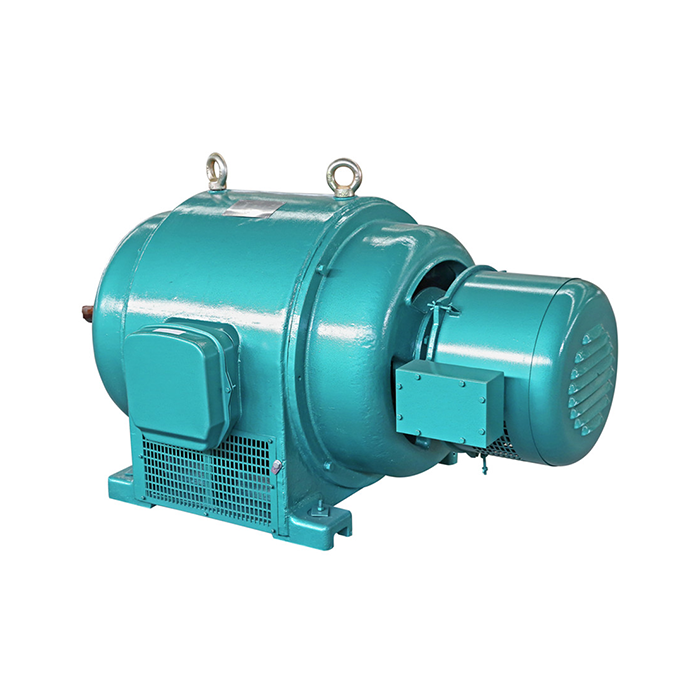
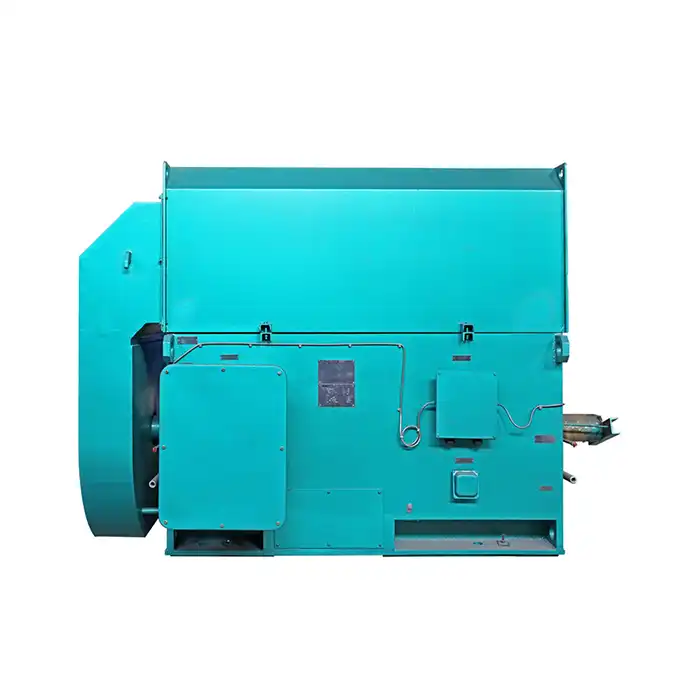
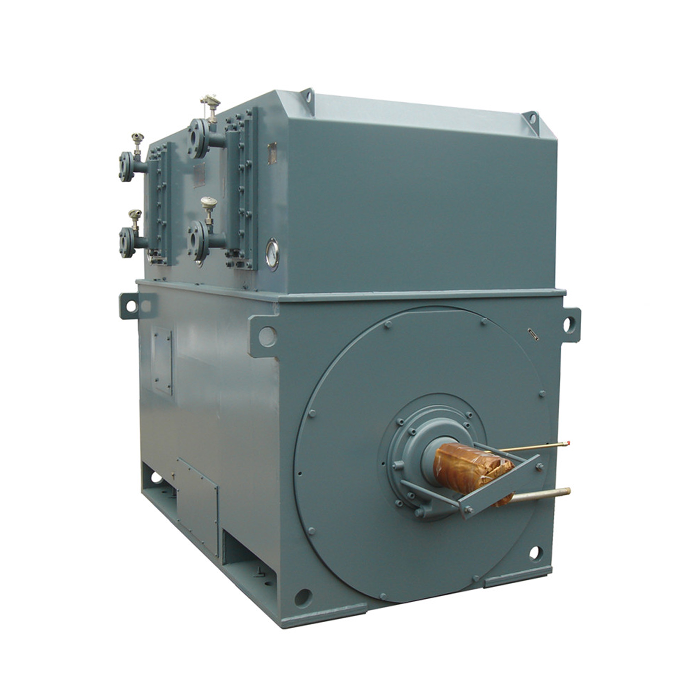
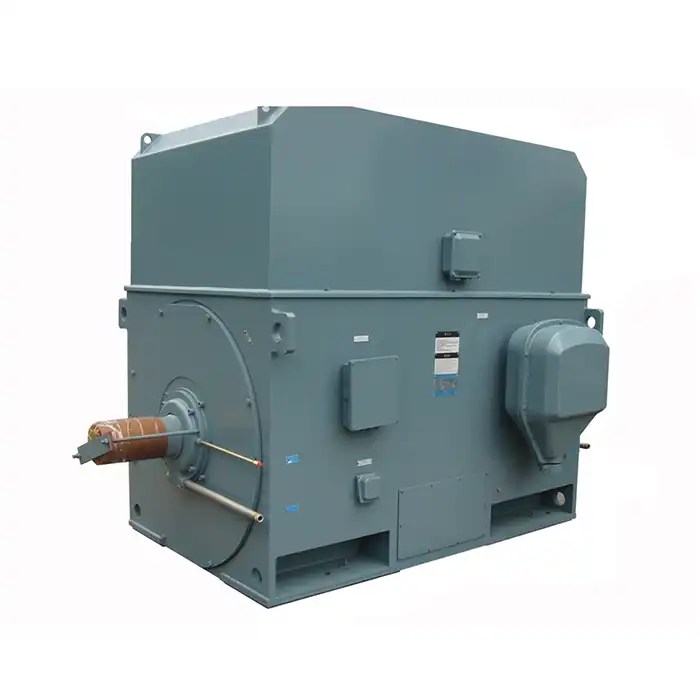
Series:YRQ
Voltage range:380V±5%
Power range:45-710kW
Protection level:IP23
Application:YRQ(JR) series medium-sized motors can drive a variety of different machinery, such as fans, compressors, water pumps, crushers, ball mills, cutting machine tools, transportation machinery and other equipment, and can be used in coal mines, machinery industries, power plants and various industrial and mining enterprises. Used as prime mover.
Advantage: The JR series medium-sized motors have very powerful driving capabilities and can not only drive conventional mechanical equipment, but also some complex mechanical equipment. For example, it can drive heavy machinery such as ships, cranes, and wind turbines, as well as small household appliances, purifiers, compressors, etc.
Others: SKF, NSK, FAG bearings can be replaced according to customer requirements.
Understanding Slip Ring and Squirrel Cage Motors
Before you compare numbers, it's helpful to know what each motor does inside the car.
How a Slip Ring Motor Works?
A slip ring motor, which is also known as a wound rotor induction motor, uses conductive rings and carbon brushes to connect its rotor windings to outside circuits. With this set-up, workers can add resistance to the rotor circuit during startup. This limits the inrush current and makes the starting power strong. IEEE Standard 620 says that wound rotor motors can provide starting torques of 2.0 to 2.8 times their rated torque at starting currents as low as 1.5 to 2.5 times their rated current.
How a Squirrel Cage Motor Works?
The name "squirrel cage" comes from the shape of the rotor, which is made up of aluminum or copper bars with end rings crossing them at both ends. It doesn't have any brushes, slip rings, or outside resistance. It is easy to use and strong. During direct-on-line starting, however, the inrush current often rises to 5–7 times the rated current, which puts stress on the switchgear and any equipment that is attached to it.
Typical Industry Use Cases
A slip ring motor is good for bridge cranes, gantry cranes, hoists, ball mills, and crushers, among other places where a heavy load needs to start smoothly. Squirrel cage motors work well for jobs that need to run continuously at a steady speed, like HVAC fans, general-purpose pumps, and conveyor belts that run at a set speed. They can also handle big loads starting up and off often.
Comparing Performance – Pros and Cons of Slip Ring vs Squirrel Cage Motors
Performance differences between these two motor types are significant when your application involves high-frequency start-stop cycles or impact loads.
Advantages of the Slip Ring Motor
Here are the core performance strengths a slip ring motor brings to demanding applications:
- High starting torque with low inrush: By inserting external resistance, starting torque reaches 2.0–2.8× rated torque while inrush current stays at 2–3× rated current—far below the 5–7× typical of squirrel cage designs. This protects your power distribution system and reduces demand charges.
- Adjustable speed and acceleration: Varying rotor resistance lets you control the speed-torque curve at startup and during low-speed positioning. This matters greatly in crane hoisting and elevator applications where load positioning accuracy is non-negotiable.
- Tolerance for high start-stop frequency: A slip ring motor with external resistance dissipates heat outside the motor housing, supporting start-stop cycles of 120 or more per hour without thermal overload—something a squirrel cage motor cannot match without an oversized frame or separate cooling.
These strengths make the slip ring motor a practical choice whenever your process demands controlled acceleration under heavy load, not just raw speed.
Disadvantages of the Slip Ring Motor
No motor type is without trade-offs. Slip ring motors require periodic inspection of carbon brushes and slip ring surfaces. Brush wear generates carbon dust, which demands attention in sealed or hazardous environments. A qualified maintenance schedule—typically once every 1,000–2,000 operating hours—keeps performance consistent.
Advantages of the Squirrel Cage Motor
The squirrel cage motor's rotor has no windings, brushes, or rings. That simplicity translates to lower upfront cost, minimal maintenance, and strong reliability in fixed-speed, continuous-duty cycles. For applications that never require heavy-load starting, the squirrel cage design is often the economical choice.
Disadvantages of the Squirrel Cage Motor
Without external resistance control, the squirrel cage motor cannot limit its own starting current. Heavy, repeated starts generate significant heat inside the rotor bars, shortening winding life. Speed adjustment requires an external variable frequency drive, adding both capital cost and control complexity to the system.
Cost Analysis and Procurement Considerations
Motor selection is ultimately a financial decision as much as a technical one.
Initial Purchase Price
A slip ring motor typically costs 20–35% more than an equivalent squirrel cage motor at the same power rating. For a 110 kW unit, that difference might range from $800 to $2,000 depending on frame size and features. However, when you factor in the variable frequency drive that a squirrel cage motor needs for speed control—often $3,000–$8,000 for the same power class—the total system cost of the slip ring solution frequently comes out lower.
Maintenance and Operating Costs
Annual maintenance for a slip ring motor—brush replacement, slip ring surface inspection, and resistance box checks—typically runs 6–9% of original purchase price. Squirrel cage motors need bearing lubrication and winding checks but no brush service. That said, brush maintenance is predictable and can be scheduled during planned downtime, limiting unplanned production stops.
Procurement Lead Times and Supplier Selection
For OEM crane and hoist manufacturers ordering 100–500 units annually, lead time and dimensional consistency are non-negotiable. When replacing imported motors from legacy suppliers, dimensional interchangeability—matching shaft extension, keyway, and foot mounting—must be confirmed before the first shipment. Always request factory test reports including waveform data, insulation resistance values, and vibration readings with every order.
Slip Ring Motor Speed Control and Efficiency Optimization
Speed control is where the slip ring motor justifies its added complexity.
Rotor Resistance Control
Inserting resistance in the rotor circuit shifts the speed-torque curve, producing full torque at reduced speed during acceleration. Once the motor reaches operating speed, resistance is cut out in steps, and the motor runs at near-synchronous speed. This step-by-step process is straightforward to automate with a contactor-based resistance switching panel.
Integration with External Resistance Boxes
External resistance boxes dissipate startup heat outside the motor, protecting winding insulation. Proper thermal design of the resistance box—sized for the actual start-stop frequency and load cycle—is critical. A resistance box undersized for 120 starts per hour will overheat and degrade, causing unpredictable torque behavior. Confirm that your supplier offers matched resistance box specifications alongside the motor.
Preventive Maintenance Schedule
A consistent maintenance schedule protects the slip ring motor investment. Inspect carbon brushes every 1,000 hours, clean slip ring surfaces with a dry cloth to remove carbon deposits, check brush spring pressure, and verify insulation resistance annually. Following this schedule keeps annual maintenance costs within the 6–9% benchmark and prevents unplanned shutdowns.
Making the Right Choice – Decision Support for Procurement Managers
There are four honest questions you should ask yourself about your application before you choose a motor type.
Load and Start-Stop Profile
If your machine starts up with all of its weight on it more than 60 times an hour, a slip ring motor is the best choice. This is a good description for crane hoists, winches, and elevator traction machines. If your load starts off empty and runs nonstop for hours, a squirrel cage motor will do the job without the extra brush maintenance.
Speed Control Requirements
When you need accurate low-speed placing, like when you need to slowly lower a load into place, rotor resistance control can do it without a variable frequency drive. The squirrel cage motor is easier to use for applications that need a constant speed and duty.
Total Cost of Ownership Over Five Years
Find the total cost over five years, including the price of the motor itself, any drives or resistance panels, the cost of work and parts for upkeep, and the cost of each unplanned stop. Most of the time, the slip ring motor is cheaper over five years for high-cycle crane and hoist OEMs when the variable frequency drive is taken out of the budget for the squirrel cage option.
The XCMOTOR YRQ Series: A Specific Reference Point
XCMOTOR's YRQ series wound rotor motor works on 380V ±5%, can handle 45–710 kW, and is protected by IP23. The starting current is 2 to 3× rated current, the starting torque is 1.8 to 2.5× rated torque, and the excess capacity goes up to 3 to 4× rated torque for 15 to 30 seconds. You can ask for bearings to be SKF, NSK, or FAG. The motor comes with a full factory test record that talks about its efficiency, vibration, and ability to resist insulation. All of the units are up to code with CCC, CE, and ISO9001.
Conclusion
You don't have to pick between a slip ring motor and a squirrel cage motor based on which design is better in every case. It's about making sure that the motor's features work well with how you use it. Cranes, hoists, mills, and mining equipment are all high-cycle, heavy-load uses. The wound rotor design gives you starting torque and better thermal control than squirrel cage motors without expensive add-ons. The squirrel cage motor's simplicity is a real plus for applications that need steady speed and a light start. Before you finalize the specification, make sure you know the start-stop frequency, load profile, and cost over five years.
FAQ
1. Can a slip ring motor directly replace a squirrel cage motor?
Not until engineers look it over. The two types of motors have frames that are about the same size in some ratings, but they start differently, connect the rotors differently, and have different control panels. If you are going to replace an old wound rotor motor with a new one of the same type, you need to make sure that the new motor's shaft extension, keyway lengths, and foot bolt pattern are the same as the old one before you place your order.
2. How often do carbon brushes need replacement?
Depending on the grade of the brush, the spring pressure, and the amount of dust in the air, carbon brushes usually last between 2,000 and 4,000 hours of normal use on cranes and hoists. Check the brush every 1,000 hours and change it before the length of the brush goes below the minimum marked on the brush holder. It's much cheaper to replace things ahead of time during planned maintenance windows than to stop production without warning.
3. Does a slip ring motor consume more power than a squirrel cage motor?
A small amount of energy is lost in the resistance box during starting when resistance is added. This energy is not used to drive the load. Once there is no more resistance, there isn't much of a difference in efficiency between the two types of motors at full load (1–2% at the speed of steady running). When there are a lot of cycles, the difference in energy cost is much less than the cost of downtime caused by using the wrong motor type.
4. What certifications should I require from a supplier?
Need at least CCC, CE, and ISO9001 certifications. For use in coal mines, you need extra mining or explosion-proof licenses. Always ask for the factory test record that confirms the unit's insulation resistance, no-load current, shaking magnitude, and waveform data.
Get the Right Slip Ring Motor for Your Application — Contact XCMOTOR
The YRQ series slip ring motor is sold by XCMOTOR to OEM crane builders, hoist manufacturers, and industry repair teams in the US and other countries. We offer free shipping, 30-day returns, and dedicated support seven days a week. We are a verified slip ring motor manufacturer with more than 20 years of experience making motors. To get details and prices, email your nameplate info or a dimensional drawing to xcmotors@163.com or go to motorxc.com.
References
1. IEEE Standard 620-1996 — IEEE Guide for the Presentation of Thermal Limit Curves for Squirrel Cage Induction Machines, IEEE, 1996.
2. Wildi, T. — Electrical Machines, Drives, and Power Systems, 6th ed., Pearson Prentice Hall, 2006.
3. Chapman, S. J. — Electric Machinery Fundamentals, 5th ed., McGraw-Hill, 2012.
4. IEC 60034-1 — Rotating Electrical Machines – Part 1: Rating and Performance, International Electrotechnical Commission, 2022.
5. Fitzgerald, A. E., Kingsley, C., & Umans, S. D. — Electric Machinery, 6th ed., McGraw-Hill, 2003.
6. Boldea, I. & Nasar, S. A. — The Induction Machine Handbook, CRC Press, 2002.