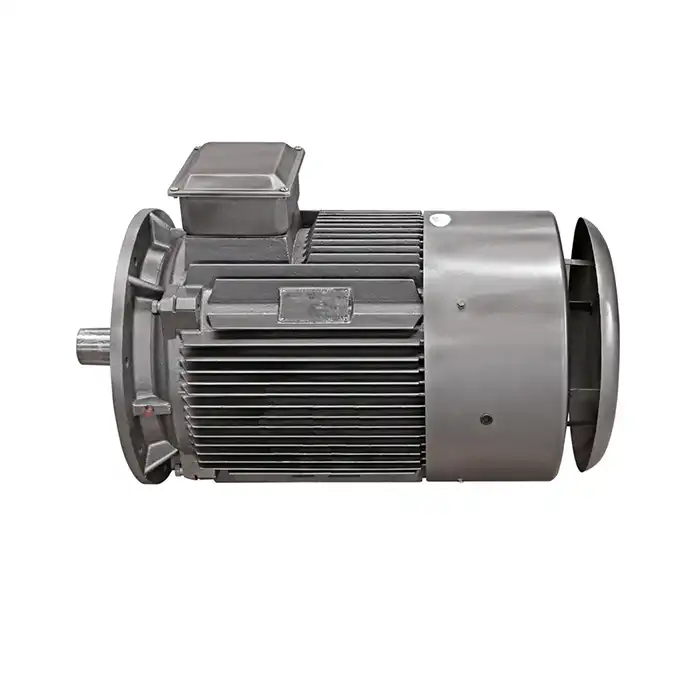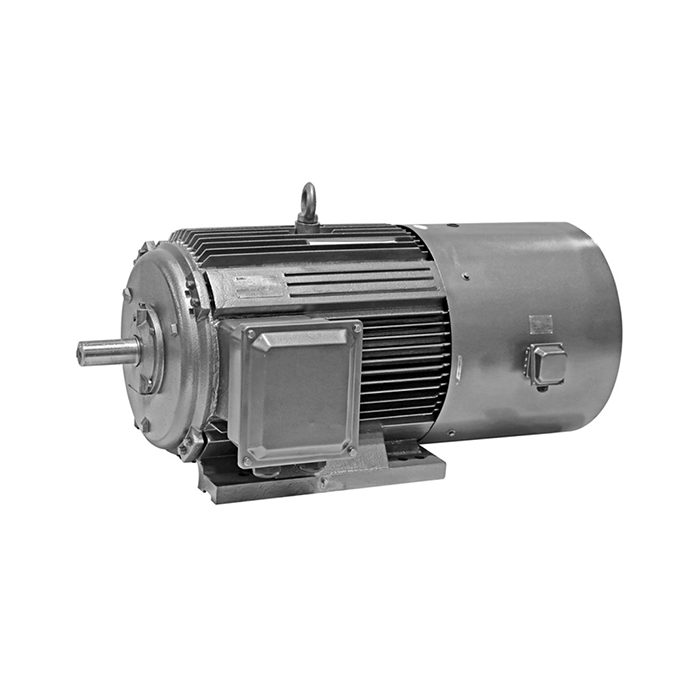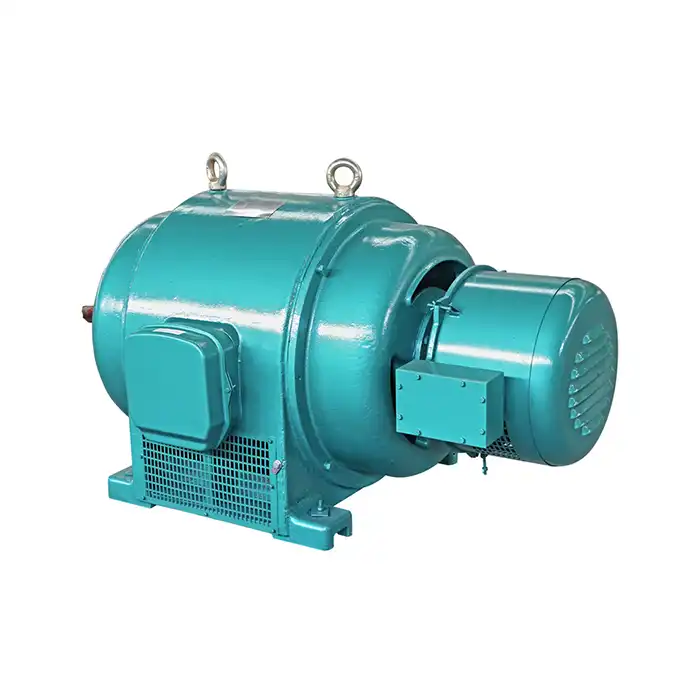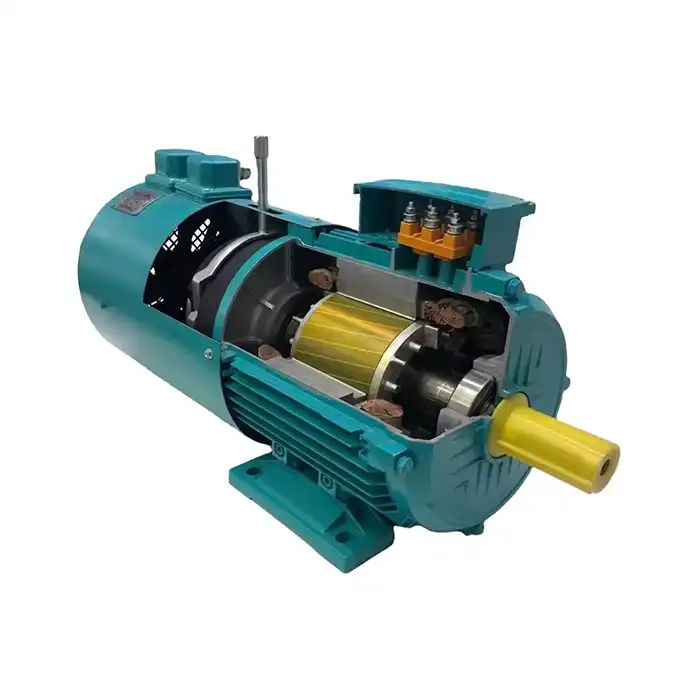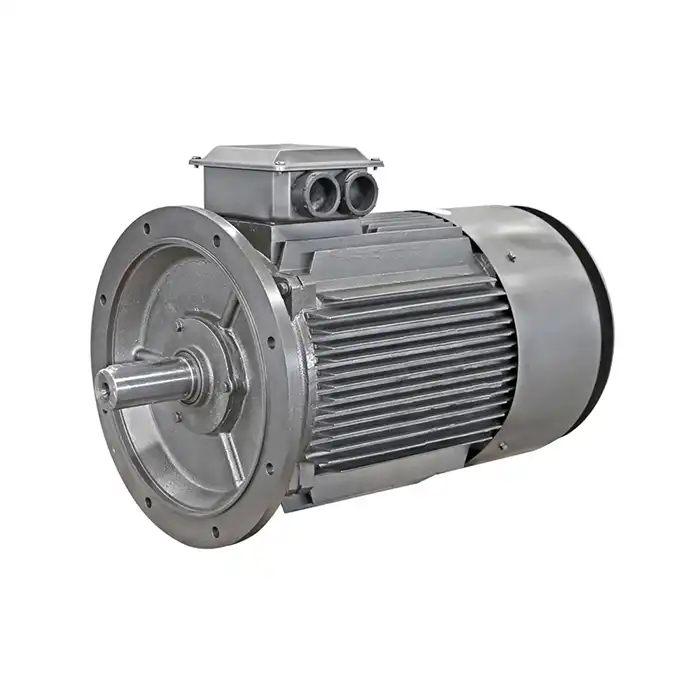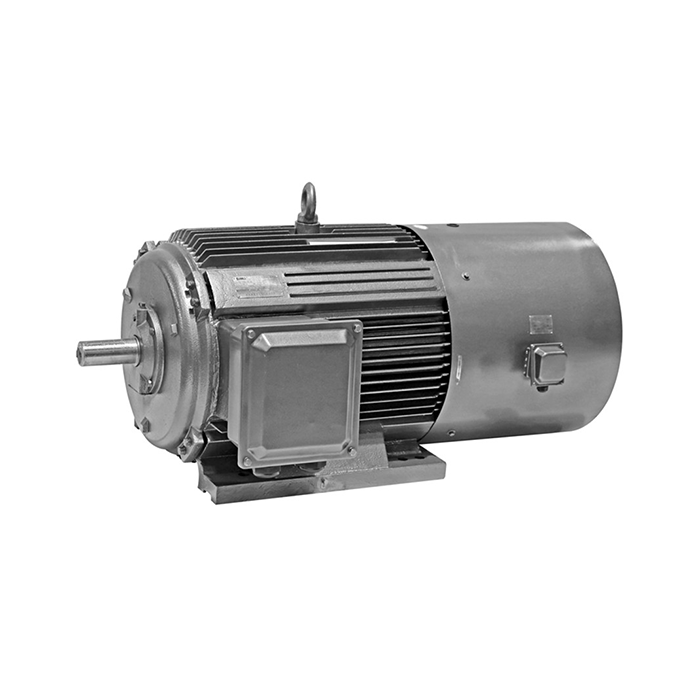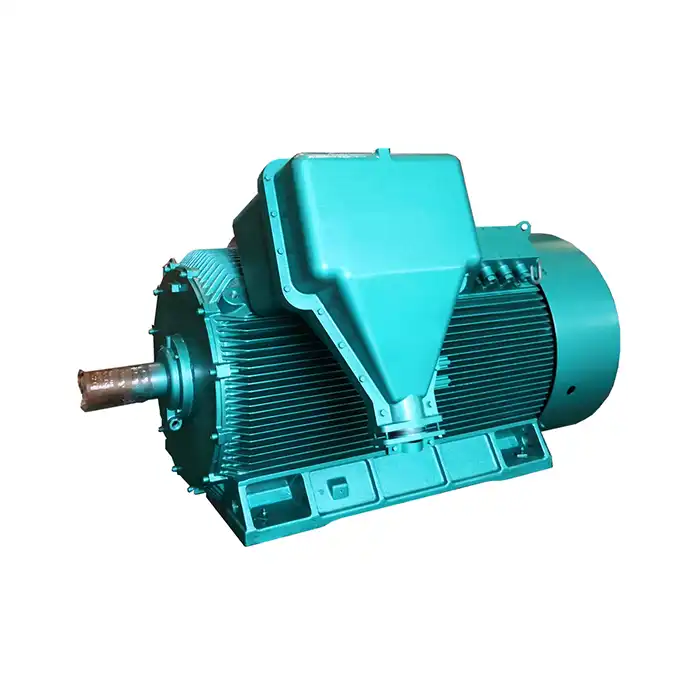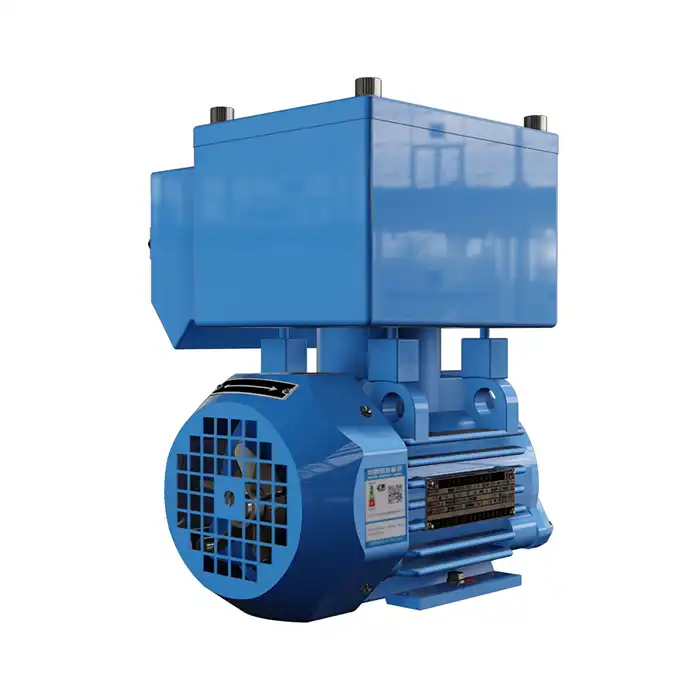




Why Use a TDMK series synchronous motor for Large Industrial Loads?
When a cement grinding station or ball mill line goes down unexpectedly, the financial loss per hour can run into tens of thousands of dollars. Choosing the right drive motor from the start is not a luxury — it is a business decision that affects the entire production schedule. The TDMK series synchronous motor was designed specifically for these high-stakes, high-load environments. With a power range of 400 kW to 2,000 kW, starting torque exceeding twice the rated value, and direct-drive capability that eliminates the need for a gearbox, this motor addresses the real technical and financial pressures that procurement and engineering teams face every day.
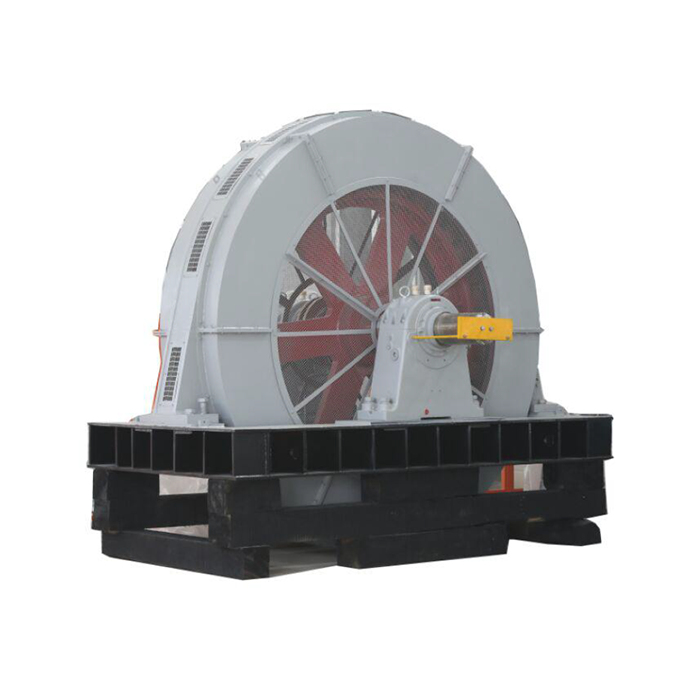
Voltage range:3000V±5%,3300V±5%,6000V±5%,6600V±5%,10000V±5%,
Power range:400-2000 kW
Application:Mining, cement.
Advantage:large starting torque.
Others: SKF, NSK, FAG bearings can be replaced according to customer requirements.
Understanding TDMK Series Synchronous Motors
Before you spend $300,000 to $800,000 on capital tools, you should know exactly what you're getting and why the design choices are important for your application.
How a Synchronous Motor Works in Heavy-Load Conditions
A synchronous motor's speed stays the same no matter how much load it has. Its speed is set by the supply frequency and the number of pole pairs. This means that the shaft speed stays the same even if the torque changes. This is a very important feature when driving a cement mill drum or mineral grinding circuit that has changing feed loads throughout the day.
Key Technical Specifications
The TDMK series synchronous motor can work with voltages of 3,000 V ±5%, 3,300 V ±5%, 6,000 V ±5%, 6,600 V ±5%, and 10,000 V ±5%. This means it can work with all medium-voltage industrial power grids that are found in cement and mining plants. The speed rates range from 150 rpm to 500 rpm, which means that they can be directly connected to mill drums without the need for a middle gearbox. This lowers the cost of the machine and makes it easier to use. On top of that, it has an insulation class of F and an IP20 grade for security.
Excitation System and Bearing Options
The motor's excitation system is checked at the plant before it is sent out to make sure it is stable when the load changes. Bearing choices are open; SKF, NSK, or FAG bearings can be chosen based on the maintenance standards or cost goals of your business. This flexibility is important for procurement teams that need to make sure that spare parts are aligned across multiple production lines.
Benefits of Using TDMK Series Synchronous Motors for Large Industrial Loads
The useful benefits of this motor family are much greater than what is written in the data sheet. Here are the main practical benefits that make big cement and mining companies want to adopt it.
- High starting torque at low speed: The TDMK series synchronous motors delivers a starting torque greater than 2× the rated torque, allowing it to accelerate a fully charged ball mill from rest without a soft-starter retrofit. This is the single most important characteristic for grinding applications, where the static load on startup is at its heaviest.
- Direct-drive architecture: With speed ratings as low as 150 rpm, the motor couples directly to the mill drum. Removing the gearbox eliminates a major failure point, cuts lubrication costs, and reduces the total footprint of the drive system.
- Power factor correction built in: Synchronous motors naturally operate at or near unity power factor and can even supply reactive power to the local grid. In plants where the utility company charges for reactive demand, this feature reduces the monthly electricity bill without additional capacitor banks.
- Stable grid behavior on startup: The controlled excitation system limits inrush current during startup, which protects the plant's medium-voltage bus from voltage dips that would otherwise trip sensitive control equipment elsewhere in the facility.
These benefits directly address the two worries that most procurement professionals have: the chance that an excitation system fault will stop production and the chance that starting currents will mess up the plant grid. Factory tests and the controlled shock design take care of both risks.
Comparing TDMK Synchronous Motors with Alternatives
Usually, procurement teams look at three or four motor suppliers next to each other. It's easier to ask the right questions during technical review if you know how the TDMK design stacks up against other options.
Synchronous vs. High-Voltage Asynchronous Motors
High-voltage squirrel-cage motors are easier to start, but they need 5–7 times their rated current to do so. For a 2,000 kW drive, that sudden rise in current can make a plant outlet less stable. This is controlled by the excitation circuit of the TDMK series synchronous motor, which keeps the starting current within the grid's limit.
Direct-Drive vs. Gearbox-Driven Systems
A gearbox increases the number of moving parts, the number of times they need to be oiled, and the chance of a failure that could shut down the whole production line. When you use direct-drive synchronous motors at 150–500 rpm, this risk goes away completely. Taking out the gearbox usually cuts the cost of drive-train upkeep by 15–25% over the course of five years, according to cement grinding stations.
Price-Performance Positioning
For its power class, the TDMK series synchronous motor is priced competitively, and the maker backs up the motor with technical paperwork, acceptance testing, and commissioning on-site. The synchronous direct-drive configuration always works better than cheaper asynchronous options in applications above 630 kW when the total lifecycle cost is taken into account. This includes energy costs, maintenance costs, and the risk of downtime.
Procurement and Supply Chain Insights for TDMK Series Synchronous Motors
It saves a lot of time on projects to understand the supply chain before making a buy order. Teams that buy things should know these things.
Lead Time and Production Scheduling
Before the TDMK series synchronous motor can be shipped, it takes 90 days to be made and another 30 days for it to be delivered by sea or land. For new-build projects, the whole planning process usually takes 12 to 14 months. This includes getting group project approval, choosing a design institute, bidding, factory acceptance testing, and starting up the project on-site. Adding this plan to the project's Gantt chart from the start keeps the schedule from being pushed back later.
Excitation Cabinet Supply and Compatibility
The excitation box can be sent with the motor or can be set up to work with an excitation system that is already in place on the job site. This is especially important for replacement projects that need to keep the current plant wires and control interface. The expert team at XCMOTOR can look at the models of your current excitation system and make sure it will work with the new one before you place your order.
After-Sales Support and Spare Parts
For motors that will last 15 to 20 years, it's a good idea to make sure that long-term parts like excitation coils, slip rings, and bearings are easy to find. XCMOTOR keeps parts support for all active TDMK series synchronous motors models and can give factory test reports that match the parameters of the original machine. This is very important for replacement projects where the new motor needs to fit with an existing excitation cabinet.
Optimizing Industrial Operations with TDMK Synchronous Motors
When you buy a big synchronous motor, you need to pay close attention to how it is installed, how it is monitored, and how you plan for long-term upkeep.
Installation and Alignment Best Practices
It is very important that the motor and mill drum shafts are lined up correctly for the bearings to last a long time. If there is even a 0.05 mm imbalance on a 2,000 kW drive, the bearings will last 30–40% less long. XCMOTOR's commissioning techs follow written alignment processes and offer on-site help to make sure the installation is right before the first start.
Predictive Maintenance and Monitoring
The three main maintenance tasks for the TDMK series synchronous motor are to check for vibrations in the bearing housings, keep an eye on the temperature of the excitation windings, and check the slip ring assembly on a regular basis. Setting standard vibration readings during setup gives the maintenance team a clear point of reference for finding early signs of bearing or winding wear.
Scalability for Future Capacity Upgrades
The TDMK series synchronous motor has a power range of 400–2,000 kW. This means that if a company needs to add more grinding capacity, the new line can use the same motor base. Using the same motor family for all of the grinding stations makes it easier to keep track of extra parts and easier for the electrical repair team to learn how to do their job.
Conclusion
The TDMK series synchronous motor solves the real problems that come up in large-scale milling and grinding operations: big startup loads, grid stability, no need for gearboxes, and long-term dependability. It is a good choice for cement and mining applications because it has a power range of 400 kW to 2,000 kW, different voltage options, a wide range of bearings, and excitation systems that have been tested at the factory. If procurement professionals look at the total cost of ownership, not just the purchase price, they will see that this motor family gives steady, measurable returns over a 15–20 year service period.
FAQ
1.What power range does the TDMK series synchronous motor cover?
The TDMK series synchronous motor covers 400 kW to 2,000 kW, which matches the main power segments used in cement grinding stations, slag grinding lines, and ball mill circuits. This range covers both mid-size and large-scale grinding applications without requiring a custom design.
2.Can the motor start a fully loaded ball mill without damaging the plant grid?
Yes. The motor delivers a starting torque greater than 2× the rated torque, and the controlled excitation system limits inrush current during startup. This combination allows the motor to accelerate a fully charged mill while keeping voltage disturbance on the medium-voltage bus within acceptable limits.
3.What voltage levels are available?
Available voltages are 3,000 V ±5%, 3,300 V ±5%, 6,000 V ±5%, 6,600 V ±5%, and 10,000 V ±5%. This covers the standard medium-voltage grids found in industrial plants across most markets.
4.Which bearing brands can be specified?
SKF, NSK, and FAG bearings are all available. The selection can be matched to your plant's existing maintenance program or cost requirements.
5.What certifications does the motor carry?
XCMOTOR's products carry CCC, CE, ISO9001:2000, CRCC, CQC, UL, and GOST certifications, supporting compliance requirements across domestic and international projects.
Contact XCMOTOR for a TDMK Series Synchronous Motor Quote
Shaanxi Qihe Xicheng Electromechanical Equipment Co., Ltd., also known as XCMOTOR, has been selling large industrial motors for more than 20 years and offers technical support seven days a week. We can help you find a TDMK series synchronous motor supplier for a new grinding line or a replacement unit that will work with the excitation cabinet you already have. To start your request right away, send your specs to xcmotors@163.com or go to motorxc.com.
References
1. Chapman, S. J. Electric Machinery Fundamentals. McGraw-Hill Education, 2012.
2. Boldea, I., & Nasar, S. A. The Induction Machine Handbook. CRC Press, 2002.
3. IEEE Standard 115. IEEE Guide for Test Procedures for Synchronous Machines. Institute of Electrical and Electronics Engineers, 2019.
4. Mohan, N., Undeland, T. M., & Robbins, W. P. Power Electronics: Converters, Applications, and Design. John Wiley & Sons, 2003.
5. China Cement Association. Annual Report on China Cement Industry Energy Consumption and Equipment Technology. China Cement Association, 2022.
6. Trout, S. R. "Permanent Magnet and Synchronous Motor Selection for Industrial Applications." IEEE Industry Applications Magazine, 2018.