



What Is an Inverter-Duty AC Motor? Full Guide
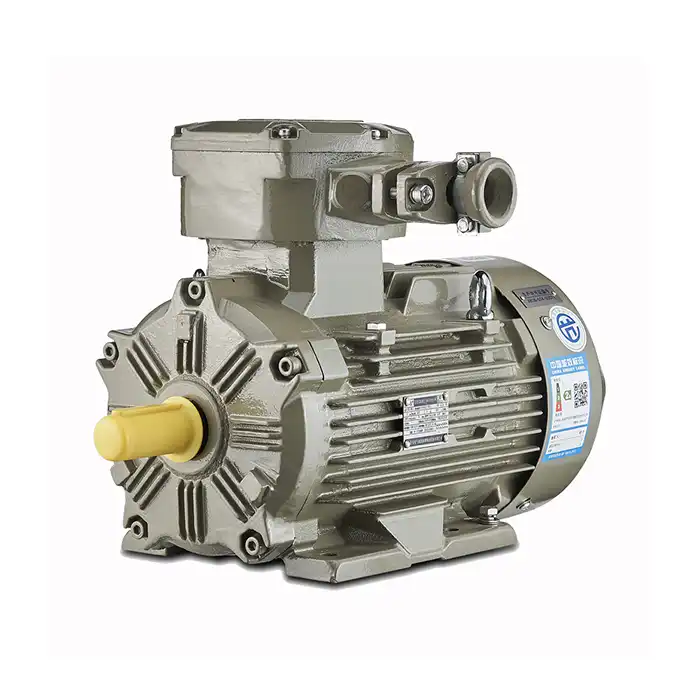
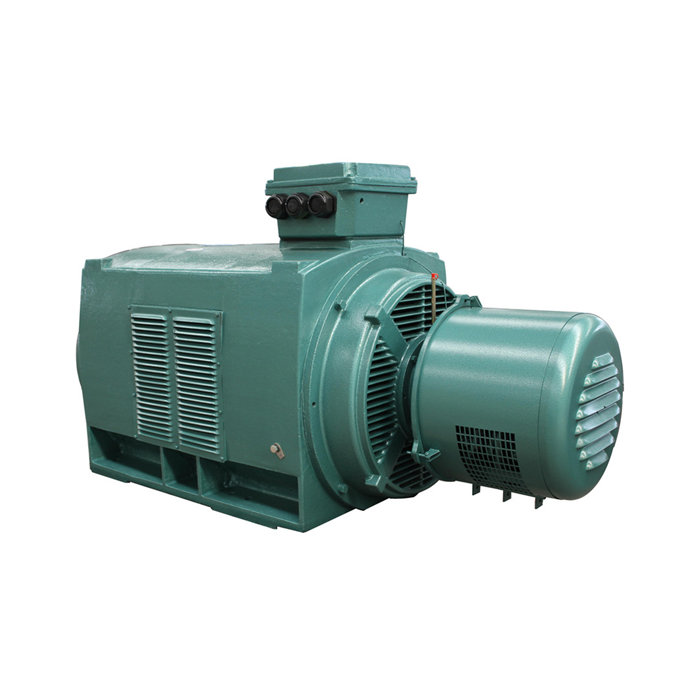
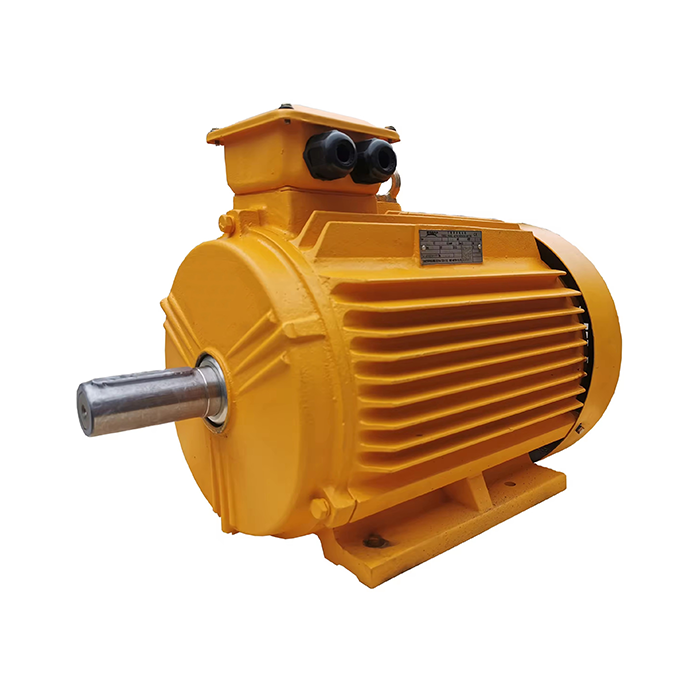
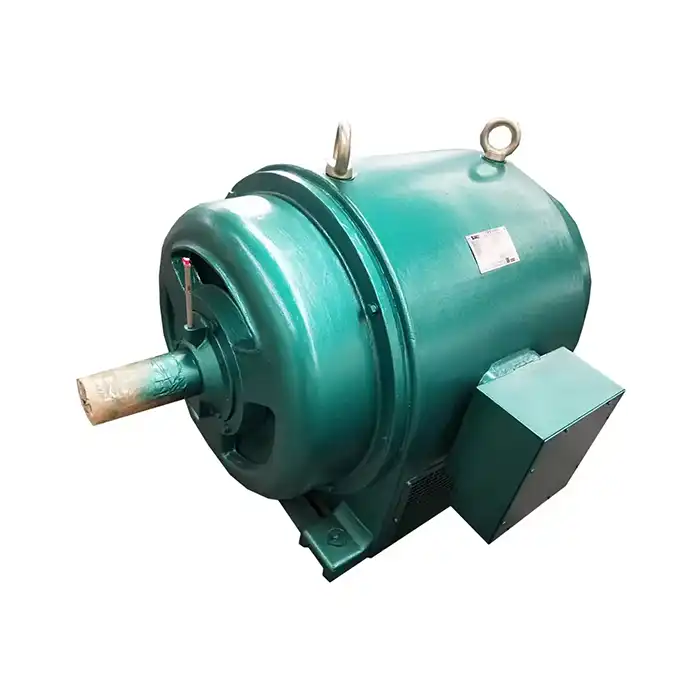
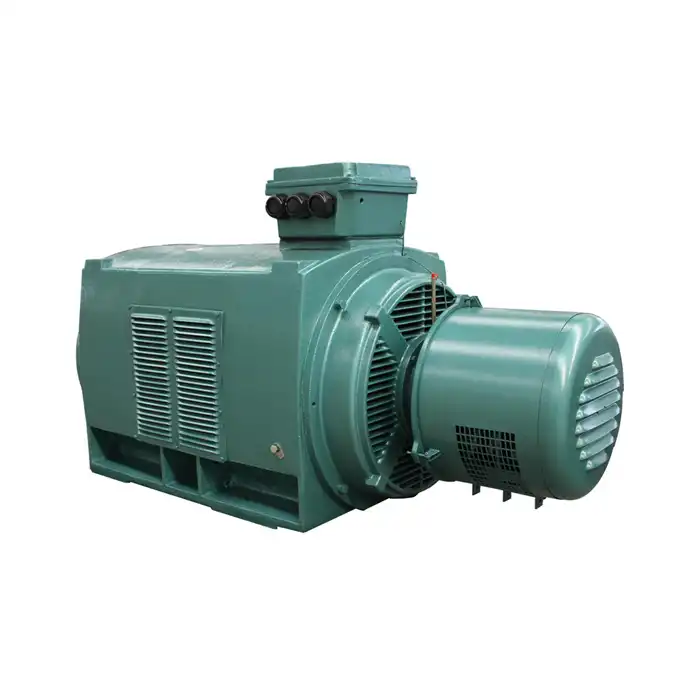
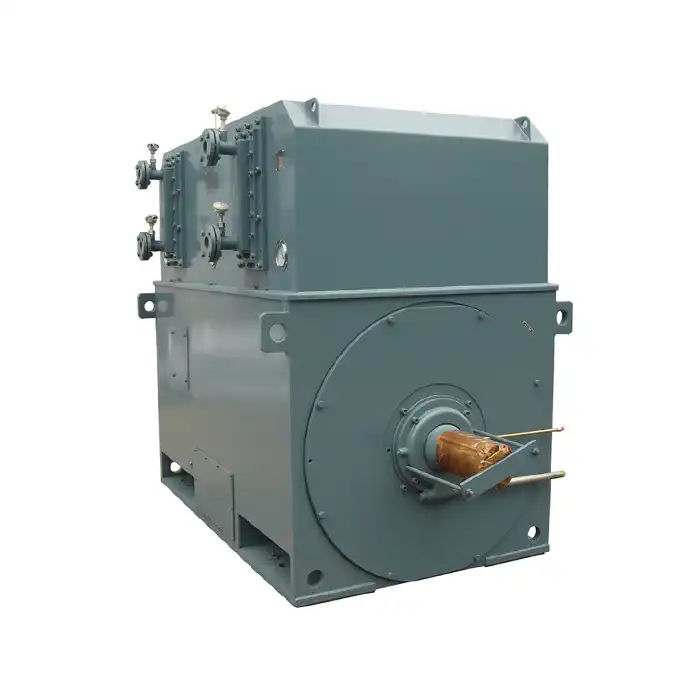
An inverter duty ac motor is a specialized electric motor built to operate reliably when controlled by a variable frequency drive (VFD). Unlike standard AC motors, it features reinforced winding insulation, a dedicated cooling system, and construction tolerances that handle the voltage spikes and harmonic distortion VFDs naturally produce. If you run pumps, fans, conveyors, or any load requiring variable speed, understanding what makes an inverter duty ac motor different can save your operation from costly failures and unplanned downtime.
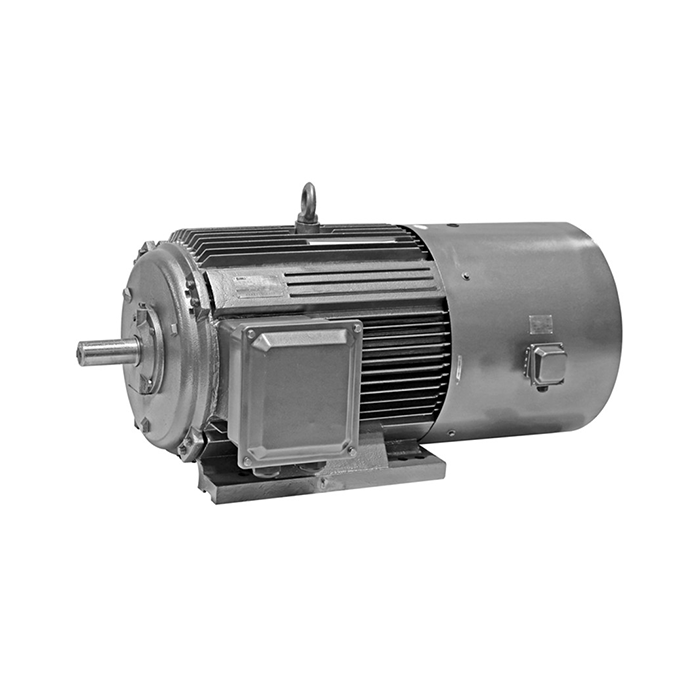
Series:YVFE3
Frequency conversion range:30hz~50hz,5hz~70hz,5hz~100hz
Power range:0.75-1000kW
Protection level:IP55
Application:are suitable for driving various mechanical equipment that require continuous and frequent forward and reverse rotation, such as steel rolling, lifting, transportation, machine tools, printing and dyeing, papermaking, chemicals, textiles, pharmaceuticals, etc., and can be used with various domestic and foreign variable frequency power supplies.
Advantage:high efficiency, wide speed range, high precision, stable operation, and easy operation and maintenance.
Certificate:installation dimensions comply with International Electrotechnical Commission (IEC) standards.
Others: SKF, NSK, FAG bearings can be replaced according to customer requirements.
Understanding Inverter-Duty AC Motors
What Makes It Different from a Regular Motor
Standard AC motors are made to work with power that has a set frequency and voltage. As soon as you connect a VFD, the motor gets a pulse-width-modulated signal that causes voltage jumps and heat patterns that weren't planned for in the original design. An inverter duty ac motor is designed to work in this kind of setting. It has Class F insulation, thicker magnet wire, and bigger slot spacing to handle the electrical loads without breaking down.
The Role of the VFD
The frequency of the power source can be changed by a variable frequency drive, which can range from almost zero hertz to 100 Hz or more. Without a motor rated for this use, the windings will break down quickly and the bearings will get damaged. The Electric Power Research Institute says that VFD-caused bearing damage is a major cause of motor breakdowns in industry settings. This means that choosing the right motor is essential.
Key Design Features to Know
A genuine inverter duty ac motor has three characteristics: strengthened insulation that can withstand repeated voltage spikes, an independent forced-cooling fan that runs regardless of shaft speed, and precisely balanced rotors that can withstand constant direction changes. These changes are required for any VFD-controlled system that works for more than a few hours a day; you can't skip them.
Inverter-Duty AC Motor vs. Standard Motor: Key Comparisons
Construction Differences
The cooling system makes the difference stand out. A standard motor cools itself with a fan on the shaft, but the fan doesn't work as well at low speeds. An IC416 fan that is powered separately by an inverter duty ac motor keeps the air moving no matter what the output frequency is. The shielding on the winding is also rated for a higher impulsive voltage. This protects against the hundreds of times per second that a VFD makes the same peak.
Performance and Efficiency
The inverter duty ac motor really shines when it can work at different speeds. The affinity laws of fluid mechanics say that when pump and fan loads are running at 80% of their rated speed, they use about 51% of the energy that they would need at full speed. If a motor can't keep up its maximum power at low frequencies, that saved energy is lost as speed rises and heat is lost. The YVFE3 line from XCMOTOR has a torque that stays the same across all of its frequency ranges. This protects both process consistency and energy economy.
Application Suitability
Standard motors can handle light-duty or short-duration VFD operation once in a while. An inverter duty ac motor is the only type that can handle ongoing variable-speed duty in places like steel rolling lines, chemical mixers, and textile spinning machines. It also has the electrical and thermal gaps needed for long-term reliability. Picking the wrong type of motor here is not a matter of cost; it's a matter of risk.
How to Select the Right Inverter-Duty AC Motor for Your Business
Match the Frequency Range to Your Process
Different tasks don't need the same speed range. The XCMOTOR YVFE3 line has three frequency conversion options: 30 Hz–50 Hz for medium-range uses, 5 Hz–70 Hz for more precise speed control, and 5 Hz–100 Hz for long-term high-speed operations with a motor with inverter. Choosing the right range during the specification stage keeps costs low and avoids oversizing.
Before placing an order, experts should make sure of the following main decision factors:
- Power range: YVFE3 covers 0.75 kW to 1,000 kW, accommodating small auxiliary drives through large industrial machinery.
- Protection level: IP55 rating suits dusty, wet, or lightly corrosive environments common in manufacturing and processing plants.
- Insulation class: Class F insulation handles the thermal and electrical stresses of continuous VFD operation without accelerated aging.
- Bearing specification: SKF, NSK, or FAG bearings are available, selectable based on load type, duty cycle, and environmental conditions.
- Mounting compliance: IEC-standard dimensions allow direct replacement of existing motors without modifying mounting structures.
All of these things together tell you if the motor fits your process physically, electrically, and financially. Making sure of each one before the purchase order gets rid of the need for later retrofitting costs.
Evaluate Supplier Technical Support
It takes more than just checking the base voltage and current to match the parameters of a VFD and an inverter duty ac motor. It's time to look over the slip compensation options, carrier frequency limits, and cooperation for overload protection. Commissioning time is cut down by a large amount when the provider can provide matched paperwork and application engineering. The engineering team at XCMOTOR helps with choosing from the first specification to installation proof.
Procurement and Lead Time Planning
Standard YVFE3 configurations usually go from order approval to shipment within the normal wait times for the industry. Custom configurations, like changing the length of the shaft, adding encoders or brakes, or needing a higher voltage rating, take more time to make. By placing a framework order for your most common frame sizes, you can lower the cost per unit and keep stock on hand for when it's time to replace them.
Installation, Wiring, and Maintenance Best Practices
Wiring an Inverter-Duty Motor Correctly
Motor wire that is shielded should always be used between the VFD output and the motor connections, and cable runs should be as short as possible. Long runs without shielding increase the flow of high-frequency current into the motor frame, which speeds up the wear on the bearings. Connect the motor base and the VFD to a shared earth point in different ways. Before the first start-up, make sure that the VFD carrier frequency settings are within the range suggested by the motor manufacturer.
Preventive Maintenance Schedule
Motor service life is immediately increased by scheduled repair. Every year, use a megohmmeter at a voltage that is right for the insulation class to check and record the winding insulation resistance. Every six months, check the IC416 cooling fan. VFD-driven motors often overheat because air intakes get clogged. Re-oil the bearings at the intervals recommended by the maker, taking into account the real speed and temperature of operation.
Troubleshooting Common Problems
Noise that isn't normal when the speed is low typically means that the bearings are dirty or that the wrong type of oil is being used. High winding temperature at regular load points because of obstructed airflow for cooling or wrong VFD settings that cause current distortion. Both diseases can be managed if they are found early. The expert support team at XCMOTOR is available seven days a week to help with parameter review and analysis.
Applications and Future Trends of Inverter-Duty AC Motors
Where These Motors Work Every Day
The YVFE3 inverter duty ac motor is used in many different types of industries right now. For continuous passes, steel rolling mills need to be able to precisely control the torque. In chemical and pharmaceutical plants, mixers and pumps have speed patterns that can be changed to meet the needs of each batch. They are used in spinning and dying lines in textile factories, where consistent speed has a direct effect on the quality of the finished goods. Large business buildings with HVAC systems use variable-flow fans and cold water pumps to use less energy when only some of the building's systems are working with an ac motor with vfd manufacturer in china.
Integration with Automation and Smart Systems
More and more, modern production lines connect motor drives to remote control systems that change speed in real time based on feedback from the process. In closed-loop positioning or tension control systems, an inverter duty ac motor with encoder feedback can participate directly. As use of Industry 4.0 grows, the VFD network's ability to log motor operating data like temperature, vibration, and run hours makes predictive maintenance possible, which cuts down on unplanned stops.
The Energy Efficiency Argument
The International Energy Agency says that about 45% of all the energy used in the world goes to electric motors. Pumps and fans make up a big part of that number. When these loads are run at different speeds using properly matched inverter duty ac motors and VFDs, energy use drops by 20% to 50% compared to systems that run at a fixed speed. The written results of energy rebate programs in North America and Europe back up that range over and over again.
Conclusion
A standard motor with a different name is not an inverter duty ac motor. The separate cooling, reinforced insulation, and precise construction make a real technical difference that determines whether a VFD system works reliably for years or breaks down within months. The YVFE3 line from XCMOTOR has power levels from 0.75 kW to 1,000 kW and IEC-standard mounting and selectable bearing brands. It is designed for engineers who need to define variable-speed pump, fan, or process drive systems. The technical difference between a system that works and one that doesn't is matching the motor to the VFD properly.
FAQ
1.Can a standard AC motor run on a VFD?
Yes, briefly, but not reliably for continuous duty. Standard motors lack the insulation voltage rating and independent cooling needed for sustained VFD operation. At low frequencies, the shaft-mounted cooling fan slows down while current draw remains high, causing thermal buildup. For any application running variable speed regularly, an inverter duty ac motor is the correct specification.
2.What insulation class does the YVFE3 use?
The YVFE3 uses Class F insulation, rated for continuous operation at winding temperatures up to 155°C. This provides adequate thermal margin for the additional heat generated by harmonic currents from VFD operation.
3.How do I confirm VFD compatibility before ordering?
Share your VFD model, rated output current, carrier frequency setting, and cable length with the motor supplier. XCMOTOR's engineering team reviews these parameters and confirms compatibility or recommends adjustments before the order is placed.
4.What bearing brands are available for the YVFE3?
SKF, NSK, and FAG bearings are all available. The selection depends on your load profile, ambient conditions, and any corporate procurement standards specifying particular brands.
5.What is the lead time for custom configurations?
Standard frame sizes in common power ratings typically ship faster than custom configurations. Modified shaft dimensions, added accessories, or special voltage windings require additional production scheduling. Contact XCMOTOR directly with your specification to receive an accurate lead time.
Get the Right Inverter-Duty AC Motor for Your Project — Contact XCMOTOR
The YVFE3 inverter duty ac motor from XCMOTOR comes in power ranges from 0.75 kW to 1,000 kW, can be mounted in an IEC-standard way, and can operate at three different frequencies to meet your specific needs. We support bulk purchases, custom configurations, and framework agreements as an experienced inverter duty ac motor maker and seller. We also offer free delivery and seven-day expert support. To start the process of matching parameters right away, email xcmotors@163.com your VFD type and load specs or go to motorxc.com.
References
1. Electric Power Research Institute. Adjustable Speed Drive Application Guide. EPRI, 2019.
2. International Energy Agency. Energy Efficiency 2023: Analysis and Outlook to 2026. IEA, 2023.
3. IEEE Industry Applications Society. IEEE Std 1068: Recommended Practice for the Repair and Rewinding of Motors for the Petroleum and Chemical Industry. IEEE, 2015.
4. National Electrical Manufacturers Association. NEMA MG 1: Motors and Generators. NEMA, 2021.
5. International Electrotechnical Commission. IEC 60034-17: Rotating Electrical Machines — Part 17: Cage Induction Motors When Fed from Converters. IEC, 2006.
6. Bonnett, A. H., and Yung, C. "Increased Efficiency Versus Increased Reliability." IEEE Industry Applications Magazine, vol. 14, no. 1, 2008, pp. 29–36.