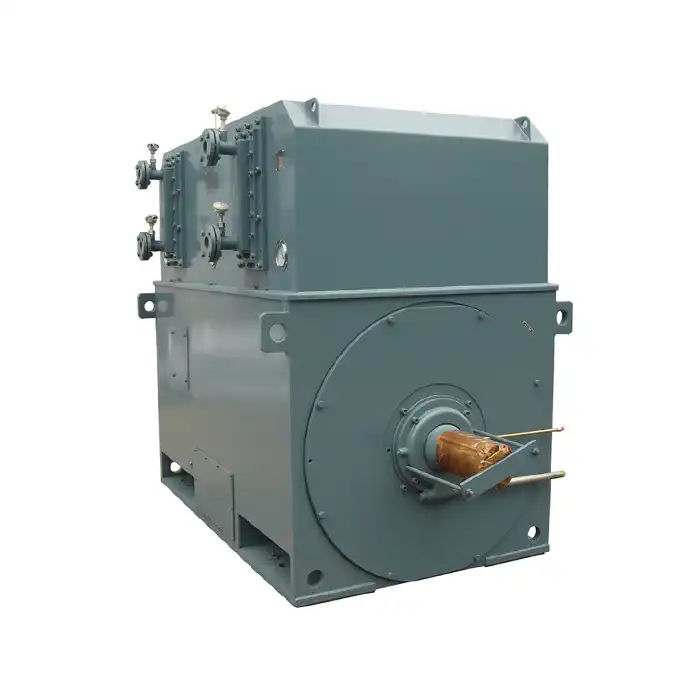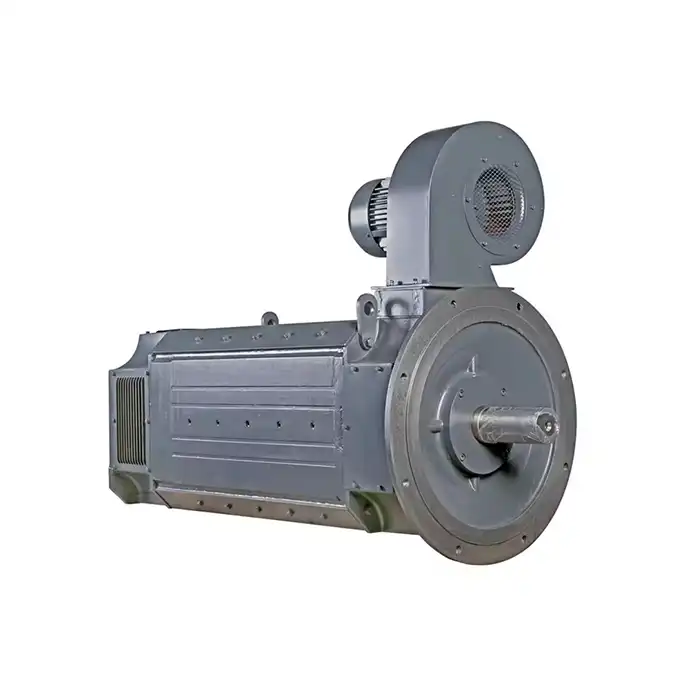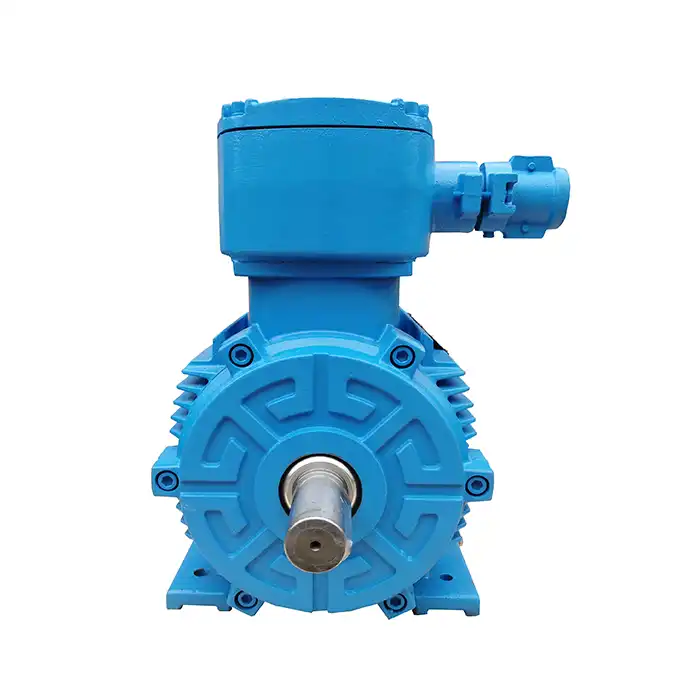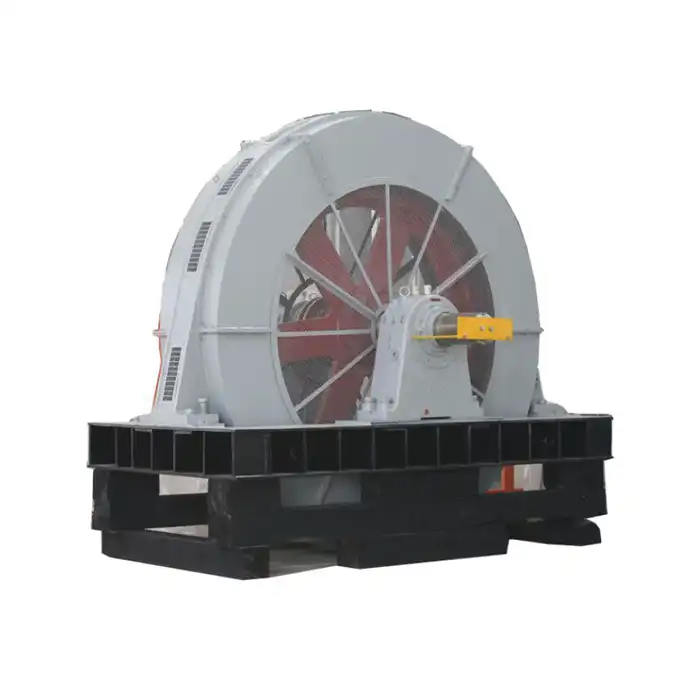




How Does an IP54 Motor Improve Safety in Demanding Workspaces?
An IP54 motor plays a direct role in keeping both equipment and workers safer in rough industrial conditions. The "IP" in IP54 stands for Ingress Protection, and the two digits — 5 and 4 — tell you exactly what the motor can handle: limited dust ingress and water spray from any direction. In environments where dust, moisture, and debris are daily realities, an ip 54 motor prevents contaminants from reaching internal windings and bearings. The result is fewer electrical faults, less unplanned downtime, and a measurably safer workspace for everyone on the floor.
Understanding the IP54 Motor and Its Protection Features
IEC standard 60529 sets the rules for the IP rating system. Enclosures are grouped by how well they resist solids and liquids. Engineers and purchasing managers can choose the right motor the first time if they know what each number means.
What the First Digit "5" Means
A solid particle security rating from 0 to 6 is indicated by the first number of an Ip 54 motor. If the rating is 5, it means that the enclosure is dust-proof, meaning that small particles can't get in in enough of a quantity to mess up regular function. Dust is always in the air in places like cement plants, grain mills, and textile factories. If you keep dust away from the windings of your motor, the insulation won't break down. This is one of the main reasons why motors break down in dusty places.
What the Second Digit "4" Means
The second number is for liquid entry. If the rating is 4, it means that the motor can handle water spray from any direction without breaking. This is important in areas where food is being processed, where machines are outside, and where water is being cleaned with hoses or in the rain. If live parts are visible, an Ip 54 motor won't fail from an accidental water spray while cleaning the equipment, which is a real safety risk.
How These Protections Shield Internal Components
The dust and splash security in an Ip 54 motor protects the copper windings, insulation, and bearings from the two main reasons why motors fail early. An important part of industrial motor breakdowns, according to the Electric Power Research Institute, is problems caused by pollution. Keeping dirt and other things out directly extends the life of ip54 electric motor and lowers the risk of electricity problems that could hurt workers or damage equipment nearby.
Why IP54 Motors Are Ideal for Safety in Demanding Industrial Settings
Not only do harsh workspaces damage motors more quickly, they also pose real risks to safety. Motors that are contaminated overheat, short-circuit, or stop up without warning, which puts workers at risk and requires expensive shutdowns.
Preventing Electrical Faults in Dusty Environments
Having dust on the motor windings makes them resist electricity and heat up faster. The sealed casing of an Ip 54 motor prevents dust from collecting on live parts. This directly lowers the risk of insulation failure and arc events, which are very dangerous electrical events that can happen in mining, port operations, and the manufacturing of construction equipment.
Reducing Unplanned Downtime in Wet or Humid Conditions
Most operators don't realize how quickly corrosion and short circuits can happen in Southeast Asia's humid climate or in areas where food is washed down. When things are like this, an Ip 54 motor with properly sealed bearings and shafts still works. When there are fewer sudden shutdowns, maintenance crews don't have to work as hard, and the schedule for operations is safer and more predictable.
Supporting Compliance and Export Requirements
Manufacturers of technology that sends goods to North America, the Middle East, or Africa must meet basic safety standards. Procurement teams have the paperwork they need to meet local laws and client requirements thanks to an Ip 54 motor with CE certification and recorded IP testing, which greatly lowers their legal and liability risk.
Comparing IP54 Motors With Other IP Ratings for Safety and Durability
There are times when the best IP number is not needed. To pick the right amount of protection, you have to weigh the conditions of the spot against your budget.
IP44 vs. IP54: Where the Difference Shows
There is no specific dust protection in an IP44 motor, but it does guard against solid items bigger than 1 mm and water spray. That gap is important in a cement mixing plant or a flour mill. Dust-protected rating for the ip 54 motor is a big step up for places where fine airborne particles are common.
IP54 vs. IP55: A Small but Meaningful Upgrade
If you compare IP54 to IP55, IP55 protects against low-pressure water jets coming from any direction. An ip 54 motor is good enough for most industrial settings inside or light use outside. As long as cleaning with a straight water jet is part of the normal maintenance, IP55 is the better choice. Is XCMOTORThe YEJE3 series comes with an IP55 rating, which gives it extra protection in wet conditions.
IP55 vs. IP65: When You Actually Need Full Dust Exclusion
IP65 completely blocks out dust and protects against jet water. When it comes to heavily dirty outdoor areas or straight hose-down jobs, this is the best choice. It costs more, though, and can make it harder for heat to escape. Without the additional cost or thermal trade-offs of IP65, the Ip 54 motor level provides useful security for many common industrial uses with an ip54 ec motor.
Technical Specifications and Maintenance Tips to Maximize IP54 Motor Safety
The right specs are important, but how long the safety lasts depends on how well it is installed and maintained.
Key Specifications to Verify Before Purchase
The YEJE3 ip 54 motor line from XCMOTOR has speeds from 600 to 3000 RPM and a voltage range of 380V to 660V. It also has a power output range of 0.75 kW to 355 kW. The motor has a frame made of cast iron, copper windings, and Class F insulation. It can work in temperatures ranging from -15°C to +40°C. You can choose bearings from SKF, NSK, or FAG based on the load and environmental needs of the application. These specs aren't just for looks; each one has a direct effect on how long the motor stays protected in the field.
Installation Practices That Preserve Protection Integrity
One of the most common reasons an Ip 54 motor doesn't work as well as it should is because it wasn't installed properly. Rated glands must be used to properly seal off any places where cables enter. When possible, the motor should be placed so that condensation can drain. The end shields and terminal box all have fasteners that need to be torqued to the right level. Skipping these steps makes ways for things to get into the motor that get around its built-in defense.
Routine Maintenance to Keep the Motor Running Safely
Here are some useful repair tips that will keep your motor safe over time:
- Inspect shaft seals every 3 to 6 months in environments with fine dust or liquid exposure. Worn lip seals are the most common entry point for contamination in older motors.
- Check terminal box gaskets annually for cracking or compression set. A degraded gasket allows moisture to reach live terminals.
- Relubricate or replace sealed bearings per the manufacturer's schedule — typically every 2,000 to 4,000 operating hours depending on load and ambient temperature.
- Clean exterior surfaces of accumulated dust without directing pressurized water at shaft openings or cooling vents.
For an ip 54 motor, regularly following these steps will extend its useful service life well beyond what an ignored unit would achieve, protecting both the investment and the people who work near it.
Procurement Considerations: How to Source Reliable IP54 Motors for Industrial Use
The problem of overrated or badly sealed containers that fail early in the field is avoided by sourcing an Ip 54 motor from the right source, which also lowers risk.
Verifying Protection Claims Before You Buy
Overinflated IP scores are the main worry of buying engineers with a lot of experience. Ask for test certificates from a third party that prove the IP rating was checked according to IEC 60529. XCMOTOR has both CE marking and GOST certification.The s YEJE3 series means that the motor passed official compatibility testing, not just what the maker says.
Evaluating Supplier Support and Lead Times
How quickly you can get back to work after a field failure depends on more than just the motor itself. XCMOTOR offers committed help seven days a week, even on weekends. You can return items within 30 days, and delivery is free. It is just as important for equipment makers with tight production schedules to know that replacement units can be sent out quickly as it is to know what the motor's IP rating is.
Matching Power Range to Application Needs
In the YEJE3 ip 54 motor set from XCMOTOR, the power ranges from 0.75 kW to 355 kW, and it is used in machine tools, packaging lines, conveyor systems, fans, pumps, HVAC equipment, and building machinery. The vacuum pressure impregnation (VPI) treatment that is used during production keeps wetness from getting into the windings. This is an important step in the production process that directly supports the motor's long-term safety performance.
Conclusion
For industrial sites where dust, moisture, and operational pressure are common, an Ip 54 motor is a practical and tried-and-true solution. The safety an Ip 54 motor offers translates directly into better workplaces and fewer costly shutdowns, from avoiding electrical problems in cement plants to assisting machinery makers with export compliance. Getting the right IP grade and building a motor with good materials like cast iron frames, copper windings, protected bearings, and the right insulation will make it last where it matters.
FAQ
1.Can an IP54 motor be used outdoors in rainy conditions?
An ip 54 motor handles water spray from any direction, so light rain and splash exposure are within its rating. For sustained heavy rainfall or direct jet washing, consider IP55 or higher. XCMOTOR's YEJE3 series is rated IP55 as standard, offering that extra margin for outdoor or wet-environment use.
2.How often should I service an ip 54 motor to maintain its protection?
Inspect shaft seals and terminal box gaskets every 3 to 6 months in harsh environments. Bearing relubrication or replacement typically falls between 2,000 and 4,000 operating hours. Following the manufacturer's maintenance schedule keeps the ingress protection functional throughout the motor's service life.
3.What is the difference between IP54 and IP55?
Both ratings protect against dust and water spray. The difference is in water resistance: IP54 covers splash from any direction, while IP55 covers low-pressure water jets. For most factory floor applications, an ip 54 motor is adequate. IP55 is better suited where direct water cleaning is routine.
4.Does bearing selection affect the IP rating?
The IP rating applies to the enclosure, not the bearing type. However, sealed bearings — available in SKF, NSK, or FAG options through XCMOTOR — reduce internal contamination risk and support the overall protection performance of the motor in dusty or wet conditions.
Get a Reliable IP54 Motor Supplier Quote from XCMOTOR Today
This is the YEJE3 ip 54 motor series from XCMOTOR. It has IP55-rated enclosures, cast iron frames, Class F insulation, and power outputs ranging from 0.75 kW to 355 kW. It was made to work in the conditions your equipment actually does. We make it easy to source with CE and GOST approvals, help on the weekends, and a 30-day return policy. To get specs or a price for your next project, go to motorxc.com or email us at xcmotors@163.com.
References
1. International Electrotechnical Commission. IEC 60529: Degrees of Protection Provided by Enclosures (IP Code). IEC, 2013.
2. Electric Power Research Institute. Motors and Drives: A Practical Technology Assessment. EPRI, 2003.
3. Bonnett, A. H., & Yung, C. "Increased Efficiency Versus Increased Reliability." IEEE Industry Applications Magazine, 2008.
4. National Electrical Manufacturers Association. NEMA MG 1: Motors and Generators. NEMA, 2021.
5. Thorsen, O. V., & Dalva, M. "A Survey of Faults on Induction Motors in Offshore Oil Industry." IEEE Transactions on Industry Applications, 1995.
6. Wildi, Theodore. Electrical Machines, Drives, and Power Systems. 6th ed. Pearson Prentice Hall, 2006.