



Why Municipal Wastewater Plants Prefer Vertical Water Pump Motor?
Municipal wastewater treatment facilities across the United States increasingly choose vertical water pump motor configurations for their critical pumping operations. This preference stems from practical advantages rooted in space efficiency, operational reliability, and long-term cost-effectiveness. The vertical orientation naturally accommodates the confined footprints typical in municipal plants while aligning with the gravitational flow patterns inherent in wastewater processing. Unlike horizontal configurations that demand extensive floor space, these motors integrate seamlessly into existing infrastructure, minimizing civil engineering modifications. Their design reduces shaft stress from radial loads, extending component lifespan in environments laden with corrosive elements and suspended solids that characterize municipal wastewater treatment operations.

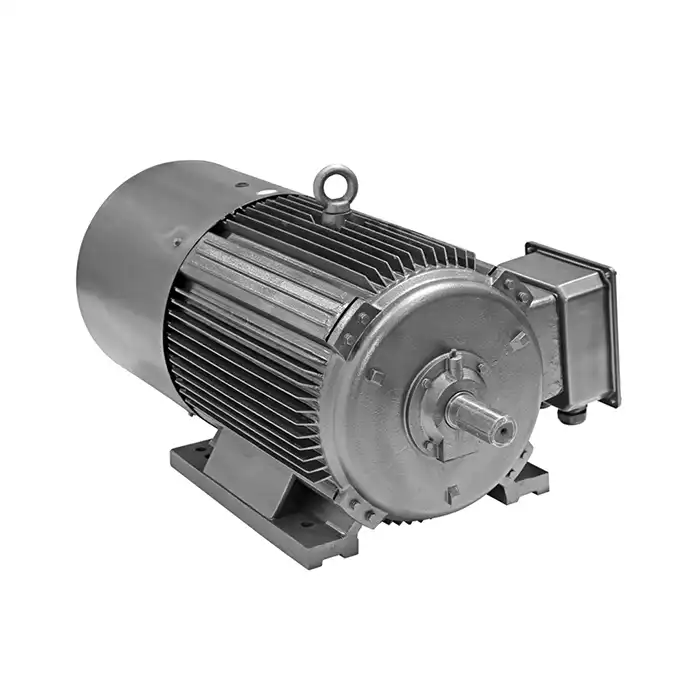
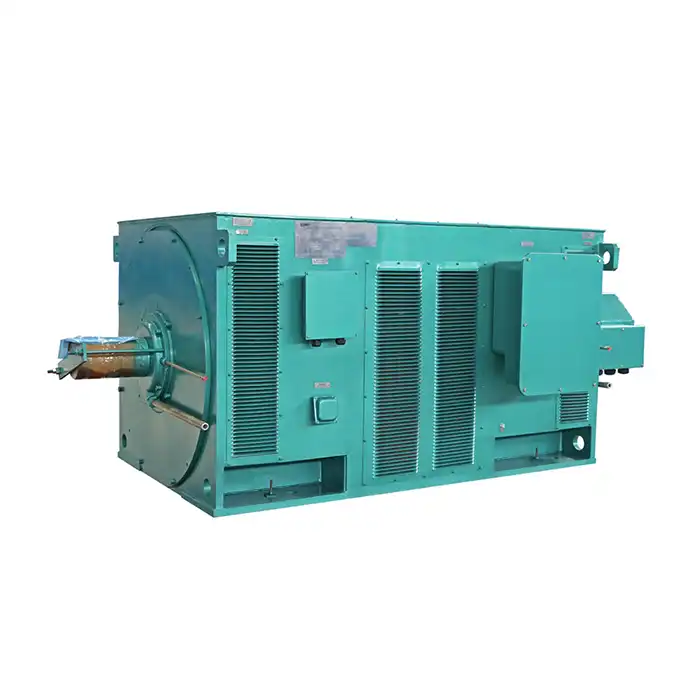
Series:YVFE2
Frequency conversion range:30hz~50hz,5hz~70hz,5hz~100hz
Power range:0.75-355kW
Protection level:IP55
Application:are suitable for driving various mechanical equipment that require continuous and frequent forward and reverse rotation, such as steel rolling, lifting, transportation, machine tools, printing and dyeing, papermaking, chemicals, textiles, pharmaceuticals, etc., and can be used with various domestic and foreign variable frequency power supplies.
Advantage:high efficiency, wide speed range, high precision, stable operation, and easy operation and maintenance.
Certificate:installation dimensions comply with International Electrotechnical Commission (IEC) standards.
Others: SKF, NSK, FAG bearings can be replaced according to customer requirements.
Understanding Vertical Water Pump Motors in Wastewater Plants
Design Fundamentals and Working Principles
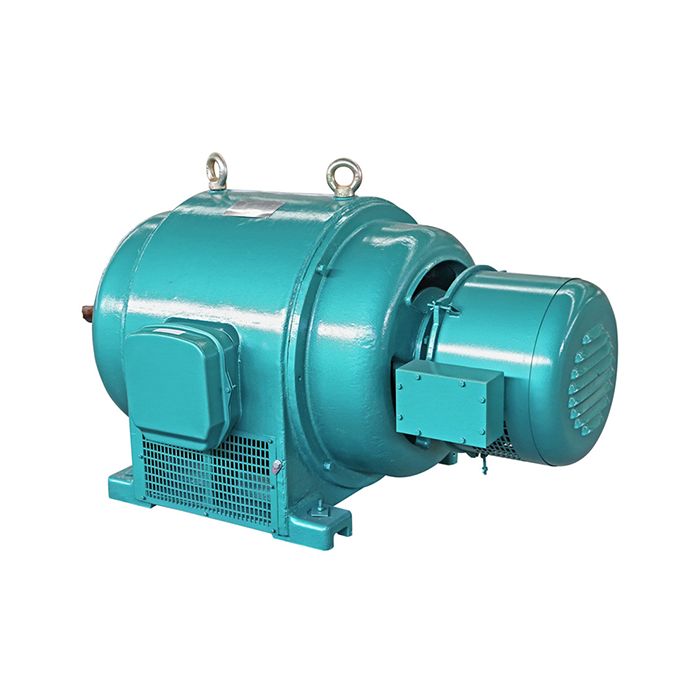
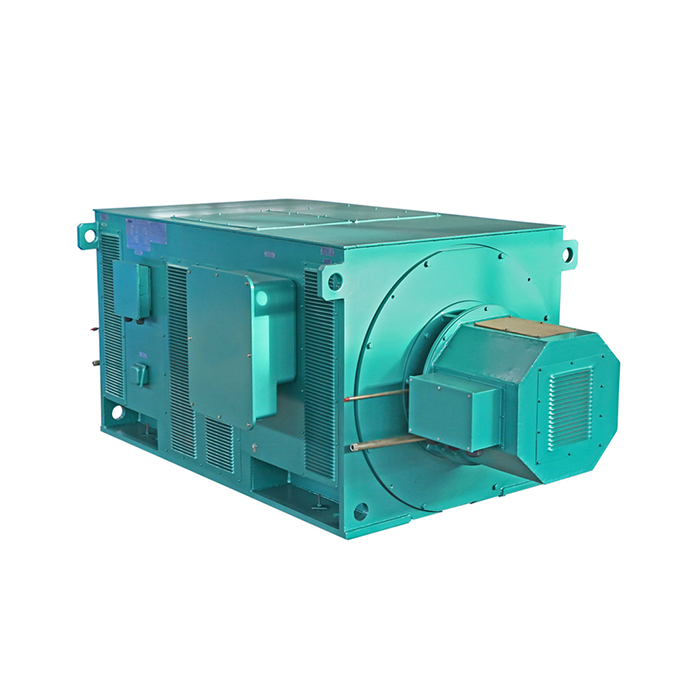
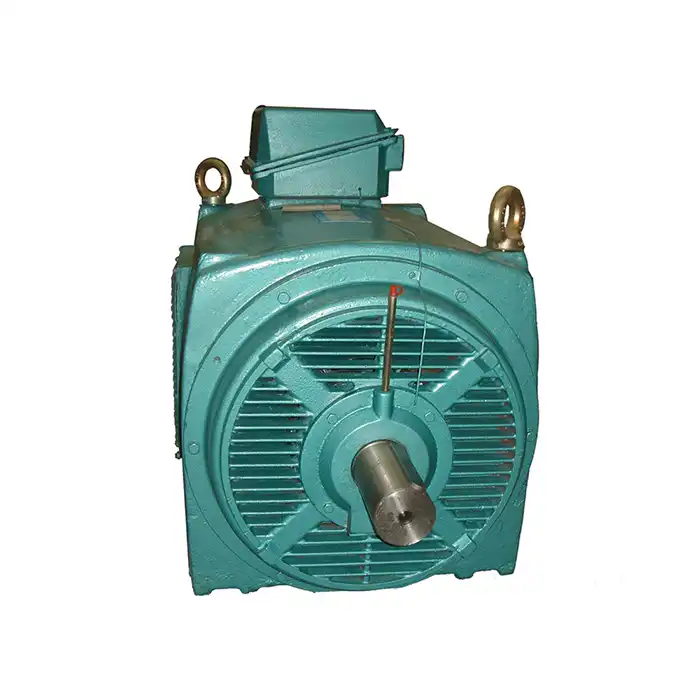
The vertical water pump motor works with its shaft standing upright, which is directly connected to the rotor sections below. This setup uses gravity to help with starting and keep the hydraulic performance steady. Most of the time, the motor case sits above the liquid surface. This keeps the electrical parts dry while still allowing direct mechanical connection to the pumping elements. Our engineering team at XCMOTOR makes motors with strong cast iron frames and high-quality copper windings that reliably transfer power even when working with rough wastewater flows that contain grit and organic materials.
Technical Specifications for Wastewater Environments
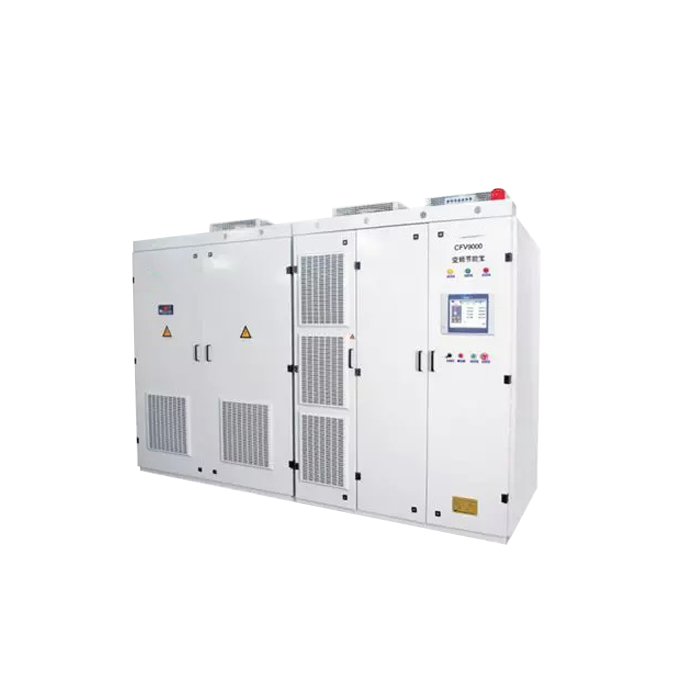
Motor specifications have to meet strict standards for wastewater uses. Power rates have to take into account changing flow conditions because influent amounts change throughout the day. Our motors can work with a variety of voltages, such as 380V, 400V, 415V, and 660V. This makes sure that they can work with the electrical systems in old city plants. The ability to change frequencies from 5Hz to 100Hz lets you precisely control flow through variable frequency drives, which saves energy during off-peak hours. Protection class IP55 keeps out water and dust, and insulation class F can handle heat stresses of up to 155°C that come from constantly running the system.
When working with wastewater, shaft materials need to be carefully thought out. Hydrogen sulfide and other aggressive compounds that are present in anaerobic situations can't rust stainless steel types 316 and 410. We use sealed bearings from well-known brands like SKF, NSK, and FAG, and they can be changed to fit the needs of each customer. These parts stay in place even when the rotor dynamics create axial thrust loads. This stops premature wear that causes costly downtime.
Why Vertical Water Pump Motors Outperform Alternatives in Wastewater Applications
Comparative Advantages Over Horizontal Configurations
Installation size is one of the most important things that procurement managers look at when they are choosing pumping options. For the motor, coupling, bearing frame, and entry gaps, horizontal pumps need a lot of floor room. The vertical arrangement, on the other hand, combines these parts into a narrow vertical shape with a vertical water pump motor, which usually cuts the needed floor space by 40 to 60 percent. This is very helpful for repair jobs where existing buildings make it hard to add on.
When it comes to wastewater service, reliability measures favor vertical systems. Most of the time, the way the shafts are set up keeps the bearings above the level of the liquid. This keeps them away from contaminants that speed up wear in horizontal units, where seals must keep liquid out along the horizontal shafts. We've seen practical data from city clients that shows vertical installations last 18 to 24 months longer on average between failures than horizontal installations with the same duty cycles.
Accessibility for maintenance is very different depending on the direction. With vertical motors, techs can work on mechanical seals, bearings, and connection parts without having to drain wet wells or take apart large networks of pipes. Horizontal units usually need to be shut down, drained, and have their suction and outflow pipes taken out in order to get to the wear parts. This means fewer hours of work for maintenance workers and less downtime for the plant during planned service times.
Efficiency and Sustainability Benefits
Energy economy is a big part of how much it costs to run buildings that process millions of gallons of water every day. Our vertical water pump motor designs meet IE3 and IE4 efficiency standards thanks to their well-designed magnetic circuits and perfectly balanced blades. When the shaft is oriented vertically, the bending moments that cause parasitic losses in horizontal designs are eliminated. This makes the wire-to-water efficiency 2–4% better in most installs.
One city in the southeast of the United States saved more than $47,000 a year on energy costs after replacing twelve 75-kW horizontal pumps in its secondary treatment stage with vertical pumps of the same size. When you add up the money saved on energy and upkeep, the project paid for itself in less than 3.2 years. Variable frequency drive support increases these benefits by allowing soft-start features that lower inrush currents and exact flow modulation that matches the patterns of daily influents.
Noise levels are important for places that are close to living areas. Acoustic emissions from vertical motors are lower because the vertical position naturally reduces the amount of energy that is sent to supporting structures. Our motors have precisely balanced blades and strong mounting features that keep sound pressure levels to 72–78 dB(A) at a one-meter distance. This means they meet city noise laws without the need for expensive soundproofing.
Installation and Maintenance Best Practices for Municipal Wastewater Plants
Step-by-Step Installation Guidelines
The basis for effective long-term function is set by proper installation. The first step in getting a site ready is to make sure that the base is strong enough to hold both motor and liquid loads without sinking. We suggest reinforced concrete pads that need at least 28 days to cure, and they should be the right size for the fixing area that we list in our technical documentation. If the foundation is level within 0.5 mm per meter, the shaft won't be out of line, which speeds up the wear on the bearings.
For the mechanical setup to work, the motor shaft and the driven pump shaft must be perfectly lined up. We offer alignment devices that keep the concentricity within 0.05 mm and the angle variation within 0.02 degrees. Using the right amount of torque on base bolts keeps stress from building up and makes sure the mounting is stable. The electrical connections must work with the way of starting (direct-on-line, star-delta, or soft-start) and have contactors and overload safety that are the right size based on the motor's nameplate current values.
Safety standard compliance for a vertical water pump motor includes a lot of different things. The National Electrical Code says that specialized earth wires that are the right size for the motor's power rating must be used for proper grounding. Local mechanical rules spell out the requirements for guarding open rotating parts. Our installation instructions include thorough grounding diagrams for each motor setup and a list of OSHA standards that must be followed.
Routine Maintenance Protocols
Schedules for preventative repair make tools more useful. We suggest that you look at the bearings once a month to look for strange vibrations, sounds, and changes in the bearings' temperatures. Our motors have sealed bearings, which means they don't need to be oiled every 8,000 to 10,000 hours of use. This is a lot longer than the 2,000 hours that most re-greaseable bearings that are exposed to sewer environments need to be oiled.
How often mechanical seals need to be inspected depends on the properties of the pumped medium. For clean water uses, the seal may last for 3 to 5 years, but for raw wastewater service, it's usually necessary to check it once a year. Our motors can have seals replaced without taking the motor out of the system, most of the time, which shortens the time needed for upkeep. Using portable instruments to track vibrations can help find growing imbalances or bearing problems before they become catastrophic. This makes condition-based maintenance strategies possible, which improves the scheduling of labor and parts.
Selecting the Right Vertical Water Pump Motor for Your Municipal Wastewater Plant
Core Decision Criteria
The decision process is based on figuring out how much power is needed. The total dynamic head is found by hydraulic analysis, which takes into account static lift, friction losses in the pipe networks, and small losses at joints and valves. The flow rate needs to be based on the highest level of input, and there should be enough safety margins for future capacity growth. When motors are sized based on these factors, the nameplate power is usually chosen 10-15% higher than what is estimated to avoid overloading situations that happen during abnormal operating scenarios.
Ratings for environmental safety must match the conditions of placement. For outdoor installations that will be open to the weather, you need better IP ratings and finishes that won't rust. Our basic protection, IP55, works for most enclosed pump stations. For wet well uses, our IP68-rated submersible pumps are better. In the south, where temperatures are getting close to the motor's thermal limits, temperature rates should be carefully looked at. This could mean that frames need to be bigger or cooling needs to be improved.
Process fit is more than just matching the hydraulics. Material choices are affected by things like pH differences, temperature changes, and how well chemical additives work with wastewater. Chemical phosphorus removal plants that use ferric chloride doses need to be more resistant to rusting. For places that use thermophilic digestion, the pumps need to be able to handle high temperatures around the hot tanks.
Procurement Strategies and Market Considerations
The market in 2026 offers a range of buying choices that balance original cost with value over the product's lifetime. Even though luxury names cost more to buy, their established service networks and easy access to parts lower the total cost of ownership in serious situations. We set the prices of our products so that they are cheap and don't break municipal budgets, but they still offer similar performance specs and global support capabilities.
Custom manufacturing is used for unique situations where normal stock items don't meet the needs of the place. Customization can be useful in situations where non-standard voltages need to work with existing transformers, when modified shaft extensions need to reach unusual sump depths, or when special mounting setups are needed for structure integration. Our engineering team works with plant staff to create custom solutions that meet exact needs without the trade-offs that come with using standard goods in situations where they don't work.
The value offered is bigger than just the motor. Procurement workers should rate suppliers based on how well they provide expert help, how complete their documentation is, and how quickly they respond to problems in the field. We keep a lot of information about our products in our literature, including installation measurements that are in line with IEC standards. This makes it easier to include them in engineering plans.
Future Trends and Innovations Impacting Vertical Water Pump Motors in Wastewater Treatment
Motor Efficiency Advancements
. Continuous gains in efficiency for a vertical water pump motor are driven by regulatory pressures and pledges to sustainability. New motor designs that use better electromagnetic materials and more advanced cooling methods are pushing the limits of performance closer to IE5 levels. Our development plan puts these improvements at the top of the list because we know that even small improvements in efficiency add up to big cost savings over the decades that most public infrastructure is used.
Permanent magnet motor technology is an alternative growth path that offers better efficiency than induction designs. At the moment, higher starting costs keep cities from adopting magnets widely. However, falling prices and programs that reward energy saving may change the economic equation. We keep an eye on these trends so that we can give the right technology as the market changes.
Smart Monitoring and Predictive Maintenance
When IoT is added to maintenance, reacting methods are changed into predicted ones. Embedded sensors that measure electrical parameters, bearing temperatures, and shaking patterns send real-time data to cloud platforms, where machine learning algorithms look for patterns that don't make sense and show that problems are starting to form. This lets someone step in before the failure happens, stopping unplanned downtime that stops treatment from happening and could lead to regulatory violations.
Our motor designs allow for aftermarket sensor installation, which means that old equipment can be used in smart tracking programs without having to be replaced too soon. When retrofitting, wireless connection choices get rid of the need for expensive conduit installations. This makes it easier for cities with tight budgets to accept new technologies.
Conclusion
It is clear that municipal wastewater plants prefer vertical water pump motor designs because they save room, work reliably, and have lower lifecycle costs. The vertical position works well in small spaces and makes the product last longer in harsh wastewater conditions. The benefits of saving energy add up to big practical savings over the 20–30 years that most infrastructure lasts. When looking at pumping options, procurement workers should give more weight to suppliers who offer full expert help, products that have been tested and proven to work, and support for new smart monitoring technologies. The vertical water pump motor is a useful and tried-and-true option that meets the strict needs of modern wastewater treatment plants for cities and prepares facilities for increased efficiency and dependability in the future.
FAQ
1. What power range is suitable for municipal wastewater pumping?
Depending on the flow rate and head needs, motors used in municipal uses usually range from 15 kW to 250 kW. Most primary lift stations that deal with raw influent use 30-75 kW motors, and most return active sludge pumps use 15-45 kW motors. Our YVFE2 line ranges from 0.55 kW to 315 kW, so it can meet the needs of small package plants as well as large regional facilities that process more than 50 million gallons of fluid every day.
2. How do vertical motors perform in variable speed applications?
Variable frequency drive applications, which make up most current municipal setups, work really well with vertical water pump motor designs. The vertical position of the shaft makes sure that the bearings stay oiled at all speeds, from 5Hz to 100Hz. Our motors have better shielding systems that can handle the voltage spikes that come from VFD outputs, which keeps the windings from failing too soon. Speed modulation lets you precisely control the flow to match the trends of daily influent, which uses 30–50% less energy than constant-speed operation that is throttled.
3. What maintenance intervals should municipalities plan?
Every month, there is a routine review to look for strange vibrations and temperature changes. Because our motors have sealed bearings, they don't need to be oiled as often, every 8,000 to 10,000 hours, or about two to three years of constant use. In raw sewer service, mechanical seal inspections are done once a year, but in clean water service, they can go up to three to five years. Every 10 to 12 years, based on how hard the machine is used and how often preventative maintenance is done, it usually needs a full repair that includes testing the winding insulation and replacing the bearings.
Partner With XCMOTOR for Your Vertical Water Pump Motor Needs
Shaanxi Qihe Xicheng Electromechanical Equipment Co., Ltd. has tried-and-true vertical water pump motor options that can help you with your city wastewater pumping needs. For forty years, our engineering team has worked with water treatment facilities on a wide range of projects, from small package plants to large regional installations. We sell motors that are highly efficient, can operate at a wide range of speeds, and are stable, all while meeting IEC manufacturing standards. Our dedication goes beyond delivering products; dedicated expert support is available both Saturday and Sunday to help you when you need it, and our 30-day open buy policy gives you peace of mind that the specifications are correct. Get in touch with our team at xcmotors@163.com to talk about how our vertical water pump motor options can help your facility run better, whether you're replacing old equipment or planning for new capacity. As a reliable seller, we keep a ready supply of goods so that we can deliver quickly. This keeps project delays to a minimum and helps you meet your business continuity goals.
References
1. United States Environmental Protection Agency, "Energy Efficiency in Water and Wastewater Facilities: A Guide to Developing and Implementing Greenhouse Gas Reduction Programs," Office of Water, 2013.
2. Water Environment Federation, "Design of Municipal Wastewater Treatment Plants: Manual of Practice No. 8," Fifth Edition, McGraw-Hill Professional, 2018.
3. American Society of Civil Engineers, "Pumping Station Design: Third Edition," Butterworth-Heinemann, 2011.
4. Electric Power Research Institute, "Primer on Electric Motors for Pump Applications in Water and Wastewater Facilities," Technical Report 1020389, 2010.
5. Hydraulic Institute and Europump, "Pump Life Cycle Costs: A Guide to LCC Analysis for Pumping Systems," Parsippany, New Jersey, 2001.
6. National Electrical Manufacturers Association, "NEMA Standards Publication MG 1-2021: Motors and Generators," Rosslyn, Virginia, 2021.