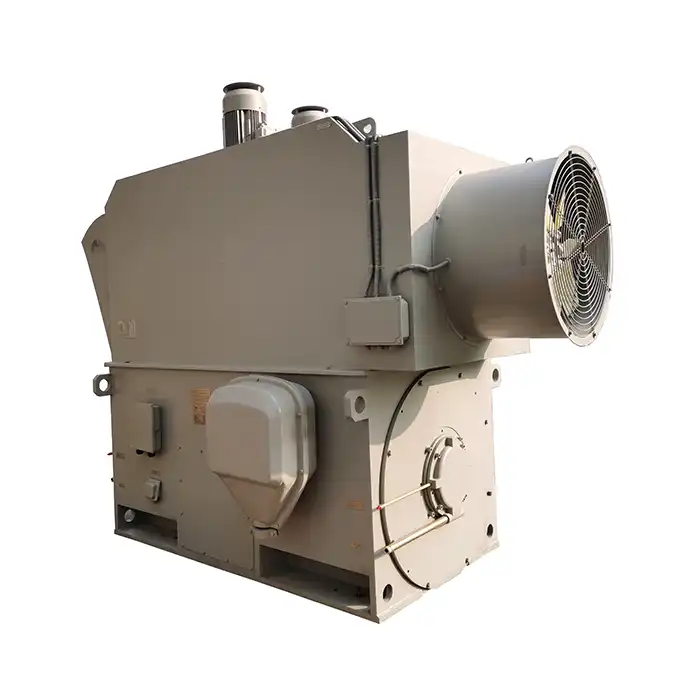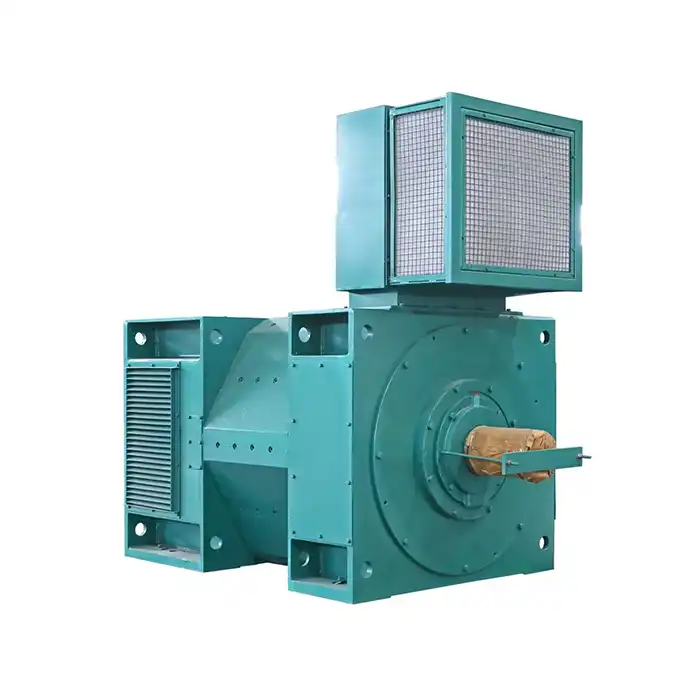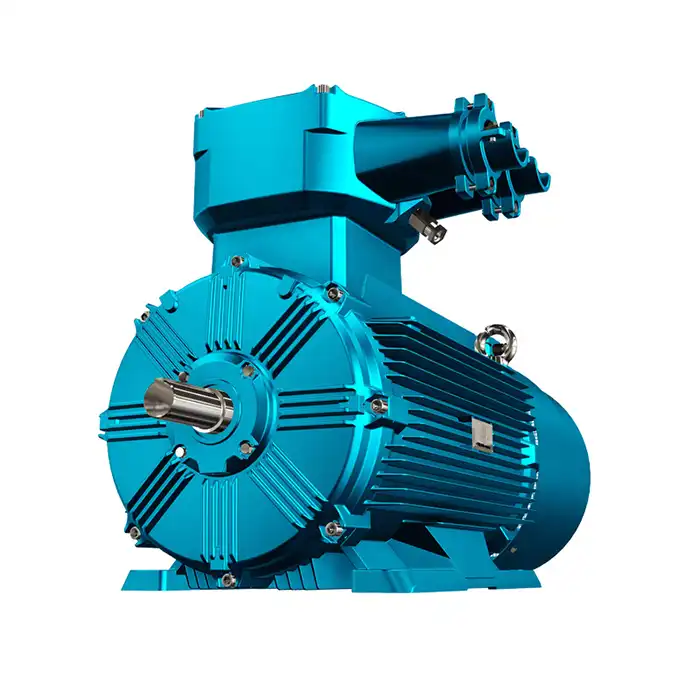




Common Causes of Overheating in 200HP DC Motors and How to Prevent Them
One of the biggest problems that industrial sites have to deal with every day is high-power DC motors that get too hot. There are more problems than just performance problems that happen when a 200hp DC motor runs hotter than its designed temperature capacity. Too much heat weakens the shielding around windings, speeds up the wear on bearings, lowers operating efficiency, and shortens the life of equipment in the long run. Unexpected motor failures directly lead to expensive downtime in fields where keeping production going is important, like power plants, water treatment plants, and manufacturing plants. Maintenance teams and procurement professionals can protect both machine investments and production plans by being aware of early warning signs and understanding the root causes.
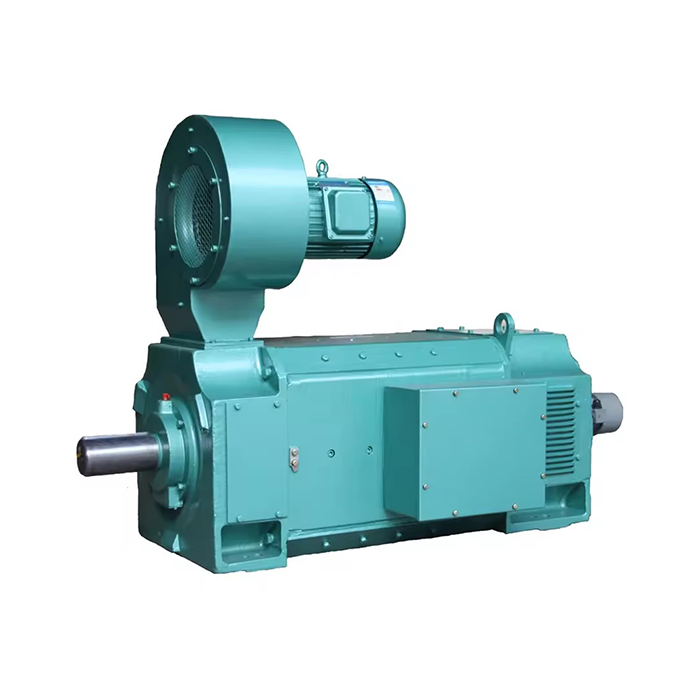
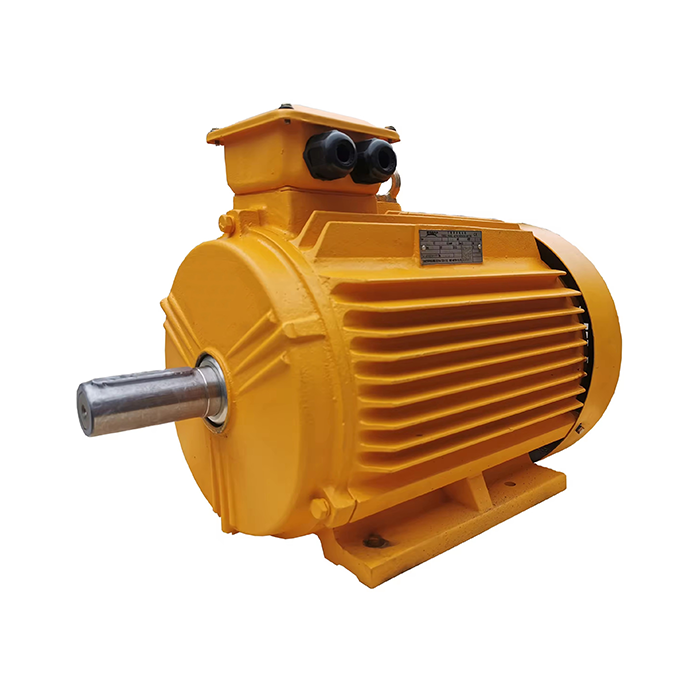
Series:Z4
Frame number: 100-450
Application:Z4 series motorsThis series of motors can be widely used in various industrial sectors such as metallurgical industrial rolling mills, metal cutting machine tools, papermaking, dyeing and weaving, printing, cement, and plastic extrusion machinery.
Power range:1.5-600kW
Voltage range: 160V,440V, etc.
Certificate: The performance of this series of motors not only complies with the national standard GB/T755 "Basic Technical Requirements for Rotating Electrical Machines", but also basically complies with the German VDE0530 standard.
Advantage:Z4 series DC motor has greater advantages than Z2 and Z3 series. It can not only be powered by DC unit power supply, but also suitable for static rectifier power supply. It has small moment of inertia, good dynamic performance, and can withstand high load change rates. It is especially suitable for control systems that require smooth speed regulation, high efficiency, automatic speed stabilization, and responsive response. It has reached the current international advanced level..
Others: SKF, NSK, FAG bearings can be replaced according to customer requirements.
Understanding Overheating in 200HP DC Motors
What Defines Overheating in High-Power Motors
When temperatures inside the motor are higher than its insulation class level, it overheats. Most commercial DC motors have Class F insulation, which is set to 155°C. This means that temperatures that stay above this level can damage the structure. When everything is normal, a 200-hp DC motor keeps temperatures well below this limit by producing and releasing heat in a measured way. When thermal balance is lost, temperatures rise quickly. This can happen because of too much current draw, not enough cooling, or mechanical friction. Insulation materials start to break down, coil resistance goes up, and effectiveness goes down. All of the motor's parts wear out faster because of this heat cycle.
Unique Thermal Challenges in 200HP Applications
When it comes to temperature control, large DC motors have different needs than small ones. The 200hp DC motor uses a lot of current—often more than 500 amps at rated voltage—which causes a lot of I²R losses in the wires and windings. When armature coils are packed closely together inside the stator, they produce a lot of concentrated heat that cooling systems need to get rid of quickly. Brush contact resistance adds another source of heat, especially when the motor is first turned on or when the load changes. Frame sizes 100–450 can handle these amounts of power, but they need strong circulation designs. When motors are used in places like metallurgical rolling mills, cement production lines, or plastic extrusion machinery, the air temperature is already close to 40°C, so there aren't as many thermal reserves.
Common Causes of Overheating in 200HP DC Motors
Electrical Issues Leading to Excessive Heat
Electricity problems are one of the most common causes of warming in 200hp DC motors. When there is too much power, motors have to handle loads that are heavier than their maximum capacity. This makes too much heat because more copper is lost. Unbalanced supply voltage causes current to flow unevenly across armature coils, which leads to hot spots in certain areas. When electrical links at terminal blocks aren't good, resistance goes up. This means that energy is turned into heat instead of mechanical work. When the covering on wires breaks down, current can leak out, which raises temperatures even more. Harmonic distortion adds to the losses in places that use static rectifier power supplies, which is common in current 200hp DC motor setups. As wear happens, the resistance between the brush and the commutator changes. This makes the thermal loads unexpected, which makes it hard for cooling systems to handle for long periods of time.
Mechanical Problems Causing Thermal Stress
The thermal efficiency is directly affected by the mechanical stability. Bearing failures are the main cause: old or poorly oiled bearings create friction heat and let the shaft move out of line. When the motor and the tools it drives are not lined up correctly, radial and axial loads are created, which are turned into heat energy by the bearings. Unbalanced rotors cause vibrations and extra stress on the bearings, which makes heat production even worse. Dust and water from cement plants and water treatment plants can get in through leaky seals and break down grease and speed up bearing wear. Motors with high-quality SKF, NSK, or FAG bearings are more thermally stable, but even good parts can break down if they aren't maintained properly.
Effective Prevention Strategies to Avoid Overheating
Proper Installation and Electrical Practices
Good construction methods lay the groundwork for long-lasting thermal efficiency. The correct wire size is guaranteed if you follow the manufacturer's instructions. Conductors that are too small cause resistive losses that produce heat before the current hits the motor. Stray currents that cause localized warmth can be stopped by properly grounding. High-resistance joints can't happen when terminal links are torqued to certain values. Power lines should be routed away from sources of heat, and there should be enough space around motor housings for air flow. To avoid overcurrent problems, the supply voltage should stay within ±10% of its maximum values. Motors that are driven by DC unit sources or static rectifiers can benefit from harmonic filtering, which lowers the heat stress caused by bad power quality.
Proactive Maintenance Programs
Systematic maintenance keeps small problems from getting worse and leading to heat breakdowns. Here are some tried-and-true ways to keep high-power DC motors safe:
- Scheduled Lubrication: Bearings need new oil at set times based on how often they are used and the conditions. Too much or too little grease is bad because it increases friction and heat production.
- Insulation Resistance Testing: Regular megohm testing finds insulation degradation before it happens, so windings can be replaced before they break during planned outages instead of having to be fixed in an emergency.
- Bearing Inspection: Checking the temperature and keeping an eye on vibrations can find early signs of bearing wear. When parts are replaced as soon as they start to break down, major breakdowns that damage shafts and housings are avoided.
- Brush and Commutator Maintenance: The brushes and commutators should be checked, adjusted, and replaced as needed to keep the electrical contact good and resistance heating to a minimum.
These care tasks work together to make a program that keeps equipment stable and extends its life. Power plants, water treatment plants, and industrial processing lines that use motors all the time can benefit from condition-based tracking, which sets off maintenance tasks based on the real state of the equipment instead of arbitrary plans.
Case Studies: Overheating Issues and Solutions in 200HP DC Motors
Industrial Crane Motor Thermal Failure
Even though the steel mill had regular repair plans for its overhead cranes that used 200hp DC motors, the motors kept breaking down. A study found that overcurrent conditions occurred when multiple axes moved at the same time. For example, when lifting and moving at the same time, the total loads were higher than the motors' ratings. Temperature tracking showed that the windings of the 200hp DC motors got as hot as 180°C during these processes, which is much hotter than the 155°C limit for insulation. Some solutions were to change the way the control systems were set up so that moves happened in a certain order, add more safety against high currents, and replace the motors with ones that have higher service factors. Monitoring after the modification showed that the winding temperatures stayed below 140°C in all working circumstances. The facility prevented more problems and increased the productivity of the crane by better motion control.
Manufacturing Plant Bearing Alignment Resolution
A paper mill noticed that several of the motors that power calendar rolls were running at high temperatures. Thermal imaging showed that bearing housings were 30°C hotter than motors of the same type that were located in other parts of the plant. Vibration research showed that the motors and the tools they drive were not lined up correctly. Using laser measurement tools for precise alignment processes, the position of the shaft was brought back to within the manufacturer's guidelines. The temperatures of the bearings went back to normal right away. After that, the repair team started checking the alignment every three months, which caught problems early enough to prevent heat damage. This case showed how mechanical factors can cause thermal signs that tracking with electricity alone might miss.
Selecting the Right 200HP DC Motor to Minimize Overheating Risks
Comparing Motor Technologies for Thermal Performance
Motor design has a big impact on how it behaves when it gets hot. Brushless DC motors are 5–10% more efficient than brushed versions because they don't have any brush friction losses or the heat that comes with them. This increase in speed immediately means less heat being made. But brushless versions need more complicated electrical controls and a bigger start-up cost. For many industrial uses, brushed motors are still a good value, especially where DC power infrastructure is already in place. The 200hp dc motor comes in two different styles, so buyers can choose the technology that best fits their needs. When ease and compatibility with current DC unit sources are most important, brushed units like the 200hp DC motors are the best choice. Brushless versions are good for uses that want the most efficiency with the least amount of upkeep.
Evaluating Efficiency and Insulation Standards
Motor efficiency scores show how well electrical input is turned into mechanical output; losses show up as heat. Standard efficiency motors that work at 90% produce a lot more waste heat than premium efficiency motors that work at 95% efficiency at rated load. At 200 horsepower, this 5% difference is noticeable, adding over 7kW of heat that cooling systems have to get rid of. The thermal limits are set by the insulation class grade. Class F (155°C) is good for most commercial settings, while Class H (180°C) is best for very demanding uses. Motors must meet strict thermal performance criteria that are proven by standard testing methods and are in line with GB/T755 national standards and German VDE0530 specs.
Trusted Manufacturers and Quality Considerations
There are many companies that sell high-power DC motors, but when making purchases, decisions should be based on which companies have a history of trustworthiness. Good motors are made with features that help with better thermal management, such as optimized air gap sizes that lower magnetic losses, high-quality insulation materials that can handle thermal cycling, strong bearing assemblies that can handle both radial and axial loads, and cooling fan designs that make the most of airflow. Premium bearing names like SKF, NSK, and FAG have better heat performance because their standards are tighter and their lubrication systems are better. Customizable voltage levels (160V, 440V, and others) make sure that the best fit is made to the power systems in the building, so that efficiency losses caused by voltage mismatches don't happen. Motors with a low moment of inertia and good dynamic properties can handle changes in load without putting too much thermal stress on them. This makes them especially useful in situations where speed control needs to be smooth and reaction times need to be quick.
Conclusion
Overheating in 200hp DC motor systems is caused by electrical, mechanical, environmental, and construction factors that all work together. Electrical problems like too much power and bad connections, mechanical problems like broken bearings and misalignment, not enough cooling, and choosing the wrong motor can all cause thermal stress. Proper installation, planned maintenance, better cooling solutions, and smart load control are all parts of effective protection. Case studies from real life show how focused actions can fix certain overheating problems. Choosing motors with the right efficiency rates, insulation classes, and high-quality parts is the first step toward long-term reliability. Industrial facilities protect their equipment investments and keep production going even when the tasks are hard by understanding heat dynamics and putting in place thorough prevention plans.
FAQ
1. How can I quickly test if my motor is overheating?
To find out how hot the surface of the case is while it's working, use an infrared thermometer or a thermal image camera. Check the numbers against the nameplate values. Surfaces that are more than 70°C above room temperature could mean there are problems. If your building has tracking systems, temperature sensors built into the windings give you the most exact thermal data. Strange smells that resemble burning insulation or too much shaking are also signs of growing heat problems that need to be looked into right away.
2. Do brushless motors eliminate overheating concerns entirely?
Brushless designs make things more efficient by getting rid of the friction losses that come from brushes. But they don't completely remove the risk of burning. Brushless motors can still have temperature problems because of broken bearings, poor airflow, overloading, and electrical faults. Their higher efficiency gives them wider thermal reserves, which means they can handle weak cooling systems or rare overloads better than brushed designs.
3. What maintenance frequency suits heavy-duty industrial environments?
Heavy-duty uses, like constant operation in steel mills, cement plants, or water treatment plants, need to be inspected visually once a month to look for strange sounds, temperatures, or movements. Bearing lubrication every three months and insulation resistance testing every six months catch problems early. Long-lasting dependability is ensured by full checks once a year, which include replacing bearings, checking brushes (for brushed motors), and making sure the balance is correct. In harsh settings with high temperatures or a lot of contamination, actions may need to happen more often.
Partner With XCMOTOR for Reliable 200HP DC Motor Solutions
Overheating problems need more than just good tools. They also need a relationship with suppliers who know how your business works. Shaanxi Qihe Xicheng Electromechanical Equipment Co., Ltd. (XCMOTOR) is an expert at making power equipment that works well in tough industry settings. Our 200hp DC motors come in frame sizes 100 to 450, with power ranges from 1.5kW to 600kW and voltages (160V, 440V, and others) that can be changed to fit your facility's needs. You can measure how reliable these motors are because they meet GB/T755 national standards and German VDE0530 specifications.
We have motors in stock that can be used with static rectifier power sources and standard DC unit systems. These motors have Class F insulation rated to 155°C, can be up to 95% efficient at full load, and are cooled by forced ventilation. Premium SKF, NSK, or FAG bearings are normal, and you can have them changed to fit your needs. Our expert team is available 24 hours a day, seven days a week to help you choose the best settings that will keep your computer from overheating. Get in touch with us at xcmotors@163.com to talk about your unique needs, whether they are for rolling mills for metals, tools for making paper, or industrial automation systems. You can get your order quickly, return it within 30 days, and get reliable help after the sale. We are a 200 hp DC motor seller with a lot of experience, and we're dedicated to helping you solve your thermal management problems with tried-and-true methods.
References
1. Chapman, S.J. (2012). Electric Machinery Fundamentals (5th ed.). McGraw-Hill Education.
2. Fitzgerald, A.E., Kingsley, C., & Umans, S.D. (2003). Electric Machinery (6th ed.). McGraw-Hill Science/Engineering/Math.
3. Institute of Electrical and Electronics Engineers (IEEE). (2014). IEEE Standard 112: Test Procedure for Polyphase Induction Motors and Generators.
4. National Electrical Manufacturers Association (NEMA). (2016). NEMA Standards Publication MG 1: Motors and Generators.
5. Stone, G.C., Culbert, I., Boulter, E.A., & Dhirani, H. (2014). Electrical Insulation for Rotating Machines: Design, Evaluation, Aging, Testing, and Repair (2nd ed.). Wiley-IEEE Press.
6. Toliyat, H.A., & Kliman, G.B. (2004). Handbook of Electric Motors (2nd ed.). CRC Press.