



200HP DC Motor vs. AC Motor: Which is Better for Your Industrial Drive?
Your output efficiency can be made or broken by your choice of a 200hp DC motor or an AC motor. Knowing the real-life differences between DC and AC systems is important when your business processes need stable power at the 200-horsepower level. A 200 hp DC motor has exact speed control and great starting power, which makes it perfect for tasks that need to accelerate smoothly and respond quickly. AC engines, on the other hand, are easier to use and cost less up front. The best choice for you will rely on your working needs, your income, and your long-term upkeep plan. This guide will show you the important things that you need to think about when making this choice, so you can choose the motor that works best for your industrial drive needs.
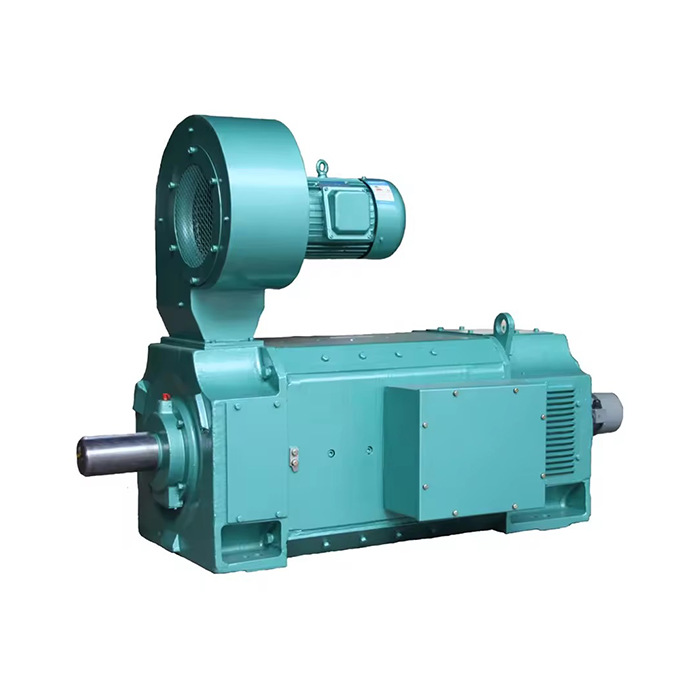
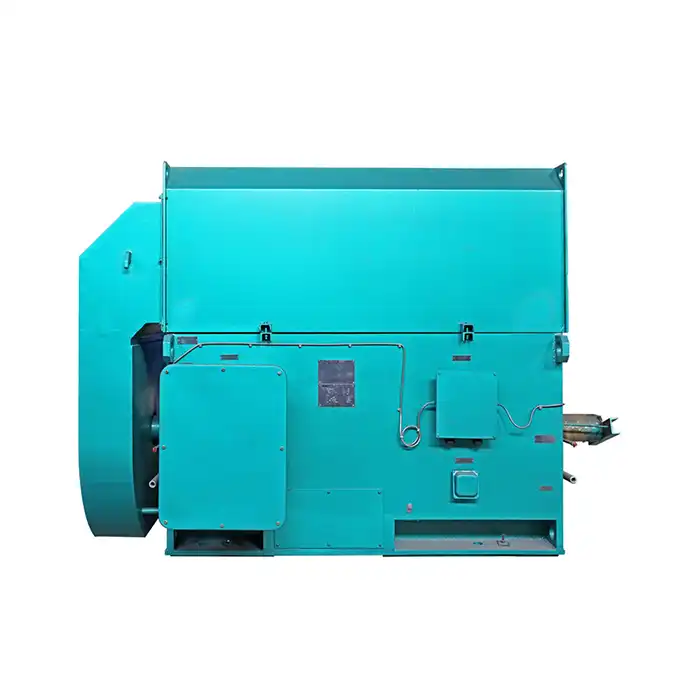
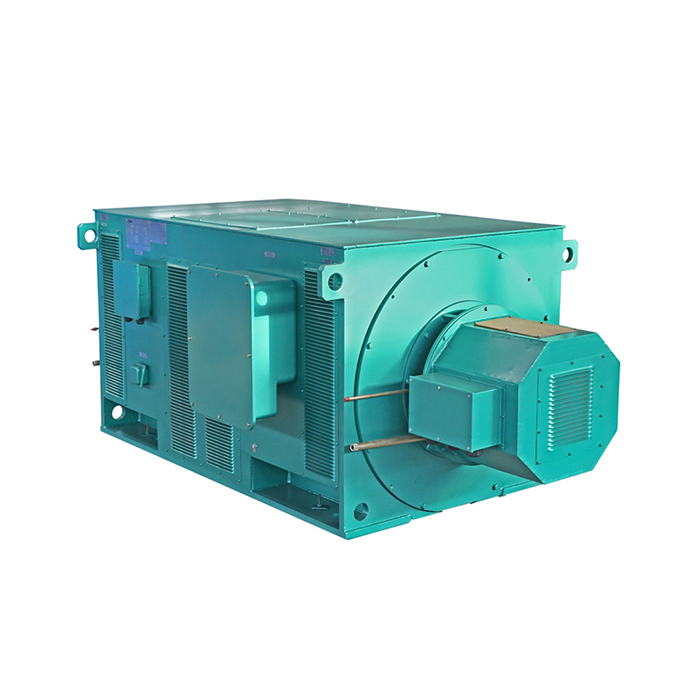
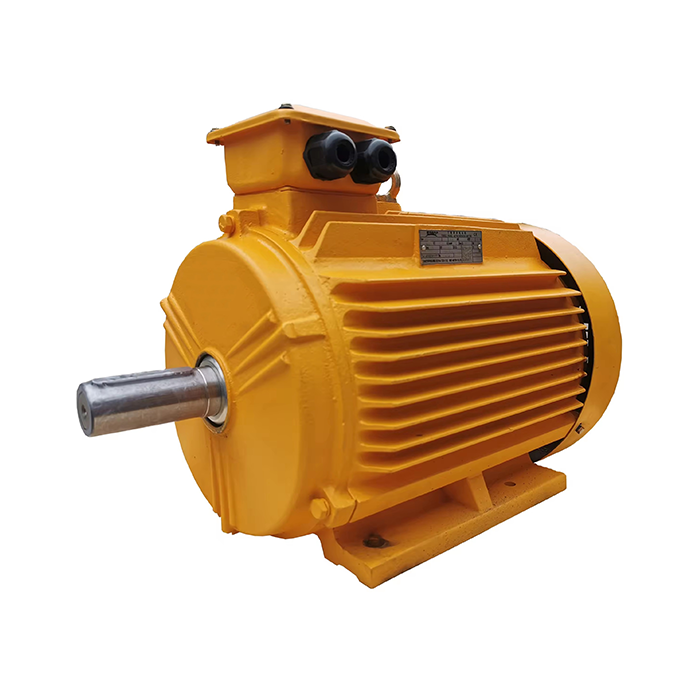
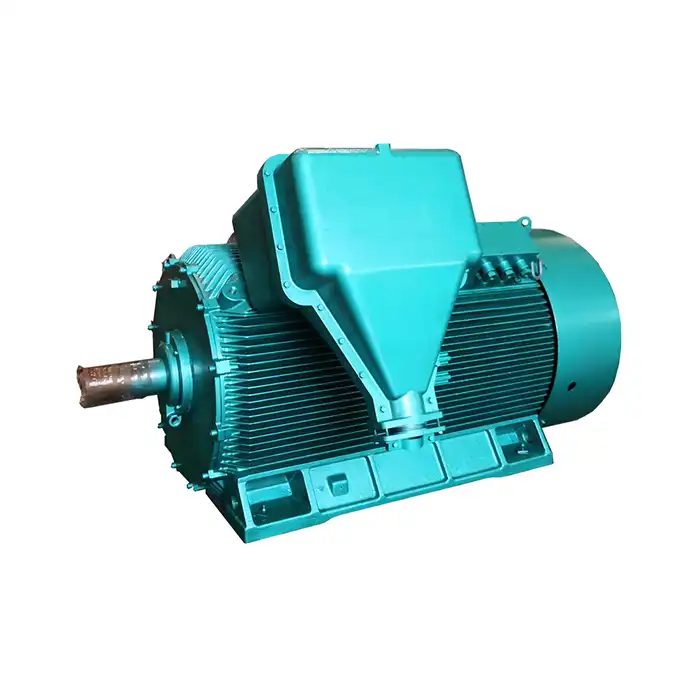
Series:Z4
Frame number: 100-450
Application:Z4 series motorsThis series of motors can be widely used in various industrial sectors such as metallurgical industrial rolling mills, metal cutting machine tools, papermaking, dyeing and weaving, printing, cement, and plastic extrusion machinery.
Power range:1.5-600kW
Voltage range: 160V,440V, etc.
Certificate: The performance of this series of motors not only complies with the national standard GB/T755 "Basic Technical Requirements for Rotating Electrical Machines", but also basically complies with the German VDE0530 standard.
Advantage:Z4 series DC motor has greater advantages than Z2 and Z3 series. It can not only be powered by DC unit power supply, but also suitable for static rectifier power supply. It has small moment of inertia, good dynamic performance, and can withstand high load change rates. It is especially suitable for control systems that require smooth speed regulation, high efficiency, automatic speed stabilization, and responsive response. It has reached the current international advanced level..
Others: SKF, NSK, FAG bearings can be replaced according to customer requirements.
Understanding 200HP DC and AC Motors: Operating Principles and Specifications
Both types of motors do the same basic thing, which is to turn electrical energy into mechanical motion. However, they do this in very different ways that affect how well they work.
How DC Motors Generate Torque and Control Speed
A 200 hp DC motor works by sending electricity through a rotor that is in a magnetic field made by fixed magnets or stationary field windings. Rotational force is made when these magnetic fields combine with each other. In this power range, most modern DC motors are brushless, which means they don't have the friction and wear that come with standard commutators. Changing the voltage has a direct effect on a DC motor's speed, while changing the stator current has an effect on the power. Because of this direct link, speed can be controlled precisely without the need for complicated control systems. Our frame 100-450 series motors have very low moment of inertia and great dynamic performance, which lets them smoothly handle changes in load that happen quickly. These motors can use power from both DC unit supplies and static rectifier sources, which gives planners of electrical infrastructure more options.
Comparing Core Technical Specifications
When evaluating 200 hp DC motors, there are a few specs that need extra attention. DC motors are great at delivering starting torque; they can often produce 150 to 200% of their maximum torque from a stop. In places where big loads have to overcome beginning drag, like rolling mills and metal cutting machines, this property is very useful. Unless they have special starting ways, AC induction motors usually make starting torques that are 100 to 150% of their rated values. The accuracy of speed control varies a lot. DC motors keep their speed within 1% to 2% of their setpoint even when the load changes, but normal AC induction motors lose 3 to 5% of their speed when they're fully loaded. In the last few decades, efficiency rates have become more similar. At full load, high-end motors of both types now achieve 93–95% efficiency. DC motors can work with a wide range of voltages, from 160V to 440V, 200 hp DC motor, so they can be added to current power systems without having to pay a lot of money for expensive electrical improvements.
Comparative Analysis: 200HP DC Motor vs. AC Motor for Industrial Drives
Energy Consumption and Operating Efficiency
Both of these motor systems can be very efficient if they are used in the right way. At full load, a well-made 200 hp DC motor can be up to 95% efficient, which means that only 5% of the power it receives is lost as heat. AC induction motors are about as efficient as DC motors, especially when the speed stays the same. The most important difference shows up in processes with changing speeds. DC motors are very efficient at all speeds because the electrical control directly controls the flow of power. At lower speeds, AC motors that are connected to variable frequency drives lose efficiency because of extra conversion losses and harmonic distortion. When the speed needs to be changed often, like in paper machines or plastic molding equipment, DC motors usually use 10-15% less energy each year. The power factor of DC systems (0.85 missing in our motors) also affects how well the whole electricity system works and how much it costs to run in places that use demand-based charging.
Practical Performance in Industrial Environments
In mining processes, the best features of DC motors really shine. When material falls onto a conveyor belt, a 200 hp DC motor can handle rapid load spikes without stopping or needing to be resized. The high starting torque gets rid of idle friction, and the exact speed control keeps the flow of material at its best even when the load changes. Situations aren't always clear in manufacturing settings. DC motor response makes it possible for metal cutting machines to quickly speed up and slow down, which cuts down on cycle times. On the other hand, AC motors are often better for pump uses in water treatment plants because they run at a steady speed for long periods of time. This is because AC motors are simpler and cheaper to buy. Both DC and AC motors are used in the cement business. DC motors control the spinning of the kiln, where fine-tuned speed changes can affect the quality of the product, while AC motors power crushers and conveyors, where steady speed is enough.
Procurement Considerations: Sourcing and Selecting the Right 200HP Motor
Evaluating Technical Specifications Against Application Demands
Start by writing down your exact operating needs. Does your application need to run at a steady speed or one that can change speeds? Figure out how much starting power you need by taking into account the load's inertia and the time limits on acceleration. The temperature, humidity, and amount of pollution in the air affect the choice of motor and the safety class that is needed. Our motors come with an IP23 rating, but you can get better grades for tough areas where dust or water could be a problem. The insulation class F grade (155°C) gives you heat room for heavy-duty cycles. The duty cycle study tells you whether your application runs all the time, sometimes, or starts and stops a lot. When compared to intermittent-duty motors, a 200-hp DC motor made for continuous duty in a rolling mill has better cooling and stronger construction. Customization options include power ranges, mounting setups, a 200hp DC motor, and gear specs that make it easy to connect to other equipment.
Warranty Coverage and After-Sales Support
Your investment is protected against production flaws and early failures by a full guarantee. Standard guarantee terms last between 12 and 18 months from the date of commissioning or 24 months from the date of shipment, whichever comes first. The warranty terms should make it clear what kinds of failures are covered and what kinds aren't, like poor fitting or use beyond the rated limits. Support after the sale is what sets great providers apart from average ones. Having access to expert advice helps fix problems fast, reducing the costs of downtime that are much higher than the cost of buying a motor. We offer help seven days a week, even on the weekends, because we know that industrial activities don't stop for work hours. Having spare parts on hand makes it possible to fix things quickly when they break. When it's possible, our motors use standard parts. However, we keep important unique parts on hand for the life of the motor.
Energy Efficiency & Long-Term Performance Optimization
Optimizing Operating Parameters for Reduced Energy Consumption
Energy economy starts with making sure the machine is the right size. Motors that are too big work less efficiently than they could, losing energy and money. To be as efficient as possible, a 200-hp DC motor should normally be run at 75 to 90% of its maximum load. Optimizing the voltage makes sure that motors get clean power at the right levels. Deviations in voltage greater than ±10% hurt performance and shorten the life of insulation. Problems with power quality, like harmonics and voltage instability, cause waste and heat to build up, especially in DC systems that are managed electrically. Putting in power factor adjustment equipment lowers the amount of reactive power needed and the costs that come with it in places with a lot of motors. By changing the settings of the speed controller, you can stop too fast acceleration rates that waste energy and put stress on mechanical parts. Our motors have great speed control and automatic speed stability, so they stay in the best working range without having to be adjusted all the time. Temperature control makes motors last longer by keeping temperatures in the -15°C to +40°C design range and making sure there is enough air flow around forced-cooling systems. This stops insulation and oils from breaking down due to heat.
Technological Innovations Enhancing Motor Performance
Sensors and connections are built into smart diagnostics motor systems to give real-time performance data and repair warnings before they happen. Overheating is found before damage happens by temperature monitors built into the windings. Vibration sensors constantly check the state of the bearings and send repair alerts when trends point to problems. Monitoring the current finds electrical imbalances and changes in load that hurt reliability and efficiency. Predictive maintenance platforms use machine learning algorithms to look at old data and guess how long something will last and when it should be serviced. Compared to reactive repair methods, these new ideas cut down on unplanned downtime by 30 to 50 percent. New materials make motors work better. For example, high-grade electrical steel lowers core losses, and better insulator systems let motors work at higher temperatures and with more power. Electronic controls keep getting better. More complex formulas are now able to improve torque delivery, lower electrical noise, and extend the life of parts through smart operating management.
Making the Final Choice: Which 200HP Motor Fits Your Industrial Drive Best?
By turning the research into advice that can be used, buyers can choose the best motor for their needs.
Matching Motor Characteristics to Application Requirements
DC motors are best for situations where exact speed control over a wide range is needed. When the quality 200hp DC motor of your process relies on keeping the same speeds even when the load changes, like in printing, cloth, or metal rolling, the better speed control of DC technology makes up for its higher starting cost. Modern electronic control infrastructure and a 200-hp DC motor that works with a static rectifier power source work together smoothly, allowing for complex automation plans. DC options are likely because they need a lot of starting power. DC motor power qualities are helpful for machines that need to move big loads quickly from a standstill, or that need to overcome a lot of static friction. In contrast, DC features don't help apps that run at a steady speed all the time. Rugged AC induction motors that last for decades with little upkeep are best for pump drives, fan systems, and conveyors that run at set speeds because they have the lowest total cost. Conditions in the environment affect the choice. For example, difficult environments with extreme temperatures, dirt, or water may prefer easier AC motors with high-protection casings over more complicated DC systems that are easily damaged by electrical parts.
Steps to Secure Your Optimal Motor Solution
Write down everything you need to know about your application, including the working speed ranges, torque patterns, job cycles, weather conditions, and performance standards. This standard makes it possible to choose the right motor and stops gaps that hurt performance. When looking into possible providers, you should do more than just compare prices. You should also look at their technical knowledge, customer service skills, quality certifications, and customer recommendations. Instead of looking through a book, ask for thorough technical ideas that are tailored to your needs. When comparing quotes, it's important to look at more than just price. You should also look at guarantee terms, shipping dates, fitting help, and service after the sale. When you can, test the product, especially for important uses where the motor's performance has a direct effect on work output or product quality. Field testing in real-world working situations shows traits that can't be shown by specs alone. Build ties with sellers who are truly interested in working with you as a partner, rather than those who are only interested in making quick sales.
Conclusion
When choosing between DC and AC motor technologies at the 200-horsepower level, you have to weigh the technical performance against cost, upkeep, and operating needs. A 200hp DC motor works great in places where precise speed control, high starting power, and the ability to adapt to changing loads are needed, like in machine tools, process control systems, and rolling mills for metal. AC motors are stable and cost-effective for constant-speed tasks where ease of use and durability are more important than the ability to change speeds. Instead of making general suggestions that one technology is better than another, you should carefully look at your business needs, cash, and long-term performance goals to find the best option.
FAQ
1. What advantages do DC motors offer over AC types at 200HP?
200hp DC motors can maintain setpoints within 1% to 2% even when loads alter, making them superior speed controllers. This is doable without complex controls. They start reliably even with heavy loads because to their high starting torque, frequently 150 to 200% of their rated values. DC motors with low inertia accelerate and decelerate fast. This reduces intermittent-duty cycle times. DC motors react swiftly to load and control inputs due to their dynamic performance. These qualities help in rolling mills, metal cutting machines, and printing equipment where speed control is crucial to process quality. DC motors may now be powered by static rectifiers and ordinary DC sources, giving installers additional alternatives.
2. How long does custom motor procurement typically require?
Standard motor combinations ship 4–6 weeks following purchase confirmation. With many bespoke alterations, lead times might reach 8–12 weeks. These adjustments may include voltage, mounting, shaft specifications, or safety class improvements. Complex customizations using exotic materials or winding patterns may take 12–16 weeks. Ocean freight takes two to four weeks, air freight one to two weeks, including customs clearance. When buying, tell merchants your timeframe so they can prioritize manufacturing. Maintaining contact with reliable sources that carry popular parts and give timely service is essential when you need to fix something urgently.
3. Can existing AC systems be retrofitted with DC motors?
Retrofitting is conceivable, but electrical infrastructure, mechanical connections, and control systems must be examined. Powering DC motors in AC requires various sources. DC motors need DC engines, battery banks, or static rectifiers to convert AC to DC. Modern AC electrical distribution can't directly power DC motors, hence power exchange equipment is needed. When considering mechanics, consider motor-specific mounting diameters, shaft shapes, and coupling angles. DC motor drivers and current automation tools must be connected for control systems to operate. Retrofits are only financially feasible when DC performance is crucial to operations since changing the electrical infrastructure costs more than the motor. You may pick the greatest motor technology with a new system without worrying about compatibility.
Partner with XCMOTOR for Your Industrial Motor Solutions
Finding the right 200hp DC motor for your industrial drive is more than just picking a product. You need to work with a seller who knows your short- and long-term goals. It is XCMOTOR's specialty to make power equipment that works well in tough industrial settings like manufacturing, process control, HVAC, energy, and transportation. Our wide range of products, from 1.5kW to 600kW, gives us the ability to meet specific power needs while keeping quality standards high. As a well-known company that makes 200 hp DC motors, we make sure that the equipment we send you meets foreign standards like GB/T755 and VDE0530 by having strict quality control and quick customer service. We send all of our goods for free, let you return items within 30 days, and provide specialized help seven days a week. You can email our technical team at xcmotors@163.com to talk about your unique motor needs, get full technical datasheets, or get personalized quotes for buying one motor or many.
References
1. Chapman, S. J. (2012). Electric Machinery Fundamentals. McGraw-Hill Education, New York.
2. Hughes, A., & Drury, B. (2019). Electric Motors and Drives: Fundamentals, Types and Applications. Elsevier Science, Oxford.
3. Fitzgerald, A. E., Kingsley, C., & Umans, S. D. (2003). Electric Machinery. McGraw-Hill Companies, New York.
4. National Electrical Manufacturers Association (2021). NEMA Standards Publication MG 1-2021: Motors and Generators. NEMA, Arlington.
5. Institute of Electrical and Electronics Engineers (2018). IEEE Standard 112-2017: Test Procedure for Polyphase Induction Motors and Generators. IEEE, Piscataway.
6. Boldea, I., & Nasar, S. A. (2010). The Induction Machines Design Handbook. CRC Press, Boca Raton.