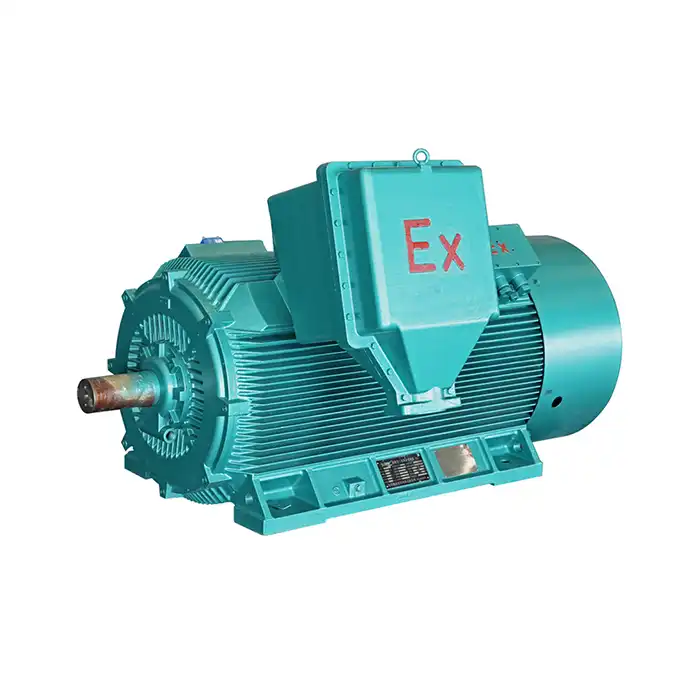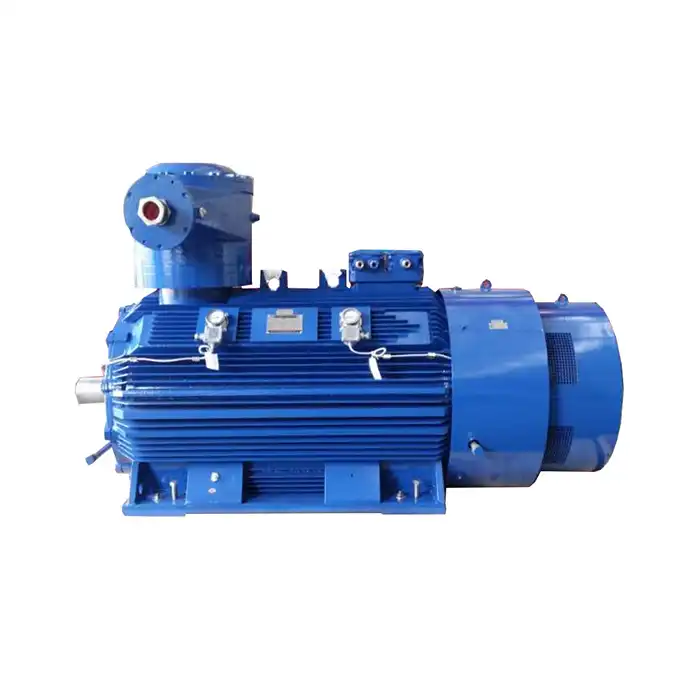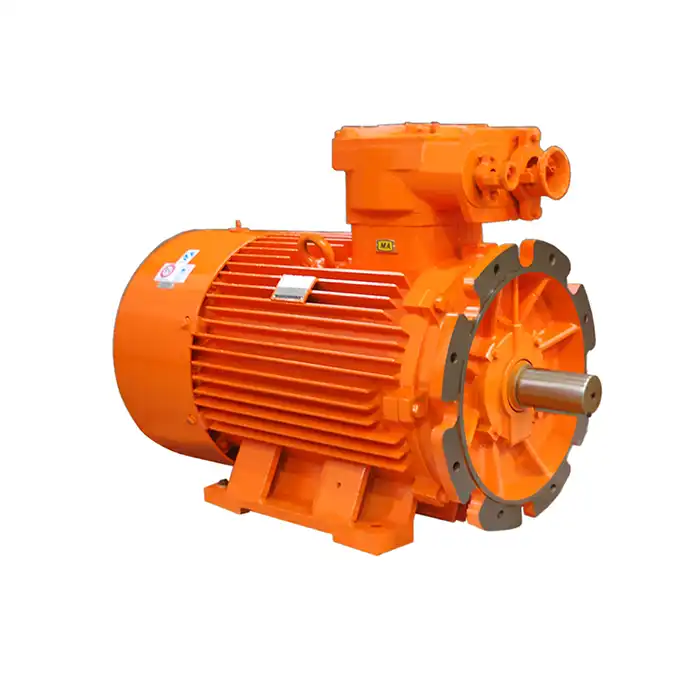




Why IEC LV Motors Are Essential for Modern Automation
If you are sourcing motors for automated equipment that must meet international compliance standards, IEC LV motors deserve your full attention. These low voltage motors, designed and tested under IEC 60034-30 standards, deliver measurable efficiency, dimensional consistency, and global certification compatibility that procurement engineers and technical teams genuinely rely on. Whether you are building conveyor systems, pumping installations, or industrial machinery destined for European or Australian markets, choosing the right IEC LV motor directly determines whether your equipment passes compliance review — or gets held at the border.
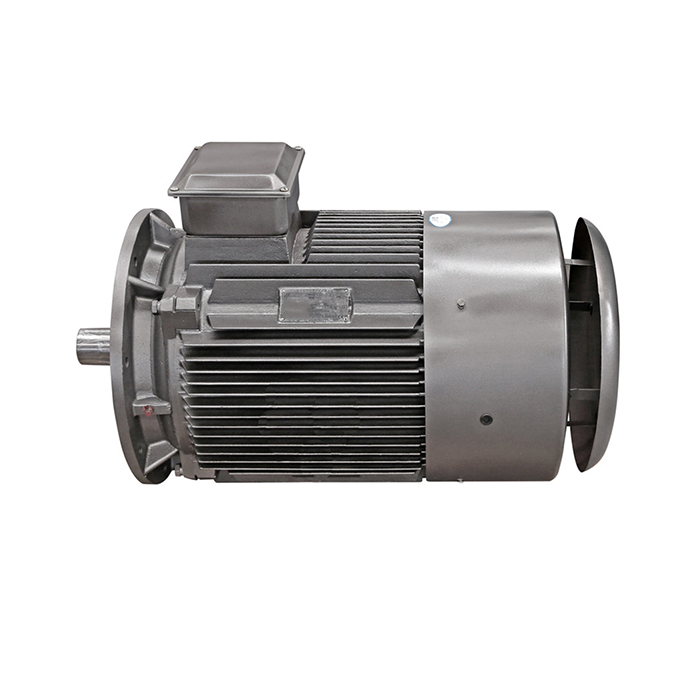
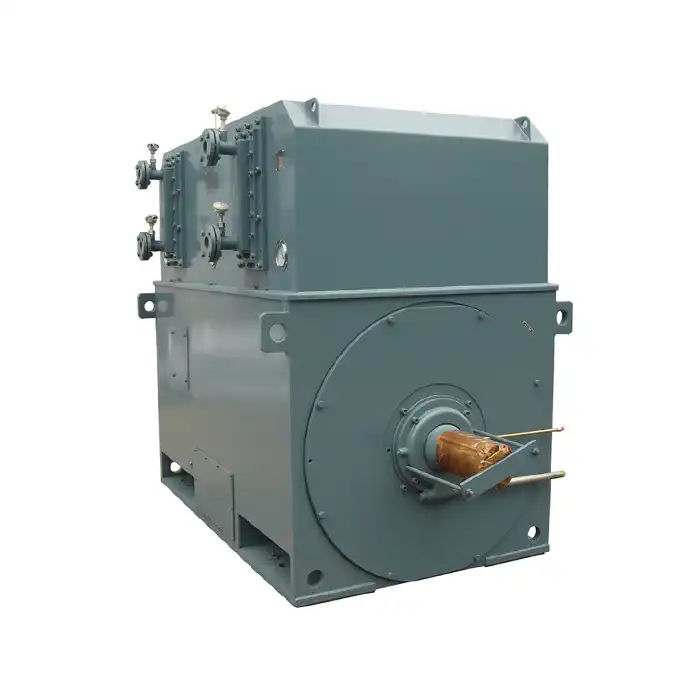
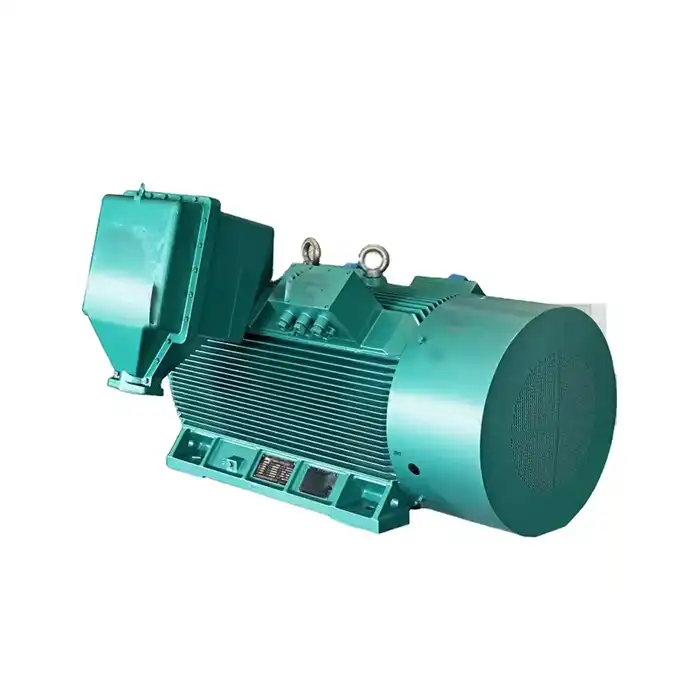
Series:YE3
Frame number: 80-450
Power range:0.75-1000kW
Protection level:IP55
Energy efficiency class: IE3
Voltage range: 380V,400V,415V,660V, etc.
Application:can be used in various fields of the national economy, such as machine tools,water pumps,fans,compressors,and can also be used in transportation, mixing, printing, agricultural machinery, food and other occasions that do not contain flammable, explosive or corrosive gases.
Certificate: international standard IEC60034-30 "Efficiency Classification of Single-speed Three-Phase Squirrel Cage Induction Motors".
Advantage:The high quality of the electric motor guarantees high operational reliability.
Others: SKF, NSK, FAG bearings can be replaced according to customer requirements.
Understanding IEC LV Motors: Fundamentals and Applications
What Defines an IEC Low Voltage Motor?
IEC LV motors are three-phase induction motors designed to meet the guidelines of the International Electrotechnical Commission, mainly IEC 60034-30-1, which uses the IE-code method to classify motor efficiency. Most of the time, these motors work at values below 1,000V and can produce power levels from less than a kilowatt to several megawatts. The IEC framework sets rules for performance thresholds, terminal markings, mounting configurations, and dimensional tolerances. It does this by creating a common technical language that procurement teams, design engineers, and certification bodies can all use.
The IEC standard does more than just control the sizes of things. It sets performance standards that can be tested and that make it clear for buyers to compare motors from different makers. The International Energy Agency says that about 53% of all the electricity used in the world goes to systems with electric motors. That number alone shows why IEC efficiency ratings are so important to standard-setting groups and regulators.
Common Motor Types and Their Roles in Automation
The IEC LV motor type that is most commonly used in industrial automation is the squirrel cage induction motor. Their brushless design greatly cuts down on upkeep times, and their steady torque makes them ideal for use in conveyor drives, fans, compressors, and machine tool spindles. Slip ring induction motors are used in heavy crushers and hoists that need to control the starting torque. In uses that need precise speed, synchronous motors are used. Each type of motor works within the same IEC framework for size and efficiency, which makes designing equipment easier for all product lines.
Comparison of IEC LV Motors with Other Motor Types
IEC vs. NEMA and High Voltage Motors
When purchasing managers look at different motor choices, they often compare IEC LV motors to NEMA-standard motors. NEMA motors, which were mostly made for the North American market, have different frame sizes, terminal arrangements, and horsepower ratings. Putting one in place of the other without engineering review leads to more and more problems with certification and mismatches. IEC-compliant motors get rid of this risk completely for goods that are sent to markets in Europe, the UK, Australia, or the Nordic countries.
High voltage motors are used in large industrial drives that need more than 1,000V of power. They have higher initial costs, need more complicated switchgear, and take longer to deliver. IEC LV motors provide a more practical and cost-effective solution without sacrificing output for the majority of automation applications, such as machine tools, pumps, fans, compressors, and packaging lines. They don't need step-up transformers or specialized installation contractors because they fit right into regular drive cabinets.
The change in energy use can also be measured. Upgrading from IE2-class motors to IE5-class motors can cut electricity losses by 20–30% over the life of the motor, giving a return on investment that covers the higher cost of purchase in a short amount of time.
How to Source and Purchase IEC LV Motors for Your Automation Projects
Evaluating Suppliers Before You Commit
It takes more than just price comparison to find IEC LV motors for automated projects. In a responsible purchase review, records of batch uniformity, certification paperwork, and support systems for after-sales service all have the same amount of weight. Before asking for samples, buyers aiming for the European and Australian markets should make sure that a supplier has the necessary paperwork for CE marking, IEC 60034-30 compliance certificates, and ISO 9001 quality system certification.
At XCMOTOR (Shaanxi Qihe Xicheng Electromechanical Equipment Co., Ltd.), we supply the YE5 series IEC LV motors with the following verified specifications:
- Series: YE5
- Frame Number: 80–450
- Power Range: 0.75 kW to 1 kW
- Protection Level: IP55
- Energy Efficiency Class: IE5 for energy efficiency
- Voltage Range: 380V, 400V, 415V, 660V, and more
- Certification: meets IEC 60034-30 standards; passed by CE, CCC, UL, GOST, and CRCC
- Bearings: The standard design of the bearings can be upgraded to SKF, NSK, or FAG if desired
Here are the core advantages this product line delivers to procurement buyers:
- IE5 Efficiency Rating: This is the highest classification available under IEC 60034-30-1. Compared to regular motors, they use up to 30% less energy, which directly helps operational cost budgets.
- IP55 Protection: Reliable performance in dusty and wet factory settings without the need for extra enclosure upgrades.
- Wide Voltage Flexibility: Being able to work with systems that use voltages from 380V to 660V means that you don't have to use different motors for each project in each placement area.
- Premium Bearing Options: Buyers can choose between SKF, NSK, and FAG bearings based on load conditions and service life needs, rather than having to settle for a stock part that might not work well in harsh conditions.
- Comprehensive Certification Package: Approvals from CE, UL, GOST, and CRCC are available, which makes it easier for engineering teams to meet safety standards when they're making export paperwork.
These benefits directly address the compliance and quality consistency concerns that experienced procurement directors raise during supplier evaluation. The back-and-forth that slows down project timelines can be avoided with a motor that has a confirmed IE5 grade and CE documentation.
Our buying process is organized into a set order: initial review of the specifications; delivery of a sample for certification verification (which usually takes 4–8 weeks); production of a trial batch; and finally, a yearly supply framework. This schedule fits with how OEM buyers and equipment installers in Europe really handle their qualification processes.
Maintaining and Optimizing IEC LV Motor Performance
Practical Maintenance Guidance for Long Service Life
IEC LV motors used for continuous automation tasks profit from regular inspections that check insulation resistance, lubricate the bearings, and watch vibration. The YE5 series' IP55 protection lowers failures caused by water getting in, but managing the environmental temperature and making sure the components are properly aligned during installation are still the two most common things that affect service life in the field.
IE5-class lv motors are better because they reduce thermal stress during normal operation. When internal losses are low, operating temperatures are also low. This makes the life of the winding insulation and the time between grease changes longer. Over the course of three to five years, engineering teams that switched from older IE2 installations to IE5 motors regularly report fewer unplanned stops and lower costs for repair work.
By measuring the motor's basic current draw and keeping track of its temperature, maintenance teams can get early warning signs before failures happen. This method doesn't need any special tools and works well with regular care plans for plants.
Why IEC LV Motors Are the Preferred Choice for Modern Automation
A sensible way to buy something is to look at the total cost of ownership, not just the unit price. IEC LV motors provide standardized dimensions, efficiency scores that are known around the world, and certifications that meet the rules in many export markets at once. When OEM equipment makers make lines of products for Germany, Italy, the UK, Australia, or Scandinavia, they can use the same IEC-compliant motor series for all of them without having to remake them for each market.
The EU ErP Directive says that most motors sold in Europe must have at least an IE3 efficiency class. Over the next few years, regulations are likely to require IE4 and IE5 as well. By getting IE5-rated motors now, equipment manufacturers can get ahead of future compliance standards and avoid having to make expensive motor swaps in the middle of a product's lifecycle.
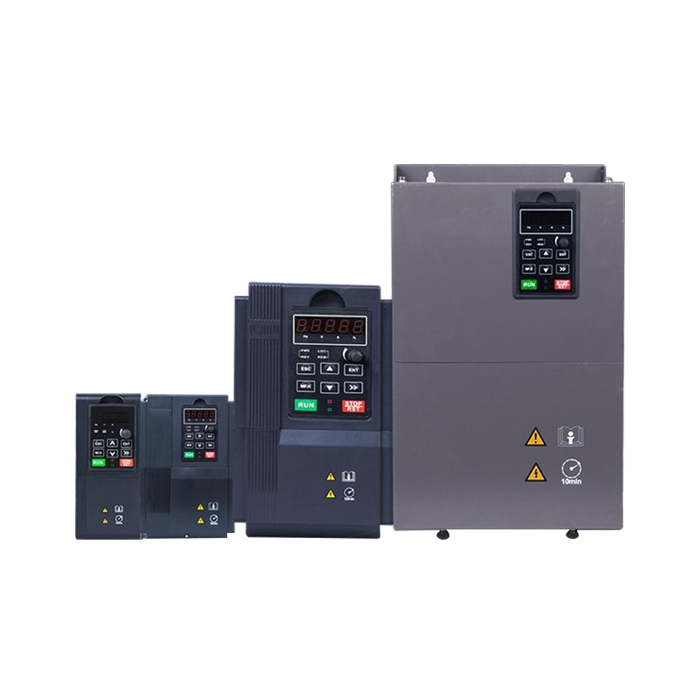
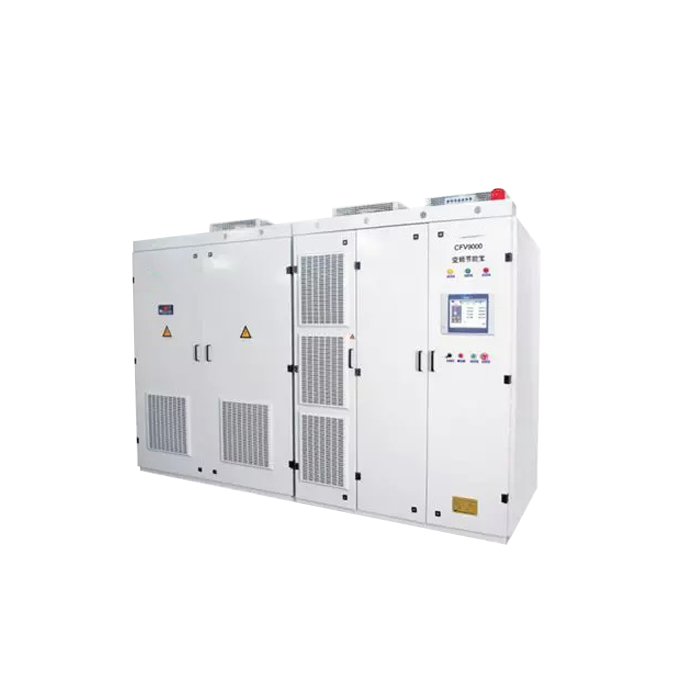
Modern variable frequency drives, which are the foundation of energy management in Industry 4.0 automation systems, and IEC LV motors work well together. Their standard electrical and mechanical connections cut down on the time it takes to integrate engineering and lower the chance of compatibility problems when drive systems are upgraded.
Conclusion
For any automation project that must adhere to international standards, IEC LV motors are a practical, compliant option. For procurement and engineering teams, the YE5 series from XCMOTOR is a reliable choice because it has IE5 efficiency, IP55 protection, wide voltage compatibility, and a full certification package. This motor line has power levels from 0.75 kW to 1,000 kW and frame numbers from 80 to 450. It can be used for almost any automation task, from industrial compressors to water treatment machines. If you choose a power source that has been checked out and has a lot of paperwork, you won't have to pay a lot of money to fix problems later on.
FAQ
1. What applications are YE5 IEC LV motors suitable for?
The YE5 series is good for fans, pumps, compressors, machine tools, conveyors, and mixing equipment used in manufacturing, building materials, water treatment, chemical processing, and water treatment. These IEC LV motors can be used in places that don't have gasses that are burning, dangerous, or corrosive.
2. What does the IEC standard cover for low voltage motors?
IEC 60034-2-1 sets the rules for how to test, and IEC 60034-30-1 creates a system for ranking how efficient something is using the IE-code (IE1 through IE5). This system sets performance standards that can be measured and used to compare products and markets all over the world.
3. Can bearing brands be specified when ordering?
Yes, XCMOTOR can update your bearings to SKF, NSK, or FAG depending on the type of load and service setting you have. This change can be made during the order process and doesn't need any special tools or longer wait times.
Request a Quote from XCMOTOR — Your Trusted IEC LV Motors Supplier
With more than 20 years of experience in the industry and a full after-sales support team that is available seven days a week, XCMOTOR provides certified iec low voltage motors that meet CE, UL, and IEC 60034-30 standards. The YE5 series comes in power ranges from 0.75 kW to 1,000 kW, with different voltage options and bearing arrangements that can be changed to fit your needs. For your next automation job, you can email us at xcmotors@163.com or go to motorxc.com to get specs, certification papers, or a reasonable price.
References
1. International Electrotechnical Commission. IEC 60034-30-1: Rotating Electrical Machines — Efficiency Classes of Line Operated AC Motors. IEC, 2014.
2. International Energy Agency. Energy Efficiency 2023: Analysis and Outlooks to 2026. IEA, 2023.
3. European Commission. Commission Regulation (EU) 2019/1781 — Ecodesign Requirements for Electric Motors and Variable Speed Drives. Official Journal of the European Union, 2019.
4. Waide, P., & Brunner, C. U. Energy-Efficiency Policy Opportunities for Electric Motor-Driven Systems. IEA Energy Papers, OECD/IEA, 2011.
5. International Electrotechnical Commission. IEC 60034-2-1: Rotating Electrical Machines — Methods for Determining Losses and Efficiency. IEC, 2014.
6. VDMA — Mechanical Engineering Industry Association. Electric Drives and Controls: Market Report 2022. VDMA, 2022.