



How to Choose an LV Induction Motor for Industrial Applications
Choosing the right LV induction motor for industrial use comes down to matching your load requirements, environmental conditions, and compliance needs with the right motor specifications. A low voltage induction motor typically operates on a three-phase supply between 200V and 690V, covering power outputs from under 1kW to over 1,000kW. Getting this choice wrong costs more than money — it disrupts production schedules, delays equipment delivery, and creates certification headaches. This guide walks you through every decision point, from motor basics to procurement strategy, so you can source with confidence.
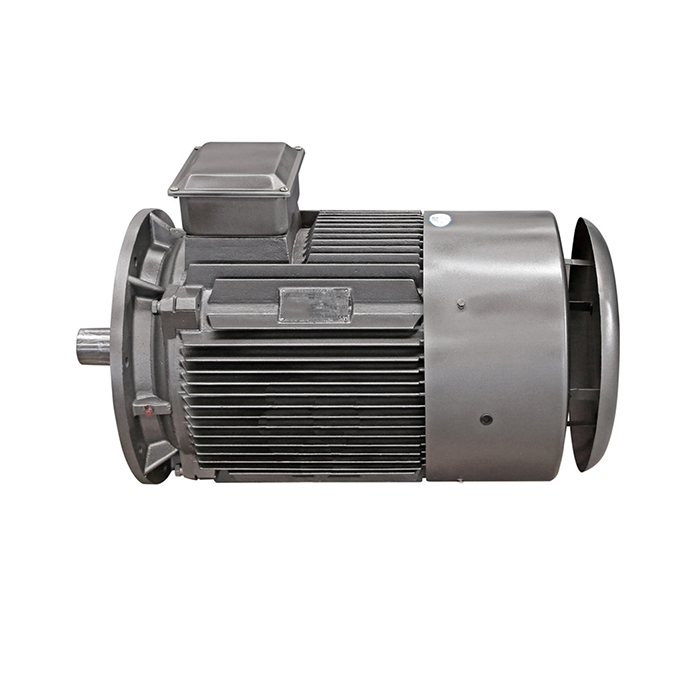
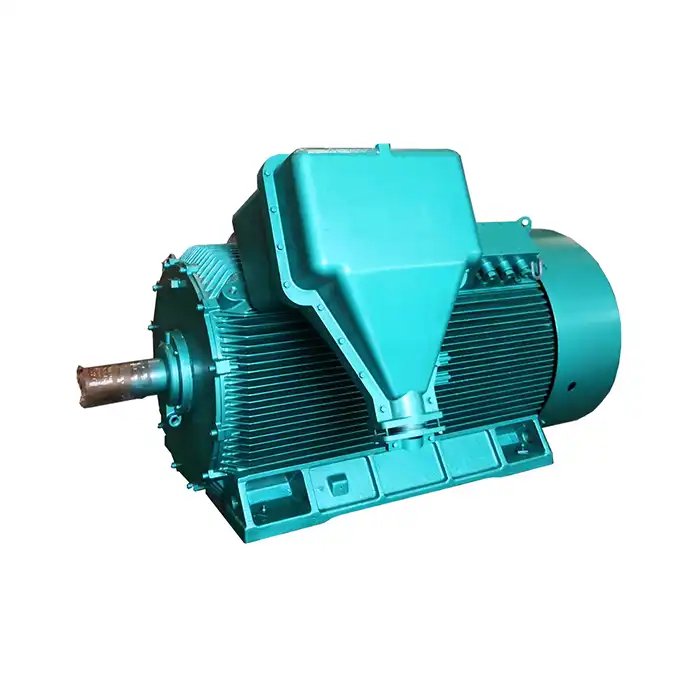
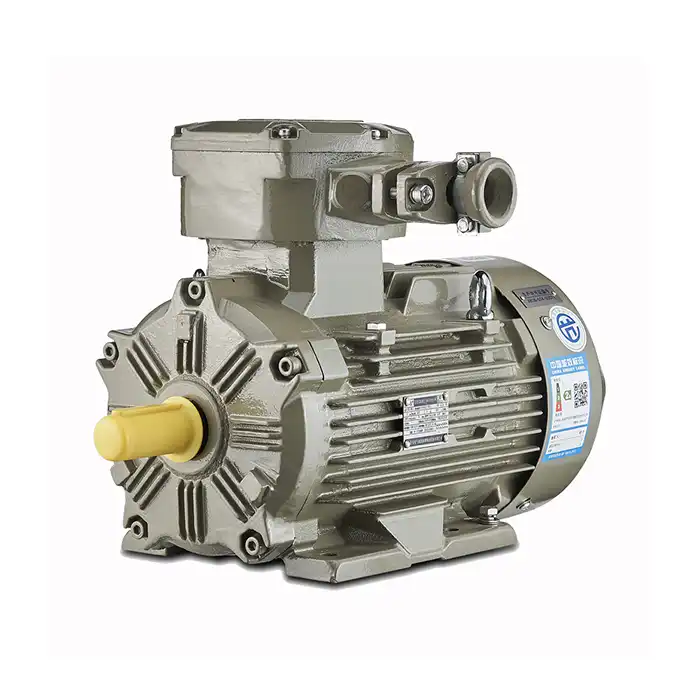
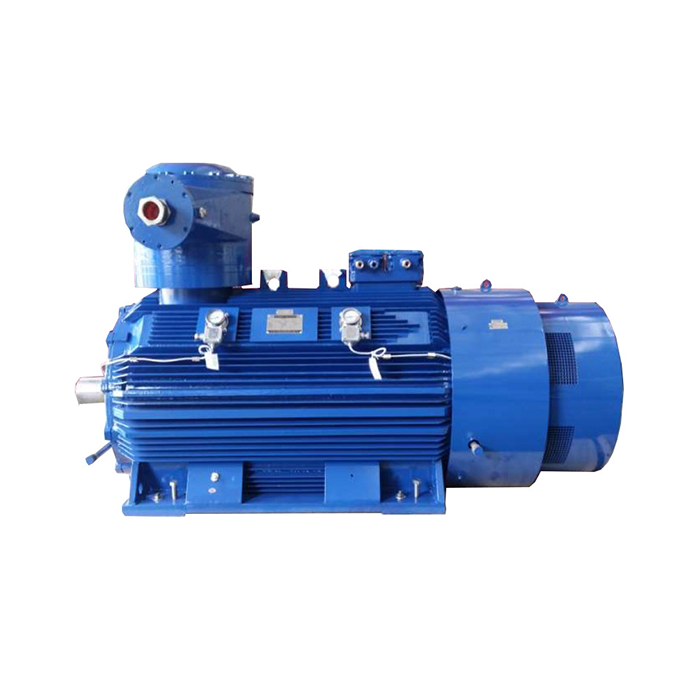
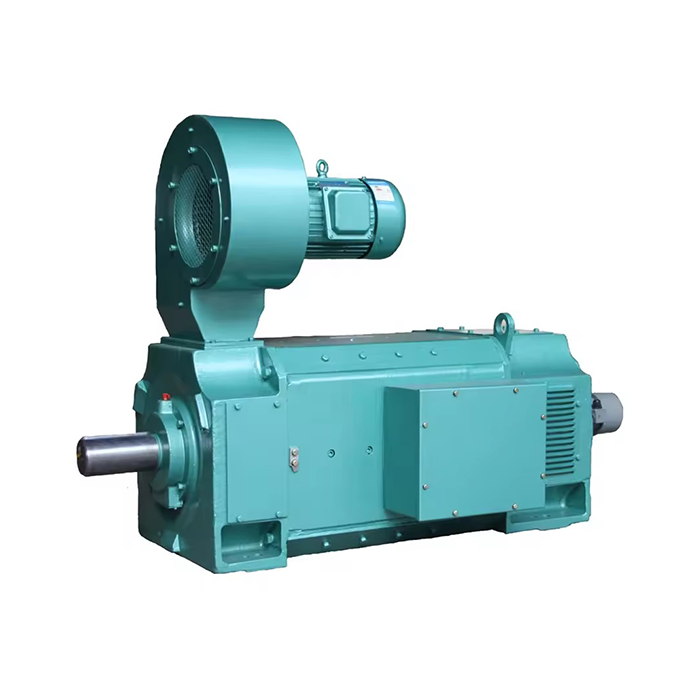
Series:YE3
Frame number: 80-450
Power range:0.75-1000kW
Protection level:IP55
Energy efficiency class: IE3
Voltage range: 380V,400V,415V,660V, etc.
Application:can be used in various fields of the national economy, such as machine tools,water pumps,fans,compressors,and can also be used in transportation, mixing, printing, agricultural machinery, food and other occasions that do not contain flammable, explosive or corrosive gases.
Certificate: international standard IEC60034-30 "Efficiency Classification of Single-speed Three-Phase Squirrel Cage Induction Motors".
Advantage:The high quality of the electric motor guarantees high operational reliability.
Others: SKF, NSK, FAG bearings can be replaced according to customer requirements.
Understanding LV Induction Motors: Basics and Types
An LV induction motor makes power by using electromagnetic induction between the spinning magnetic field of the stator and the induced currents of the rotor. The two don't even need to be physically connected. LV induction motors are very durable and require little maintenance compared to other types of motors because they have a simple, brushless design.
Squirrel Cage vs. Wound Rotor Motors
The squirrel cage induction motor is the most popular choice in industry because it is tough, doesn't need much upkeep, and is easy to find. It doesn't need any external links because the end rings short-circuit the rotor wires. Wound rotor motors, by contrast, let you add external resistance for controlled starting. This is useful in high-inertia uses like big crushers or hoists, but they need more upkeep.
Three-Phase vs. Single-Phase
Most business and manufacturing machinery uses three-phase LV induction motors. They have a better power factor, more starting speed, and are more efficient than single-phase units. Most original equipment manufacturers (OEMs) and industrial distributors who need motors for pumps, fans, and compressors will start with a three-phase squirrel cage motor that meets IEC standards.
IE3 Efficiency and Why It Matters
IEC 60034-30 says that IE3 is the highest level of performance for three-phase induction motors. Electricity costs make up about 97% of a motor's total lifecycle cost, while the price it was bought for only makes up 1% to 2%. If you choose an IE3-rated motor, it will use 2–5% less energy than lower-efficiency models. For motors that run more than eight hours a day, the payback period is usually less than four years.
Key Criteria for Selecting an LV Induction Motor for Industrial Use
When choosing a LV induction motor, it's not enough to just match the horsepower to the brand. Several factors that affect each other decide how well a motor works over its working life.
Power Rating and Speed
Use the right service factor to match the motor's maximum power output to the amount it is driving. XCMOTOR's LV induction motor range includes motors with 0.75kW to 1,000kW, frame sizes 80 to 450, and speeds from 500 to 3,000 RPM. This makes it a great choice for machine tool drives, water pump sets, fan kits, and compressor packages.
Voltage Compatibility and Protection Class
Before you order an lv induction motor, make sure you know what the supply voltage is at the installation site. The motors from XCMOTOR can work with 380V, 400V, 415V, and 660V systems. This means they can be used with power grids in Southeast Asia, the Middle East, Africa, and South America. Standard IP55 protection is good for most workplace settings. IP56 and IP65 options are available for installs that will be washed down or left outside.
Insulation and Ambient Conditions
Class F insulation can handle continuous winding temperatures of up to 155°C and can work in temperatures ranging from -10°C to +40°C and at heights of up to 1,000 meters. For installations above this height or in places with higher temperatures, you should ask for Class H insulation to keep enough thermal space. Motor life is cut down by a lot if the insulation class is wrong; a 10°C rise in winding temperature above the rated limits cuts insulation service life in half.
Procurement Considerations: How to Buy the Best LV Induction Motor
Certification, Lead Time, and Dimensional Interchangeability
For OEM equipment makers and industry wholesalers, how quickly they can get motors is just as important as the motors themselves. Here are the main procurement factors that determine whether a decision to source something works or causes problems later on.
- Certified documentation: For foreign markets, you must have CE marking, ISO 9001:2015 certification, and GOST certification. Without certificates, sales are lost. The LV induction motors from XCMOTOR are certified by CE and ISO 9001:2015, and they also meet IEC 60034-30 standards. This means they meet most of the major legal requirements in all of their target markets.
- Delivery lead time: Standard types ranging from 0.75kW to 315kW usually ship in two to three weeks. Setting up the arrival of motors to coincide with the assembly of your equipment will help you avoid costly production delays.
- Minimum order quantity: It's possible to buy in small batches (1–10 units) for test orders or replacements. When suppliers demand large MOQs, it puts wholesalers who handle a lot of different SKUs at risk of losing cash flow.
- Bearing options: XCMOTOR can handle SKF, NSK, and FAG bearing specifications upon request. This is important when users further down the line need brand-specific parts for standardizing maintenance.
- Dimensional interchangeability: IEC frame sizing makes sure that mounting dimensions are the same from one manufacturer to the next. Before you place an order, you should always compare the shaft diameter, shaft height, and bolt pattern to the drawings of the equipment you already have.
Buying an LV induction motor will either provide practical value or become a source of risk depending on the combination of these factors. Most buying risks can be avoided before they get worse by working with a seller who keeps consistent stock, full paperwork, and quick technical support.
Maintenance, Troubleshooting, and Longevity Tips for LV Induction Motors
A LV induction motor that is well taken care of usually lasts between 15 and 20 years. When basic maintenance isn't done, that timeline gets sped up a lot, and unexpected downtime happens at the worst times.
Routine Inspection Priorities
Regularly check the state of the bearings, the resistance of the winding insulation, the soundness of the cooling fan, and the connections between the terminals in an lv induction motor. About 40–50% of all induction motor failures are caused by bearing failures, which makes sticking to the cleaning intervals very important. When XCMOTOR motors are shipped with SKF, NSK, or FAG bearings as requested by the customer, it is easy to find new parts for as long as the motor is in use.
Common Failure Indicators
Unusual sound changes, vibrations that don't make sense, surface temperatures that are too high, and overload relays that trip are all good early warning signs. Taking care of these problems during regular repair times is a lot cheaper than replacing a motor in the middle of a production run. The other main type of failure is winding failures caused by moisture getting in or being overloaded for a long time. Both of these risks are addressed at the design level with IP55 security and Class F insulation.
Case Studies and Application Insights
Real-World Deployments and Pre-Order Specification Checklist
For an EU-funded project, the owner of a water treatment plant needed to find new pump motors that were compatible with the IEC frame and came with CE paperwork. When IE2 units were replaced with XCMOTOR's IE3 LV induction motors in the 15kW–75kW range, energy savings were seen right away. Full paperwork compliance also ended a regulatory hold that had stalled project commissioning.
A conveyor system OEM that made tools for farming export markets needed motors with consistent size specs across a 0.75kW–22kW range, the ability to make small batches, and paperwork in more than one language. All three requirements were met by XCMOTOR's basic LV induction motor lineup, which allowed equipment to be delivered on time for three straight production runs.
Before you place an order for a LV induction motor, you should make a practical list of the following things: the rated power and frame size, the supply voltage and frequency, the efficiency class and any local rules that apply, the protection and insulation class, the required certifications, the bearing brand you prefer, and the lead time compared to your assembly schedule.
Conclusion
The choice of an appropriate lv motor is both a technical and a business decision that impacts the performance of the equipment, compliance with regulations, and the efficiency of procurement all at once. To make a good choice, you should match the motor's power range, voltage, safety class, insulation grade, and efficiency rate to the conditions of your application. When you buy from a seller who keeps full certification records, consistent product quality, and reasonable shipping times, you get rid of the factors that cause the biggest problems further down the line. XCMOTOR's LV induction motor line, with frame sizes 80 to 450 and power ratings from 0.75kW to 1,000kW, is designed to meet these needs in a wide range of industrial settings around the world.
FAQ
1. What voltage options are available for LV induction motors?
LV induction motors work with voltages between 200V and 690V. XCMOTOR's LV induction motor range works with 380V, 400V, 415V, and 660V, which is the standard across most major industry markets.
2. How do I know which efficiency class I need?
As of now, IEC 60034-30's highest efficiency standard is IE3, which meets energy requirements in most export markets. Electricity costs make up about 97% of a motor's total lifetime cost. For equipment that runs for more than eight hours a day, IE3 motors usually pay for themselves within four years.
3. What does IP55 protection mean in practice?
IP55 means that dust and low-pressure water jets from any direction can't get into the motor. This level is good for most business setups that are inside or outside in a protected area. For tougher settings, IP56 and IP65 options offer better water protection.
Partner with XCMOTOR for Your Next LV Induction Motor Order
With CE, ISO 9001:2015, and GOST standards, XCMOTOR offers dependable LV motor in IEC frame sizes ranging from 0.75kW to 1,000kW. We support small-batch purchases, standard lead times of two to three weeks, and full export documentation as an experienced LV induction motor supplier. To get a quote or talk about technical issues, go to motorxc.com or email our team at xcmotors@163.com.
References
1. IEC 60034-30-1:2014 — Rotating Electrical Machines: Efficiency Classes of Line Operated AC Motors. International Electrotechnical Commission, 2014.
2. de Almeida, A.T., Ferreira, F.J.T., & Fong, J. — "Standards for Efficiency of Electric Motors." IEEE Industry Applications Magazine, 2011.
3. Boldea, I., & Nasar, S.A. — The Induction Machine Handbook. CRC Press, 2002.
4. Chapman, S.J. — Electric Machinery Fundamentals, 5th Edition. McGraw-Hill, 2012.
5. European Commission — "Implementing Regulation (EU) No 640/2009 on Ecodesign Requirements for Electric Motors." Official Journal of the European Union, 2009.
6. Waide, P., & Brunner, C.U. — "Energy-Efficiency Policy Opportunities for Electric Motor-Driven Systems." International Energy Agency Working Paper, 2011.