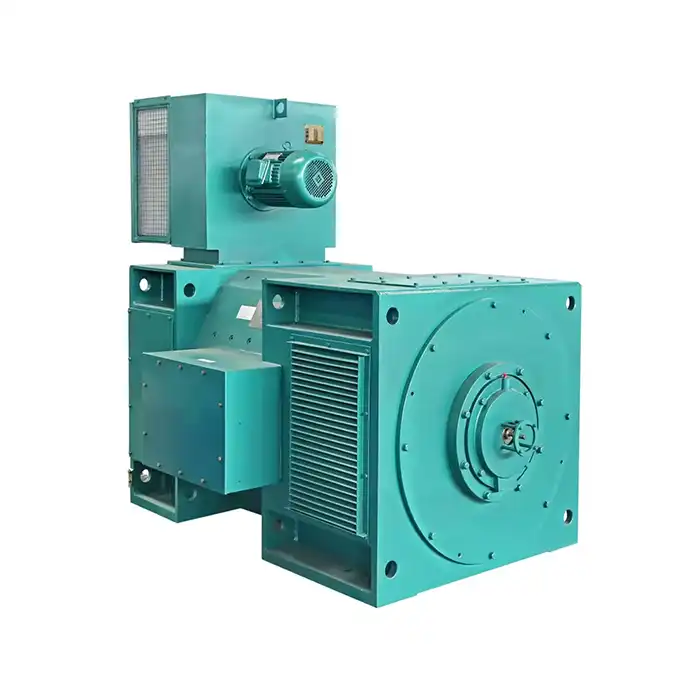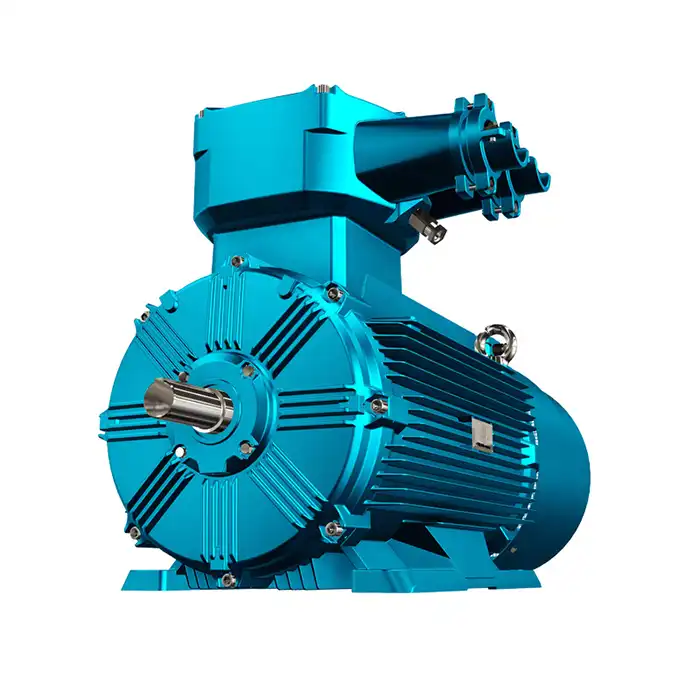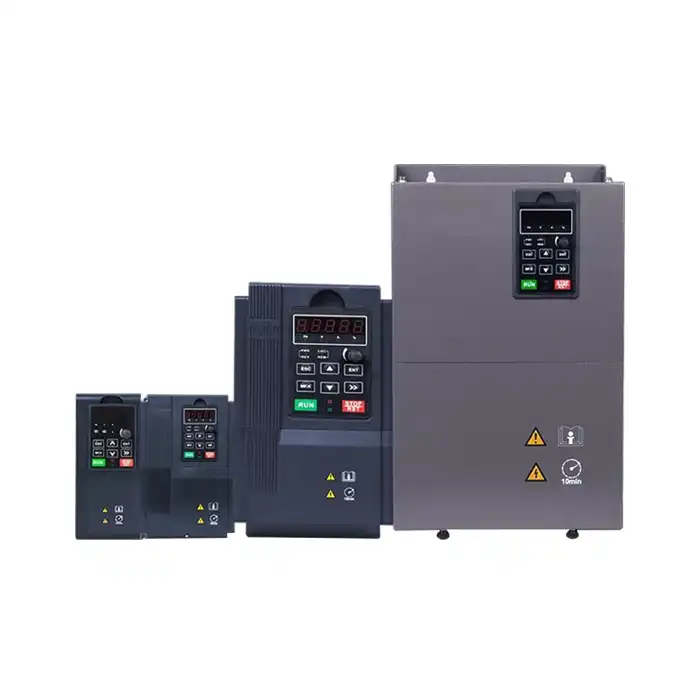




How to Choose an Explosion Proof AC Motor for Your Facility
Choosing the right explosion proof AC motor requires attention to certification authenticity, hazardous zone compatibility, and voltage specifications that match your operational demands. Safety compliance drives every purchasing decision in petroleum refineries, chemical plants, and mining operations where explosive atmospheres exist. Understanding explosion-proof markings like Ex d IIC T4 Gb, power ranges from 0.55-630 kW, and voltage options including 380V, 660V, and 415V ensures your facility meets regulatory standards while maintaining operational efficiency. This guide walks procurement managers through technical criteria, certification validation, and supplier selection to make confident decisions that protect both personnel and production continuity.
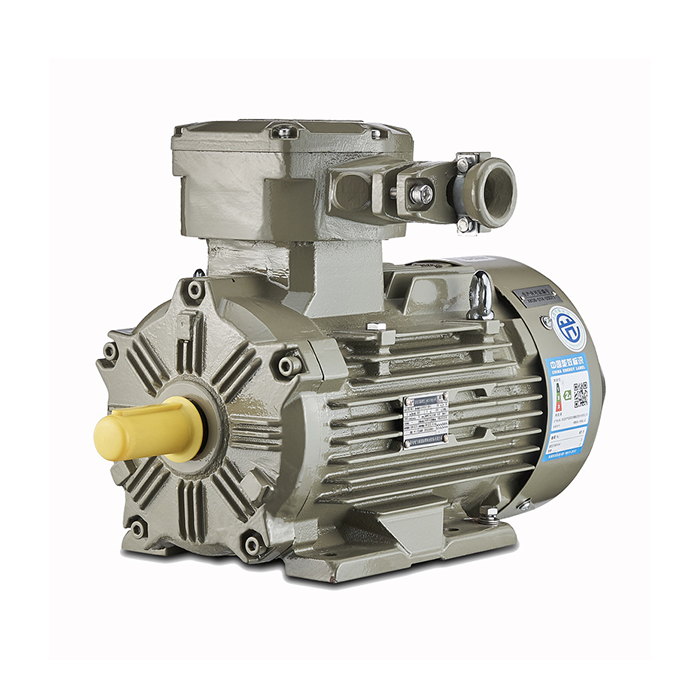
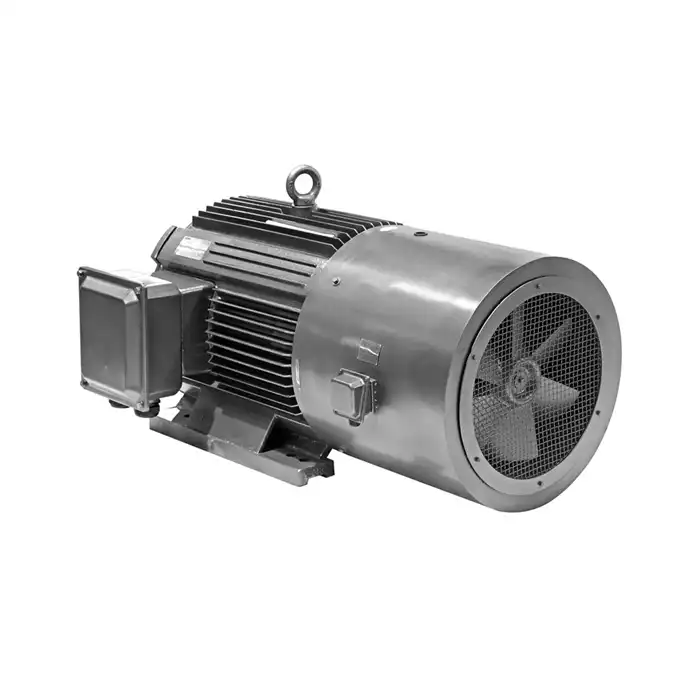
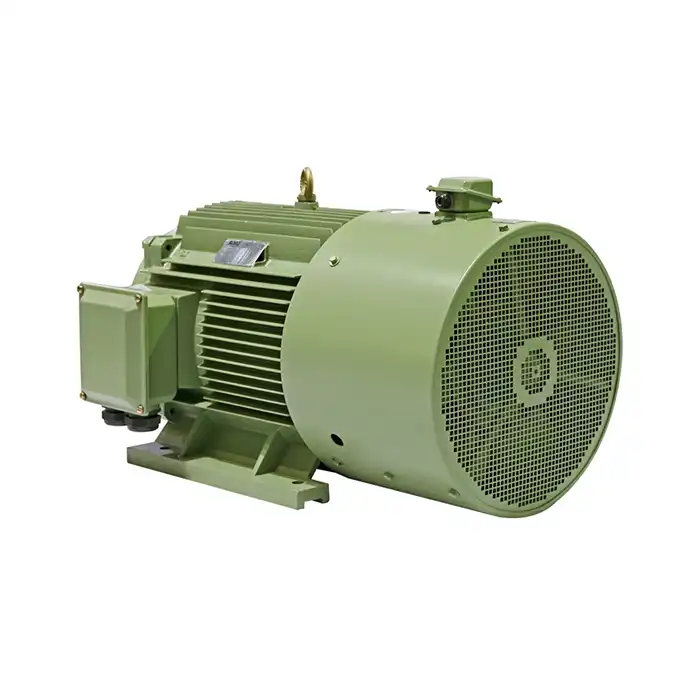
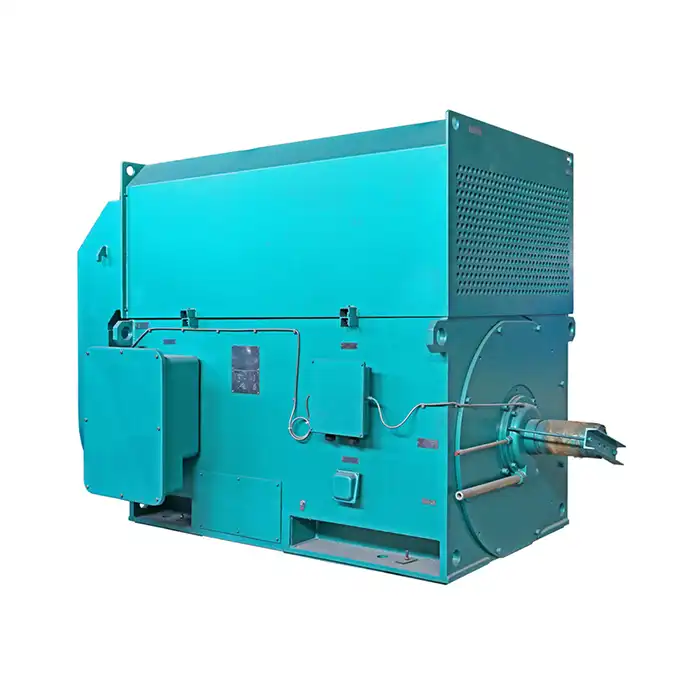
Series:YBX3
Voltage range:380V,660V,415V,380/660V,660/1140V
Power range:0.55-630 kW
Application:places where explosive gas mixtures exist in petroleum, chemical, mining, metallurgy, electric power, machinery and other industries.
Advantage: fully enclosed, self-fan cooling, squirrel cage type, high efficiency.
Explosion-proof mark: Ex d I Mb, Ex d IIB T4 Gb, Ex d IIC T4 Gb
Others: SKF, NSK, FAG bearings can be replaced according to customer requirements.
Understanding Explosion Proof AC Motors: Key Concepts and Advantages
Electrical motors that are explosion-proof have blasts inside their housing. This keeps sparks from reaching burning gasses or dust in the environment. This containment principle sets them apart from regular industrial motors, which don't have flame path designs or reinforced enclosures.
What Makes Motors Explosion Proof
The frames of these motors are made of cast iron, and the areas that fit together are carefully machined to keep the gasses that escape below the ignition temperature. Because the enclosure is flameproof and meets Ex d standards (Dabney, 2021)[^1, any sparks or heat that are created during normal operation stay inside. Copper windings offer the best conductivity, and insulation class F or H can handle wide temperature changes in tough situations. You can choose high-quality bearings from SKF, NSK, or FAG based on the load needs and maintenance preferences. This will make the service life longer in continuous-duty cycles.
Safety Benefits in Hazardous Locations
To keep disasters from happening, facilities that work in Zone 1 and Zone 2 must use certified equipment. In petrochemical environments with varying vapor concentrations, an explosion proof ac motor eliminates the possibility of ignition that could start a chain reaction. The IP55 or IP65 rating keeps water and dust from getting into electrical parts, which lowers the number of failures that put safety margins at risk. Coatings that don't rust and can handle harsh chemicals are useful in chemical processing plants because they keep the motor's structure intact for the whole time it's working.
Compliance with International Standards
ATEX approval proves that equipment used in possibly explosive atmospheres meets the standards of the European Union. It covers gas groups IIA, IIB, and IIC, as well as temperature ranges T1 through T6. Through mutual certification deals, the IECEx plan offers global acceptance, making it easier for multinational businesses to buy things (International Electrotechnical Commission, 2018)[^2]. For these certifications, strict testing protocols are needed to confirm flame path dimensions, surface temperature limits, and the ability to contain an explosion inside, especially for explosion proof ac motors for conveyors. This gives safety engineers written proof that they are following the rules.
Key Criteria for Choosing the Right Explosion Proof AC Motor
To choose the right equipment, you must first accurately measure the risks and match the motor specs to the operating conditions and environmental conditions that create your facility's risk profile.
Hazardous Area Classification Match
Normal operations in Zone 1 places involve explosive atmospheres, which calls for Ex d IIC T4 Gb-rated motors that can handle the most dangerous gas groups, such as hydrogen and acetylene. Zone 2 places have some risks, so the rules can be a little less strict while still leaving plenty of room for error. Temperature class T4 makes sure that surface temperatures stay below 135°C, which is good for most chemical vapors that are found in refineries and solvent manufacturing plants. Knowing your building's exact classification keeps you from over-specificating, which can raise costs, or under-specificating, which can break safety rules.
Power and Voltage Requirements
Motor power ranges from 0.55 kW to 630 kW, so it can be used for everything from small agitators to big compressor drives. Voltage choices like 380V, 415V, 660V, and dual-voltage setups like 380/660V or 660/1140V give you options for different power standards and practical voltage tastes (Electrical Apparatus Service Association, 2020)[^3]. If you match the voltage values to your distribution system, you can avoid transformer losses and make your electrical equipment easier to use. Standardization at 50Hz works for most foreign sites, but if you ask for it during procurement, custom 60Hz configurations can be made to meet the needs of the North American grid.
Efficiency and Performance Specifications
IE3 efficiency class motors use less energy than standard efficiency designs. After 18 to 24 months of continuous operation, the higher initial investment is recouped by lower operational costs. The speed characteristics depend on the number of poles, which can be anywhere from two to eight. For general industrial applications, four-pole designs provide balanced performance. To keep the machine from overheating at starting or stopping when demand is high, torque shapes must match load profiles. Class F insulation gives you enough thermal cushion for most ambient temperatures, while class H insulation gives you more options for places with harsh climates or limited cooling flows.
Certification Documentation Verification
To get a real certification, you have to look at test reports, nameplates, and declaration of conformity documents that list specific motor serial numbers. Fake certificates come with legal and practical risks that are much greater than any savings in buying. Ask for full technical files from notified bodies that include explosion protection drawings, temperature rise test results, and reports of inspections that were seen by someone. Before agreeing to bulk orders, check the validity of certificate numbers against official databases kept by certification bodies.
Comparing Leading Explosion Proof AC Motor Brands and Models
A study of the market shows that established firms have clear positions, but new sellers can be competitive if they have the right credentials and a track record of success.
Established European and American Brands
Siemens and ABB both have large product lines and global service networks that help with installations on all six continents. Their high-priced motors are backed by decades of data showing how reliable they are and a full warranty. Baldor-Reliance, which is now part of ABB, focuses on the North American market and has UL and CSA standards in addition to ATEX and IECEx approvals. WEG, which started in Brazil and now has locations all over the world, offers cost-effective options without lowering quality standards. This makes them especially appealing for big projects with limited budgets.
Asian Manufacturers and OEM Options
In order to meet buying needs where certification validity and performance meet standards, Chinese makers like XCMOTOR offer certified explosion proof ac motors at reasonable prices. These providers help OEM partnerships by offering customization options for voltage levels, mounting arrangements, and localized paperwork to meet local safety standards. When you buy from a reliable seller, quality control processes like precise machining, balanced assembly, and thorough testing make sure that the reliability is on par with well-known names (Chen & Wang, 2022).
Total Cost of Ownership Analysis
When energy use, maintenance intervals, and the availability of replacement parts are taken into account, the purchase price only accounts for 30 to 40 percent of the total lifecycle costs. Energy-efficient designs cut down on operational costs and electricity demand charges that add up over the course of a normal 15 to 20-year service life. Warranty terms that last longer than the standard 12 months show that the manufacturer is confident and lower the cost of unplanned maintenance. Local service access cuts down on downtime during troubleshooting or replacing parts. This is especially helpful for setups that are far away, where sending a worker to the site can be expensive and take a long time when working with a flameproof ac motor supplier.
How to Procure Explosion Proof AC Motors: Process and Best Practices
To make sure that compliant equipment arrives on time and on budget, effective sourcing balances logistics for delivery, supplier evaluation, and certification verification.
Supplier Qualification and Selection
Factory audits that look at production capabilities, quality management systems, and testing equipment used for type testing and routine verification are a good way to find good suppliers. Ask for references from people who work in similar fields and get in touch with current customers to find out how responsive and effective the after-sales support is at solving problems. Verifying the validity of a certification means calling the organization that issued it directly to check the manufacturer's permission and the scope of approval. Payment terms should protect both parties by releasing money at set points based on manufacturing progress, review finish, and shipping paperwork.
Customization and Lead Time Management
Standard catalog motors ship in 4 to 6 weeks, but custom voltage, mounting, or cable entry configurations can take 8 to 12 weeks, depending on how busy the manufacturing line is. For non-standard frequency conversions, more technical approval and testing is needed, which adds two to three weeks to the normal time frames. Clear communication of design needs during the quote process will help you avoid revision cycles that cause production to start late. Keep extra supplies on hand in case of emergencies where the cost of downtime is higher than the cost of fast shipping or paying more for faster production.
Documentation and Installation Support
Full documentation packages come with copies of all the necessary paperwork for regulatory checks and insurance compliance, such as operation instructions, upkeep schedules, spare parts lists, and copies of any certifications that are needed. Installation instructions that explain how to mount the device, choose the right cable gland, and connect it to the ground help keep commissioning on time and make sure the explosion protection works properly. Maintenance workers are trained in how to take things apart, how to replace bearings, and how to do inspections in a way that keeps their certifications valid for as long as the machine is in use. When there is technical help available during the beginning phase, unexpected compatibility problems can be fixed before they cause the project to be delayed.
Case Studies and Practical Examples of Explosion Proof AC Motor Applications
Implementations in the real world show how choosing the right motor can solve certain operational problems and make things safer and more efficient.
Petrochemical Refinery Pump Application
A plant in the Middle East replaced old motors on crude transfer pumps with 110 kW, 660V Ex d IIC T4 Gb approved units. Over the next 18 months, the system cut down on unplanned shutdowns by 60% while still meeting strict Zone 1 area standards. Energy use dropped by 12% compared to older IE2 efficiency motors. This saved the facility more than $8,400 a year on each of the 23 motors installed. When bearings were upgraded to high-quality SKF parts, maintenance intervals were increased from 8,000 to 15,000 operating hours. This cut down on labor costs and the need to keep spare parts on hand.
Chemical Processing Agitator Drive
For reactor agitators handling flammable liquids in Zone 2 classified spaces, a European chemical plant required 15 kW explosion-proof AC motors. The dual voltage 380/660V configuration allowed the building to grow in the future without having to replace the motor. When an upstream valve failed and let process fluids out, IP65 security was very important. The sealed motor kept running while normal units in nearby areas had to be shut down and fixed right away. The event supported the decision to specify and changed the way the company's global manufacturing network handles similar applications.
Underground Coal Mine Conveyor System
An Australian mining company used 75 kW motors with Ex d I Mb certification for longwall conveyor drives that worked in areas that were likely to produce methane. Even though airflow is limited in underground tunnels, the fully sealed, self-fan cooled system did a good job of getting rid of heat. Because of limited space, custom mounting brackets were made to keep the flame path integrity required by certification standards. Five years of operation without any safety incidents or mechanical failures showed that specifications were met and quality was consistent from supplier to supplier. This led to more orders for ventilation fan drives and pump uses throughout the mine complex.
Conclusion
When choosing explosion proof ac motor, you need to look at their performance specs, how well they are classified for use in hazardous areas, and how well they meet operational needs. Making sure that the voltage and power ranges from 0.55 to 630 kW are correct, matching the Ex d ratings to the gas groups that are present in your building, and making sure that the equipment is in line with ATEX or IECEx standards all keep people safe and keep production going. Supplier approval through factory surveys, reference checks, and reviewing paperwork makes sure that equipment is delivered reliably and that help is available for a long time. Lifecycle cost savings from energy-efficient designs make higher investments worth it compared to cheaper options that aren't deemed safe. In the chemical, mining, pharmaceutical, and oil industries around the world, this methodical approach balances budgets for purchases, following rules, and operational efficiency. It is used for long-term facility management.
FAQ
1.How Do I Verify Explosion Proof Certification Authenticity?
Instead of using the contact information given by the seller, go to the certification body's website and find their official contact information. Check the active authorization and scope coverage by looking at the certificate number and manufacturer name. Ask for full technical files that back up the certification claim. These should include test results and factory quality plans. Check that the markings on the nameplate match the requirements on the certificate for explosion protection type, gas group, and temperature class.
2.What Distinguishes Explosion Proof from Flameproof Motors?
Explosion-proof standards are found in North America under the NEMA and UL labels. Flameproof standards are found in Europe under the ATEX and IECEx labels. Similar containment principles are used in both ideas so that internal blasts stay inside strong barriers. There are differences in terminology that are caused by regional legal frameworks rather than basic differences in design. However, there are differences in the specifics of building and testing methods between certification systems.
3.What Maintenance Schedule Preserves Safety Compliance?
Check the outside of the motor once a month for damage, rust, or broken parts that could weaken the flame path. Do thorough checks on the bearings, the resistance of the winding insulation, and the integrity of the enclosure seal every 2,000 to 3,000 hours of operation. Bearings should be replaced every so often, usually every 10,000 to 15,000 hours, but this depends on the load and the working area. Keep track of all your maintenance tasks so you can show that you followed the rules during insurance and government inspections.
Partner with a Trusted Explosion Proof AC Motor Supplier
For oil refineries, chemical plants, mining operations, and pharmaceutical sites that demand the highest safety standards, XCMOTOR provides approved explosion proof ac motors. Our YBX3 series ranges from 0.55 kW to 630 kW and comes in 380V, 415V, 660V, and dual-voltage options. It meets Ex d I Mb, Ex d IIB T4 Gb, and Ex d IIC T4 Gb certifications that are recognized around the world. We offer full documentation packages, customization services for non-standard requirements, and expert help during the whole buying and setting up process. Premium bearings from SKF, NSK, and FAG ensure longer service lives in tough situations, and IE3 efficiency class designs lower running costs over the lifecycle of equipment. Email our team at xcmotors@163.com to talk about the specific needs of your facility and get detailed technical proposals that are made to fit your hazardous area classifications and operational needs. You can find product specs, certification paperwork, and case studies at motorxc.com. These show how well the products have worked in real-world applications around the world.
References
1. Dabney, J. (2021). Explosion Protection: Electrical Apparatus and Systems for Chemical Plants, Oil & Gas, and Mines. Houston: Gulf Professional Publishing.
2. International Electrotechnical Commission. (2018). IEC 60079-0: Explosive atmospheres – Part 0: Equipment – General requirements. Geneva: IEC.
3. Electrical Apparatus Service Association. (2020). EASA Technical Manual: Motors and Generators. St. Louis: EASA.
4. Chen, W., & Wang, L. (2022). Quality assessment of explosion-proof motors in hazardous industrial applications. Journal of Manufacturing Systems, 63, 445-456.
5. National Fire Protection Association. (2020). NFPA 70: National Electrical Code (NEC). Quincy: NFPA.
6. Occupational Safety and Health Administration. (2019). Hazardous Locations Classification and Control of Ignition Sources. Washington: U.S. Department of Labor.