



Why do VFDs use dedicated variable frequency motors? Detailed Explanation
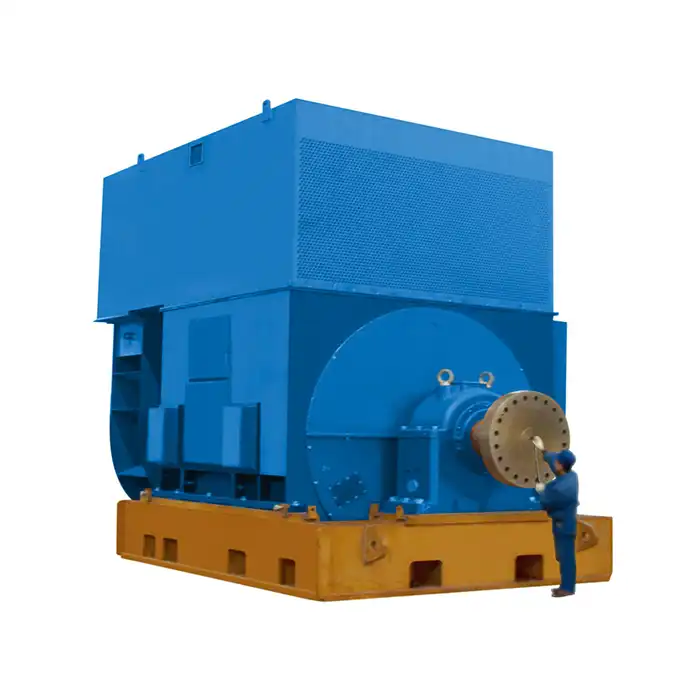
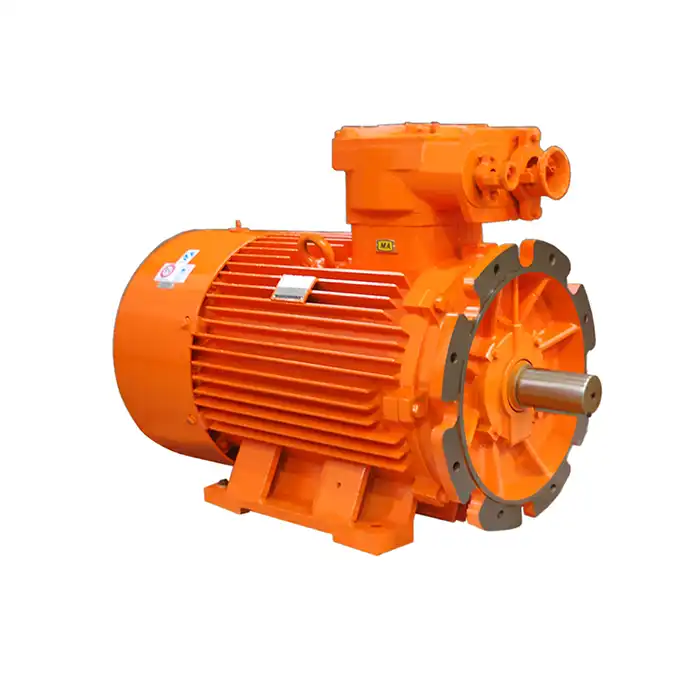
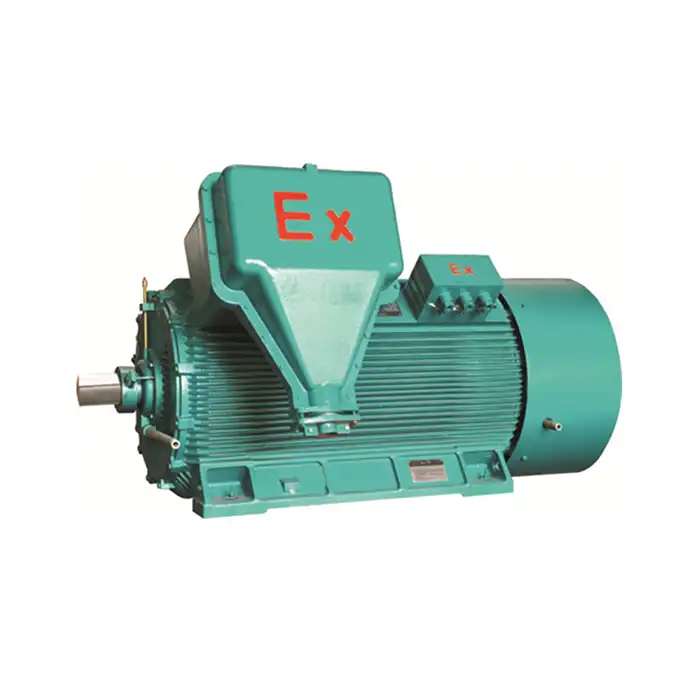
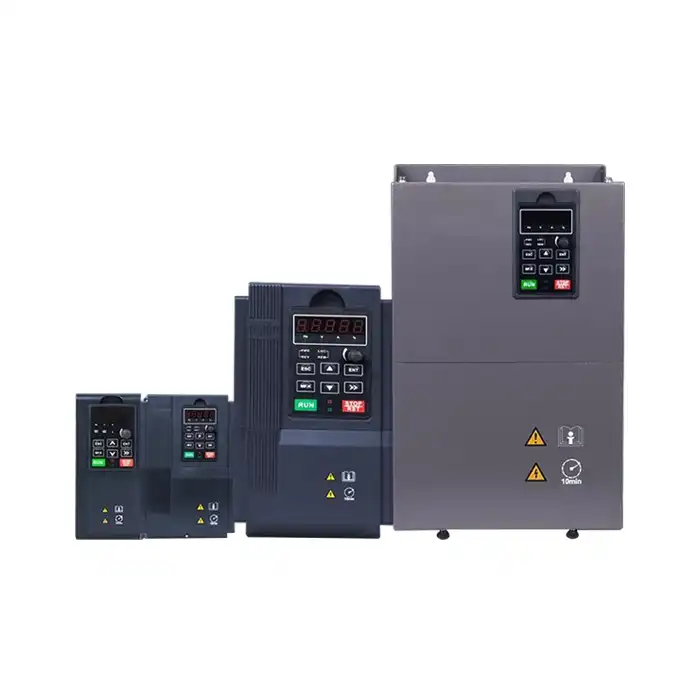
Variable frequency drives (VFDs) require dedicated inverter duty induction motor systems because standard motors cannot withstand the unique electrical and thermal stresses generated by PWM inverter technology. These specialized motors feature enhanced insulation systems, reinforced bearings, and optimized cooling designs that handle voltage spikes, harmonic distortion, and rapid speed variations inherent in VFD applications. Without proper motor selection, premature failure becomes inevitable in demanding industrial automation environments.
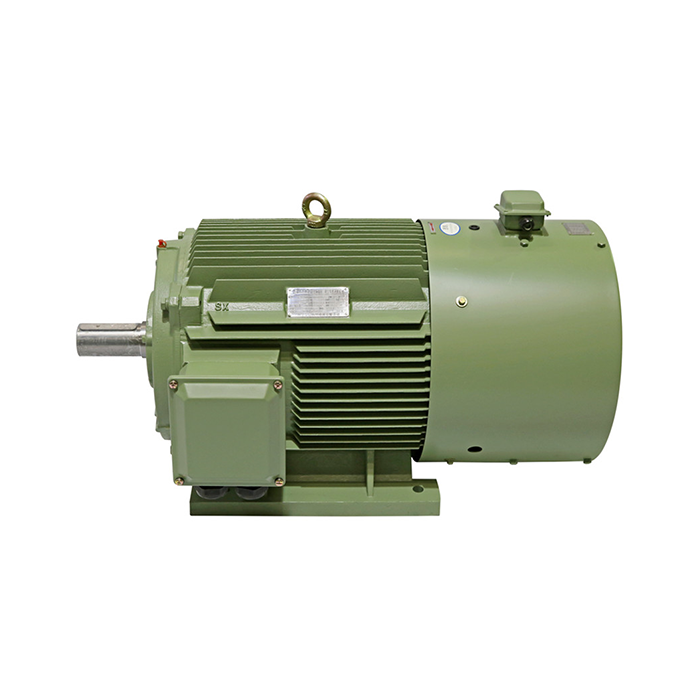
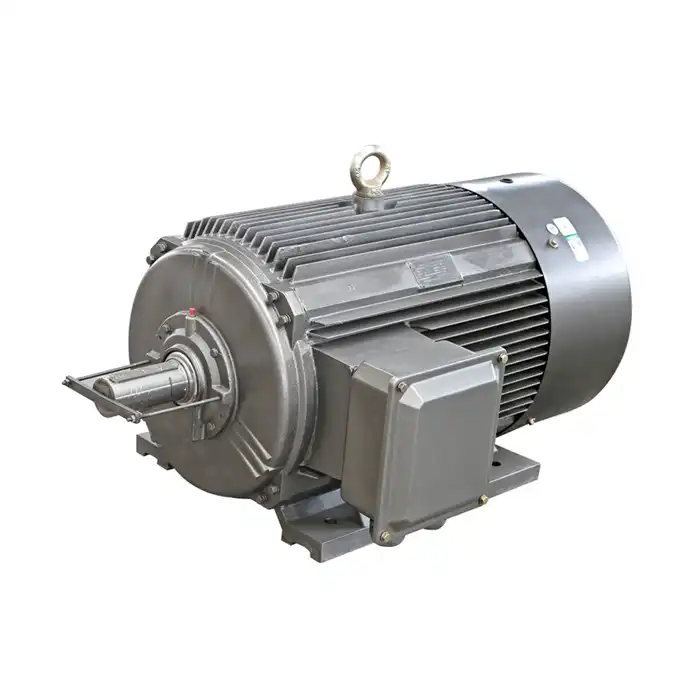
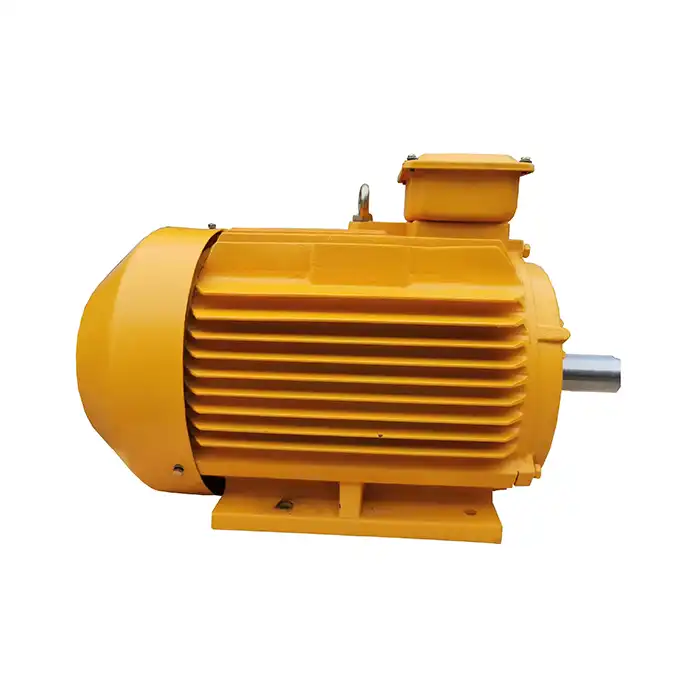
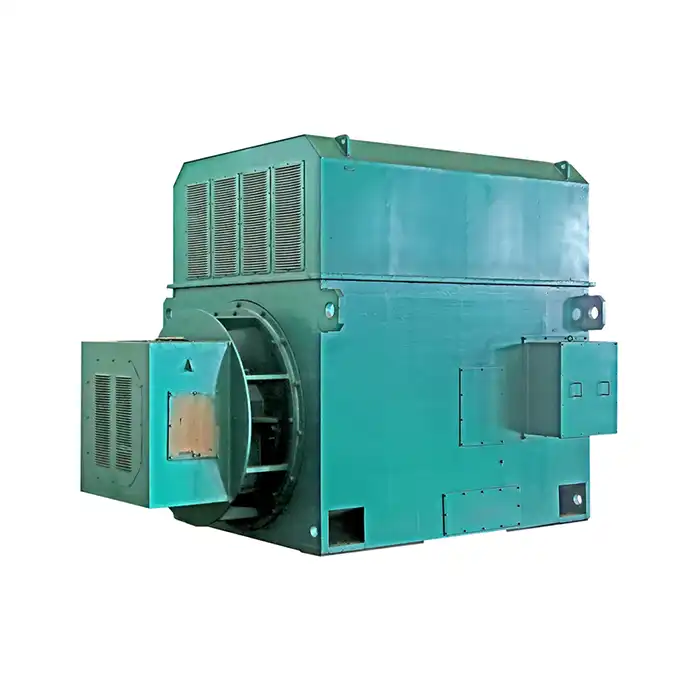
Series:YVFE3
Frequency conversion range:30hz~50hz,5hz~70hz,5hz~100hz
Power range:0.75-1000kW
Protection level:IP55
Application:are suitable for driving various mechanical equipment that require continuous and frequent forward and reverse rotation, such as steel rolling, lifting, transportation, machine tools, printing and dyeing, papermaking, chemicals, textiles, pharmaceuticals, etc., and can be used with various domestic and foreign variable frequency power supplies.
Advantage:high efficiency, wide speed range, high precision, stable operation, and easy operation and maintenance.
Certificate:installation dimensions comply with International Electrotechnical Commission (IEC) standards.
Others: SKF, NSK, FAG bearings can be replaced according to customer requirements.
Understanding the Fundamental Differences Between Standard and Variable Frequency Motors
Variable frequency drives (VFDs) produce an electrical environment that offers issues that conventional motors were never intended to be able to manage. In order to regulate the speed of a motor, a pulse width modulator (PWM) inverter provides fast voltage changes, which in turn create reflected waves inside the motor windings. These occurrences have the potential to generate voltage spikes that are twice as high as the DC bus voltage, which may lead to insulation failure in conventional motors.
Class B insulation, which is certified for temperatures up to 130 degrees Celsius, is generally used in standard squirrel cage motors. On the other hand, inverter-rated motors utilize Class F or Class H insulation systems, which are able to handle temperatures up to 180 degrees Celsius. This increased thermal capacity proves to be critical when motors are operating at low speeds, which results in a considerable loss in cooling efficiency.
The winding arrangements of motors are also significantly different between conventional designs and those that are compatible with VFDs. As part of its design, inverter duty induction motors feature magnet wire that has increased insulation thickness and qualities that are resistant to corona. Whenever winding insulation is subjected to high-frequency switching patterns that are characteristic of current drive systems, these advances prevent partial discharge events from occurring. These phenomena eventually damage winding insulation.
Electrical Stress Management in VFD Applications
The presence of harmonic distortion is one of the most critical issues that motors must contend with while operating in surroundings with fluctuating frequencies. The total harmonic distortion (THD) levels that are generated by standard drives are normally between 30 and 50 percent, which results in extra heating inside the motor cores and windings involved. If appropriate mitigation methods are not adopted, this thermal stress will inevitably shorten the lifetime of the motor and lower its efficiency.
When fast-rising pulses of pulse width modulation (PWM) come into contact with impedance mismatches between the drive output and the motor terminals, voltage reflection events occur. Reflection magnitude is affected by a number of factors, including switching frequency, motor inductance, and cable length. Motors that have been developed expressly for the functioning of variable frequency drives (VFDs) have improved turn-to-turn insulation that is able to tolerate these transient overvoltages.
In production settings that are particularly sensitive, the electromagnetic interference (EMI) that is produced by fast switching contributes to the creation of extra issues. characteristics such as enhanced grounding systems and lower bearing currents are included in a motor design that is appropriate. These characteristics help to prevent electromagnetic interference (EMI) propagation while also safeguarding important automation equipment from interference.
Bearing Protection and Shaft Current Mitigation
Electrical discharge machining (EDM) is a kind of damage that may be caused by modern variable frequency drives (VFDs) because they generate common-mode voltages that produce circulating currents through motor bearings. In industrial settings, this issue manifests itself as icing or fluting occurring on bearing races, which results in premature failure and higher expenses associated with maintenance.
There are many bearing protection systems that are included into inverter duty induction motors. Insulated bearings on the portion of the shaft that is not being driven break the electrical circuit, so inhibiting the passage of shaft current. Conductive grease, shaft grounding brushes, and ceramic bearing inserts are some of the several methods that may be used, depending on the needs of certain applications.
Additionally, advanced motor designs include rotor balance that has been adjusted and bearing systems that have been improved so that they are able to handle the mechanical stress changes that are inherent in applications that need changing speed. These enhancements emerge as especially significant in the context of process control applications, where it is critical to ensure smooth operation over a broad variety of speed ranges.
Thermal Management and Cooling System Optimization
Conventional motors rely on shaft-mounted fans for cooling, creating a direct relationship between motor speed and cooling capacity. As motor speed decreases under VFD control, cooling efficiency drops proportionally, potentially causing thermal damage in continuous low-speed applications.
Inverter duty induction motors often incorporate independent cooling systems or improved heat dissipation designs that maintain adequate thermal protection across the entire speed range. Enhanced cooling becomes particularly critical in applications requiring high starting torque or frequent speed changes where thermal cycling accelerates insulation aging.
Motor cooling system design also addresses the additional heat generated by harmonic currents flowing through motor windings. Improved ventilation patterns and thermal monitoring capabilities help maintain safe operating temperatures even under demanding load conditions typical of manufacturing and process control environments.
Torque Performance and Speed Control Capabilities
Standard motors experience significant torque ripple when operated with VFDs, particularly at low speeds where the fundamental frequency approaches the switching frequency. This phenomenon creates mechanical vibrations that can damage driven equipment and reduce system precision in applications requiring smooth motion control.
Inverter duty induction motor feature optimized rotor designs that minimize torque ripple and provide consistent performance across wide speed ranges. These improvements prove essential in applications like conveyor systems, pumps, and machine tools where precise speed control directly impacts product quality and operational efficiency.
The capability to provide full-rated torque at zero speed represents another crucial advantage of dedicated VFD motors. This characteristic enables precise positioning and high starting torque applications without the need for mechanical speed reduction systems, simplifying machine design while improving overall system efficiency.
Application-Specific Benefits Across Industries
Manufacturing environments benefit significantly from the improved reliability and performance characteristics of properly matched motor-drive combinations. Automotive production lines, electronics assembly, and food processing operations rely on consistent motor performance to maintain quality standards and minimize unplanned downtime.
HVAC and refrigeration systems gain energy efficiency improvements when using optimized motor-drive packages. The ability to match motor speed precisely to load requirements reduces energy consumption while maintaining comfort levels in commercial and residential buildings.
Power generation and renewable energy applications demand the robust construction and wide speed range capabilities that dedicated VFD motors provide. Wind turbine generators, water treatment pumps, and utility-scale compressor systems all benefit from the enhanced durability and performance characteristics of properly specified equipment.
Power Factor Correction and Energy Efficiency Considerations
Modern VFDs incorporate power factor correction capabilities that work optimally when paired with appropriate motor designs. The combination of advanced drive algorithms and motor characteristics specifically optimized for variable frequency operation can achieve power factors exceeding 0.95 across wide load ranges.
Energy efficiency improvements typically range from 10-30% compared to conventional motor control methods like throttling valves or mechanical speed control systems. These savings compound over motor lifespan, often justifying the initial investment in premium efficiency equipment through reduced operating costs.
Regenerative braking capabilities available in many VFD systems require motors designed to handle reverse power flow safely. This feature proves particularly valuable in applications with frequent deceleration cycles, such as elevators, cranes, and material handling systems where energy recovery improves overall system efficiency.
Dynamic Response and Precision Control Requirements
Dedicated inverter duty induction motors provide improved dynamic response qualities, which are advantageous for applications that need quick acceleration and deceleration. The combination of better magnetic design and increased rotor inertia makes it possible to respond more quickly to speed orders while still preserving the stability of the system.
The applications of precision positioning in robotics and automation systems need motors that are able to operate smoothly at very low speeds without cogging or producing torque output that is erratic. Enhanced low-speed performance characteristics are achieved by the use of specially designed motors that integrate features such as increased pole counts and magnet configurations that have been tuned.
In dynamic applications, where momentary torque demands may surpass typical operating levels, overload capacity is another important factor to take into account. In general, variable frequency motors are able to deliver overload capacity ranging from 150 to 200 percent for lengthy periods of time, which allows them to meet the stringent obligations of contemporary industrial automation systems.
Conclusion
The integration of dedicated variable frequency motors with VFD systems delivers substantial benefits across diverse industrial applications. Enhanced insulation systems, improved thermal management, and optimized electrical designs ensure reliable operation while maximizing energy efficiency and equipment lifespan. Understanding these technical advantages enables informed decisions that optimize both performance and total cost of ownership in modern automation environments.
Choose XCMOTOR for Your Inverter Duty Motor Needs
XCMOTOR stands as a trusted inverter duty induction motor supplier, offering comprehensive power equipment solutions engineered for demanding VFD applications. Our extensive product range covers 0.75-1000kW with superior thermal protection and enhanced bearing systems. Contact xcmotors@163.com today to discuss your specific requirements and discover how our expertise can optimize your operational efficiency.
References
- Chapman, S.J. (2012). Electric Machinery Fundamentals, 5th Edition. McGraw-Hill Higher Education, New York.
- Institute of Electrical and Electronics Engineers (2014). IEEE Standard 519-2014: Recommended Practice and Requirements for Harmonic Control in Electric Power Systems. IEEE Press, Piscataway.
- National Electrical Manufacturers Association (2016). NEMA MG 1-2016: Motors and Generators Standards. NEMA Publications, Rosslyn.
- Toliyat, H.A. & Kliman, G.B. (2018). Handbook of Electric Motors, 2nd Edition. CRC Press, Boca Raton.
- ABB Technical Guide (2019). Low Voltage Process Performance Motors for Inverter Applications. ABB Motors and Mechanical Inc., Fort Smith.
- Krishnan, R. (2017). Electric Motor Drives: Modeling, Analysis, and Control. Prentice Hall, Upper Saddle River.