



Where to Find Reliable Low Voltage AC Motors?
It is very hard for procurement Low Voltage AC Motor professionals in the manufacturing, HVAC, energy utilities, and automation sectors to find reliable Low Voltage AC Motor suppliers. Reliability is a must for long-term production and operational uptime because these motors power important machines like water treatment pumps, compressors, and conveyor systems. Unexpected motor failure can cost a business a lot of money, cause shipments to be late, and make relationships with customers worse.This detailed guide answers the most important questions that engineers, purchasing managers, and OEM clients have when they are looking for reliable motor sources. We look at the technical specs that tell us if a motor is right for the job, the credentials and certifications of the suppliers that promise quality, and the best ways to buy things that minimize risk and maximize value. Whether you're looking for motors for a one-time retrofit project or setting up long-term supply agreements, knowing where and how to find reliable partners has a direct effect on how well and how much money your business makes. The next few insights combine best practices in the industry with useful evaluation criteria to help you make confident, well-informed decisions about procurement.

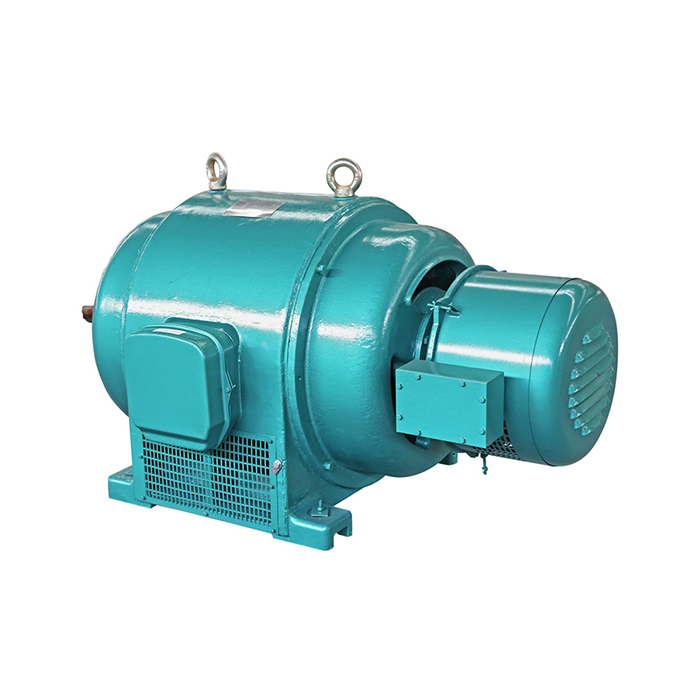
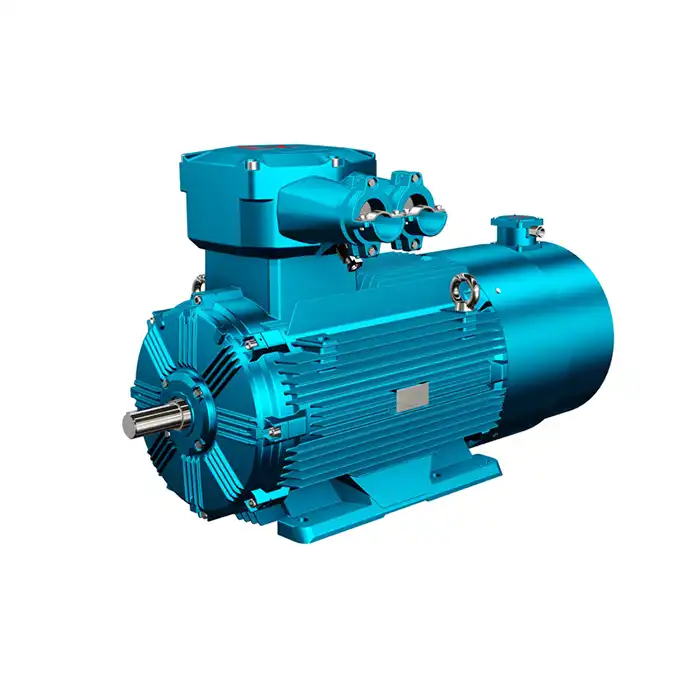
Series:YRQ
Voltage range:380V±5%
Power range:45-800kW
Protection level:IP23
Application:YRQ(JR) series medium-sized motors can drive a variety of different machinery, such as fans, compressors, water pumps, crushers, ball mills, cutting machine tools, transportation machinery and other equipment, and can be used in coal mines, machinery industries, power plants and various industrial and mining enterprises. Used as prime mover.
Advantage: The JR series medium-sized motors have very powerful driving capabilities and can not only drive conventional mechanical equipment, but also some complex mechanical equipment. For example, it can drive heavy machinery such as ships, cranes, and wind turbines, as well as small household appliances, purifiers, compressors, etc.
Others: SKF, NSK, FAG bearings can be replaced according to customer requirements.
Understanding Low Voltage AC Motors
Core Operating Principles and Voltage Classifications
Low Voltage AC Motor solutions usually work with voltages between 220V and 690V, but the exact ranges depend on regional standards and the needs of the application. These motors work with electromagnetic induction, which means that alternating current makes magnetic fields that spin and move the rotor. The "low voltage" label sets them apart from high voltage equipment that is more than 1,000V, making them safer and easier to use in normal industrial settings.The main part of the design is the stator windings, which create magnetic flux when they are turned on. Three-phase configurations are most common in industrial settings because they deliver balanced power and work efficiently. Single-phase configurations are used for smaller equipment and home systems. With frame sizes from 80 to 450 and power outputs from 0.75kW to 1,000kW, our YE3 series motors are a great example of this. They can be set up with 380V, 400V, 415V, or 660V.
Motor Types and Industrial Configurations
In industrial settings, squirrel cage induction motors are the most common type. Their rotors are made of conductive bars that are short-circuited by end rings. They don't have any brushes or slip rings, so they don't need any maintenance. This strong architecture works well for continuous-duty uses in factories, processing centers, and systems that move things around. Since there are no wearing contact parts, there are longer periods between service visits and lower lifecycle Low Voltage AC Motor costsEven though wound rotor motors aren't very common, they can help with speed control in certain situations where variable torque is needed. When comparing power density and efficiency, three-phase motors are better than single-phase motors. This is why they are the best choice for industrial machinery, pumps, fans, and compressors. Protection level IP55 enclosures keep dust and water jets from getting into internal parts, so they work reliably in harsh environments like food processing and farming equipment.
How to Identify and Source Reliable Low Voltage AC Motors
Performance Metrics and Certification Requirements
The first step in figuring out how reliable a Low Voltage AC Motor is is to compare its technical specs to what your application needs. With the right service factors, power ratings must meet or beat load requirements. Ratings for thermal class show how well the winding can insulate over a long period of time, while duty cycle classifications (S1 continuous, S2 short-time, etc.) show what kinds of loads are allowed. Looking at the nameplate data shows voltage tolerances, frequency compatibility, and efficiency ratings that have a direct effect on the costs of doing businessCertifications are objective proof of the quality of the product and compliance with regulations. Internationally, the IEC 60034 series of standards sets the rules for motor performance characteristics, testing methods, and efficiency classifications. The CE mark shows that the product meets European standards for safety, health, and the environment. UL listings make sure that safety standards in North America are met. Three levels of energy efficiency—IE2, IE3, and IE4—rate motor performance against a standard set of parameters. Higher grades save energy over the life of the equipment.
Supplier Reputation and Support Infrastructure
Product lines from well-known brands are the result of decades of engineering improvement and strict quality control. Businesses that have been around for a long time show a strong dedication to ongoing technological progress, customer service, and the availability of spare parts. We at Shaanxi Qihe Xicheng Electromechanical Equipment Co., Ltd. have been making motor solutions for 20 years, combining production know-how with quick technical support.Transactional vendors are different from reliable suppliers because they don't offer after-sales service. Full warranty protection keeps your investment safe from early failures and mistakes in the manufacturing process. Throughout the lifecycle of a motor, technical support teams should offer application engineering advice, help with installation issues, and maintenance suggestions. Genuine replacement bearings, such as those made by SKF, NSK, and FAG, ensure long-term use without lowering performance standards.
Comparing Low Voltage AC Motors: Making the Right Choice
Motor Technology Comparisons
There are many ways in which AC induction motors are better than DC motors. AC designs don't use brushes or commutators, which means they don't need as much maintenance and can go longer between service visits. In the past, DC motors were better at controlling speed, but today's variable frequency drives give AC motors the same level of control flexibility at lower maintenance costs. Because they are easier to build, Low Voltage AC Motor designs usually have lower initial costs and are more reliable in continuous-duty applications.Inverter-duty motors have better insulation systems that can handle the voltage spikes and harmonics that variable frequency drives produce. Standard motors may have early winding failures when they are exposed to inverter waveforms. This is why inverter-rated designs are necessary for VFD applications. For robotics and CNC machines, servo motors provide precise position control and fast acceleration. However, their complexity and cost make them too expensive for constant-speed applications like fans and pumps.
Energy Efficiency and Operating Cost Analysis
IE3 efficiency classifications are big steps forward from older motor designs Low Voltage AC Motor because they turn more of the electricity that goes into them into mechanical output while losing as little heat as possible. Energy use makes up most of a motor's lifecycle costs, which often go over the initial purchase price in the first year of continuous use. When you go from IE1 to IE3 efficiency, you use about 15 to 20 percent less electricity, which saves you money and makes the higher price worth itRegional electricity rates, annual operating hours, and load profiles must all be taken into account in operational cost analyses. When motors run continuously at their rated capacity for thousands of hours a year, small differences in efficiency add up to big financial effects. When efficiency improvements are made in places that work multiple shifts, they see the biggest return on their money.Noise levels affect working conditions and following the rules. Standard induction motors make electromagnetic hum and mechanical vibrations that might need to be blocked out with soundproofing or vibration isolation in places where noise is a problem. In addition to the motor's own characteristics, the overall system noise level is affected by how the motor is mounted, how rigid the foundation is, and how straight the couplings are.
Practical Guide to Procuring Low Voltage AC Motors
Specification Development and RFQ Preparation
Mismatches that hurt performance or cost a lot to fix are avoided by giving accurate Low Voltage AC Motor specifications. Start by writing down the characteristics of the mechanical load, such as the torque needs, speed ranges, and duty cycles. Find the mounting options, shaft sizes, and connection orientations that work with the equipment that is already in place. Ratings for enclosures and thermal design are affected by things like ambient temperature ranges, altitude, and exposure to moisture or contaminants.The electrical parameters must match the power supplies that are available. At the installation sites, check the voltage levels, frequency standards (50Hz or 60Hz), and phase configurations. The limitations of the starting method—direct-on-line, star-delta, soft starter, or VFD—affect the needs for motor design and the way the terminals are set up. Service factor margins give operations extra room to handle occasional overloads without going over their thermal limits.These requirements should be summed up in request for quotation documents as clear technical requirements.
Supplier Vetting and Verification
Online research is a good way to find potential suppliers and quickly evaluate them. Websites for businesses show their product lines, technical skills, and where they stand in the market. Case studies and testimonials from customers show that you have experience with applications that are relevant to your industry. Third-party review sites and industry forums let people give honest opinions on how responsive suppliers are, the quality of products they offer, and how they solve problems.Verification of certification makes sure that suppliers keep their quality system registrations and product approvals up to date. Ask for copies of the ISO 9001 quality management certificates, reports on testing products, and documents that prove they are efficient. Real manufacturers are happy to show proof of the quality claims they make, but resellers might not have direct access to manufacturing quality recordsReference checks with current customers can give you information about how to build long-term relationships with suppliers. Ask how quickly technical support responds, how warranty claims are handled, and how the product performs consistently across multiple orders. Finding out how suppliers deal with quality issues and production problems shows how committed they are to customer satisfaction beyond the sales transaction.
Maintenance and Troubleshooting Tips for Long-Term Reliability
Preventive Maintenance Protocols
Schedules for regular inspections find new Low Voltage AC Motor problems before they become major problems. Visual checks show that there are loose mounting bolts, broken cable entryways, and buildups of debris that block the flow of cool air. Thermal imaging shows hot spots that could mean there are problems with the windings, the bearings, or the air flow. Vibration monitoring finds worn bearings, misaligned shafts, and unbalanced loads that speed up the breakdown of mechanical parts.Checks for wiring integrity make sure that connections are tight at control interfaces, junction boxes, and terminal blocks. When electrical resistance goes up, heat is generated by loose connections. This damages insulation and makes fires more likely. It is possible to find problems with the power quality upstream or motor winding asymmetries by measuring the phase balance. This makes sure that the current flows evenly across three-phase systems. Insulation resistance testing with megohm meters checks the condition of the windings and finds signs of moisture getting in and insulation wearing down before they break.
Common Issues and Diagnostic Approaches
Starting problems are more often caused by problems with the power supply than by problems with the motor itself. Check to see if and how much voltage is present at the motor's terminals while it is trying to start. Before you think the motor is broken, check the control circuit fuses, the settings for the overload relay, and how the contactor works. Single-phasing conditions, in which one supply phase fails, make it impossible to start the motor and damage the windings if they are not found. This is why phase monitoring is so important in three-phase installations.If the temperature rises above the nameplate limits, it means there are problems that need to be fixed right away. Operating temperatures rise when ventilation is blocked, when the ambient temperature changes, and when the system is constantly overloaded. Check that cooling fans work on designs that are ventilated from the outside. Compare the actual load current to the nameplate ratings and look into any changes in the upstream process that may have caused mechanical loads to rise above the original specifications.
Conclusion
Finding reliable Low Voltage AC Motor solutions means finding a balance between technical requirements, supplier credentials, and the ability to provide long-term support. This guide has looked at how voltage classifications, motor types, and efficiency standards affect which applications are best for manufacturing, HVAC, utilities, and other specific fields. Reliable procurement includes more than just making the decision to buy something. It also includes checking certifications, customizing processes, and maintenance plans that make the most of the equipment's useful life.A good motor choice matches the electrical features with the mechanical loads and thinks ahead to what the system will need in the future. Global procurement comes with some risks, but they can be kept to a minimum by building partnerships with suppliers based on open communication, broad warranties, and quick technical support. By using the evaluation criteria and best practices described here, your company can be sure to find motor suppliers who offer high-quality products at reasonable prices and the specific knowledge your applications need.
FAQ
1. What voltage range defines low voltage AC motors?
Low Voltage AC Motor units usually work between 220V and 690V, but this can be different depending on the standards in your area. In the United States, this label is usually given to systems that are less than 600V. Our YE3 series can work with 380V, 400V, 415V, and 660V, so it can meet the needs of a wide range of industrial facilities with different power supply standards. For most manufacturing, HVAC, and process control applications, this voltage range strikes a good balance between safety, efficiency, and infrastructure compatibility.
2. How can I compare different motor suppliers effectively?
Check out several things about a supplier, such as their product certifications, manufacturing experience, technical support infrastructure, and customer references. Ask for proof that the quality management systems, efficiency ratings, and IEC compliance are being followed. Compare the warranty terms, the ability to make changes, and the availability of spare parts. Check how responsive they are to communication and how willing they are to offer application engineering support. Shaanxi Qihe Xicheng Electromechanical Equipment Co., Ltd. keeps its specifications clear and makes technical resources easily accessible so that customers can make smart comparisons.
3. What are typical lead times for standard and custom motors?
Standard catalog motors with common frame sizes and power ratings can usually be sent out within days if the supplier keeps them in stock. Custom configurations that need engineering changes usually take 4 to 8 weeks, which includes validating the design, getting the parts, and making the product. Timelines may be pushed back even more if there are a lot of complex customizations or orders. By telling suppliers about delivery needs early on in the procurement process, you can help them prioritize production schedules and coordinate logistics, which will help you finish your projects on time.
Partner with XCMOTOR for Your Low Voltage AC Motor Requirements
As a manufacturer and supplier of Low Voltage AC Motor products with a lot of experience, XCMOTOR (Shaanxi Qihe Xicheng Electromechanical Equipment Co., Ltd.) is ready to help you with your motor needs. Our YE3 series offers IE3 efficiency across power ranges from 0.75kW to 1,000kW. It is certified by IEC60034-30 and protected by IP55, making it suitable for harsh industrial settings. We offer customization services that are made to fit your needs, such as premium bearing upgrades and voltage changes. Email our technical team at xcmotors@163.com to talk about the needs of your application. We offer competitive prices for large orders, fast delivery options, and full support, including advice on how to install and maintain your products. Our dedicated support goes beyond the initial sales, making sure you get help on both Saturday and Sunday when you need it most.
References
1. Chapman, Stephen J. Electric Machinery Fundamentals, Fifth Edition. McGraw-Hill Education, 2012.
2. International Electrotechnical Commission. IEC 60034-30-1: Rotating Electrical Machines – Part 30-1: Efficiency Classes of Line Operated AC Motors, 2014.
3. National Electrical Manufacturers Association. NEMA MG 1: Motors and Generators, 2021 Revision.
4. Bonnett, Austin H. Root Cause AC Motor Failure Analysis. IEEE Press, 2009.
5. Andreas, John C. Energy-Efficient Electric Motors: Selection and Application, Second Edition. Marcel Dekker, 1992.
6. Handbook Committee, IEEE Power and Energy Society. IEEE Std 112: Standard Test Procedure for Polyphase Induction Motors and Generators, 2017.