



Smart Buying Guide for Low Voltage AC Motors
You need to know what you need to do, how efficient you need to be, and what the supplier can do in order to choose the right Low Voltage AC Motor. This type of motor is used in renewable energy, HVAC systems, manufacturing, and process control. It works with voltages below 1000V. To make smart buying decisions, you should compare technical specs with long-term dependability, energy savings, and supplier support. This way, you can be sure that your equipment will always work and that costs and downtime will be kept to a minimum.

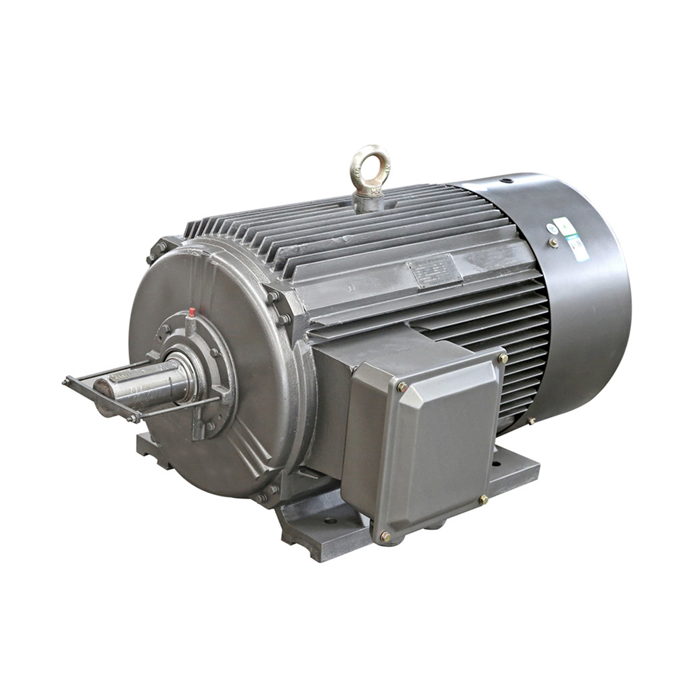
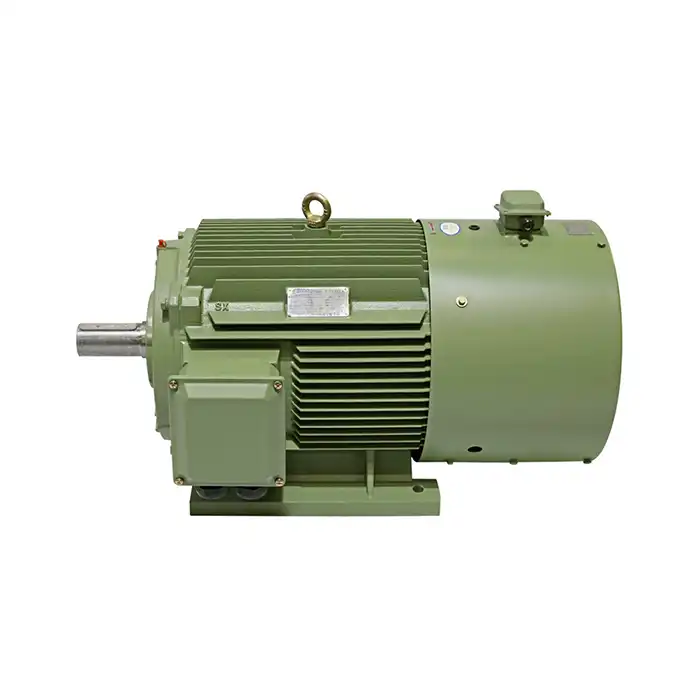
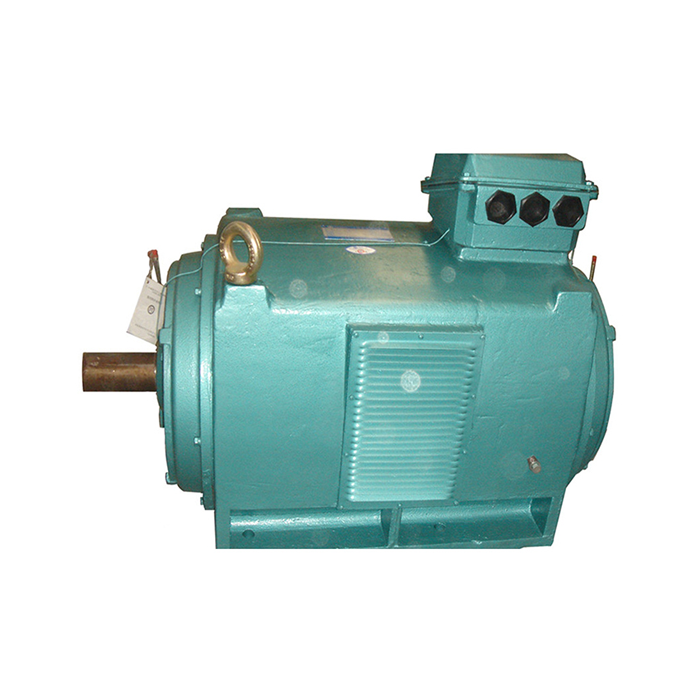
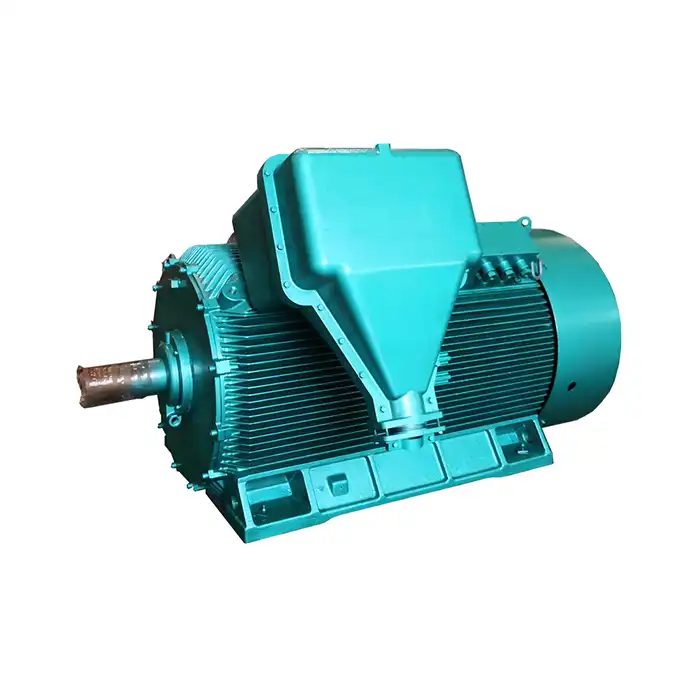
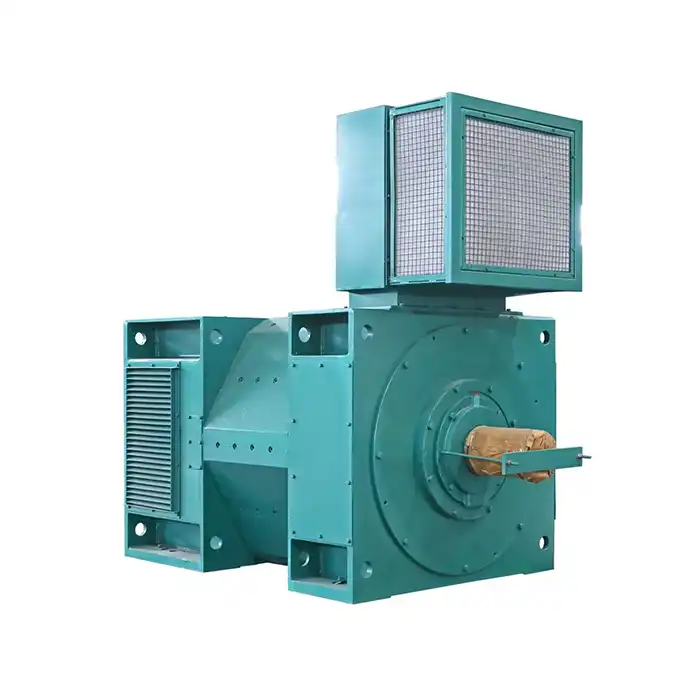
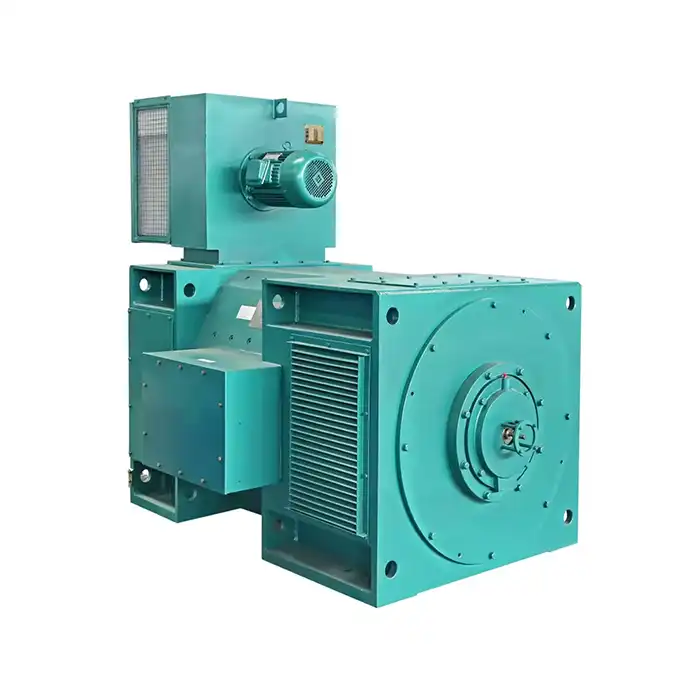
Series:YRQ
Voltage range:380V±5%
Power range:45-800kW
Protection level:IP23
Application:YRQ(JR) series medium-sized motors can drive a variety of different machinery, such as fans, compressors, water pumps, crushers, ball mills, cutting machine tools, transportation machinery and other equipment, and can be used in coal mines, machinery industries, power plants and various industrial and mining enterprises. Used as prime mover.
Advantage: The JR series medium-sized motors have very powerful driving capabilities and can not only drive conventional mechanical equipment, but also some complex mechanical equipment. For example, it can drive heavy machinery such as ships, cranes, and wind turbines, as well as small household appliances, purifiers, compressors, etc.
Others: SKF, NSK, FAG bearings can be replaced according to customer requirements.
Understanding Low Voltage AC Motors: Basics and Key Features
Defining Industrial Voltage Standards
In industrial settings, motors that use less than 1000V are usually thought of as Low Voltage AC Motor equipment. In this range, there are standard configurations for 380V, 400V, 415V, and 660V. Power distribution systems in factories, businesses, and utility companies can work with these voltages. There are safety rules, how to wire things, and protection systems that depend on the voltage classification. When compared to medium and high voltage systems, working within these limits is naturally safer. This means there are fewer risks during installation, maintenance, and emergencies.
Motor Types and Configurations
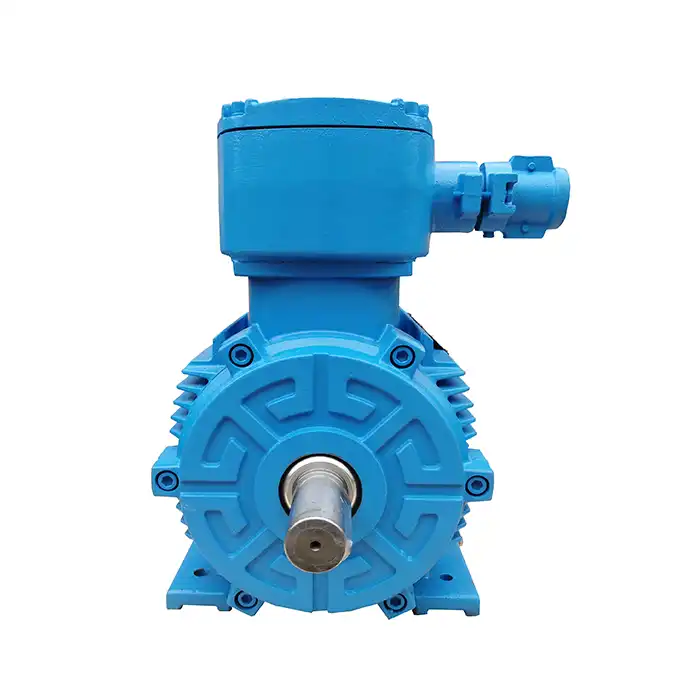
In trade, three-phase acceptance engines are the most common sort since they are solid and do not require much upkeep. The YE3 arrangement is an awesome illustration of how cutting edge plan can be. Outline sizes extend from 80 to 450 mm, and control yields run from 0.75 kW to 1000 kW. You do not require any other frameworks to get these squirrel cage acceptance engines going. They have unfaltering torque indeed when the stack changes. In places where three-phase control isn't accessible, single-phase setups are utilized for HVAC in homes and for small trade errands. Acceptance engines make up a greater portion of the showcase, but synchronous engines are still utilized for a small portion of manufacturing strategies that require exact speed control.
Efficiency Standards and Energy Performance
When it comes to running costs over the life of an engine, vitality effectiveness has a direct impact. IEC60034-30 is a universal standard for single-speed three-phase squirrel cage acceptance engines, and IE3 meets it. These changes are much superior to the ones made for IE1 and IE2. Premium effectiveness engines utilize 15–30% less power than standard proficiency engines. This spares a parcel of cash in continuous-duty applications. Since it has an IP55 rating, the gadget will continuously work in places with clean water and temperature changes, like manufacturing plants, ranches, and open-air installations.
How to Choose the Best Low Voltage AC Motor for Your Industrial Application
Identifying Application Requirements
Selecting the right Low Voltage AC Motor begins with clearly characterizing operational needs. Diverse applications require diverse torque and speed characteristics—fans and transports contrast from pumps or compressors, whereas machine apparatuses require exact speed control and quick speeding up. Hygiene-sensitive businesses require stainless steel development and washdown capability, whereas transport frameworks require vibration and temperature resistance. Understanding obligation cycles is basic, as continuous-duty frameworks require solid warm perseverance, while intermittent-duty applications permit elective cooling procedures and adaptable warm management.
Critical Selection Criteria
Choosing the correct Low Voltage AC Motor involves balancing performance and proficiency. Larger-than-average engines squander vitality at moo loads, whereas undersized engines overheat and come up short rapidly. Appropriate stack investigation anticipates these issues. Torque characteristics decide startup and stack reaction, particularly for high-inertia loads. Voltage compatibility must coordinate territorial guidelines (e.g., 380V, 400V, 415V) or dual-voltage frameworks. Outline estimate, and shaft setup must adjust with existing gear, with standardized measurements empowering simple substitution without expensive modifications.
Supplier Evaluation Beyond Specifications
Beyond technical specs, selecting a reliable Low Voltage AC Motor supplier ensures long-term success. Lead times vary significantly, affecting project schedules and inventory planning. Strong warranties (3–5 years) indicate product reliability and quality control. After-sales support is critical for troubleshooting and spare parts availability. High-quality bearings from brands like SKF, NSK, and FAG reduce maintenance frequency. Customizable bearing options optimize performance in harsh conditions such as high temperatures, contamination, or extended lubrication intervals.
Technical Deep-Dive: Wiring, Maintenance, and Troubleshooting
Electrical Configuration Standards
Proper wiring ensures safe and efficient Low Voltage AC Motor operation. Three-phase motors typically use delta or wye configurations depending on voltage and starting needs. Wye reduces starting current, while delta provides higher starting torque. Terminal boxes support multiple configurations with standardized labeling. Correct conductor sizing considers current rating, ambient temperature, and installation conditions. Protection systems—including thermal overload relays, ground fault protection, and phase-loss detection—prevent overheating, electrical hazards, and winding damage from abnormal supply conditions.
Preventive Maintenance Protocols
Routine maintenance extends Low Voltage AC Motor lifespan. Vibration monitoring detects imbalance, misalignment, or bearing wear early. Infrared thermography identifies overheating caused by electrical faults or poor ventilation. Insulation testing reveals moisture ingress or degradation. Proper lubrication is essential—over-greasing causes heat buildup, while under-greasing accelerates wear. Following manufacturer guidelines ensures optimal lubrication intervals and quantities, preventing common maintenance errors and maintaining consistent motor performance in demanding industrial environments.
Troubleshooting Common Issues
Effective troubleshooting of a Low Voltage AC Motor requires systematic diagnosis. Excessive vibration may indicate misalignment, imbalance, or bearing failure. Electrical issues appear as unusual noise, reduced output, or tripping protection devices. Overheating results from blocked airflow, overload conditions, or high ambient temperatures. Bearing failures are common and show symptoms like noise, vibration, and heat. Proper replacement involves correct alignment and lubrication. Winding failures from insulation damage or moisture can be repaired through rewinding, though efficiency may decrease compared to new motors.
Navigating Procurement: Finding Reliable Suppliers and Managing Bulk Orders
Evaluating Manufacturing Capabilities
Strong manufacturing capabilities ensure consistent Low Voltage AC Motor quality. Advanced production lines use precision winding and strict quality control to verify efficiency, vibration, temperature rise, and noise performance. Certifications like IEC ensure global compliance, while CE marking confirms adherence to EU safety and electromagnetic standards. Experienced manufacturers such as Shaanxi Qihe Xicheng Electromechanical Equipment Co., Ltd. demonstrate long-term expertise, advanced engineering, and the use of high-quality materials, ensuring reliable performance in demanding industrial environments.
Pricing Strategies and Volume Negotiations
Understanding cost structures helps optimize procurement of a Low Voltage AC Motor. Material costs—copper windings, steel laminations, and bearings—significantly influence pricing. Frame size, efficiency class, and customization also impact cost. Bulk purchasing reduces unit prices through economies of scale and supplier discounts. Payment terms affect total cost, with early payments often lowering prices. Inventory strategies like consignment stock help balance cash flow and ensure availability without large upfront investments.
Supply Chain Considerations
Efficient supply chain management ensures timely delivery of Low Voltage AC Motor units. Standard models ship quickly, while custom designs require longer production times, making planning essential. Proper logistics protect motors from moisture, shock, and contamination during transport. Warranty management ensures coverage for defects and early failures, with clear terms for claims and replacements. Reliable technical support assists with installation, optimization, and troubleshooting, ensuring long-term operational efficiency and minimizing downtime.
Ensuring Long-Term Value: Efficiency Optimization and Future Trends
Maximizing Operational Efficiency
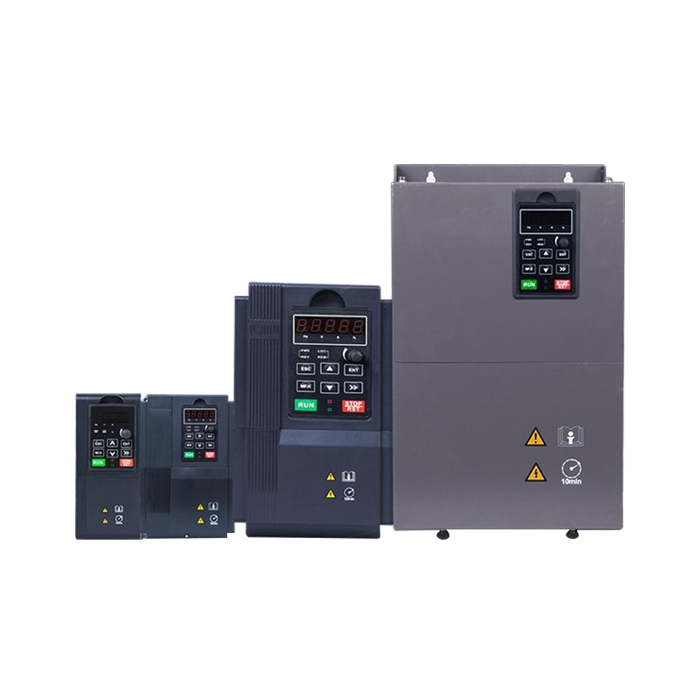
The more energy you save, the longer the motor will last. When you choose models with the highest efficiency, they use a lot less electricity than models with the lowest efficiency. Variable frequency drives make sure that the speed of the motor is right for the load. This stops the waste of energy that happens when the speed stays the same even though only part of the load is being applied. You can keep the motor running efficiently by running it much below its rated capacity if you pick the right motor size. Tests of efficiency show what happens based on how things are run. By making sure the building has the right amount of air flow, thermal derating can't lower the power output. The power factor needs to be fixed so that the electricity works better and you may even save money on your bills. Maintaining the design on a regular basis fixes issues like wear, contamination, and degradation that hurt performance.
Predictive Maintenance Technologies
With IoT-enabled monitoring systems, maintenance is no longer done after the fact, but before it happens. Keep an eye on vibrations all the time to find issues weeks before they happen. When temperature sensors pick up on problems with heat, it could mean that there are electrical problems or not enough air flow. Traditional ways of diagnosing can't find flaws in the rotor bars, shorts in the windings, or load issues that can be found with current signature analysis. With these monitoring tools and Industry 4.0 manufacturing frameworks, maintenance schedules can be made automatically, spare parts can be kept track of, and production plans can be changed based on how the equipment is doing. Machine learning algorithms are used by cloud-based platforms to find patterns in the data they collect from many facilities and improve maintenance plans.
Emerging Design Innovations
Things work better and hurt the environment less when they are made of new materials. Less core loss is caused by better designs for the conductors and high-efficiency steel laminations. Even though permanent magnet motors work better than IE4 classifications, they cost more at first, so they need to be carefully looked at from an economic point of view. It's easier to keep modular designs in good shape because you can change parts without taking the whole motor apart. Car companies are coming up with new ideas because they care about the environment. When products last longer, they don't need to be replaced as often and don't hurt the environment as much. Recycling makes it easier to get rid of things that are no longer useful. Power plants directly release less carbon into the air when they use less energy. Companies want to be more eco-friendly, and these benefits help the environment and save money at the same time.
Conclusion
You need to think about technical specs, the supplier's skills, and how the Low Voltage AC Motor will work in the long term in order to choose the right ones. You can make better decisions when you know about voltage classifications, efficiency standards, and application needs. You can lower the risk of buying by looking at a supplier's certifications, ability to make changes, and customer service. When you use the right maintenance methods and technologies for predictive monitoring, you can make equipment last longer and work better. If you follow new trends, you can set up your business to benefit from the way motors are designed and made changing all the time.
FAQ
1. What voltage ranges qualify as low voltage for AC motors?
Industry standards say that motors that work at less than 1000V are Low Voltage AC Motor equipment. Most power outlets are set up to handle 380V, 400V, 415V, or 660V, which is in line with regional standards. This classification changes rules about safety, protection systems, and wiring needs. The voltage range is safe and gives off enough power for most industrial uses, like HVAC systems, process control devices, and manufacturing equipment.
2. How do I determine the correct power rating for my application?
Find out what the real load needs are, such as the operating torque, speed, and duty cycle. Match the motor's power rating to the steady load, leaving 10 to 15 percent of room in case the load changes. Motors that are too big don't work as well when they're only partially loaded, and motors that are too small get too hot and break down quickly. Think about how to start loads that have a high moment of inertia and need a lot of torque to move.
3. What factors influence motor pricing?
The prices depend a lot on things like how much copper windings and steel laminations cost and how good the bearings are. A thing's frame size, power rating, and efficiency class can all change how hard it is to make. Prices go up when you need to customize something, like when you need different voltages, mounting arrangements, or environmental protection. The cost per unit goes down when you buy in bulk because it makes production more efficient. The requirements for certification and the terms of the warranty also have an effect on the total investment.
Partner with XCMOTOR for Your Motor Solutions
XCMOTOR has been in the power equipment business for decades and has a lot of experience. Our YE3 series three-phase induction motors are used in a lot of different situations, from machine tools to renewable energy systems. They are rated at IE3 for efficiency and IP55 for protection. These are the motors we make. They range from 0.75kW to 1000kW and can be set up with any voltage you need. The cost of maintenance goes down and the time between service visits goes up when you choose premium bearings from top manufacturers. If you work with a trustworthy Low Voltage AC Motor supplier, you can be sure to get good products, helpful technical advice, and quick customer service. Send our team an email at xcmotors@163.com to talk about what you need to do to apply. We can make solutions just for your business, and we back them up with full warranties and dedicated technical support. You can see all of our products at motorxc.com and find out how XCMOTOR can help your business run more smoothly and reliably.
References
1. Industrial Electric Motor Handbook: Standards and Applications for Low Voltage Systems, National Electrical Manufacturers Association, 2021.
2. Energy Efficiency Standards for Three-Phase Induction Motors: IEC 60034-30 Implementation Guide, International Electrotechnical Commission, 2022.
3. Motor Selection and Application Guide for Industrial Automation, American Society of Mechanical Engineers, 2020.
4. Predictive Maintenance Strategies for Electric Motors in Manufacturing Environments, Society for Maintenance and Reliability Professionals, 2023.
5. Low Voltage Motor Technology: Design Innovations and Performance Optimization, Institute of Electrical and Electronics Engineers, 2022.
6. Procurement Best Practices for Industrial Electric Motors: A B2B Buyer's Manual, Industrial Supply Association, 2021.