



Energy Savings with IEC Low Voltage Motors Explained
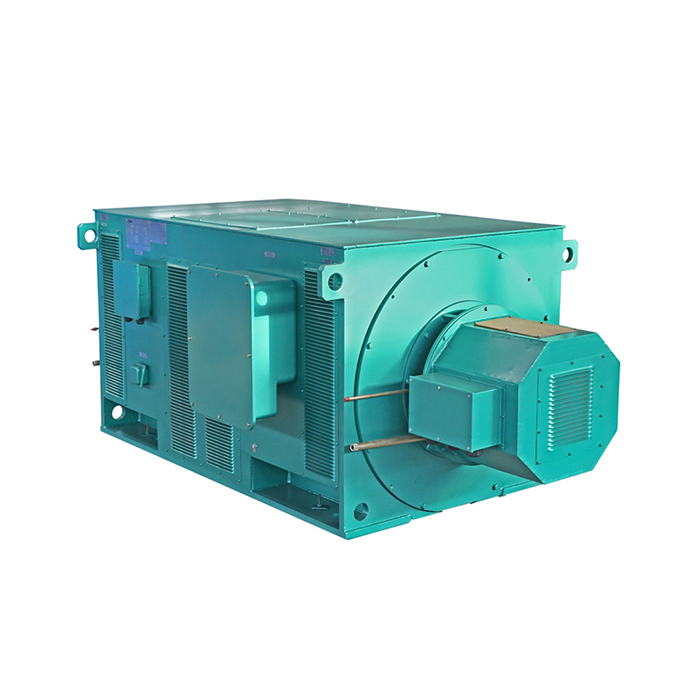
When factories look at their utility bills, electric motors are often the most expensive part of running the business. IEC low voltage motors are a useful answer to this problem iec low voltage motors because they are designed to be efficient and perform consistently. These motors can handle voltages of up to 1,000V and save money while still meeting the needs of continuous industrial processes for dependability. The International Energy Agency says that motor-driven systems use about 53% of the world's electricity. Improving efficiency in this area would have a big effect on industries like manufacturing, HVAC, energy utilities, and transportation that want to save money and be good to the environment.

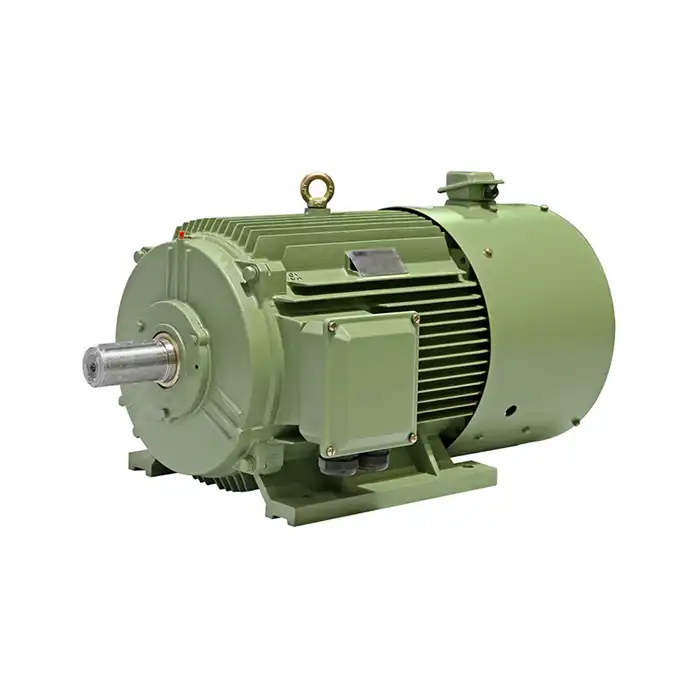
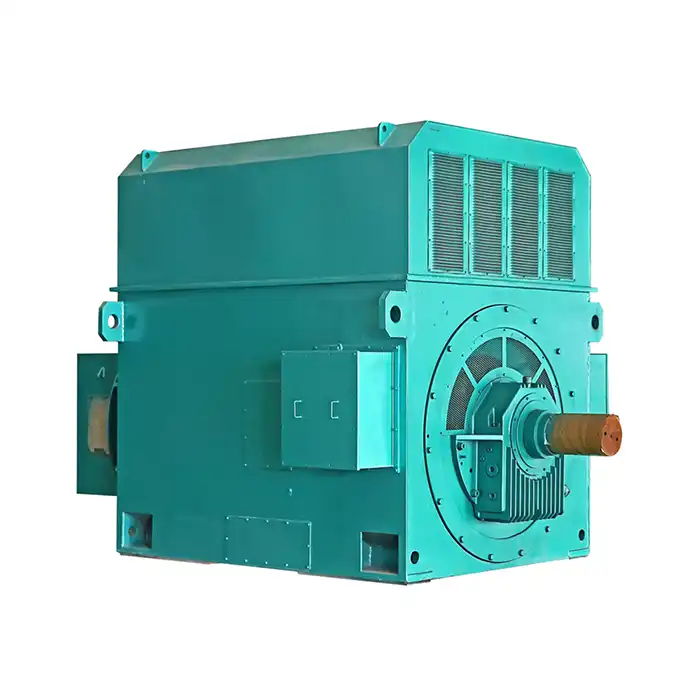
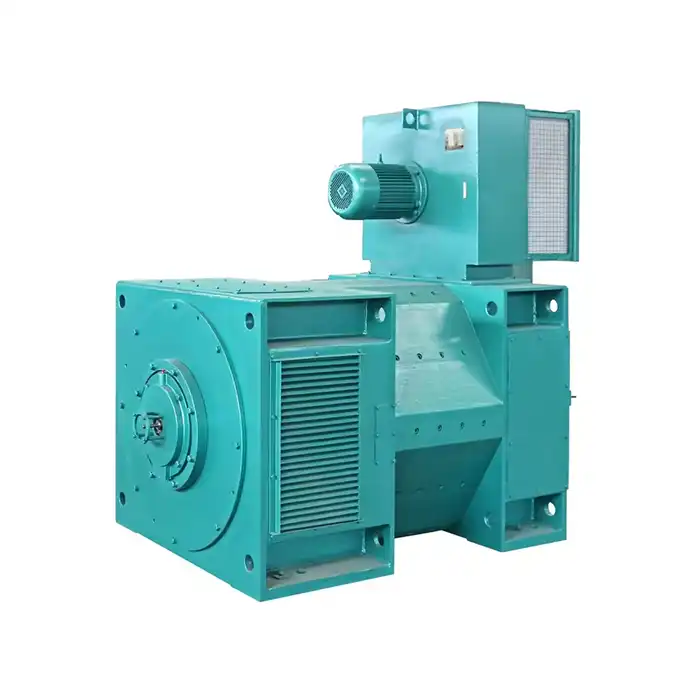
Series:YVFE4
Frequency conversion range:30hz~50hz,5hz~70hz,5hz~100hz
Power range:0.75-1000kW
Protection level:IP55
Application:are suitable for driving various mechanical equipment that require continuous and frequent forward and reverse rotation, such as steel rolling, lifting, transportation, machine tools, printing and dyeing, papermaking, chemicals, textiles, pharmaceuticals, etc., and can be used with various domestic and foreign variable frequency power supplies.
Advantage:high efficiency, wide speed range, high precision, stable operation, and easy operation and maintenance.
Certificate:installation dimensions comply with International Electrotechnical Commission (IEC) standards.
Others: SKF, NSK, FAG bearings can be replaced according to customer requirements.
Understanding IEC Low Voltage Motors and Energy Efficiency
What Defines an IEC Motor Standard
The International Electrotechnical Commission sets the technical standards that make sure motors in all international markets meet the same performance standards. IEC low voltage motors follow these rules, so they can work with equipment all over the world and deliver consistent levels of efficiency. These standards cover everything from mounting dimensions to thermal performance. This lets procurement teams confidently choose equipment, no matter where it's made.
Operating Principles That Drive Efficiency
Electromagnetic induction is how electric motors turn electrical energy into mechanical motion. How much electricity is wasted as heat instead of being used for work depends directly on how well this conversion works. Laminations of high-grade electrical steel are used in modern designs to cut down on magnetic losses. Precision-balanced rotors also help reduce vibration and friction. More energy is transferred because copper windings are better at conducting electricity, which means that more input power is turned into useful output torque.
Low Voltage Versus High Voltage Applications
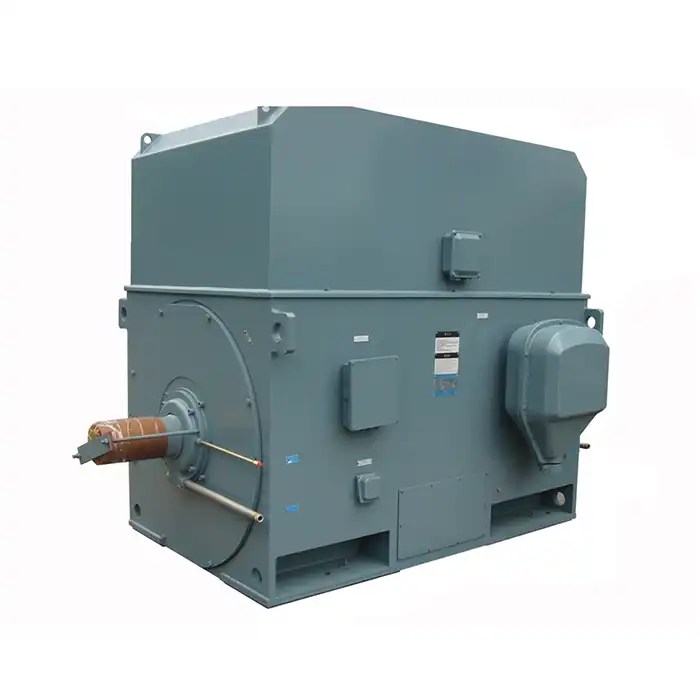
Choosing the right voltage depends a lot on how much power is needed and where it will be installed. Low voltage motors work best in tasks that need 0.75kW to 1000kW of power. This includes most industrial drives, such as pumps, compressors, conveyors, and HVAC systems. Compared to high voltage options, they are easier to install, cost less to insulate, and are easier to get to for maintenance. The voltage range of 220V to 690V can work with a variety of power distribution systems that are common in North American factories.
Key Factors Influencing Energy Savings with IEC Low Voltage Motors
Efficiency Classifications That Matter
According to the IEC 60034-30-1 standard, there are four levels of efficiency, numbered from IE1 to IE4. Each level represents low voltage motors a decrease in losses. IE4 motors, which are called "Super Premium Efficiency," can use 15–30% less energy than IE1 motors, which are called "standard efficiency." This system of classification makes it easy for people who buy things to compare different options.
When choosing efficiency classes, you should think about the following operational realities that affect the total cost of ownership:
- IE4 motors incorporate advanced design features like premium bearing assemblies, smaller air gaps, and magnetic circuits that work better. These motors can work at frequencies between 30hz and 50hz, 5hz and 70hz, and 5hz and 100hz, which makes it possible to integrate a variable frequency drive. Depending on business hours and local utility rates, the initial premium usually pays for itself in 18 to 36 months through lower electricity use.
- Application-specific selection determines actual savings potential. After switching from IE2 to IE3 motors on six process lines, a pharmaceutical facility that used centrifugal pumps continuously saved 22% of its energy. The motors kept their IP55 protection levels, which are good for washdown areas, and worked well at temperatures ranging from -20°C to +40°C. Instead of just buying the most efficient motor, these real-world results show that matching motor specs to operational needs is the best way to get the most efficiency gains.
The transition from standard to premium efficiency motors affects multiple performance parameters simultaneously. When winding losses go down, operating temperatures go down, too. This makes insulation last longer and puts less thermal stress on parts. When power factor is improved, the demand for reactive power in a building's electrical systems goes down. This can help businesses get utility rebates or avoid power factor penalties. The shift to IEC low voltage motors can further enhance energy efficiency and contribute to long-term cost savings, providing a reliable solution for reducing operational expenses.
Proper Installation and Maintenance Protocols
Without proper installation and maintenance, even the most efficient motor won't work as well as it should. If you align the shaft correctly, you can avoid putting too much stress on the bearings, which speeds up wear and increases friction losses. Regular lubrication schedules using greases recommended by the manufacturer keep bearings working well and stop them from breaking down too soon. Vibration monitoring finds imbalances or misalignments that are starting to happen before they hurt performance or do a lot of damage.The same care should be taken with electrical connections. When terminals are loose, resistance is made, which wastes energy and makes heat. When there are voltage differences between phases, circulating currents form. These currents cause more losses and shorten the life of the motor. Thermal imaging done on a regular basis finds hot spots that mean there are problems with connections or windings before they get worse and cost a lot to fix.
Frequency Conversion and Speed Control Benefits
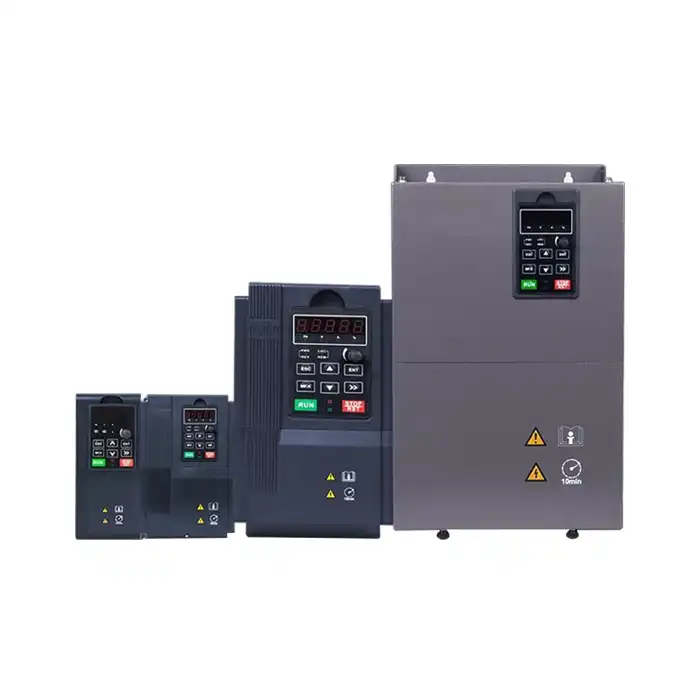
Variable frequency drives save even more energy by perfectly matching the motor speed to the needs of the process. It is known that centrifugal loads, like fans and pumps, use more power when they're moving faster. This is because of affinity laws. Cutting speed by 20% cuts power use by almost 50%, which can save a lot of money in situations where demand changes oftenFor normal use, our motors can convert frequencies between 30hz and 50hz. For wider range needs, they can do so between 5hz and 70hz, and for high-speed processes, they can do so between 5hz and 100hz. This adaptability works with both American and European VFD systems, making it easy to connect to existing control systems. Precision speed control also improves the quality of the process because it gets rid of the hunting and overshooting that happen when mechanical throttling is used.
Comparing IEC Low Voltage Motors with Alternatives for Maximum Energy Savings
Design Features That Differentiate Performance
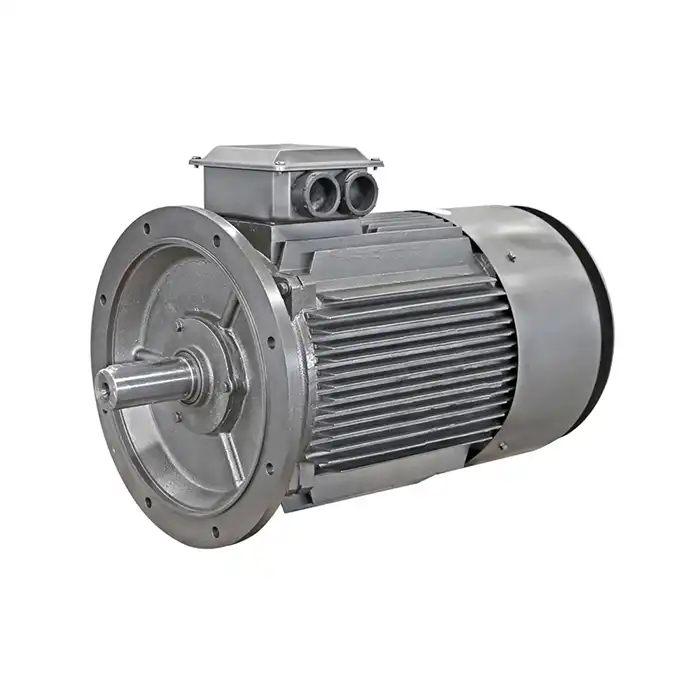
Motor construction directly influences both efficiency and durability. In industrial settings, cast iron frames offer strong mechanical protection and good heat dissipation, low voltage motors while aluminum construction makes the motors lighter for situations where they need to be moved around a lot or mounted overhead. The choice of frame material affects how well it transfers heat, with cast iron usually transferring heat better and keeping winding temperatures lower.Internal parts need to be carefully looked at. Rotors that are precisely balanced reduce vibration and bearing stress, which means that they don't need to be serviced as often and keep working efficiently for a longer time. High-quality bearings from brands like SKF, NSK, or FAG—which can be specified—allow for longer maintenance intervals, which is very important for motors that are installed in hard-to-reach places. You can choose these bearings based on the environment, the type of load, and how easy they are to maintain.
Compatibility with Drive Systems
Variable frequency drives are used more and more in modern factories to improve process control and energy use. For motors to work with VFDs, the insulation systems must be able to handle the voltage spikes that come from a pulse-width modulation drive output. Our IEC low voltage motors have insulation that is made to work with VFDs. This keeps the efficiency high across all speed ranges and stops the windings from breaking down too soonIndustrial-grade motors are different from general-purpose motors because they can handle continuous and frequent forward-reverse operation. This ability to reverse is needed in steel rolling, lifting equipment, transportation systems, machine tools, printing operations, papermaking lines, chemical processing, textile production, and pharmaceutical manufacturing. It's also needed in printing operations. Even when the direction changes, the electrical and mechanical stresses are put on the system, but it keeps working normally thanks to strong construction and thermal management systems.
Noise and Vibration Considerations
Sound levels affect both how comfortable a workplace is and how well it follows the rules. High-end motor designs have balanced rotors, precise bearings, and fan geometries that are optimized to reduce noise emissions. Lower noise levels are especially helpful for HVAC systems in healthcare and commercial buildings where sound travels through ductwork and affects rooms that are occupiedControlling vibrations protects both the motor and the things it drives. Too much vibration speeds up the wear on bearings, damages mechanical connections, and sends damaging forces to equipment that is coupled to it. Precision balancing during production and high-quality bearing assemblies ensure that the motor runs smoothly for its entire life. Paying close attention to dynamic balance is very important in direct-coupled situations where motor vibration affects the performance of the equipment being driven.
Procurement Best Practices for Energy-Efficient IEC Low Voltage Motors
Aligning Specifications with Application Requirements
A thorough analysis of the application is the first step in buying motors that work well. The best motor choice is based on the power needs, duty cycle, environmental conditions, and mechanical interface specifications. Motors work best near their rated load point, so oversizing them to provide a "safety margin" actually makes them less efficient. The right size makes sure that motors work at their most efficient level while still having enough service factor to handle occasional overloads.The environment affects the choice of protection class. As standard, IP55 protection stops dust from building up and water spray damage in most industrial settings. You can choose between IP56 or IP65 ratings, which are suitable for washdown applications or outdoor installations where better sealing is needed to protect internal components. By matching the level of protection to the situation, you can avoid both not having enough protection and spending too much money on sealing.
Evaluating Suppliers and Lead Times
When choosing a supplier, you need to think about more than just price. You also need to think about technical support, delivery reliability, and warranty terms. Established suppliers keep common frame sizes and ratings in stock, which cuts down on the time it takes to complete replacement and expansion projects. Custom configurations that need a certain voltage, frequency, or mounting arrangement usually need longer manufacturing schedules that push back the start date of the project.The terms of the warranty show that the maker trusts the product to work well. Full warranties that cover materials, workmanship, and performance protect against early failures and show that the building was built well. When you know what the warranty doesn't cover, you won't be surprised when you have to make a claim. This is especially true when it comes to environmental conditions, installation methods, and maintenance needs that affect coverage.
Certification and Compliance Verification
Motors must meet safety and performance standards for the markets and uses they are meant for in order to be regulated. The CE mark shows that the product meets the rules of the European Union, and the GOST mark shows that it meets the rules in Russia and the surrounding areas. For these certifications, a third party tests and reviews the documentation, which gives you peace of mind about the quality of the design and the manufacturing.Installation sizes that meet IEC low voltage motors standards make sure that the new equipment can be used with old ones and that mounting arrangements are consistent. This standardization makes retrofitting easier and makes it easier to keep track of motor spares across multiple facilities' inventories. Standard sizes also make low voltage motors bidding easier because many suppliers can offer options that work with each other mechanically.
Maximizing ROI with IEC Low Voltage Motor Energy Savings
Measuring Actual Energy Consumption
To confirm that the predicted energy savings are accurate, you need measurement tools and methods that accurately record how well the motor works in real-world situations. Portable power analyzers check voltage, current, power factor, and harmonic content, which gives a full picture of the electricity. By comparing measured values to baseline consumption, you can figure out how much you've saved and be sure that your choices about equipment are sound.Long-term monitoring systems look at patterns in how much energy is used and find drops that show problems are getting worse. A slow loss of efficiency is often a sign of worn bearings, dirty windings, or clogs in the cooling system, all of which can be fixed with maintenance before they break down. Continuous monitoring also shows operational patterns that help with planning schedules and finding ways to save even more energy by making process control better.
Retrofit and Replacement Decision Criteria
Figuring out the best time to replace a motor means weighing the costs of ongoing operations against the cost of upgrades. Every hour that motors are running, they waste money because they are using too much energy because they are old designs or their efficiency has dropped. To make an objective decision about replacement, divide the cost of the upgrade by the amount of energy it saves each year. This gives you the payback period.Age alone doesn't mean that something needs to be replaced. Motors that are well taken care of, meet the needs of the application, and work efficiently may be able to keep doing their job for decades. On the other hand, relatively new motors that were wrongly specified or that are used in harsh conditions may need to be replaced early if they will save money or work better. Condition assessment, which includes testing the resistance of the windings, analyzing vibrations, and measuring the efficiency, gives us facts to use instead of assumptions when making these choices.
Future Efficiency Trends and Technologies
Standards for efficiency keep going up because of pressure from regulators. Because IE4 is now required in so many major markets, this level of efficiency is now the standard for all new installations. New IE5 specifications will make performance requirements even stricter, so installing high-efficiency motors early on is a good way to protect buildings from future changes in regulationsSmart motor technologies that use sensors and connectivity make maintenance and performance optimization possible ahead of time. Temperature sensors, vibration monitors, and current analyzers that are built in can spot problems before they get too bad and send operational data to systems that manage the building. With this intelligence, motors go from being passive parts to active players in optimizing the facility, looking for ways to be more efficient and avoiding unplanned downtime.
Conclusion
Save energy by choosing motors that work well. This will save you money and help you reach your sustainability goals. IEC low voltage motors with high efficiency ratings and strong construction work reliably in a wide range of demanding industrial settings. When you match the motor's capabilities to the needs of the application, have a professional install it, and keep up with its maintenance, you can get the most out of it. The success of a project depends on procurement teams evaluating suppliers based on their technical skills, delivery reliability, and support services. Premium-efficiency motors usually pay for themselves within two to three years because they use less electricity. The savings continue for as long as the motor is in use, giving it a lot of long-term value.
FAQ
1. How do IEC low voltage motors achieve better energy efficiency than standard alternatives?
These motors have better design features, like optimized magnetic circuits, lower internal losses, and high-quality parts that work together to make energy conversion better. Precision-wound copper windings and high-grade electrical steel laminations work together to cut down on core losses and resistive losses. Paying close attention to the size of the air gap, the quality of the bearings, and the design of the cooling system all make it work better. This means that, compared to older standard efficiency designs, it uses a lot less electricity to make the same amount of mechanical output.
2. What industrial applications benefit most from IEC motor upgrades?
The biggest savings come from applications that run continuously or at high duty cycles, since lower consumption is spread out over long periods of time. Upgrades are usually quickly justified for pumps, compressors, fans, and conveyor systems. Process industries like textiles, chemicals, pharmaceuticals, food processing, and water treatment all get a lot out of it. HVAC systems in factories and commercial buildings can also save a lot of money, especially when they are combined with variable frequency drive controls that adjust the speed to match the load.
3. How can buyers make sure that efficiency ratings are correct before they buy?
Reliable manufacturers give reports on performance based on IEC 60034-2-1 standards that come from accredited laboratories that test for efficiency. These reports show how efficient something is at different load levels, so they can be compared to published efficiency thresholds for each IE classification. Motor nameplates have markings for efficiency classes that must match the paperwork. Asking for full technical data sheets and test records when buying something makes sure that it works the way you want it to, instead of just believing what the company says on the box.
Partner with XCMOTOR for Superior IEC Low Voltage Motor Solutions
Businesses that need reliable motor solutions that use little energy can benefit from working with suppliers who have been in the business for a while and know how to meet application needs and improve efficiency. Shaanxi Qihe Xicheng Electromechanical Equipment Co., Ltd. (XCMOTOR) is an expert in customizing power equipment solutions for manufacturing, HVAC, energy utilities, and transportation needs in many different industries. Our engineering team helps you choose the right low voltage motors motor by making sure that the specs match your specific needs and that you can save as much energy as possible.
As a well-known provider of IEC low voltage motors, we keep a large stock of common configurations with power ranges from 0.75kW to 1000kW. This lets us quickly deliver motors for both new installations and urgent replacements. Custom bearing specifications using SKF, NSK, or FAG parts can meet the needs of any application. Our IP55 standard protection, with optional IP56 and IP65 ratings, makes sure that the bearing is properly sealed against the environment. All of our customers can get dedicated technical support seven days a week. We also offer a 30-day open purchase return policy and free shipping on all orders.
Email our team at xcmotors@163.com to talk about your specific motor needs and get competitive pricing and detailed technical specifications.XCMOTOR has the knowledge and high-quality products that successful industrial operations need, whether they are upgrading old equipment or ordering motors for brand-new projects.
References
1. International Energy Agency. "Energy Efficiency 2023: The Case for Action on Energy Efficiency." OECD Publishing, Paris, 2023.
2. International Electrotechnical Commission. "IEC 60034-30-1:2014 Rotating Electrical Machines - Part 30-1: Efficiency Classes of Line Operated AC Motors." IEC Standards Publication, Geneva, 2014.
3. De Almeida, Anibal T., et al. "Energy-Efficient Motor Systems in the Industrial and Commercial Sectors in the European Union." Energy, Elsevier Publishing, Vol. 28, Issue 7, 2003, pp. 673-690.
4. United States Department of Energy. "Premium Efficiency Motor Selection and Application Guide: A Handbook for Industry." Advanced Manufacturing Office Technical Report, Washington DC, 2014.
5. Ferreira, Fernando J.T.E., e Aníbal T. de Almeida. "Novel Multiflux Level, Three-Phase, Squirrel-Cage Induction Motor for Efficiency and Power Factor Maximization." IEEE Transactions on Energy Conversion, Institute of Electrical and Electronics Engineers, Vol. 23, No. 1, March 2008, pp. 101-109.
6. Saidur, Rahman. "A Review on Electrical Motors Energy Use and Energy Savings." Renewable and Sustainable Energy Reviews, Elsevier Publishing, Vol. 14, Issue 3, 2010, pp. 877-898.