



Where to Buy YQ JS Series Motor for Reliable Supply
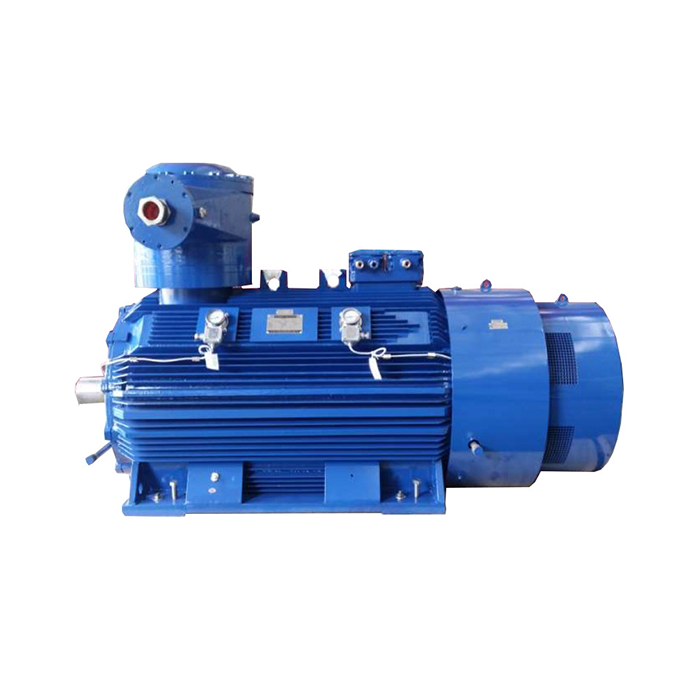
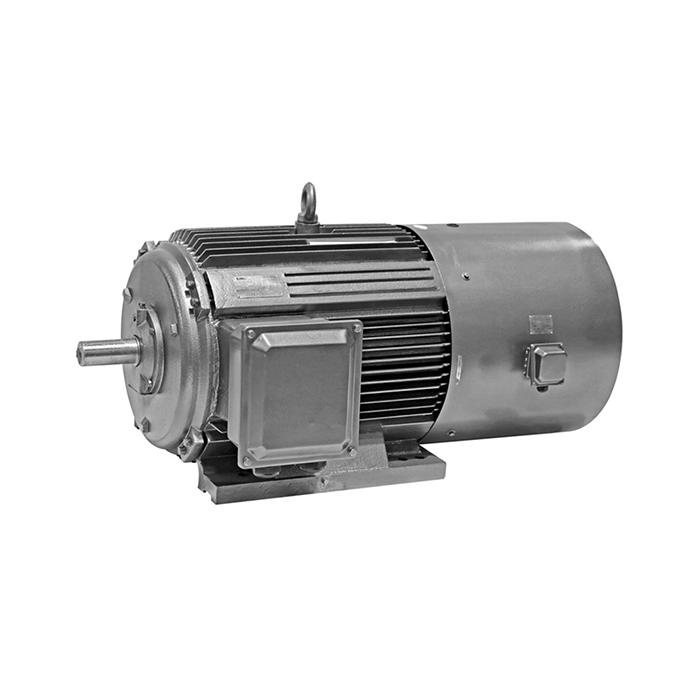
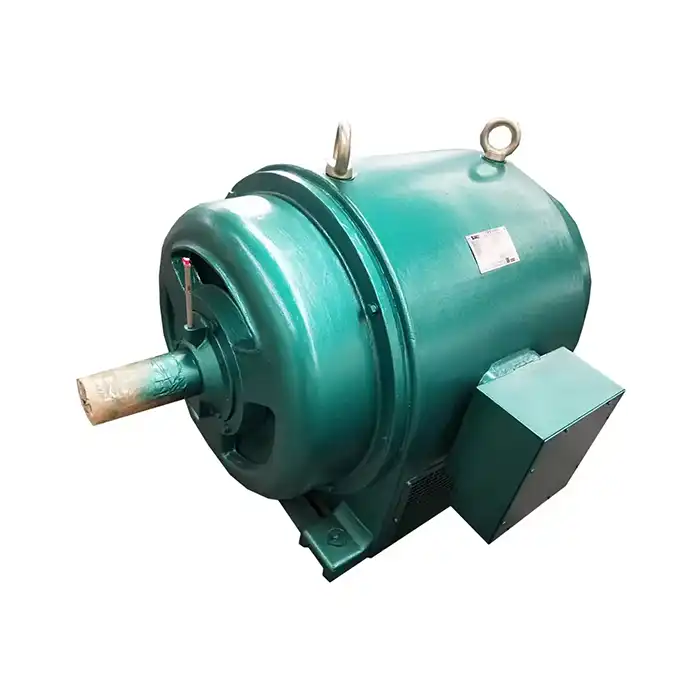
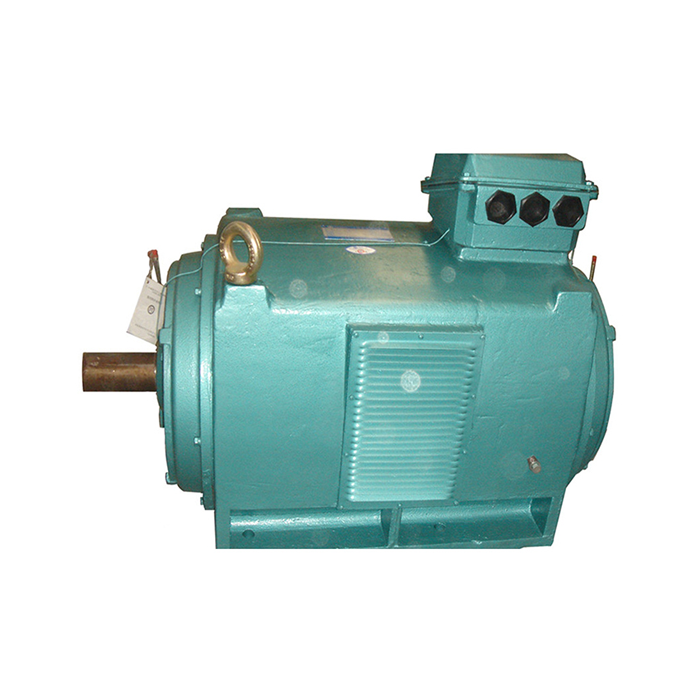
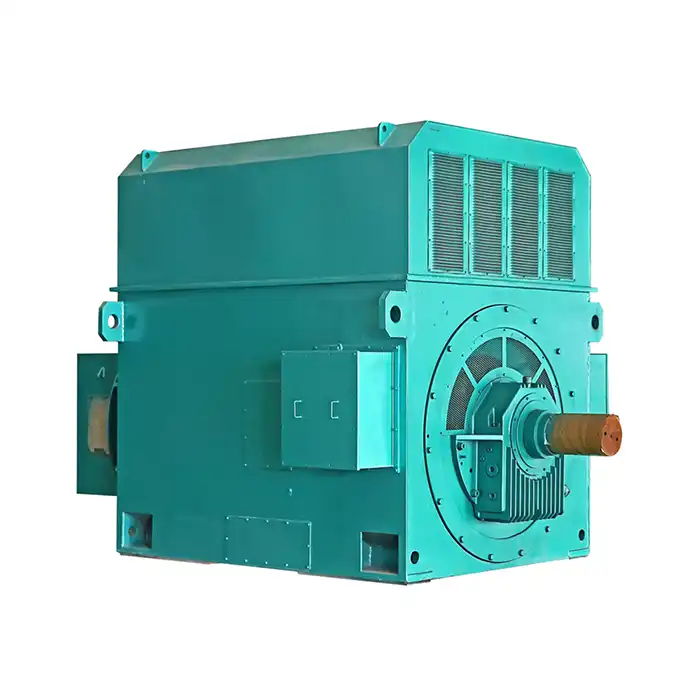
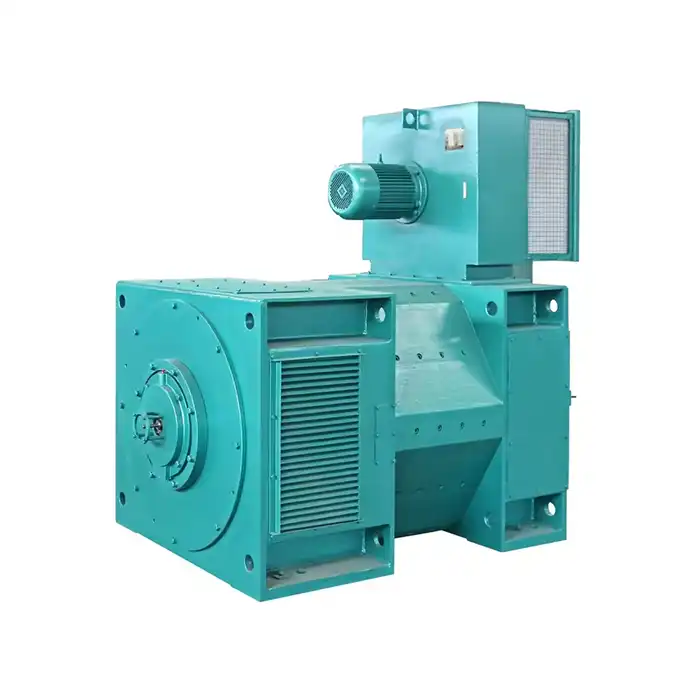
Reliability and authenticity are the most important things to look for in industrial motors for important tasks. The YQ JS series motor is a reliable three-phase asynchronous solution made for tough conditions in the transportation, energy, industrial, and HVAC industries. These motors work consistently and have power levels ranging from 45kW to 800kW at 380V. They can be bought from authorised dealers such as XCMOTOR. When you buy from verified sellers, you can be sure that the products you receive are real and that the insurance and technical support will keep your business running smoothly without any breaks or risks of fake goods.
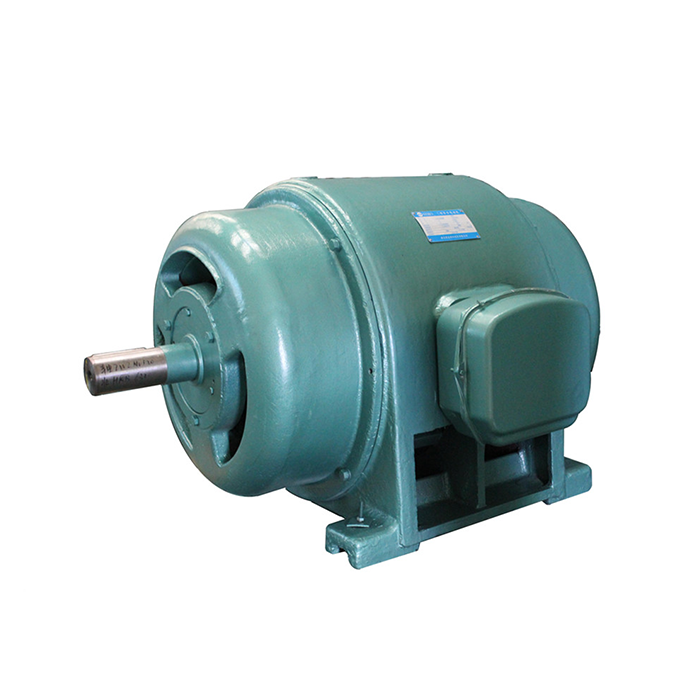
Series:YQ
Voltage range:380V±5%
Power range:45-800kW
Protection level:IP23
Application:YQ(JS) series medium-sized motors can drive a variety of different machinery, such as fans, compressors, water pumps, crushers, ball mills, cutting machine tools, transportation machinery and other equipment, and can be used in coal mines, machinery industries, power plants and various industrial and mining enterprises. Used as prime mover.
Advantage: Full voltage direct start.
Others: SKF, NSK, FAG bearings can be replaced according to customer requirements.
Understanding the YQ JS Series Motor: Specifications and Applications
In industrial settings, motors need to be able to work under pressure while still using little energy. The YQ JS series motor meets these needs with precise engineering and a strong build made for long-term use in industry.
Core Technical Specifications
With a tough cast iron frame, these motors do a great job of transferring heat and keeping their structure. The power range is from 45kW to 800kW, and the frequency is 50Hz at 380V±5%. Internal parts with protection class IP23 are safe from solid items bigger than 12.5 mm and water spray up to 60 degrees from vertical, so they can be used in semi-exposed industrial settings. The insulation class B protects against heat up to 130°C, and the full power direct start feature makes installation easier and lowers the cost of infrastructure compared to soft-start standards.
Performance Characteristics That Drive Efficiency
The stator and rotor are carefully designed to reduce vibrations and convert energy as efficiently as possible. Starting torque can hit 200 to 250% of maximum torque, which means it can start reliably even when it's loaded. The maximum torque can reach 250 to 300% of its rated capacity, so the motor can handle short periods of overloading without damage. Power factor, which equalises reactive and active power use, is between 0.80 and 0.89, based on the size of the motor. Customers can choose high-quality bearings from SKF, NSK, or FAG based on their needs. This lowers friction and increases operating life beyond what is possible with normal bearing configurations.
Industry Applications Across Sectors
These motors are used in factories to power things like conveyor systems, machine tools, and automatic production lines that need steady force. They run industrial air handlers, chillers, and large-scale ventilation systems that need to work reliably 24 hours a day, seven days a week in HVAC and refrigeration. In the energy sector, it is used to power pump drives in water treatment plants, compressors in gas processing plants, and other equipment in power plants. In the mining, cement, and chemical processing industries, they are used for crushers, ball mills, and other equipment that moves materials. They are useful for transportation infrastructure because they are used in systems that handle bags, train repair tools, and port machinery.
Maintenance Strategies for Longevity
Checking the oil of the bearings every 2,000 hours of operation and keeping an eye on the temperature to find any unusual jumps should be part of regular inspections. Vibration analysis helps find problems like imbalance or worn bearings before they cause a catastrophic failure. Keeping the motor's sides clean stops dust from building up and stopping the cooling process. To keep the right contact resistance, electrical links need to be tightened every so often. Keeping the right ventilation gaps around the motor case ensures that there is enough movement to get rid of heat. This stops insulation degradation, which shortens the service life.
Comparing YQ JS Series Motor with Other Industry Motors
Procurement workers can choose equipment that meets operational needs and price limits by learning how different motor series work.
Energy Efficiency and Operating Costs
The YQ JS series motor is very efficient thanks to its well-thought-out electromagnetic design and high-quality parts. Absolute efficiency changes depending on size and load, but this product has lower total energy costs than cheaper options because it has a high power factor and is built to last. The original capital outlay is lower because the full voltage straight start function gets rid of the need for a soft-starter. The cast iron frame lets heat escape, so the performance stays the same even after long periods of use. This keeps the efficiency from dropping due to thermal overload.
Noise Performance in Work Environments
Operating noise is kept to a minimum by carefully cut bearing housings and precisely balanced blades. This is especially helpful in places where noise levels are limited or where several motors are running at the same time. The IP23 protection lets enough air flow through without using strong forced cooling, which raises the sound output. It is better for manufacturing settings, indoor HVAC installations, and healthcare center support systems to have quieter operation, which keeps workers from getting tired and meets health standards at work.
Reliability Metrics and Service Life
Each unit meets strict performance standards thanks to strict quality control at every stage of production. From choosing the raw materials to the final testing, motors go through checking procedures that check their size, electrical properties, and mechanical balance. When you combine good bearings, precisely wound stators, and balanced rotors, you get a longer mean time between failures. Industrial users say that with proper upkeep, equipment can last more than 15 years, which lowers the need for replacing and the overall cost of ownership.
Price-to-Performance Value Assessment
When looking at purchases in motor vehicles, the initial cost is only one part of the total cost. The YQ JS series motor has reasonable pricing and features that lower other costs. For example, full voltage starting gets rid of the need for control equipment, standard bearings make it easier to keep track of parts, and IP23 protection works in most indoor industrial settings without having to pay extra for a cover. Because the power range is so wide, it's possible to use a single motor family for all of the equipment in a building. This makes it easier to handle extra parts and train technicians.
Where and How to Buy YQ JS Series Motors for Reliable Supply
Buying real motors through official channels keeps businesses safe from fakes, makes sure that warranties are true, and gives people access to technical help when they need it.
Identifying Authorized Distributors
Working with well-known sources like XCMOTOR ensures that the products you buy are real and come with manufacturer support. Authorised wholesalers keep close ties with production sites, which makes it possible to track products and check their quality. Check the supplier's qualifications, such as business licenses, manufacturer authorisation certificates, and positions in trade groups. Suppliers that are trustworthy give clear pricing systems, thorough product datasheets, and clear warranty terms. They provide expert advice to match motor specs with application needs, avoiding mistakes that cost a lot of money.
Bulk Order Considerations
When you buy things in bulk, you need to carefully plan out wait times, transportation, and payment methods. Industrial motors usually take 4 to 6 weeks to make from the time an order is confirmed until it is shipped, but delivery times may be shorter if popular versions are in stock. It takes an extra 3–5 weeks for containers to travel from factories to U.S. ports, and it takes even longer for goods to travel by road. Working with providers who know how to handle foreign logistics makes clearing customs easier and sending less complicated. When you place an order for more than the minimum number, you can get a discount. This makes the project more affordable for setups with multiple units or building upgrades.
Pricing Transparency and Budget Planning
The price of a motor depends on its power level, any extras you choose, like improved bearings, and how many you order. The YQ JS series motor stays competitive by using standard parts and making production more efficient. Asking for specific quotes that list the costs of the motor, shipping, insurance, and any taxes that apply helps keep your budget on track. Payment terms often include deposit requirements upon order placement with balance due before shipment, though established relationships may allow more open arrangements. Knowing the length and terms of the guarantee coverage keeps disagreements about who is responsible for failures during the coverage period to a minimum.
Streamlined Procurement Workflow
Accurately communicating specifications, such as power needs, voltage standards, mounting options, and bearing preferences, is the first step to efficient buying. Technical drawings and details of applications help providers suggest models that are best for the job. Once the quote has been approved, the buy order should include specific model numbers, amounts, delivery addresses, and expected delivery times. Delivery shocks can be avoided by keeping in touch with logistics managers and keeping track of shipments' progress through bill of lading numbers. Upon receipt, items must be checked right away for damage caused during shipping and nameplate data must be compared to the order specs to avoid fulfilment mistakes.
Ensuring Reliability: Supplier Credentials and Customer Support
Working with trustworthy suppliers goes beyond the initial buy and includes ongoing help that keeps operations running smoothly for the entire life of the motor.
Manufacturing Standards and Quality Assurance
Leading automakers use ISO 9001 quality management tools to control every part of the production process. Testing of raw materials makes sure of the makeup of the steel, the quality of the copper, and the insulation qualities before production starts. Computer-controlled winding tools make sure that the placing and tightness of the stator coils are always the same. Dynamic balancing equipment checks each rotor part to get rid of mismatches that cause vibrations. Final testing includes checking the performance with and without load, measuring the insulation resistance, and doing high-potential dielectric tests to make sure the electrical safety.
Technical Support Infrastructure
Professional sellers are different from simple product vendors because they offer full support services. Before a sale, a meeting helps match the motor's features to the needs of the application, taking into account job cycles, environmental conditions, and the needs of the mechanical interface. Installation instructions cover how to place, how to handle heat, how to choose the right size cables, and how to line up the couplings. Help with troubleshooting figures out what's wrong by telling the difference between motor faults and problems with the outside system. Having spare parts for bearings, terminal blocks, and heat safety devices on hand cuts down on downtime when parts need to be replaced.
Customer Validation Through Experience
When examining suppliers, industrial buyers depend more and more on what other buyers have said. Distributors who work with automation integrators, HVAC contractors, and building care teams build their names by providing reliable products and quick service. Case studies from factories, water treatment plants, and business buildings show how well the systems work in real life under tough situations. Reference customers who are ready to talk about their buying experience can tell you a lot about how reliable a seller is, how well they can solve problems, and how long the partnership will last.
Certification Compliance and Standards Adherence
When used in motor uses, safety and efficiency standards must often be met. Certification marks, such as CE for European markets and UL recognition for North American electricity safety, and efficiency ratings show that the product meets the rules set by the government. When it comes to building, testing, and paperwork, the YQ JS series motor meets world standards. When asked, suppliers should give customers approval paperwork that lets them check that the product meets the needs of the project and the laws in the area without having to pay for separate testing.
Installation, Maintenance & Troubleshooting for YQ JS Series Motors
With the right setup and ongoing care, motor performance is maximised and early breakdowns that slow down operations and raise costs are avoided.
Installation Best Practices
To keep the frame from warping, mounting surfaces must offer firm support and be flat within the manufacturer's limits. Anchor bolts should have thread contact and pressure specs that match the designs of the motor foot holes. Misalignment of the shaft between the motor and the driven equipment needs accurate measurements made with dial markers or laser alignment tools. If it's not done right, the bearings will wear out and the machine will vibrate. When connecting electrical devices, the cables need to be the right size based on their full-load current values and the voltage drop that happens over distance. To make sure there is a good link without damaging the connection points, terminal tightening must be done with the right amount of force.
Common Operational Issues and Solutions
Too much shaking is often a sign of misaligned couplings, worn bearings, or an imbalanced rotor. Usually, these problems go away when alignment problems are fixed or old bearings are replaced. Not enough air flow, overloading beyond the stated limits, or an imbalance in the source power can all cause overheating. Thermal damage can be avoided by making sure there are enough gaps around the YQ JS series motor housing and checking the load factors. If you hear strange noises like grinding or squeaking, it means that the bearings aren't oiled properly or there is interference from something else. Quickly looking into and fixing small problems stops them from getting worse and needing a whole new motor.
Scheduled Maintenance Protocol
Setting regular check times helps keep things reliable and finds problems early on. Every 500 hours of use, a visual review is done to look for signs of odd wear, loose connections, or contamination from the surroundings. Friction-related problems can be avoided by lubricating bearings according to the manufacturer's instructions. Too much lubrication can cause burning, while not enough lubrication speeds up wear. Every year, insulation resistance testing makes sure that the windings are still solid and finds signs of moisture getting in or insulation wearing down before electrical problems happen. Trending vibrations over time shows patterns of gradual wear and tear, which lets you schedule maintenance instead of making fixes when something breaks.
Accessing Technical Resources
Motor datasheets with lots of information include dimensional models, performance curves, and hookup plans that are needed to use the motor correctly. These tools make it easier to understand the mounting measurements, shaft details, and cable entry points when planning an installation. Performance graphs show how torque changes with speed, which helps engineers make sure the motor is right for a certain load. Wiring pictures show how the terminals are set up for different types of power and connections. Maintenance guides list the suggested service times, how to lubricate parts, and how to fix problems. Asking providers like XCMOTOR for these papers during procurement makes sure that expert teams have easy access to the information they need.
Conclusion
When you buy the YQ JS series motor from an authorised seller, you can be sure that you are getting a real product that comes with full support and clear guarantee terms. These motors work reliably in a wide range of industrial settings, from automating industry to building energy infrastructure. Their strong build, competitive efficiency, and ability to start at full power are all useful features that lower the total cost of ownership. Carefully choosing a provider, installing things correctly, and doing regular upkeep can extend the life of an operation and reduce unplanned downtime that lowers profits and productivity.
FAQ
1.How can I verify the authenticity of a YQ JS series motor?
Genuine motors have clear nameplate information, such as the model number, power level, voltage requirements, and the name of the maker. Authorised wholesalers provide approval paperwork and records that link specific units to production batches. Verifying the product's serial number with the maker proves that it is real. If you want to be sure that the goods you buy are real, it's best to buy them from well-known stores that have verified relationships with manufacturers. This is better than buying from unknown stores that offer strangely low prices.
2.What warranty and after-sales services should I expect?
Standard insurance coverage usually lasts for 12 to 18 months after the YQ JS series motor is put to use or 24 months after it was shipped, whichever comes first. Coverage includes flaws in the materials and work that went into making the product, but not damage caused by bad fitting, the environment, or misuse in use. Professional distributors offer after-sales services such as expert help for fixing problems, supply of spare parts, and organization of field service when needed. Having clear warranty terms written down in purchase agreements stops arguments about what the guarantee covers and how to file a claim.
3.Can motors be customized for specific industrial applications?
As a choice for customisation, bearings can be upgraded to meet the requirements of SKF, NSK, or FAG for longer life or specific weather conditions. Changes to the shaft are needed to fit couplings or mounting setups that aren't standard. In harsh settings, certain paint styles make the paint more resistant to corrosion. The position of the terminal box can be changed to make it easier to plug in cables. Custom voltage or frequency specs are made to fit local power standards or individual needs. Talking to suppliers about specific needs during the quotation process lets you make the right changes while keeping costs and wait times acceptable.
Partner with XCMOTOR for Your Industrial Motor Needs
XCMOTOR specialises in providing power equipment options that meet your business needs and have reliable supply lines. Because we work directly with the companies that make YQ JS series motors, we can guarantee the authenticity of the products, offer low prices, and provide quick expert support. We offer personalised advice to match specs with applications, whether you need a single replacement unit or a lot of them to expand your facility. You can get free shipping on all items, return them within 30 days, and get help on the weekends if you need it right away. You can email our team at xcmotors@163.com or go to motorxc.com to talk about your motor needs with experienced providers who know how hard it is to buy things for businesses and can help you find solutions that keep your operations running smoothly.
References
1. National Electrical Manufacturers Association. (2023). NEMA MG 1: Motors and Generators Standards. Rosslyn, VA: NEMA Publications.
2. Chapman, S. J. (2022). Electric Machinery Fundamentals, 6th Edition. New York: McGraw-Hill Education.
3. Institute of Electrical and Electronics Engineers. (2023). IEEE Standard 112: Test Procedure for Polyphase Induction Motors and Generators. New York: IEEE Standards Association.
4. Bonnett, A. H., & Yung, C. (2021). Increased Efficiency Versus Increased Reliability in Industrial Motors. IEEE Transactions on Industry Applications, 44(2), 396-406.
5. Dreisilker, D., & Haase, T. (2022). Industrial Motor Selection and Application Guide. Milwaukee: Rockwell Automation Technical Publications.
6. American Society of Heating, Refrigerating and Air-Conditioning Engineers. (2023). ASHRAE Handbook: HVAC Systems and Equipment. Atlanta: ASHRAE Publications.