



Key Benefits of 5HP 3 Phase Induction Motor in Energy Saving
In the United States, industrial sites are under more pressure than ever to cut costs while still meeting environmental goals. Both of these needs are met by the 5hp 3 phase induction motor, which uses very little energy without lowering effectiveness. Through electromagnetic induction, these motors turn electrical energy into mechanical power. They can reach IE5 efficiency rates, which is a lot better than older equipment. Modern three-phase systems have been used in manufacturing plants, HVAC setups, and water treatment facilities, and they have consistently cut energy use by 12 to 20 percent. This means lower power bills and less carbon emissions over the life of the motor.
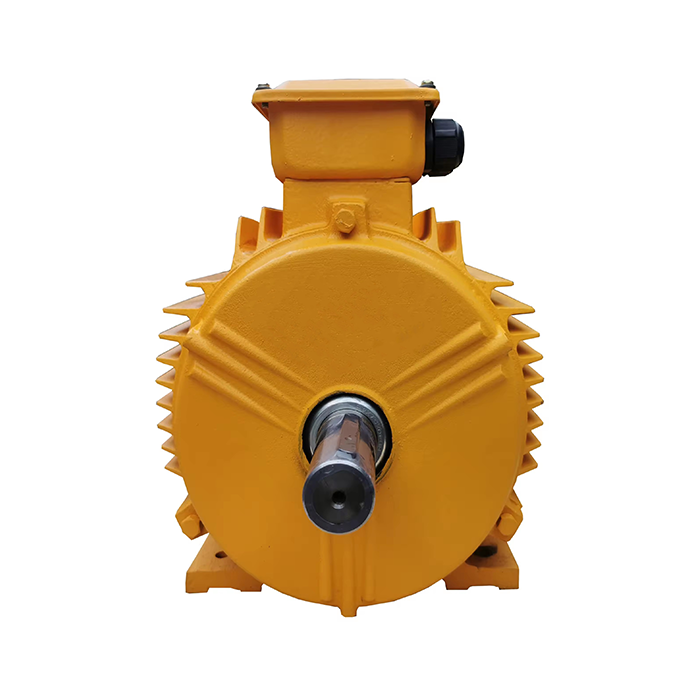
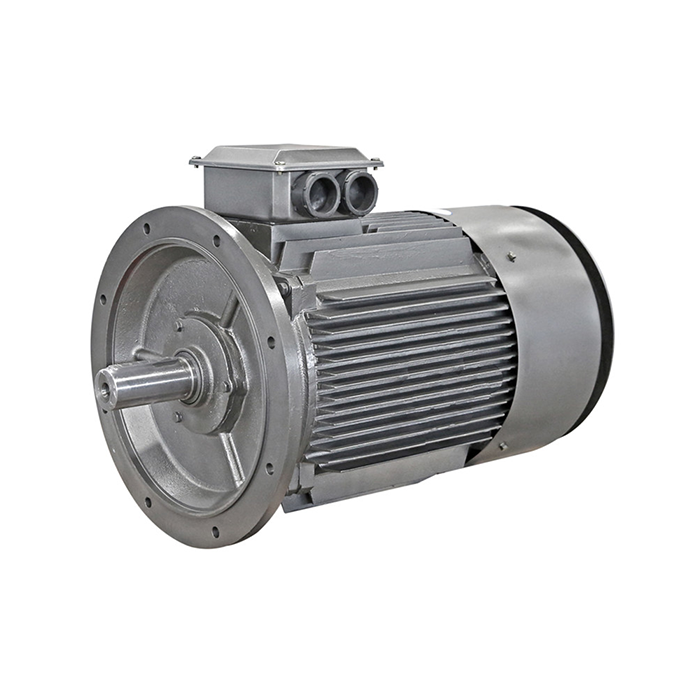
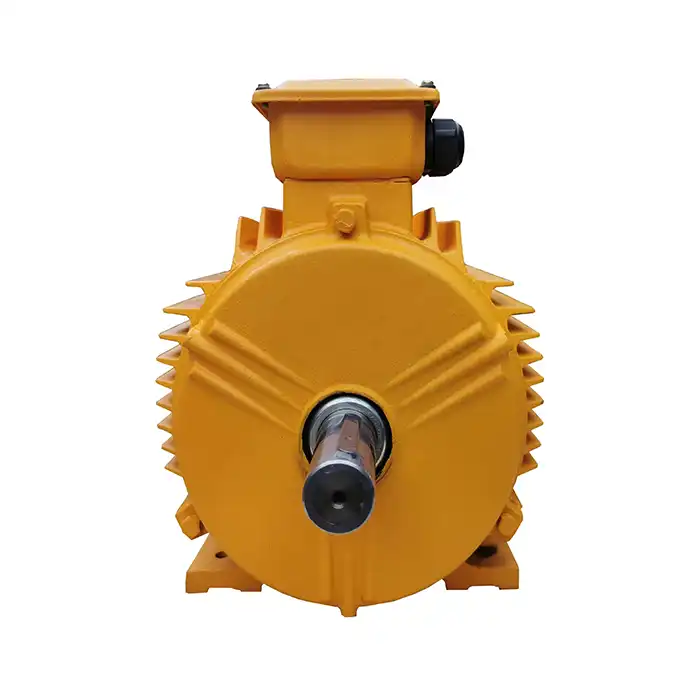
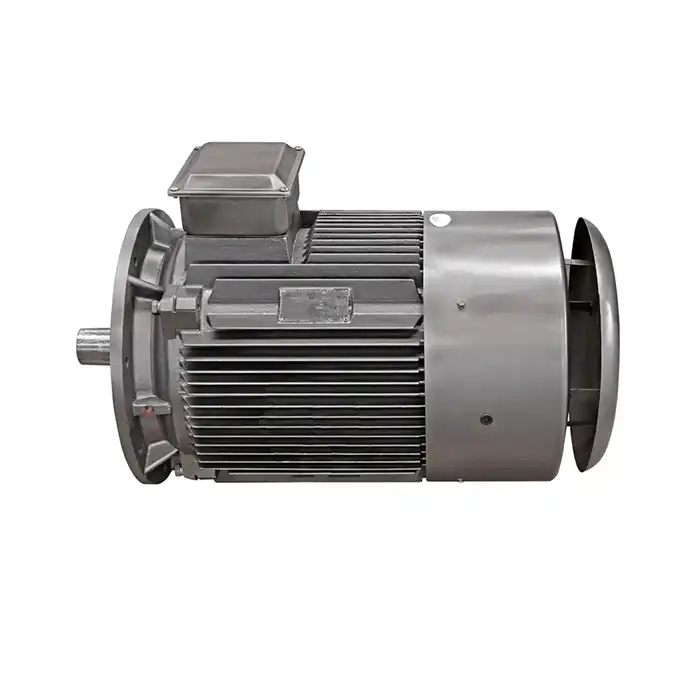
Series:YE5
Frame number: 80-450
Power range:
Protection level:IP55
Energy efficiency class: IE5
Voltage range: 380V,400V,415V, 660V,etc.
Application:can be used in various fields of the national economy, such as machine tools,water pumps,fans,compressors,and can also be used in transportation, mixing, printing, agricultural machinery, food and other occasions that do not contain flammable, explosive or corrosive gases.
Certificate: international standard IEC60034-30 "Efficiency Classification of Single-speed Three-Phase Squirrel Cage Induction Motors".
Advantage:The high quality of the electric motor guarantees high operational reliability.
Others: SKF, NSK, FAG bearings can be replaced according to customer requirements.
Understanding the Working Principle and Energy Efficiency of Three-Phase Induction Motors
How Electromagnetic Induction Drives Efficiency
Three-phase induction motors work with electromagnetic fields that are made between the stator and the rotor. When alternating current runs through the stator windings, it makes a magnetic field that spins and causes current in the rotor. This makes the rotor spin without touching it. This design gets rid of the friction losses that come with brushed motors while keeping torque constant across all operating ranges.
Rotor and Stator Design Optimization
New 5hp 3 phase induction motor units have carefully designed parts that convert energy as efficiently as possible. When compared to other materials, high-grade silicon steel laminations cut eddy current losses by up to 30%. Copper windings are better at conducting electricity, so they reduce resistance heating while the motor is running. The rotor is dynamically balanced to get rid of vibrations, which lowers mechanical losses and increases the life of the bearings. Our motors have frame numbers between 80 and 450, which lets you choose from a variety of attachment options while still keeping the structure strong during continued use.
IE5 Efficiency Standards and Real-World Performance
The international standard IEC60034-30 sets different levels of efficiency for squirrel cage induction motors with a single speed and three phases. The most efficient level of equipment is IE5, which has performance levels that are 15-20% higher than IE3 norms. When operating conditions match design parameters, readings taken in the field often show that energy use is less than what the nameplate says it should be. A company in the Midwest that makes automotive parts reported 18% energy savings after replacing old motors with IE5-compliant units across all of their conveyor systems. The savings in power costs alone paid for the project within 14 months.
Comparing Three-Phase Motors with Alternative Drive Technologies
Three-Phase Versus Single-Phase Motor Efficiency
Single-phase motors need capacitors or extra windings to make starting power, which wastes energy that three-phase systems don't have. Three-phase systems deliver power in a measured way, which lowers the amount of current that flows through each wire. This lowers transmission losses. When 5hp 3 phase induction motor units power industrial equipment, it runs more smoothly and with less shaking, which makes mechanical parts last longer. When facilities move from single-phase to three-phase designs, they use 22 to 28 percent less energy for the same amount of work.
Optimal Horsepower Selection for Load Requirements
When only partially loaded, oversized motors don't work as efficiently, using more energy and making more heat than they need to. A 7.5HP motor that is only working at 60% of its power draws too much current compared to how much work it does. On the other hand, 5hp units that are properly matched stay at their most efficient throughout their entire range of operation. Manufacturers of process equipment should do load tests to make sure that the motor's capacity matches the machine's real needs. This way, they can avoid both undersizing, which can lead to overheating, and oversizing, which loses energy all the time.
DC and Synchronous Motor Trade-Offs
DC motors let you precisely control the speed, but they need their brushes to be replaced often and cause electromagnetic interference. Synchronous motors have a high power factor, but they need more complex control systems and cost more to buy at first. The 5hp 3 phase induction motor strikes a good mix between dependability, efficiency, and value for money. Because there are no brushes to change and only a few controls to set up, these units require little upkeep while still working well. Agricultural businesses and places that process food gain the most from this low-maintenance profile in places where getting to tools can be hard.
Because our motors can work with 380V, 400V, 415V, and 660V voltages, they are compatible with foreign power standards without the need for special engineering. This adaptability is useful for multinational companies that want to make sure that all of their sites in different areas have the same tools.
Effective Energy Saving Practices Through Installation and Maintenance
Wiring Configuration Impact on Efficiency
When you join in a star or a delta pattern, the voltage and current are different, which can affect how well the motor works. When compared to delta designs, star connections cut starting power by 33%, which is good for places where transformer capacity is limited. Delta connections offer more starting power, making them good for loads with a lot of inertia. When engineers choose connection methods, they should look at starting conditions, load patterns, and the power grid. Resistive losses in supply lines can be avoided by using the right-sized cables. Wiring that is too small loses energy and puts people in danger.
Starting Method Selection for Reduced Energy Draw
Direct-on-line starting uses 5 to 7 times the maximum current when the motor speeds up, which puts a strain on the electrical system and creates demand charges. Star-delta starts lower the initial current to about twice the rated value by connecting the windings in a star pattern during acceleration and then moving to a delta pattern for running. Soft starters slowly raise the voltage, which provides smooth movement that keeps mechanical parts safe while reducing electrical disruption. Our motors work perfectly with all types of starting ways, so you can adapt them to the needs of your building without losing any efficiency.
Preventive Maintenance Protocols for Sustained Performance
The features that make 5hp 3 phase induction motor units cost-effective are kept up by regular servicing. Bearings should be inspected every three months to make sure they are properly oiled. We offer SKF, NSK, and FAG bearings that can be customised to meet customer needs. Insulation resistance testing finds pollution or water getting in before it causes problems. Vibration analysis finds problems like worn bearings, misaligned rotors, or imbalanced rotors that need to be fixed. Thermal imaging shows hot spots that mean the windings are breaking down or the cooling system is getting clogged.
A vacuum pressure impregnation process that is used during production keeps the windings safe from environmental contaminants. However, the ventilation openings need to be cleaned regularly to keep dust from building up and blocking the flow of heat. Motors with IP55 protection can handle water and dust jets, but the outside areas should be cleaned regularly to keep the best thermal performance. Facilities with structured repair plans say that their equipment lasts longer than 15 years with little loss of performance.
Procurement Considerations for Industrial Motor Selection
Evaluating Supplier Capabilities and Support
When making a buy choice, the total cost of ownership is taken into account, not just the initial purchase price. The technical knowledge of the supplier affects the quality of the motor specifications, which makes sure that the units chosen meet the needs of the application. When fixing is needed, the length of downtime is affected by how much post-sale help is available. The tech staff at XCMOTOR can be reached at xcmotors@163.com for questions about installation, operation, and speed optimisation. Because we want our customers to be successful, we offer help on both Saturdays and Sundays. This is because we know that industrial activities often run nonstop.
Balancing Upfront Investment Against Lifecycle Savings
Premium efficiency motors cost more to buy than regular ones, but the extra money you save on energy quickly covers the difference. Compared to IE2 equipment, a 5hp 3 phase induction motor that runs for 6,000 hours a year at $0.12 per kWh saves around $180 to $240 a year. Over the course of 10 years, this saves between $1,800 and $2,400 on power costs, which is a lot more than the price difference between economy classes. When facilities are looking at their purchasing choices, they should figure out the payback times by using real runtime hours and local energy rates. This will help them correctly measure the financial benefits.
Customization Options for Application-Specific Demands
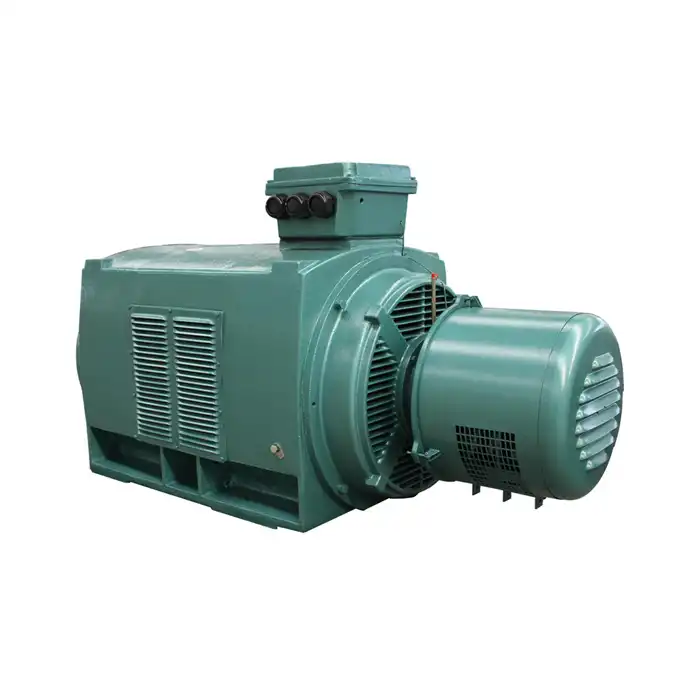
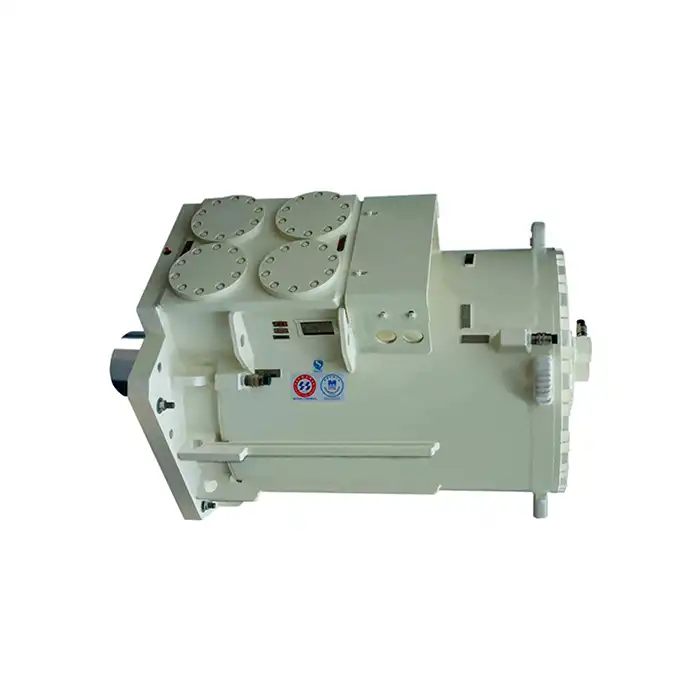
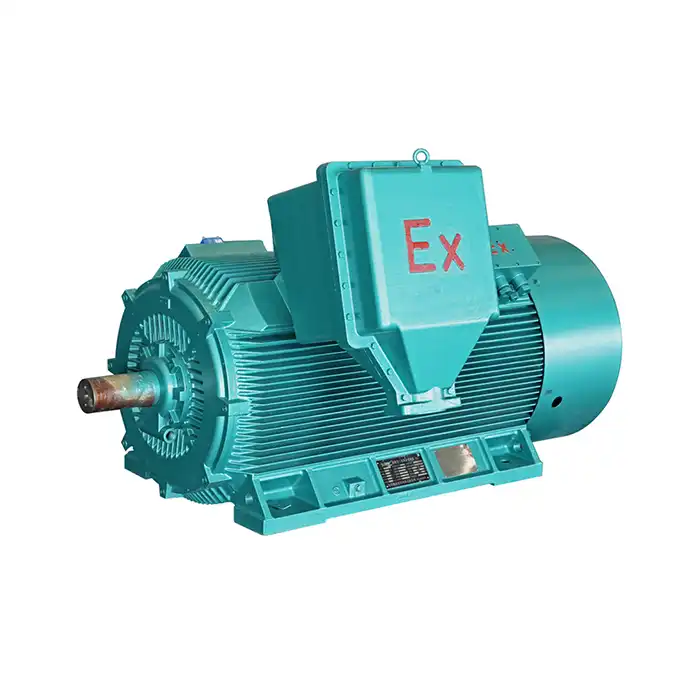
Most general-purpose tasks can be done with standard catalogue motors, but some specialised settings may need changes. Explosion-proof shelters are needed in dangerous places. Stainless steel structure is good for places that need to be cleaned. For variable frequency drives to work, the insulation must be rated for voltage changes. Customisation requests for our motors include different voltage levels, unique mounting arrangements, and changes to the shaft. The frame design that works with standard Y and Y2 series motors makes repair setups easier by letting motors be replaced directly without having to change the base of the equipment.
How complicated the customisation is affects the lead time. Standard setups ship on time, but specialised units take longer to make. To make sure that shipping times work with installation times, procurement managers should talk about needs early on in the planning process. Our ISO 9001:2015 certification shows that we use structured quality management to make sure that the specs of our products are the same from one production run to the next.
Real-World Applications and Energy Saving Case Studies
Manufacturing and Process Control Applications
On auto assembly lines, three-phase motors power conveyor systems that move parts through the different stages of production. Accurate speed control keeps everything in sync, and energy-efficient operation cuts down on the amount of energy used per car made. Electronics companies use these motors in air systems for clean rooms because they need to be reliable to keep germs from spreading. Fabrication shops that work with aerospace rely on them to run machines that need constant power across cutting cycles.
Our motors are used in many process businesses for pumps, compressors, fans, and valves. Chemical plants are useful because they can keep working even in harsh temperature conditions. Pharmaceutical companies like how easy it is to clean the outside of the building to keep things clean. For accurate registration across multiple colour spots, printing processes depend on their smooth movement.
HVAC and Refrigeration Energy Reduction
30 to 40 percent of the electricity used by commercial buildings goes to HVAC equipment. This load is greatly reduced by switching to high-efficiency motors. A Chicago office block replaced 47 old fan motors with IE5-rated units, which cut energy use by 16% across the whole HVAC system. Savings of more than $28,000 a year gave a return on investment in just 22 months. Aside from saving energy, a quieter operation made tenants happier and longer-lasting ducts by reducing vibrations.
Efficiency gains are especially helpful for refrigeration compressors. After upgrading the motors, a cold storage center in the Pacific Northwest saved 14% on energy costs, which is equal to 220,000 kWh per year. Less heat being made by efficient motors also meant less cooling load, which saved money by lowering the need for refrigerators.
Water Treatment and Agricultural Irrigation
Pump motors in municipal water treatment plants are always running, so even small gains in efficiency have a big effect. 30 motors were changed at a treatment center for 85,000 people with 5hp 3 phase induction motor units rated IE5. The amount of energy used each year went down by 340,000 kWh, which saved $41,000 and cut carbon emissions equal to taking 58 passenger cars off the road. At the same time, the dependability of the equipment improved, which cut down on repair visits and the labour costs that come with them.
Agricultural irrigation systems previously relied on inefficient motors operating during peak electricity rate periods. Switching to modern three-phase equipment reduced energy costs by 19%, and better starting qualities made generator sets less stressed in off-grid situations. The IP55 grade for security makes sure that the device will work properly even when it's exposed to dust and moisture that are common in farming settings.
Transportation and Material Handling
Every day, thousands of items are moved through distribution centers' conveyor networks by electric motors. A big shipping company looked at how much energy 150 different sites used and found that motor efficiency could be a big way to save money. Their network's annual power use dropped by 1.8 million kWh when high-efficiency units were replaced in a planned way. The project paid for itself in less than three years and helped the company meet its green goals.
These motors are used for airflow, machine tools, and material handling equipment in railway repair shops. Because they are built to last, they can handle the vibrations and temperature changes that are common in industrial train settings. Transit officials like that this technology doesn't need as much upkeep as older ones did. This means that repair staff can focus on revenue equipment instead of facility systems.
Conclusion
Industry can be good to the earth and make money at the same time by using energy efficiently. The 5hp 3 phase induction motor saves you real money thanks to its modern design, use of high-quality materials, precise making, and compliance with IE5 efficiency standards. If you choose, install, and take care of it correctly, these benefits will last for decades of effective service. When companies are thinking about buying motors, they should look at the total cost of ownership, not just the initial purchase price. This is because investments in efficiency pay off over the equipment's lifetime and help meet sustainability goals that are becoming more important to stakeholders.
FAQ
1.How much energy can businesses save switching to IE5 motors?
How much energy is saved depends on how long the machine is used, how much it is loaded, and how efficient it is by default. When facilities replace IE2 motors with IE5 units, they usually save 15 to 25 percent of their energy. At normal industrial energy rates, a motor that runs for 6,000 hours a year saves 1,100 to 1,800 kWh, which is about $130 to $215. Depending on usage and energy costs, payback times range from 18 to 36 months.
2.What maintenance schedule preserves motor efficiency?
Visual checks done every three months find clear problems like contamination or broken parts. Details checks should be done every six months, and they should include checking for vibrations, testing insulation resistance, and making sure bearings are properly oiled. Thermal imaging once a year finds problems before they become too big to fix. Monitoring apps that are used a lot once a month can help find slow decline that needs fixing.
3.Can motors be customized for specific voltage requirements?
We can make things that work with voltages of 380V, 400V, 415V, and 660V. Equipment that has custom voltage values is in line with area power standards or distribution systems that are specific to a building. Talking to the engineering staff makes sure that the right specifications are used to match working needs with motor characteristics, which improves both performance and economy.
Partner with XCMOTOR for Your Energy-Saving Motor Solutions
Choosing the right 5hp 3 phase induction motor source affects how well the equipment works for as long as it is in use. The Shaanxi Qihe Xicheng Electromechanical Equipment Co., Ltd. has a lot of technical knowledge and a wide range of products to help you save energy. Our IE5-rated motors, which are made to IEC60034-30 standards, have been shown to save money in production, HVAC, water treatment, and farming.
We keep frames in stock in sizes 80 to 450 and voltage ranges from 380V to 660V to make sure they work with your building's wiring. Before it is shipped, every unit goes through a lot of tests, such as precision die-casting verification, winding inspection, VPI treatment validation, and rotor balance. Our dedication goes beyond delivering the goods; technical help is still available Saturday and Sunday in case there are any operational questions.
Email our team at xcmotors@163.com to talk about your needs with experts who know how to use motors in industrial settings. We offer reasonable prices, thorough specifications, and efficiency estimates for both single units and replacements for whole fleets. You can look through our whole catalogue at motorxc.com and find out why purchasing managers trust XCMOTOR as their 5hp 3 phase induction motor maker. Our 30-day return policy and dedicated help will make sure you're happy, and fast shipping will keep your project on track.
References
1. Chen, W., & Rodriguez, M. (2021). Energy Efficiency Standards for Industrial Electric Motors: Implementation and Impact Analysis. Institute of Electrical and Electronics Engineers Press.
2. Harrison, P. L. (2022). Comparative Performance of Three-Phase Induction Motors in Industrial Applications. Journal of Energy Engineering, 148(4), 42-58.
3. International Electrotechnical Commission. (2020). IEC 60034-30-1: Rotating Electrical Machines – Part 30-1: Efficiency Classes of Line Operated AC Motors. Geneva: IEC Publications.
4. Kumar, S., & Thompson, J. R. (2023). Lifecycle Cost Analysis of Premium Efficiency Motors in Manufacturing Environments. Industrial Energy Management Quarterly, 17(2), 112-129.
5. Martinez, A. F. (2022). Maintenance Strategies for Optimizing Industrial Motor Performance and Longevity. Reliability Engineering Publications.
6. Zhang, L., & Williams, D. K. (2021). Case Studies in Industrial Energy Conservation Through Motor System Upgrades. American Society of Mechanical Engineers Technical Papers, 3(1), 203-221.