



IE5 Motor Efficiency: The Ultimate Guide to High-Performance and Energy Savings
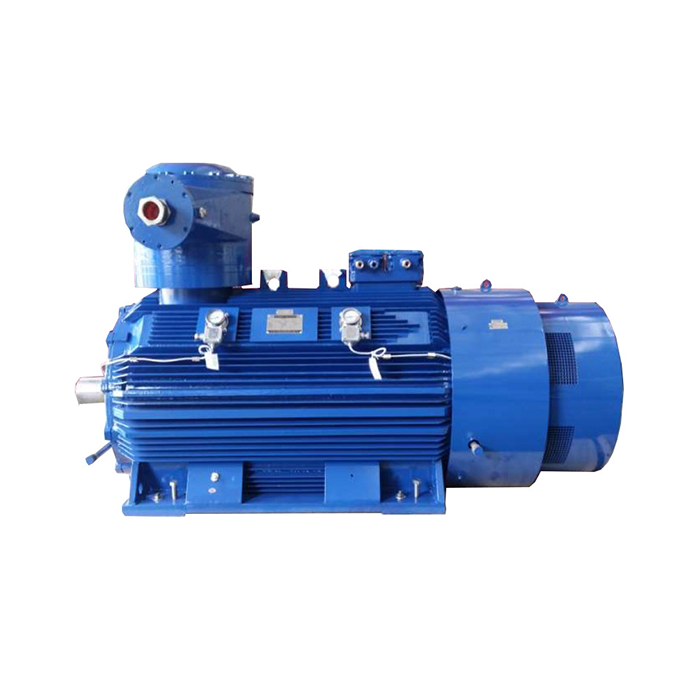
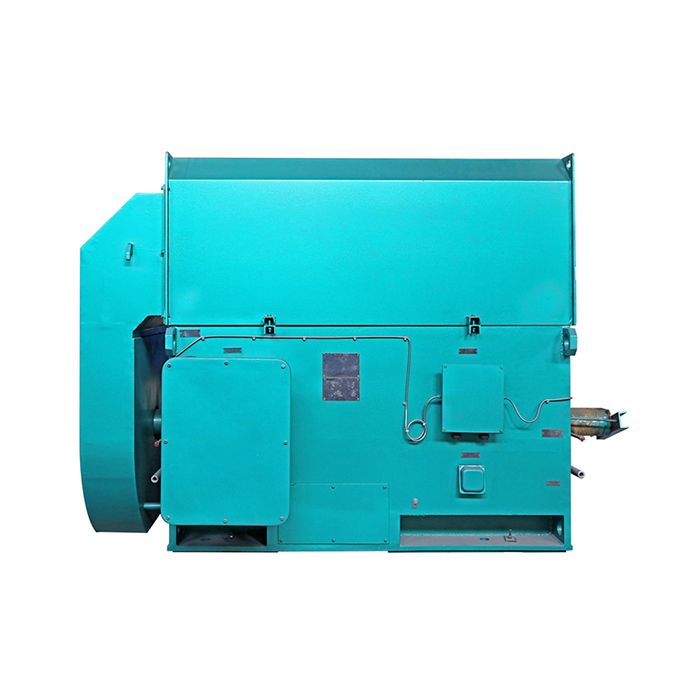
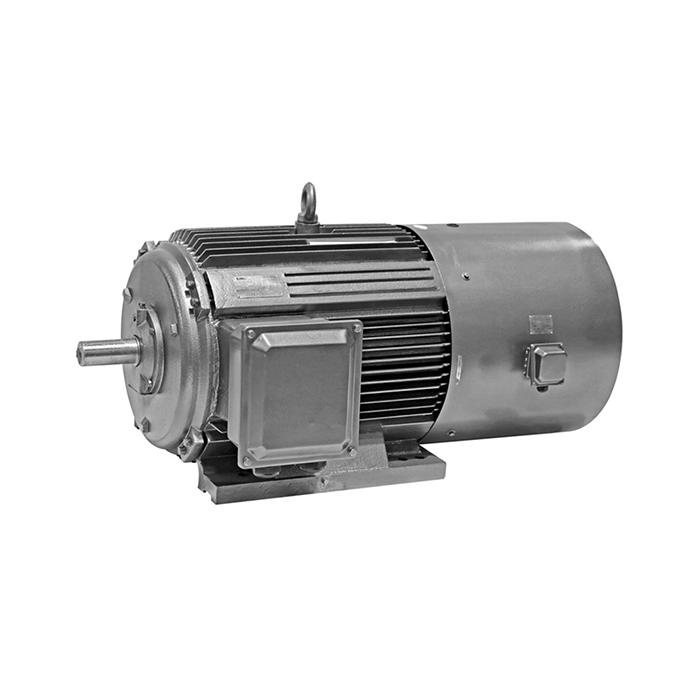
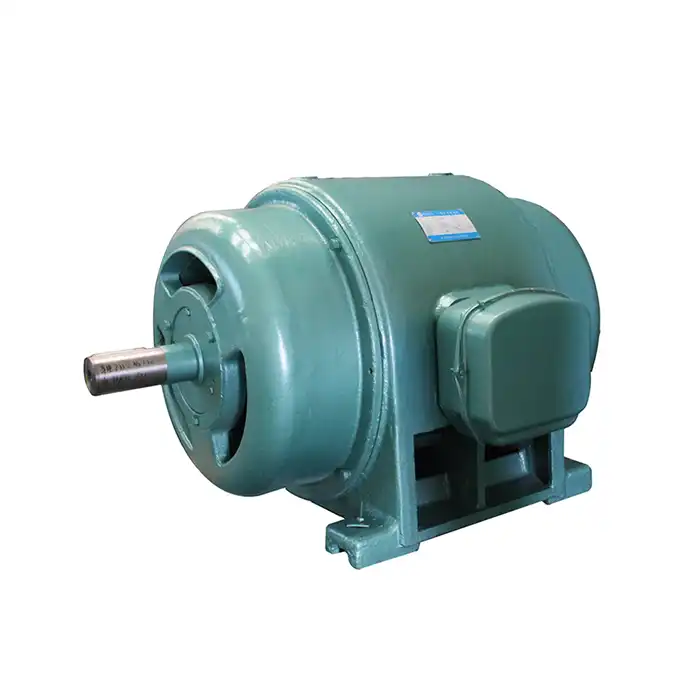
Ultra-premium efficiency motors are a measured way for industrial facilities to deal with rising energy costs and stricter environmental rules. The IE 5 motor is the most advanced electric motor technology on the market right now. Its up to 96.5% efficiency comes from its original design and precise engineering. Synchronous reluctance technology and optimised magnetic circuits are used in these motors to keep energy losses to a minimum while they are running. When businesses use this technology, their running costs go down significantly, and their equipment is more reliable and lasts longer.
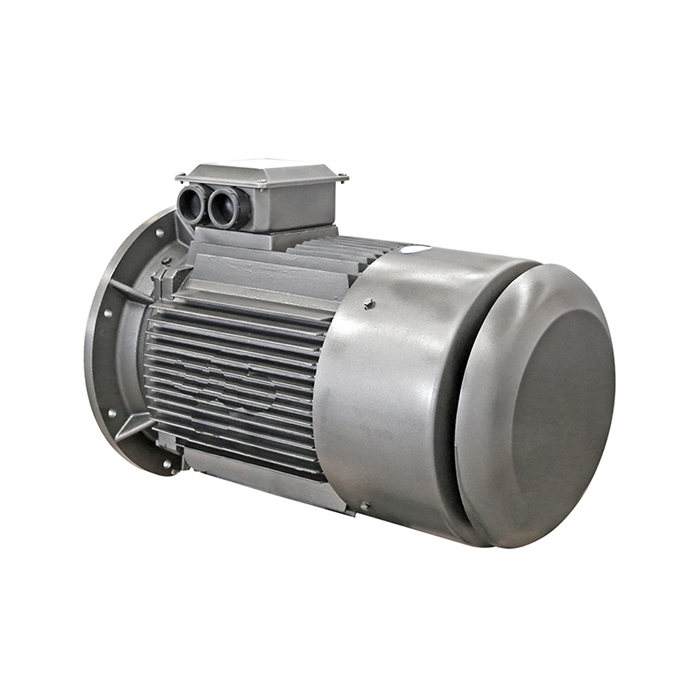
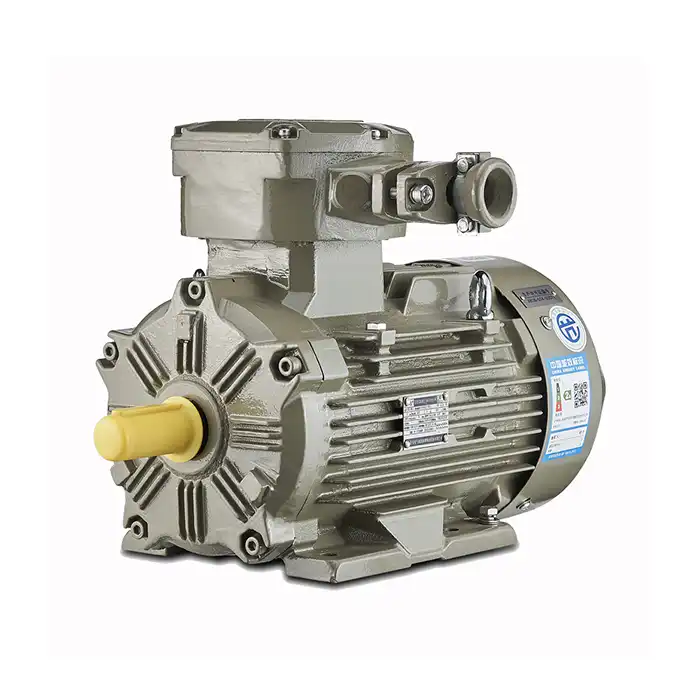
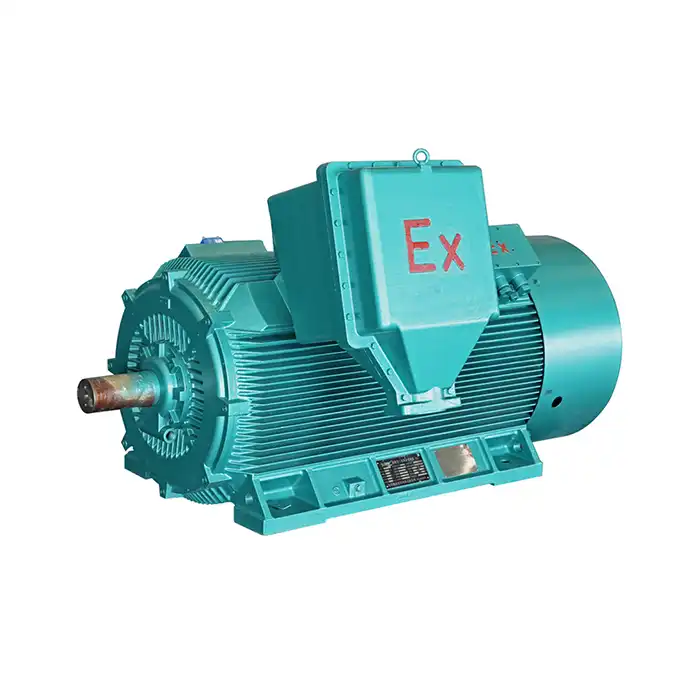
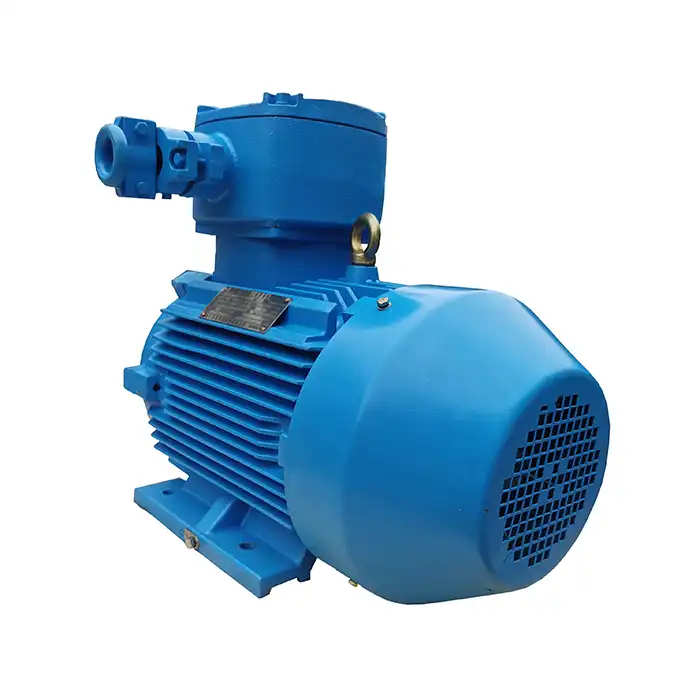
Series:YE5
Frame number: 80-450
Power range:0.75-1000kW
Protection level:IP55
Energy efficiency class: IE5
Voltage range: 380V,400V,415V, 660V,etc.
Application:can be used in various fields of the national economy, such as machine tools,water pumps,fans,compressors,and can also be used in transportation, mixing, printing, agricultural machinery, food and other occasions that do not contain flammable, explosive or corrosive gases.
Certificate: international standard IEC60034-30 "Efficiency Classification of Single-speed Three-Phase Squirrel Cage Induction Motors".
Advantage:The high quality of the electric motor guarantees high operational reliability.
Others: SKF, NSK, FAG bearings can be replaced according to customer requirements.
Understanding IE5 Motor Efficiency — Key Features and Benefits
What Makes IE5 Motors Different
There are five levels of motor efficiency, ranging from IE 1 motor to IE 5 motor. Each level up means that the motor is converting energy more efficiently. This better performance of an IE 5 motor is made possible by a number of combined design improvements that work well together. Instead of traditional copper bars, advanced rotor construction uses carefully designed magnetic paths that cut rotor losses by about 30–40% compared to traditional induction designs. The stator has better coil arrangements made of high-quality copper, which lowers resistance and heat production while it's working. These motors use SynRM (Synchronous Reluctance Motor) technology, which blends the ease of use of regular induction motors with performance levels that were previously only possible with permanent magnet systems. Notably, this design doesn't use any rare earth materials at all, so it's an environmentally friendly choice that doesn't depend on supply lines that are limited in resources.
Tangible Operational Advantages
Having an IE 5 motor in your building has many useful effects that affect both daily activities and long-term financial planning. The amount of energy used goes down by a lot. When facilities upgrade from IE 3 motor technology, motor-related power use usually drops by 20–40%. This means big savings on costs, especially for things that are used all the time, like fans, pumps, and compressors. Because internal losses are lower, thermal control gets a lot better. Motors run cooler, which makes bearings last longer and puts less stress on insulation systems. The lower working temperatures also mean that enclosed areas don't need to be cooled as much, which saves energy in ways other than just the motor itself. Another important change is the acoustic sound. The operation is quieter because there is less electromagnetic noise and the power is delivered more smoothly. This is a useful feature in places where noise control is important for worker happiness and following the rules. Because the simpler design is less stressed mechanically and breaks down less over time due to heat, maintenance gaps are longer.
Design Innovations Driving Performance
These efficiency gains are the result of careful optimisation of electromagnetic components in the engineering behind them. The IE 5 motors from XCMOTOR have computer-optimized stator laminations that keep eddy current losses to a minimum while increasing magnetic flux density. Barrier configurations built into the rotor design make the resistance change needed to produce power without the need for external magnets. Advanced bearing technology makes things work more efficiently generally. You can choose high-quality bearings from companies like SKF, NSK, and FAG based on the needs of the application. These bearings reduce friction losses and make sure stable operation across a wide range of temperatures. When choosing a bearing, the load characteristics, speed needs, and environmental factors that are unique to each placement are all taken into account. When you wind something, you use automatic, precise equipment that makes sure the copper is placed correctly and used to its full potential. This way of making things makes motors that don't vary much from one unit to the next, so performance is consistent across production runs. Before it is shipped, every motor goes through a lot of tests with different loads to make sure that the performance requirements are always met.
IE5 Motor vs. Other Motor Types — Making the Right Industrial Choice
Efficiency Class Comparison
Knowing how the different efficiency classes work in real life helps buying teams make smart investment choices. When compared to a similar IE 5 motor doing the same work, an IE 3 motor using 110 kW uses a lot more power annually. The difference in efficiency is between 3 and 5 percentage points, based on the load and the speed of operation. IE 4 motors are a step in the middle; they're better than IE 3 motors but not as good as IE 5 motors. Even though it might cost more, facilities that need to run all the time or use a lot of power should choose the better grade because the difference between IE 4 motor and IE 5 motor is still big enough. When you look at the total costs of a motor's life, the higher economy of better motors means that you will save money over time. If you compare the yearly energy costs of a 110 kW motor that runs nonstop to IE 3 motor and IE 5 motor technology, the changes can be more than several thousand dollars. In most industrial sites, these saves add up over a number of motors.
Application Suitability Across Industries
In different situations, different motor systems work best. For uses with intermittent duty and yearly working hours of less than 2,000 hours, traditional induction motors are still a good value. But the IE 5 motor is the best choice for constant process equipment like fans, pumps that run 24 hours a day, seven days a week, and refrigeration units. The exact speed control and high power factor that these motors offer are helpful for factories that use machine tools, conveyor systems, and automatic production equipment. They can be used in modern automatic facilities with complex control systems because they have less harmonic distortion, which keeps them from interfering with sensitive electronic equipment. The better part-load economy features are especially helpful for HVAC uses. Because temperature control systems work at different loads throughout the day, being able to keep them running at high efficiency across the whole load range saves more money in real life than just comparing full-load efficiency.
Investment Return Analysis
To figure out payback times, you have to look at both the costs of buying and the costs of running the business. Even though an IE 5 motor costs 15–25% more than an IE 3 motor, the savings in energy use in high-use situations pay for themselves in 13–24 months. This time frame gets even shorter when you consider that many places offer energy refund programs for high-efficiency equipment. Because these motors last a long time—often 15 to 20 years with regular maintenance—the starting cost is spread out over many years of steady use. Lower failure rates and repair needs mean less unexpected downtime, which adds value beyond just saving energy.
Procurement Guide for IE5 Motors — What B2B Buyers Need to Know
Evaluating Total Cost of Ownership
Smart buying strategies look at more than just the original purchase price. They also look at the total costs of ownership. An IE 5 motor evaluation should include energy costs that are estimated using the real facility power rates and the expected number of hours the motor will be used each year. This study often shows that even though they cost more up front, high-efficiency motors are cheaper to own over time. The warranty terms should be carefully read. Protecting against production flaws for 24 to 36 months with full coverage is an important way to lower the risk. Some sellers offer longer warranty periods for important uses where failures could seriously affect production schedules. How well setups go and how quickly problems are fixed depend on how well the product has after-sales help. Long periods of downtime that affect production plans are less likely to happen when suppliers have responsive technical support teams, paperwork that is easy to find, and replacement parts on hand.
Practical Logistics Considerations
Lead times are very different based on the size of the motor, the voltage needs, and the level of customisation needed. Standard frame sizes with common voltage rates (380V, 400V, and 415V) usually ship in 4 to 8 weeks. Custom designs, on the other hand, may take 10 to 14 weeks. When planning big upgrades or new installs, these dates need to be taken into account to keep the job on track. Facilities that are planning major motor upgrades often find that buying in bulk saves them money. With volume agreements, suppliers can make the best use of production plans, which could cut costs per unit by 10–20% compared to buying one at a time. These setups work especially well when different uses need to use the same frame sizes.
Specifications to Check
Technical standards need to be checked against the needs of the product. Power range needs should meet motor capabilities. XCMOTOR has IE 5 motors with power ranges from 0.75 kW to 1000 kW, which is more than enough for most commercial uses. The voltage requirements must match the electricity systems in the building. For different world standards, there are 380V, 400V, 415V, and 660V configurations to choose from. Protection class scores show how well something works in a certain setting. When it comes to most workplace settings, IP55 security is enough to keep out dust and water. Higher safety ratings may be useful for applications that need to work in harsh situations. These ratings can be requested. Different types of loads can be handled by speed ranges from 500 to 3000 rpm. The best efficiency is achieved at real working conditions, not just at the stated output, when the right speed is chosen. Frame sizes ranging from 80 to 450 can be mounted on top of current equipment bases, which makes retrofit setups easier.
Leading IE5 Motor Brands and Their Market Offerings
Technology Leadership in Ultra-Premium Efficiency
Ultra-premium efficiency motors are sold by a number of well-known companies that have put a lot of money into research and development. Different technical methods have been used by these companies to bring out IE 5 motor technology, but SynRM designs have become the most popular layout. XCMOTOR has made a wide range of products that cover all the power ranges that industry customers need. Our motors are classified according to the international standard IEC60034-30 for single-speed three-phase squirrel cage induction motors. This makes sure that they work with standards around the world. When it comes to competition, manufacturers who can offer steady quality along with new technology are rewarded. Testing for reliability shows that when properly built, IE 5 motors are as reliable as or more reliable than older equipment while also being more efficient. This mix handles a common procurement worry about introducing new technology: the chance that increased efficiency will come at the cost of stability that has been proven to work.
Application-Specific Performance
Motor systems have to meet different needs in different fields. Motors used in water treatment plants need to be able to work reliably in damp conditions and for long periods of time. IE 5 motor equipment works well in these situations thanks to its IP55 protection class and premium bearing choices. The high power factor (greater than 0.9) and low harmonic distortion are good for uses that use renewable energy. These motors are often used in wind and solar setups in extra systems where good electrical quality is important for connecting to the grid and making the system work well generally. Applications in the transportation sector, such as material handling, airport systems, and train infrastructure, benefit from the longer service intervals and lower upkeep needs. Being able to choose high-quality bearings (SKF, NSK, or FAG) based on specific load and speed conditions guarantees the best performance in a wide range of working circumstances.
Optimizing IE5 Motor Performance in Your Facility
Installation Best Practices
When something is installed correctly, it will work reliably for years to come. To keep the frame from warping, which could affect the position of the bearings, mounting surfaces must provide rigid support and be flat within certain limits. Accurate alignment of the shaft between the motor and the driven equipment is necessary; angular and parallel error that goes beyond the acceptable range speeds up bearing wear and raises sound. Pay close attention to electrical lines. To keep the IP55 grade, the entry points of the terminal box should be properly covered. Make sure that the source voltage stays within the motor's recommended range and that the voltage unbalance stays below 1% to keep the motor from getting too hot and losing its efficiency. Long-term efficiency is affected by the environment near the installation place. The temperature in the room should stay within certain ranges, usually between -20°C and +40°C for normal designs. If there is enough air flow around the motor frame, cold air can flow and stop hotspots from forming, which could cause insulation systems to fail early.
Maintenance Strategies for Extended Service Life
Systematic care keeps these motors' benefits in terms of performance. For important uses, checkups should be done every three months. During these checks, the mounting hardware should be checked for tightness, strange vibrations or noises should be looked for, and cooling paths should be made sure they are clear. When maintaining a bearing, you should follow the manufacturer's instructions based on how it is being used. Permanently sealed bearings don't need to be oiled on a regular basis, but they do need to be checked for signs of wear. Re-greasable bearing designs need to be oiled on a regular basis using certain types and amounts of grease. Too much oiling can cause just as many problems as not enough. Performance tracking through regular measures of efficiency confirms that the expected energy savings are still happening. Portable power analysers can check the motor's input power, power factor, and harmonics to make sure it works as it should. Looking at these data over time shows that they are slowly getting worse before they get bad enough to cause problems.
Upgrade Planning and System Integration
When replacing older motor classes with IE 5 motor equipment, effects on the whole system need to be thought about. The higher power factor could change how the building distributes power, which could let the electricity service be shrunk or allow it to grow. These benefits will be realised if you talk to electricity experts during the planning phase. When you need to control the speed of a program, variable frequency drive support is important. Most IE 5 motors work well with VFDs, but the system works best when the right drive is chosen and the right parameters are programmed. The drive's rated power should match the motor's power needs and provide enough current for starting up and overloaded situations. Facilities planning Industry 4.0 projects have to think about what tools they will use based on how well it will integrate with future automation capabilities. Motors that come with communication ports and condition tracking sensors make it easier to connect them to systems that do predictive repair. This method looks to the future to protect investments by making sure that new equipment stays useful as building technology changes.
Conclusion
Industrial sites that need to cut down on energy costs and damage to the environment can benefit from ultra-high efficiency motor technology. When you use advanced electromagnetic design, precise manufacturing, and optimised parts to make something more efficient, you get results that make the investment worth it in most industrial settings. When purchasing these motors, teams should look at their total ownership costs instead of just the purchase price. They should think about how much they will cost in energy, how much upkeep they will need, and how reliable they will be over their expected service life. When facilities are planning to install new motors or upgrade old ones, they should work with suppliers who offer full expert support, reliable shipping schedules, and proven product quality that makes sure specifications are always met.
FAQ
1.How much energy can facilities save by upgrading to IE5 motors?
Savings on energy rely on a number of factors, such as the efficiency class being changed, the number of hours the system is used each year, and the type of load it is carrying. The average energy savings from switching from IE 3 motor to IE 5 motor technology is 20 to 40 percent. If you leave a 110 kW motor running all the time, it could save between 15,000 and 25,000 kWh of power each year, which could add up to several thousand dollars in savings.
2.Are these motors compatible with existing facility infrastructure?
Of course, IE 5 motors can be used in place of normal motors in most situations. The frame's measurements are standard in the industry, so it can be mounted on supports that are already there without any changes. Standard terminal designs are used for electrical links. Facilities should make sure that the voltage levels match the supplies that are already in place and that the shaft measurements match the connections on the driven equipment.
3.What factors affect the payback period for IE5 motor investments?
Several things affect the results on investments. Higher annual working hours mean faster paybacks—equipment that is used all the time usually pays for itself in 13 to 24 months. Electricity costs in your area have a direct effect on how much you save. Utility rebates or other benefits for being energy efficient can lower the actual cost of a buy by a large amount. The efficiency profile of the application is also important. Loads that are consistently highly utilised give better results than applications that have variable or irregular service.
Partner with XCMOTOR for Your IE 5 Motor Requirements
XCMOTOR specialises in making ultra-high-efficiency motor solutions that are perfect for tough industrial uses. Our IE 5 motor provider can provide power levels from 0.75 kW to 1000 kW, as well as voltages of 380V, 400V, 415V, and 660V to meet international electrical standards. We keep a large stock of popular frame sizes, which lets us set shipping times that keep your projects on track. Each motor goes through strict quality control and performance checks to make sure it works reliably and meets our economy standards. Our expert support team helps you choose the right applications, install them, and keep your operations running at their best. Contact XCMOTOR at xcmotors@163.com to talk about your needs and find out how ultra-premium efficiency motors can lower the cost of energy for your facility while also making it more reliable. Motorxc.com has full product specs and technical tools that you can find there.
References
1. International Electrotechnical Commission, "IEC 60034-30-1:2014 Rotating Electrical Machines - Part 30-1: Efficiency Classes of Line-Operated AC Motors," Geneva: IEC Publications, 2014.
2. De Almeida, A.T., Ferreira, F.J., and Fong, J., "Standards for Efficiency of Electric Motors," IEEE Industry Applications Magazine, vol. 17, no. 1, pp. 12-19, 2011.
3. Boglietti, A., Cavagnino, A., and Tenconi, A., "Efficiency Analysis of PWM Inverter-Fed Three-Phase Induction Motors," IEEE Transactions on Industry Applications, vol. 42, no. 2, pp. 435-443, 2006.
4. Goman, V., Prakht, V., and Kazakbaev, V., "Comparative Study of Energy Consumption and CO2 Emissions of Variable-Speed Electric Drives with Induction and Synchronous Reluctance Motors in Pump Applications," Energies Journal, vol. 13, no. 14, 2020.
5. European Commission Joint Research Centre, "Electric Motor Systems: Preparatory Study for Ecodesign Requirements of EuPs," Technical Report EUR 23424 EN, Brussels: European Commission, 2008.
6. Waide, P. and Brunner, C.U., "Energy-Efficiency Policy Opportunities for Electric Motor-Driven Systems," International Energy Agency Working Paper, Paris: OECD/IEA Publications, 2011.