



Where Industrial Buyers Find Explosion Proof Motors
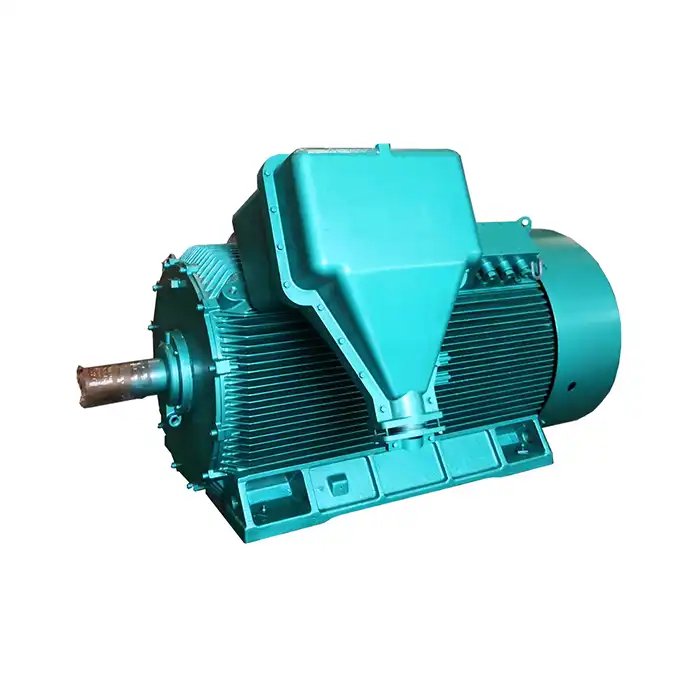
Finding suppliers who provide certified, compliant equipment without sacrificing explosion proof AC motor performance or delivery times presents a significant challenge for industrial buyers looking for explosion proof AC motor solutions. In the oil, chemical, mining, and manufacturing industries, procurement teams need motors that are built with flameproof enclosures, certified to standards like ATEX and IECEx, and made so that they don't catch fire in volatile environments. Trusted vendors provide clear specifications, flexible voltage options (380V, 415V, 660V, 1140V), and power ranges from 0.55 kW to 630 kW. They also offer thorough testing and technical support to make sure the equipment works well with existing systems.

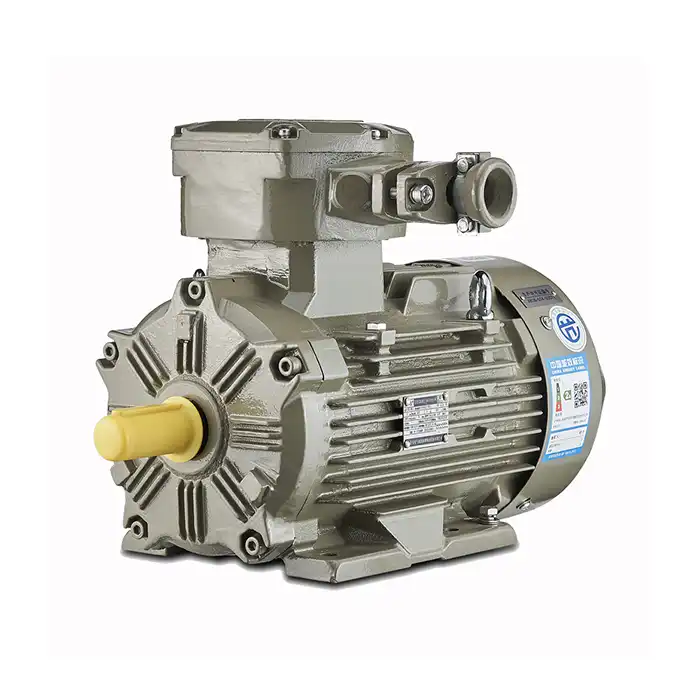
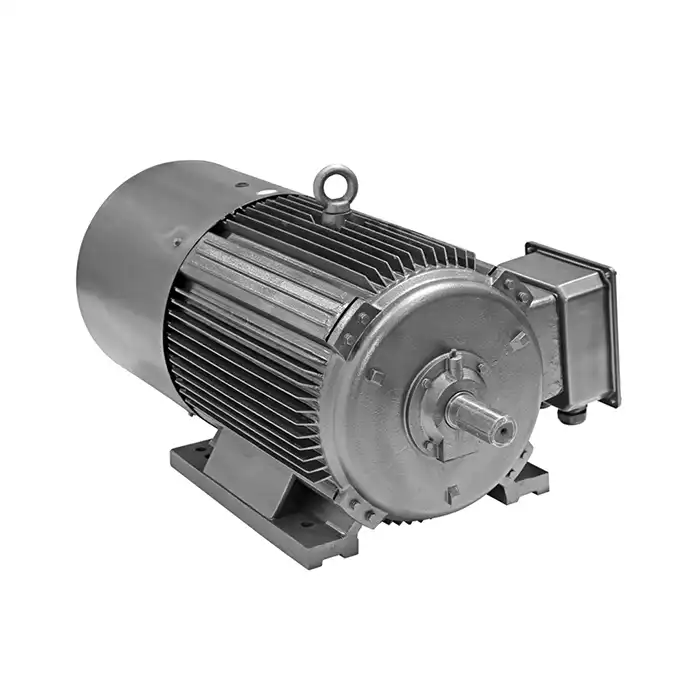
Series:YBX3
Voltage range:380V,660V,415V,380/660V,660/1140V
Power range:0.55-630 kW
Application:places where explosive gas mixtures exist in petroleum, chemical, mining, metallurgy, electric power, machinery and other industries.
Advantage: fully enclosed, self-fan cooling, squirrel cage type, high efficiency.
Explosion-proof mark: Ex d I Mb, Ex d IIB T4 Gb, Ex d IIC T4 Gb
Others: SKF, NSK, FAG bearings can be replaced according to customer requirements.
Understanding Explosion Proof AC Motors: Key Fundamentals
What Makes These Motors Different?
Explosion proof AC motor designs put containment ahead of stopping the explosion. When internal arcs or sparks happen during normal operation or a fault, the motor's strong enclosure completely blocks these ignition sources. Cast iron frames with carefully machined joints that don't catch fire are the first line of defense. These joints keep certain gap tolerances—usually less than 0.15mm—so hot gases can't escape and start fires in flammable areas nearby. Cooling is done by self-fan systems that move air around without putting out any external ignition risks and keep the best working temperatures between -20°C and +40°C.
Certification Standards That Matter
IECEx certification is recognized around the world, while ATEX certification is most popular in Europe. The markings Ex d I Mb, Ex d IIB T4 Gb, and Ex d IIC T4 Gb show different levels of explosion protection. The "Ex d" prefix confirms that the enclosure is made to be flameproof. Group I labels are for equipment used in underground mines, and Group II labels are for industries on the surface that work with gases like methane, propane, and ethanol. Temperature classification T4 makes sure that surface temperatures stay below 135°C, which keeps most industrial vapors from catching fire. Buyers need to make sure that these certifications, explosion proof AC motor, match the zone classifications and gas group ratings of their facility.
Construction Features Engineered for Hazardous Locations
Copper windings are better at conducting electricity than aluminum ones, which means they lose less energy during long operation cycles. Insulation classes F and H can handle temperature increases during overloading without breaking down too soon. Flame-resistant sealing rings are built into junction boxes around the cable entries, blocking any possible leak paths. Premium bearings from well-known brands like SKF, NSK, and FAG can be chosen based on load conditions and maintenance preferences. This makes service intervals longer in remote locations where it's hard to get to.
Comparing Explosion Proof Motors: Making the Right Choice
Performance Metrics Beyond Basic Specifications
Efficiency ratings IE2, IE3, and IE4 have a direct effect on how much it costs to run a motor for 15 to 20 years. An IE3-rated 75 kW motor that runs for 8,000 hours a year uses about 8% less energy than an IE2-rated motor of the same size. This can save a lot of money in buildings with multiple units. Classifications B and F for temperature rise show how well the heat works under constant load. When working in temperatures close to 40°C, motors with a Class F temperature rise need to be carefully derated to keep the insulation from failing.
Voltage and Power Configurations
Standard voltage choices include single-voltage models (380V, 415V, 660V) and dual-voltage configurations (380/660V, 660/1140V), which make installation possible in a variety of power systems. Higher voltage ratings lower the amount of current that is drawn, which keeps cable cross-sections and voltage drops to a minimum in long cable runs that are common in mining and offshore applications. Power ranges from 0.55 kW fractional units, which are good for valve actuators, to 630 kW drives, which are used to power industrial compressors, so they can meet a wide range of needs.
Protection Classes and Environmental Resilience
IP55 protection keeps dust and water jets from any direction out, making it good for most indoor industrial settings. IP56 provides better dust protection for places that work with fine powders. IP65 seals out dust completely and protects against low-pressure water jets, which is important in places that need to be cleaned or outside where it rains a lot. Corrosion-resistant coatings make things last longer in chemical plants where acidic vapors or salty air speed up the breakdown of materials.
Where and How to Procure Explosion Proof AC Motors
Identifying Reputable Industrial Suppliers
Before they can be bought, suppliers must show that explosion proof ac motor they have clear documentation and certifications that can be checked. Reliable sellers keep thorough product catalogs with markings that prevent explosions, power ratings, voltage choices, and dimension drawings. When you buy from an OEM-authorized distributor, you get factory warranties and access to technical support teams that know about certain motor designs. Digital platforms that focus on industrial automation equipment make it easier to compare prices, but it's usually better to work directly with manufacturers because they offer more customization options and better discounts for large orders.
Evaluating Supplier Capabilities
Using ISO 9001 quality management systems in factories shows that they are committed to consistent production standards. Suppliers that let you change the specifications of their bearings can adapt to different working conditions. For example, ceramic hybrid bearings work well in high-temperature settings, while chemicals need special materials that don't rust. Lead times for standard configurations are usually between 4 and 6 weeks. Depending on production schedules, lead times for custom voltage combinations or specialized mounting configurations may be up to 8 to 12 weeks.
Pricing Considerations and Total Cost Analysis
The price of an explosion proof ac motor is based on how much it costs to certify, what materials it is made of, and how efficient it is. Expect to pay 40–60% more than usual for industrial motors with the same power ratings. When buying 10 or more units at once, you can usually get discounts of 15 to 20 percent. Look at the total cost of ownership, which includes the initial purchase price, how much energy it uses, how often it needs to be maintained, and how long it is expected to last. Premium efficiency models that cost more up front often pay for themselves within three to five years by saving money on electricity costs.
Practical Guide: Maintaining and Maximizing Explosion Proof Motor Performance
Routine Inspection Protocols
Visual inspections are done every three months to check the outside of the enclosure for corrosion, impact damage, or paint wear that could weaken its integrity. Checking the torque on junction box covers needs to be done with calibrated tools, because loose fasteners can create ignition paths. Using infrared thermography to check the temperature of a bearing can help find deteriorating lubrication before it leads to a catastrophic failure. Vibration analysis finds misalignment or patterns of bearing wear, so repairs can be done on time during planned maintenance windows instead of having to be done in an emergency.
Cleaning Procedures for Hazardous Environments
When dust builds up on cooling fins, it makes them less effective at removing heat, which raises internal temperatures and speeds up the aging of insulation. Cleaning methods depend on the type of dust. For example, non-conductive dust can be cleaned with dry compressed air, but conductive particles need to be cleaned with approved solvents in water. Do not use high-pressure washers on flameproof joints because the extra force could damage important sealing surfaces. After cleaning, look at the joints to see if there is anything stuck in the gaps that could weaken the flameproofing.
Predictive Maintenance Strategies
Thermography programs set baseline temperature profiles during commissioning. This lets you find any strange heat patterns early on, which could mean that there are problems with the windings or a blockage in the cooling system. Vibration monitoring checks the condition of the bearing by analyzing its frequency. Certain patterns are linked to problems in the inner race, damage to the outer race, or wear on the rolling elements. For grease-lubricated bearings, oil analysis finds contamination or wear before it affects performance. When compared to reactive maintenance methods, these predictive techniques cut down on unplanned downtime by 40 to 60%.
Why Choose Expert Vendors for Explosion Proof AC Motors
Quality Control and Manufacturing Excellence
Specialized manufacturers use testing protocols with multiple stages that explosion proof ac motor go beyond the basic requirements for certification. Precision machining makes sure that the tolerances for flameproof joints stay within the required range between production batches. Automated equipment keeps the insulation thickness and copper fill factors constant during the winding process. Procedures for balancing keep vibrations to a minimum at operating speeds. This lowers the load on bearings and makes them last longer. Before the product is shipped, it goes through final testing that checks for high-potential insulation, no-load current, and locked-rotor current.
Comprehensive Technical Documentation
Professional sellers offer full technical packages that include detailed outline drawings with measurements, diagrams of how to connect the terminals, and torque specifications for all fasteners that are safe from explosions. In certification documents, test reports from approved laboratories that show compliance with standards are given in detail. Installation manuals tell you how to choose the right cables, measure the conduit, and make sure they are grounded properly for installations in dangerous areas. Troubleshooting guides help maintenance teams figure out what's wrong with common problems without putting safety certifications at risk.
Customization Capabilities
Established suppliers can meet project-specific needs that go beyond what's in their catalogs. Mounting options include foot-mounted, flange-mounted, and custom bracket designs that can be used in tight spaces. Specifications for driven equipment are met by shaft extensions, keyways, and coupling interfaces. Certain chemical exposures found during site assessments can't be harmed by certain paint systems. Combinations of voltage and frequency are used for international projects that don't use standard power distribution systems. This saves money because transformers and frequency converters aren't needed.
Conclusion
The certifications, specifications, and supplier capabilities must all be carefully considered when buying explosion proof AC motor equipment. Partners that offer clear documentation, flexible configurations, and full support services are good for industrial buyers. Motors with power ranges from 0.55 kW to 630 kW, and ratings for Ex d IIB and IIC environments are used in many different ways in the mining, manufacturing, chemical, and oil industries. High-quality parts, such as precision bearings, copper windings, and finishes that don't rust, make sure that the machine works reliably even in tough conditions. A good procurement strategy weighs the initial costs against the total costs of ownership, and a maintenance program keeps safety certifications up to date and makes sure that equipment lasts as long as possible.
FAQ
1. Which industries rely most heavily on explosion-proof motors?
Because the air in places like paint factories, chemical processing plants, pharmaceutical factories, grain handling plants, and underground mines can catch fire, they need motors that are certified. The right motor specifications for each job are based on the zone classifications and gas group ratings.
2. How can buyers be sure that a product is real and meets all the requirements?
Ask for original certification papers from recognized testing labs, check the quality management certificates of the manufacturer, and make sure that the markings on motor nameplates that say they are explosion-proof match the paperwork. Third-party inspection services can check the details of the construction before the goods are shipped.
3. What are typical lead times for custom motor orders?
Standard catalog configurations ship within 4 to 6 weeks. Customized voltage ratings, unique mounting arrangements, or specific bearing upgrades can add 8 to 12 weeks to the shipping time, depending on manufacturing schedules and the availability of parts.
Partner with XCMOTOR for Certified Explosion Proof Solutions
For dangerous industrial environments, XCMOTOR offers explosion proof AC motor solutions. Our YBX3 series motors have ATEX certifications with Ex d IIB T4 Gb and Ex d IIC T4 Gb ratings. They can handle power levels from 0.55 kW to 630 kW and different voltages. You can choose from SKF, NSK, and FAG bearings that can be changed to fit your needs. As a well-known supplier of explosion proof AC motors, we offer detailed technical documentation, low-volume discounts, and committed after-sales support that includes installation help and training on how to keep the motor in good working order. You can talk to us about your project needs, get detailed specifications, or set up a meeting with our engineering team by emailing xcmotors@163.com.
References
1. National Electrical Manufacturers Association. (2021). "Guide to Hazardous Location Equipment Selection and Installation Standards." NEMA Standards Publication MG 1-2021.
2. International Electrotechnical Commission. (2020). "Explosive Atmospheres - Part 1: Equipment Protection by Flameproof Enclosures 'd'." IEC 60079-1:2020 Standard.
3. Occupational Safety and Health Administration. (2019). "Electrical Safety in Hazardous Locations: A Comprehensive Guide for Industrial Facilities." OSHA Technical Manual Section IV.
4. European Committee for Standardization. (2022). "ATEX Equipment Directive 2014/34/EU: Implementation Guidelines for Manufacturers and Distributors." CEN-CENELEC Technical Report.
5. American Petroleum Institute. (2020). "Recommended Practice for Classification of Locations for Electrical Installations at Petroleum Facilities." API RP 500, Fourth Edition.
6. Institute of Electrical and Electronics Engineers. (2018). "IEEE Recommended Practice for Electric Power Systems in Commercial Buildings Containing Flammable Vapors." IEEE Standard 493-2018.