



5HP Induction vs Servo Motor: Which Is Better?
The choice between induction and servo motors is very important because it affects costs, how well the equipment works, and how long it lasts. When a business has to pick between a servo motor and a 5hp 3 phase induction motor, the choice usually comes down to what the job needs. Induction motors have strong torque at a low cost that works well for tasks that need to be done over and over again, like pumps, fans, and conveyors. With their closed-loop accuracy, servo motors are great for tasks that need to know exactly where something is and react quickly to changes. When procurement professionals know these differences, they can match the right motor to the right industrial goals. This leads to the best performance and return on investment in settings like manufacturing, HVAC, energy utilities, and specialized automation.

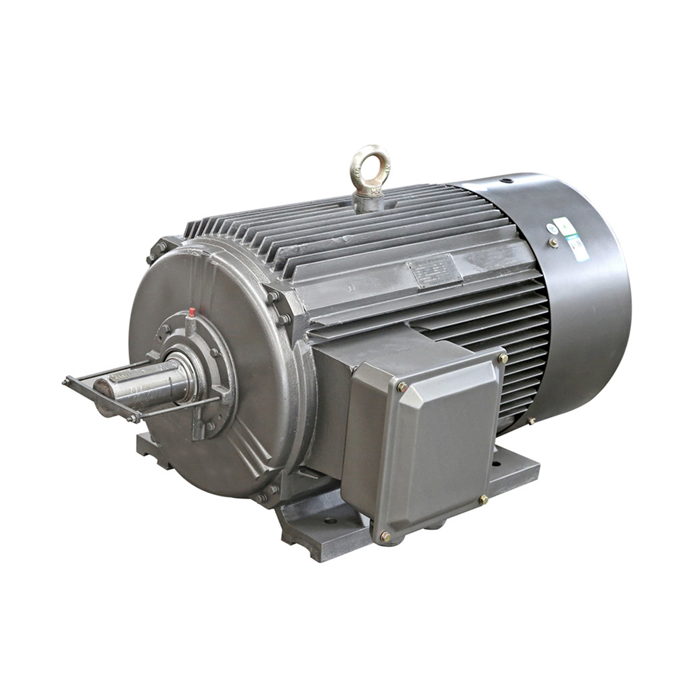
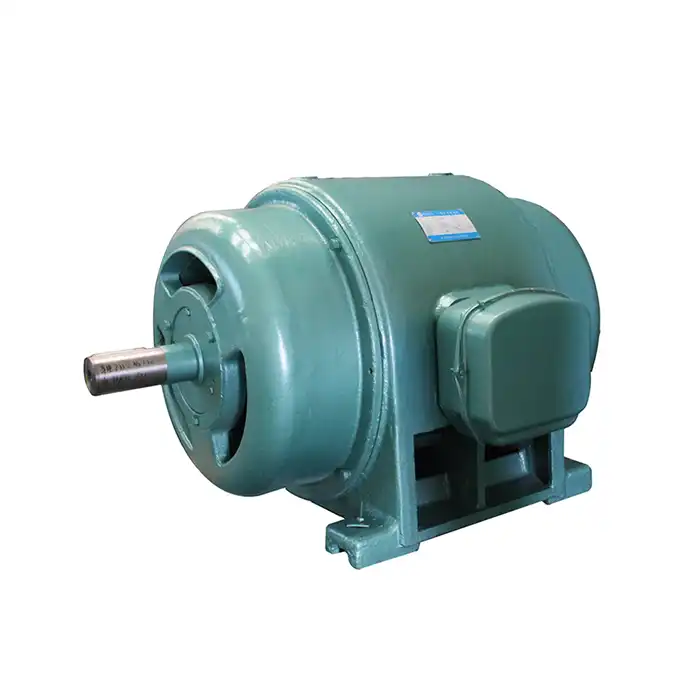
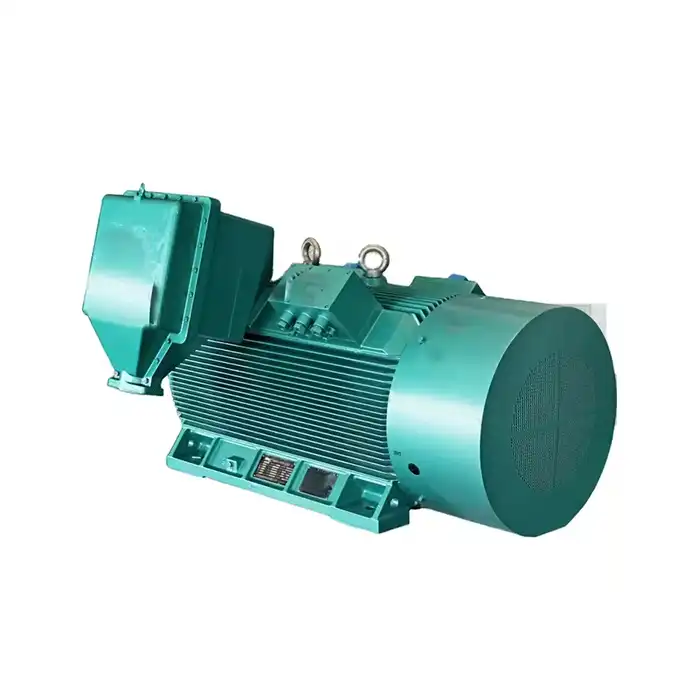
Series:YE5
Frame number: 80-450
Power range:
Protection level:IP55
Energy efficiency class: IE5
Voltage range: 380V,400V,415V, 660V,etc.
Application:can be used in various fields of the national economy, such as machine tools,water pumps,fans,compressors,and can also be used in transportation, mixing, printing, agricultural machinery, food and other occasions that do not contain flammable, explosive or corrosive gases.
Certificate: international standard IEC60034-30 "Efficiency Classification of Single-speed Three-Phase Squirrel Cage Induction Motors".
Advantage:The high quality of the electric motor guarantees high operational reliability.
Others: SKF, NSK, FAG bearings can be replaced according to customer requirements.
Understanding the Basics: 5HP Induction Motor and Servo Motor
Operating Principles of Induction Motors
The way that induction motors work is through electromagnetic induction. Current flows through the rotor because of an electromagnetic field in the stator. This makes torque even though there is no direct electrical connection. This design is durable and keeps the wiring simple. It also does away with brushes, so it needs less upkeep. A 5hp 3 phase induction motor can work at fixed or variable speeds, depending on the supply frequency and the way the poles are set up. There are no feedback loops in this system, so it is called an "open-loop" system. In other words, speed and location are not being tracked all the time. Induction motors are reliable and cost-effective in places where precise positioning is not needed, like pumps, compressors, and material handling equipment. This is because they have a simple design.
How Servo Motors Work?
A closed-loop control framework in a servo engine continually compares the shaft's position and speed to what it was told. This is done with encoders or resolvers. You can make changes right absent much obliged to this real-time criticism, which gives you exceptionally tall exactness and consistency. Individuals who work with robots, CNC machines, and computerized gathering lines find servo systems exceptionally valuable since they can rapidly adjust to changes in stack and control signals. There are 5HP servo arrangements that take a toll on a parcel more than the other servo engines that work with less control. They are more costly to purchase to begin with and require extraordinary upkeep aptitudes since they have more complicated hardware and input components. This makes them distinctive from straightforward acceptance engine designs.
Design and Construction Differences
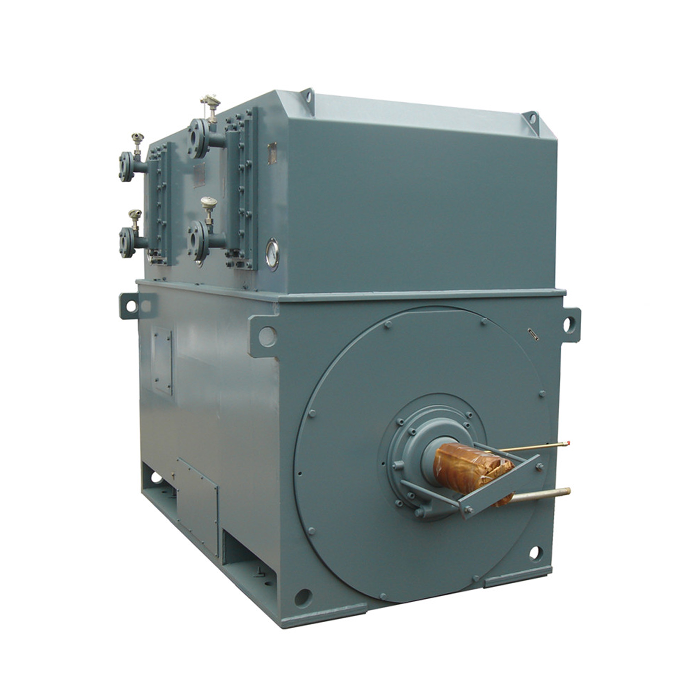
Some 5hp 3 phase induction motors have copper windings, silicon steel laminations, and an outline made of cast press or aluminum to decrease vortex current misfortunes. The gadget is tidy- and splash-proof thanks to its IP55 security rating, which makes it suitable for unforgiving mechanical settings. Since they have little lodgings, exactness heading, and high-resolution encoders, servo engines are extraordinary for applications that require to move. Servo engines require clean, steady control supplies and controlled situations. Acceptance engines, on the other hand, can handle changes in temperature and over-burdens way better. When buyers know around these contrasts in plan, they can select engines that will work well in a extend of places, from dusty production line floors to climate-controlled computerization cells.
Performance Comparison for Industrial Applications
Torque and Speed Control Characteristics
The torque of an induction motor stays the same no matter how fast it goes. These are great for use with stable load profiles because of this. A 5hp 3 phase induction motor is one that works relentlessly and has a solid beginning torque. But variable frequency drives (VFDs) are required to finetune the speed. Servo engines keep their speed and torque redress indeed when the stack changes since they have closed-loop input. With this, they can get the position right to inside a few degrees. When it comes to handle control settings, this contrast is exceptionally critical. For example, HVAC frameworks and water treatment plants require steady acceptance engines, but mechanical technology and CNC frameworks require exact servos to ensure the quality of the item and the productivity of the cycle time.
Energy Efficiency and Operational Costs
Newer induction motors are rated IE5 for efficiency, which means they use a lot less power than older ones. When a well-specified 5hp 3 phase induction motor works at full load, it cuts down on losses thanks to its optimized winding design and high-grade silicon steel laminations. Because they have more complicated drive electronics and cost more to buy up front, servo motors are more expensive to own overall. However, they can save energy through regenerative braking and precise load matching. According to energy audits, induction motors work best when they are used on a continuous duty and the load stays the same. But servo systems are worth the extra money for rare, high-precision jobs that cut down on cycle times and scrap rates, which lowers the overall cost of running the business.
Reliability and Maintenance Requirements
Induction motors are very durable; if you take good care of them, they can last more than 20 years. When it needs service, the bearings need to be oiled, the insulation on the windings needs to be checked, and the vibrations need to be watched. There are 5hp 3 phase induction motors that are protected against dust, water, and changes in temperature that can happen in utilities and manufacturing. Servo motors need to be cleaned and calibrated more often because they have sensitive electronics and encoders inside them. A common weakness of servos is that they have trouble with encoders and electronic controllers. As uptime and ease of use become more important to a business, it tends to choose induction solutions. On the other hand, companies that need accuracy are willing to pay more for servo maintenance so that production lines with a lot of automation can have tight tolerances and quick response times.
Selecting the Right Motor: Application and Use Cases
Ideal Applications for Induction Motors
Induction motors are well suited for repetitive, heavy-duty operations requiring durability and consistent torque. A 5hp 3 phase induction motor is commonly used in pumps, fans, conveyors, and compressors, delivering stable performance without complex electronics. In HVAC systems, it drives fans and chillers for airflow and cooling. Water treatment plants rely on these motors for filtration and distribution processes where uptime is critical. Their simple design, cost efficiency, and reliability make them ideal for textile machinery, food processing equipment, and agricultural applications operating under harsh conditions.
When to Choose Servo Motors
Servo motors are preferred when high precision, rapid acceleration, and complex motion control are required. Industries such as robotics, CNC machining, packaging, and medical devices rely on servo systems for accurate and repeatable performance. In electronics manufacturing, servo-driven systems achieve micron-level positioning, improving yield and reducing defects. While a 5hp 3 phase induction motor is sufficient for basic conveyor tasks, servo motors enable multi-axis coordination, adaptive speed control, and dynamic positioning, making them essential for Industry 4.0 applications involving automation, sensors, and intelligent control systems.
Key Decision Factors for Procurement
Procurement decisions should consider load type, budget, control requirements, and maintenance capabilities. A 5hp 3 phase induction motor offers a cost-effective solution for steady loads with simple installation and maintenance. When paired with a VFD, it provides adjustable speed at moderate cost, bridging the gap between fixed-speed and full servo systems. Servo motors justify higher investment when precision and automation improve productivity. Total cost of ownership should include energy use, maintenance frequency, spare parts availability, and downtime risks to ensure alignment with long-term operational goals.
Procurement Insights: Buying and After-Sales Considerations
Evaluating Suppliers and Product Quality
Choosing a reliable supplier ensures consistent performance and support for a 5hp 3 phase induction motor. Certifications such as IEC60034-30, CE, ISO 9001:2015, and GOST confirm compliance with efficiency and safety standards. Buyers should review documentation including performance tests, temperature data, and vibration analysis. Factory audits provide insight into manufacturing quality. High-quality bearings from SKF, NSK, or FAG enhance reliability, while flexible voltage options (380V–660V) support different systems. Pricing varies based on power and customization, with premium models offering long-term energy savings and faster return on investment.
After-Sales Support and Technical Assistance
Strong after-sales support improves reliability and reduces operational risk. Suppliers of a 5hp 3 phase induction motor should provide installation guidance, commissioning support, and troubleshooting assistance. Detailed wiring diagrams, maintenance manuals, and spare parts catalogs are essential for efficient operation. Training programs help maintenance teams develop diagnostic and preventive maintenance skills. Quick access to replacement parts such as bearings and cooling components minimizes downtime. Suppliers offering engineering support and lifecycle services enable continuous optimization and improved long-term equipment performance.
Troubleshooting and Maintenance for 5HP 3 Phase Induction Motors
Common Issues and Diagnostic Approaches
Common issues in a 5hp 3 phase induction motor include overheating, vibration, and electrical faults. Overheating often results from poor ventilation, overload, or bearing failure. Monitoring winding temperature and ambient conditions helps prevent damage. Vibration may indicate misalignment, imbalance, or worn bearings, and can be detected early with diagnostic tools. Electrical issues such as short circuits or phase imbalance require testing with instruments like multimeters and insulation resistance testers. Motors equipped with sensors and protection devices support proactive diagnostics and reduce unexpected failures.
Preventative Maintenance Strategies
Regular maintenance ensures long-term reliability of a 5hp 3 phase induction motor. Proper lubrication schedules depend on operating conditions, with both over- and under-greasing causing damage. Tight, corrosion-free electrical connections prevent resistance and arcing. Cleaning cooling systems maintains airflow for effective heat dissipation. Routine insulation testing detects early degradation, allowing timely intervention. Keeping maintenance records and analyzing performance trends support continuous improvement. Following manufacturer guidelines ensures decades of efficient operation across industries such as energy, manufacturing, HVAC, and agriculture.
Conclusion
You should think about the application's needs, your budget, and the most important tasks before choosing either a 5hp 3 phase induction motor or a servo motor. Induction motors are a strong and affordable choice for continuous-duty tasks in agriculture, HVAC, manufacturing, and water treatment. They also work well and are simple to keep up. These motors work well in places with a lot of automation that need precise positional control and dynamic management because they are accurate and quick to react. Industrial buyers make sure that the motor they choose will help them reach their long-term goals by checking things like torque, energy efficiency, maintenance needs, and more. This makes things run more smoothly, saves money, and ensures long-term operational success. When businesses buy motors from dependable suppliers, they can do so with confidence and efficiency because those suppliers offer certified products, full support, and technical know-how.
Frequently Asked Questions
1. Can a 5HP Induction Motor Achieve Precision Speed Control?
Most induction motors run very close to synchronous speeds, and their speeds don't change much on their own. But if you add a variable frequency drive (VFD), you can precisely change the speed over a large range. A 5hp 3 phase induction motor and a good VFD can change speed to fit the process without having to pay for servo systems. When it comes to positional accuracy, VFD-controlled induction motors aren't as good as servos. However, they work well when flow rates, conveyor speeds, or fan outputs need to be changed. Their performance and price are just right, which is why people like them.
2. How Does Energy Efficiency Impact Operational Costs?
Because they use less electricity, energy-efficient motors save money and are better for the environment. A 5hp 3 phase induction motor can cut down on losses by using cutting-edge materials and a design that works better. Over the life of a motor, the cost of energy is much higher than the price of the motor itself, so efficiency is a very important thing to think about when you buy one. An energy audit can tell you how much money you can save, and the short payback periods often make the higher costs worth it. Your total cost of ownership will go down and your sustainability goals will be met if you choose motors that are right for the load profile and operating conditions.
3. What Is the Relative Lifespan of Induction vs Servo Motors?
Most of the time, induction motors last longer than servo motors because they are easier to build and have less places where things can go wrong. Your 5hp 3 phase induction motor will work well for at least 20 years if you take good care of it. But because servo motors have sensitive electronics and encoders, parts may need to be changed every 10 to 15 years. But as servo motors get more precise and work better, they can be more productive, which can make up for their shorter lifespans. Total cost of ownership studies look at how much something costs to buy, how often it needs to be maintained, how much energy it uses, and how useful it is for running a business. This helps people buy motors that are in line with the goals of the industry in the long term.
Partner with XCMOTOR for Premium 5HP 3 Phase Induction Motor Solutions
In factories, you need motors that work well, are reliable, and are a good value. Shaanxi Qihe Xicheng Electromechanical Equipment Co., Ltd. (XCMOTOR) sells high-quality 5hp 3 phase induction motor solutions that are made to meet specific application needs. Our motors are IE5 efficient, protected by IP55, and have frame numbers between 80 and 450. They can handle a wide range of voltages (380V, 400V, 415V, and 660V) for machine tools, pumps, fans, and compressors. Because they are CE-certified, meet ISO 9001:2015 standards, and work with IEC60034-30 standards, you can be sure that our products will work well. Things work well and last a long time when they have good SKF, NSK, and FAG bearings. We offer original parts, fast shipping, 30 days to return items, and customer service seven days a week. Get in touch with us at xcmotors@163.com to talk about your project and find a reliable 5hp 3 phase induction motor supplier. Our professional team gives you custom quotes and full technical support. The motors they build are made to work well, last a long time, and be worth a lot in the long run.
References
1. Chapman, Stephen J. Electric Machinery Fundamentals. McGraw-Hill Education, 2012.
2. Hughes, Austin, and Bill Drury. Electric Motors and Drives: Fundamentals, Types and Applications. Newnes, 2013.
3. Yeadon, William H., and Alan W. Yeadon. Handbook of Small Electric Motors. McGraw-Hill Professional, 2001.
4. Nasar, Syed A. Handbook of Electric Machines. CRC Press, 1987.
5. Toliyat, Hamid A., and Gerald B. Kliman. Handbook of Electric Motors. CRC Press, 2004.
6. Boldea, Ion, and Syed A. Nasar. The Induction Machines Design Handbook. CRC Press, 2010.