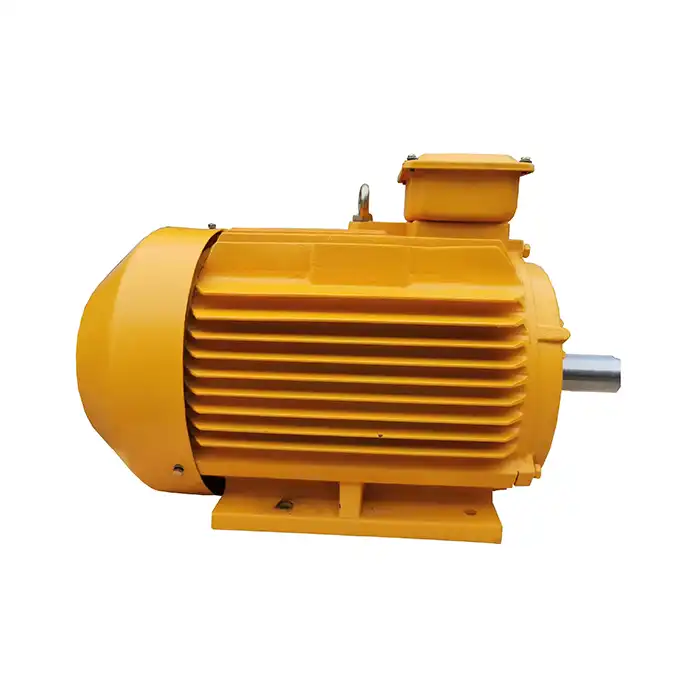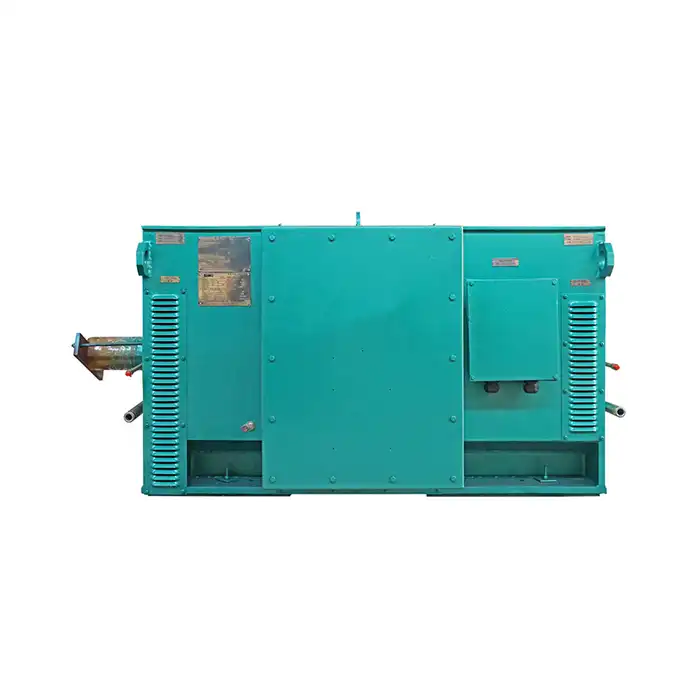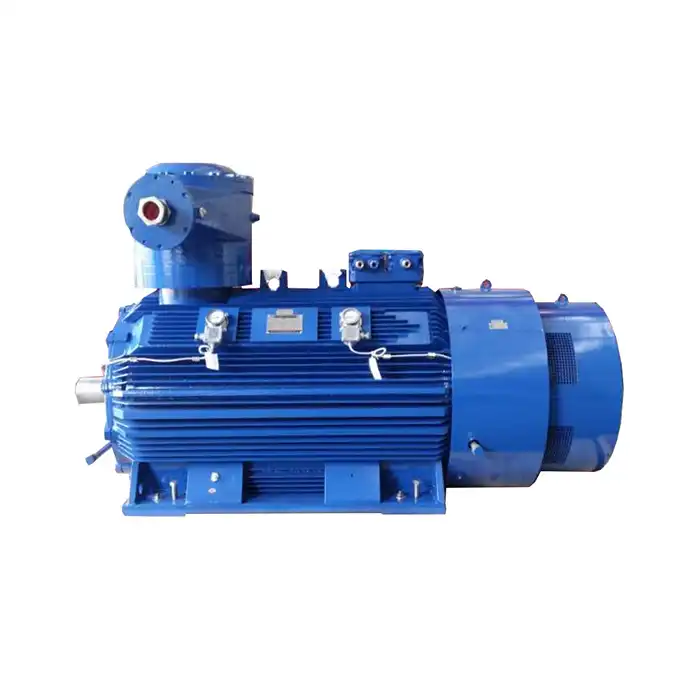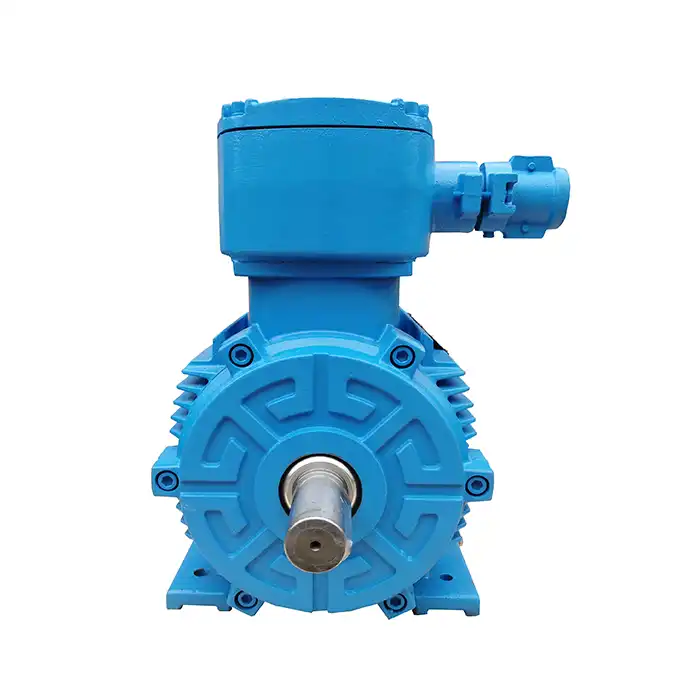




Best Medium Voltage Induction Motor for Industry Use
If you need to power important industrial medium voltage induction motor equipment, picking the right medium voltage induction motor can make or break your business. These motors, which work with voltages between 3 kV and 11 kV, provide dependable power to compressors, water pumps, crushers, cutting tools, and transportation equipment in factories, power plants, and process industries. At XCMOTOR, we've designed our line of medium voltage induction motors to be very efficient, make very little noise, and last a long time. These features will directly lead to lower operating costs and higher productivity for your facility.

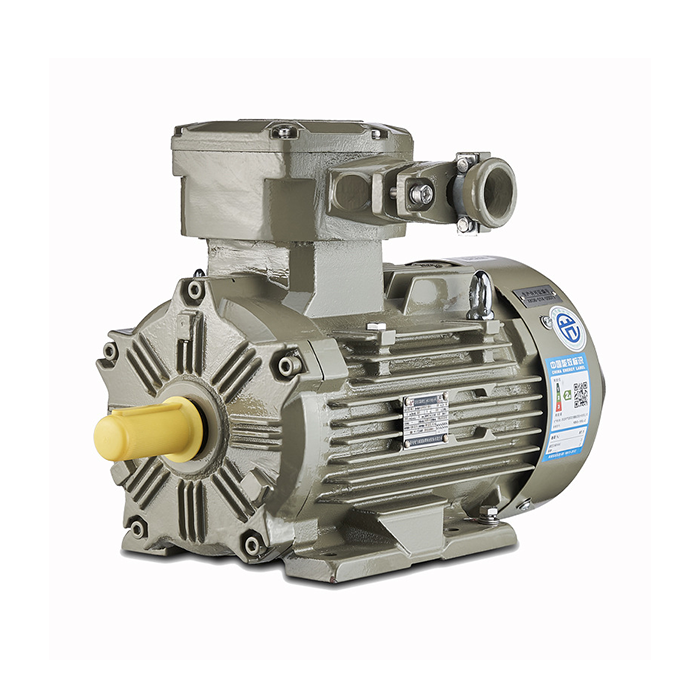
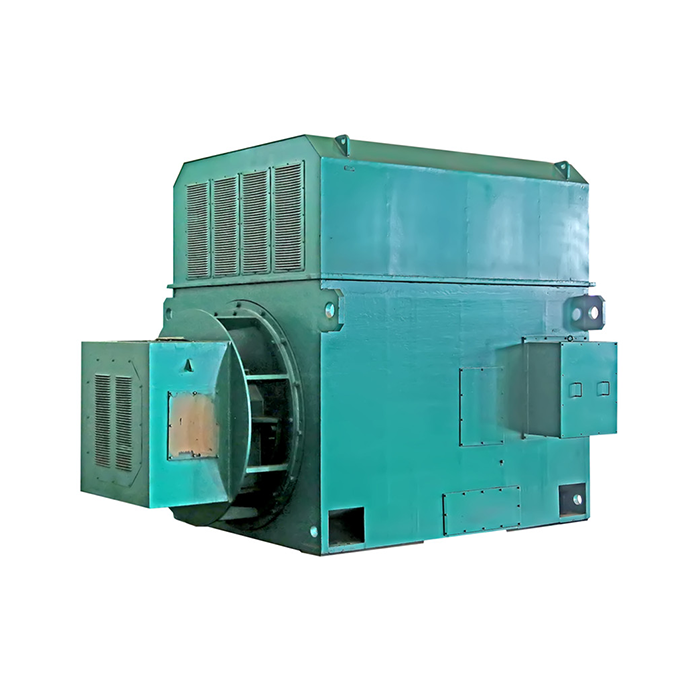
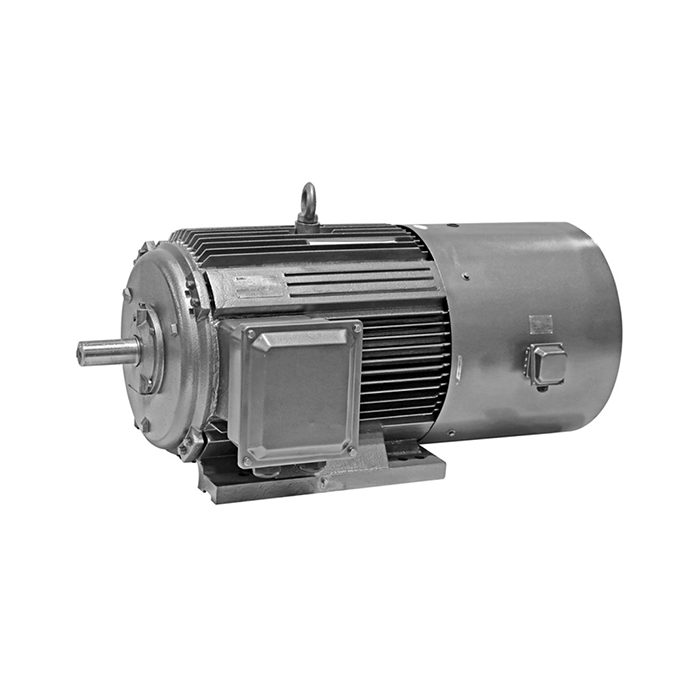
Series:YBBP-HV
Voltage range:3000V±5%,3300V±5%,6000V±5%,6600V±5%,10000V±5%,11000V±5%
Power range:185-1800 kW
Application:compressors, water pumps, crushers, cutting machine tools, transportation machinery.
Advantage: wide modulation range, high efficiency and energy saving, low noise, long life, high reliability.
Others: SKF, NSK, FAG bearings can be replaced according to customer requirements.
Introduction
In industrial settings, power tools need to work reliably even when they're under a lot of stress. A medium voltage induction motor is the power source for many manufacturing processes, from water treatment plants to assembly lines for cars. The people who work in procurement have a hard job: they have to find motors that meet specific application needs while also being reliable over the long term. When looking for industrial motors, this guide talks about the important things that business-to-business buyers need to think about. We will talk about the basic technology behind these machines, contrast them with other motor types, list the most important factors to consider when buying one, and give you useful advice on how to keep it in good shape. Our simple goal is to give your procurement team the information they need to make decisions that are good for both performance and budget. If you know what makes a good motor better than a bad one, you can save your company a lot of money on energy costs and avoid unplanned downtime, whether you're replacing old equipment or increasing production capacity.
Understanding Medium Voltage Induction Motors
What Defines Medium Voltage Range
Medium voltage systems are what motor manufacturers usually call equipment that needs voltages between 1 kV and 15 kV. Most industrial applications for medium voltage induction motor systems work at 3000V, 3300V, 6000V, 6600V, 10000V, or 11000V. These voltage levels are good for places that need more power than low-voltage systems (under 1 kV) can provide efficiently, but don't need the complexity of high-voltage infrastructure above 13.8 kV. Whatever voltage you choose will depend on your power grid and how much power the motor needs. At XCMOTOR, our motors can work with voltage differences of up to 5%, so they can stay stable even when the power in the area changes. This flexibility is very helpful in places where the power supply isn't always reliable or when demand is high, and the voltage on the grid may drop.
Core Operating Principles and Motor Types
Through electromagnetic induction, a medium voltage induction motor turns electrical medium voltage induction motor energy into mechanical motion. A rotating magnetic field is made when three-phase alternating current flows through the stator windings. The rotor gets current from this field, and it makes its own magnetic field. When these fields interact, torque is created, which makes the rotor spin.
In industrial settings, two main configurations are used:
- Squirrel cage motors have a simple rotor design with end rings that short-circuit conductive bars. These motors work great in situations where they need to run at a constant speed with little maintenance. Because they are built to last in harsh conditions, they are perfect for water pumps, compressors, and crushers. In our squirrel cage models, we use precisely balanced parts and rotor designs that waste as little energy as possible to keep vibrations to a minimum.
- Wound rotor motors have wire windings on the rotor that are linked to outside resistors by slip rings. This setup lets you change the speed and gives you more starting torque, which is good for cutting machines and transportation equipment that need to change speed or speed up or slow down gradually. Even though they need more upkeep than squirrel cage motors, wound rotor motors have useful operational flexibility that makes up for their complexity in some situations.
Key Advantages Driving Industrial Adoption
Industrial facilities always pick medium voltage induction motor options over other options for a number of reasons. Energy efficiency is very important. Our motors are very efficient across their entire operating range, turning more electricity into useful mechanical work. Premium copper windings keep resistive losses to a minimum, and Class F (155°C) with B temperature rise insulation systems keep heat from damaging the wire.The total cost of ownership goes down when something is durable. Frames made of cast iron protect internal parts from impacts and environmental stresses that are common in places like mines, factories, and processing plants. The IC416 cooling method effectively gets rid of heat, which extends the life of components and keeps performance stable even when running nonstop at temperatures ranging from -20°C to +40°CCompared to DC motors or synchronous machines, they still need very little maintenance. Our medium voltage induction motors work reliably for years with simple preventative maintenance because they have fewer parts that wear out and are easier to build. If you choose, you can get bearings from well-known brands like SKF, NSK, or FAG. This makes sure that they work with your current inventory and maintenance systems.
Comparing Medium Voltage Induction Motors with Other Motor Types
Medium Voltage Versus Low Voltage Solutions
When the voltage is less than 690V, low-voltage motors work well for smaller pieces of equipment, but they can't handle as much power. When the power goes above about 250 kW, low-voltage motors need bigger conductors to handle the extra current. This makes the parts more expensive and makes installation more difficult. A 3300V or 6600V medium voltage induction motor moves the same amount of power with a lot less current. This means that cables can be smaller and infrastructure costs can be lower.As voltage rises within the motor's design range, energy efficiency goes up. Resistive heating in cables and switchgear is cut down when the current is low. This saves energy before it even gets to the motor. This benefit grows over time, especially in applications that use a lot of energy, like compressors and crushers that work multiple shifts every day.There are also different starting points. Low-voltage motors often have trouble starting up because the voltage drops, which could affect other things on the same circuit. Whether you use direct online starting, soft starters, or variable frequency drives, medium voltage systems can handle motor starting currents better.
Comparison with Synchronous Motors
Synchronous motors let you precisely control the speed and can work at either unity or leading power factor, which could lower the costs of correcting the power factor in a building. These benefits do, however, come with more work. For synchronous machines to work, the rotor windings need to be excited by excitation systems. This adds extra parts that need to be watched over and sometimes fixed. A medium voltage induction motor works reliably and doesn't cause problems with the excitation system. The simplicity is helpful in situations where a constant speed is enough and where reducing the amount of maintenance needed is more important than fine speed adjustment. Due to their low cost, induction motors are often the best choice for water pumps, crushers, medium voltage induction motors, and other loads that don't change much during operation.
DC Motors in Industrial Contexts
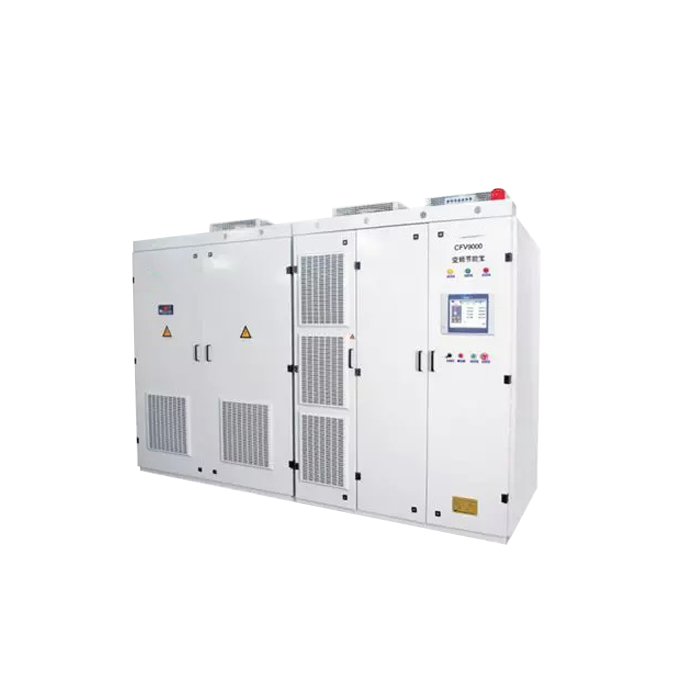
Before AC drive technology got better, variable speed applications were mostly done with direct current motors. DC motors are great for controlling speed, but they need more maintenance because the brushes and commutators wear out faster. The brushes need to be replaced every so often, and the commutator surfaces need to be inspected and resurfaced every so often. Both of these tasks add to the cost of labor and could cause the machine to be down. Modern medium voltage induction motor units paired with variable frequency drives give you the same level of speed control as DC motors without the maintenance issues. Our motors can work with VFDs, which allow precise speed control when needed while still maintaining the reliability of AC induction technology. By getting rid of brushes and commutators, service intervals are extended and fewer spare parts need to be kept on hand.
Key Factors to Consider When Selecting the Best Medium Voltage Induction Motor
Matching Motor Specifications to Application Requirements
To choose the right motor, you must first carefully consider what your application needs. Initial decisions about size are based on how much power is needed. Our medium voltage induction motor range goes from 185 kW to 1800 kW, which is enough for most industrial needs, from heavy-duty compressors to heavy-duty pumps. Speed of operation is important. We offer standard speeds of 3000 rpm, 1500 rpm, and 1000 rpm, as well as custom options for projects that are very different. For centrifugal loads like fans and pumps, faster speeds work best. For high-torque loads like crushers and cutting machines, slower speeds work best. Matching the motor speed to the characteristics of the load increases efficiency and makes the equipment last longer. Protection class requirements are shaped by environmental factors. Our standard IP55 rating protects against water and dust jets and is good for most indoor industrial settings. IP56 or IP65 protection may be needed for outdoor installations or areas that will be cleaned. When choosing protection levels, you should think about extreme temperatures, altitude (our motors can work up to 1000m without derating), and weather conditions.
Evaluating Total Cost Beyond Purchase Price
The purchase price is only one part of the total cost of ownership. During a motor's 20-year or longer service life, energy use usually far exceeds the initial investment. Because our motors are highly efficient and have a wide modulation range, they use fewer kilowatt-hours, which saves you money over time. Compare quotes by figuring out how much energy each one will cost you based on how much electricity your building uses and how many hours it's expected to be open each year.The costs of maintenance are very different for different types and levels of quality motors. Our cast iron frames, high-quality copper windings, and advanced insulation systems don't break down easily, so you can go longer without having to call for service. If you choose a preferred bearing brand (SKF, NSK, or FAG), you can match it with existing maintenance programs. This could lower the cost of keeping spare parts on hand and make training technicians easier.
Supplier Evaluation and After-Sales Support
Delivery times affect both the schedule and the amount of work that can be done. At XCMOTOR, our production process—from making precise parts to carefully putting them together to testing them thoroughly to making sure they work properly—ensures quality while keeping to delivery dates. Knowing the lead times during the planning stages of procurement keeps projects on schedule and lets installation contractors work together. When problems happen, having access to technical support is important. Having access to engineers who know a lot about your application makes it easier to find problems quickly and put good solutions in place. We offer dedicated support around the clock, even on weekends, because we know that industrial operations don't follow normal business hours. This promise cuts down on the time needed to fix problems and speeds up the return to normal operation. Meeting international standards gives people peace of mind and makes it easier for regulators to give their approval.
Maintenance and Testing Tips for Medium Voltage Induction Motors
Establishing Effective Preventive Maintenance Routines
Small problems can't turn into expensive failures if they are checked on a regular basis. Visual checks should look for strange vibrations, changes in noise, too much heat, or signs of water getting in. The precisely balanced parts of our motors usually work smoothly and quietly. Any changes from the normal performance should be looked into. Inspections every month find problems as they start to happen, when they are still easy to fix. Bearing maintenance extends motor life significantly. Our motors can use high-quality bearings from SKF, NSK, or FAG based on what the customer wants, but all bearings need to be oiled or replaced at some point. Based on your motor's speed and the environment in which it works, follow the manufacturer's advice on how often to grease it. Proper lubrication keeps bearings from breaking down too soon, which is one of the main reasons why motors break down.
Critical Testing Procedures for Reliability Assurance
The electrical resistance between the motor windings and ground is measured by insulation resistance testing. Values should be higher than the bare minimums set by IEC standards. For clean, dry motors, this is usually 100 megohms plus 1 megohm per rated voltage in kV. Lower readings mean that moisture is absorbing or the insulation is breaking down, which needs to be fixed. Testing during shutdowns and after events that expose people to the environment can help find problems early on. Vibration analysis finds mechanical issues like worn bearings, an unbalanced rotor, or a misaligned rotor. When our motors leave the factory, their parts are precisely balanced to reduce vibration and set a standard for future comparisons. Increasing the amplitude or frequency spectrum of vibrations can show that faults are starting to form. Most facilities can get by with handheld vibration meters, but permanent monitoring systems are better for critical situations where early detection is worth the extra money.
Troubleshooting Common Operational Issues
Most of the time, problems with the electrical supply are to blame when a medium voltage induction motor won't start. Before you assume there are problems with the motor, make sure the voltage at the terminals is correct, that the protection relay is set correctly, and that the control circuit works. If the motor attempts to start but stops because it's overloaded, check for mechanical binding, too much load, or single-phase operation because supply conductors are open. If there isn't enough airflow, the temperature outside is too high, or there are overload conditions, the machine could get too hot while it's running. Make sure there are no blocks in the paths of cooling air and that the temperature inside stays within the rated limits. Our way of cooling the IC416 depends on airflow; if the vents get clogged, the temperature goes up. Overload protection settings should match motor ratings; nuisance trips mean loads are too high for the motor or medium voltage induction motor the protection isn't set up correctly.
Procurement and Ordering Guide for Medium Voltage Induction Motors
Navigating Pricing and Customization Options
Pricing for medium voltage induction motor units is based on features, specifications, and customer needs for customization. Standard configurations with common voltage ratings (3300V, 6600V), speeds (1500 rpm, 1000 rpm), and protection classes (IP55) usually have good prices because they are easier to make. Special requirements, like unusual voltages, custom speeds, or higher protection classes, may make lead times longer and costs higher, but they make sure that the product works best for the application. Being able to choose different bearings adds value without having a big effect on costs. We offer quality bearings as standard, but customers who want to stick to SKF, NSK, or FAG brands for their maintenance programs can let us know. This modification makes managing spare parts easier and makes the most of existing supplier relationships. It shows how thoughtful customization options can meet real operational needs.
Managing Lead Times and Logistics
Production lead times depend on how the order is set up and how production is currently scheduled. Standard specifications usually ship within a reasonable amount of time, but custom configurations need more time to be made. By giving you an idea of how long a project will take during the quotation process, we can promise you realistic delivery dates and change your schedule as needed. Planning ahead for things like replacing equipment or adding on to a building gives everyone more freedom, which is good for everyone. When you package and ship something, you need to think about how to keep it safe during transit. Medium voltage induction motor assets are very valuable and have precise parts that are easily damaged by impact and water. We use strong packaging that can be shipped both domestically and internationally. This includes materials that keep out moisture and shock, as well as secure mounting to keep things from moving. Damage claims are lowered when equipment is properly packed, and it arrives ready to be set up.
Ensuring Standards Compliance and Quality Assurance
Following international standards makes it easier for regulators to give their approval and sets quality standards. Our motors meet the requirements of IEC 60034, which is the internationally recognized standard for electrical machines that spin. This compliance covers building, testing, performance, and safety standards, making sure that motors meet strict technical standards that were agreed upon by everyone around the world. Certification of a quality management system shows that an organization is dedicated to maintaining quality. Our ISO 9001:2015 certification shows that the design, production, testing, and delivery of our products are all governed by written processes. Certification bodies do regular audits to make sure that rules are being followed. This gives customers confidence that every motor benefits from established quality controls instead of relying on the diligence of a single inspector. Regional certifications meet the needs of specific markets. CE marking means that the product meets the safety, health, and environmental protection standards of the European Union.
Conclusion
To choose the best medium voltage induction motor for your industrial needs, you need to weigh the technical specs, reliability features, and overall cost of ownership. When it comes to compressors, water pumps, crushers, cutting machine tools, and transportation equipment, motors that run on 3 kV to 11 kV and have power outputs between 185 kW and 1800 kW are very important. When making a procurement decision, it's important to think about how the application will be used, how much environmental protection is needed, how efficient the product is, and how well the supplier can support it. Your company can get power equipment that improves operational reliability and keeps costs low by learning about motor types, comparing options, figuring out what to look for, performing regular maintenance, and buying things in a smart way. This guide gives procurement professionals the practical information they need to make smart choices that improve the performance of the industry.
FAQ
1. What differentiates medium voltage from low voltage motors in practical applications?
Medium-voltage induction motors operate between 1 kV and 15 kV, typically at 3300V, 6600V, or 10000V in industrial settings. Low-voltage motors operate under 690V and are good for smaller equipment. The difference in voltage is important because higher voltages make it easier to send power at lower currents. This cuts down on the size of the conductors, lowers the amount of resistance lost, and makes the system work better overall. Medium voltage motors work best in situations with loads of 185 kW or more, where low-voltage options would need too long of cables and have a big drop in voltage when starting up.
2. How do bearing options affect motor reliability and maintenance?
The quality of bearings directly affects how long a motor lasts and how often it needs to be serviced. Based on what the customer wants, our motors can use SKF, NSK, or FAG bearings. This lets them work with existing maintenance plans and spare parts stocks. Good bearings can handle the radial and axial loads that are put on them while they are working, especially in places like crushers and compressors where mechanical stress is high. If you choose the right bearings for the job, you can keep them in good shape for longer and avoid costly breakdowns that happen too soon.
3. What level of protection should I specify for outdoor installations?
Protection class requirements are set by the environment. Standard IP55 protection keeps out dust and water jets, making it good for most indoor industrial settings. When installations are outside, they are exposed to the weather directly, so IP56 or IP65 protection is recommended. These higher ratings offer better protection against water getting in, which is very important in places where it rains, snows, or is washed down. When choosing protection levels, you should think about the local climate, whether the equipment is exposed to direct rain or just humidity, and how it is usually maintained. With the right protection, moisture-related insulation degradation can be avoided, and motors can last longer in harsh environments.
Partner with XCMOTOR for Your Medium Voltage Induction Motor Requirements
Industrial-grade power solutions from XCMOTOR are designed for tough jobs in the process, energy, manufacturing, and HVAC industries. Our range of medium voltage induction motor models, with power ratings from 185 kW to 1800 kW and voltage ratings from 3000V to 11000V, saves energy, lasts longer, and is reliable. As a manufacturer of medium voltage induction motors with a lot of experience, we know how hard it can be to find the right parts. That's why we offer quick help with technical questions, advice on specifications, and project coordination. You can talk to our engineering team about your needs by emailing xcmotors@163.com or going to motorxc.com. We will give you competitive quotes, detailed specifications, and application suggestions that are specific to your needs. Original products from trusted brands, fast shipping, easy returns within 30 days, and dedicated support available on the weekends are all part of our promise. XCMOTOR can help you get motors that improve your facility's performance and lower its long-term operating costs, whether you're replacing old equipment or making more things.
References
1. Chapman, S. J. (2012). Electric Machinery Fundamentals. McGraw-Hill Education, New York.
2. International Electrotechnical Commission. (2017). IEC 60034-1: Rotating Electrical Machines - Part 1: Rating and Performance. Geneva, Switzerland.
3. Bonnett, A. H., & Yung, C. (2008). Increased Efficiency Versus Increased Reliability: A Comparison of AC Induction Motor Designs. IEEE Transactions on Industry Applications, 44(4), 1089-1096.
4. Nailen, R. L. (2005). Why Medium-Voltage Motors Fail: A Reliability Study. IEEE Industry Applications Magazine, 11(3), 48-54.
5. Stone, G. C., Boulter, E. A., Culbert, I., & Dhirani, H. (2014). Electrical Insulation for Rotating Machines: Design, Evaluation, Aging, Testing, and Repair. Wiley-IEEE Press, Hoboken.
6. Thorsen, O. V., & Dalva, M. (1995). A Survey of Faults on Induction Motors in Offshore Oil Industry, Petrochemical Industry, Gas Terminals, and Oil Refineries. IEEE Transactions on Industry Applications, 31(5), 1186-1196.